“Africa is more than its bush…incorporating a city experience gives you get time to ground yourself in a place.”
Like so many other tourists, I came to East Africa, Rwanda, in particular, to get close to one of the most magnificent creatures on earth. Gorilla trekking has been a conservation success story in this part of the world, and local efforts alongside responsible tourism have helped curb the destruction of this species. Coming to this region hoping for a sighting usually calls for flying into the capital city of Kigali before jetting or driving off to lodges and camps.
But rather than arriving in Kigali and immediately departing to go on safari, increasingly, travelers are opting to extend their time here.
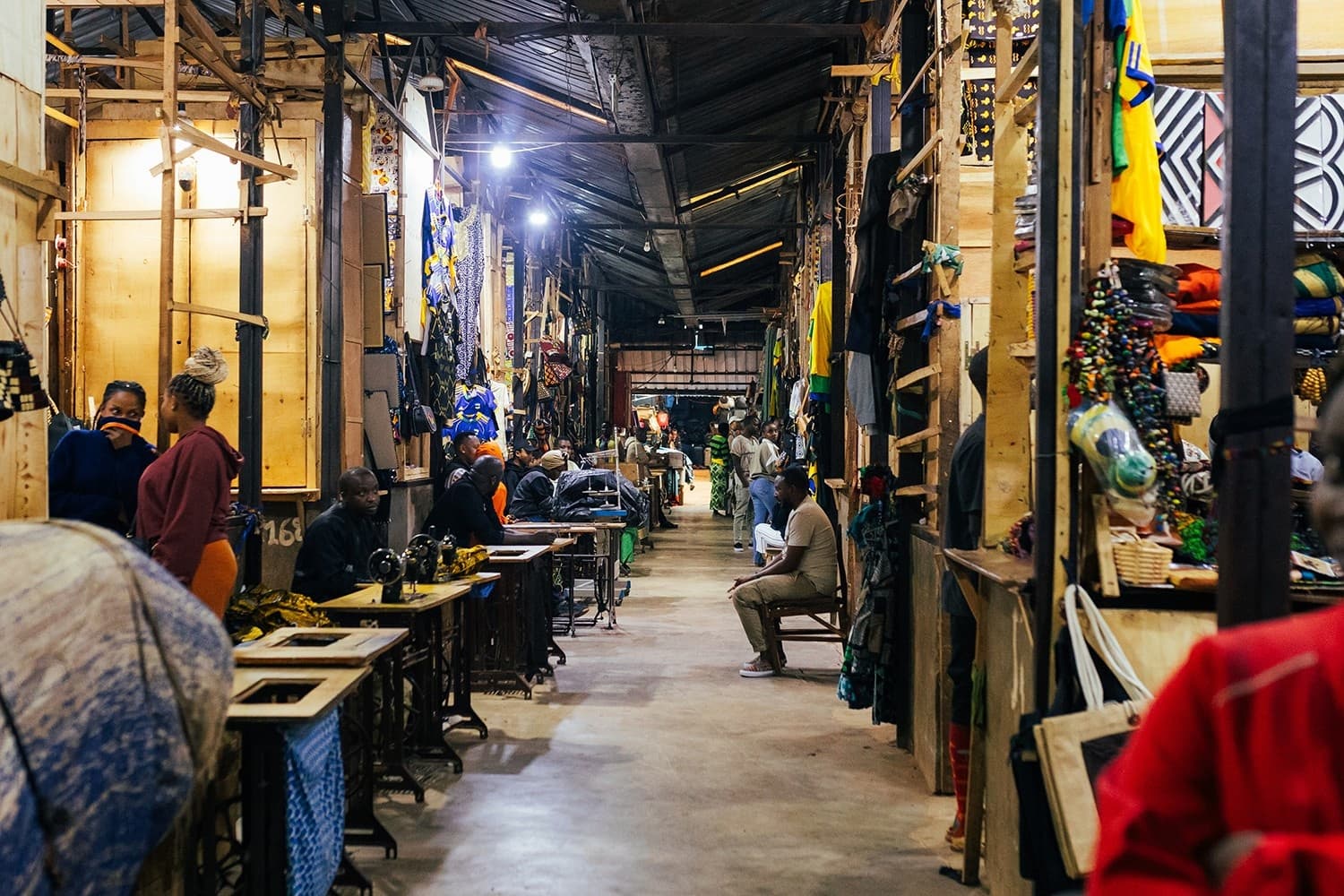
Inside Kimironko Market. Courtesy of Pinnacle Kigali
Discovering Kigali, Rwanda
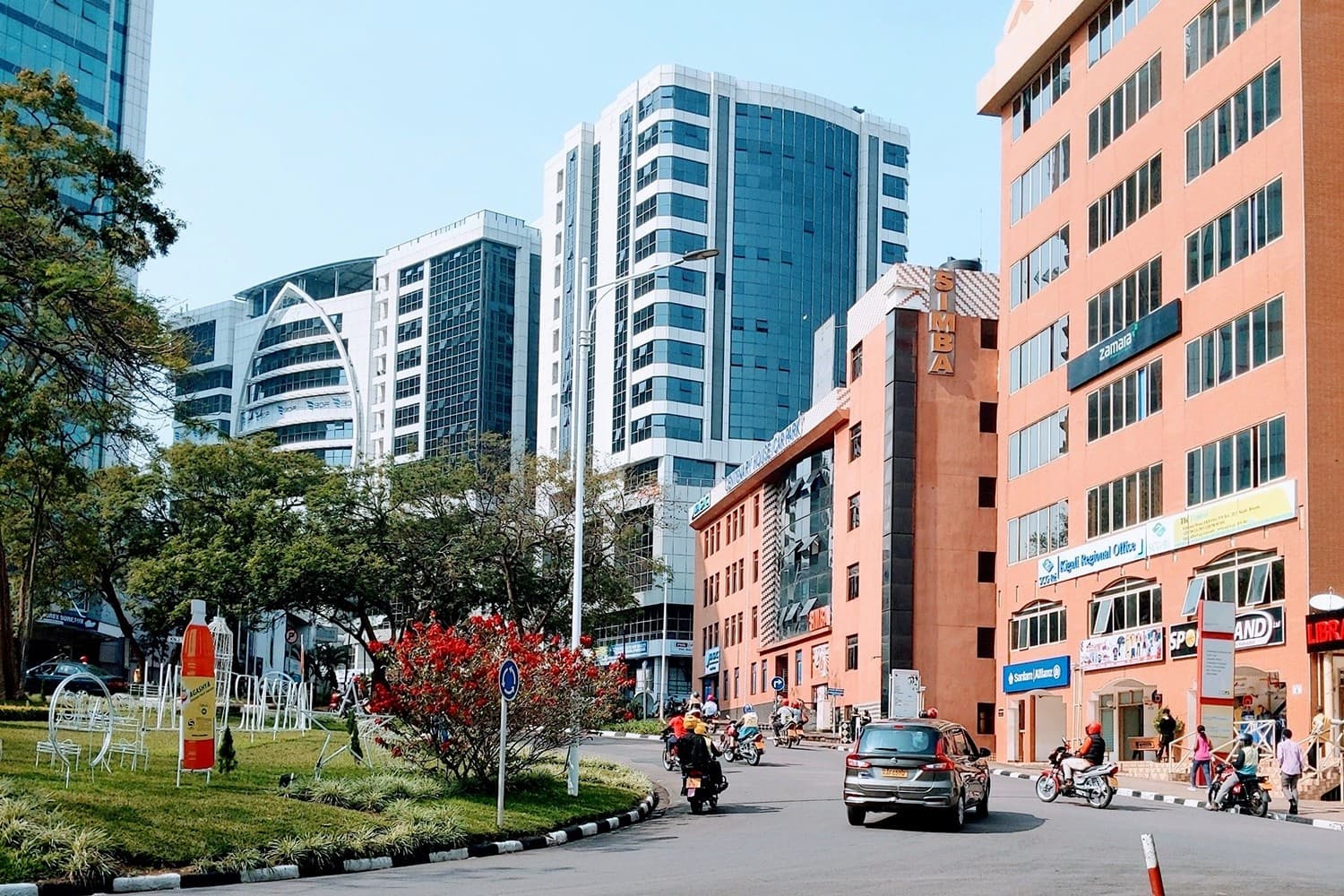
Orderly rows of ride-for-rent motorcycles, known locally as motos, line the streets, attended by drivers wearing matching yellow vests. They gather outside Kimironko Market, the city’s biggest shopping hub, transporting shoppers laden with fruits and vegetables, home goods, jewelry, or handicrafts.
I browse the crowded stalls, comparing products and prices before accidentally sparking a good-natured argument about which vendor I had promised to visit first. What began as simple transactions often turned into conversations, with stallholders eager to explain unfamiliar ingredients or share recommendations on what to try next. Quick friendships are made, cemented with a purchase before it’s time to leave.
This is a standard scene here in Rwanda’s capital and largest city. Set across an expanse of rolling hills in the center of the country, it has a reputation for being one of Africa’s most innovative and tech-forward metropolises; hence its nickname as the Singapore of Africa. Heritage establishments and hot new spots sit side-by-side, from traditional roadside milk bars to modern cafes, while design spaces and galleries help nurture and promote creative talent.
Car-free areas like the Imbuga City Walk zone encourage visitors and locals alike to get outside and enjoy the city, offering cultural events, live music, performances, and weekend pop-ups and shopping stalls. With its own fashion week and Afrocentric art centers, Kigali’s art scene is also among the most exciting on the continent.
Add to all this a lauded new hotel and the highly anticipated debut of a new international airport slated for 2028, and it’s easy to see why the city has been steadily drawing more attention from travelers.
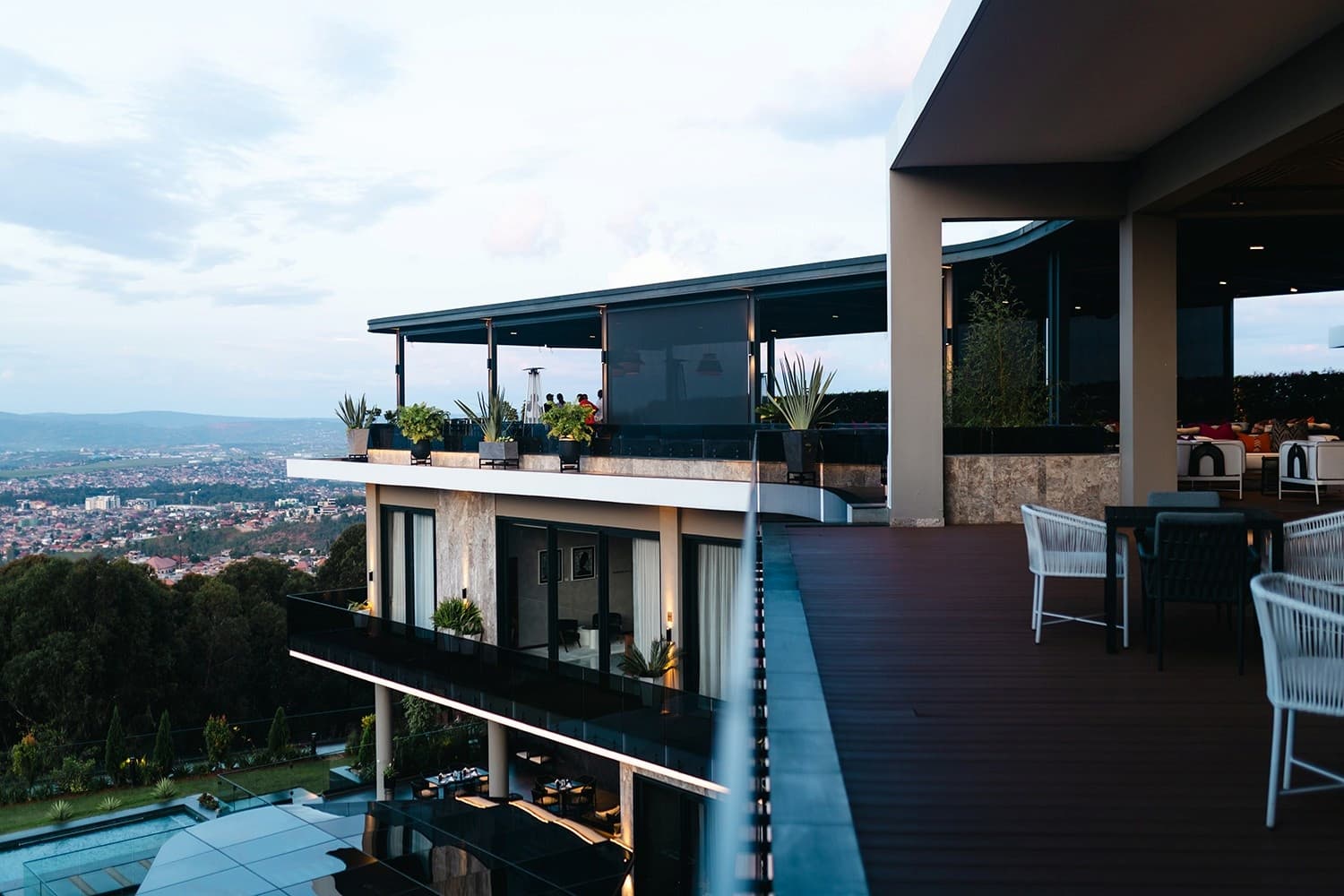
View from Pinnacle Kigali. Courtesy of Pinnacle Kigali
From Home to Haute Hotel
Pinnacle Kigali, once envisioned as a family home, now offers a boutique hotel experience. The property officially opened its doors in January and has already garnered glowing attention. With the help of a personal butler, guests receive a tour on arrival, offering glimpses of the design-forward property and its infinity pool, spa, restaurant, and vast collection of African art. The property is a prime example of Africa’s position as a global leader in female entrepreneurial activity – it’s helmed by entrepreneur Sheila Kyarisiima and envisioned by an all-female design team.
Kigali is at the forefront of changing perceptions about African tourism, as travelers discover there’s more to do outside the standard safari packages. “There’s a generic blanket over the continent that has no nuance,” Kyarisiima explains. “Africa is more than its bush; we love our wildlife, but incorporating a city experience means you actually get the opportunity to ground yourself in a place.”
While Kigali has many international hotel chains, Pinnacle fills a much-needed gap as an independent, African-created outfit. Keen to give guests a sense of place, Kyarisiima incorporated locally sourced materials like Rwandan granite and muvura wood, along with artwork and design elements referencing prosperity, protection, beauty, and royalty in Rwandan culture. Eco-conscious choices were cornerstones too: an entirely electric vehicle fleet, solar panels, and a kitchen garden supplemented by partnerships with Rwandan farmers for most ingredients.
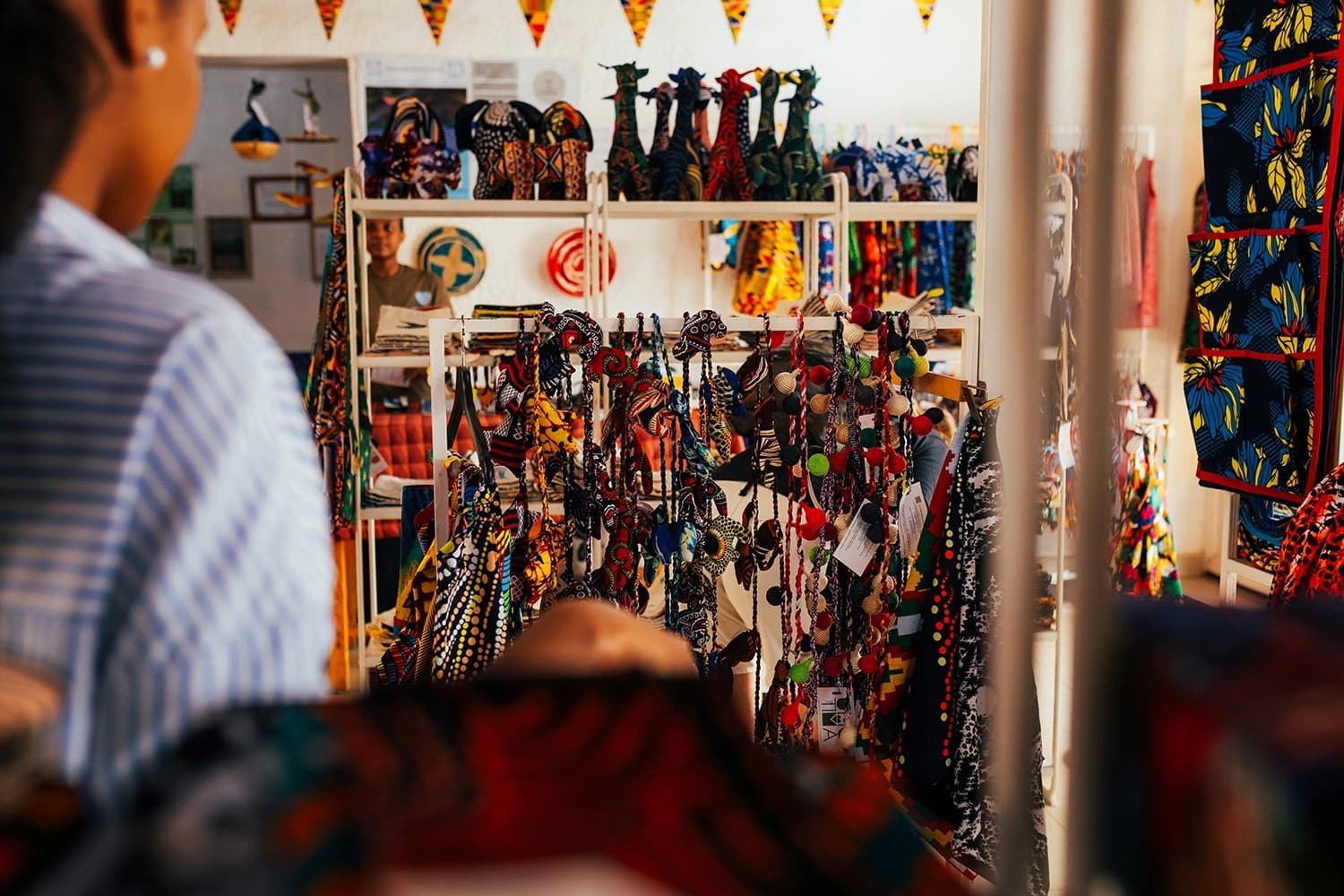
Shopping at Nyamirambo Women's Center. Courtesy of Pinnacle Kigali
Diving into Kigali’s Art, Culture, and Community
Set up among the hills overlooking the capital, Pinnacle serves as a palatial basecamp for discovering the capital. The hotel can help arrange experiences and activities – I, for example, went to visit the kitchen at SolidAfrica, another women-founded enterprise that prepares 5,000 healthy, farm-to-fork daily meals for school children and hospital patients. I toured the organization’s kitchens and spent time chatting with staff and volunteers. Later, over a shared meal, the conversation continued. Hearing their stories and learning what motivates them offered a deeper understanding of the community spirit that underpins so much of life here.
Beyond hotel-arranged outings, there are many other options for independent exploration.
In the multicultural Nyamirambo neighborhood, the Nyamirambo Women’s Center offers walking and motorbike tours, cooking classes, and cultural experiences led by local women. Spending time there provides a personal perspective on daily life, whilesupporting skills training and employment opportunities. I chatted with the women about family life, work, and the changes they had seen in the city over the years. Those conversations gave me insight that I could never have gained from a guidebook.
The Pinnacle’s art collection is just the start of uncovering Kigali’s art scene, which extends from institutions like the contemporary Rwanda Art Museum to community-centered enterprises like the Inema Arts Center collective. New to the scene is the Gihanga Institute of Contemporary Art, which opened just this year and has exhibits, performances, galleries, and screenings. Galleries like Niyo Arts Center and Sundays Art Hub are wonderful places to view work by Rwandan artists, and both solo artists and organizations like Kurema, Kureba, Kwiga have covered city streets and walls with murals and artwork.
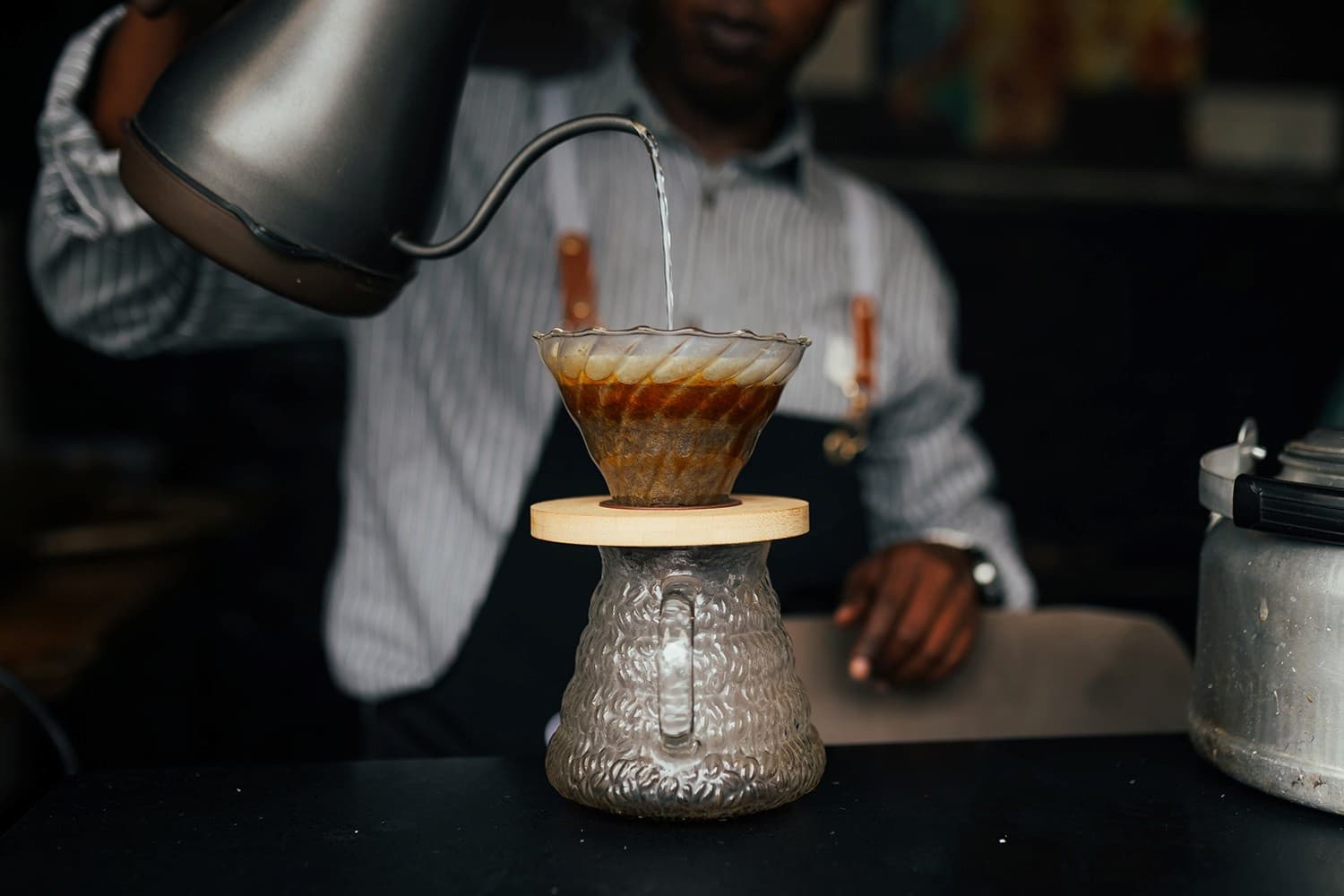
Barista pouring coffee at One Cup Coffee. Courtesy of Pinnacle Kigali
Remembering and Honoring Rwanda’s Past
It’s impossible to spend time in Kigali without noticing how much pride residents take in their city. The streets are clean and orderly, new businesses continue to open, and there’s an unmistakable sense of optimism about the future. As a visitor, it’s easy to be swept up in the energy of a city that is constantly evolving.
Yet progress hasn’t come at the expense of memory. Reminders of Rwanda’s history are woven through the city, asking residents and visitors alike to sit with what happened and honor those it affected.
Ten minutes from the center of town in Gisozi sits the Kigali Genocide Memorial, a site dedicated to 250,000 local residents who were killed in the 1994 Rwandan genocide. While that number seems staggering, it’s but a fraction of the total number lost throughout the country; the United Nations estimates between 800,000 and one million people were killed, with hundreds of thousands of women raped and assaulted. The memorial was founded as a place of commemoration, education, survivor support, and prevention, with informational exhibits, memorial gardens, mass grave sites, and a wall of victims’ names, which remains a work in progress. It’s a heavy place but a crucial visit to pay respects and grapple with the loss; leave enough time to view the exhibits and process the experience.
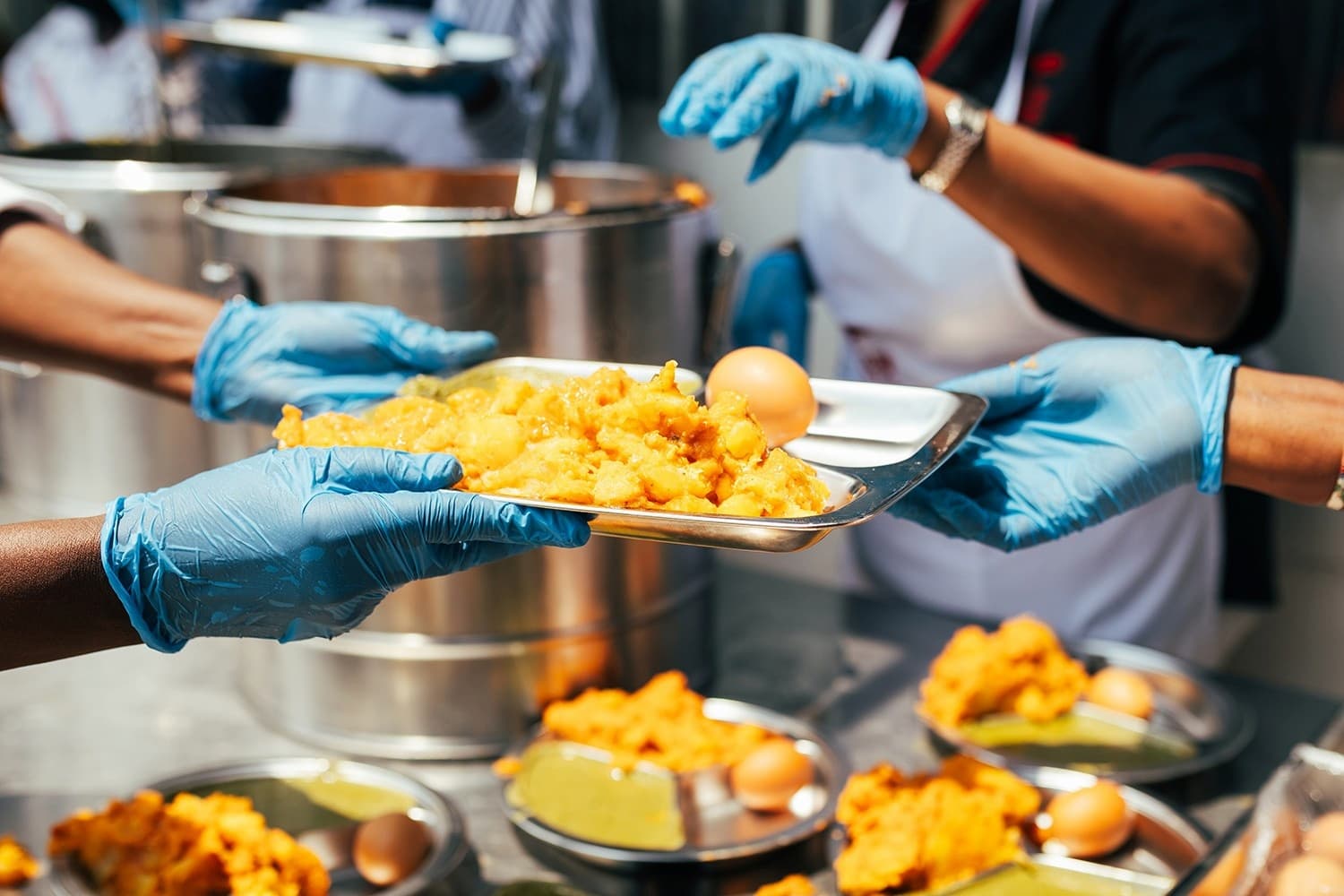
Preparing meals at SolidAfrica. Courtesy of Pinnacle Kigali
The Kigali Connection
What stayed with me most about Kigali wasn’t a single hotel, gallery, or meal, but the feeling of connection that seemed to run through the city. It was there in the joking conversations with vendors at Kimironko Market, with the women sharing stories in Nyamirambo, and in the kitchen at SolidAfrica, where volunteers and staff prepared thousands of meals side by side. Long after my gorilla trek was over and I had returned home, those were the moments that transformed Kigali from a waypoint on my itinerary into one of the most memorable parts of the trip.
What to Know Before You Go to Kigali, Rwanda
Kigali is served by Kigali International Airport, located around 20 minutes from the city center, depending on traffic. Moto taxis are one of the easiest and fastest ways to get around, though standard taxis and ride-hailing apps are also widely available. With clean, safe streets, it’s also an ideal city to explore on foot, but be prepared to tackle the hills.
Along with luxury accommodations, The Pinnacle Kigali also offers upscale international and pan-African dining options including a high-end restaurant, rooftop bar, whiskey lounge, and teppanyaki eatery. One Cup Café & Lounge is a go-to for morning (or afternoon) pick-me-ups, using house-roasted Rwandan beans for a range of coffee drinks in its modern cafe. A coffee experience tour is also available, covering the history of Rwandan coffee and preparation methods with a final tasting. Kōzo’s pan-African tasting menu, steakhouse ruä, and contemporary African cuisine outfit Nyurah are all worth a reservation on the dining front.

Fiona Tapp is an award-winning travel writer who has explored over 30 countries across six continents. Her work has appeared in major publications such as National Geographic, The Globe and Mail, Travel + Leisure, Fodor’s, and Lonely Planet. With a focus on immersive experiences and cultural insights, she brings destinations to life through compelling storytelling. Originally from the UK, Fiona now calls Ottawa home, where she continues to share her passion for travel with readers worldwide. Follow Fiona on IG.
North Stars: Community Support, Gender Equality, Heritage Value