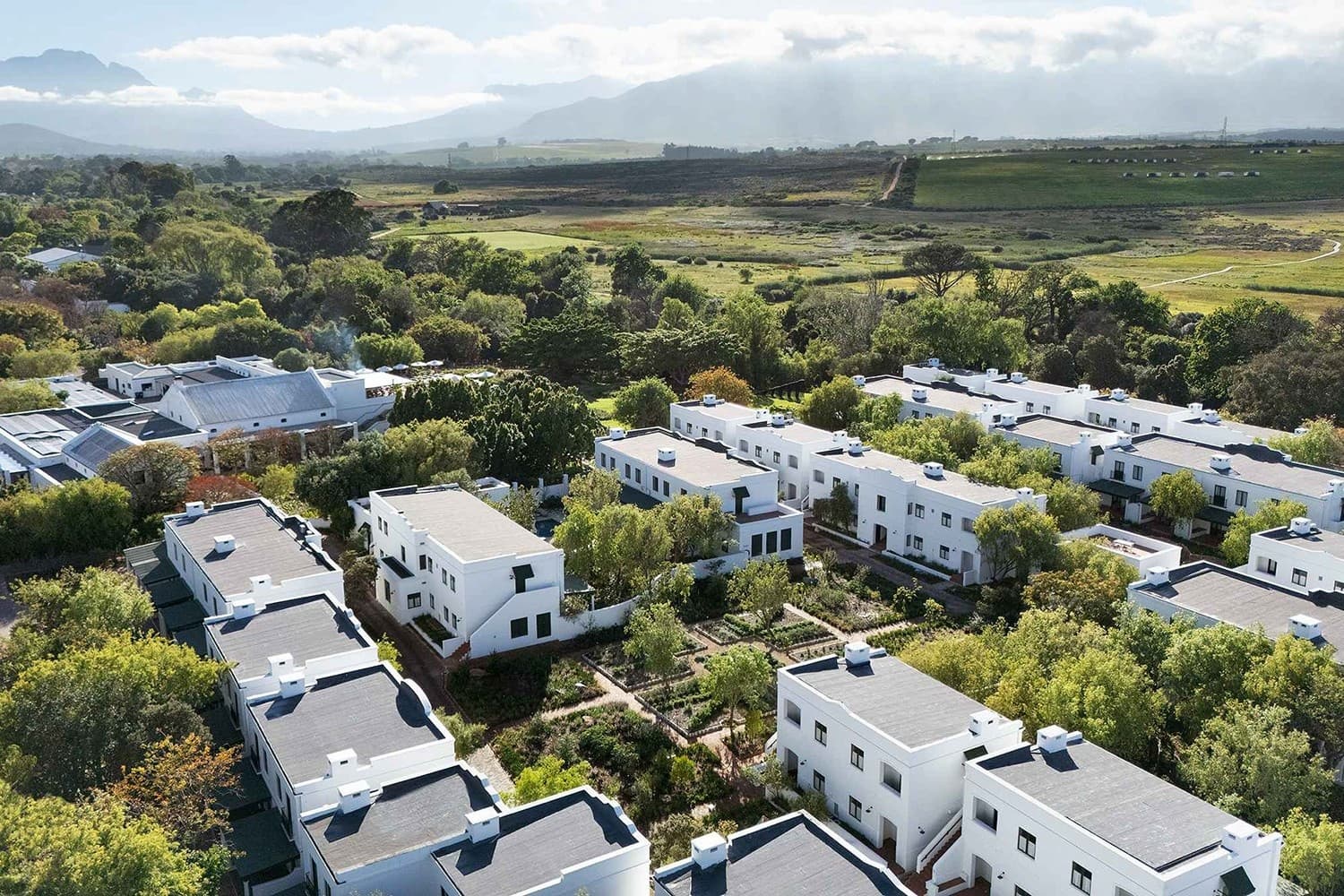
“From a farm in the Cape Winelands…to a 400-year-old winery in a Santorini village.”
The best hotel stays tend to share a quality that’s hard to name but easy to feel. If you had to name it, they offer a sense that where you’re staying couldn’t exist anywhere else. A working farm in the Cape Winelands, a glass room perched above a Norwegian river, a 400-year-old winery in a Santorini village that goes quiet after dark. What these properties have in common isn’t a price point or a design aesthetic but a palpable relationship to location, community, and the history that shaped them.
Bookmark this page of 12 boutique properties to inspire your next trip.
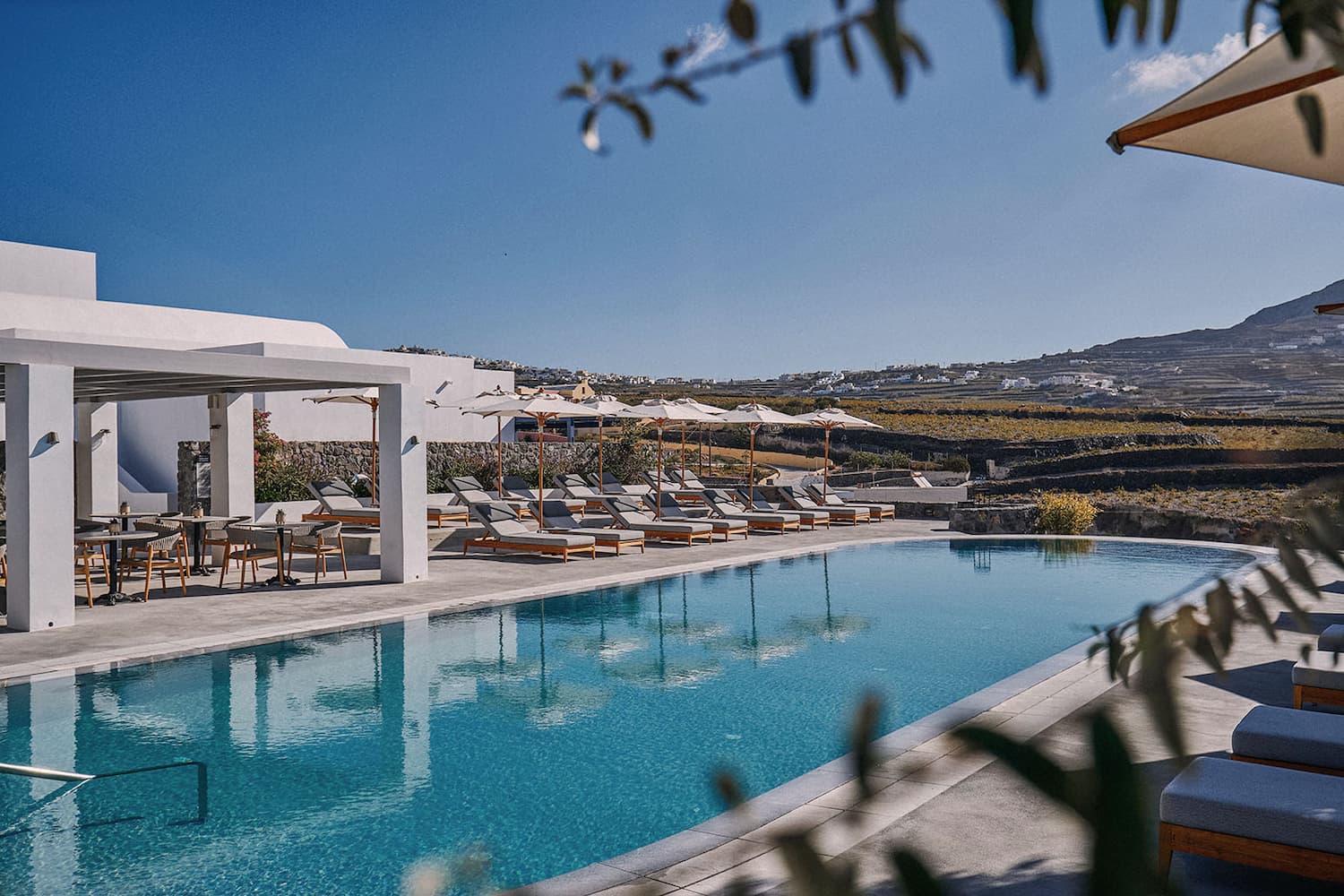
Vedema Resort pool overlooking Santorini's vineyard landscape. Courtesy of Vedema Resort Santorini.
Vedema, Santorini, Greece
Best for: Historic wine resort
North Stars:



Built around a 400-year-old winery and a 100-year-old mansion, Vedema sits in the charming medieval village of Megalochori. While the property lacks a caldera view, the setting and easy access to the village more than compensate – Megalochori is a tourist highlight that falls quiet come dusk. The resort features two pools and 74 suites and villas connected by stone paths through vineyards. Interiors and furnishings echo the white-washed contemporary aesthetic of the island, with decor and textiles sourced from Greek artisans. An evening at the resort takes many forms, though it’s recommended to start with a guided wine tasting at Canava Wine Bar in the atmospheric cellar. The sommelier provides an overview of Santorini’s Assyritko white grape, pouring a sparkling wine, barrel-aged Nykteri, and decades-old Vin Santo. If a bottle catches your attention, order it at candlelit Alati Restaurant with fish, pork cheeks, or lamb. The owner, Empiria Group, published its inaugural sustainability Impact Report in 2024 and partnered with the Cyclades Preservation Fund to reduce plastic around the island.
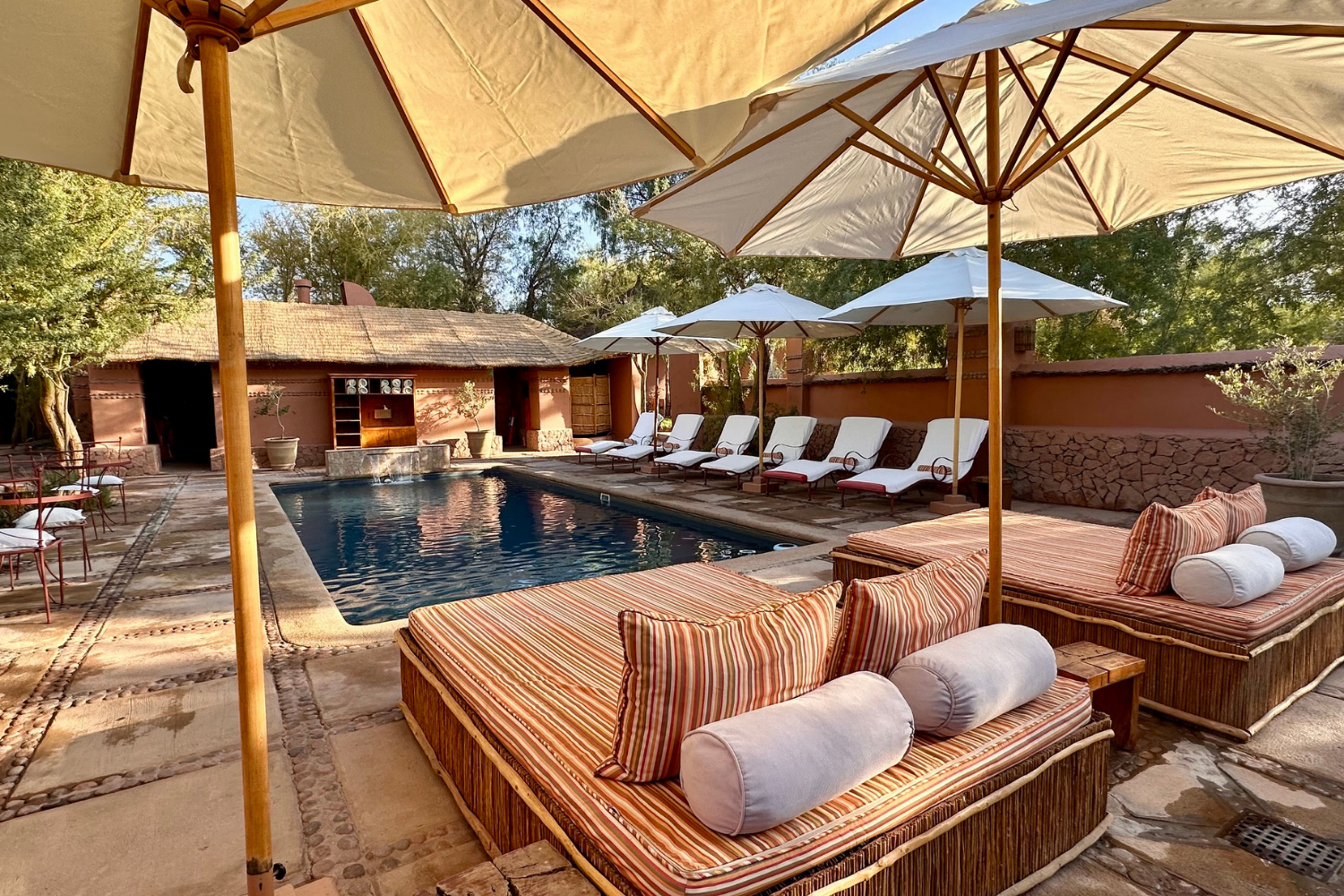
Exploringthe Atacama with Awasi. Courtesy of Lauren Mowery.
Awasi Atacama, Chile
Best for: All-villa desert lodge built for exploration
North Stars:

Awasi Atacama sits on the edge of San Pedro de Atacama with a collection of standalone adobe villas arranged around a central lodge. Each villa is built from local stone and earth-toned materials, many with private patios. Every stay includes a dedicated guide and vehicle for the duration of the trip, allowing guests to explore salt flats, canyons, geysers, and high-altitude landscapes on a fully individualized schedule. Meals focus on northern Chilean ingredients and regional wines, with an aperitif around the fire pit serving as the transition from dusty days spent out in the desert to elegant evenings at the lodge.
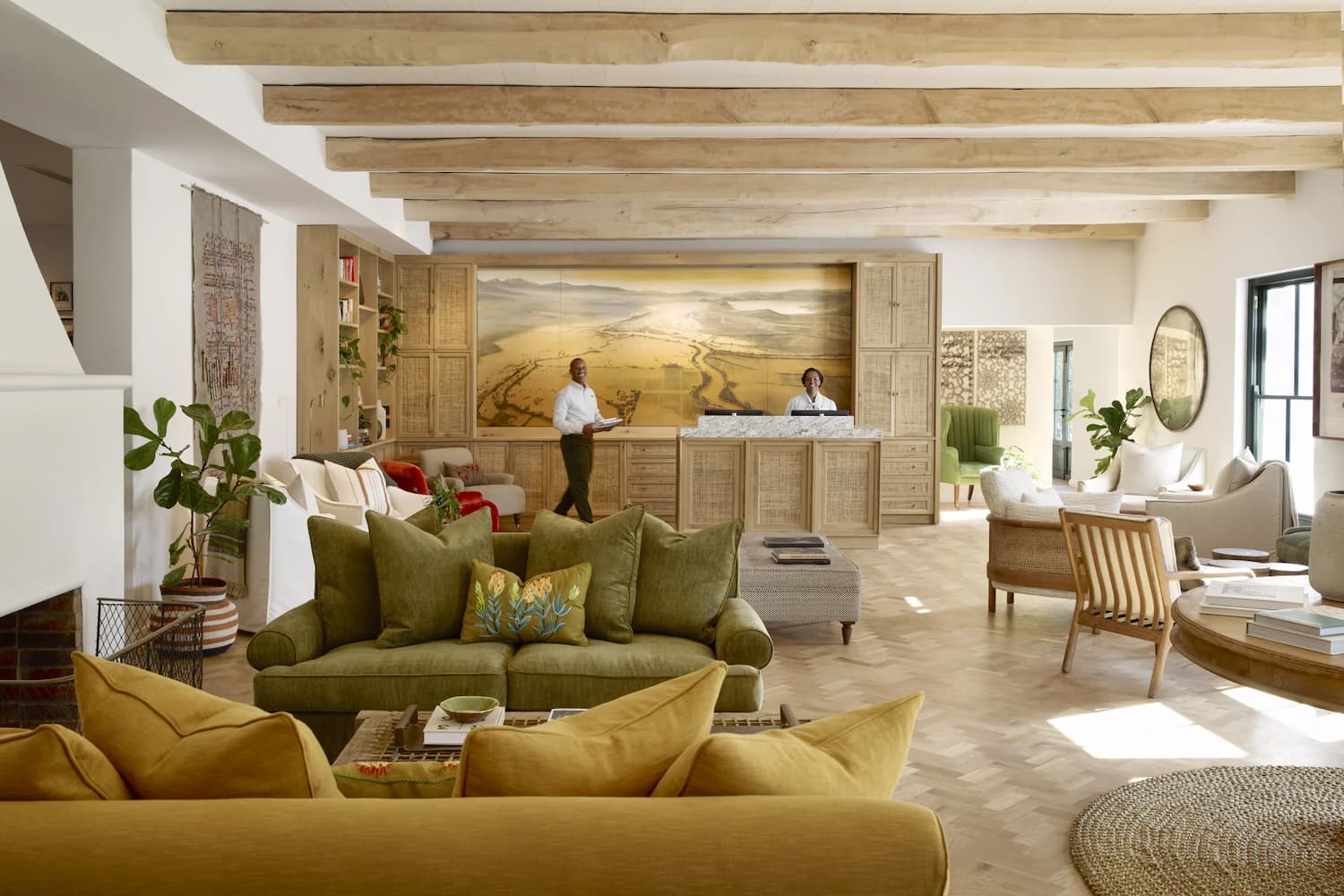
Spier hotel reception. Courtesy of Spier Hotel.
Spier Hotel and Wine Farm
Best for: Contemporary wine-farm hotel
North Stars:
Founded in 1692 in the Stellenbosch Winelands, Spier ranks among South Africa’s oldest working wine farms and has been owned by the Enthoven family since 1993. Spier feels less like a hotel than a compound you could lose several days in, with its high-ceilinged dining room adorned with contemporary South African art, a spa drawing on botanicals grown on the farm, and a gorgeous pool. Try the Chenin Blanc from the Farmer Angus line of organic wines and the red blend from Franz K Smit line before letting Stellenbosch’s wineries pull you away for the afternoon. Shop the Cowshed before packing to nab local crafts and farm goods for your checked luggage.
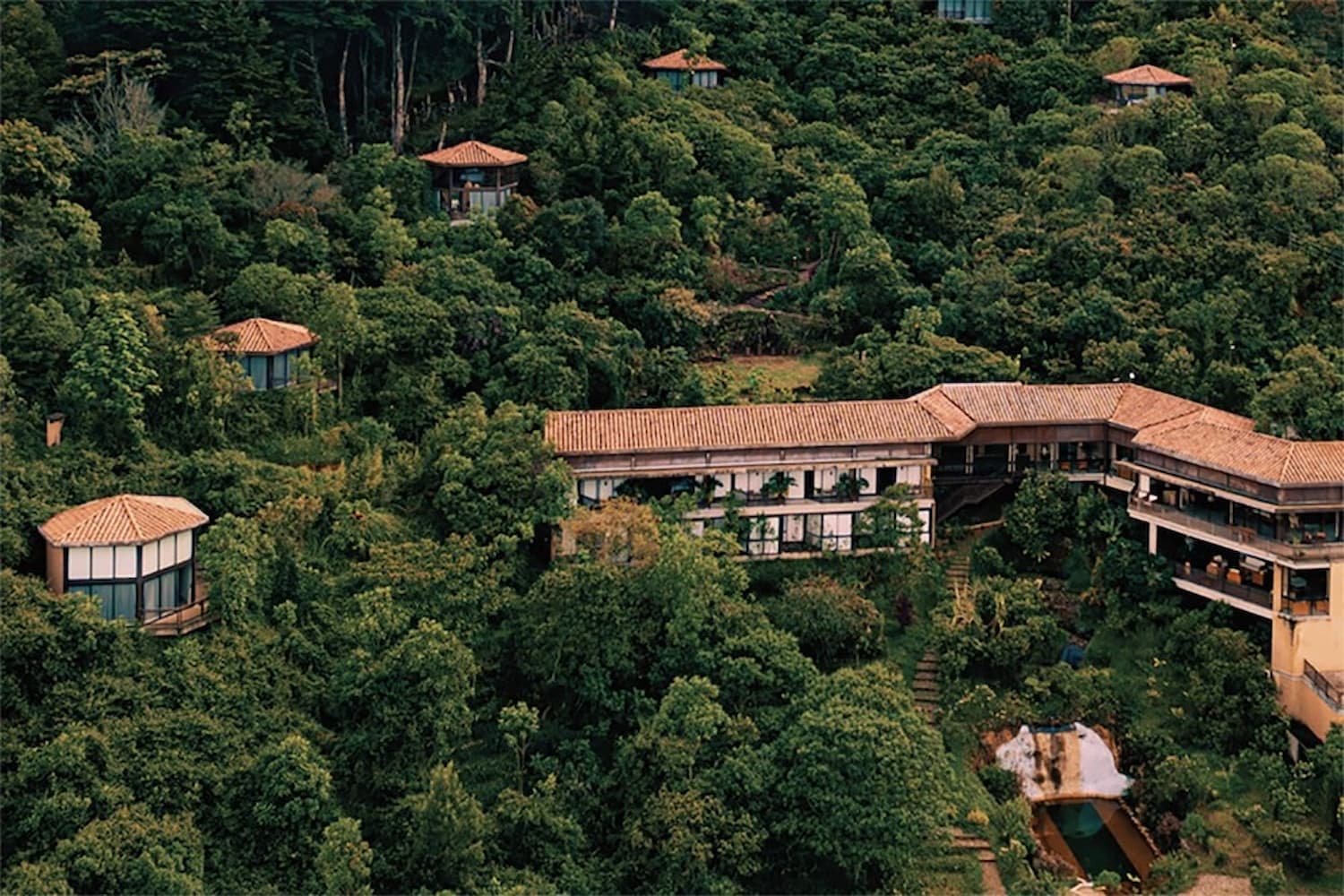
Cannúa offers Colombian countryside escapes. Courtesy of Cannúa.
Cannúa, Colombia
Best for: Architecture-led retreat set high above Medellín
North Stars:
At nearly 7000 feet above sea level, Cannúa sits on nine hectares of protected forest above the San Nicolás Valley, about 50 minutes from Medellín. The property features 18 rooms and cabañas built from compressed earth bricks, a construction technique the founders developed from ancient regional methods. Cabañas dot the mountainside with wraparound windows and private balconies facing the valley. The restaurant, which holds two Michelin Keys, focuses on heirloom recipes and traditional techniques with ingredients from the property’s permaculture gardens and coops. Nearby activities include waterfall hikes and chocolate tastings.
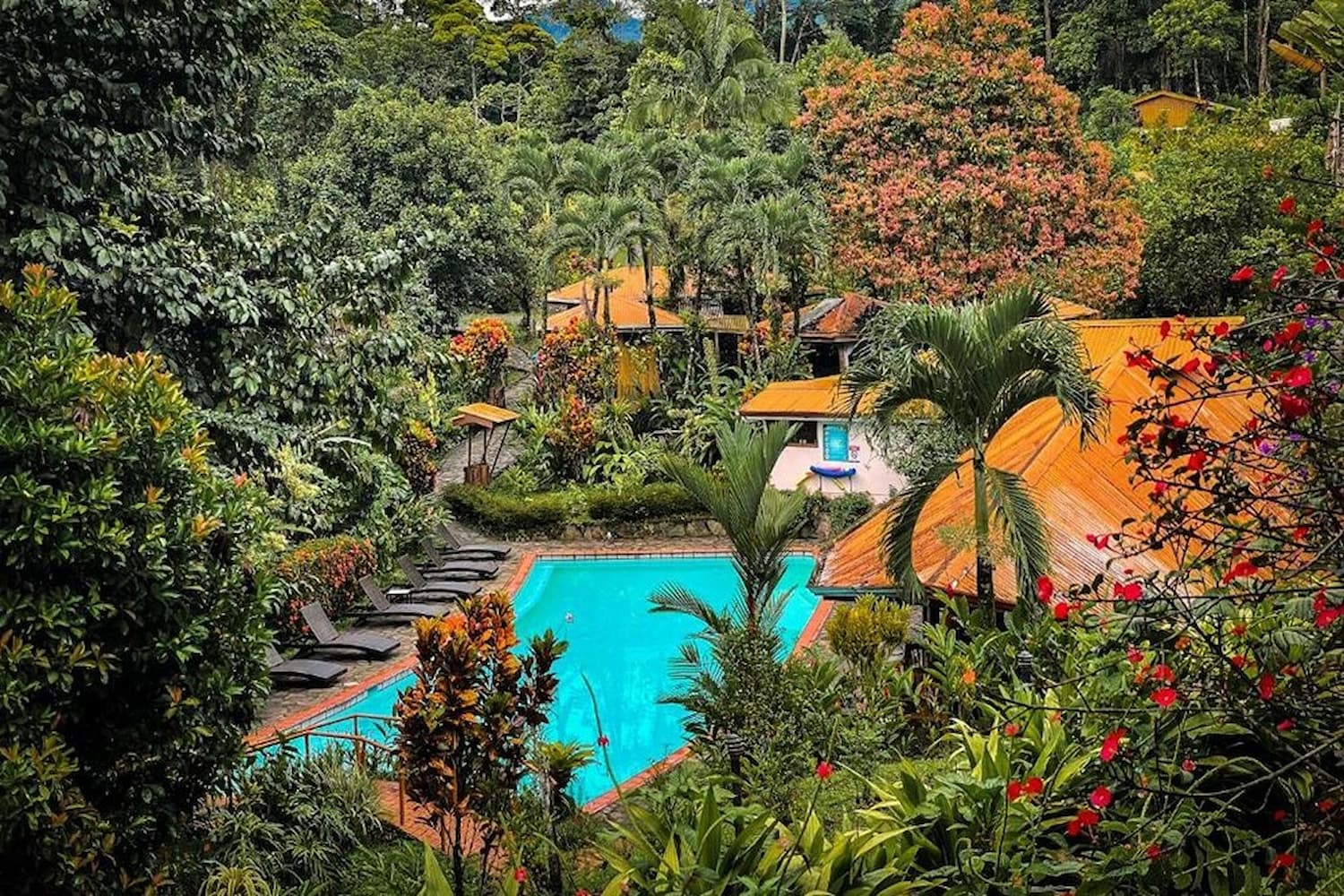
Escape of the jungle at Finca Nueva Luna Lodge. Courtesy of Finca Nueva Luna Lodge.
Finca Nueva Luna Lodge, Costa Rica
Best for: Immersive rainforest lodge
North Stars:
Finca Luna Nueva sits on the Caribbean slope of Costa Rica’s volcanic highlands, 25 minutes from La Fortuna and the Arenal Volcano. Accommodations are built from timber milled on site, with private decks or wraparound porches facing the farm or rainforest. The property operates as a working regenerative farm, with a Sacred Seed Sanctuary of roughly 300 medicinal plants at its heart. Guests can book tours of the gardens and cacao groves. La Fortuna sits close enough for whitewater rafting, hot springs, and volcano hikes if you need more stimulation than nature and a book.
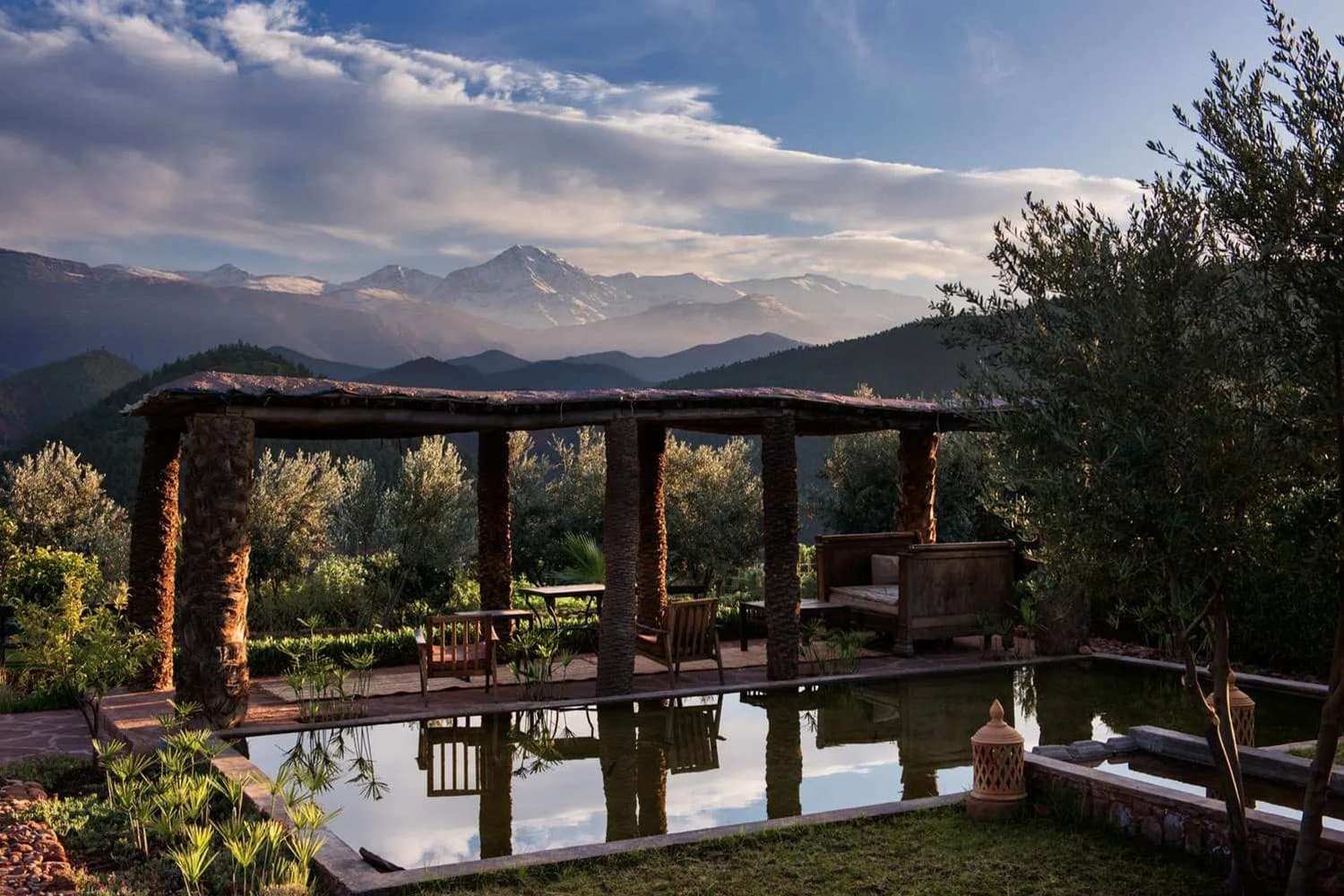
Views of the Atlas Mountains. Courtesy of Kasbah Bab Ourika.
Kasbah Bab Ourika, Morocco
Best for: Modern kasbah retreat above the Atlas foothills
North Stars:
Kasbah Bab Ourika sits at 900 meters above the Ourika Valley, about an hour from Marrakech, with wraparound views of the Atlas Mountains. The architecture takes traditional kasbah forms – thick walls, stone, plaster, shaded courtyards and pairs them with clean-lined, airy interiors. Dinner is served on a terrace under open skies, with the Moroccan dishes drawing on garden produce and regional flavors. Staff are largely hired from the surrounding Berber villages, and solar panels supply the hotel’s hot water and underfloor heating. When not hanging by the pool, walk one of the trails leading to a Berber village, book a hike to the Setti Fatma waterfalls, or visit the Monday market at Tnine Ourika.
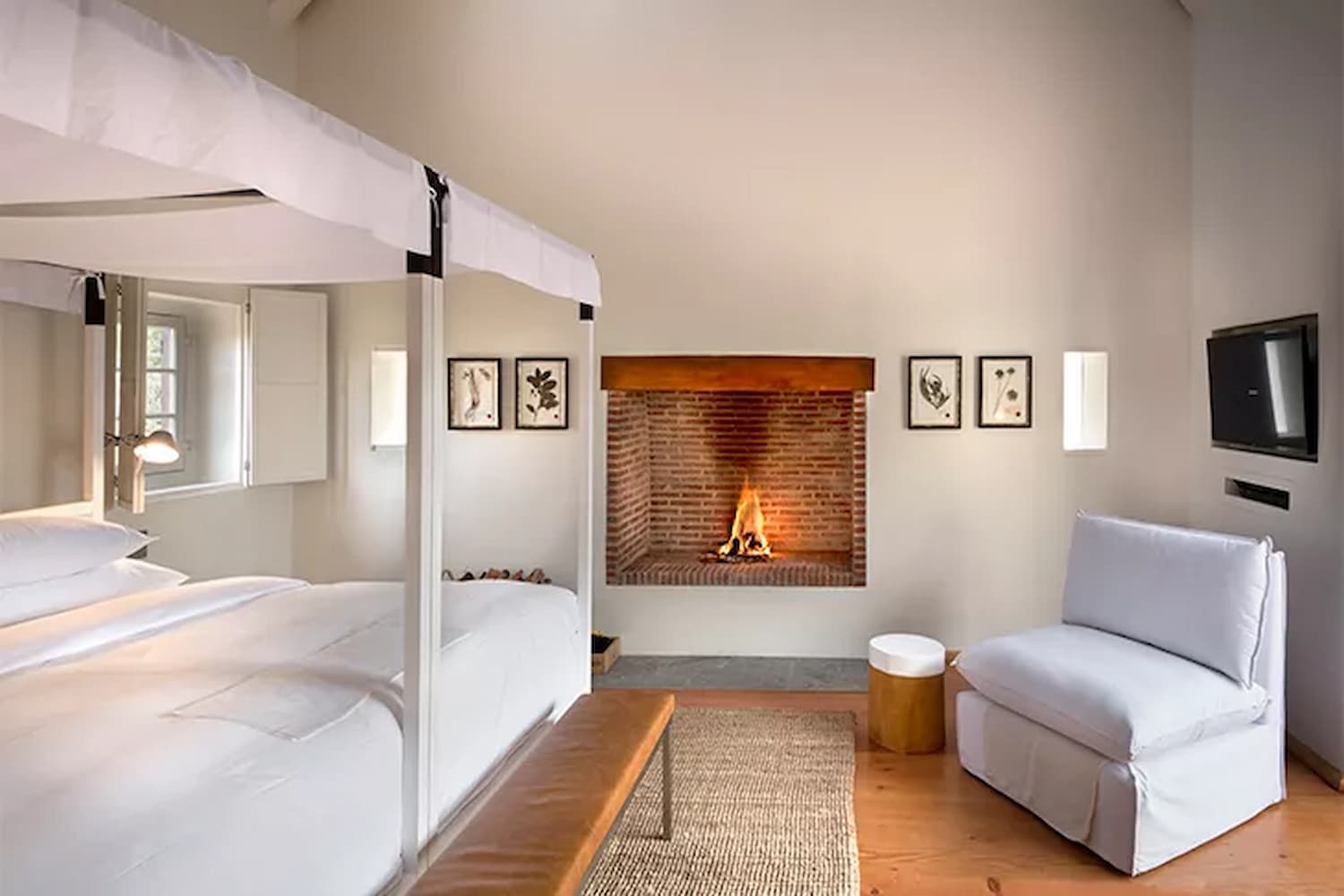
Farm hotel with thick whitewashed walls, elegant gables and hearty fireplaces. Courtesy of Farm Hotel.
Babylonstoren, South Africa
Best for: Working farm hotel in the Cape Winelands
North Stars:
Babylonstoren sits on 200 hectares at the foot of the Simonsberg, between Paarl and Franschhoek, with rooms and cottages spread across Cape Dutch buildings dating back to 1692. The property is large enough to warrant a golf cart or bike for getting around, and unhurried enough that most guests find little reason to leave. The eight-acre kitchen garden supplies three restaurants – Babel, the Greenhouse, and the Old Bakery – alongside a vineyard, olive grove, apiary, and citrus orchard. Don’t miss the Carnivore Evening, a communal dinner built around the property’s herd of grass-fed Chianina cattle, with different cuts grilled over coals arriving through the evening on wooden boards. Order a bottle of the Babylonstoren Syrah, though the kitchen also pours red from the estate’s property in Italy if the mood calls for it.
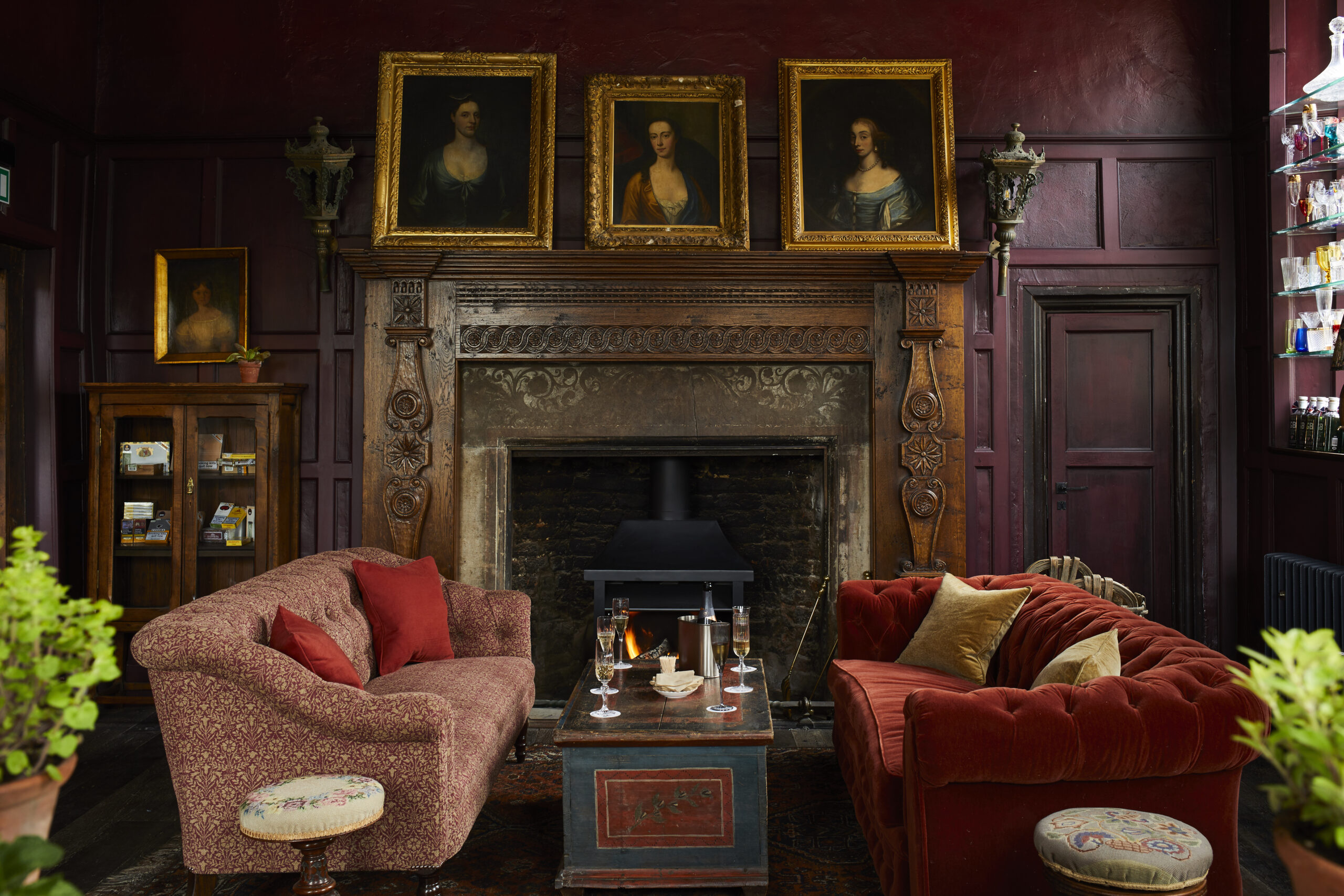
Bridge Place Bar. Courtesy of Jake Eastham
The Pig at Bridge Place, Kent, England
Best for: Restored heritage hotel built around seasonal dining
North Stars:

The Pig at Bridge Place operates out of a restored manor house in the Kent countryside, with guest rooms spread across the main house and garden buildings. The kitchen garden supplies much of the menu under the hotel’s 25 Mile Menu philosophy, with homegrown produce used in English seasonal fare, as well as house-made condiments and bar infusions. For a wellness treatment, head to the Potting Shed for a facial using VOYA seaweed skincare, made from hand-harvested Irish seaweed. The Pig at Bridge Place is one of a collection of unique properties.
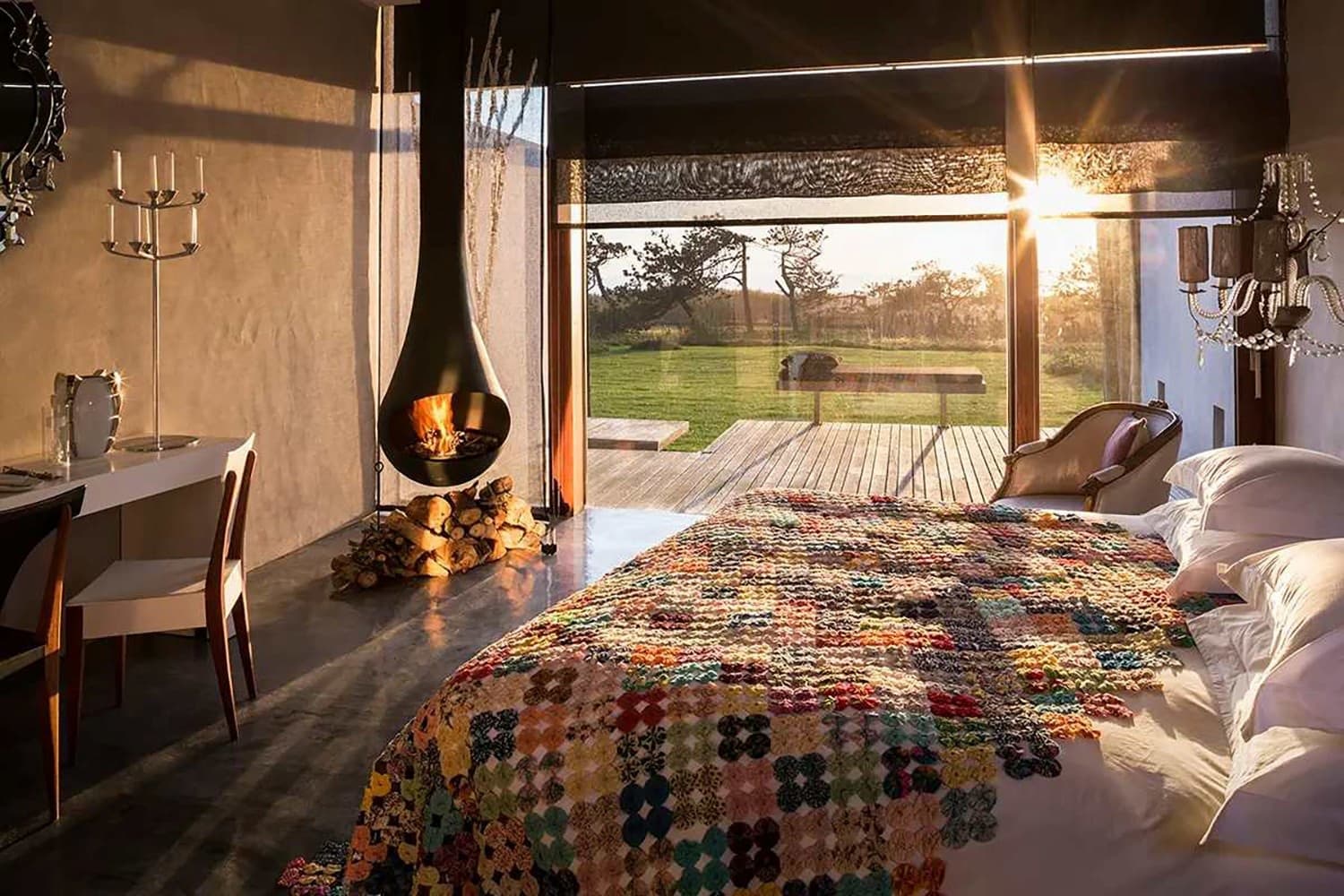
Room interior at Areias do Seixo. Courtesy of Areias do Seixo.
Areias do Seixo, Portugal
Best for: Design-forward coastal hotel
North Stars:
Areias do Seixo sits among dunes and pine forests on Portugal’s Silver Coast, about an hour north of Lisbon. Created by founders Marta and Gonçalo Castro Henriques as an independent, family-led project, the hotel was built on the site of an abandoned chicken farm using reclaimed materials, regional stone, and wood, with heating and cooling provided by a geothermal system. The 15 suites are individually designed, some with driftwood bed frames, wood-burning fireplaces suspended from the ceilings, and bathtubs facing the Atlantic. The restaurant pulls from an organic garden and fish from the nearby Atlantic. Spend days surfing at the hotel’s surf school, cycling the coastal paths, or walking the dunes, then gather around the fire pit in the evening for a glass of wine.
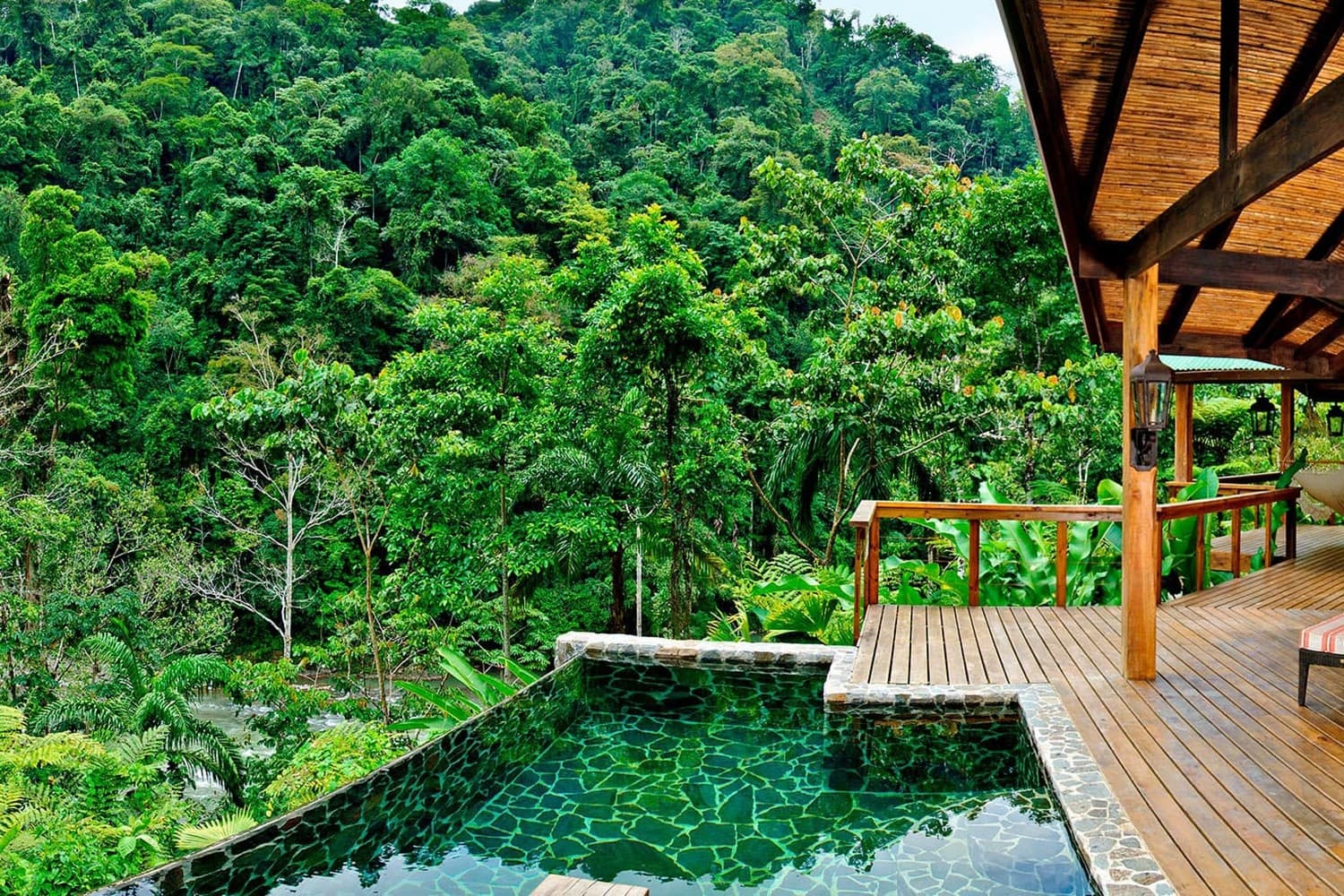
Staying in the Costa Rican rainforest at Böëna Lodges. Courtesy of Böëna Lodges.
Böëna Lodges, Costa Rica
Best for: Boutique properties in Costa Rica’s most biodiverse landscapes
North Stars:

Böëna operates five small lodges across Costa Rica’s most distinct ecosystems – Pacuare Lodge on a rushing whitewater river, Lapa Rios on the wildlife-rich Osa Peninsula, Tortuga Lodge beside the canals of Tortuguero, and two cloud forest lodges in Monteverde. Each property is low-density, carbon neutral, and staffed largely by people from surrounding communities. The best way to experience Böëna is by booking a circuit between locations, each setting offering a new set of activities, whether birding, river rafting, or canopy walks.
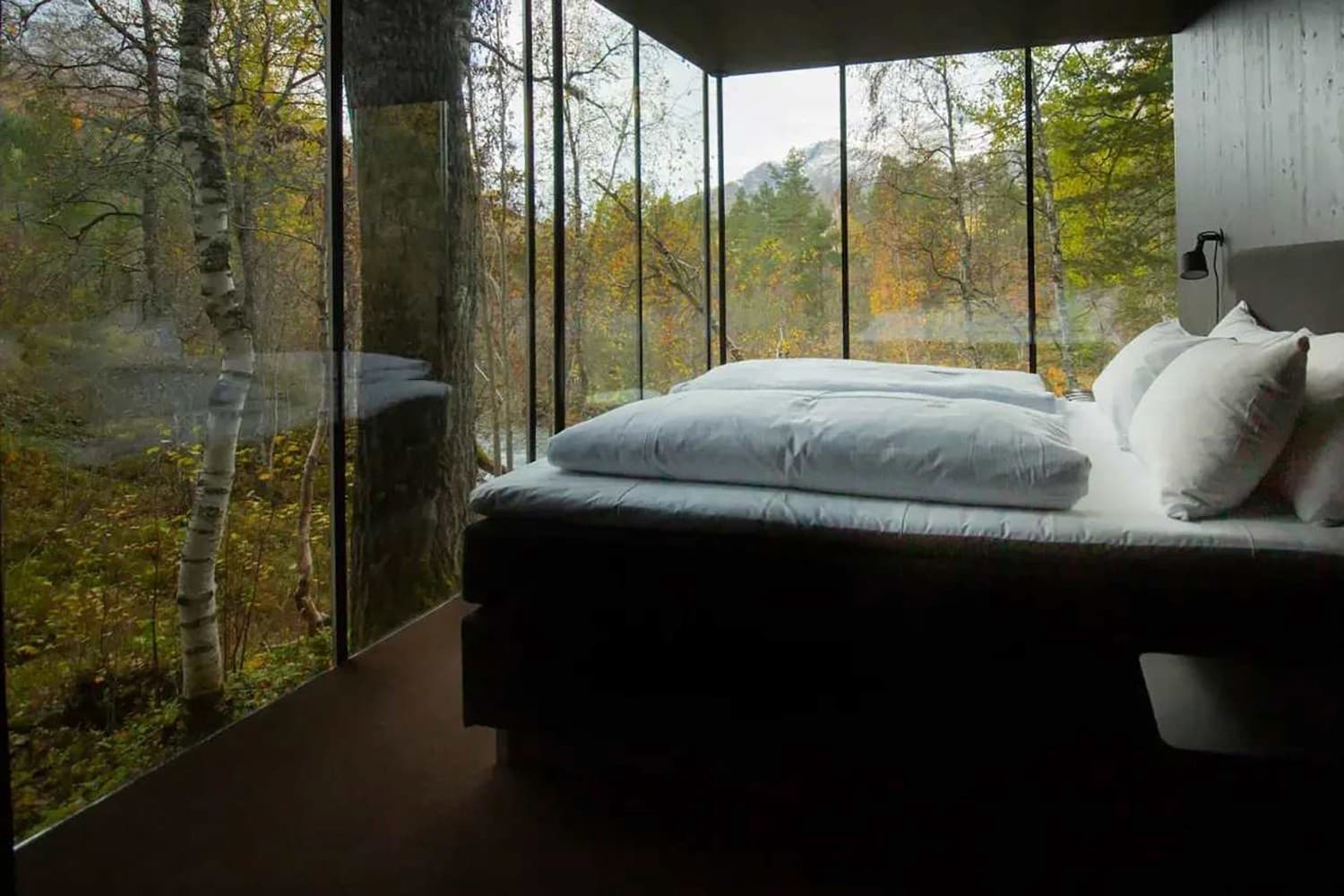
Stay inside glass-walled rooms at the Juvet Landscape Hotel. Courtesy of Juvet.
Juvet Landscape Hotel, Norway
Best for: Minimalist cabins immersed in a Norwegian valley
North Stars:
Juvet Landscape Hotel strips hospitality back to its essentials, with glass-walled rooms placed directly along the forest, river, or exposed rock. Each room is a standalone structure built from glass, concrete, and wood, oriented to frame a specific view. Interiors rely on built-in furniture and a restrained material palette. The chef sources ingredients from the valley for breakfast and dinner. In the morning, expect scrambled eggs and smoked salmon. At night, mingle with other guests around a long table in a converted barn.
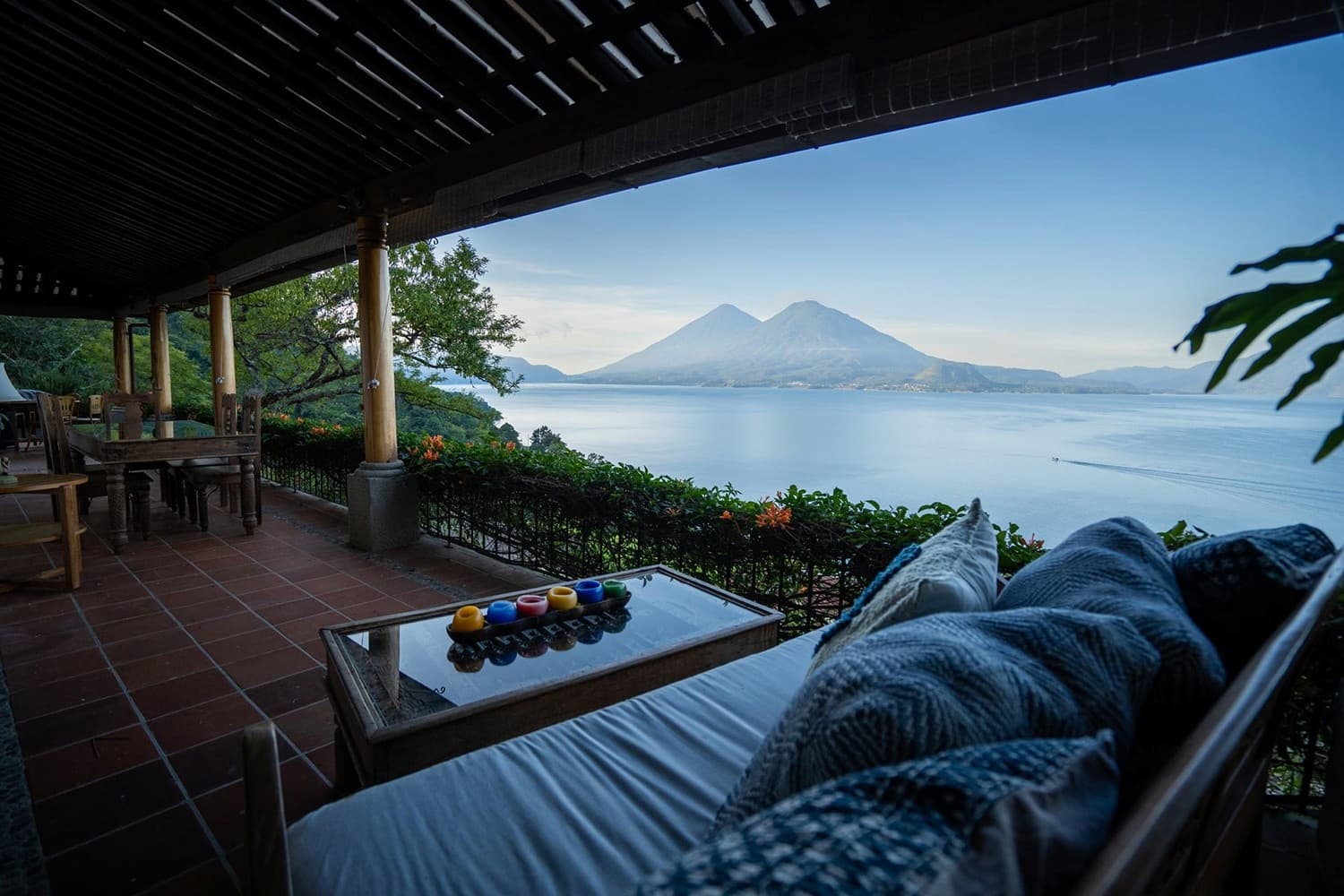
Views of Lake Atitlan. Courtesy of Casa Palopó.
Casa Palopó, Guatemala
Best for: Art-filled hotel overlooking Lake Atitlán
North Stars:
Casa Palopó sits above Lake Atitlán in a converted private home, with a small number of rooms overlooking the water and surrounding volcanoes. Interiors feature contemporary Guatemalan art, handwoven textiles, and saturated color, much of it commissioned directly from local artists. The hotel’s dining draws on regional ingredients, though the experience skews more formal than the surrounding area. The more interesting thread runs down the hill to Santa Catarina Palopó, where hotel owner Claudia Bosch co-founded Pintando Santa Catarina Palopó in 2016 – a project that has painted over 800 homes and buildings in the village with designs drawn from local Kaqchikel Maya textiles, with the goal of drawing cultural tourism to a community that has long struggled economically.
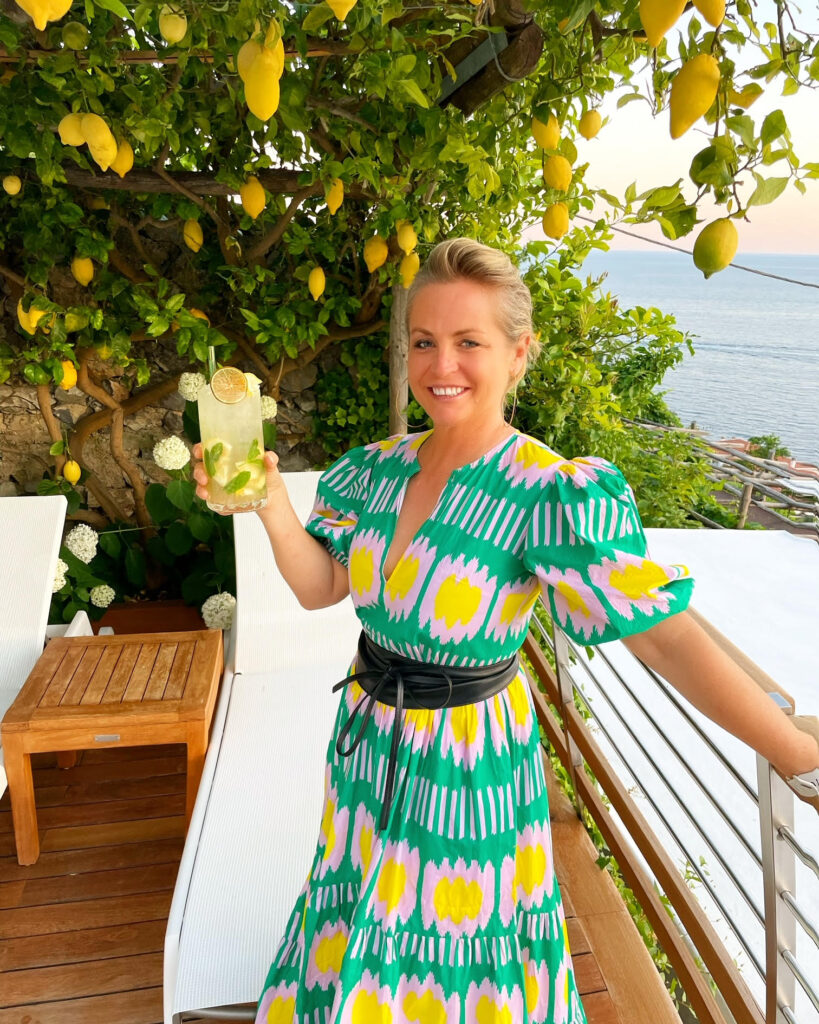
Founder and CEO of Azure Road, Lauren Mowery is a longtime wine, food, and travel writer. Mowery continues to serve on Decanter Magazine’s 12-strong US editorial team. Prior to joining Decanter, she spent five years as the travel editor at Wine Enthusiast. Mowery has earned accolades for her writing and photography, having contributed travel, drinks, food, and sustainability content to publications like Food & Wine, Forbes, Afar, The Independent, Saveur, Hemispheres, U.S. News & World Report, SCUBA Diving, Plate, Chef & Restaurant, Hotels Above Par, AAA, Fodors.com, Lonely Planet, USA Today, Men’s Journal, and Time Out, among others.
Pursuing her Master of Wine certification, she has also been a regular wine and spirits writer for Tasting Panel, Somm Journal, VinePair, Punch, and SevenFifty Daily. Mowery is a graduate of the University of Virginia and Fordham Law School, and she completed two wine harvests in South Africa.
Follow her on Instagram @AzureRoad and TikTok @AzureRoad
More Stories
 CULINARY, DRINK
Get to Know the Producers Behind the J.P. Bourgeois Portfolio
 CULINARY, DRINK
Where to Taste Wine in Willamette Valley
 DRINK
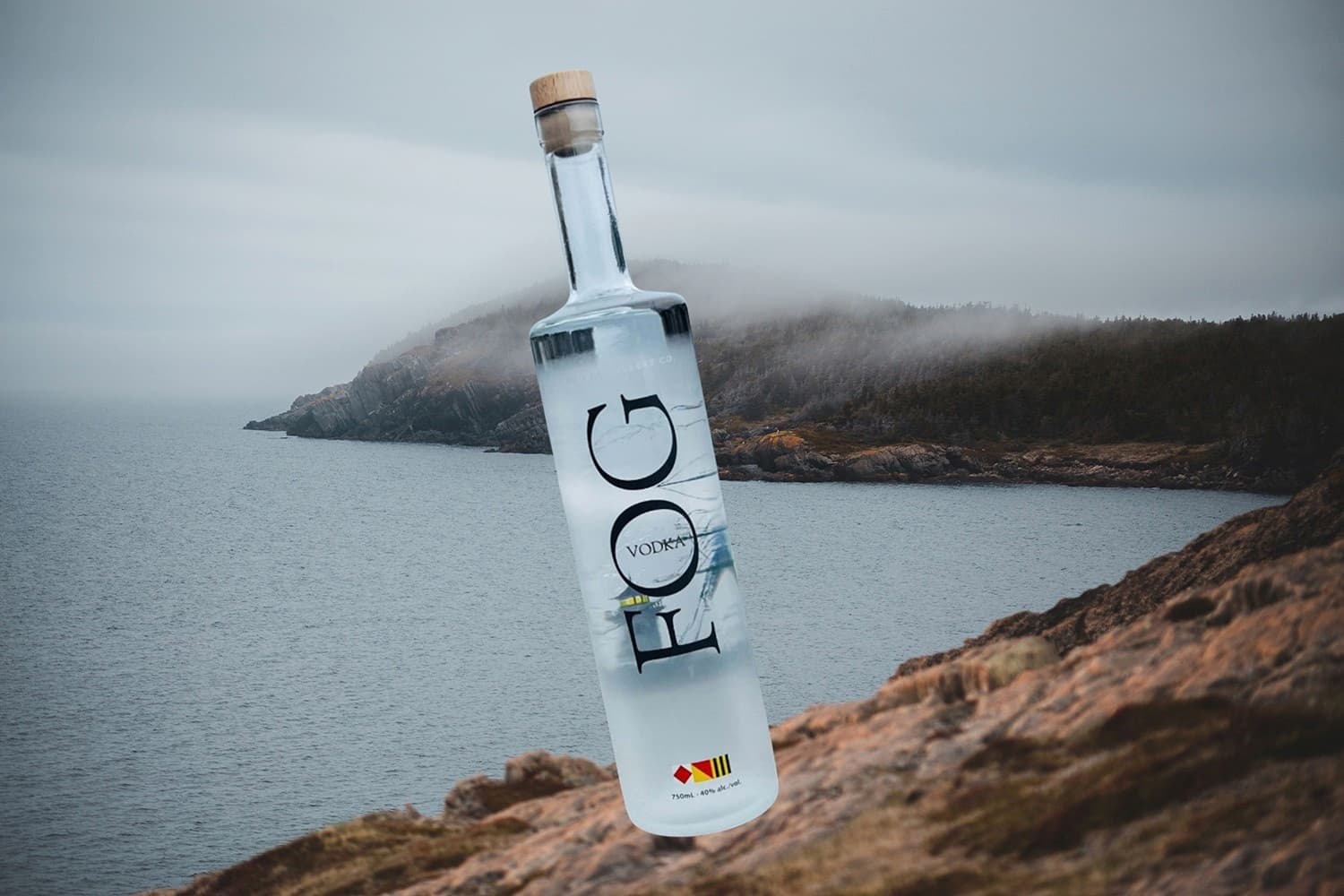
DRINKMeet the Distillery Making Vodka From Fog
 DRINK
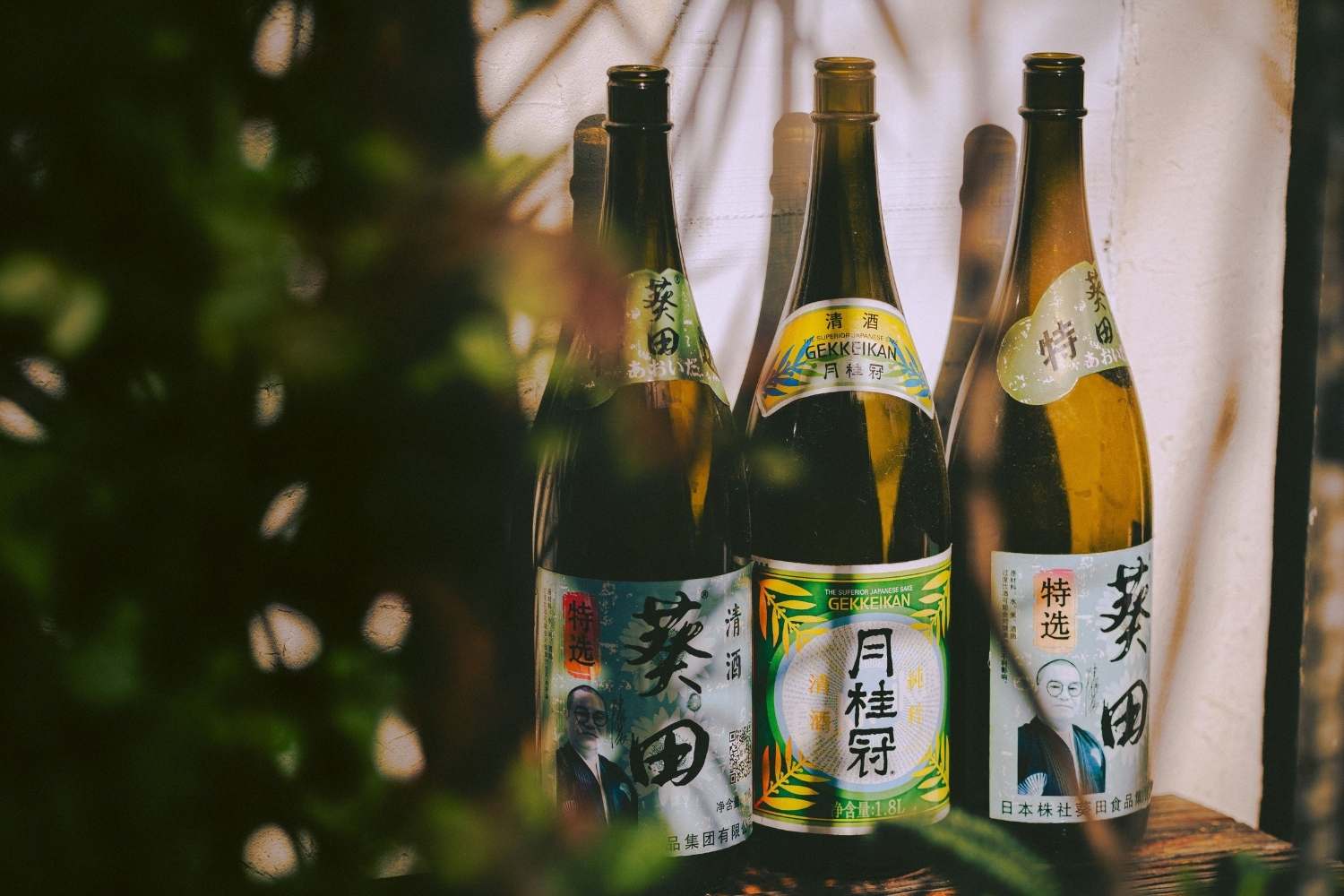
DRINKSake’s Next Step: How Japan’s Rice Wine Is Evolving
 DRINK, HOME
The Buzz on InFizz: Breville’s Carbonator Elevates Sparkling Water