“Spain is among the European countries most exposed to climate change, pushing producers here to adapt early.”
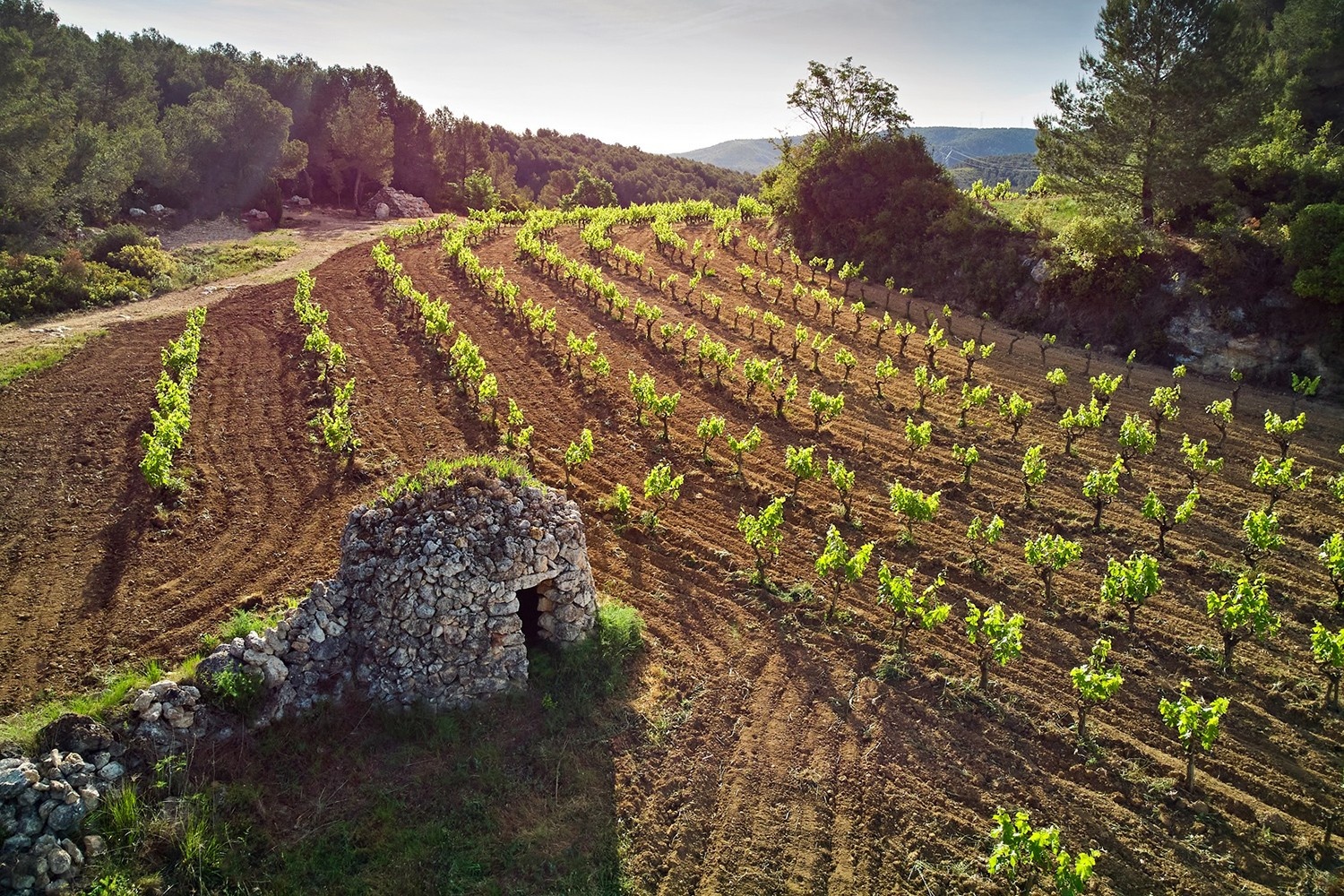
Albet i Noya vineyard. Courtesy of Albet i Noya.
As the birthplace of Cava, Spain’s signature sparkling wine, the region stretches between the Catalan Pre-Coastal Range and the Mediterranean, about an hour from Barcelona, with a winemaking history dating back more than 2,000 years. Today, still and sparkling wines made from local grapes like Xarel·lo, Malvasia de Sitges, and Garnacha draw visitors, alongside winery tastings and destination restaurants across the region.
Less obvious is how much of Penedès is shaped by environmental pressure. Spain is among the European countries most exposed to climate change, pushing producers here to adapt early, with some estates converting to organic farming as far back as the 1970s. In 2025, after decades of transition, the region became the first Denomination of Origin wine appellation to be certified 100% organic. Today, all wineries — from large producers to small estates — work exclusively with organic grapes under those standards.
Here’s where to taste, dine, and stay across one of Spain’s most progressive wine regions.
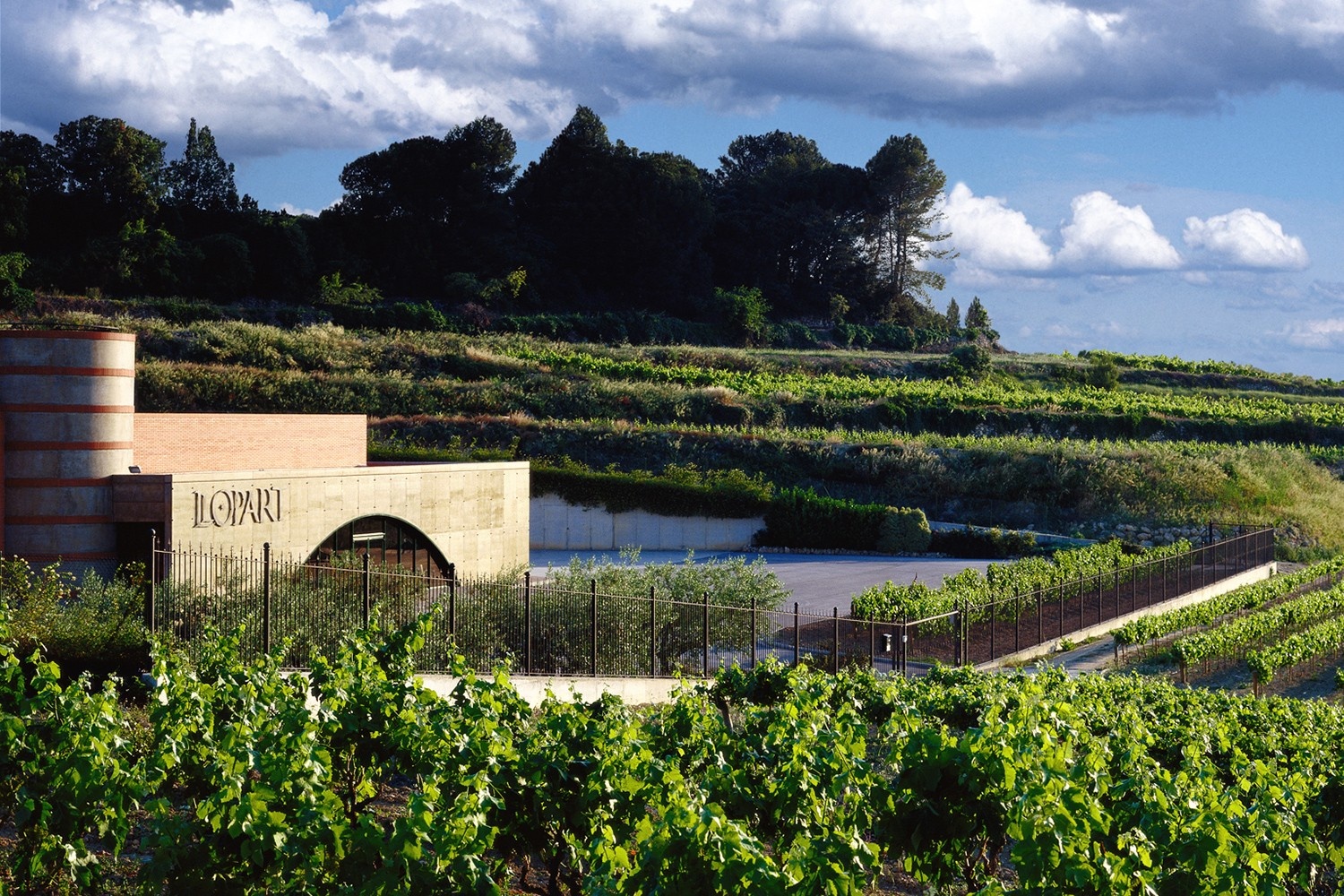
Llopart organic winery. Courtesy of Llopart.
Where to Sip
Albet i Noya
North Stars:



If you want to learn about sustainability in Spanish wine, begin at the winery that started it all: Albet i Noya. The winery began farming organically in 1978, long before it became standard practice.
Located in the Ordal Mountains, this B Corp–certified estate backs that early start with practical measures, including bottle reuse, cork recycling, and repurposing vegetable oil into biodiesel to power vineyard tour vehicles.
In the vineyards, native varieties like Xarel·lo, Macabeo, Parellada, Tempranillo, and Grenache are grown alongside experimental VRAIC grapes, developed to resist disease and adapt to changing climate conditions.
Tastings often include an overview of that ongoing research, alongside the wines themselves.
Can Feixes Huguet
North Stars:



Visits to Can Feixes Huguet, a 14th-century estate in upper Penedès, are by appointment, but worth planning ahead. The property dates to the 1400s, when a small church dedicated to Santa Eulalia, then Barcelona’s patron saint, was established here by the Bishop of Barcelona. Since 1941, the Huguet family has farmed the estate, combining wine production with a sense of place.
Private tastings take place overlooking forests, olive groves, almond trees, vineyards, cereal fields, and wildflower meadows that surround the property.
The lineup includes young red and white still wines, limited reserve selections, and Corpinnat traditional method sparkling wines, produced under the region’s strict certification introduced in 2017.
Celler Credo
North Stars:


Located in Sant Sadurní d’Anoia, Celler Credo is the minimalist sister winery to biodynamic cava producer Recaredo. Among the first to farm biodynamically in Penedès, Recaredo holds a Biosphere sustainable tourism certification and works its vineyards with regenerative practices, including plowing by horse.
At Celler Credo, the focus shifts to still wines, particularly Xarel·lo grown on limestone-rich soils. The winery also works with native varieties like Parellada, Macabeu, and Malvasia de Sitges.
After a tasting, pick up provisions from the Can Credo pantry: estate-grown Requina olive oil, Mel de Can Credo honey collected by staff beekeeper David Àlvarez, and Vespres de Verema (“Harvest Evenings”), organic infusions made from Xarel·lo stems, vine leaves, skins, and seeds, blended with Mediterranean herbs like fennel, rosemary, and lavender.
Llopart
North Stars:
Run by one of Europe’s oldest winemaking families and among the longest-standing Cava estates in the country, Llopart has deep ties to Penedès, including a longstanding relationship with Familia Torres. Today, alongside its sparkling and still wines, the estate farms organically and holds certifications in sustainable tourism management.
Guests can wander the biodiverse estate, dotted with beehives, on vineyard walks that reflect the winery’s agricultural approach, seen in projects like the “Secret Life of Plants” wines.
Visitors can taste that through bottles like the mineral Xarel·lo from Clos del Fòssils, the lightly sparkling Vi-brant, and the non-alcoholic Must Flor.
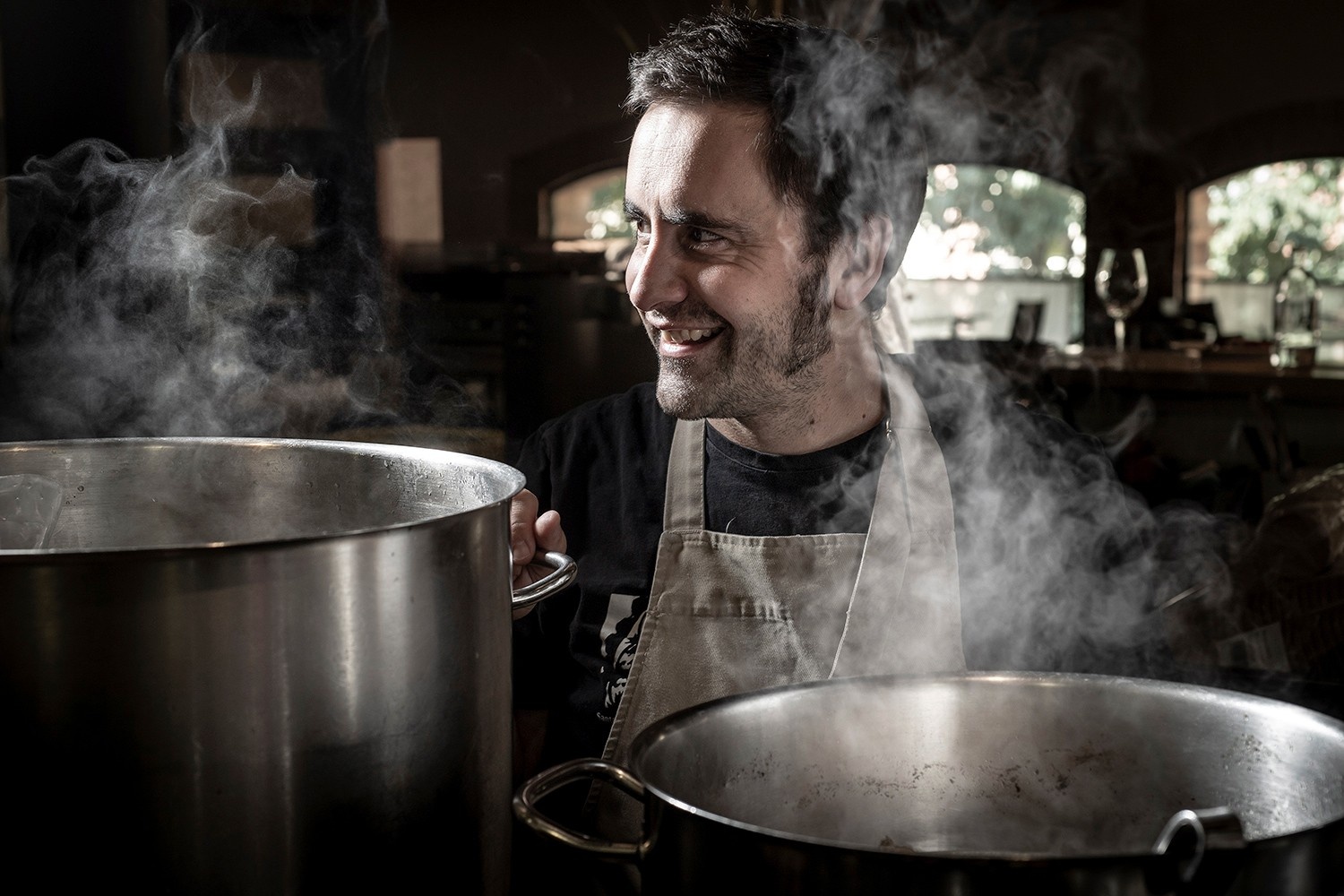
El Cigró d'Or chef Oriol Llavina. Courtesy of El Cigró d'Or.
Where to Eat
El Cigró d’Or Restaurant
North Stars:

Catalan cuisine takes center stage at this Michelin Guide Bib Gourmand eatery in Vilafranca del Penedès. Located above the Mercat de la Carn farmers market, the kitchen draws directly from the stalls below, where chef Oriol Llavina turns seasonal ingredients into dishes like roasted sweet green onions or tuna loin with pumpkin consommé and wild mushrooms.
Familia Torres El Celleret Restaurant
North Stars:

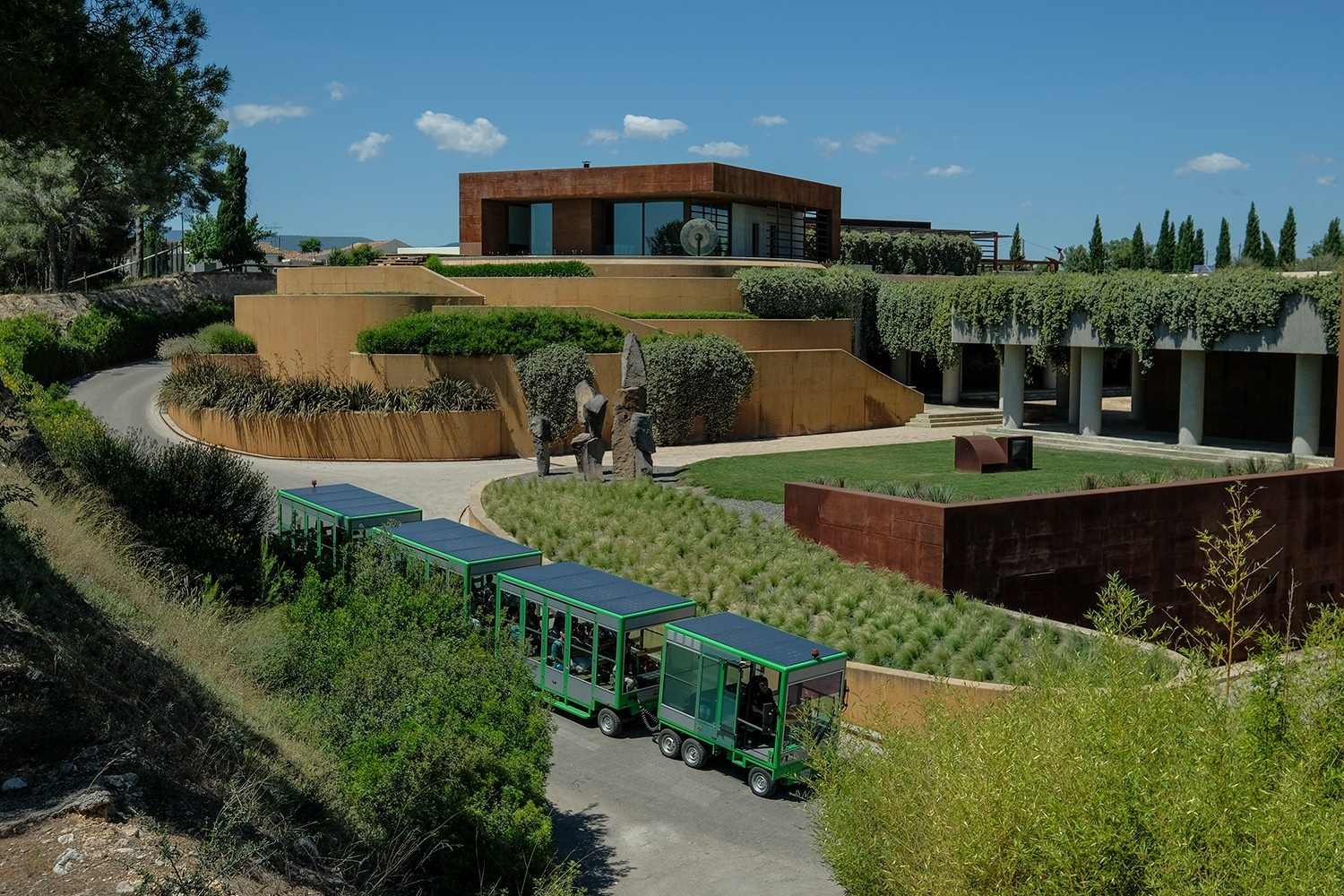
Located at Mas La Plana in Vilafranca del Penedès, El Celleret restaurant offers a straightforward way to experience the estate beyond the cellar. The kitchen leans on produce grown on-site and nearby, with a focus on seasonal Mediterranean dishes designed to pair with Torres wines. Guests can tour the property by solar-powered train, passing vineyards and grazing sheep used for natural vineyard management.
On the wine list, expect Clos Ancestral blends, the revived native white grape Forcada, and Mas La Plana Cabernet Sauvignon, first produced in 1979.
Sumarroca
North Stars:
Set along the Anoia River, Sumarroca, a Slow Food–member winery with three organic estates, pairs its cellar and vineyard tours with a range of food experiences. Alongside classic cheese and cava tastings, hands-on “showcooking” workshops cover dishes like paella and barbecue, finished with tastings of Molí Coloma olive oil.
Menus shift with the seasons, from oysters and sardines to spring onions. For something more relaxed, there’s a farmhouse-style brunch on the terrace with Spanish omelette, bread with tomato, cured meats, cheeses, and olive oil from the estate.
Vins El Cep
North Stars:
At Vins El Cep in Can Llopart de les Alzines, the terrace sets an easy tone, with low-slung sofas beneath canvas shade sails angled against the Mediterranean sun. Inside the 15th-century farmhouse, clerestory windows, marble floors, exposed beams, and stone archways bring the focus back to the estate’s history.
Four winegrowing families — Carreras, Esteve, Masana, and Parera — founded the estate in 1499 and remain behind it today.
Best known for long-aged cavas, the estate is certified organic and biodynamic, with all production handled in-house under the ‘Elaborador Integral’ designation.
Experiences are food-focused, from brunch tastings with locally catered menus to wine and cheese pairings featuring regional styles like Puigpedrós, a pink-hued semi-hard cow’s milk cheese, and artisanal blues.

Guesthouse at Can Suriol Castle. Courtesy of Can Suriol.
Where to Stay
Finca Viladellops
North Stars:
Set on a working winery out in the countryside, Finca Viladellops immerses visitors in the world of winemaking. Owner Marcello Desvalls’s lineage in the hamlet dates to the 12th century, and his family has long overseen the property.
By day, visitors can taste the estate’s organic wines, including Grenache and Xarel·lo blends, explore the medieval castle, swim in the infinity pool, and wander the estate’s forested trails.
At night, guests can stay in terracotta-roofed accommodations that once served as farmhouses and winery worker housing, with a choice of private rooms in the main house or stand-alone villas.
El Castell de Grabuac, Can Suriol
North Stars:
Sleep inside the solid, storied walls of a solar-paneled medieval farmhouse at El Castell de Grabuac, set on the Can Suriol wine estate. Updated with modern comforts like private bathrooms and TVs, the guest rooms retain their historic appeal with rough-hewn stone walls and vineyard vistas.
“We do not consider ourselves the owners but rather the keepers of our millennia-old house,” says 17th-generation vigneron and director general Assís Suriol Ferré Suriol.
Meals draw on local ingredients, served alongside estate wines like Mataró and Azimut, a brut nature sparkling blend of Macabeu, Xarel·lo, and Parellada.
L.M. Archer is an award-winning contributor to numerous publications worldwide including The Drinks Business, Full Pour, Extra Brut, and Washington Tasting Room Magazine. Her work showcases sustainability, and its intersection with sparkling wine, culinaria, and culture. Follow L.M. on IG @Imarcherml.
North Stars: Certifications, Climate Actions, Waste Management