“From travel, food, to lifestyle, conscious choices are shifting from niche to mainstream.“
Thank you to everyone who submitted nominations for the inaugural Azure Road Impact Awards. The depth and quality of entries made clear that meaningful work is happening across travel, food and drink, and lifestyle, with real, measurable impact. We’re especially grateful to our panel of internal judges, who spent hours reviewing, discussing, and vetting each submission to ensure every finalist met our standards.
A sincere thank you as well to the Azure Road team for keeping the process moving from start to finish, and to every finalist and winner featured here. This recognition is well deserved. These businesses set a higher bar for how their industries operate and offer readers a clear path toward more thoughtful choices.
And now, the winners.
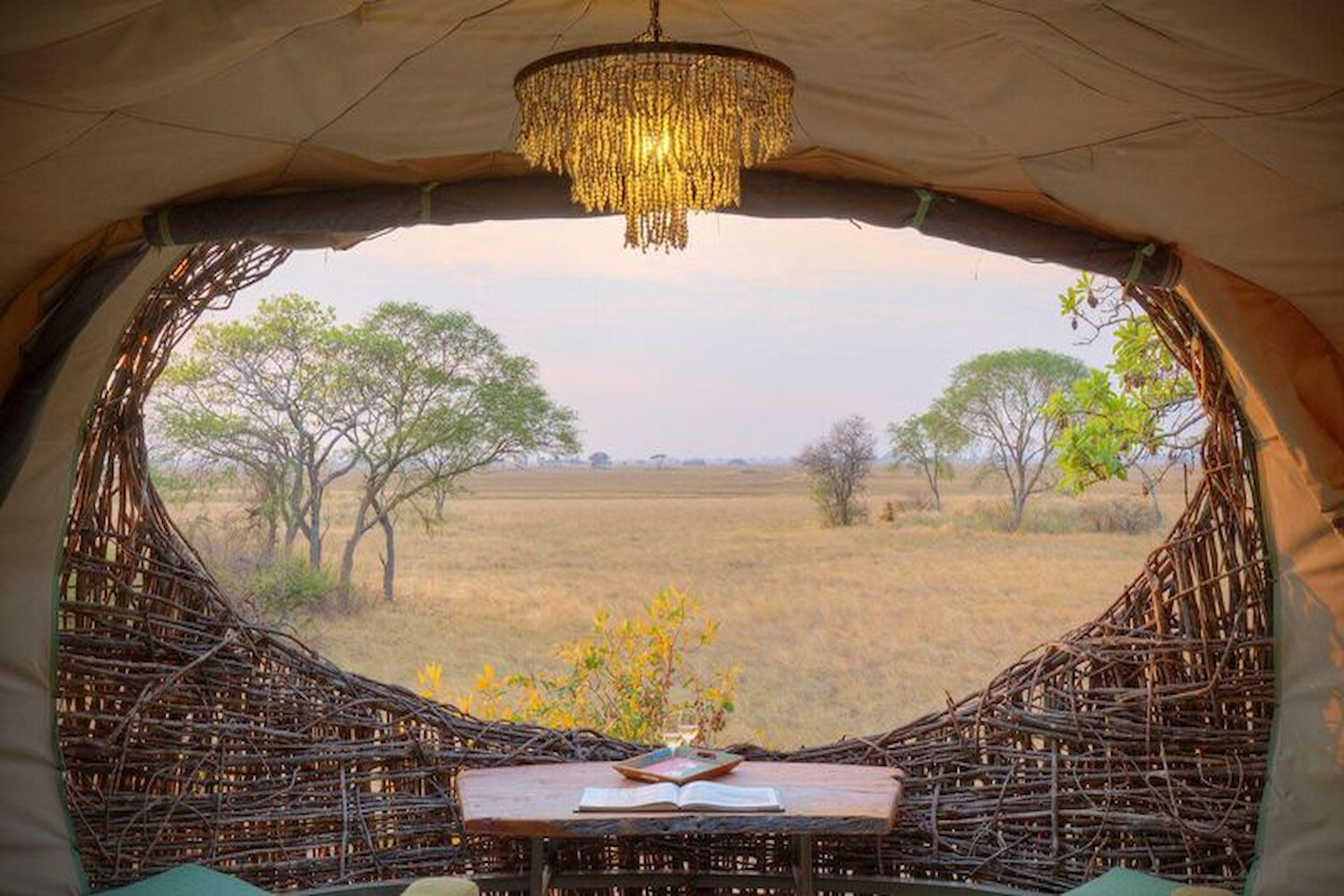
Chisa Busanga Camp Courtesy of Much Better Adventures.
Sustainable Travel Companies and Experiences
Boutique Hotel
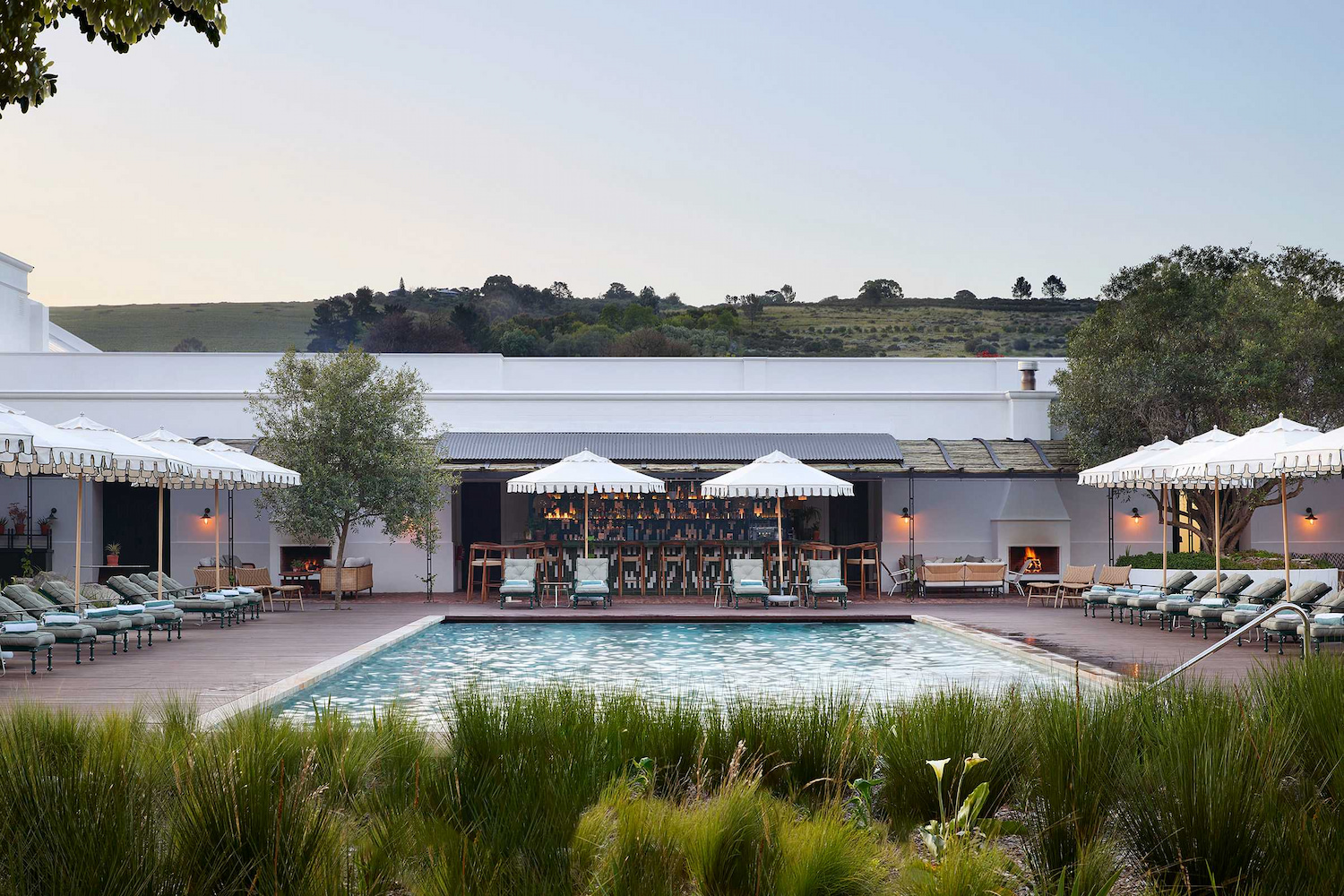
Spier Hotel and Wine Farm
Contemporary wine-farm hotel blending art, landscape, and everyday luxury
Founded in 1692, Spier is one of South Africa’s oldest working wine farms and has been owned by the Enthoven family since 1993. The estate produces a wide range of wines, including Chenin Blanc and Syrah. Guests stay in a relaxed yet high-end setting, with fine and casual dining that draws on the farm. The property boasts one of the country’s most significant contemporary art collections.
Hotel Brand or Group
Inkaterra
Nature-forward hotels anchored in Peru’s ecosystems
Inkaterra‘s properties place guests inside some of Peru’s most biodiverse regions, from cloud forest and rainforest reserves to historic Andean landscapes. Stays revolve around guided nature walks, on-site research projects, and immersive encounters with local ecology and culture. The hotels function as gateways to conservation areas, making biodiversity protection an active part of the guest experience rather than a background promise.
Safari Lodge or Outfit
Green Safaris
Renewable-powered safari camps in southern Africa
Green Safaris has built one of the strongest renewable energy and conservation-led safari portfolios in Zambia and Malawi, with multiple camps powered largely by solar and deeply connected to local communities. Their ability to scale sustainability without diluting impact makes them a standout operator for accessible, responsible safaris.
Global Tour Company
Much Better Adventures
Lower-carbon small-group adventure travel
Much Better Adventures focuses on lower-carbon, small-group adventures while publicly accounting for climate impact and investing in measurable climate action. With a highly engaged, values-driven audience, the company demonstrates how sustainability and growth can coexist in modern adventure travel.
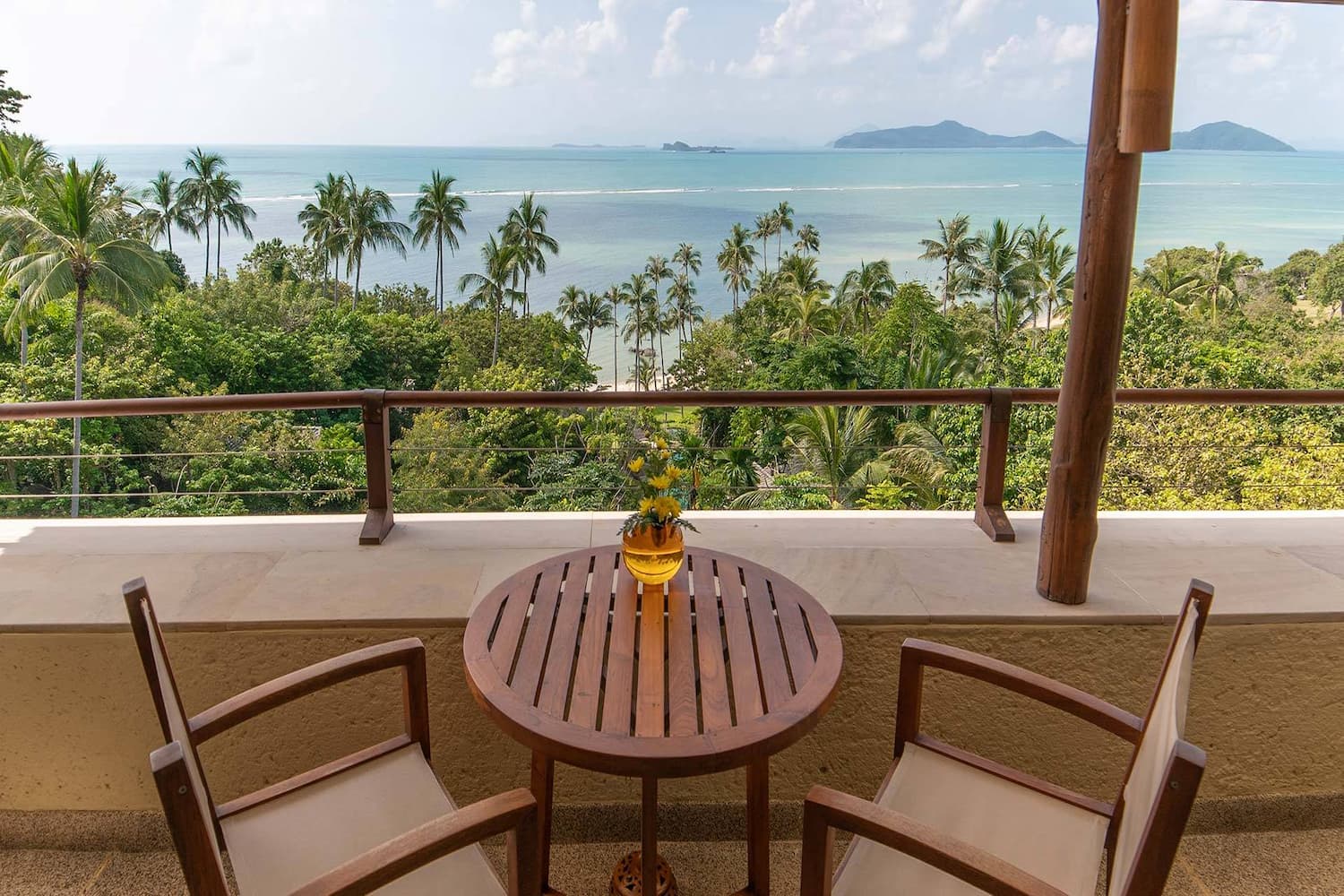
Luxury Sea View Suite, Koh Samui. Courtesy of Kamalaya Koh Samui.
Local or Single-Focus Tour Company
Wild Terrains
Women-centered, relationship-driven travel
Wild Terrains, a women-founded operator designing small-group and custom trips that center local women business owners, artists, and chefs. Wild Terrains treats travel as a way to redistribute income and visibility to women on the ground, building long-term collaborations instead of one-off experiences.
Wellness Resort
Kamalaya Koh Samui
Spiritual and integrative wellness in a tropical setting
Set on a forested hillside overlooking the Gulf of Thailand, Kamalaya blends Eastern spiritual traditions with Western medical oversight. Guests follow multi-day or multi-week programs focused on stress, emotional balance, detox, or resilience, supported by Ayurvedic treatments, Traditional Chinese Medicine, naturopathy, and mindfulness practices. Open-air pavilions, cave temples, and ocean-facing pools shape a calm, contemplative environment without isolating guests from the natural landscape.
Journeys
SeaTrek Sailing Adventures
Small-ship sailing expeditions across Indonesia
SeaTrek Sailing Adventures operates small-group expeditions through eastern Indonesia aboard traditional phinisi ships. Itineraries connect guests with SeaTrek’s “local heroes,” supporting community-led conservation, education, and reef protection under the company’s Sailing for Good framework. Crew and tour leaders are Indonesian, reflecting the company’s aim to show the country “through Indonesian eyes.” When possible, voyages source local produce and seafood, and the team distributes educational books, reading glasses, and children’s swimming goggles in remote coastal villages.
Travel Innovators
Populus Hotel
Carbon-positive city hotel with sculptural design
Populus Hotel stands out in downtown Denver as a bright, aspen-inspired tower with deep oval windows that shape both its exterior and its rooms. The hotel positions itself as carbon positive over the life of the building, publicly tracking and publishing the environmental cost of its construction and ongoing operations. Interiors are warm and contemporary, with window benches that double as work and lounge space and strong food and drink programs from Pasque and the Stellar Jay. The experience feels well-designed and upmarket, with layouts and amenities that work equally well for leisure and business travel. Populus recently opened a second location in Seattle, WA.
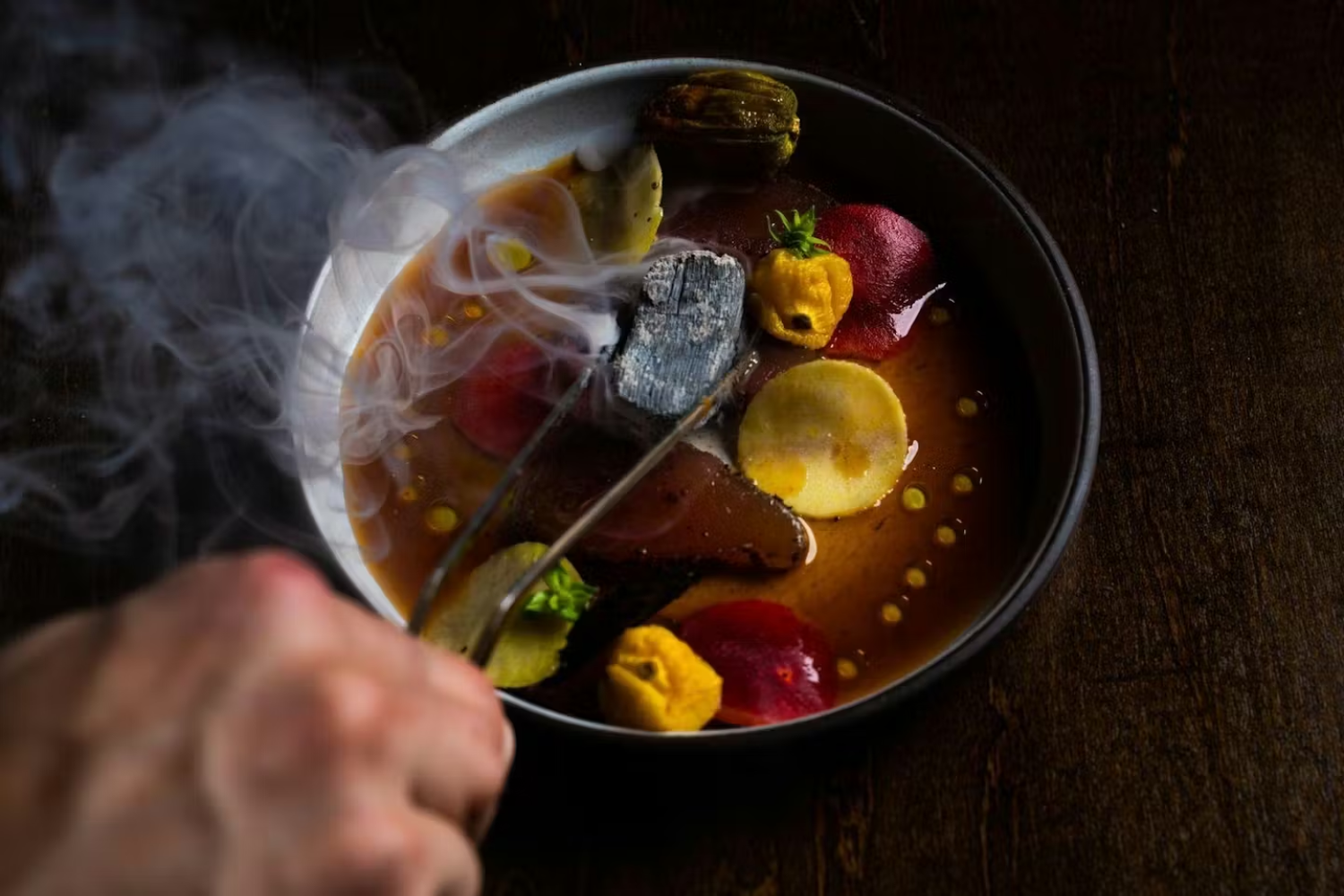
Striking plated artistry. Courtesy of A to Z Chef's Table.
Culinary
Restaurant Group or Restaurateur
A to Z Chef’s Table, Panama City, Panama
Creative cooking focused on organic Panamanian ingredients
At A to Z Chef’s Table in Casco Viejo, chef Ariel Zebede cooks every service himself from the center of an intimate chef’s counter, serving a multi-course menu built on roughly 94 percent Panamanian ingredients. Chef Ariel Zebede collaborates with a local organic farmer who even grew a specific wheat for the restaurant’s first fully Panamanian bread and beer, turning dinner into a playful riff on local terroir that keeps guests engaged rather than exhausted by endless tweezer food.
Heritage-Inspired Culinary Project
Pablo & Lucio Usobiaga – Arca Tierra & Baldío
For its regenerative chinampa farm and zero-waste dining
In Xochimilco and Mexico City, brothers Pablo and Lucio Usobiaga helped revive pre-Hispanic chinampa farms through Arca Tierra, then built Baldío as a restaurant that cooks almost exclusively with that harvest. With a zero-waste system shaped in part with guidance from Silo’s chef Doug McMaster, Baldío turns high-concept, Michelin Green Star–level cooking into something joyfully accessible while keeping the farm-to-table loop as tight as possible.
Pantry Brand
Burlap & Barrel
Single-origin spices direct from small farmers
Founded in 2016 by Ethan Frisch and Ori Zohar, Burlap & Barrel is a public benefit corporation that sources single-origin spices directly from smallholder farmers and foragers in more than 20 countries, often paying several times the standard commodity rate. From Cloud Forest Cardamom to Zanzibar Black Peppercorns, each jar is labeled by origin so farmers earn better prices and home cooks get a clear line between what’s in the pantry and where it comes from.
Coffee Companies
Lamastus Family Estates
Panamanian Geisha growers turned global cult name
In the highlands of Boquete, Lamastus Family Estates is a group of family-run farms centered on Elida Estate, where the Lamastus family has grown coffee for generations since 1918. High-altitude Geisha coffees from Elida and sister farms like El Burro and Luito have become benchmarks at auctions and in specialty circles, showing how careful farming in a cloud-forest landscape can turn a single variety into one of the world’s most sought-after cups.
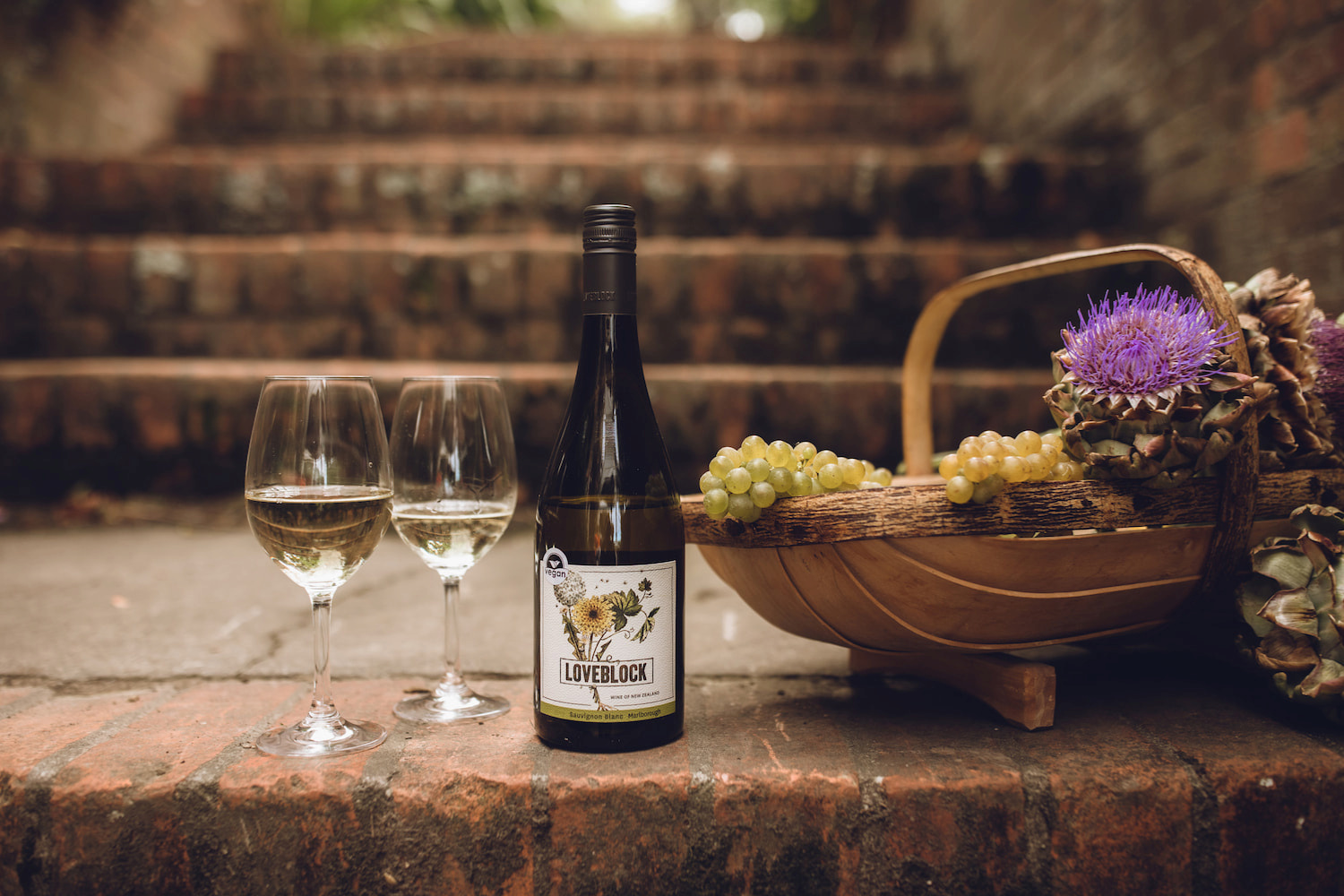
Sauvignon Blanc Glasses & Basket shot. Courtesy of Loveblock.
Drinks
Wine Region
New Zealand
Fine winemaking while pioneering sustainable wine farming
This cool-climate winegrowing country spans vineyards across the North and South Islands and treats Sustainable Winegrowing New Zealand (SWNZ) as its national sustainability certification program. Launched in 1995, SWNZ sets independently audited standards and guidance across areas like climate, water, soil, plant protection, waste, and people, and now covers about 98% of New Zealand’s vineyard area and around 90% of wine produced.
Wine Brand
Loveblock, New Zealand
Science-based organic wines rethinking sulfites
In Marlborough, Loveblock is Erica and Kim Crawford’s organic wine project, farming certified organic vineyards and making vegan wines. Crawford’s experiments with tea tannins led to the TEE Sauvignon Blanc line, which replaces added sulfur dioxide with green tea extract as the main antioxidant, offering a science-first way to reduce sulfites in commercial wine.
Winery/Wineries
Cho Wines, Willamette Valley, Oregon
Advancing AAPI representation in American wine
In Oregon’s Willamette Valley, Dave and Lois Cho founded Cho Wines in 2020 as the first recorded Korean American–owned winery in the state. Alongside making Pinot Noir and sparkling wines, they created the AAPI Food & Wine nonprofit and festival to highlight Asian American and Pacific Islander talent across food and wine.
Spirits Producer
NcNean Distillery, Scotland
Net-carbon footprint and industry thought-leadership
On Scotland’s remote Morvern peninsula, Nc’nean is an independent distillery making organic single malt whisky from Scottish barley and powered entirely by renewable energy. The team avoids the use of peat to protect peatlands as carbon sinks and bottles in 100% recycled glass and has cut its own operational emissions to net zero, using verified offsets only for what it can’t yet eliminate.
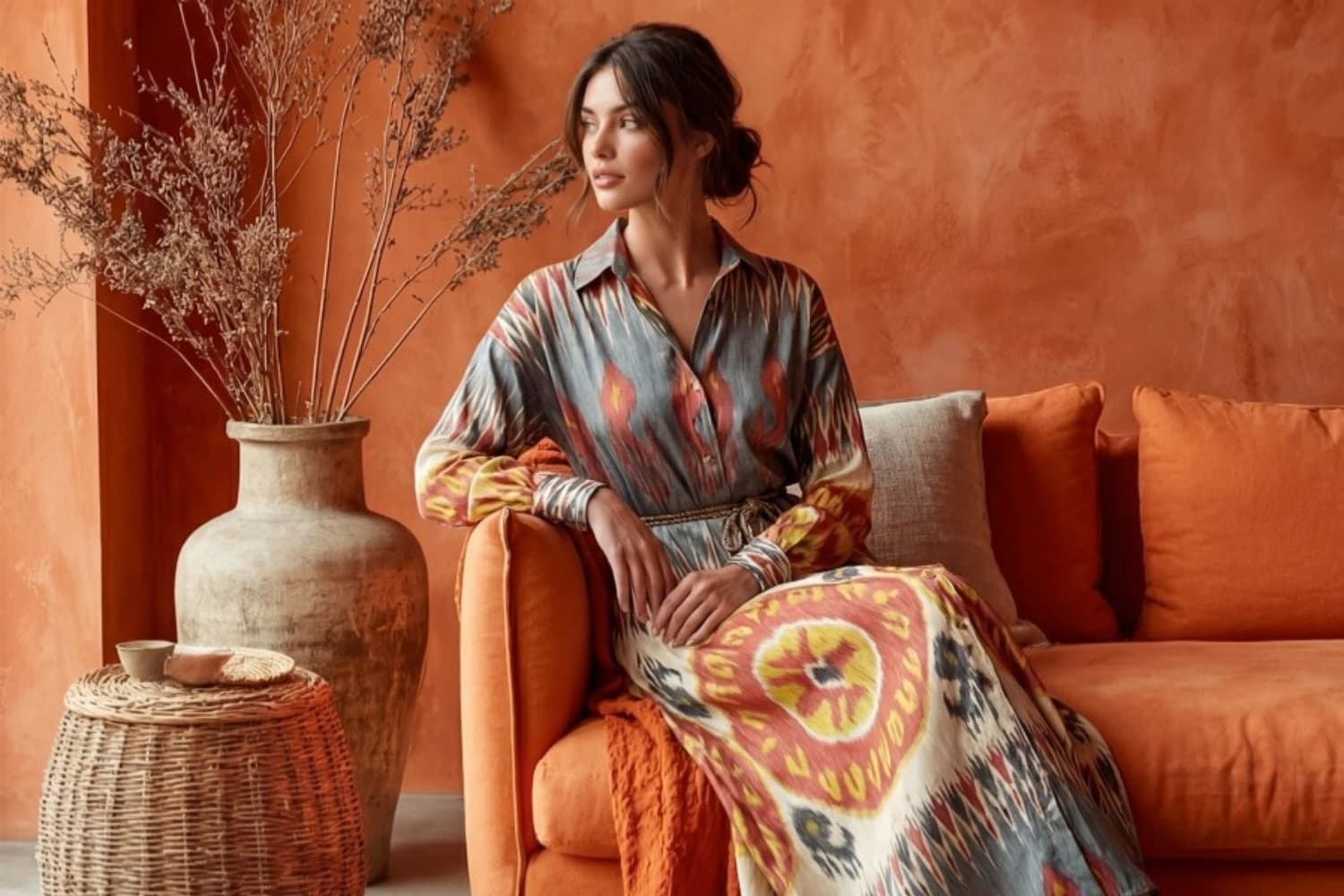
Silk Ikat fashion. Courtesy of Bibi Hanum.
Lifestyle
Travel Gear and Accessories
Cotopaxi
Adventure gear funding global poverty relief
Known for its bold color blocking and outdoor ethos, Salt Lake City–based Cotopaxi was founded in 2014 by Davis Smith. The brand produces backpacks, duffels, travel packs, and apparel built for adventure. Products like the Allpa Travel Pack and Del Día line are made using repurposed fabric offcuts, while many bags incorporate recycled nylon and polyester. A certified B Corporation, Cotopaxi commits 1% of its annual revenue to the Cotopaxi Foundation, supporting poverty alleviation initiatives worldwide. The company publishes impact reports and tracks carbon and material usage across product lines
Fashion House
Ibu Movement, United States
Global marketplace championing women artisan designers
Founded by Susan Walker, Ibu Movement is a Charleston, South Carolina–based nonprofit that partners with women artisans in more than 40 countries. The organization supports the production and sale of handmade clothing, accessories, and textiles through its online marketplace, connecting makers to international customers and helping generate stable income in communities where economic opportunity is often limited. The company also has a travel arm called The Fringe Road, which connects donors to artisans on the ground through trips as far-flung as Uzbekistan, India, and Thailand.
Heritage Craftsperson or Collective
Bibi Hanum, Uzbekistan
Bold Uzbek ikat woven by women artisans
Founded by Muhayo Alieva, the woman-led brand Bibi Hanum works with textiles from Uzbekistan’s Fergana Valley to produce handwoven silk ikat garments used in coats, scarves, pants, and other accessories. Production supports income for women seamstresses and weavers, many working either in their atelier in Tashkent or from the convenience of their homes, when needed. The collections center on traditional Margilan silk weaving techniques translated into high-saturation, contemporary silhouettes. Her pieces can also be found at Ibu Movement in Charleston.

de Buyer cookware. Courtesy of de Buyer.
Cookware Brands
de Buyer
French-made carbon steel cookware built for generations
Founded in 1830 in Faymont in France’s Vosges region, de Buyer manufactures carbon steel, stainless steel, and copper cookware designed for long service life and full recyclability. Its carbon steel pans are made without synthetic coatings and are intended to season over time. The company holds a Corporate Social Responsibility label and earned Exemplary-level recognition from AFNOR in 2022, and it cites factory-level measures, including an on-site wastewater treatment plant to prevent industrial discharge, beehives to support pollination, and regional reforestation projects.
Furniture Brands
Rarify
Meticulously restored mid-century and iconic furniture finds
Co-founded in 2021 by David Rosenwasser and Jeremy Bilotti, Rarify specializes in authentic collectible pieces and a curated mix of contemporary pieces, with restoration, education, and provenance at the center of the business. Rosenwasser views vintage as a smart response to “fast furniture” waste and knockoffs, since well-made originals are built to last and hold their value. The catalog spans major makers and icons, including pieces associated with Herman Miller, Knoll, Fritz Hansen, Carl Hansen, and Artek, with a deep online inventory and a Philadelphia showroom for in-person browsing.
Beauty Brands
UpCircle Beauty
Transparency in skincare formulations at commercial scale
Founded by a brother and sister in the U.K. who pitched (successfully) to Dragon’s Den (Shark Tank in the U.S.), UpCircle Beauty uses discarded byproducts from food and beverage production, including coffee grounds and fruit extracts. Products include face care (serums, creams), as well as hair and body care. Thanks to their New Jersey warehouse, they ship orders in North America in less than a day at competitive prices.