“I launched Azure Road to create a single editorial destination for readers who care about how they travel and what they support.”
When I launched Azure Road, I wanted to build a single editorial place for people who care about how they travel and who they support while doing it.
Travel shapes places in very real ways, economically, culturally, and environmentally. But conversations about “impact” often slide into jargon or theory, losing sight of what actually happens on the ground, for travelers and for the communities that host them.
The Azure Road Travel Impact Awards were created to focus on that shared reality. We look at hotels, companies, tour operators, and innovators that make thoughtful choices as part of daily operations, not as a layer added for marketing. This isn’t about being perfect. It’s about consistency, accountability, and the willingness to keep improving.
This year, we reviewed hundreds of nominations using our internal North Star framework, examining how each finalist operates, who benefits from those choices, and what kind of experience those decisions create for both guests and local communities.
These are the finalists for this year’s Azure Road Travel Impact Awards.

Spier Manor House in South Africa. Courtesy of Spier Hotel and Wine Farm
Boutique Hotel
Spier Hotel and Wine Farm
Contemporary wine-farm hotel blending art, landscape, and everyday luxury
Founded in 1692, Spier is one of South Africa’s oldest working wine farms and has been owned by the Enthoven family since 1993. The estate produces a wide range of wines, including Chenin Blanc and Syrah. Guests stay in a relaxed but high-end setting with fine and casual dining pulling from the farm. The property boasts one of the country’s most significant contemporary art collections.
Cannúa, Colombia
Architecture-led retreat set high above Medellín
Cannúa sits on a steep hillside above Medellín at nearly 7,000 feet, with individual suites spaced across landscaped paths rather than clustered in a single building. The architecture emphasizes long sightlines over the valley and distance between rooms. A destination-level restaurant anchors the property, sourcing regionally and drawing visitors from the city below.
Finca Nueva Luna Lodge, Costa Rica
Immersive rainforest lodge shaped by land and learning
Finca Nueva Luna places guests inside an active rainforest reserve, with simple, open-air accommodations built from local materials. Days fill up with fun-yet-educational forest walks, while meals comprise ingredients from the garden and nearby farms. The experience feels participatory rather than performative, appealing to curious travelers who value nature and learning over spectacle.
Casa Palopó, Guatemala
Art-filled boutique hotel overlooking Lake Atitlán
Casa Palopó sits above Lake Atitlán in a converted private home, with a small number of rooms overlooking the water and surrounding volcanoes. Interiors feature contemporary Guatemalan art, handwoven textiles, and saturated color, much of it commissioned directly from local artists. The kitchen focuses on regional ingredients and Guatemalan flavors, served in an intimate dining room and on terraces facing the lake. The hotel operates at a deliberately small scale to create intimacy and connection to the community.
Kasbah Bab Ourika, Morocco
Modern kasbah retreat above the Atlas foothills
Bab Ourika sits on a hillside above the Ourika Valley, about an hour from Marrakech, with terraced gardens and long views across the Atlas foothills. The architecture draws on traditional kasbah forms, thick walls, stone, plaster, and shaded courtyards, paired with clean-lined interiors and restrained furnishings. Rooms open onto balconies or terraces, and most days unfold outdoors between the pool, gardens, and expansive valley views. The kitchen works largely with produce from the property’s gardens and nearby farms, tying meals directly to the surrounding landscape.
Awasi Atacama, Chile
All-villa desert lodge built for exploration
Awasi Atacama sits on the edge of San Pedro de Atacama, with a collection of standalone adobe villas arranged around a central lodge. Each villa is built from local stone and earth-toned materials, many with private patios. Every stay includes a dedicated guide and vehicle for the duration of the trip, allowing guests to explore salt flats, canyons, geysers, and high-altitude landscapes on a fully individualized schedule. Meals focus on northern Chilean ingredients and regional wines, served in a central dining space that brings guests together after days spent out in the desert.
Juvet Landscape Hotel, Norway
Minimalist cabins immersed in a Norwegian valley
Juvet Landscape Hotel strips hospitality back to its essentials, with glass-walled rooms placed directly along the forest, river, or exposed rock. Each room is a standalone structure built from glass, concrete, and wood, oriented to frame a specific view. Interiors rely on built-in furniture and a restrained material palette. A simple on-site restaurant serves seasonal Nordic cooking. The experience appeals to design-minded travelers drawn to space, light, and immersion in the surrounding landscape.
Areias do Seixo, Portugal
Design-forward coastal hotel shaped by craft and imagination
Areias do Seixo is a coastal hotel set among dunes and pine forests north of Lisbon, created by founders Marta and Gonçalo Castro Henriques as an independent, family-led project. Interiors use reclaimed wood, custom-built furniture, layered textiles, and irregular room layouts, with many spaces oriented toward the Atlantic. The restaurant focuses on seasonal Portuguese cooking with produce from the hotel’s garden and nearby suppliers, served indoors and outdoors depending on the weather. Activities include simple, place-based experiences, whether beach walks, cycling, or simply an evening around the fire.
The Pig at Bridge Place, Kent, England
Restored heritage hotel built around seasonal dining
The Pig at Bridge Place operates out of a restored manor house in the Kent countryside, with guest rooms spread across the main house and garden buildings. The kitchen garden supplies much of the menu under the hotel’s 25 Mile Menu philosophy, with homegrown produce used in English seasonal fare, as well as house-made condiments and bar infusions. For a wellness treatment, head to the Potting Shed for a facial using VOYA seaweed skincare, made from hand-harvested Irish seaweed. The Pig at Bridge Place is one of a collection of unique properties in the group.
Böëna Lodges, Costa Rica
Boutique properties in Costa Rica’s most biodiverse landscapes
Böëna operates five small lodges across four distinct Costa Rican landscapes, including rainforests, waterfalls, Monteverde’s cloud forest, and the Pacific coast. The best way to experience them is by booking a circuit between locations. Each lodge is intentionally low-density, with simple open designs built from local materials. Food highlights regional Costa Rican cooking using seasonal ingredients, while activities include forest walks, birding, waterfall swims, and time spent outdoors.

Secluded huts at Isla Palenque Resort. Courtesy of Cayuga Collection
Hotel Brand or Group
Cayuga Collection
Conservation-led lodges supporting local communities
Cayuga Collection operates a handful of lodges across Costa Rica, Panama, and Guatemala, each designed to sit lightly within sensitive ecosystems. Guests experience wildlife-rich landscapes, locally guided activities, and regionally driven kitchens, while the majority of staff come from nearby communities. The collection’s strength lies in consistency, returning to the same places year after year and investing long-term rather than expanding quickly.
Inkaterra
Nature-forward hotels anchored in Peru’s ecosystems
Inkaterra‘s properties place guests inside some of Peru’s most biodiverse regions, from cloud forest and rainforest reserves to historic Andean landscapes. Stays revolve around guided nature walks, on-site research projects, and immersive encounters with local ecology and culture. The hotels function as gateways to conservation areas, making biodiversity protection an active part of the guest experience rather than a background promise.
Treehouse Hotels
Design-forward hotels with accessible sustainability
Treehouse Hotels focuses on relaxed, social spaces that feel inviting rather than precious, with warm materials, communal dining, and a strong sense of place. The brand attracts a younger, urban audience looking for comfort, creativity, and ease rather than formal luxury. Sustainability shows up quietly in operations and design choices, allowing guests to enjoy the experience without being asked to perform or opt in
Our Habitas
Experience-led hotels centered on community and culture
Our Habitas properties center on shared experiences, live music, wellness programming, and local cultural exchange rather than traditional hotel hierarchies. Modular architecture allows the brand to adapt to deserts, beaches, and rural landscapes while keeping a consistent social atmosphere. Guests come as much for the community dinners and programming as for the setting itself.
Six Senses
Barefoot, high-design resorts centered on wellness and place
Six Senses creates destination resorts in dramatic settings, from tropical islands and jungles to mountain valleys and desert landscapes. The experience combines open-air villas, strong architectural identity, and some of the most comprehensive spa and wellness programming in hospitality. Guests come for serious sleep programs, longevity-focused treatments, thoughtful food, and a sense that luxury, health, and pleasure belong together rather than competing for attention.
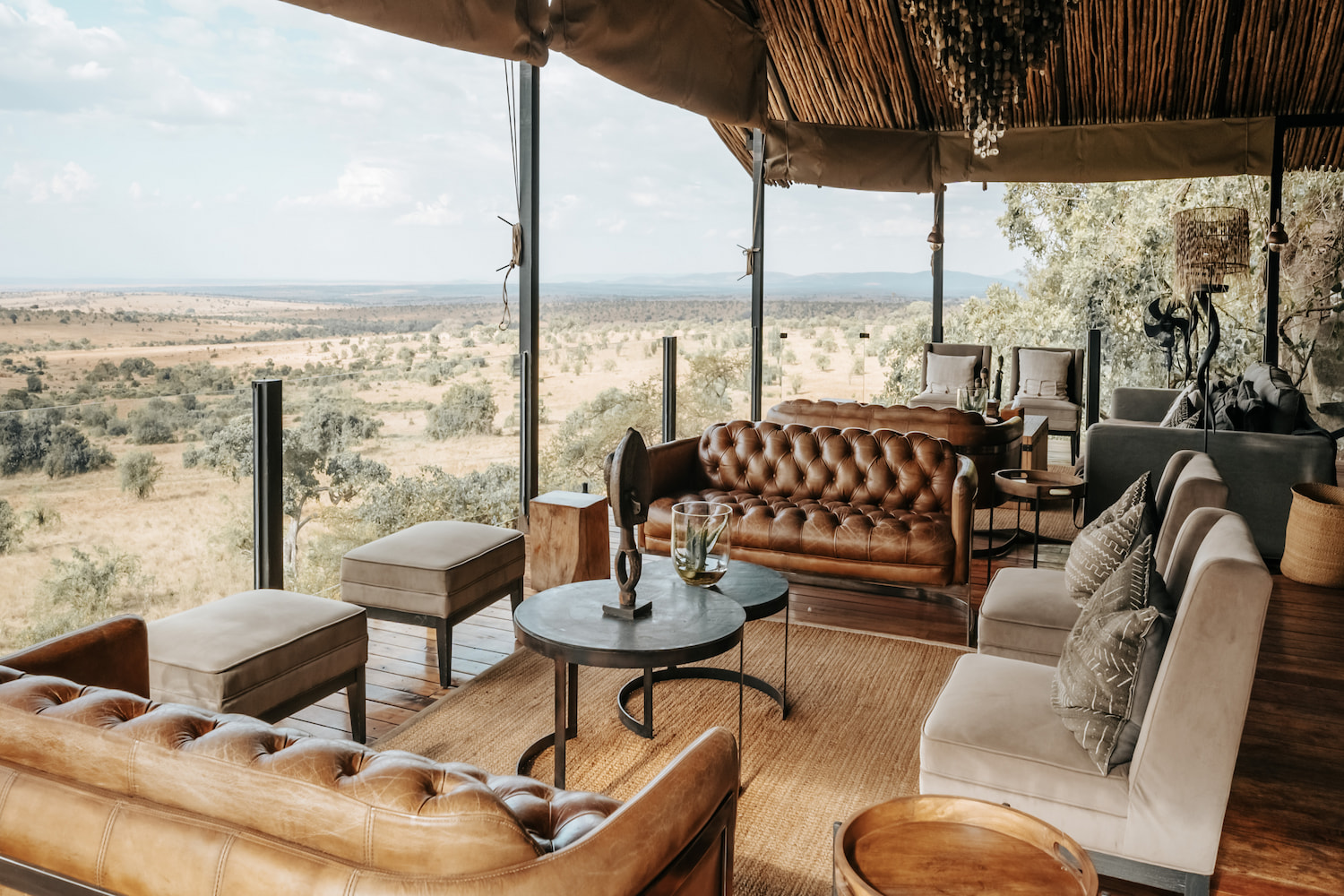
Mara Lodge. Courtesy of Nimali Africa.
Safari Lodge or Outfit
Emboo River Camp
Community-owned, low-impact safari camp in Kenya
Maasai-owned and operated, Emboo River Camp sets a benchmark for safari sustainability through its solar-powered infrastructure, closed-loop waste systems, and locally sourced food program. Its deep integration with community leadership and conservation makes it one of the most credible impact-driven safari camps in Africa today.
Green Safaris
Renewable-powered safari camps in southern Africa
Green Safaris has built one of the strongest renewable energy and conservation-led safari portfolios in Zambia and Malawi, with multiple camps powered largely by solar and deeply connected to local communities. Their ability to scale sustainability without diluting impact makes them a standout operator for accessible, responsible safaris.
Nimali Africa
Conservation-led safari camps supporting wildlife recovery
Family-owned and conservation-focused, Nimali Africa operates a collection of three camps in Tanzania that prioritize land protection, wildlife recovery, and long-term local employment. The brand combines thoughtful design with measurable environmental practices and a growing voice in responsible safari tourism.
Wilderness Safaris
Large-scale conservation safaris protecting wild landscapes
Wilderness Safaris is one of the most influential conservation operators in Africa, protecting millions of acres of wilderness through research, rewilding, and community partnerships. While larger in scale, its long-term commitment to conservation outcomes and transparency earns its place among top impact leaders.
Zannier Lodges
Design-forward lodges adapted to fragile landscapes
Zannier’s Namibia properties demonstrate how design-forward hospitality can coexist with serious environmental restraint, local craftsmanship, and sensitive land use in fragile desert ecosystems. Their work in Namibia reflects a considered, place-specific approach to sustainability rather than a one-size-fits-all model.
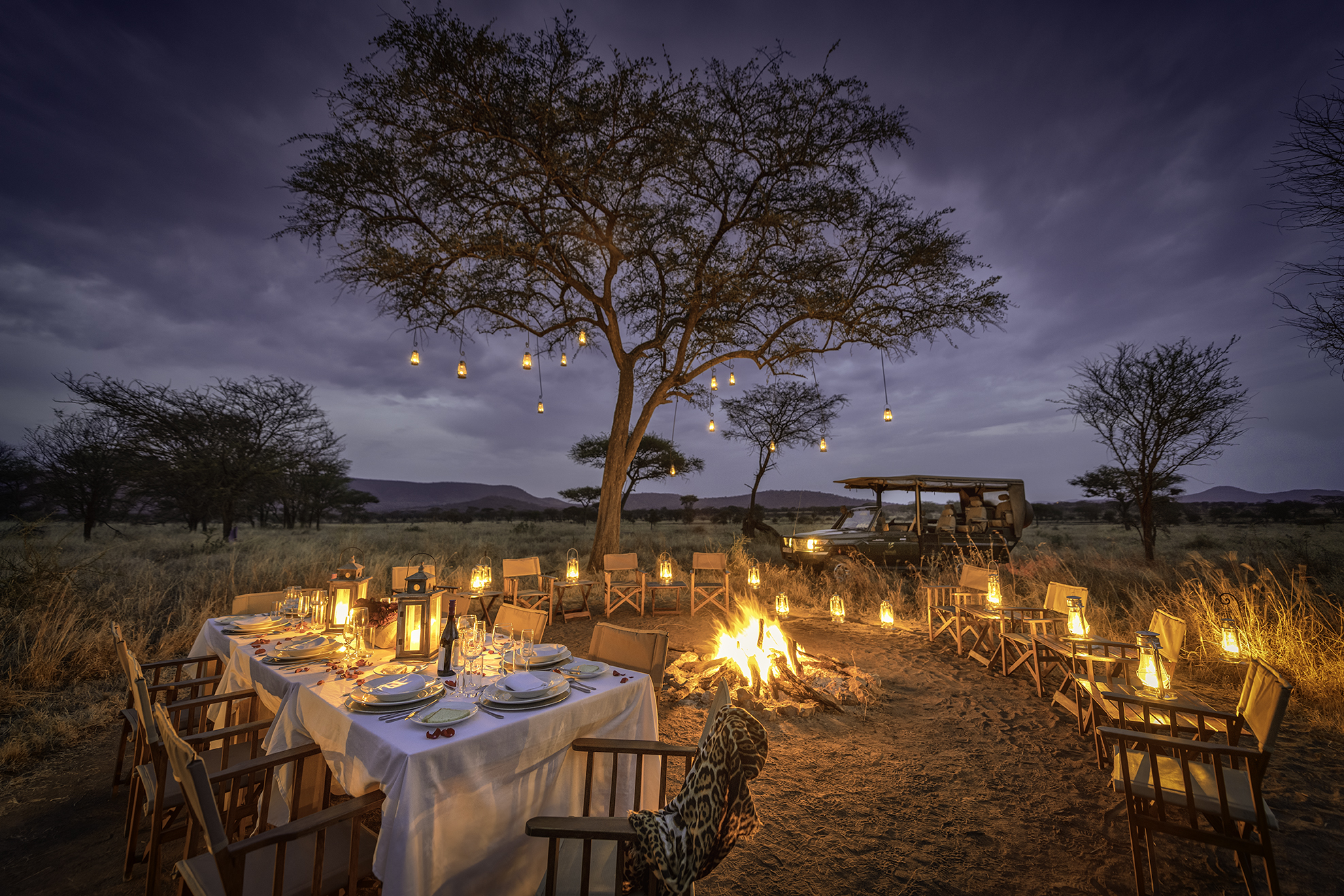
Ndutu Safari Lodge. Courtesy of Far and Wild.
Global Tour Company
Lokal Travel
Community-owned travel led by local guides
Lokal Travel is built around community-owned tourism, ensuring that economic benefits stay with local guides, hosts, and businesses rather than leaking out through international operators. Its model prioritizes cultural exchange, long-term livelihoods, and transparency, making it one of the most values-aligned tour operators operating today.
Few & Far
Nature-based travel funding ecosystem restoration
Few & Far places ecosystem restoration and climate responsibility at the center of its itineraries, with direct investment in conservation and regeneration projects tied to the destinations it operates in. The company is helping redefine what high-impact, nature-based travel can look like when sustainability drives the business model rather than sitting alongside it.
Far & Wild Travel
Low-impact journeys to remote regions
Far & Wild designs tailor-made journeys that prioritize low-impact travel, carefully vetted partners, and meaningful engagement with local environments and communities. Its approach balances responsible travel principles with accessibility, offering travelers a way to explore remote regions without compromising values.
Much Better Adventures
Lower-carbon small-group adventure travel
Much Better Adventures focuses on lower-carbon, small-group adventures while publicly accounting for climate impact and investing in measurable climate action. With a highly engaged, values-driven audience, the company demonstrates how sustainability and growth can coexist in modern adventure travel.
Wild Frontiers Adventure Travel
Pioneering travel in lesser-visited destinations
Wild Frontiers has long worked in emerging and lesser-visited destinations, partnering closely with local guides and operators to bring economic benefits to communities often overlooked by mainstream tourism. Its commitment to pioneering responsible travel in complex regions gives it enduring credibility in the global adventure travel space.
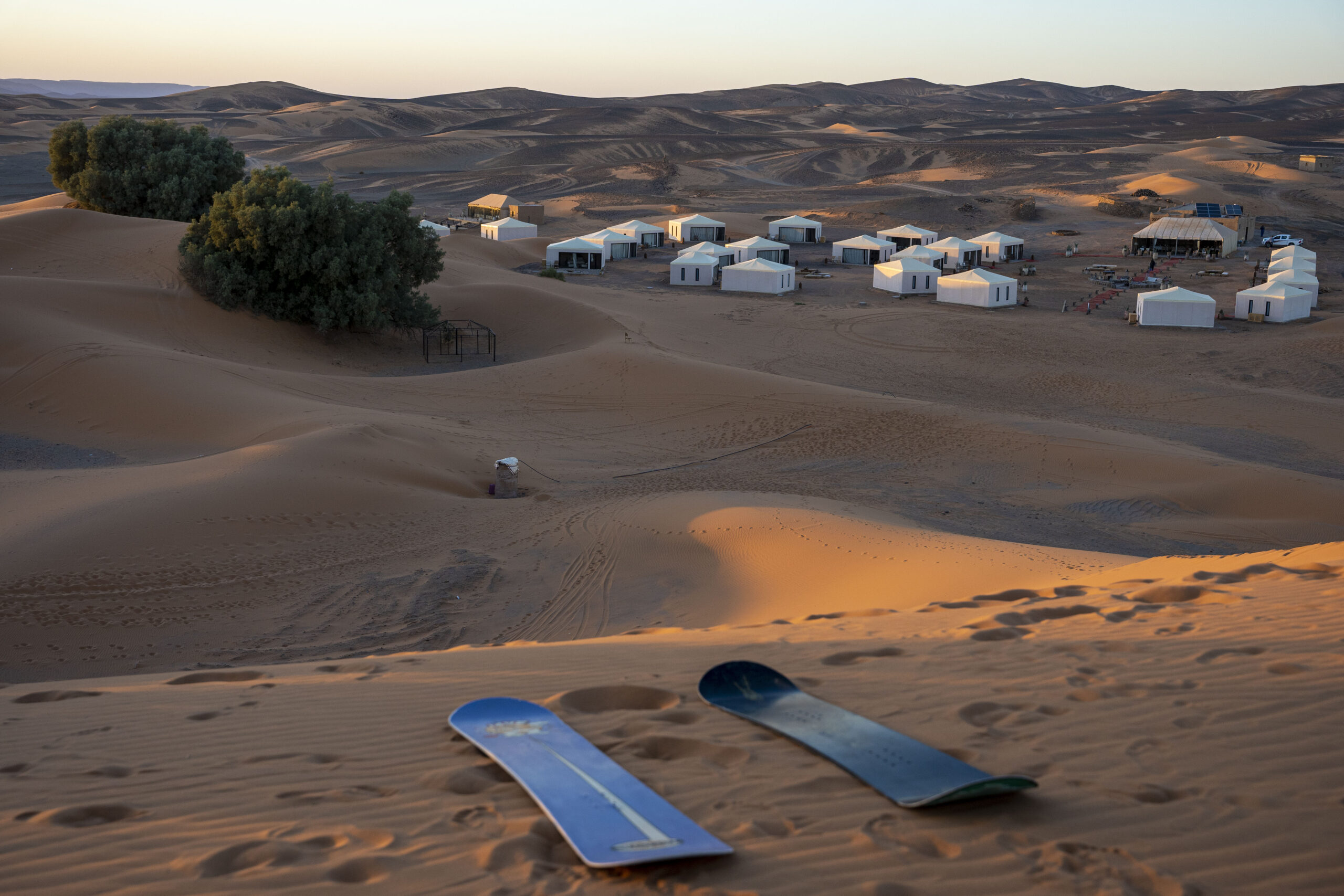
Sandboading in Morocco. Courtesy of Inclusive Morocco.
Local or Single-Focus Tour Company
Wild Terrains
Women-centered, relationship-driven travel
Wild Terrains, a women-founded operator designing small-group and custom trips that center local women business owners, artists, and chefs. Wild Terrains treats travel as a way to redistribute income and visibility to women on the ground, building long-term collaborations instead of one-off experiences.
Active England Tours
Human-powered countryside journeys
Active England links multiple regions of the UK through walking and cycling trips that lean on trains, trails, and boutique inns instead of buses. Their itineraries celebrate landscapes, heritage sites, and village life at a slower pace, making low-impact travel feel comfortable rather than extreme.
Inclusive Morocco
Queer-led, Moroccan-focused itineraries
Inclusive Morocco is an LGBTQ-founded company crafting tailor-made journeys across Morocco with a fully local team. They balance cultural nuance and guest safety with a clear ethical stance, using travel to support Moroccan hosts while creating rare, affirming space for queer and allied travelers.
Say Hueque
“Beyond sustainable” journeys in Argentina & Chile
Buenos Aires–based Say Hueque designs custom and small-group trips across Patagonia, the northwest, wine regions, and Chile, always with local partners at the center. Their philosophy goes beyond eco-marketing to focus on nature, fair economics, and transformational experiences rather than box-ticking sightseeing.
Walk Japan
Pioneering slow journeys across Japan
Walk Japan designs guided and self-guided walking trips that cross the country’s islands on foot, linking cities with fishing villages, mountain passes, and rural communities. Their routes are built around local inns, regional food, and lived history, so travelers support small businesses and experience Japan at the pace of conversation, landscape, and everyday life rather than speed or spectacle.
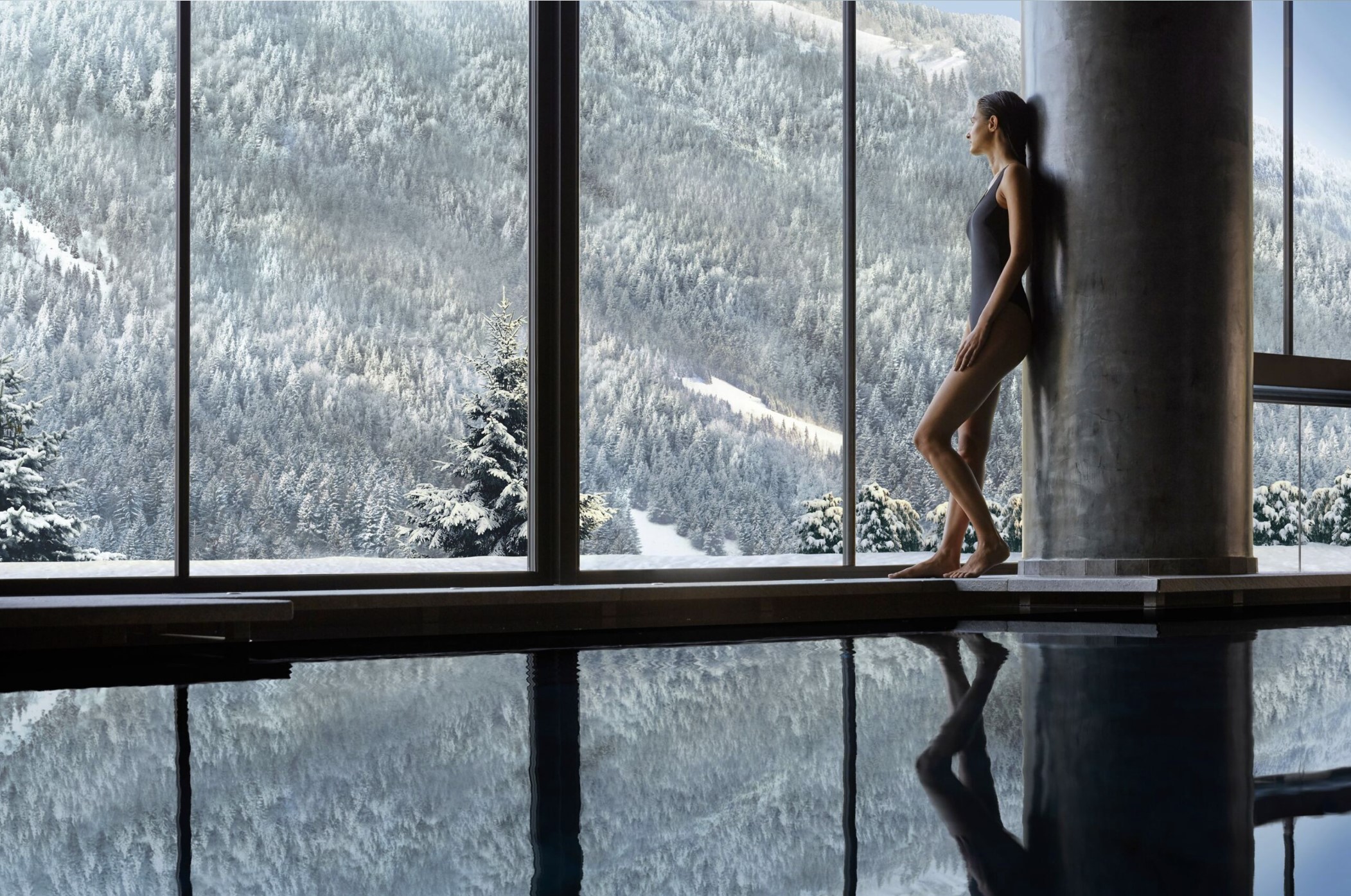
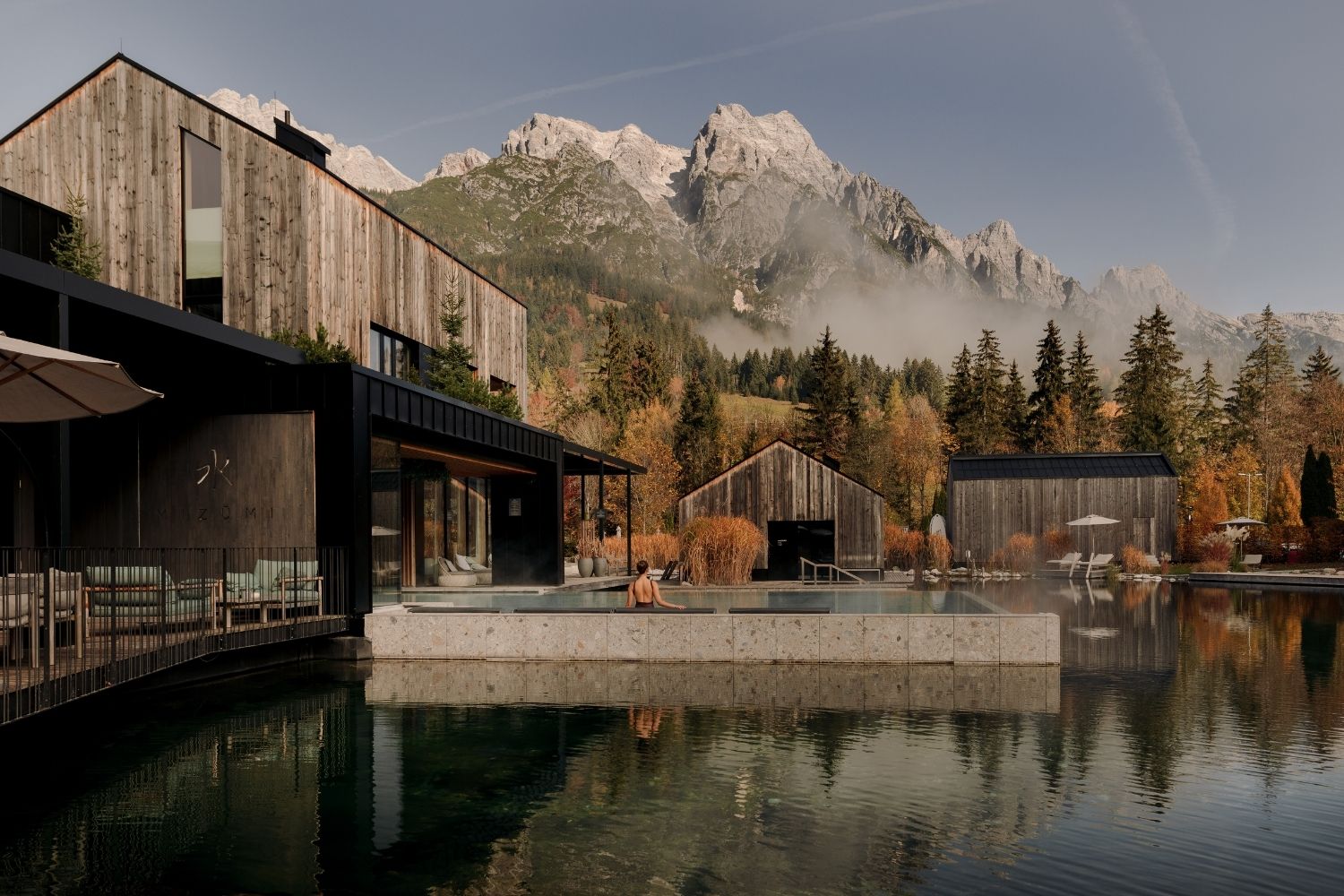
The Dolomites oustide a Lefay Resort. Courtesy of Lefay.
Wellness Resort
Kamalaya Koh Samui
Spiritual and integrative wellness in a tropical setting
Set on a forested hillside overlooking the Gulf of Thailand, Kamalaya blends Eastern spiritual traditions with Western medical oversight. Guests follow multi-day or multi-week programs focused on stress, emotional balance, detox, or resilience, supported by Ayurvedic treatments, Traditional Chinese Medicine, naturopathy, and mindfulness practices. Open-air pavilions, cave temples, and ocean-facing pools shape a calm, contemplative environment without isolating guests from the natural landscape.
Sterrekopje Healing Farm
Regenerative, land-based healing
Located outside Cape Town in South Africa’s Franschhoek Valley, Sterrekopje operates as a working biodynamic farm and retreat. Days revolve around shared meals, herbal remedies, nervous-system regulation, and time spent in gardens, kitchens, and treatment rooms rather than formal schedules. Therapies include somatic work, body treatments, and guided rest, with the pace and design encouraging deep physical and mental recovery tied directly to the land.
Lefay Resorts & Residences
Medical-grade wellness framed by mountain and lake landscapes
Lefay Resorts‘ flagship properties in Lake Garda and the Dolomites pair evidence-based wellness programs with dramatic alpine and lakeside scenery. Guests engage in preventative health assessments, movement therapy, spa treatments, and nutrition plans supported by medical staff. Architecture emphasizes light, silence, and expansive views, using large-scale glazing to connect treatment spaces, pools, and rooms directly to surrounding water, forests, and peaks.
Naturhotel Forsthofgut
Seasonal alpine wellness centered on movement and nature
Family-run and located in Austria’s Leogang mountains, Naturhotel focuses on outdoor activity as the core of well-being. Guests alternate between hiking, cycling, skiing, and swimming in natural pools, alongside sauna rituals and simple, regionally driven food. The experience feels informal but deliberate, with wellness emerging from altitude, fresh air, and daily physical engagement rather than structured programs.
Palmaïa, The House of AïA
Ritual-led wellness on Mexico’s Caribbean coast
Set on a stretch of white-sand beach near Playa del Carmen, Palmaïa emphasizes emotional and spiritual wellbeing through daily rituals, plant-based cuisine, and guided practices. Guests participate in meditation, breathwork, sound healing, and movement sessions rather than fixed spa itineraries. The jungle-and-sea setting shapes a relaxed, immersive atmosphere where wellness unfolds through repetition, rhythm, and environment rather than instruction.

Phinis ships of SeaTrek Sailing. Courtesy of SeaTrek.
Journeys
SeaTrek Sailing Adventures
Small-ship sailing expeditions across Indonesia
SeaTrek Sailing Adventures SeaTrek Sailing Adventures operates small-group expeditions through eastern Indonesia aboard traditional phinisi ships. Itineraries connect guests with SeaTrek’s “local heroes,” supporting community-led conservation, education, and reef protection under the company’s Sailing for Good framework. Crew and tour leaders are Indonesian, reflecting the company’s aim to show the country “through Indonesian eyes.” When possible, voyages source local produce and seafood, and the team distributes educational books, reading glasses, and children’s swimming goggles in remote coastal villages.
Havila Voyages
Hybrid-electric voyages along Norway’s inhabited coastline
Havila Voyages runs battery-hybrid ships on Norway’s historic coastal route, sailing deep into fjords with electric propulsion that reduces noise and emissions in sensitive waters. The journey connects small ports from Bergen to Kirkenes, with passengers stepping on and off alongside locals. Onboard meals draw from fishermen, farmers, and producers at ports along the route, turning the voyage into a moving map of Norway’s coastal food culture.
Train Suite Shiki-shima
Luxury electric rail journey across northern Japan
Train Suite Shiki-shima travels through Japan’s Tōhoku and Hokkaido regions on electric rail, combining observation cars, private suites, and chef-led dining. Menus change by route and season, sourcing ingredients directly from farmers, fishermen, and producers near each stop. Off-train excursions focus on craft workshops, local kitchens, and landscapes shaped by agriculture and climate, making the journey as much about region as rail.
Mekong Kingdoms – Bohème
Slow river journeys on the Mekong in Laos
Bohème by Mekong Kingdoms operates multi-day river voyages along the Upper Mekong between Luang Prabang and Vientiane. The journey includes stops at small craft villages as well as regional landmarks such as Pak Ou (the Caves of a Thousand Buddhas) and waterfalls along the route. Onboard operations emphasize regional sourcing and reduced waste, while shore visits focus on local artisans, markets, and river communities.
Hurtigruten (Hybrid Fleet)
Hybrid-powered voyages connecting Norway’s coastal communities
Hurtigruten’s hybrid-powered ships operate as both passenger vessels and essential transport along Norway’s coast. The route links remote towns and islands year-round, carrying cargo, locals, and travelers together. Onboard kitchens prioritize regional sourcing from suppliers along the route, while fleet upgrades focus on fuel efficiency, emissions reduction, and transparent reporting across one of Europe’s longest-running travel corridors.
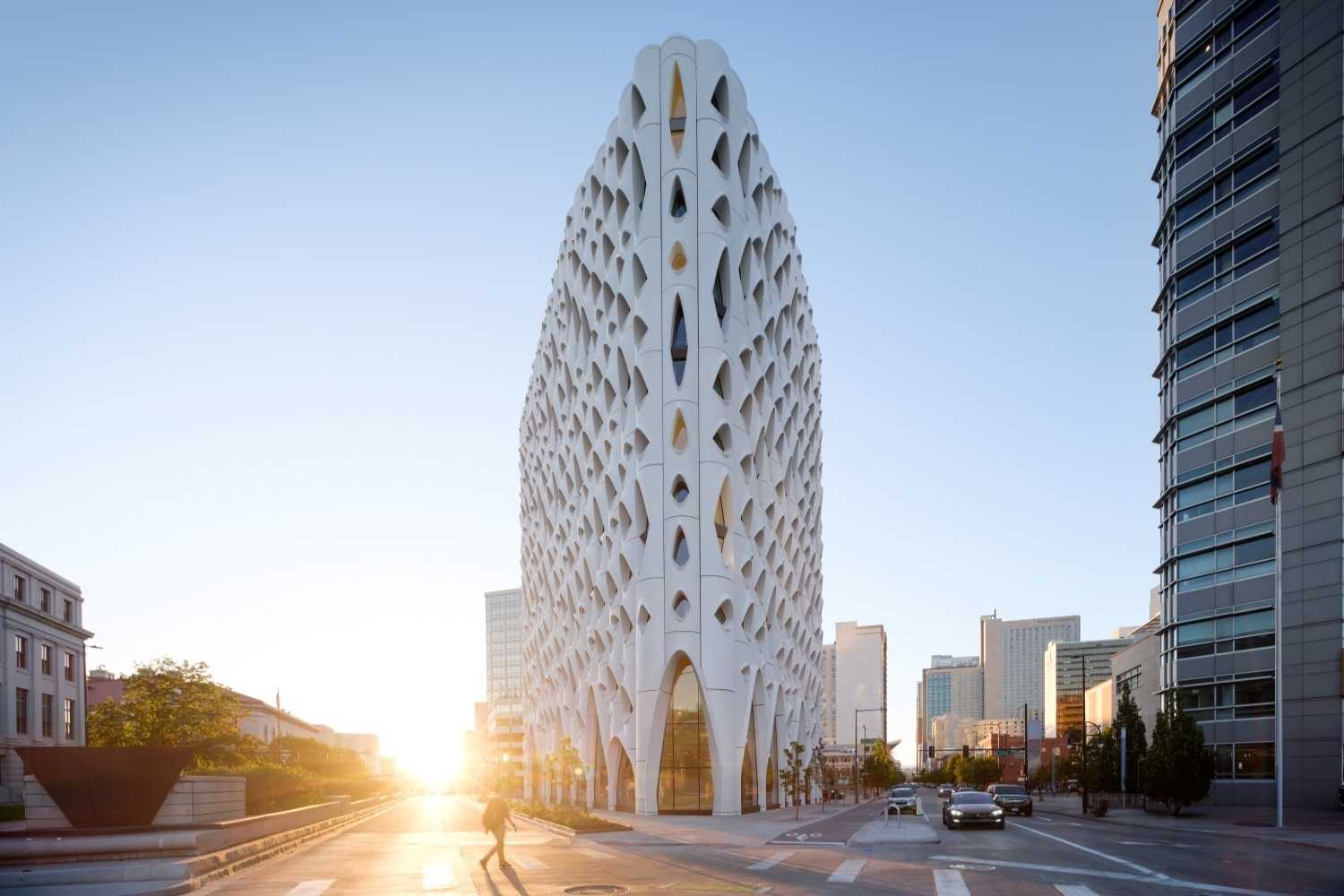
Carbon positive Populus
Travel Innovators
Populus Hotel
Carbon-positive city hotel with sculptural design
Populus Hotel stands out in downtown Denver as a bright, aspen-inspired tower with deep oval windows that shape both its exterior and its rooms. The hotel positions itself as carbon positive over the life of the building, publicly tracking and publishing the environmental cost of its construction and ongoing operations. Interiors are warm and contemporary, with window benches that double as work and lounge space and strong food and drink programs from Pasque and the Stellar Jay. The experience feels well-designed and upmarket, with layouts and amenities that work equally well for leisure and business travel. Populus recently opened a second location in Seattle, WA.
Regenerative Travel
Industry standards and networks for regenerative travel
Regenerative Travel, founded by thought leader Amanda Ho, builds shared frameworks for regenerative tourism through its curated directory, membership model, research, and conferences. By shaping language, expectations, and accountability across the industry, the group has helped move regeneration from aspiration to practice.
Byway
Flight-free travel planning at scale
Byway redesigns trip planning by removing flights from the equation entirely, replacing them with train-, ferry-, and bus-based itineraries. Its innovation is behavioral, changing defaults so travelers choose lower-impact transport without added complexity or moral pressure.
Brim Explorer
Electric vessels designed to reduce wildlife disturbance
Brim Explorer sails a fleet of electric and hybrid-electric propulsion boats for its wildlife, scenic, and Northern Lights tours in Norway. Their silent sails run up the coast from Oslo to Tromsø and the Lofoten Islands, offering a quieter experience, reduced emissions, and, most importantly, less disturbance to marine life.
Tomorrow’s Air
Carbon removal funding tied directly to travel
Tomorrow’s Air gives travelers a way to engage with climate responsibility by funding verified carbon removal, not traditional offsets. Members contribute to scientifically vetted projects designed for long-term carbon storage and can connect those contributions to specific trips without claiming neutrality. The platform’s innovation lies in its restraint, offering transparency, education, and accountability without pretending travel impact can be erased.
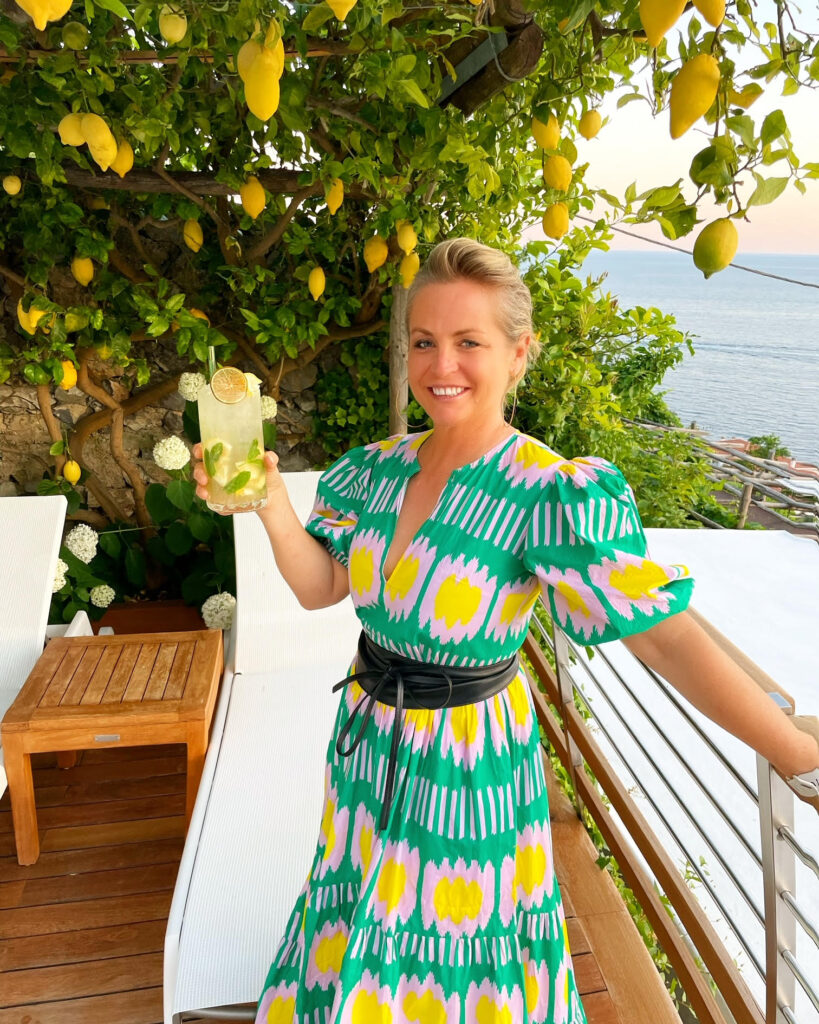
Founder and CEO of Azure Road, Lauren Mowery is a longtime wine, food, and travel writer. Mowery continues to serve on Decanter Magazine’s 12-strong US editorial team. Prior to joining Decanter, she spent five years as the travel editor at Wine Enthusiast. Mowery has earned accolades for her writing and photography, having contributed travel, drinks, food, and sustainability content to publications like Food & Wine, Forbes, Afar, The Independent, Saveur, Hemispheres, U.S. News & World Report, SCUBA Diving, Plate, Chef & Restaurant, Hotels Above Par, AAA, Fodors.com, Lonely Planet, USA Today, Men’s Journal, and Time Out, among others.
Pursuing her Master of Wine certification, she has also been a regular wine and spirits writer for Tasting Panel, Somm Journal, VinePair, Punch, and SevenFifty Daily. Mowery is a graduate of the University of Virginia and Fordham Law School, and she completed two wine harvests in South Africa.
Follow her on Instagram @AzureRoad and TikTok @AzureRoad
North Stars: Community Support, Heritage Value, Production & Consumption