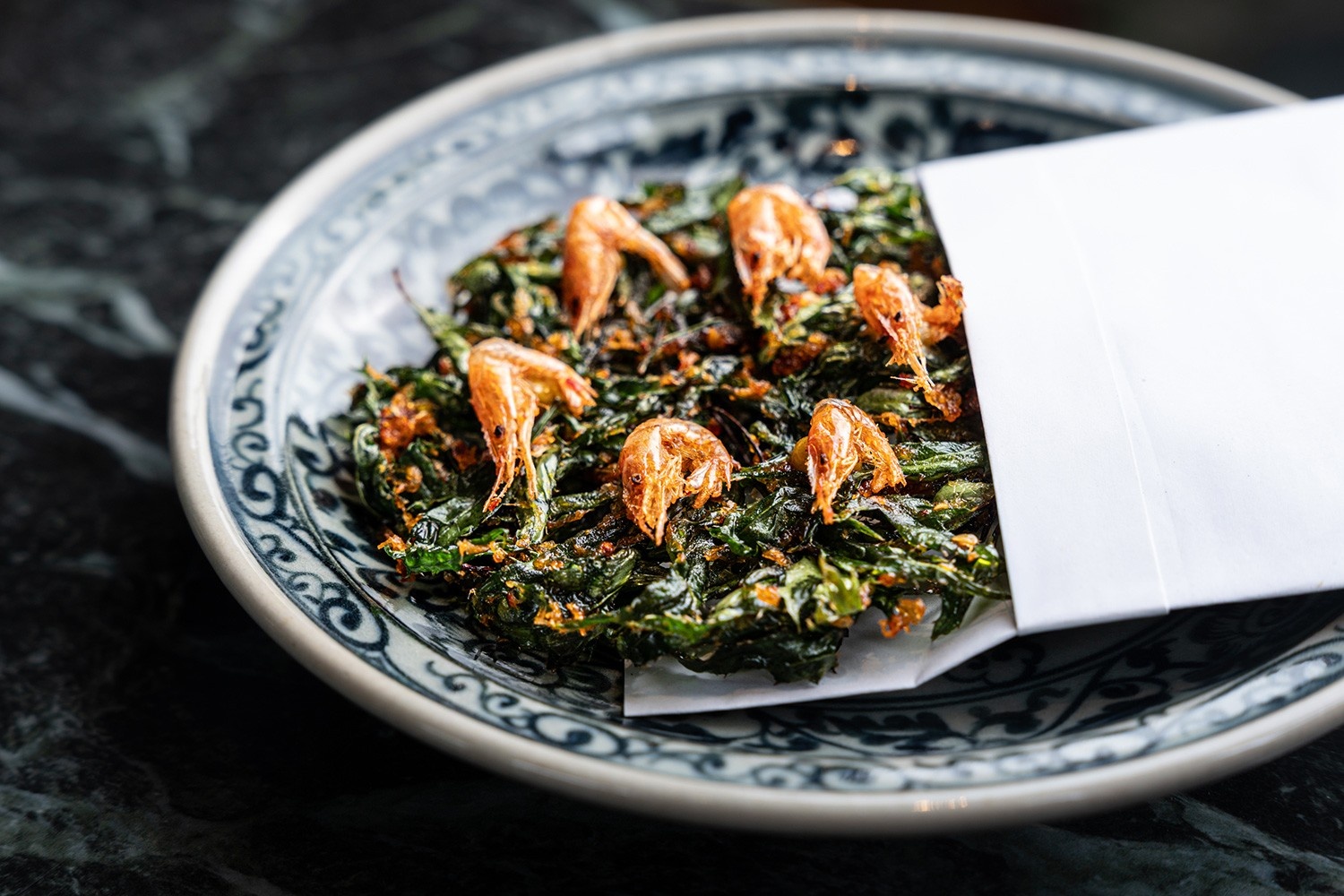
“I met chefs, farmers, and organizations committed to changing how systems work.”
Last year, while reporting on food and drink, the news about our changing climate and struggling agricultural industries kept getting darker. At the same time, I met chefs, farmers, and organizations committed to changing how systems work so our communities have a chance of surviving a hotter, less predictable future.
The Azure Road Culinary Impact Awards exist to recognize that work. When we reviewed nominations, we examined environmental practices, waste and efficiency, as well as fair wages and the communities whose heritage and ingredients are being spotlighted and preserved. In essence, a mix of tradition and innovation, because sometimes looking back is a valuable way to inform our future.
For this first culinary edition, we chose a mix of restaurants, heritage growing projects, pantry brands, and coffee roasters. Some are tiny, some are already influential, but all of them connect good food with more resilient, more thoughtful ways of doing business.
View our Impact Awards for Travel and Drinks.
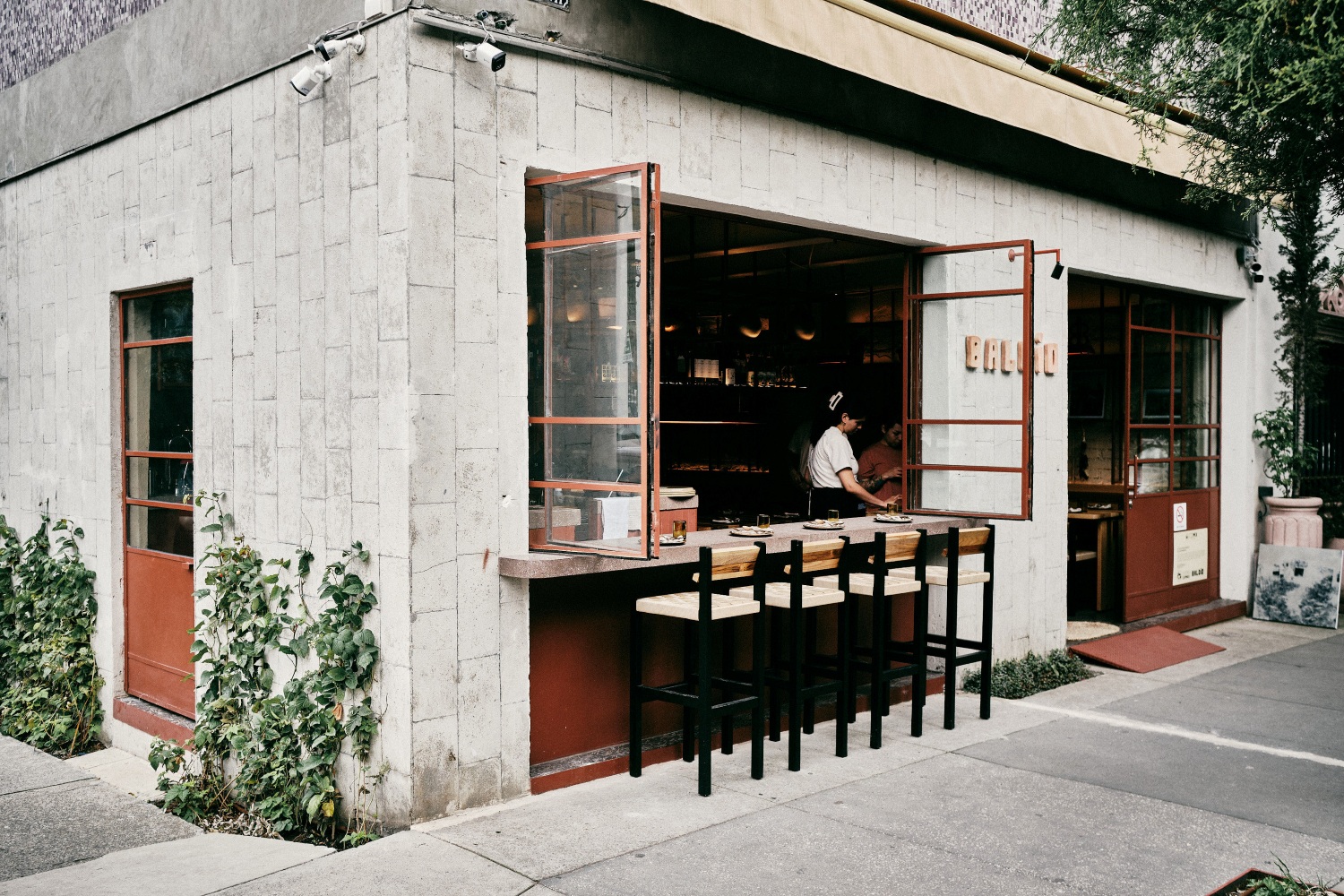
Baldio, a zero-waste restaurant in Mexico City. Courtesy of Baldio.
Restaurant Group or Restaurateur
Air CCCC, Singapore
Circular culinary campus & concept farm
A circular restaurant and research campus created by chef Matt Orlando and partners, AIR CCCC rethinks how an urban kitchen uses resources. The signature dish, “whole coral grouper for two,” is a literal play on words, turning bones into lavash and trim into broth, showing how far fin-to-tail cooking can go when a kitchen is serious about reducing waste.
A to Z Chef’s Table, Panama City, Panama
Creative cooking focused on organic Panamanian ingredients
At A to Z Chef’s Table in Casco Viejo, chef Ariel Zebede cooks every service himself from the center of an intimate chef’s counter, serving a multi-course menu built on roughly 94 percent Panamanian ingredients. Chef Ariel Zebede collaborates with a local organic farmer who even grew a specific wheat for the restaurant’s first fully Panamanian bread and beer, turning dinner into a playful riff on local terroir that keeps guests engaged rather than exhausted by endless tweezer food.
Ark, Copenhagen, Denmark
Plant-based fine dining as a full-restaurant ecosystem
In Copenhagen, chef Brett Lavender runs Ark, a vegan fine-dining restaurant and cocktail bar where guests never miss meat thanks to the kitchen’s layered fermentations and whole-plant cooking that create serious depth of flavor. As the first fully plant-based restaurant in the Nordics to earn a Michelin Green Star and supplied in part by a sister mushroom farm, Ark shows how ambitious cuisine can grow with local producers and a circular way of working.
Nusara, Bangkok
Thai heritage cooking with a modern lens
In Bangkok’s Old Town, chef Thitid “Ton” Tassanakajohn channels his rising fame into Nusara, a small, memory-led restaurant where his grandmother’s recipes, regional Thai ingredients, and classic flavors are reworked through a contemporary fine-dining lens. Guests progress through the experience in stages, beginning with an amuse-bouche and a glass of wine, while staff capture a photo against the temple-framed skyline, adding a theatrical touch to a menu that embodies Thai heritage.
Emmer & Rye, Austin, Texas
Grain-forward, low-waste hospitality group
In Austin, chefs Kevin Fink and Tavel Bristol-Joseph lead Emmer & Rye, a grain-focused restaurant where house-milled heirloom flours, whole-animal butchery, and a fermentation program shape the menu. As the flagship of a growing hospitality group and a Michelin Green Star recipient, it shows how close relationships with local farmers and a meticulous approach to waste can serve as the restaurant’s operating system rather than a side project.
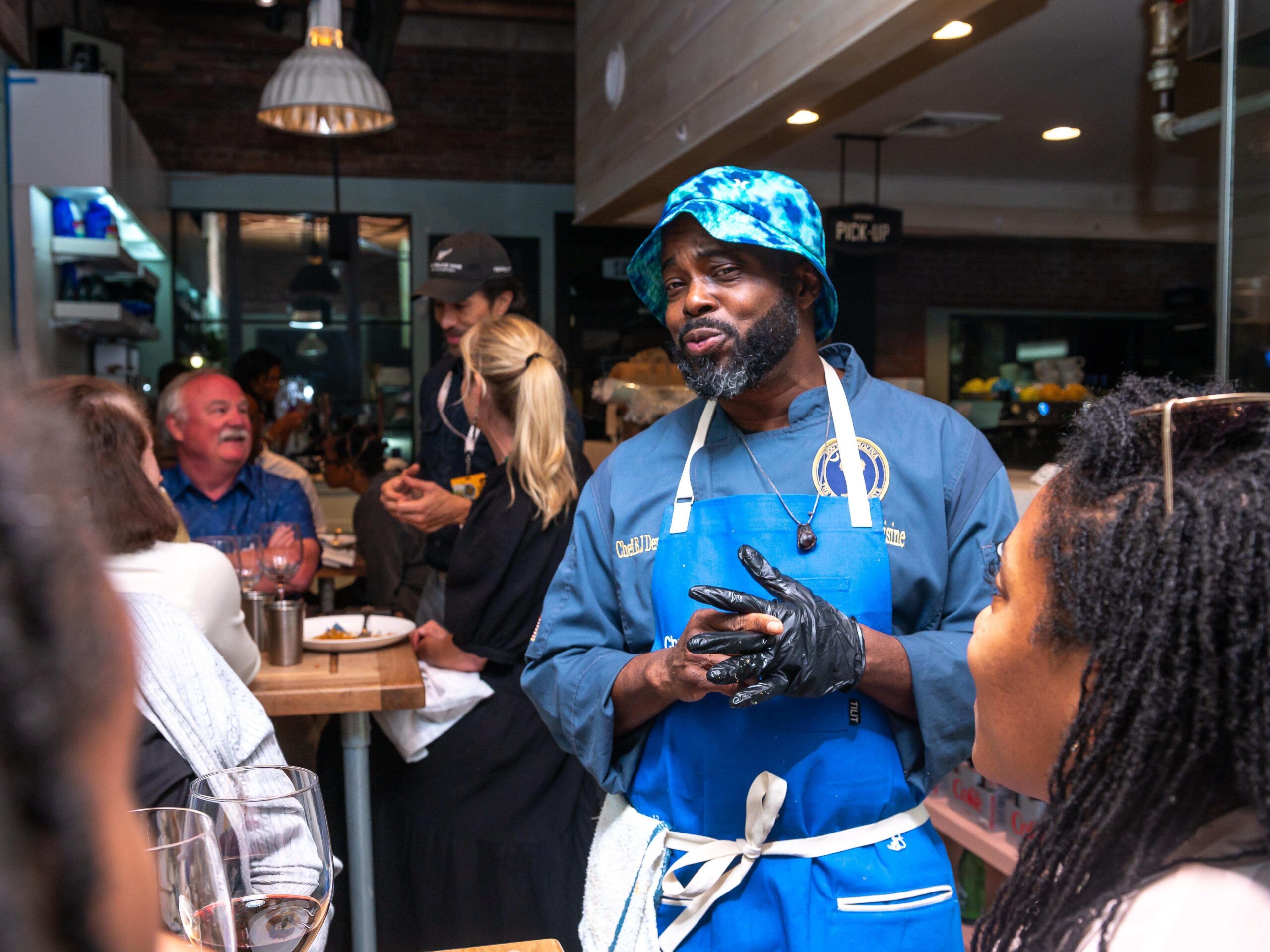
Chef BJ Dennis talking to guests about Gullah Geechee food culture. Photo by Katrina Crawford, courtesy of Charleston Wine + Food.
Heritage-Inspired Culinary Project
Chef BJ Dennis
For preserving and sharing Gullah Geechee cooking and culture
Based in Charleston, chef Benjamin “BJ” Dennis IV has become a leading contemporary voice for Gullah Geechee cuisine, the foodways of coastal descendants of West and Central Africans enslaved on the Sea Islands of the American South. Through pop-ups, collaborations, and teaching, he cooks from these Lowcountry traditions while tracing the history and migration stories behind the food so they stay part of daily life, not just history books.
Pablo & Lucio Usobiaga – Arca Tierra & Baldío
For its regenerative chinampa farm and zero-waste dining
In Xochimilco and Mexico City, brothers Pablo and Lucio Usobiaga helped revive pre-Hispanic chinampa farms through Arca Tierra, then built Baldío as a restaurant that cooks almost exclusively with that harvest. With a zero-waste system shaped in part with guidance from Silo’s chef Doug McMaster, Baldío turns high-concept, Michelin Green Star–level cooking into something joyfully accessible while keeping the farm-to-table loop as tight as possible.
Mission Garden, Tucson, Arizona
For its living agricultural archive in the desert
At the foot of Sentinel Peak, Mission Garden is a working agricultural museum that grows Sonoran Desert–adapted crops tied to more than 4,000 years of farming in the Tucson basin. Organized into plots reflecting Indigenous, Spanish, Mexican, Chinese, and other food traditions, it uses heritage seeds, historic irrigation methods, and new trials of heat- and drought-tolerant varieties to show how people might grow food in an even hotter, drier future.
PHĀEA Farmers Program / PHĀEA Hotels, Crete
For supporting Cretan farmers through climate-smart resort dining
On Crete, the PHĀEA Farmers Program trains hotel employees who also farm their own land in regenerative, climate-aware practices with agronomists, then commits to buying their olives, vegetables, herbs, and other crops for the resorts’ kitchens. Launched in 2019 and now spread across small plots in local communities, it turns guest cooking experiences and hotel buffets into a stable market for island agriculture and a way to keep Cretan farming knowledge viable for the next generation.
Mezcal Amarás
For its seed-to-sip mezcal project
Building its production around “seed to sip” principles, Mezcal Amarás works with small mezcaleros across Mexico while reinvesting in agave replanting, native biodiversity, and community projects in villages. By tying long-term planting commitments and local partnerships to each bottling, the brand treats mezcal as part of a larger practice of land stewardship and cultural continuity.
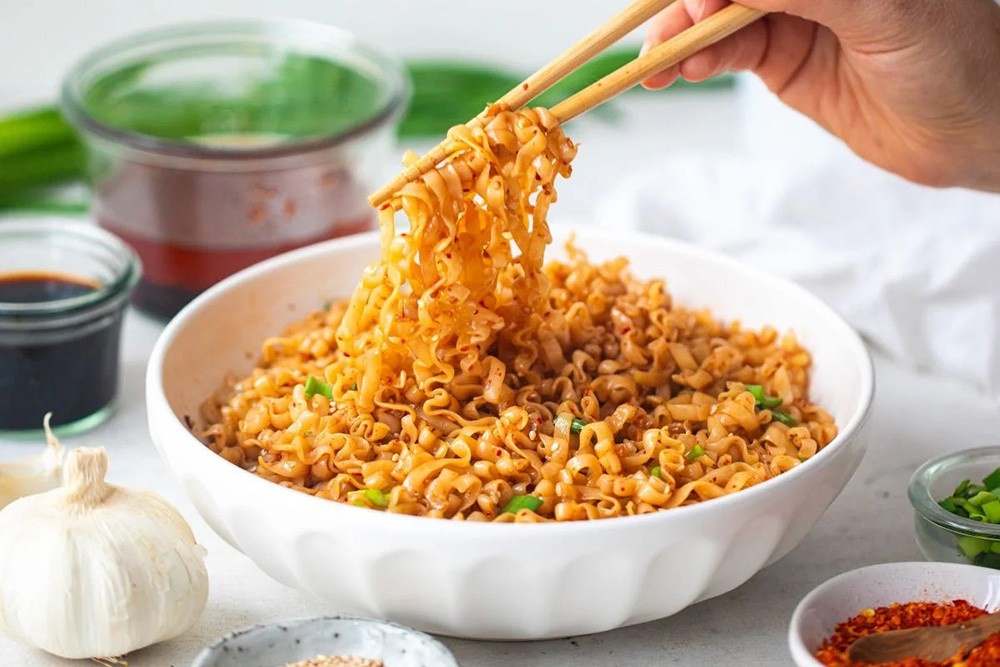
Organic ramen. Courtesy of Lotus Foods.
Pantry Brand
Rancho Gordo Beans
American bean reviving heirloom varieties
Founded in 2001 by Steve Sando in California, Rancho Gordo works with growers in the U.S. and Mexico to grow and import New World heirloom beans, from speckled Good Mother Stallard to rich Rio Zape and giant Ayocote varieties, that had largely disappeared from mainstream markets. By selling directly to home cooks and restaurants, the company keeps these varieties in active cultivation and supports small regional farms.
Burlap & Barrel
Single-origin spices direct from small farmers
Founded in 2016 by Ethan Frisch and Ori Zohar, Burlap & Barrel is a public benefit corporation that sources single-origin spices directly from smallholder farmers and foragers in more than 20 countries, often paying several times the standard commodity rate. From Cloud Forest Cardamom to Zanzibar Black Peppercorns, each jar is labeled by origin so farmers earn better prices and home cooks get a clear line between what’s in the pantry and where it comes from.
Big Spoon Roasters
Small-batch nut butters roasted and milled in-house
Based in Hillsborough, North Carolina, Big Spoon Roasters makes small-batch nut butters and bars, roasting nuts and milling them in-house under the direction of co-founders Mark and Megan Overbay (husband-and-wife team). As a Certified B Corporation, it works with like-minded growers and producers to produce creative flavors like Pistachio Crunch Almond Butter and Chai Spice Peanut & Almond Butter.
Spring & Mulberry Chocolates
Date-sweetened chocolate from thoughtfully-sourced cacao
Co-founded by Kathryn and Sarah Berenson, Spring & Mulberry makes dark chocolate bars sweetened with dates instead of refined sugar, with a lineup that layers cacao with fruits, nuts, and other botanicals. Their bars, wrapped in design-forward packaging, reflect a serious focus on careful sourcing, clear ingredient lists, and accountability toward customers.
Lotus Foods
Organic rice and noodles grown with smallholder farmers
Founded in 1995, Lotus Foods partners with smallholder farmers in Asia to import heirloom and organic rice varieties, then turns them into retail rice and rice-based noodles for home cooks. By supporting farmers who use water-saving, lower-methane systems like the System of Rice Intensification (SRI), the company links everyday pantry staples to better incomes and more climate-resilient rice cultivation.
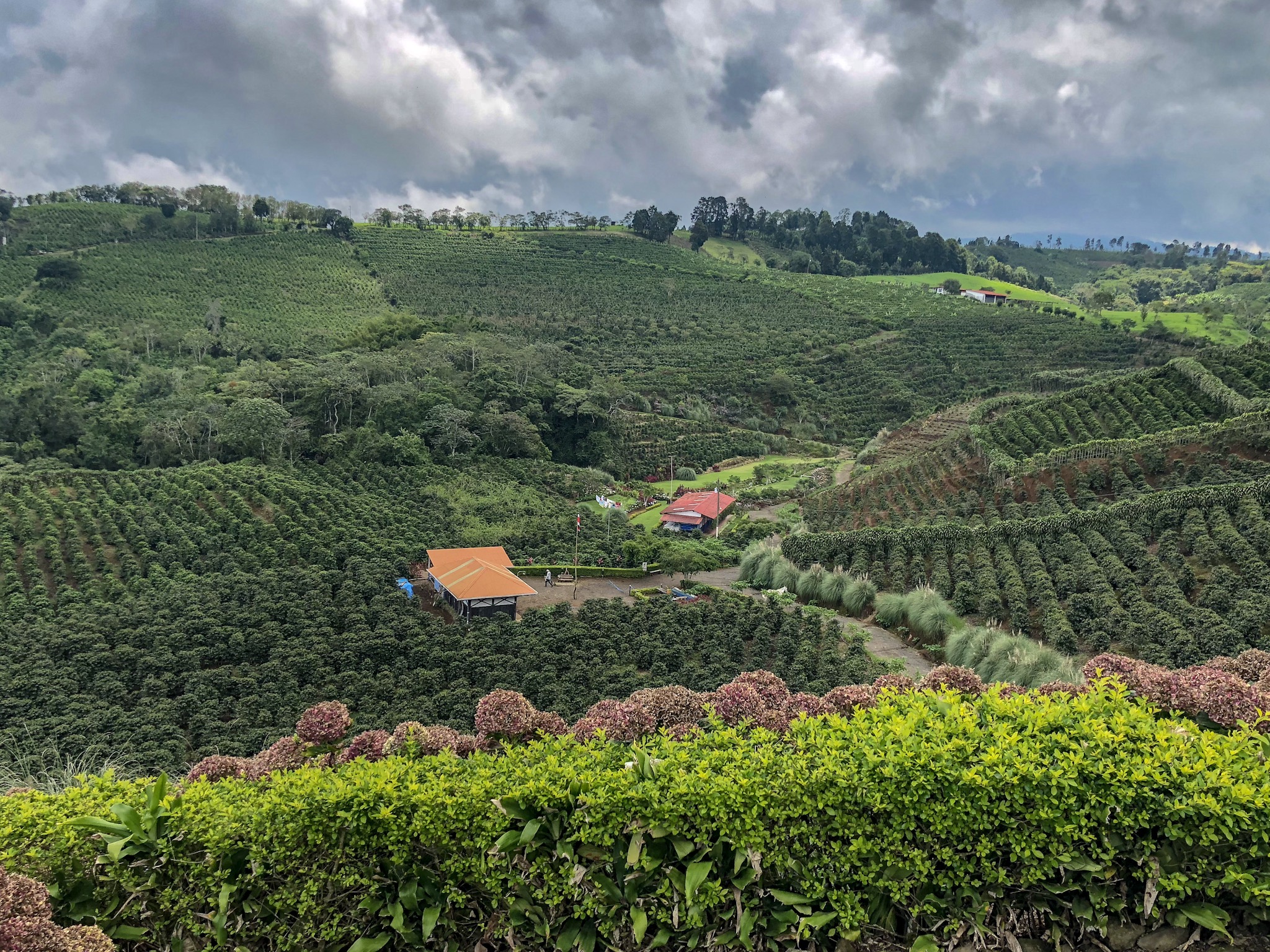
Coffee Farm in Costa Rica. Courtesy of Lauren Mowery.
Coffee Companies
Tim Wendelboe
Pioneering Norwegian specialty-roaster
In Oslo, World Barista Champion 2004 Tim Wendelboe runs a small roastery, espresso bar, and training center focused on lightly roasted, single-origin coffees with clear, traceable sourcing. Founded in 2007, the company now also draws on Wendelboe’s own biologically farmed Finca el Suelo in Huila, Colombia, where he experiments with regenerative practices to improve soil health and cup quality from the ground up.
Coffee Collective
Danish specialty-roaster working direct with farmers
Founded in 2007 in Copenhagen by Klaus Thomsen, Peter Dupont, Casper Engel Rasmussen and partners, Coffee Collective roasts and serves coffee built on long-term relationships with producers. Their trademark direct-trade model and farm-level transparency, from published prices to regular visits at origin, has helped push the Scandinavian coffee scene toward paying more for coffee that supports farmer livelihoods.
Lamastus Family Estates
Panamanian Geisha growers turned global cult name
In the highlands of Boquete, Lamastus Family Estates is a group of family-run farms centered on Elida Estate, where the Lamastus family has grown coffee for generations since 1918. High-altitude Geisha coffees from Elida and sister farms like El Burro and Luito have become benchmarks at auctions and in specialty circles, showing how careful farming in a cloud-forest landscape can turn a single variety into one of the world’s most sought-after cups.
Cxffeeblack
Black-led Memphis roaster reclaiming coffee’s story
Based in Memphis’s Highland Heights neighborhood, Cxffeeblack is a Black-led coffee company and cultural hub founded in 2019 by Bartholomew Jones and Renata Henderson to reconnect coffee to its African roots. Working with an all-Black supply chain for key coffees and using roasts like Guji Mane and Black on Both Sides as teaching tools, they pair roasting with education, events, and merch to tell coffee’s Black history and route more value back to Black communities.
Counter Culture
Industry-leadership in transparent pricing and sourcing
Founded in 1995 in Durham by Brett Smith and Fred Houk, Counter Culture Coffee has grown from a small local roastery into a national specialty roaster known for quality and long-term partnerships with growers. Through its annual transparency reports, sustainability programs, and network of training centers, it became an early reference point for publishing what it pays for green coffee and treating education, especially around climate change, as central to a more accountable coffee supply chain.
North Stars: Certification, Heritage Value, Production and Consumption