North Stars:

Community Support

Energy Efficiency

Heritage Value
“The cooperative wasn’t just about survival — it was about protecting the future of small family farming.”
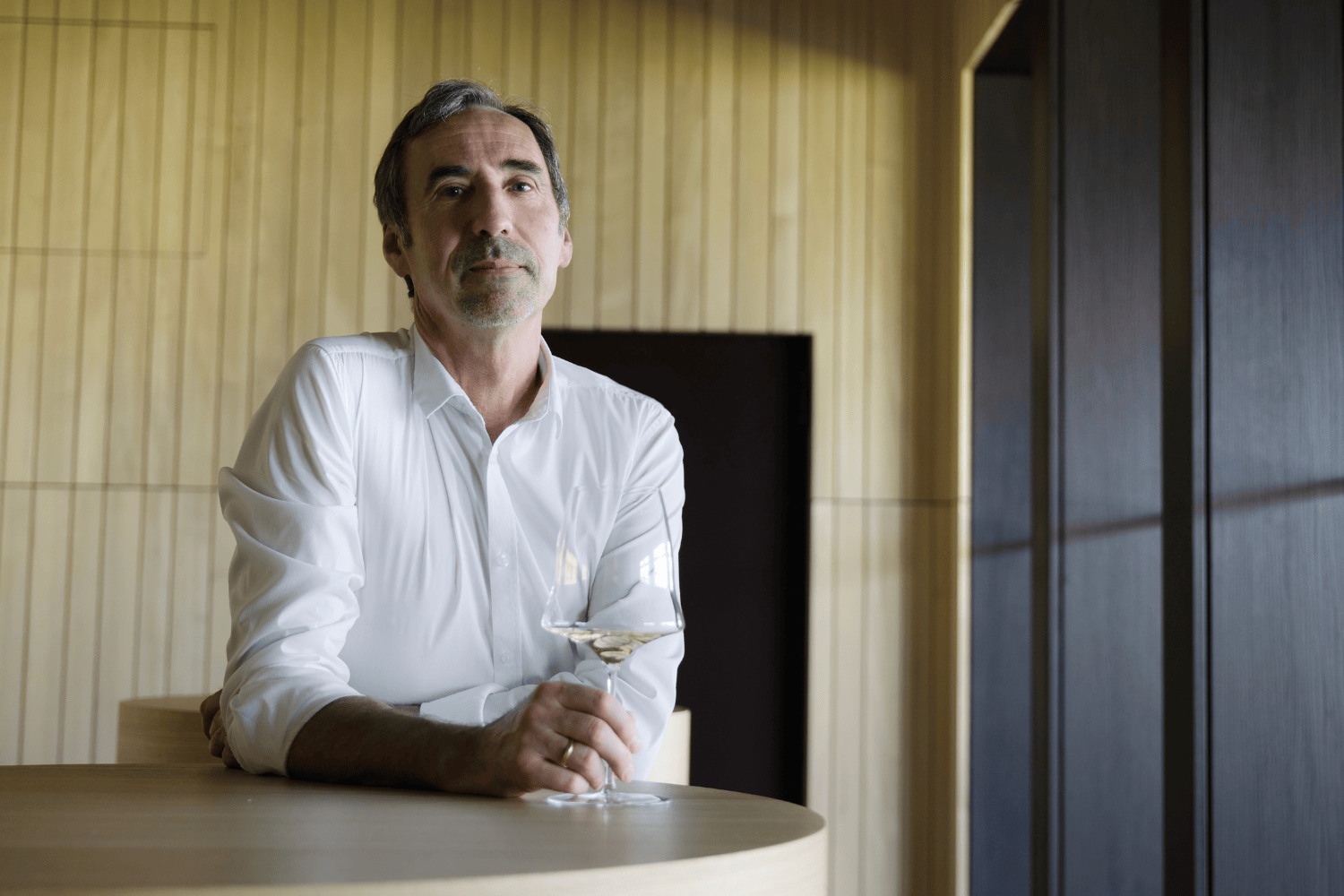
Martin Lemayr, Winemaker. Courtesy of AnamCara.
On a wet spring morning in Appiano, the mountains disappear behind drifting clouds. Vineyards surrounding Cantina Colterenzio glow a vivid green through the rain-splattered glass of the winery. Inside, soft light illuminates pale wood shelves holding bottles in tidy rows, while a long concrete table invites guests to relax.
It’s a modern, welcoming space, offering an introduction to a leading winery whose identity has been shaped for more than sixty years by the people and culture of Alto Adige.
A Cooperative Born to Protect a Culture
Colterenzio was founded in 1960 by local growers who wanted to preserve the value of their grapes and the independence of small family farming in Alto Adige. At the time, grape prices were driven down by outside merchants. Forming a cooperative gave growers control and ensured each member had an equal vote, whether they farmed half a hectare or five.
“It was a way to preserve small family farming,” says Sales Director Alex Ferrigato, reflecting on the winery’s beginnings and why the cooperative form still matters.
In the 1980s, director Luis Raifer led a transformation in vineyard practices. High-yield pergola-trained vines were replaced with Guyot systems, and new white varieties were planted in sites Raifer identified for strong quality potential. It was a significant shift for growers who had to replant, reinvest, and trust the vision, but it established the foundation for Colterenzio’s modern identity.
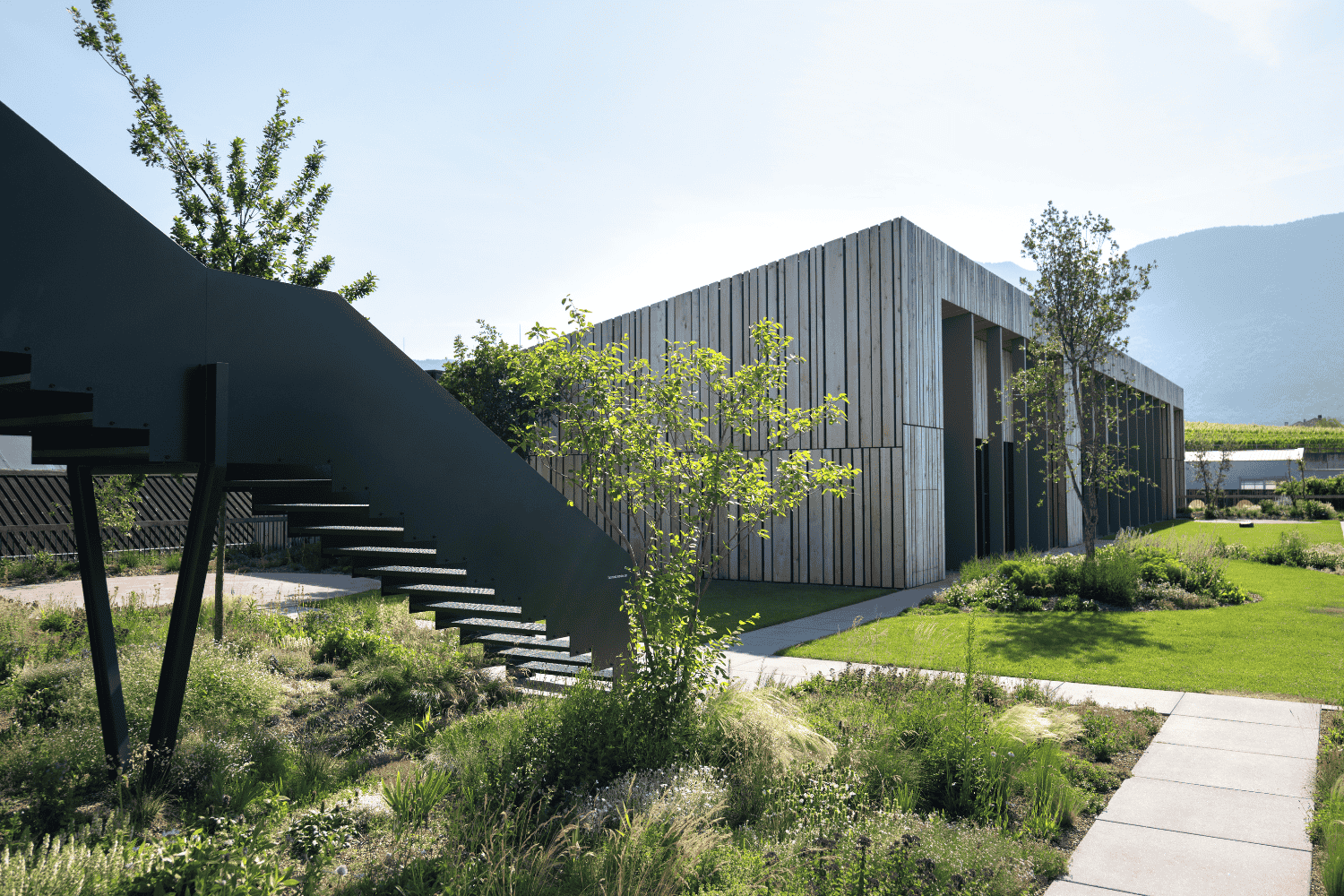
Exterior shot. Courtesy of Anamcara.
A Cool Climate Defined by the Dolomites
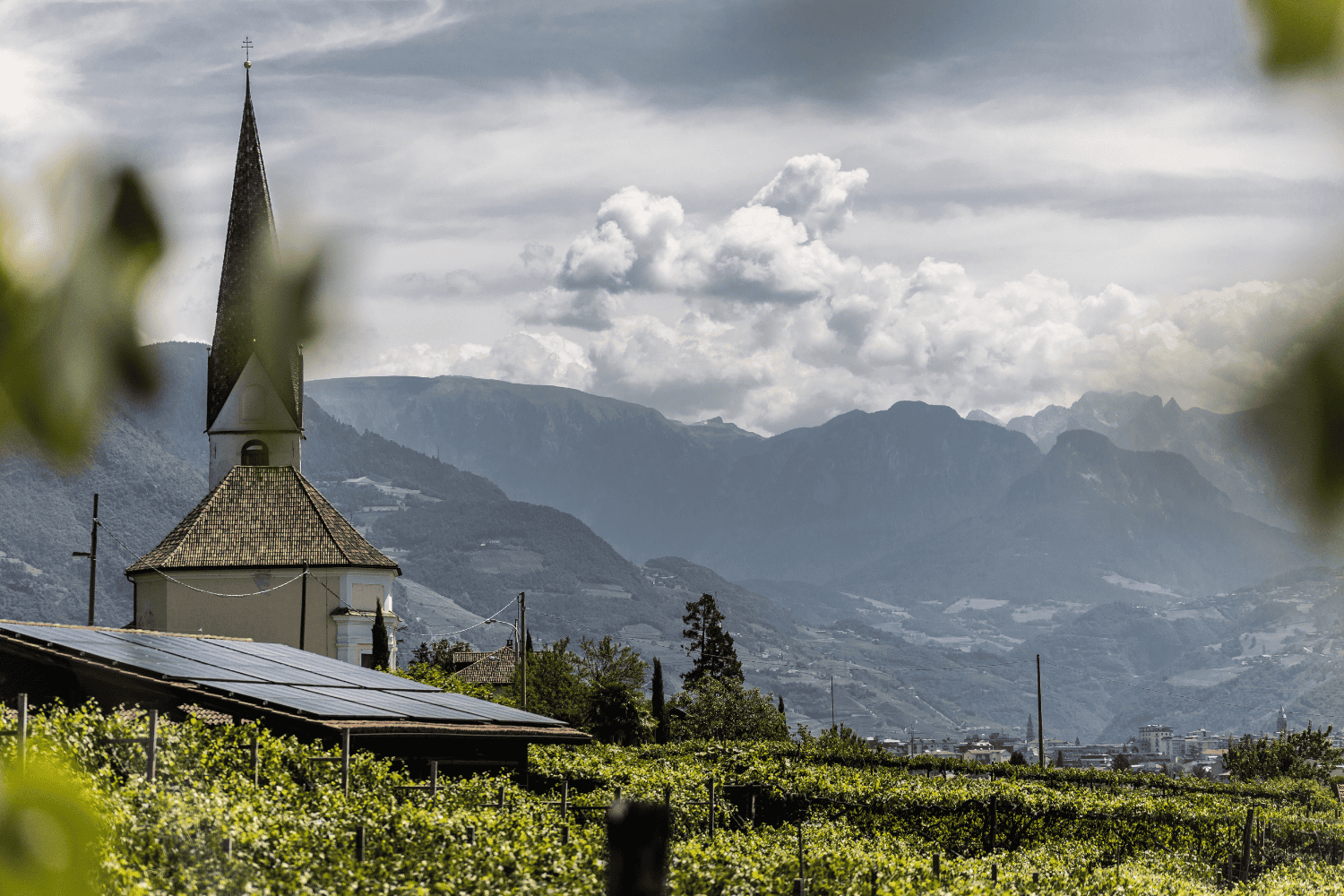
Colterenzio sits in one of the most northern winegrowing regions in Europe, yet benefits from Alpine and Mediterranean weather. Warm, sunny days encourage ripeness, while cool nights preserve acidity, a phenomenon known as diurnal swing. The Dolomites, a great fortress of sedimentary rock, shield vineyards from harsh weather.
Soils range from limestone and moraine to gravel and volcanic material. Combined with altitude and temperature shifts, they shape the structure and transparency of Alto Adige wines.
As head winemaker, Martin Lemayr believes grapes should reflect their origin as wines.
He seeks to protect freshness, preserve subtlety, and respect varietal typicity. Stylistically, Lemayr aims for “balance without being opulent,” he says, adding “our wines reflect a person from Alto Adige: not flashy, but honest and precise.”
Understanding the Territory, One Vineyard at a Time
Today, around 300 growers farm vineyards ranging from 230 meters (750 feet) to 650 meters (2130 feet) in elevation. The winery’s team maintains close relationships with each grower, visiting regularly to support pruning, canopy work, and harvest.
White grapes that thrive include Sauvignon Blanc, Chardonnay, Pinot Blanc (bianco), Gewürztraminer, Riesling, and Pinot Grigio. Red grapes span Merlot, Schiava, Lagrein, as well as Pinot Noir (nero) and Cabernet Sauvignon.
Lemayr and his team rely on decades of experience to decide how fruit from each site should be handled. Keeping lots separate allows for careful blending later, ensuring the preservation of the site in the wines.
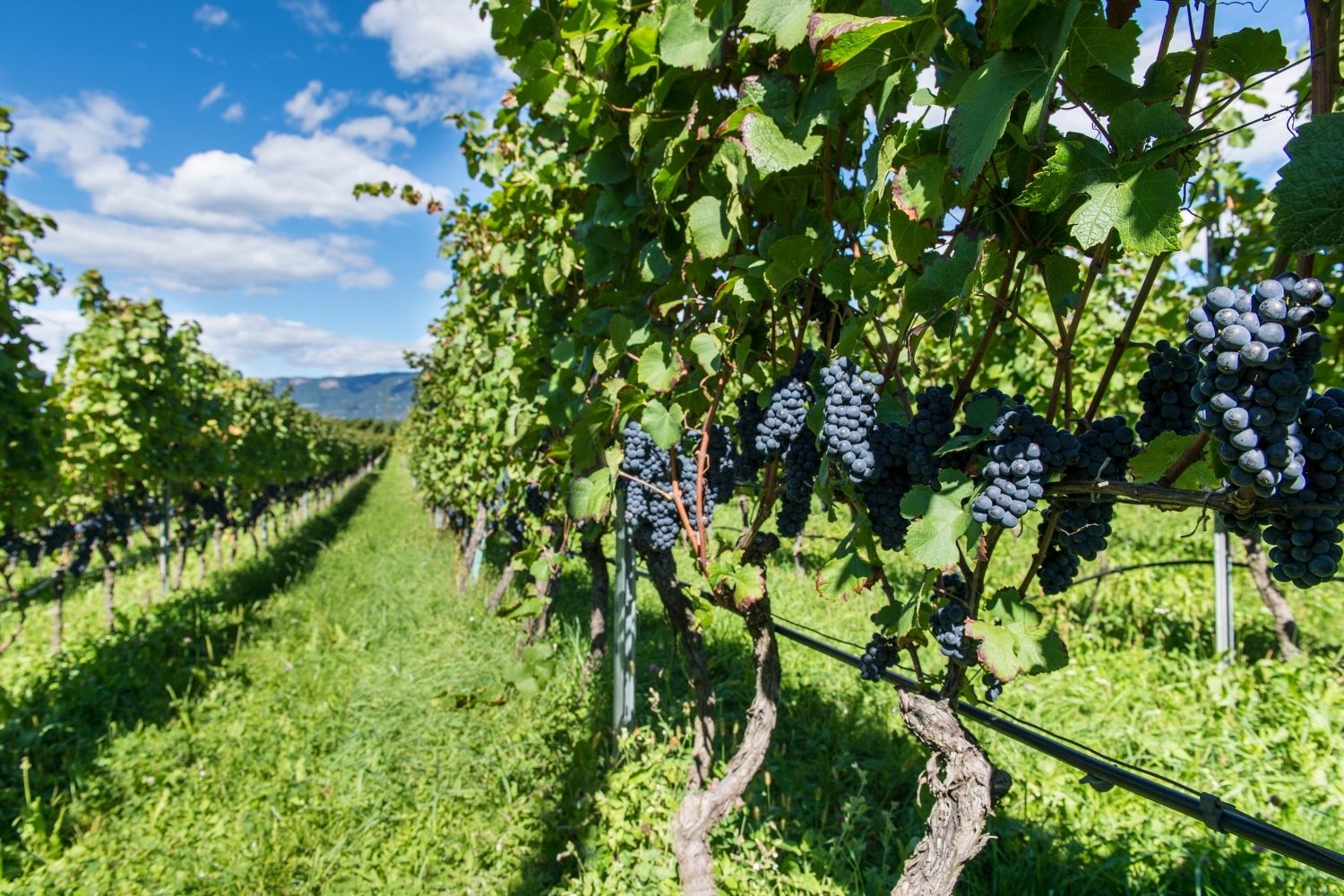
Pinot Nero vineyard landscape. Courtesy of Helmuth Rier.
Over the years, the identification and delineation of vineyards with the highest quality potential has led to several tiers of wine.
The classic line represents the combination of terroir and varietal expression.
The selection line comes from specific vineyards that are part of the “quality group project,” first founded by Raifer. Yields are lower, and fruit concentration is higher.
Cru wines, a new project stemming from the recently approved Unità Geografica Aggiuntiva (UGA), comprise fruit from estates in micro-zones of singular character.
However, the brand’s top label wines – Lafóa and LR – are what set it apart.
Wines That Tell a Story
From its palette of white grapes, Sauvignon Blanc and Chardonnay have become Colterenzio’s strengths, particularly in the top-tier labels, says Lemayr. Gran Lafóa Sauvignon Blanc, made from vines planted in the 1980s, reflects the long arc of Raifer’s vision and the symbolic start of the quality group project.
The effort has paid off. The 2022 Grand Lafóa Sauvignon Blanc received 97 points from James Suckling and a place among his top 100 wines from Italy.
The LR cuvée, a white blend of Chardonnay, Pinot Bianco, and Sauvignon, captures nearly 4 decades of vineyard and cellar refinement. The initials LR pay homage to Raifer’s legacy. The wine sees slow maturation in 600-liter barrels followed by extended bottle aging for a complex, cellar-worthy wine.

Colterenzio interior. Courtesy of AnamCara.
Architecture as Part of the Landscape
If traveling along the South Tyrolean Wine Road (also known as Alto Adige Wine Road), one notices a slender dark tower cutting a silhouette across vineyards. The winery’s wine shop, tasting room, and terrace recently underwent significant renovations. Inside, natural light enters from multiple angles. Modern finishes and decor keep the focus on the wines and the view. “We want to give our visitors a WOW experience,” says Ferrigato.
Outside, new steel cladding on the facade echoes the stainless-steel tanks inside, while weathered timber references wine barrels. Along the main façade, a “green theater” made of a steel structure supports layers of flowers and shrubs that change with the seasons. It aids in blending the building into the hill behind it. The roof terrace, a spacious area hardscaped with trees and grasses, provides sweeping vistas of vineyards and the Dolomites.
“We wanted a sustainable, long-lasting building with innovative architecture. And for us, ‘innovative’ means perfectly integrated into the landscape,” says Ferrigato.
Photovoltaic and solar panels installed in 2010 now generate all of Colterenzio’s electricity and the majority of its thermal energy. Rainwater is captured and reused for exterior needs, helpful during dry spells. In the vineyards, the region’s 2030 sustainability agenda guides the move away from synthetic herbicides toward natural materials and soil-health practices.
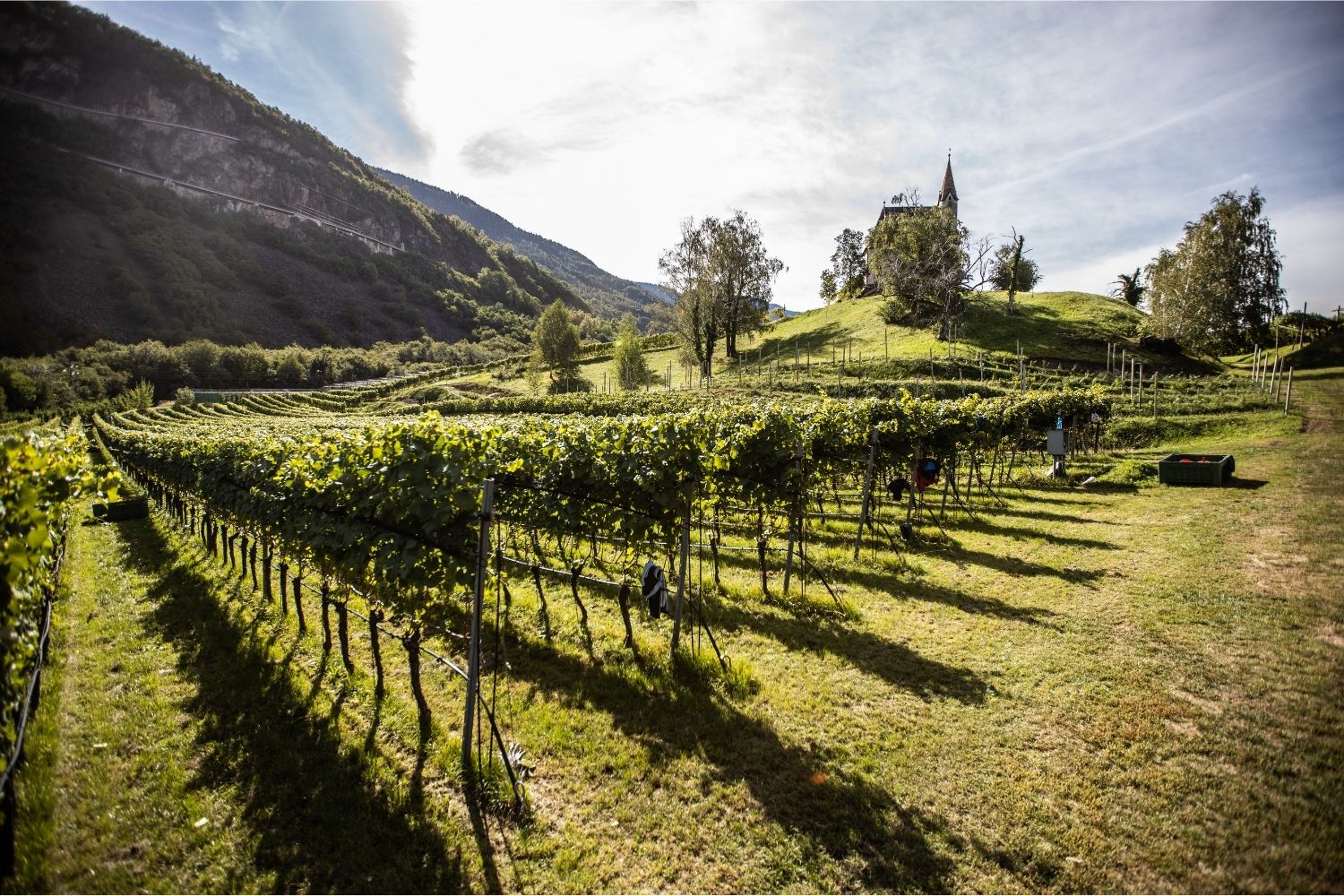
Vineyard landscape in the hills. Courtesy of Luca Zuccolo.
A Community Moving Forward Together
Despite international acclaim, Colterenzio remains committed to its multi-generational family farmers. The winery supports them through celebration and loss. The cooperative model has created relationships that extend far beyond the cellar.
When a child is born, growers toast with glasses of their wine. When one member lost her husband, Colterenzio helped her by managing the paperwork and keeping the vineyard running through her grief.
“Colterenzio is like a big family. And as we all know, in a family, you are there for each other in good times and bad,” says Ferrigato.
When guests visit, they tap into that family vibe, whether during a cellar tour or tasting. Lemayr hopes visitors leave with more than bottles. “The beauty of our unique region, the passion of our winegrowers and our staff, the meaningfulness of our projects. All of this is expressed through our wines,” he says.
North Stars: Community Support, Energy Efficiency, Heritage Value