“Those weeks were the indulgence.”
Few travelers today, especially those who have spent time on Ryan Air, remember when the deck of a ship or the window of a sleeper car stood in as the focal point of a trip. Now, getting shushed by a fellow passenger for cracking a window shade mid-flight feels about as close to romance as air travel gets. But a time existed when crossing an ocean took weeks, and those weeks were the indulgence. That style of travel has mostly vanished into the modern rush, save for a few exceptions.
From Mekong Kingdoms’ culture-filled voyages to sailing the curves of Norway’s rugged coast with Hurtigruten, these trips prove slow travel has far from disappeared.
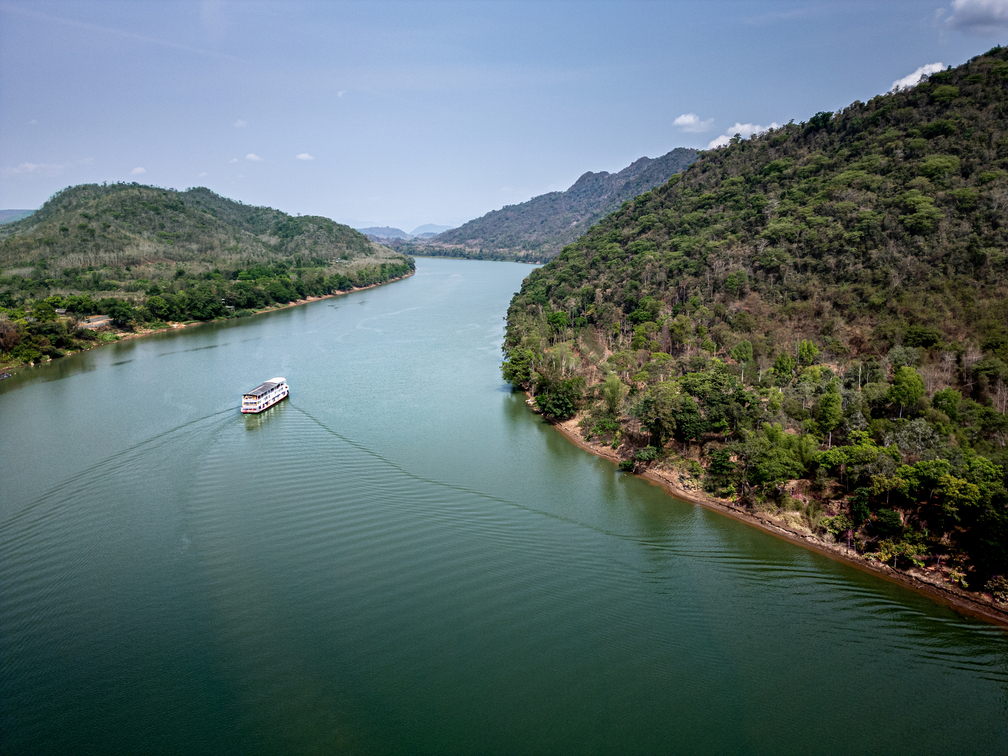
Mekong Kingdoms Boheme View. Courtesy of Mekong Kingdoms.
Mekong Kingdoms, Bohème
Best for: Slow river sailing in Laos
North Stars:



Bohème by Mekong Kingdoms operates multi-day river voyages along the Upper Mekong between Luang Prabang and Vientiane. The journey includes stops at craft villages as well as regional landmarks such as Pak Ou (the Caves of a Thousand Buddhas) and the turquoise Kuang Si waterfalls. Onboard, evening starts on the teak deck with happy hour and canapés as the sun sets. Then guests migrate to the dining room for shared meals around set menus, often Laotian food, and a selection of wines, beer, and cocktails. Don’t skip booking a massage in one of two spa suites.
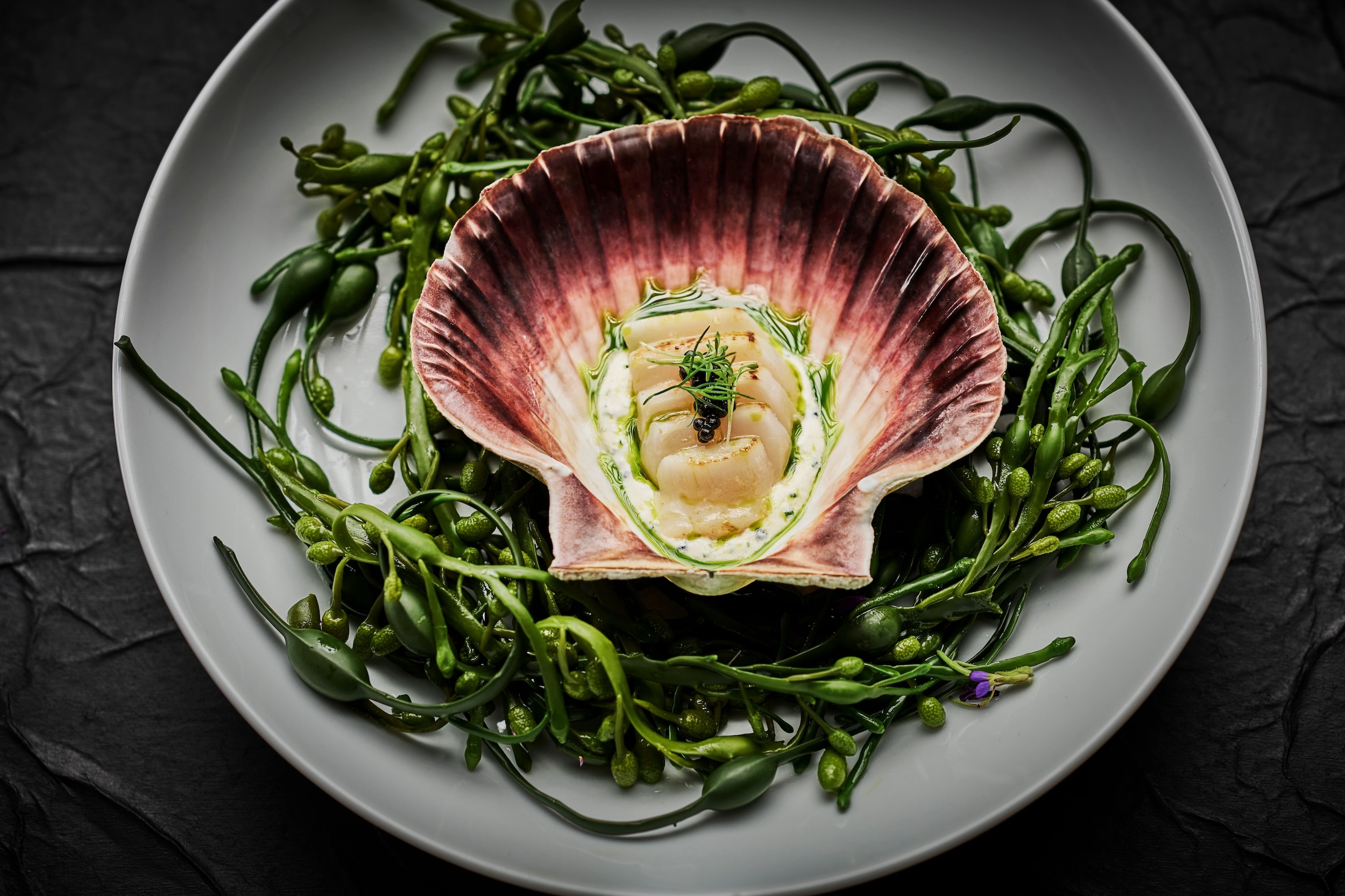
Seafood on Havila Cruises. Courtesy of Havila Voyages.
Havila Voyages
Best for: Sailing the coast of Norway
North Stars:


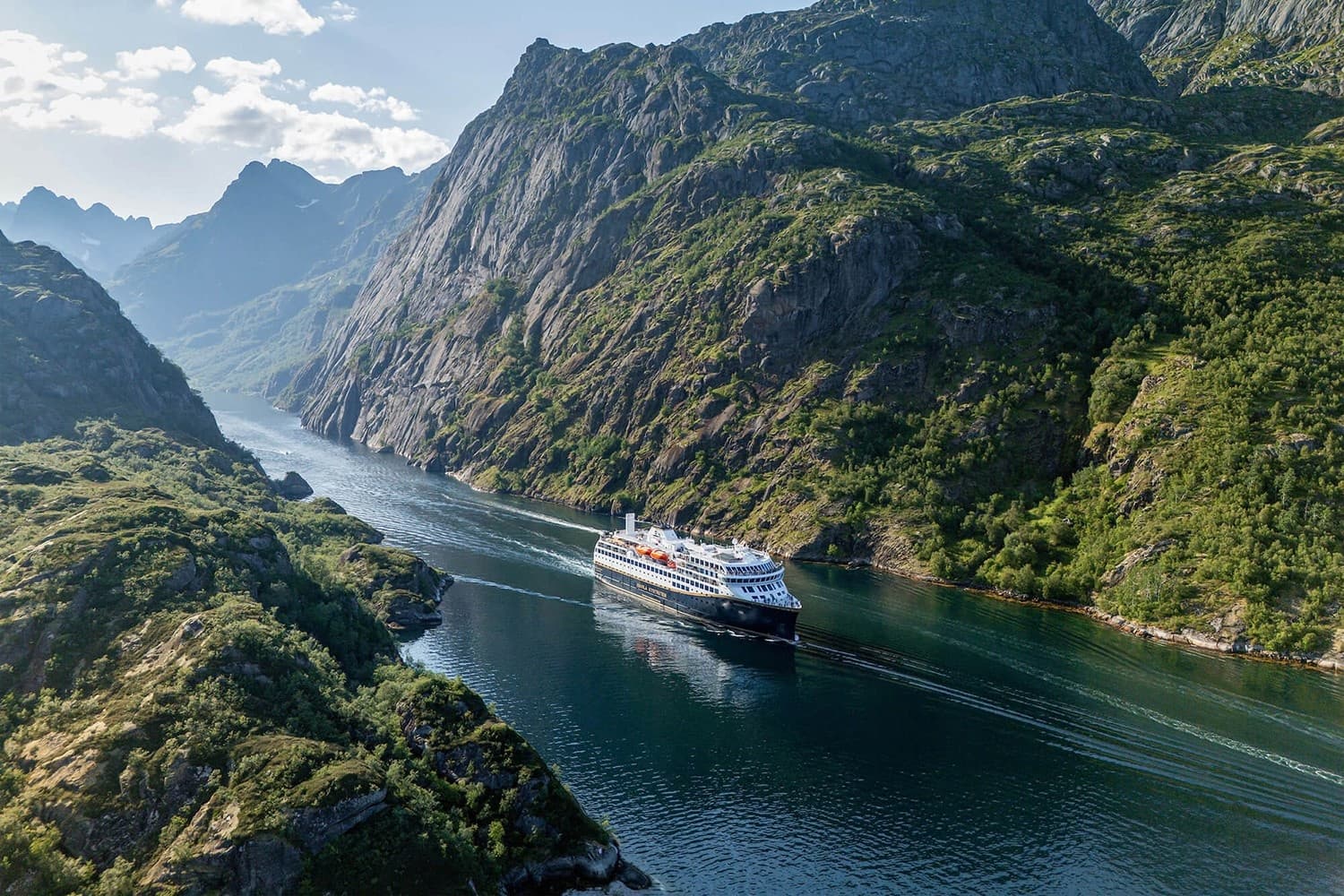
Havila Voyages runs battery-hybrid ships on Norway’s historic coastal route, sailing deep into fjords with electric propulsion that reduces noise and emissions in sensitive waters. The journey connects small ports from Bergen to Kirkenes, with passengers stepping on and off alongside locals. Onboard meals draw from fishermen, farmers, and producers at ports along the route, turning the trip into a moving map of Norway’s coastal food culture.
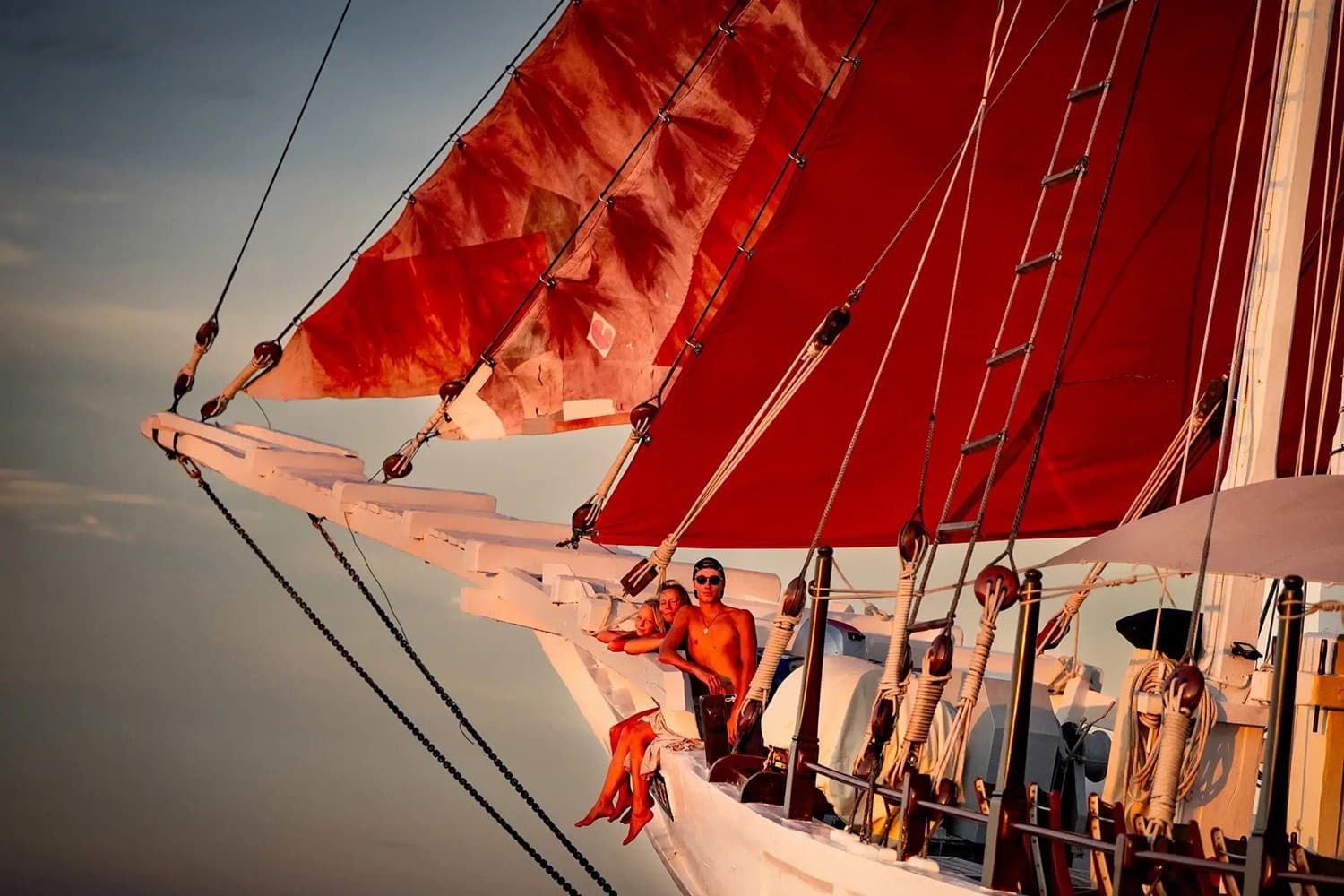
Sailing with SeaTrek. Courtesy of SeaTrek Sailing Adventures Image
SeaTrek Sailing Adventures
Best for: Phinisi expedition across Indonesia
North Stars:

SeaTrek Sailing Adventures operates small-group expeditions through eastern Indonesia aboard traditional phinisi ships. Itineraries connect guests with SeaTrek’s “local heroes,” supporting community-led conservation, education, and reef protection under the company’s Sailing for Good framework. Crew and tour leaders are Indonesian, reflecting the company’s aim to show the country “through Indonesian eyes.” When possible, voyages source local produce and seafood, and the team distributes educational books, reading glasses, and children’s swimming goggles in remote coastal villages.
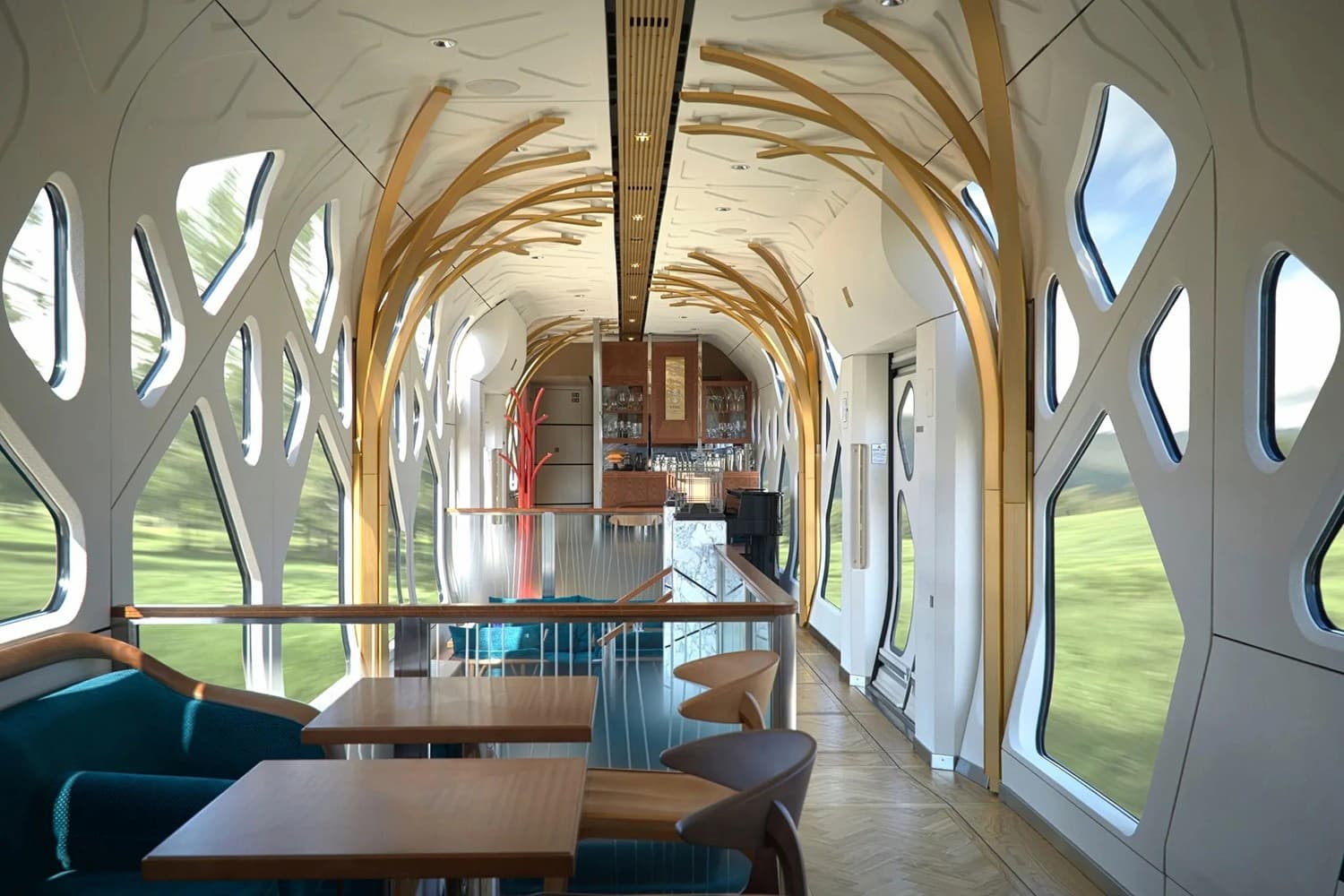
Inside one of the Train Suite Shiki-shima carriages. Courtesy of Train Suite Shiki-shima Image
Train Suite Shiki-shima
Best for: Luxury rail travel across Japan
North Stars:
Train Suite Shiki-shima loops through Japan’s Tōhoku and Hokkaido regions on a hybrid-powered train of just seventeen suites, with observation cars, private dining, and a traditional Japanese cypress soaking tub in the top suite. Private day trips take guests to temples at Nikko Toshogu, artisan workshops, and into the coastal scenery of Matsushima Bay.
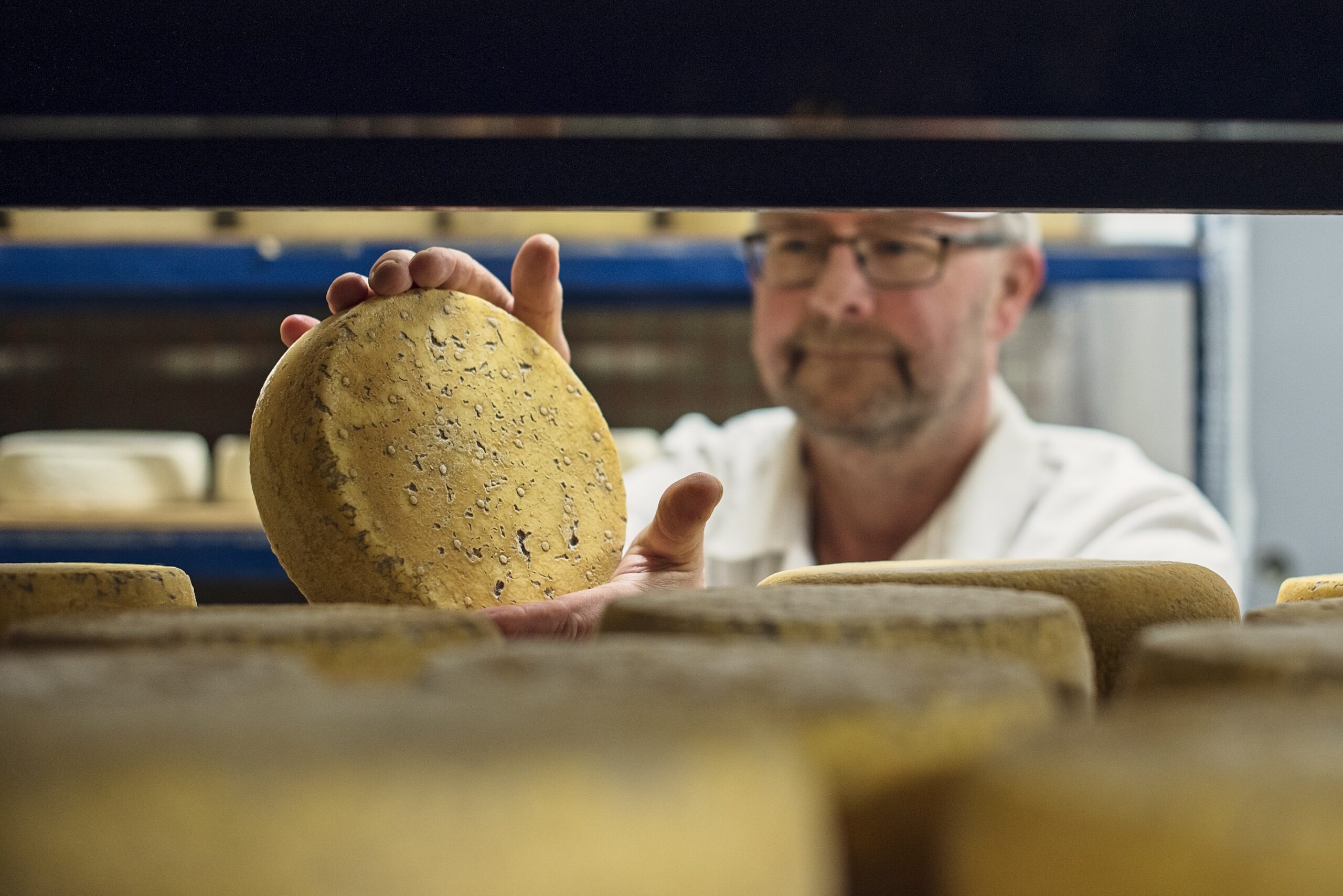
Farm visit in Lofoten Norway. Courtesy of Hurtigruten
Hurtigruten
Best for: Sailing Norway’s coastal communities
North Stars:
In 1893, the Norwegian government hired a shipping company to carry mail up the coast to the far north, where roads could barely reach. That was the start of Hurtigruten. The name means “fast route,” a nod to the new delivery times. Mail to Hammerfest that once took five months in winter now arrived in seven days by ship. More than a century on, the ships still run year-round as working transport, calling at 34 ports between Bergen and Kirkenes and carrying cargo, locals, and travelers together. Some stops last fifteen minutes, others a few hours; the reality of a working boat over a cruise itinerary. Onboard, the kitchen sources from suppliers along the route, while fleet upgrades have improved fuel efficiency and reduced emissions across one of Europe’s longest-running coastal routes.
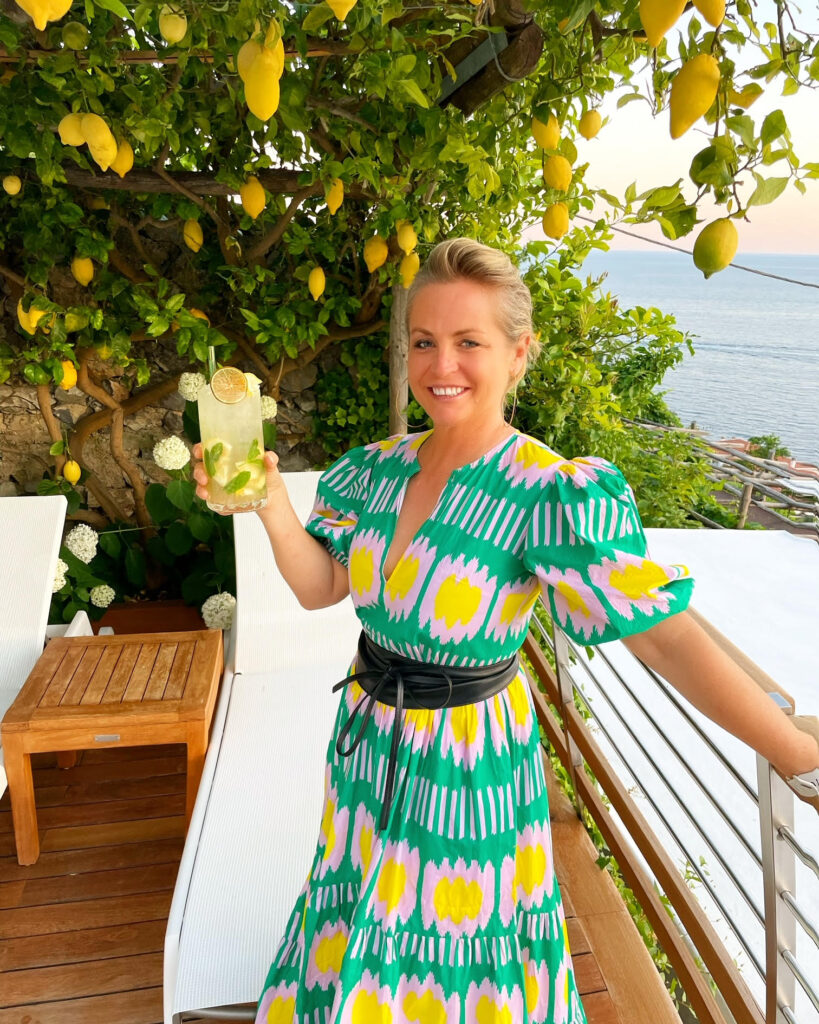
Founder and CEO of Azure Road, Lauren Mowery is a longtime wine, food, and travel writer. Mowery continues to serve on Decanter Magazine’s 12-strong US editorial team. Prior to joining Decanter, she spent five years as the travel editor at Wine Enthusiast. Mowery has earned accolades for her writing and photography, having contributed travel, drinks, food, and sustainability content to publications like Food & Wine, Forbes, Afar, The Independent, Saveur, Hemispheres, U.S. News & World Report, SCUBA Diving, Plate, Chef & Restaurant, Hotels Above Par, AAA, Fodors.com, Lonely Planet, USA Today, Men’s Journal, and Time Out, among others.
Pursuing her Master of Wine certification, she has also been a regular wine and spirits writer for Tasting Panel, Somm Journal, VinePair, Punch, and SevenFifty Daily. Mowery is a graduate of the University of Virginia and Fordham Law School, and she completed two wine harvests in South Africa.
Follow her on Instagram @AzureRoad and TikTok @AzureRoad
North Stars: Carbon Footprint, Energy Efficiency, Waste Management