“The wines hold their own against far more famous addresses. ”
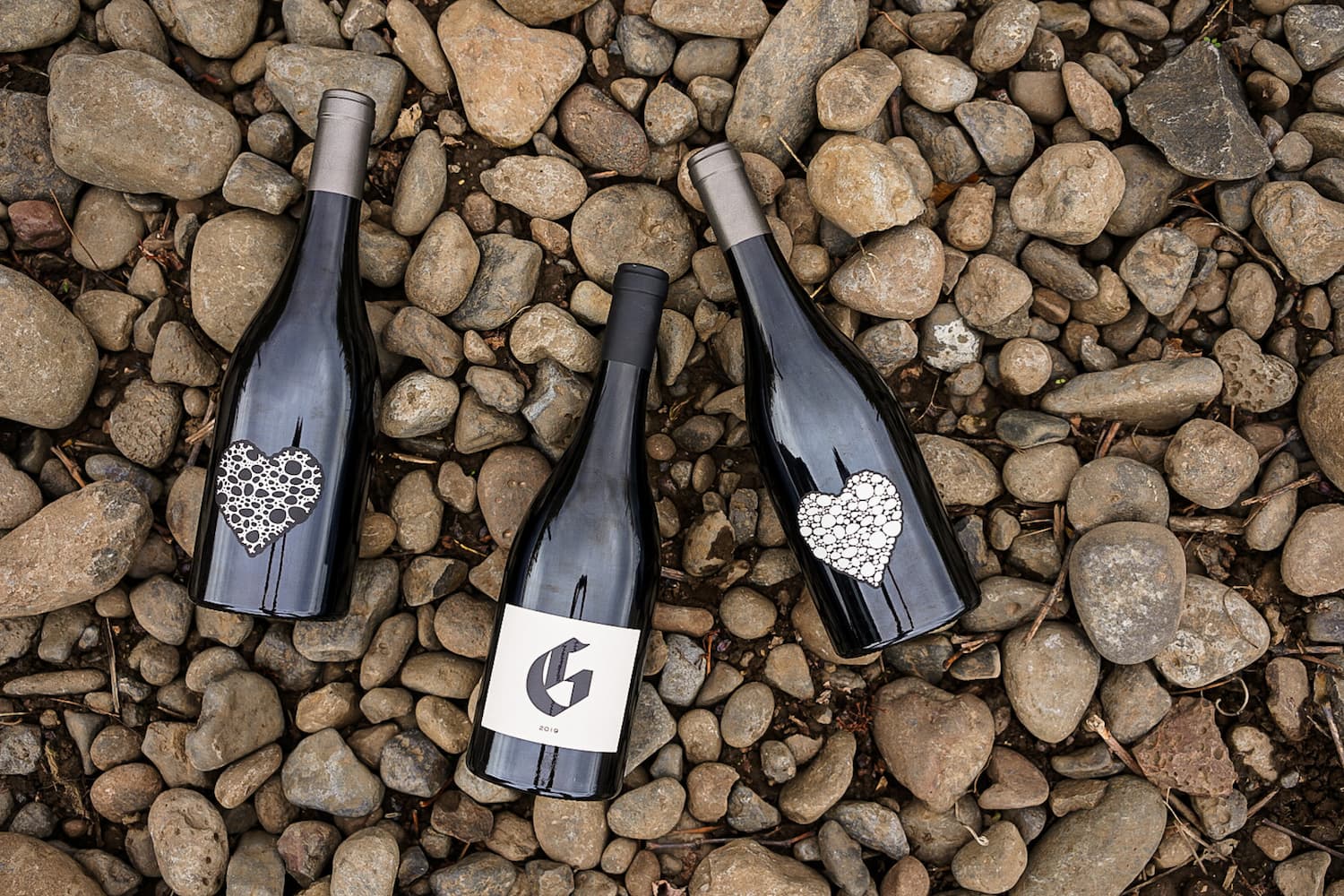
Rotie Cellars wines in The Rocks District. Courtesy of Rotie Cellars.
A coffee Q grader, a master of wine, and a James Beard-nominated chef walk into a bar.
While it sounds like the setup to a joke, it’s just another Wednesday night in downtown Walla Walla. The city, with an estimated thirty-three thousand residents, sits in the far southeast corner of Washington State, four hours from any metropolis. These three connoisseurs of their fields could have set up businesses anywhere, including major cities like Seattle or Portland or more convenient wine regions, and yet they chose Walla Walla. Why? I sat on that question for a week. I left town with the answer.
If you’re unfamiliar with Walla Walla, you’re not alone. It’s a world-class wine destination that, due to its isolation, sees far fewer visitors than California counterparts like Napa and Sonoma. The region hosts around 750,000 visitors a year, with a whopping 500,000 of them traveling specifically for wine. By comparison, Napa sees around 3.75 million visitors a year.
Many things make Walla Walla special, starting with its infrastructure. Great wineries sit less than 15 minutes from the eminently walkable downtown. Main Street boasts a full roster of local restaurants serving everything from French fare, southern cuisine, to handmade pastas paired to funky cocktails and excellent Negronis. The city’s shops, largely independent (not a Costco in sight!), sell curated foods, local wine, and handmade wares. Tasting rooms that welcome walk-ins pour some of the country’s most lauded Syrah and Cabernet. A landmark hotel regularly sees both locals and monied bigwigs sitting side-by-side sipping mezcal cocktails.
Spend a day at the wineries, and you’ll find winemakers who linger after 5 PM to talk with guests, not because it’s good business but because they want to. When a new brewery opens, half the town shows up, kids and dogs included. Spend two days here and the coffee shop remembers your order; spend three and they know your name. In an era when small-town America has been hollowed out by chain businesses, dollar stores, and private equity firms buying up neighborhoods, Walla Walla offers the rare place that still feels of place.
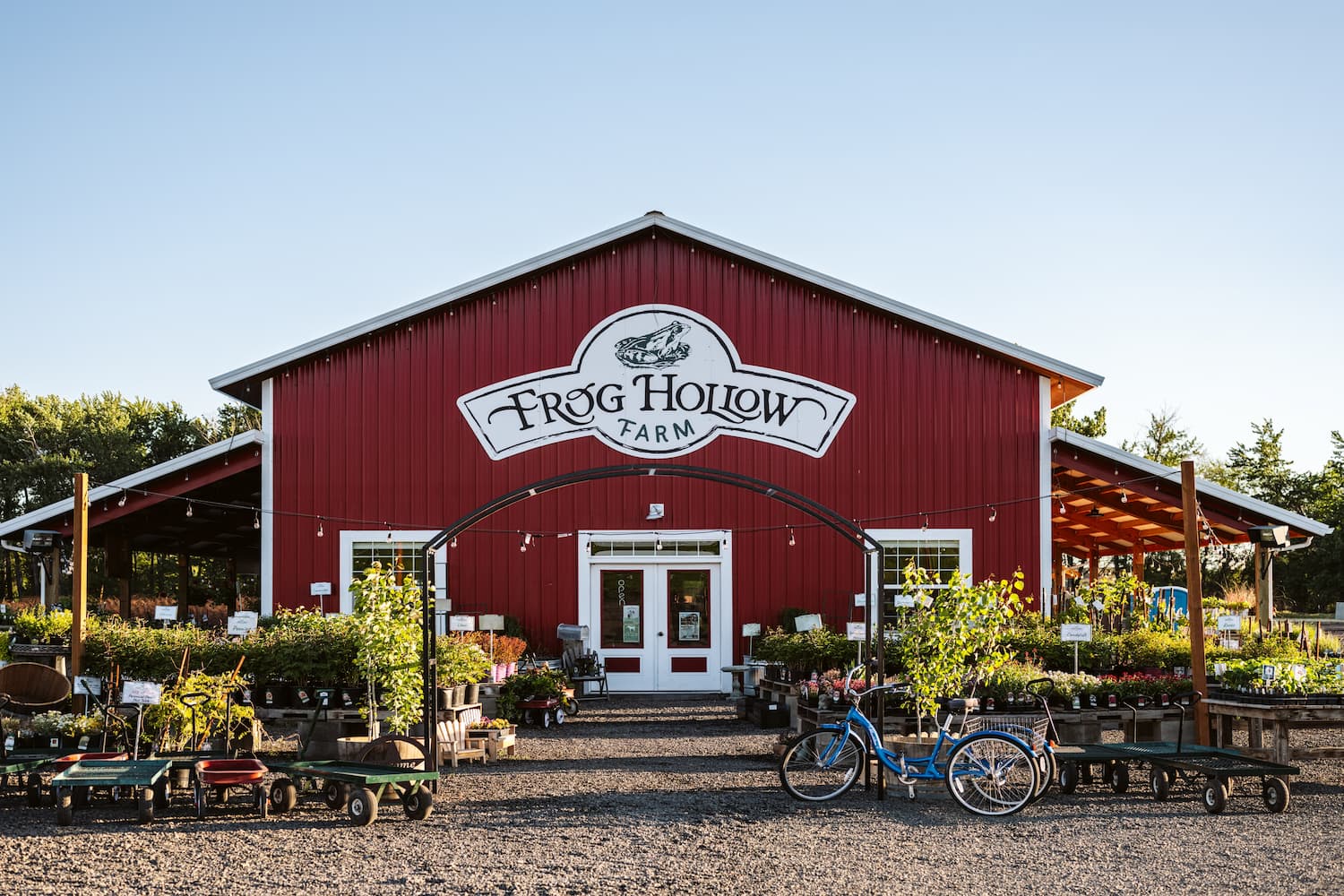
Barn at Frog Hollow Farm. Courtesy of Frog Hollow Farm..
The Origin Story of Great Wine
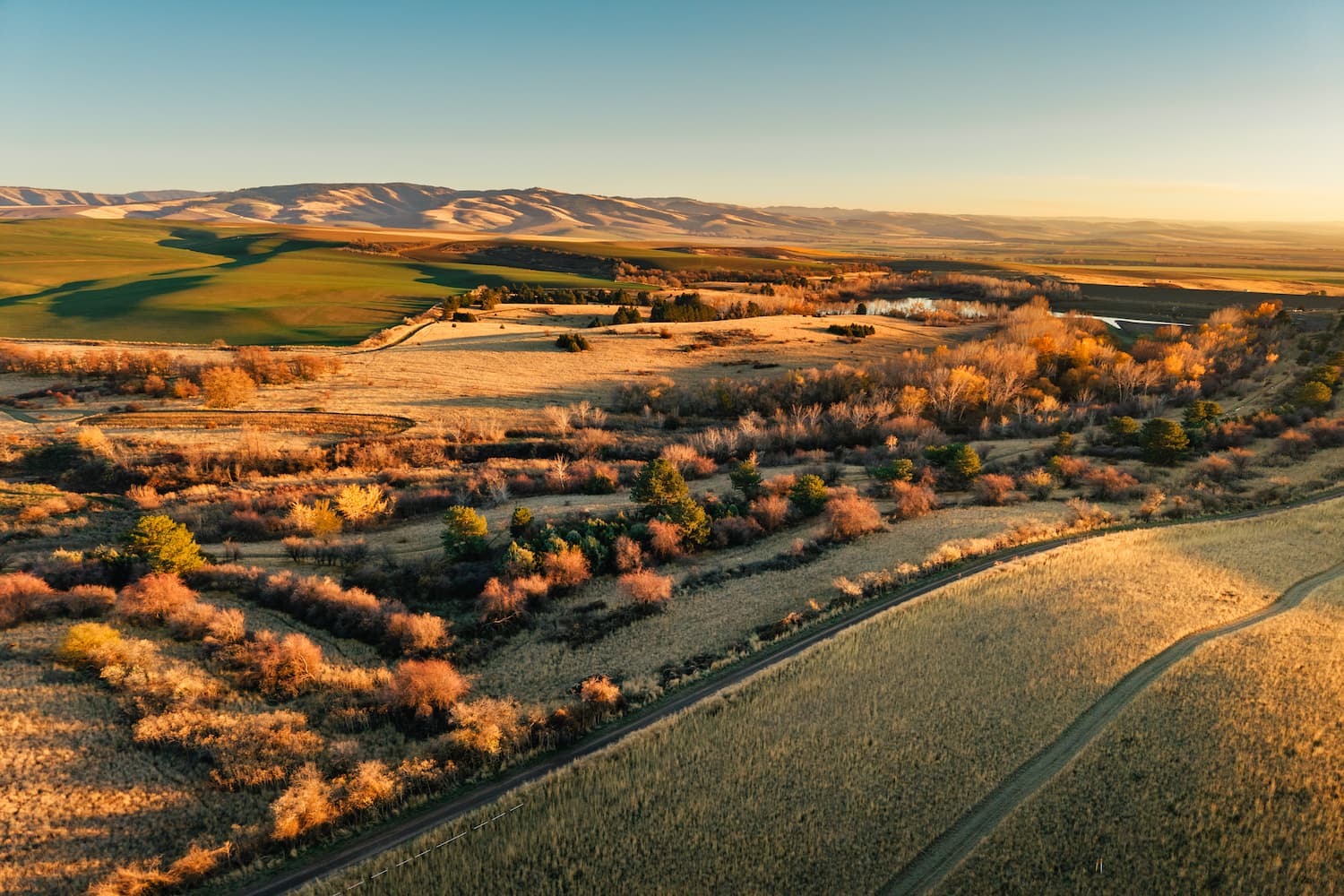
The story of Walla Walla starts some 15,000 years ago when an ice dam holding back an enormous glacial lake broke. Known as the Missoula Floods, this violent series of events released torrents of water across the Pacific Northwest. Reaching up to five hundred feet in places, the waters sheared canyons, deposited boulders, and left gravel bars and ripple marks across Montana, Idaho, Washington, and Oregon.
The word Walla Walla comes from a Sahaptin-language phrase tied to water. Translated as “many waters” or a variation on it, the name belonged to the Walla Walla people, part of the larger river culture of the Columbia Plateau. Horse people, the Walla Walla, Cayuse, and Umatilla tribes lived by hunting, fishing, gathering, and trading. Lewis and Clark first encountered the Walla Walla in 1805 near the confluence of the Columbia and Walla Walla rivers. On their return in 1806, Chief Yelleppit and the Walla Walla people supplied the expedition with food, horses, and support on its way back east.
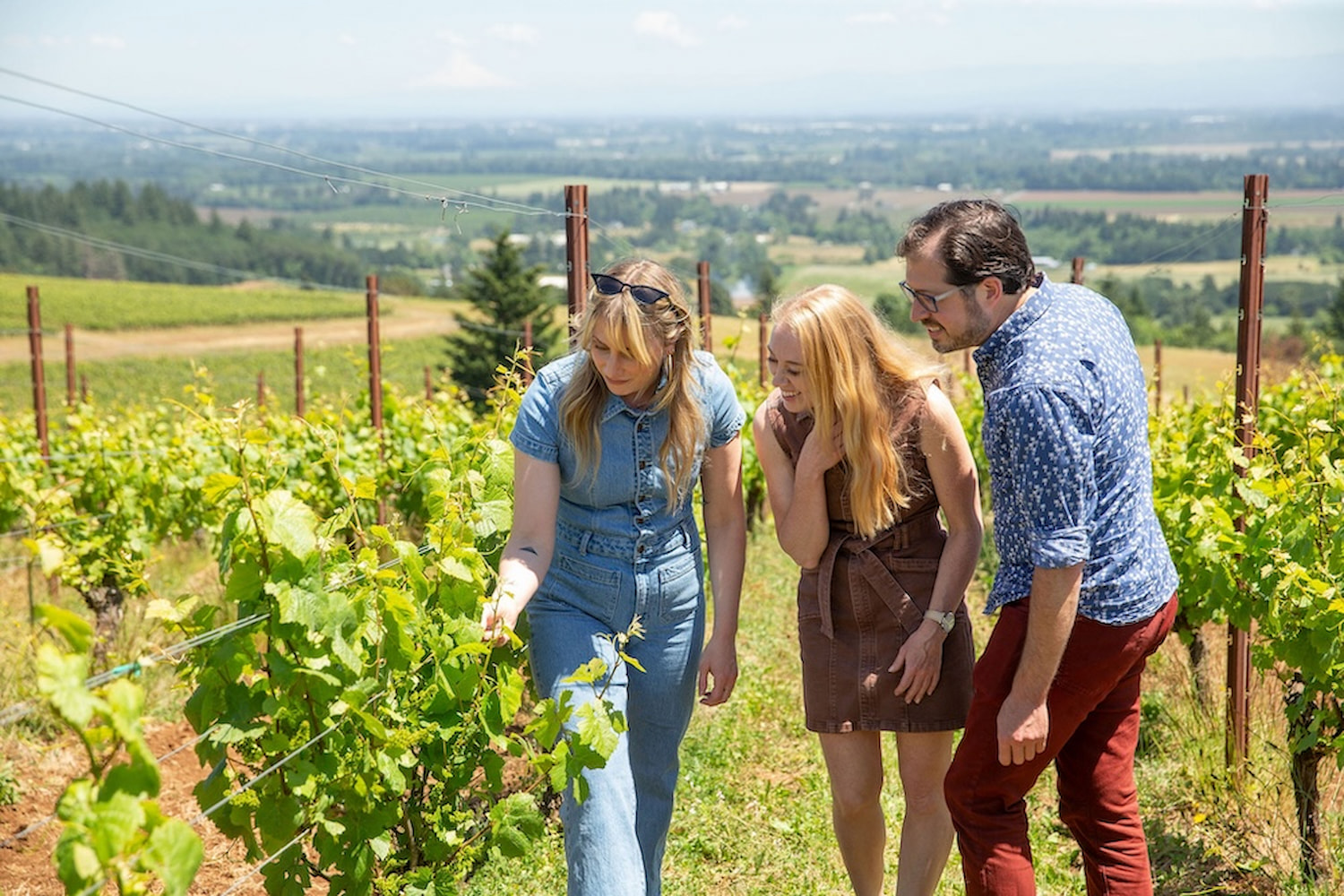
The modern-day flooding of Walla Walla would be from people, not water. In the early 19th century, pioneers expanded across the valley to start farming wheat in earnest on its fertile soils. Fast-forward a century to 1974, when Gary Figgins planted Leonetti Cellar’s first commercial vineyard on his family’s farm to test whether the valley could support wine grapes. The region’s soils, light on clay and heavier on sand and loess, plus an arid climate, helped make own-rooted vines possible by limiting phylloxera pressure. It also held the conditions for great wine.
As they say, the rest is history, or at least, in the making. In 1984, Walla Walla earned its designation as an American Viticultural Area. In the late 1990s, Christophe Baron planted vines for his label Cayuse, in the basalt cobblestones near Milton-Freewater. He helped establish The Rocks District by proving careful farming – and biodynamic practices – could produce some of the country’s most distinct and coveted Syrah. Today, the valley holds more than 130 wineries, thanks to the quality of its wines, which often draw comparison to the Northern Rhône and Napa Valley.
However, comparison to America’s former sweetheart wine region only goes so far. Napa Valley has largely priced the fun and serendipity out of tasting, replacing walk-ins with experience-led reservations and triple-digit fees. Walla Walla hasn’t fully made that trade. The wines hold their own against far more famous addresses, and you can still show up and get a pour from the person who made it.
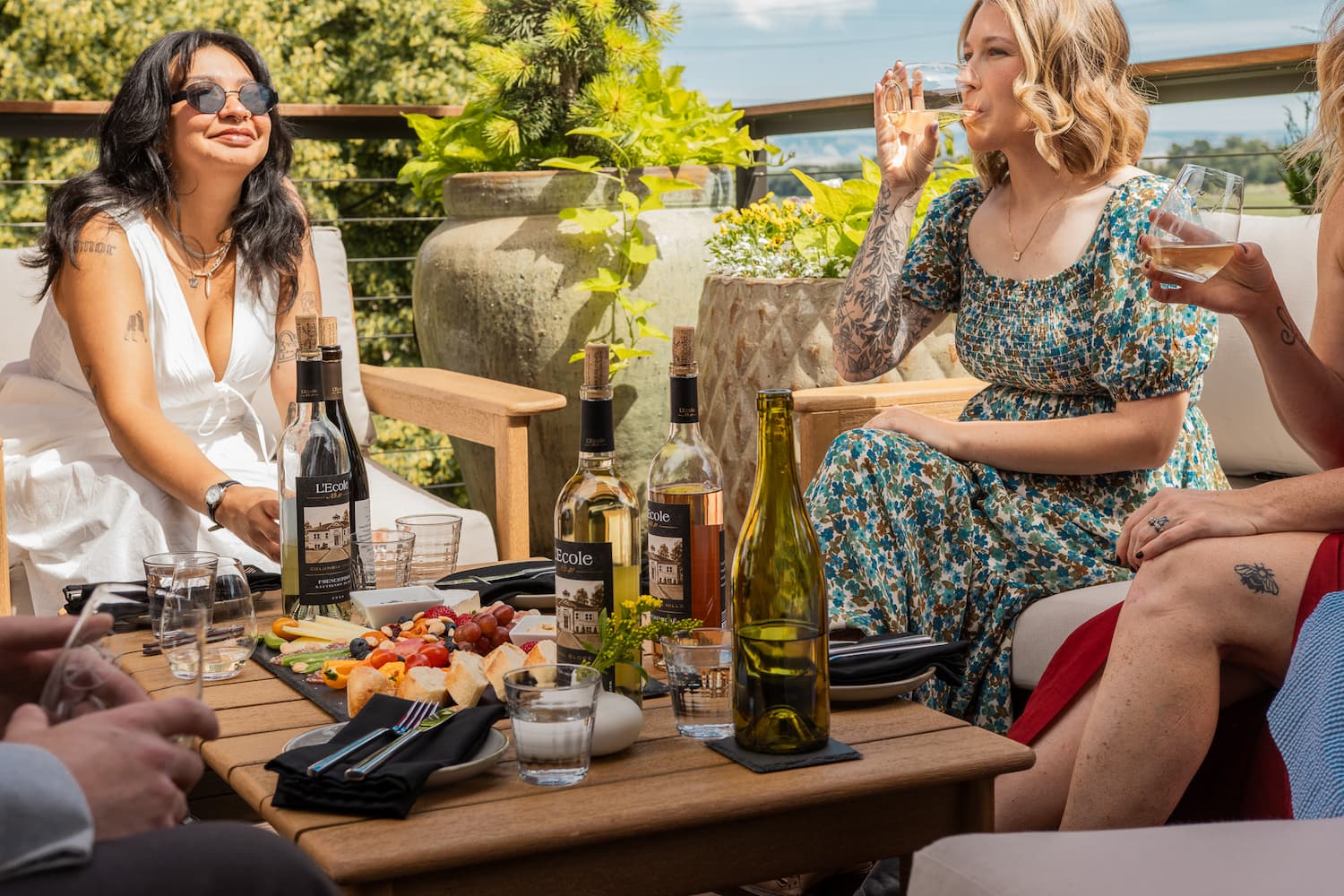
Schoolhouse Tasting On Deck. Courtesy of L’Ecole No. 41.
From Wine to Community
Wine may be the reason most visitors find Walla Walla, but it is not the whole argument for coming.
For a decade, I lived in a 50-apartment building in the West Village of New York City. On paper, this desirable dog-friendly area of low-rise townhouses, flowering parks, and cobblestone streets should invite a neighborly manner of living and behaving. And yet, every evening after work, residents stepped into the elevator, selected their floor, and looked down at their feet or phones. Nary a word of hello or good night shared. In one of the most densely packed cities, everyone operated as loners.
This observation doesn’t dismiss New York or its great attributes, so much as point out how exhaustion from life can suppress a sense of community. Rather than cruelty, it’s self-defense; a big city often forces you into survival mode, so retreating inward becomes the only way to cope.
I have never lived in Walla Walla, and I don’t wish to parachute in with a romantic notion of life there. It’s America. It’s hard. It’s expensive. But when a place sits four hours from anywhere, its residents cannot easily outsource their problems.

The bar at Passatempo. Courtesy of Lauren Mowery.
I’ve traveled through enough of America to know how unusual it is to see a thriving small town full of businesses with a point of view. When the local artists grew tired of only showing their work on winery and restaurant walls, six of them opened a collective to display their work together. If the thing you need doesn’t exist, you build it with the help of other people. Over countless conversations with residents, I kept hearing the same thing: we know each other, we help each other, we support one another.
At Azure Road we vet our recommended businesses against twelve North Stars. While some of these stars logically focus on the environment, the system takes a holistic view of what ethical, responsible practices mean. That includes community support, inclusivity, and women-led companies, as much as leaving a lighter footprint. Most places light up one or two of these stars. Walla Walla embodies nearly the whole set at once.
Three people at the top of their fields walk into a town in the middle of nowhere. It turns out Walla Walla was never the middle of nowhere at all.
Founder and CEO of Azure Road, Lauren Mowery is a longtime wine, food, and travel writer. Mowery continues to serve on Decanter Magazine’s 12-strong US editorial team. Prior to joining Decanter, she spent five years as the travel editor at Wine Enthusiast. Mowery has earned accolades for her writing and photography, having contributed travel, drinks, food, and sustainability content to publications like Food & Wine, Forbes, Afar, The Independent, Saveur, Hemispheres, U.S. News & World Report, SCUBA Diving, Plate, Chef & Restaurant, Hotels Above Par, AAA, Fodors.com, Lonely Planet, USA Today, Men’s Journal, and Time Out, among others.
Pursuing her Master of Wine certification, she has also been a regular wine and spirits writer for Tasting Panel, Somm Journal, VinePair, Punch, and SevenFifty Daily. Mowery is a graduate of the University of Virginia and Fordham Law School, and she completed two wine harvests in South Africa.
Follow her on Instagram @AzureRoad and TikTok @AzureRoad