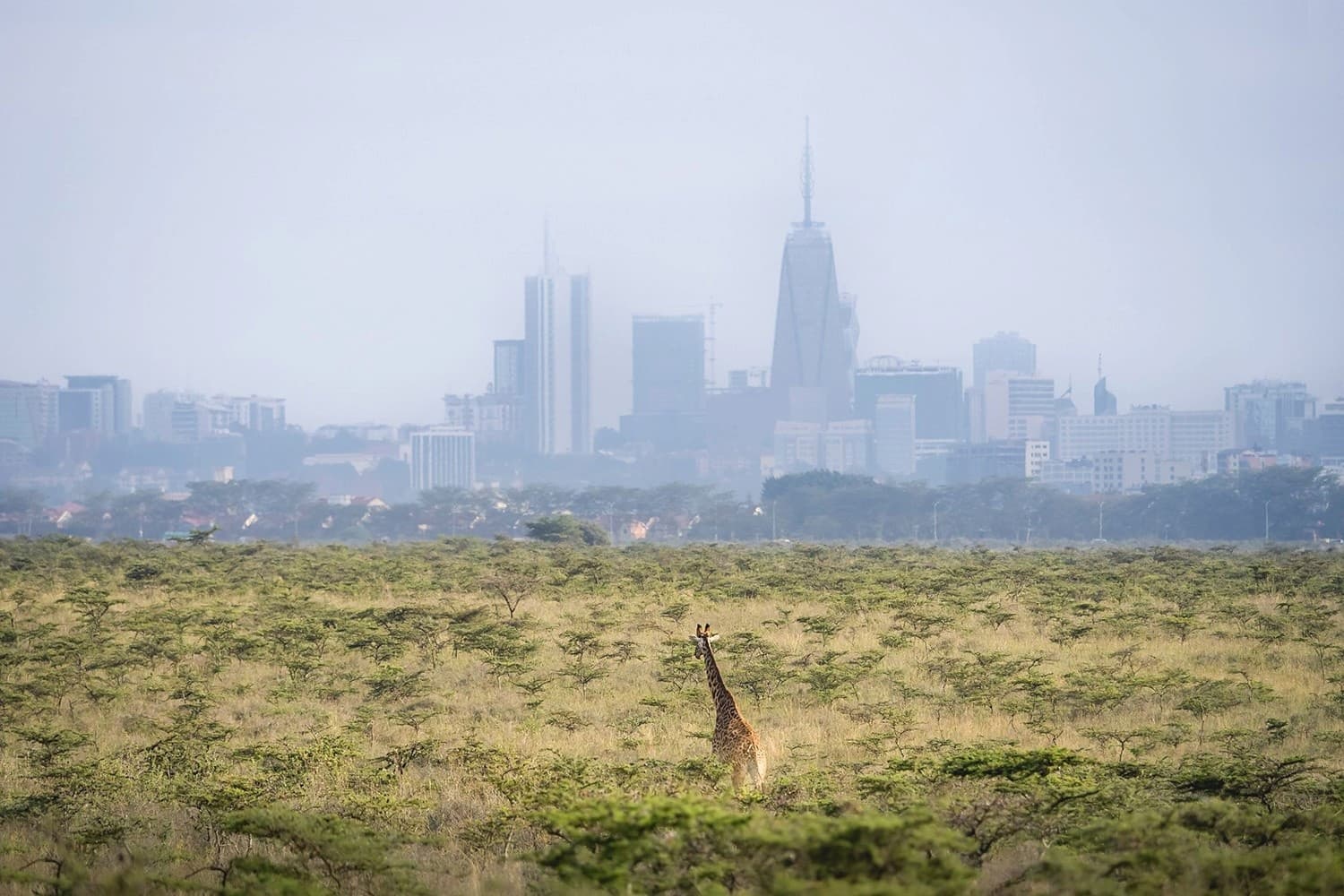
“As a resident, I’ve found some of the city’s coolest experiences aren’t on the main tourist lists.”
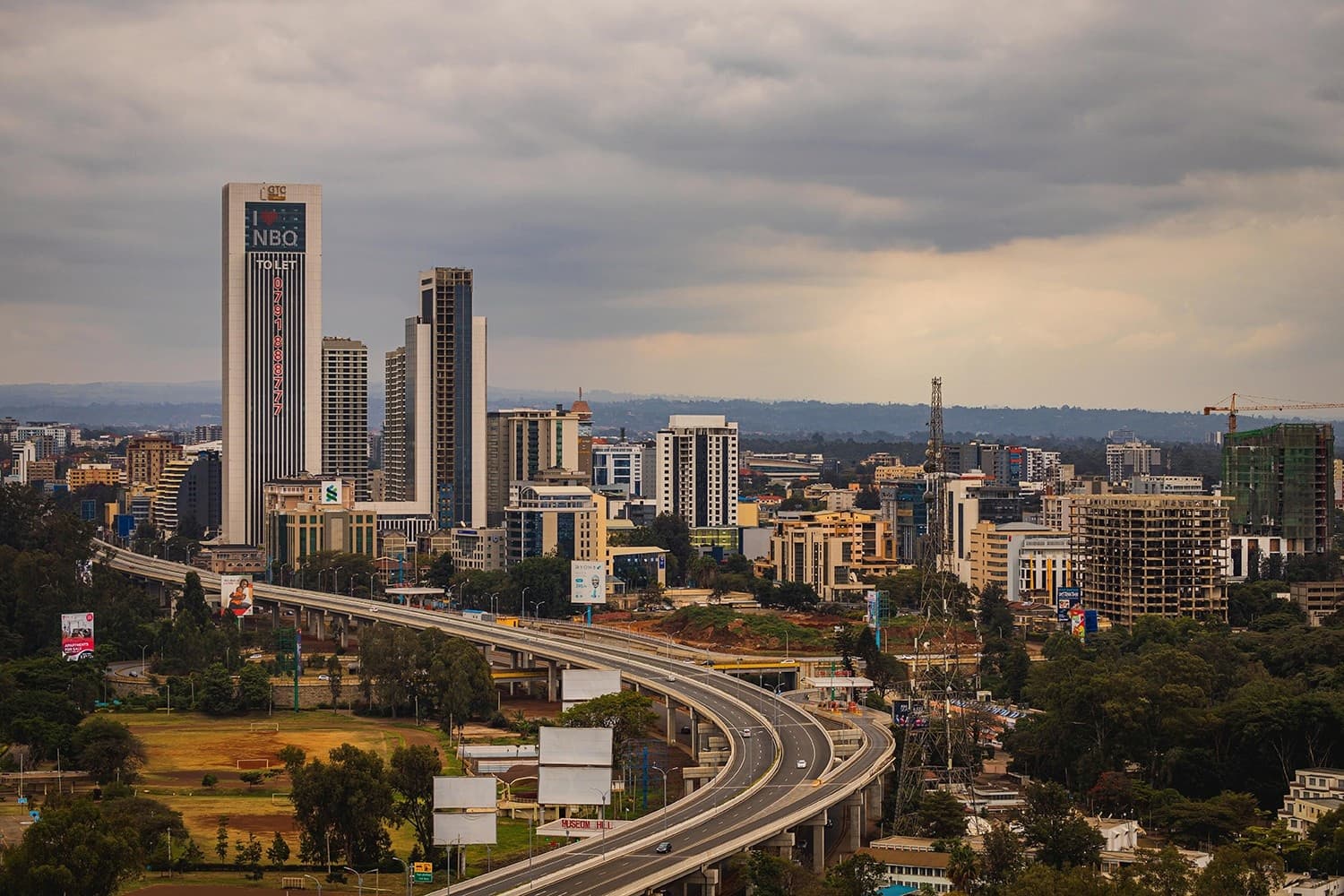
Nairobi's cityscape. Courtesy of Pexels
On the surface, Kilimani looks similar to any other affluent neighborhood in a major city. High-rises tower over leafy streets, where upscale residences sit alongside stylish restaurants, malls, and shops catering to an upper-middle-class population. It’s also one of the city’s main hotel districts. For many visitors, this polished, could-be-anywhere neighborhood is their first impression of Nairobi, Kenya’s capital city.
Getting a proper introduction takes a little looking here. One day, while exploring the neighborhood, I paused by a smattering of small shops. A narrow alley snaked between the buildings. I followed it, intrigued. At its end, I entered a hole-in-the-wall space with art-covered walls. Next to a fire, a woman, clad in white robes, prepared Sudanese coffee in a clay pot. Fresh, fluffy flatbreads, honey-soaked baklava, and other treats beckoned from display cases. Plastic stools and tables clustered together in the narrow space, which echoed with music and voices. From the street, you’d never know this space existed.
This is just one version of the many that make up Nairobi. I frequented the city while living in Rwanda and permanently made the move a year ago. For most travelers, Nairobi is a stopover dot. They’ll fly in only to immediately depart to national parks or Indian Ocean beach towns. At best, they’ll stay a night or two, visiting the Karen Blixen Museum (the former home of the famed Out of Africa author).
But Nairobi is worth more than a passing glance. Since its start as a depot along the Uganda Railroad in the late 1800s, it’s grown into one of Africa’s most dynamic urban centers. The heart of Kenya’s Silicon Savannah startup and tech scene, an influx of attention and money is taking the city to new heights. From nightlife to buzzy galleries, global eats to artisan markets, visitors discover a fresh, different side of Kenyan culture and history beyond the country’s world-renowned wildlife. And it’s even possible to get the safari experience without leaving town.
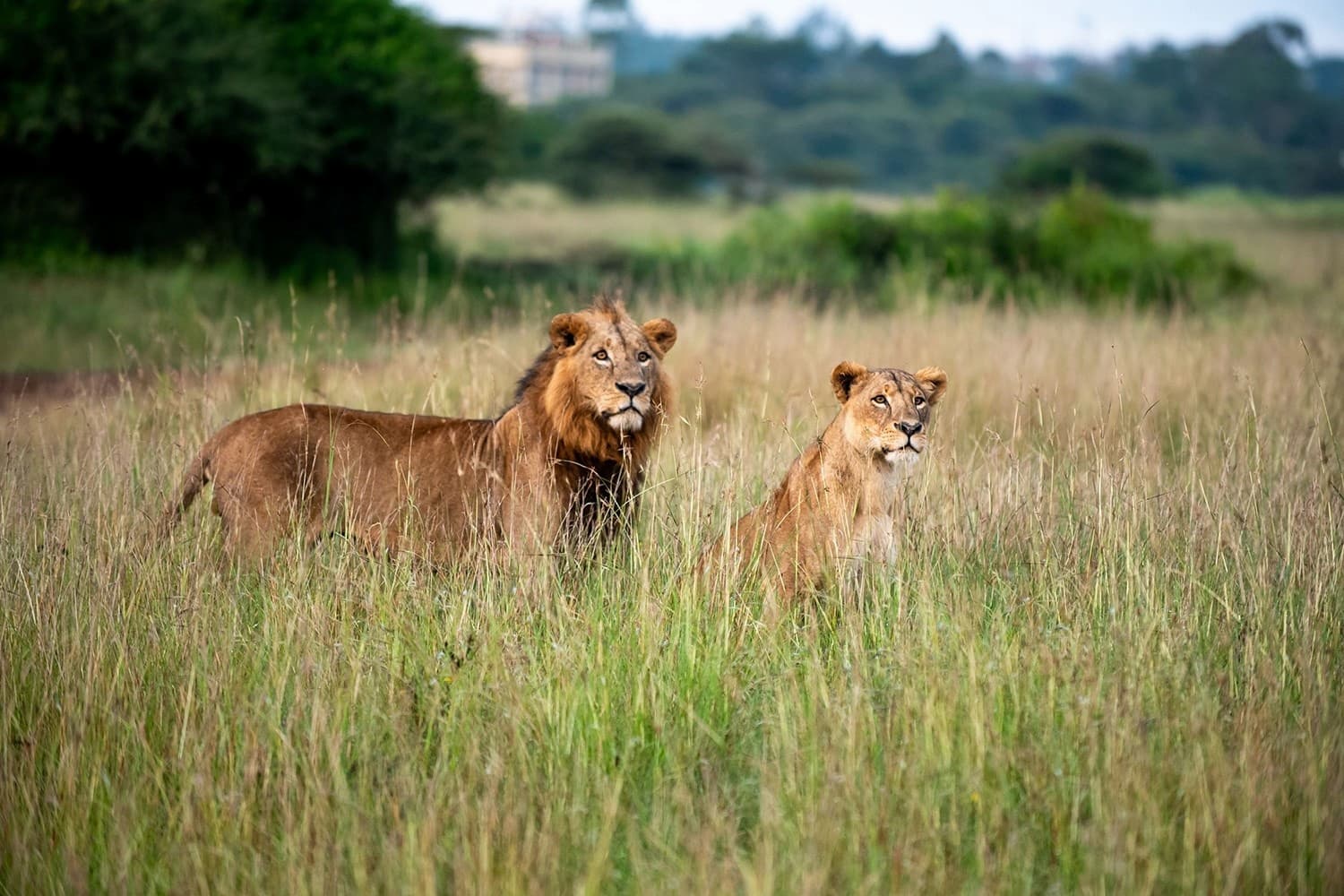
Lions in Nairobi National Park. Courtesy of Pexels
Nature in Nairobi
Funnily enough, some of Nairobi’s biggest attractions aren’t urban amenities like dining or shopping. They’re outdoor spaces. Amid the sprawl and high-rises, Nairobi is incredibly green. Parks, arboretums, and gardens pepper the city, like the 32-acre Uhuru Park or the Nairobi Arboretum, home to 350 different tree species and 100 species of birds.
Spanning more than 2,500 acres, the Karura Forest is one of the city’s urban greenery highlights. After Rio de Janeiro’s Tijuca Forest, it’s the second-largest urban forest in the world. Located about 20 minutes north of the city center, it encompasses waterfalls, lakes, walking and running paths, cafes, sports facilities like tennis courts, and a range of wildlife. Here, you can trade the sound of traffic for the calls of birds and Sykes’ monkeys, hike under a thick forest canopy, and dine at serene cafes enshrouded by trees.
But safari-goers are likely itching for the main event. Luckily, they don’t have to look far; just head about five miles south of downtown. Nairobi is the world’s only capital city to contain a national park, and that park is Nairobi National Park. Home to four out of the Big Five — lions, leopards, African buffalo, and rhinos — as well as other coveted species like hippos and zebras, the 45-square-mile park sits against a backdrop of towering apartment blocks and high-rises. Visitors can go on wildlife-watching drives, visit the Rhino Sanctuary, and stay in lodges around the park’s edge.
To tick off the missing Big Five “elephant” box, head to the Sheldrick Elephant Orphanage within the park, where rescued baby elephants and rhinos receive life-saving care. Another worthwhile visit is the Giraffe Center in Langata. Initially founded as a breeding center to help restore populations of the endangered Rothschild giraffe, it now serves as an educational facility offering tours and giraffe encounter experiences.
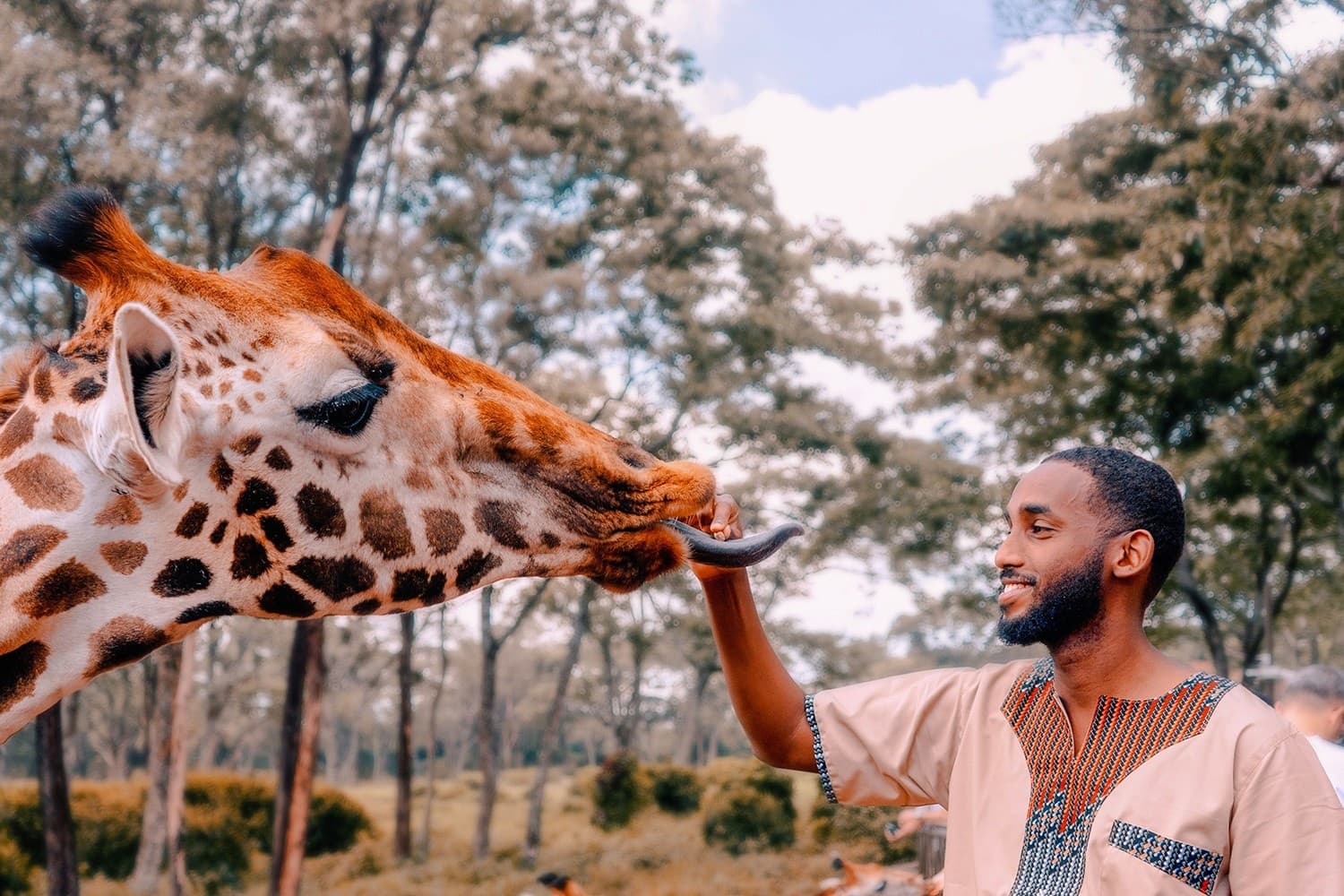
Meeting a Rothschild giraffe at Nairobi's Giraffe Center. Courtesy of Pexels
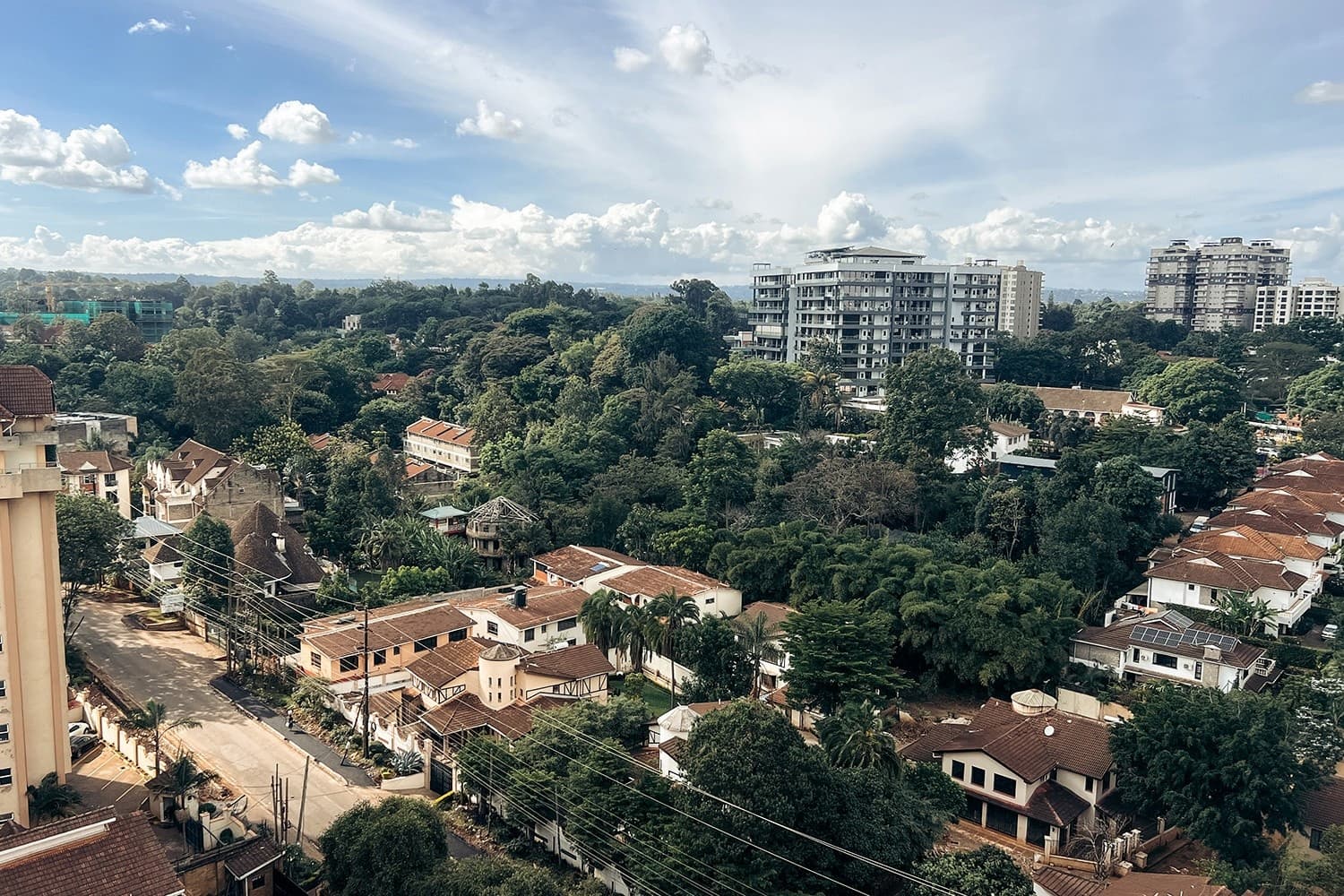
View of Nairobi's Westlands district. Courtesy of Alicia Erickson
International and African Eats
A long history of colonization and immigration, as well as thriving commercial and financial sectors, has given Nairobi a truly multicultural population. For foodies, this translates into one of Africa’s most eclectic food scenes. African cuisines sit alongside culinary traditions brought by Indian railroad workers and Chinese businesspeople, creating a true melting pot.
Visit the Chinatown area for dumplings, noodles, and dim sum. Indian cuisine is widespread but different neighborhoods have different focuses, like Parkland’s tikka wraps and Punjabi curries, Spring Valley’s dosas and thalis, or South Indian fare at Sribhoo, a restaurant tucked away inside a Hindu temple. For pan-African options, head to the Central Business District. Here, Swahili eateries like Mawimbi Seafood Restaurant sling coastal dishes like coconut sauce-simmered fish. Due to an influx of refugees fleeing war in Sudan, Sudanese restaurants are popping up more as well, serving kisra flatbreads and stews.
But this is Kenya, so homegrown favorites must be on the menu as well. At street food stalls around town, chow down on standards like nyama choma grilled meats, chapati, and beans. Incorporating international influences from Asia, Peru, and beyond, the city’s fine dining and farm-to-table scenes have also been taking off thanks to restaurants and bars like Cultiva, Hero, and Beit e Selam (all World’s 50 Best selections), Ezo, and Embark. Coffee is king here as well, administered like an art form at cafes like Kesh Kesh and Connect Coffee Roasters. Pickled, The Good Grain, Provisions, and Nomad Corner are other good spots to experience Nairobi’s cafe culture.
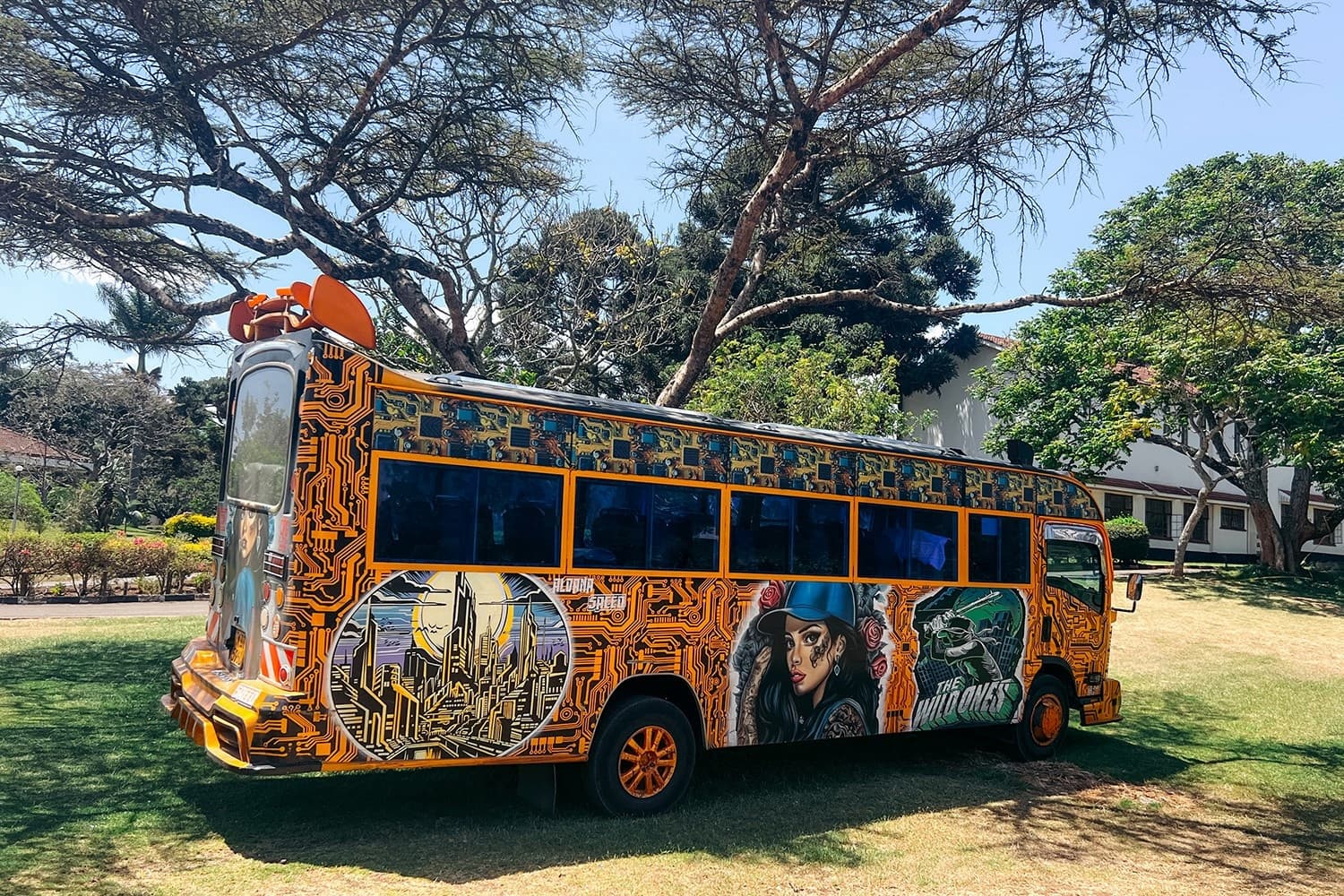
One of Nairobi's colorful matatu buses. Courtesy of Alicia Erickson
Nairobi Off the Beaten Path and After Dark
Along with Nairobi National Park, the standard visitor itinerary usually includes the Nairobi National History Museum, the Karen Blixen Museum, and the Bomas of Kenya open-air museum. But as a resident, I’ve found some of the city’s coolest experiences aren’t on the main tourist lists.
One Saturday morning, I crossed the city to the winding, shack-lined streets of Kibera. Despite being bordered by some of the city’s most affluent districts, Kibera is the largest slum on the continent. But change is underfoot, as creative minds and entrepreneurs are turning it into an art destination to help uplift residents out of poverty.
Home to galleries, street art, murals, and workshops, the Kibera Arts District offers visitors a place to view, shop, and support local talent. Through initiatives like the Uweza Art Gallery, young artists take classes to develop their artistic skills. Platforms like GetYourGuide offer local-led street art tours through the area.
Kibera is just one part of Nairobi’s growing art scene, fueled by galleries, artist collectives, museums, and pop-ups. One recent addition worth having on the radar is the Nubian Art Gallery, which showcases artists who have escaped violence and conflict. Catch arthouse films and city views from the rooftop Unseen micro-cinema and bar, and admire the moving galleries that are the graffiti-splashed matatu buses. Don’t miss the murals at the Kenya Railway Museum either, where walls and train carriages become canvases.
And then there’s the nightlife, which is legendary. Dance to Afrobeats at Alchemist, Muze, and KODA, or try craft cocktails at Dijo, The General, and Beit e Selam. With its rooftop lounge overlooking Nairobi National Park and frequent DJ sets by artists from African electronic label Gondwana, SkyLounge at Emara Ole-Sereni is often the place to be as the sun sets.
Connecting With Kenya’s Capital
Nairobi’s traffic-clogged streets and abrasive energy might be intimidating at first glance. But give yourself a few days to familiarize yourself, and you’ll likely leave with a different impression. Nairobi is a multicultural, ambitious city that is warm and welcoming, chock-full of creativity, and knows how to have fun.

Alicia grew up as a third-culture kid in the Pacific Northwest, Japan, and Europe, where her fascination for the world was born. She has been on the move ever since, chasing her curiosity around the globe. For the last eight years, Alicia has been working as a travel writer for publications like World Nomads, Conde Nast Travel, Seattle Times, and BBC Travel, developing content focused on ethical and sustainable travel, food origins, and outdoor adventures. Follow Alicia on IG @Alicia_Erickson
North Stars: Community Support, Heritage Value, Wildlife and Ecosystems
More Stories
 CULINARY, DRINK
Get to Know the Producers Behind the J.P. Bourgeois Portfolio
 CULINARY, DRINK
Where to Taste Wine in Willamette Valley
 DRINK
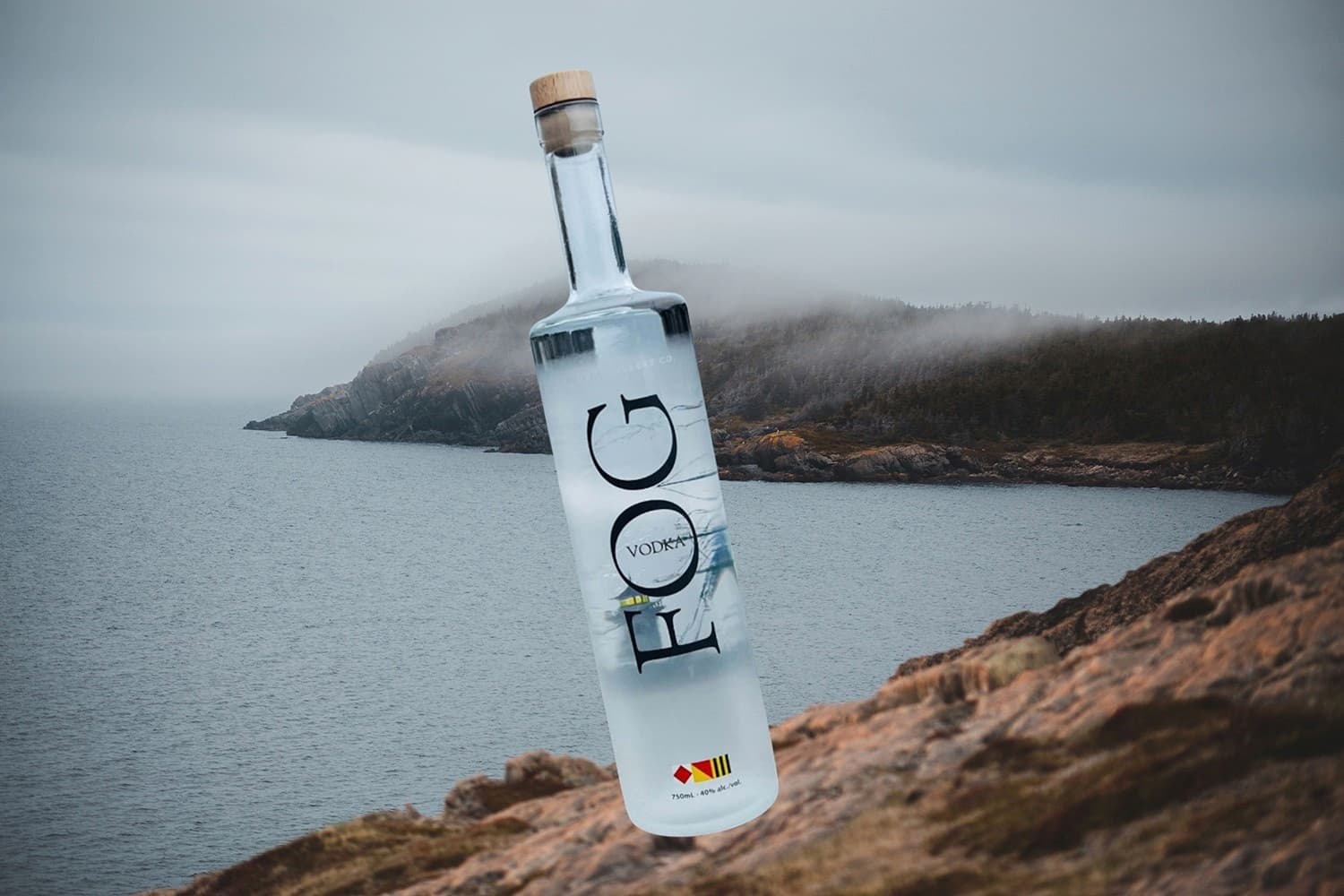
DRINKMeet the Distillery Making Vodka From Fog
 DRINK
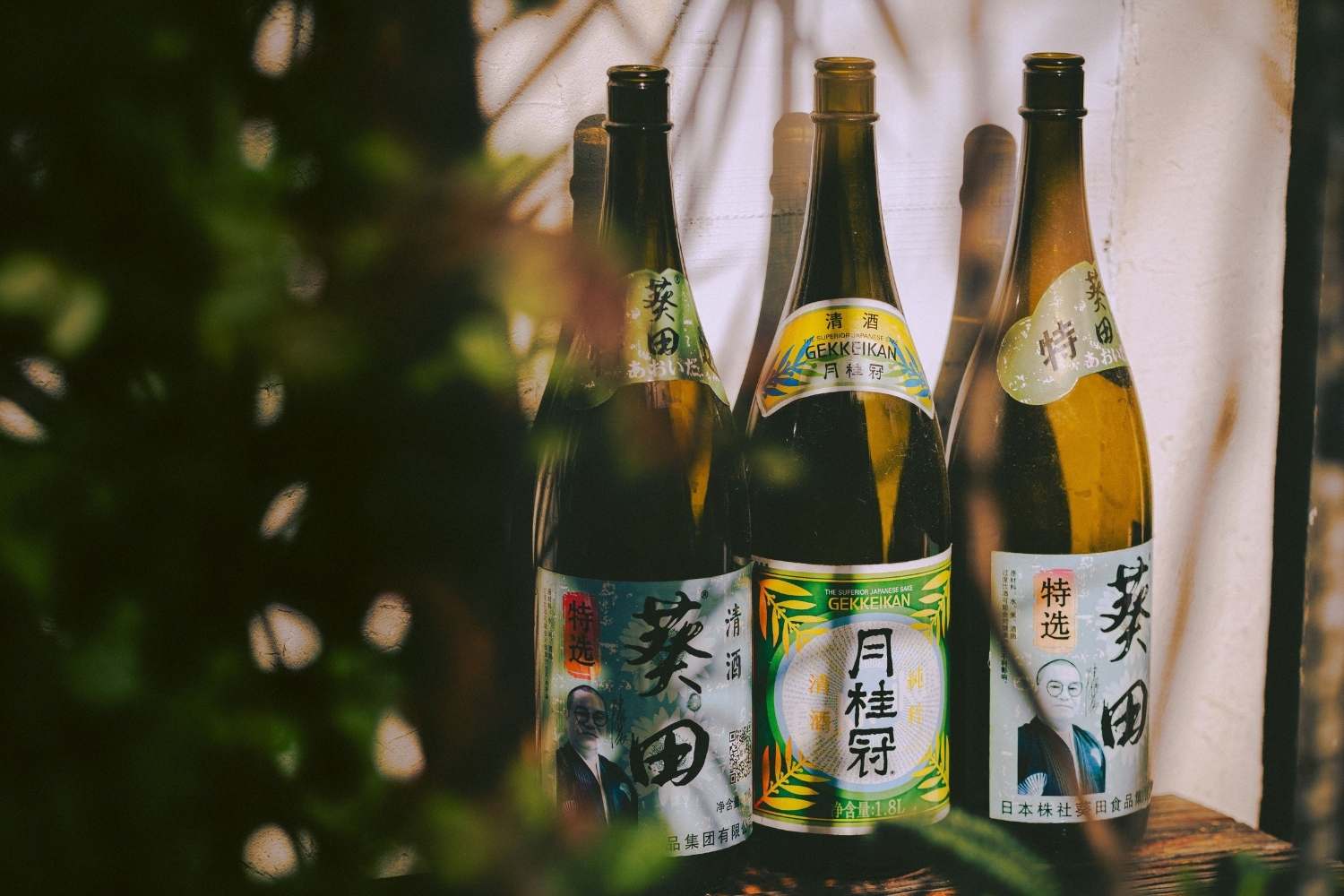
DRINKSake’s Next Step: How Japan’s Rice Wine Is Evolving
 DRINK, HOME
The Buzz on InFizz: Breville’s Carbonator Elevates Sparkling Water