“Behind every great bottle is a grower, a story, and a relationship worth knowing.”
Have you ever faced a wall of bottles on a wine shop shelf and thought, “What on earth is all this?”
When wine labels start to blur together, longstanding advice suggests remembering the names of a few trusted importers. The name on the back label can offer a clue to the kind of wine inside — or the person behind it.
There are dozens of excellent wine importers in the U.S. But Jean-Philippe Bourgeois has built his Asheville, North Carolina-based company around a clear code. He seeks out small producers whose farming and values he believes in and builds relationships that often last for decades. Even during difficult vintages, he continues buying rather than chasing whatever wine looks easiest to sell. He also keeps margins in check when he can, aiming to put distinctive wines on the market at prices he considers fair.
That philosophy runs through a portfolio dominated by small, often family-run estates. These five producers offer a closer look at the growers behind the bottles, and the wines to seek out.
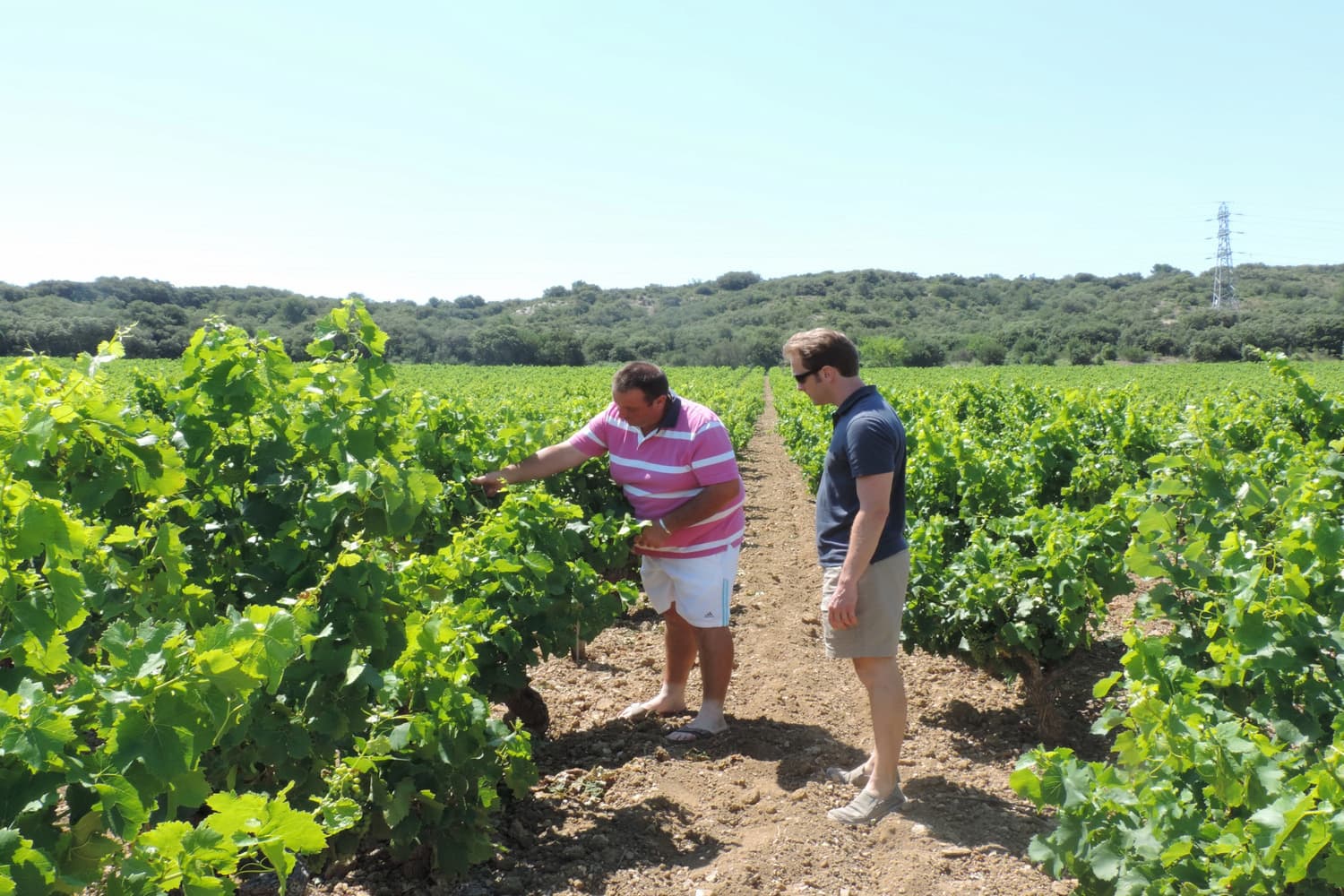
Frédéric Souret and JP in the vineyard. Courtesy of Domaine de Châteaumar
Domaine de Châteaumar, France
Located in the Côtes-du-Rhône AOP just outside of Orange in southern France, Domaine de Châteaumar represents the culmination of four generations of land stewardship. The domaine, led by Jean-Félix and Frédéric Souret, includes 24 hectares (59 acres) across clay-limestone and large galet (stone) soils spanning the northern plain of Châteauneuf-du-Pape and surrounding hillside sites. Viticulture has thrived on these lands for centuries; more so today with the receipt of HVE (Haute Valeur Environnementale) Level 3, France’s highest-tier environment certification for farms.
Though farmers of the land since the mid 20th century, Châteaumar sold its wine in bulk until 2006 when they met Bourgeois. It was during that year that Bourgeois launched his company, signing the domaine’s first estate bottled wine, Cuvée Bastien, to his portfolio. As a founding client, Bourgeois calls their arrangement “the original handshake deal.” Decades later, Cuvée Bastien remains a flagship wine for the company. In fact, 2026 marks a joint 20th anniversary for both Bourgeois and the Sourets. “Bastien is like the beginning of the deepest root of the portfolio, to this day still one of our best values,” says Bourgeois.
Wine to Find: Domaine de Châteaumar, Cuvée Bastien, 2024
This single vineyard wine, made with 100% Grenache, derives much of its character from the 45-year-old goblet trained vines basking in south-facing exposure. With notes of ripe black and red fruits, a hint of licorice and spice, and a latticework tannin structure, this bottle suits myriad meat dishes while fresh enough for a light chill at BBQs.
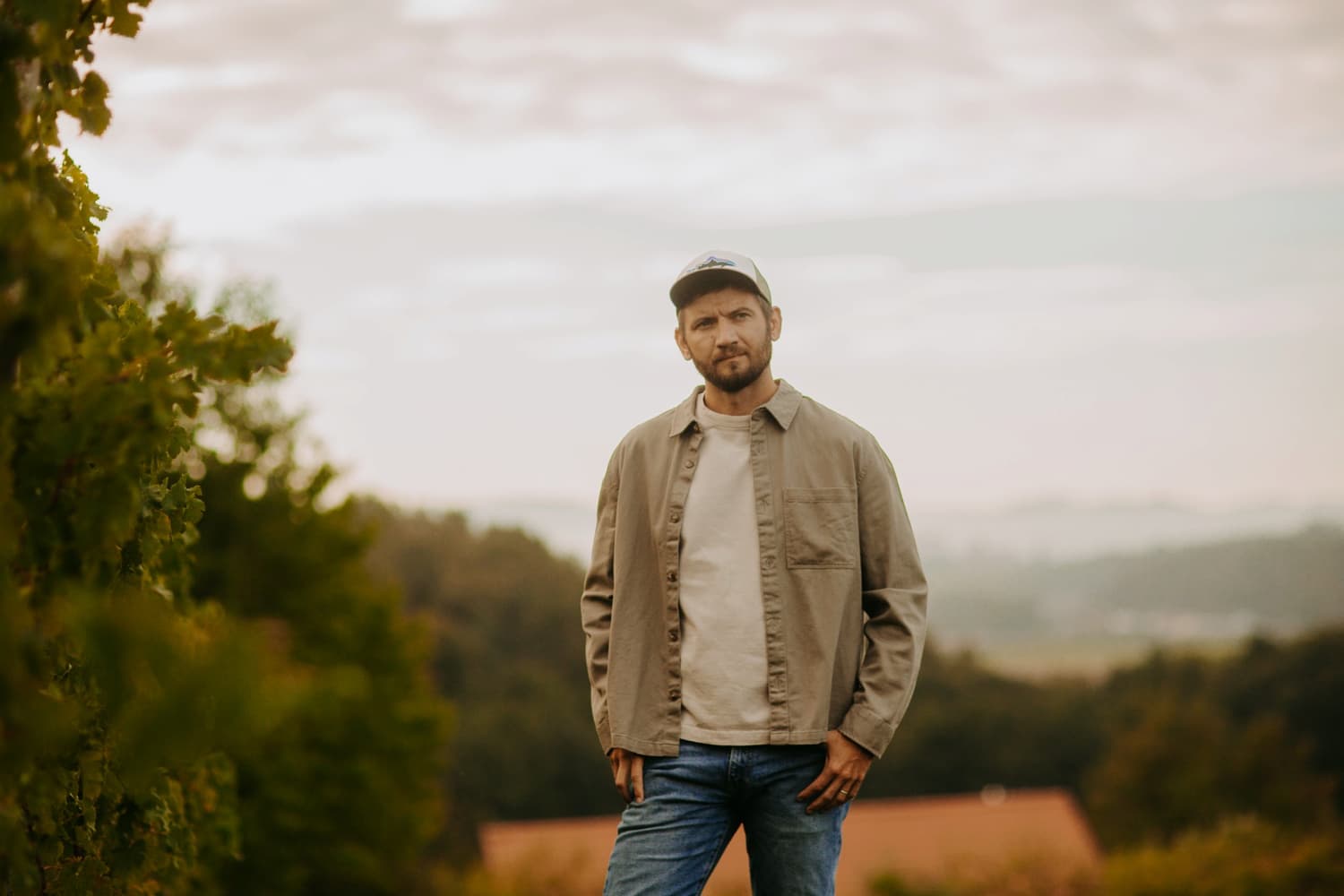
Peter Gönc in the vineyard. Courtesy of Peter Gönc
Gönc Winery / Grape Abduction Company, Slovenia
Located near Ptuj — one of Slovenia’s oldest towns — in the Štajerska region of the Podravje wine area, Gönc Winery takes its name from the family behind the brand. With Peter Gönc at the helm today, the estate reflects four generations of winemaking dating to 1936 when Peter’s great-grandfather planted vines and built the family cellar. Coincidentally (or not), the word Gönc refers to a traditional 136-liter barrel historically used in the region. Fitting, then, that the family would pursue winemaking. This has led not just to Peter’s ascent in the business but to his evolution as a leader of the country’s contemporary industry.
Peter’s values are steeped in sustainable, organic viticulture and minimal intervention winemaking. In addition to his main project, Gönc Winery, Peter’s other project, the playful wine label Grape Abduction, helped shine a spotlight on Slovenia. Peter extends his own farming standards to growers outside his estate. He blends 50% estate fruit with 50% purchased from local trusted farmers, for which he pays above market price. Says Bourgeois about importing Grape Abduction, “buying from Peter year after year helps make these relationships last and keep the farming consistent throughout the valley.”
Wine to Find: Cuvée Anna Rosé, 2025
This lovely sipper from the Gönc brand is made from a blend of 50% Žametna Črnina, 30% Pinot Noir, and 20% Blaufränkisch. On the palate, fresh strawberries lead to a cool mineral snap. The palate is lively and fruit-forward, finishing clean and refreshing. Pairs with grilled seafood, fresh salads, Mediterranean dishes, and 5 P.M. everywhere.
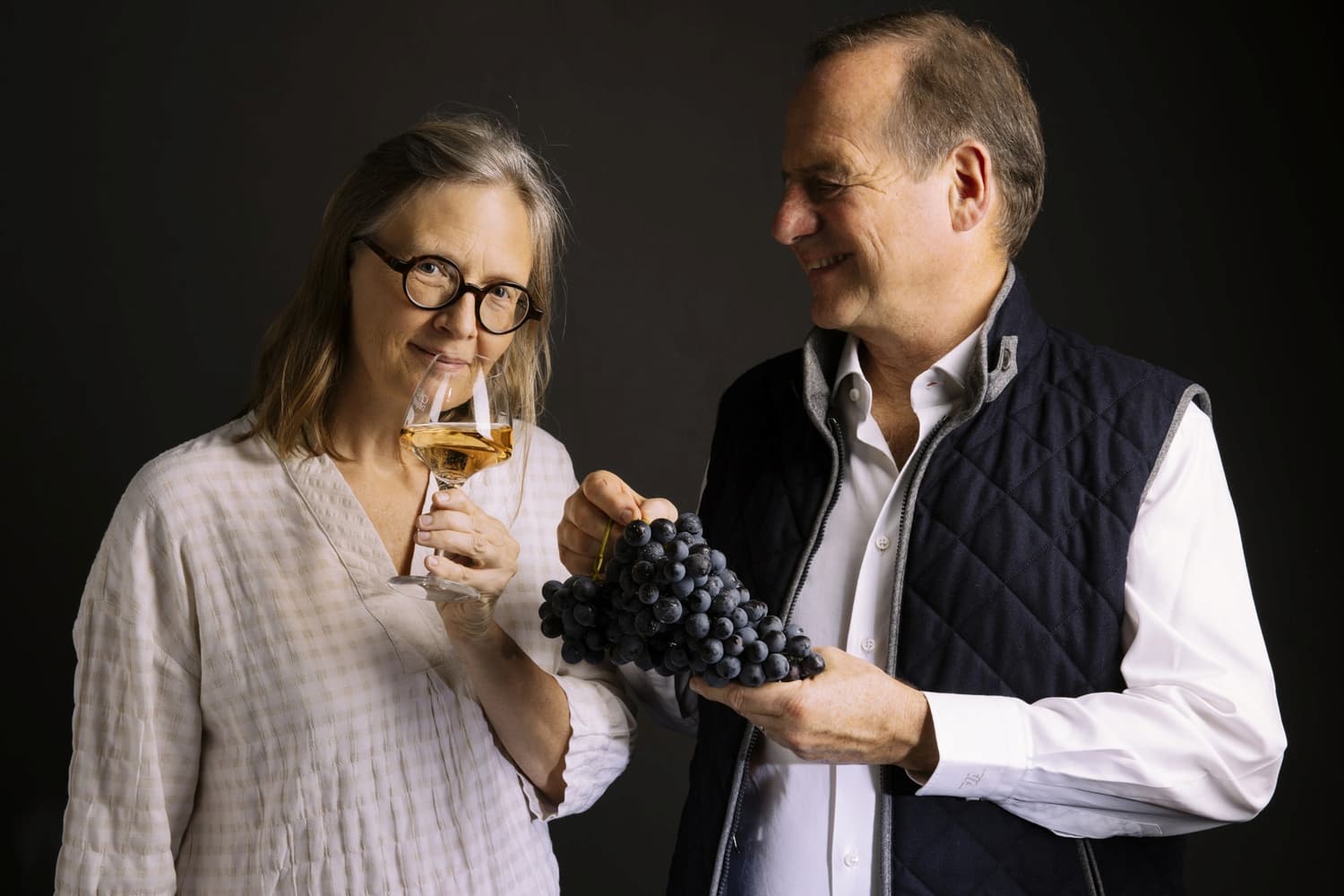
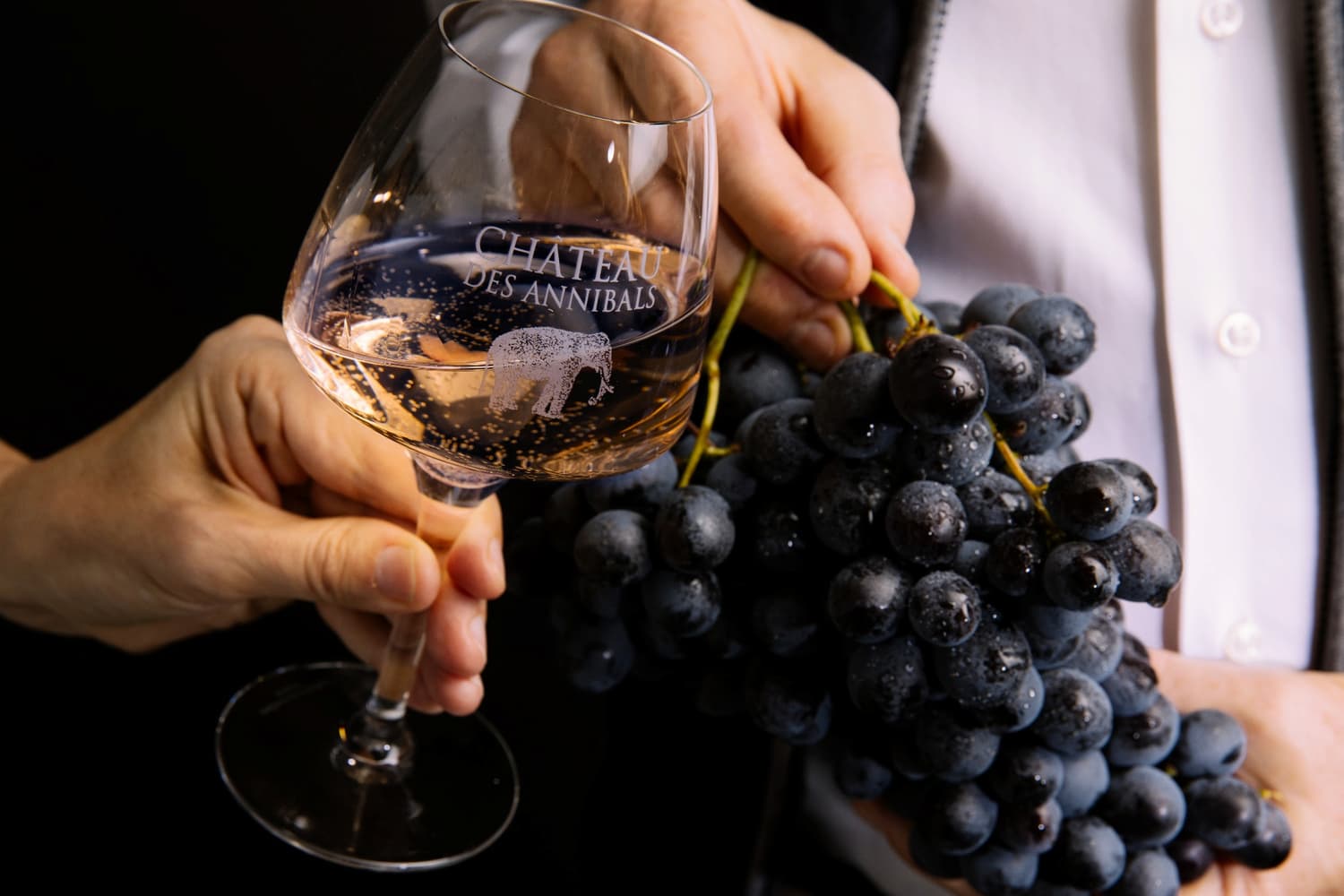
Nathalie and Henry of Château des Annibals. Courtesy of Château des Annibals
Château des Annibals, France
Located in the south of France in the Coteaux Varois en Provence AOP, Château des Annibals’ cellar dates to the 12th century. In the valley, bread and wine were historically produced for the surrounding community. Today, Nathalie De Wulf Coquelle, with the aid of husband Henry, carries on that tradition, starting with organically farming the vineyards.
“Nathalie is such a whole person…not only because of her great wine, but because of what she represents as an individual; she is absolutely amazing,” says Bourgeois about his fondness for her. Nathalie’s work in the vineyard emphasizes the age-old tension of finding balance and precision. She pursues this by working with smaller parcels surrounded by nature, the woods, garrigue, and streams of Provence, at an elevation of approximately 250 meters. That same philosophy follows her work in the cellar where she seeks finesse and freshness.
Wine to Find: Suivez-moi-jeune-homme, AOP Coteaux Varois en Provence, 2025
This classic Provençal rosé comes from a blend of 60% Grenache, 25% Cinsault, and 15% Syrah. In the glass, it glows a pale salmon hue, with peach and citrus on the nose. Freshness drives the persistent finish, making it a match to herb-roasted chicken, grilled sea bream, or a Niçoise salad.
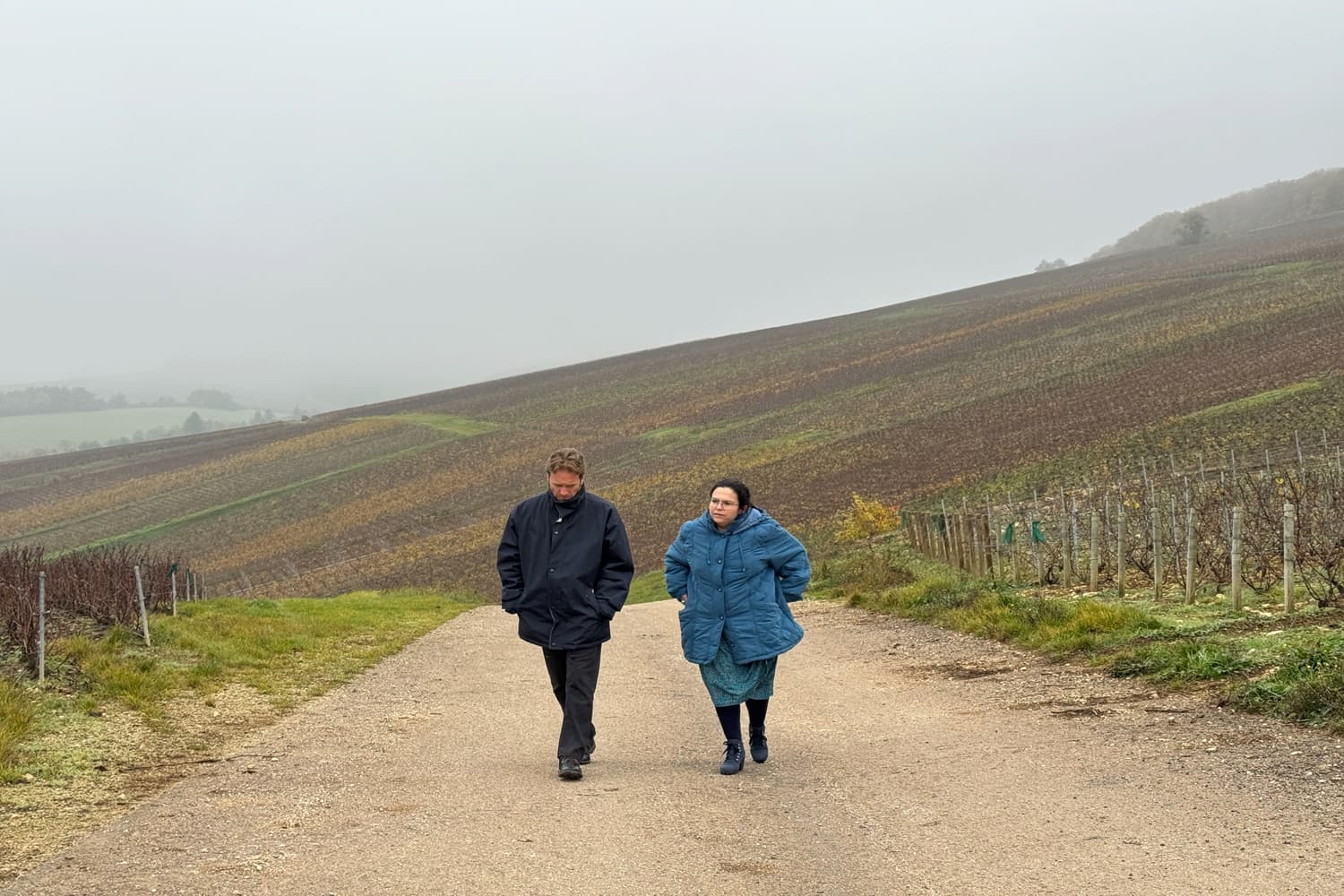
Salomé and JP walking the vineyard. Courtesy of Philippe Fontaine
Philippe Fontaine Champagne, France
The Fontaine family has farmed in Balnot-sur-Laignes, in Champagne’s Côte des Bar, for generations, their grapes going to larger houses in the region before they put their own name on a bottle. Philippe established the domaine; his daughter Salomé now leads winemaking with her husband Louis-Antoine. Like Chablis, the vineyards sit on Kimmeridgian limestone and marl, giving the wines more texture and softer acidity than Champagne’s chalkier vineyards further north. Harvest is by hand, each variety vinified separately. Though not certified, they farm with organic practices when possible, and the estate handles everything on-site, from pressing to bottling.
“Salomé Fontaine, mother of two kids and as low-key as can be, is so down to earth. She’s such a genuine person,” says Bourgeois. “She’s a classic farmer. She gets up every day, does her work. No matter how she feels, she’s a perfect steward of the land.”
Wine to Find: Philippe Fontaine, Brut Blanc de Blancs Cuvée des Lys, 2019
A rarity in Champagne, this Blanc de Blancs is made entirely from Pinot Blanc. Fresh and precise on the palate, it shows white flower, pear, and green almond, finishing long and round.
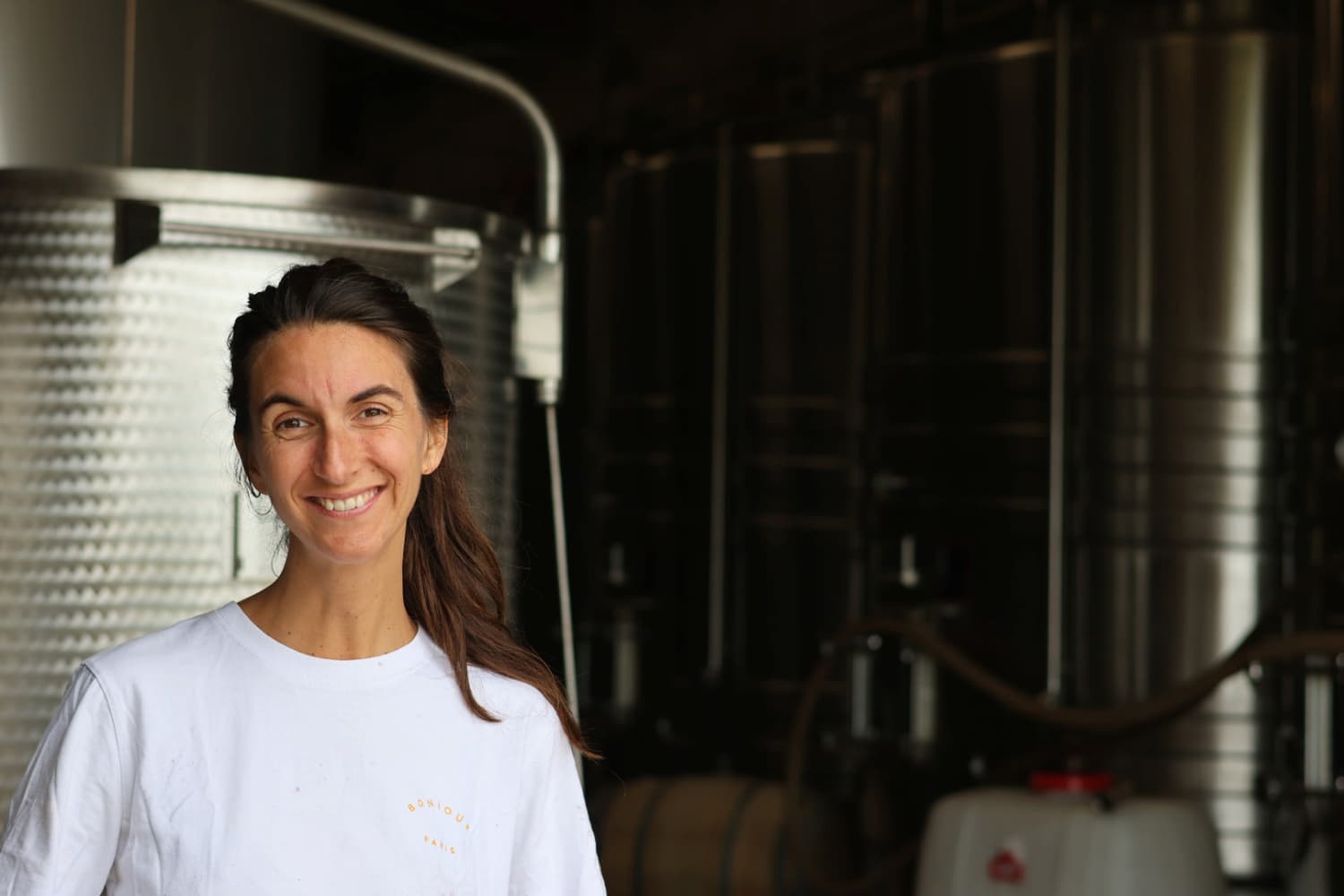
Esther Hermouet in the cellar. Courtesy of Château Roc Meynard
Château Roc Meynard, France
Near Fronsac in the Bordeaux Supérieur AOP sits the 28-hectare property of Château Roc Meynard. Though founded by Osmin Roy in 1911, vines have grown on the estate’s hillsides since the 18th century. In 1987, Philippe Hermouet took over the winery, giving it a new profile. In 2024, stewardship passed to his daughter Esther. After a medical crisis, she left a marketing career in Paris to run the business and make the wine in Bordeaux.
“She is running it like a champ,” says Bourgeois, “putting her experience in marketing to work to preserve the family legacy.” Today, the estate is farmed sustainably according to HVE regulations. Notably, the family has maintained 15 hectares (37 acres) of “green islands” to maintain biodiversity in the vineyard. “They’ve been with us no matter what, riding the highs and lows of the market,” says Bourgeois of the relationship.
Wine to Find: Philippe Fontaine, Brut Blanc de Blancs Cuvée des Lys, 2019
Raspberry-pink in the glass, this alluring wine is made from 90% Merlot and 10% Malbec. It tastes as juicy as it looks, with macerated summer berries and hibiscus tea on the palate. Best served with a chill, paired to a fall tailgate or even a spiced curry.
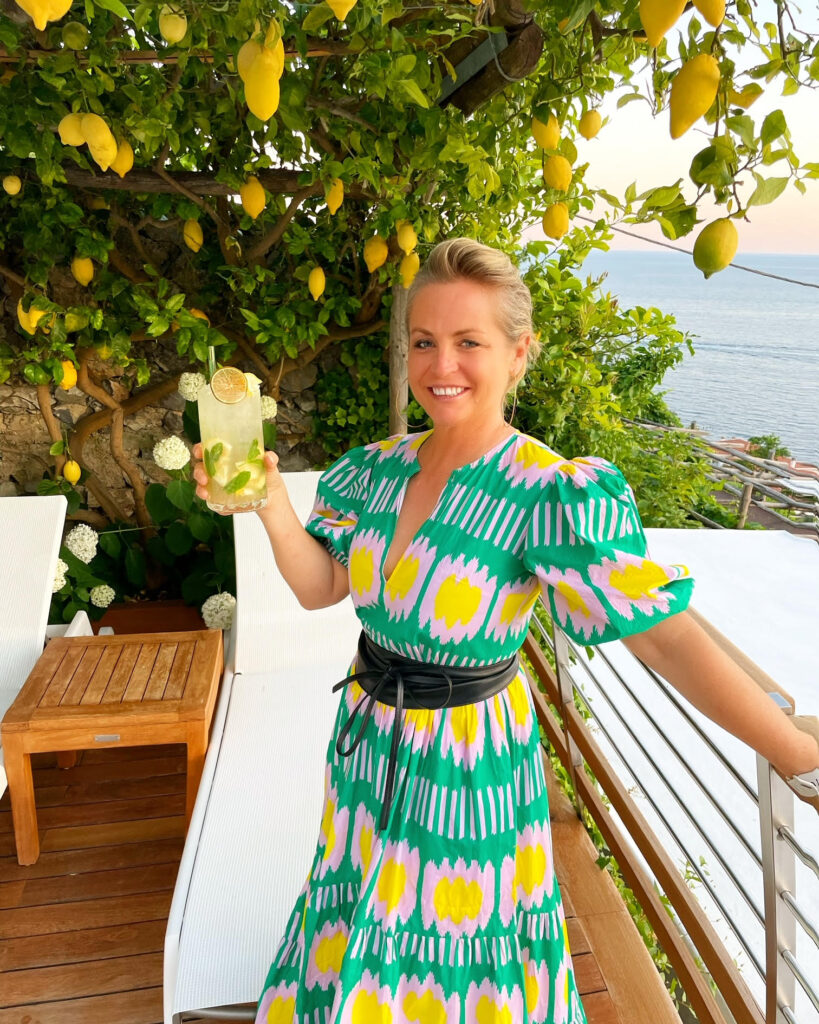
Founder and CEO of Azure Road, Lauren Mowery is a longtime wine, food, and travel writer. Mowery continues to serve on Decanter Magazine’s 12-strong US editorial team. Prior to joining Decanter, she spent five years as the travel editor at Wine Enthusiast. Mowery has earned accolades for her writing and photography, having contributed travel, drinks, food, and sustainability content to publications like Food & Wine, Forbes, Afar, The Independent, Saveur, Hemispheres, U.S. News & World Report, SCUBA Diving, Plate, Chef & Restaurant, Hotels Above Par, AAA, Fodors.com, Lonely Planet, USA Today, Men’s Journal, and Time Out, among others.
Pursuing her Master of Wine certification, she has also been a regular wine and spirits writer for Tasting Panel, Somm Journal, VinePair, Punch, and SevenFifty Daily. Mowery is a graduate of the University of Virginia and Fordham Law School, and she completed two wine harvests in South Africa.
Follow her on Instagram @AzureRoad and TikTok @AzureRoad
North Stars: Heritage Value, Production and Consumption, Wildlife Ecosystems
More Stories
 CULINARY, DRINK
Get to Know the Producers Behind the J.P. Bourgeois Portfolio
 CULINARY, DRINK
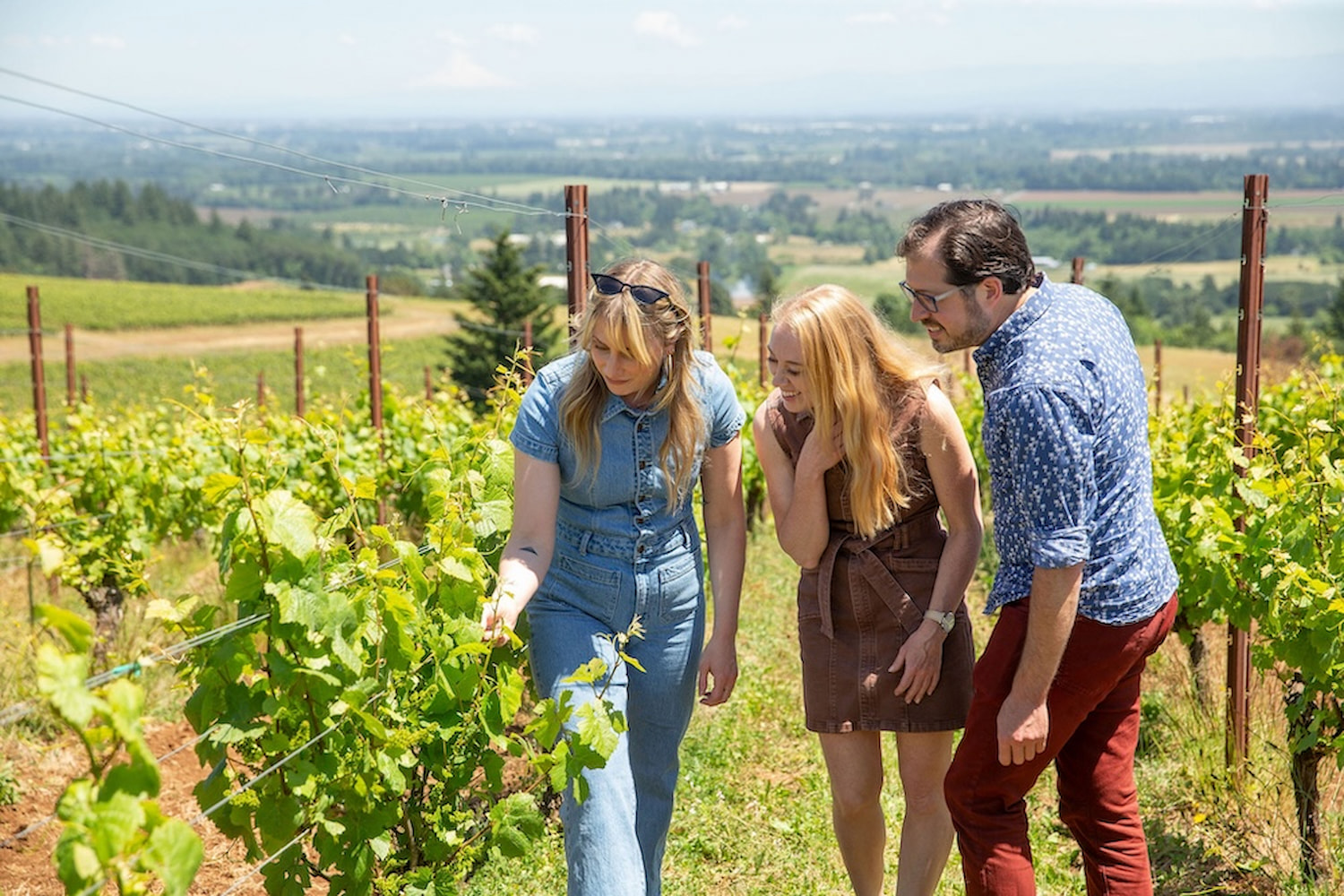
Where to Taste Wine in Willamette Valley
 DRINK
DRINKMeet the Distillery Making Vodka From Fog
 DRINK
DRINKSake’s Next Step: How Japan’s Rice Wine Is Evolving
 DRINK, HOME
The Buzz on InFizz: Breville’s Carbonator Elevates Sparkling Water