“While a safari is a defining Kenyan experience, the coast offers a completely different adventure.”
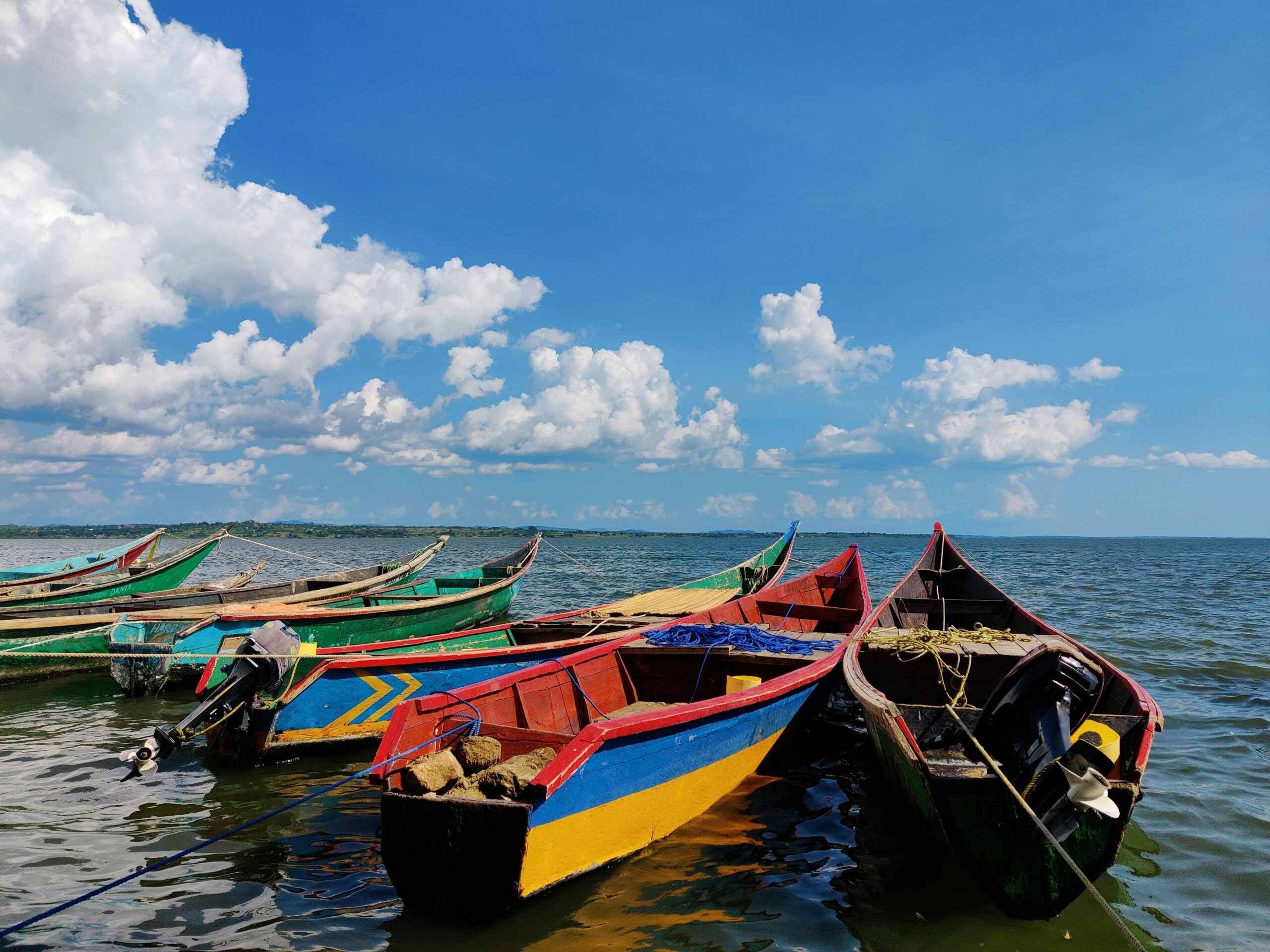
Colorful boats on Kenya's Coast. Courtesy of Pexels.
“When I think of Kenya, I never picture the coast.” This was a realization I exclaimed to my mother a while back. In Western media, advertisements for safaris across Africa typically feature the same spots and imagery, from Mount Kilimanjaro to the wildlife-filled plains of the Maasai Mara National Reserve. But Kenya’s coastline, stretching nearly 333 miles along the Indian Ocean, is just as visually striking and well worth a stop. While a safari remains the defining Kenyan experience, the coast offers a different adventure.
Shaped by African, Arab, and Persian influences, the country itself is a cultural melting pot, but this is especially true along the coast. Historic seaside hubs such as Mombasa, Malindi, and Lamu thrived as key Indian Ocean trade ports, later falling under Portuguese rule from the late 15th through the 17th century. Control eventually shifted to the Omani Empire and then the British Empire, leaving behind colonial forts and ruins alongside a lasting Swahili culture and language.
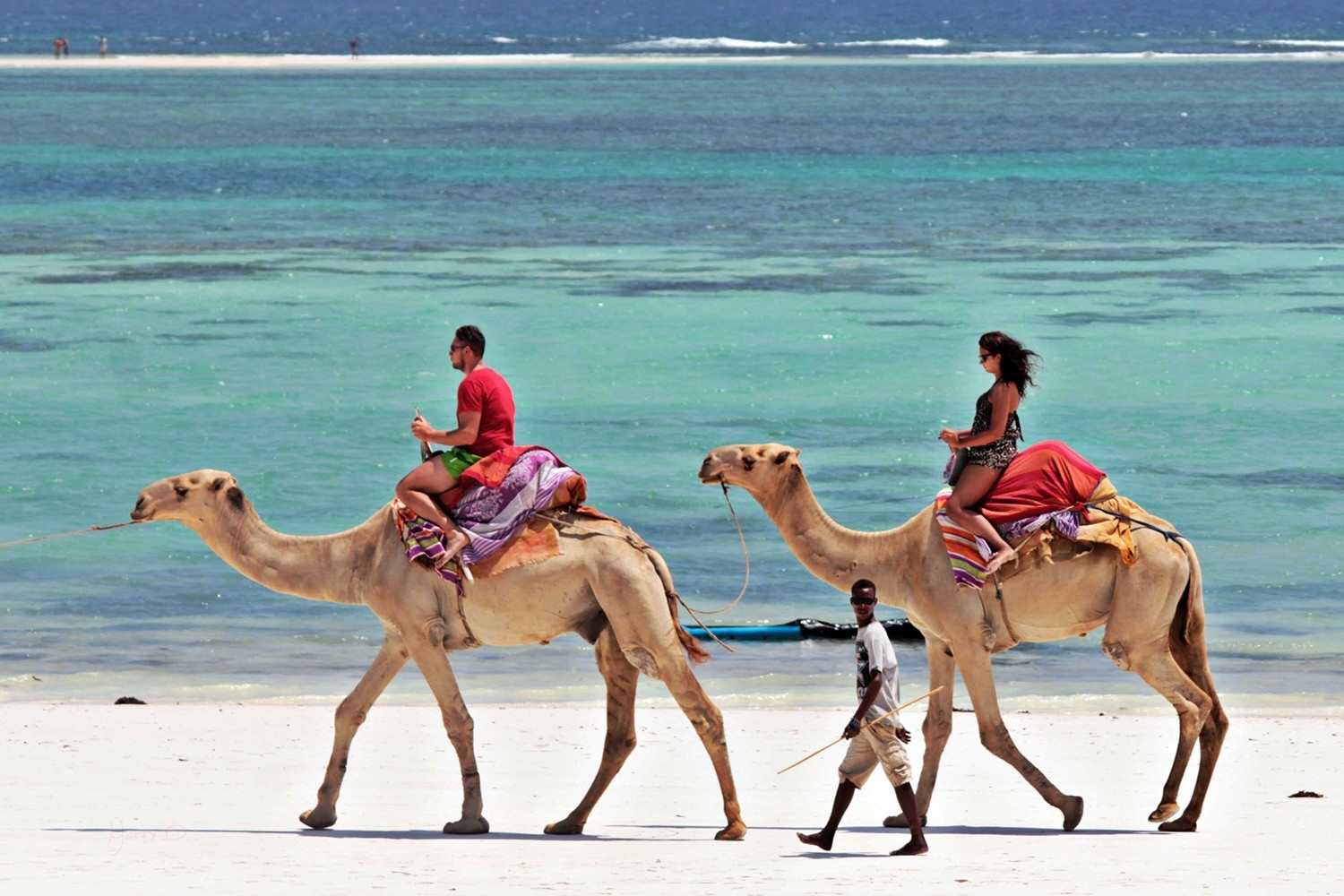
Here, mornings are slow, with trips to the market and dhow boats gliding across blue salt-tinged water. Afternoons stretch beneath swaying palm trees and heavy coastal heat, while evenings are gathered around the table — grilled seafood, scoops of Italian gelato, and skies lit with the brightest stars. It’s a very different side of Kenya that many miss out on, as I discovered when I traveled to the region to learn about my partner’s home country.
From cultural centers to protected marine sanctuaries, Kenya’s coastal cities and destinations each offer something distinct. Visiting also helps alleviate overtourism elsewhere in popular safari spots, as well as in other places along the coast like Lamu, a UNESCO World Heritage Site known for its blended Islamic-Swahili culture and dreamy seascapes. Here’s what to expect in these alternative Kenyan coastal destinations.
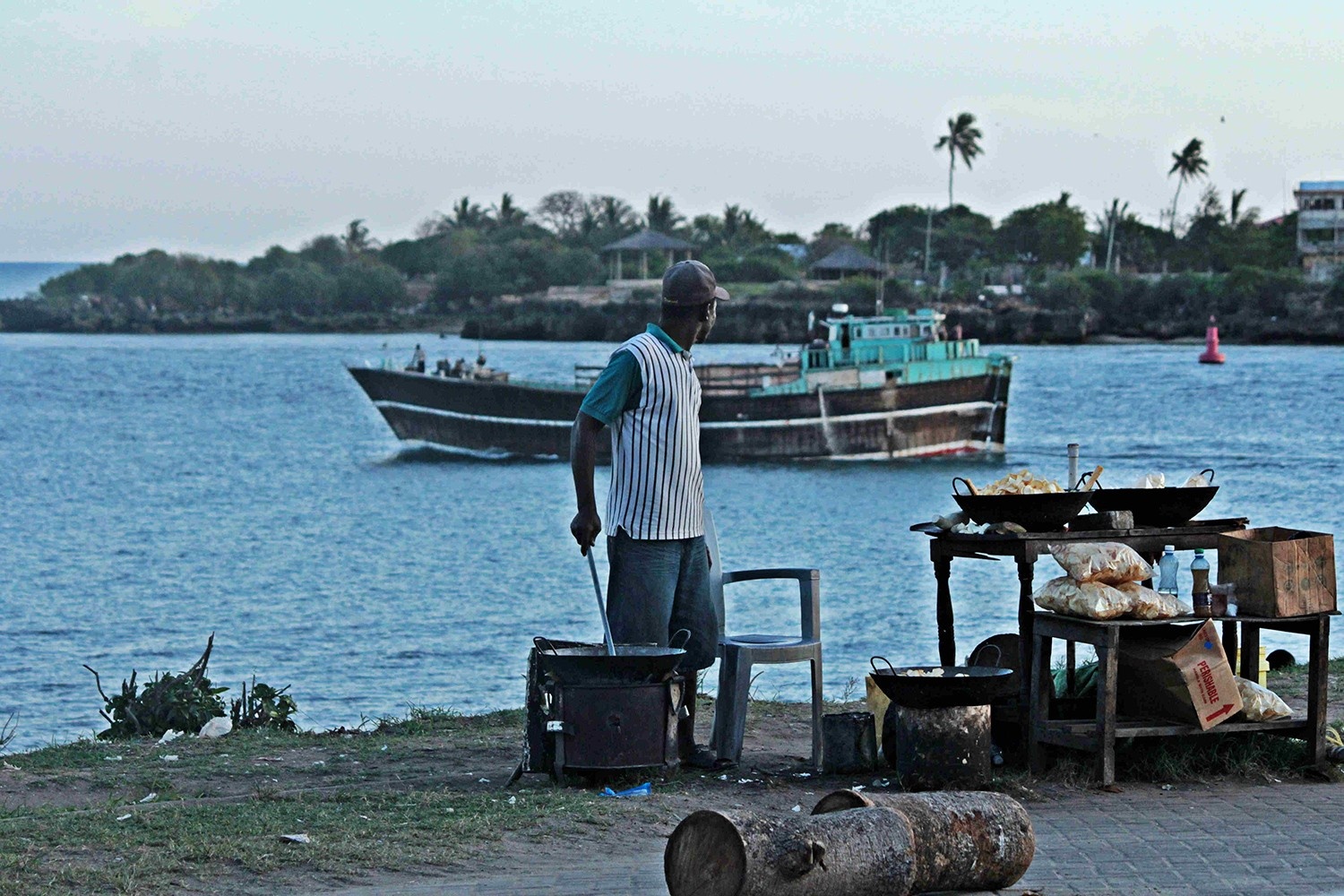
Scenes from Kenya's coast. Courtesy of Harold Otieno.
Malindi
Best for: Travelers seeking history, architecture, and boutique stays.
One of the oldest settlements on Kenya’s coast, with a history dating back to the 13th century, Malindi was once an important Swahili trading port before becoming a landing point for Portuguese traders. That layered history lives on to this day, visible in colonial-era buildings and historic landmarks. One of the most notable is the Vasco da Gama Pillar; named after the Portuguese explorer, it’s one of the oldest European monuments in Africa.
Even into the 20th century, Malindi continued to draw global travelers to its shores. Thanks to an influx of Italian immigrants in the 1960s with the opening of the Italian-run Broglio Space Center — launched as a partnership between the Italian Space Research Commission and NASA — it now has the nickname Little Italy. Pizzerias, bakeries, and gelaterias dot the streets as evidence of the strong Italian expat community, and Neos Air offers direct flights from Italy.
Thirty minutes outside town, the Gede Ruins are all that remains of a forgotten 13th-century Swahili city. Hire a guide to walk the site and piece together what life looked like here centuries before European traders arrived on this coastline. Malindi rewards culture-seeking travelers who want to spend their days exploring, browsing markets, visiting ruins, and digging into Swahili history.
Base yourself at the five-star Billionaires Resort where a thalassotherapy-centered spa, pools, and beach access give you somewhere to decompress after a full day out.
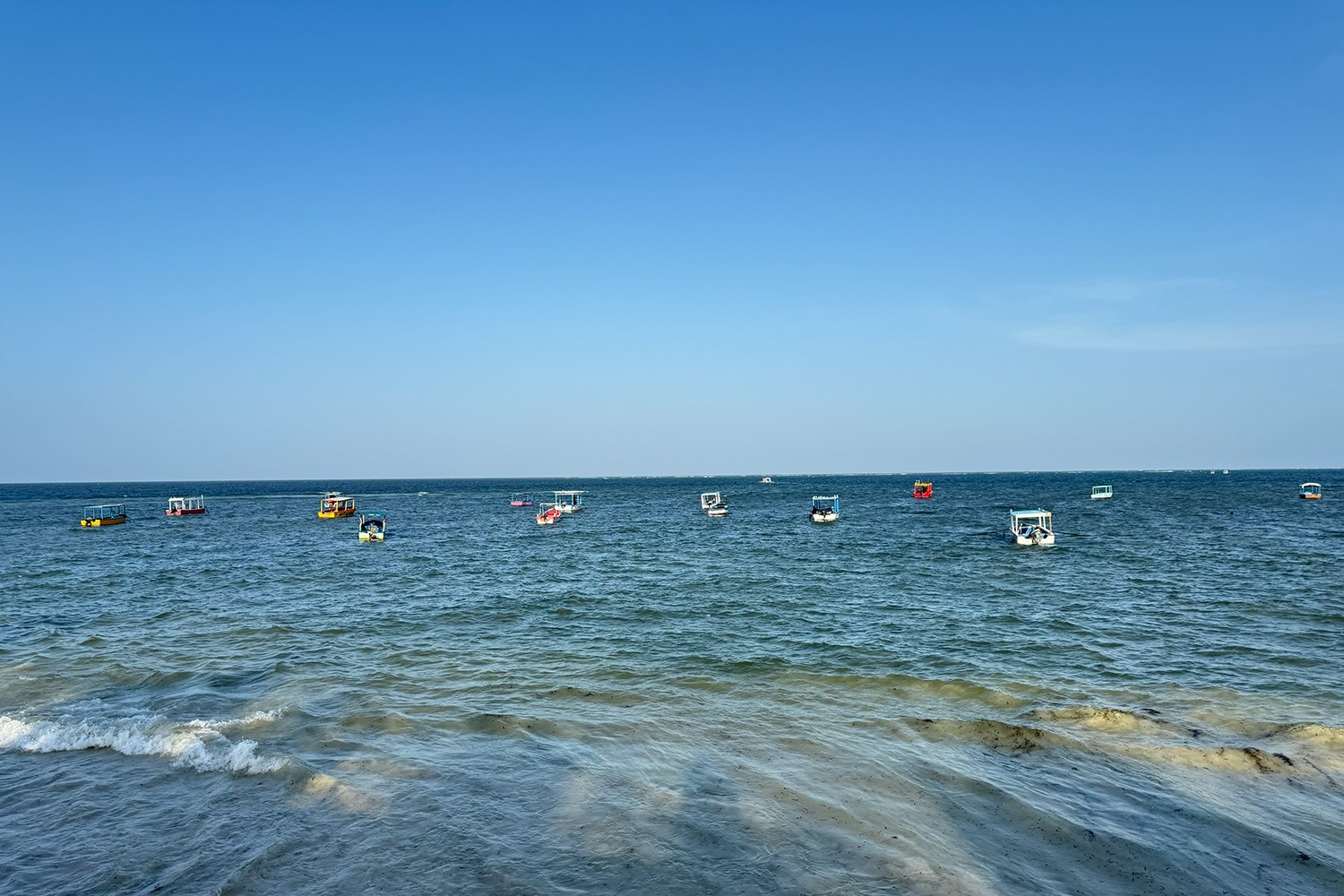
Boats in Malindi Marine Park. Courtesy of Kayla Brock.
Watamu
Best for: Snorkelers and divers, couples, and eco-conscious travelers
Just south of Malindi, Watamu is ideal for those after an active holiday and spending time in nature. It’s home to the protected Watamu Marine National Park, a UNESCO Biosphere site protecting over 600 fish species, sea turtles, and corals. Snorkeling and diving are the main draws here; the calm, clear water makes it easy to spot marine life. Together with the neighboring Malindi Marine National Park, it’s one of the oldest protected marine sanctuaries in the country and a pioneer in environmental conservation.
Organizations like Local Ocean aid with ongoing wildlife and habitat protection, protecting Kenya’s marine environment, and rehabilitating sea turtles to return them to the sea. You can even visit the sea turtle sanctuary to learn more about the organization’s efforts.
All the cleanup and environmental preservation efforts mean there are plenty of lovely beaches to enjoy, with powdery, bright sand and shallow lagoons. The aptly named Turtle Beach is a standout.
If you’d rather be among the mangroves, you can explore them as part of a kayaking adventure along Mida Creek through the eco-tour company Mkoko Explores.
After building up an appetite, head to the Crab Shack for crab samosas and stunning sunsets. Operated by the Dabaso Creek Conservation Group (DCCG), this beloved local spot serves sustainably sourced seafood — either caught by area fishermen or responsibly raised through one of the DCCG’s projects — while channeling proceeds into community education and conservation.
Where Malindi layers culture, Watamu leads with nature. Forget city exploration — here, the ocean takes over. If your ideal day runs from a morning snorkel to an afternoon hammock nap to an early dinner under the stars, Watamu delivers, especially from a base like Hemingways Watamu, where expansive beachfront, multiple pools, and ocean-view suites pull you into the rhythm of the coast.
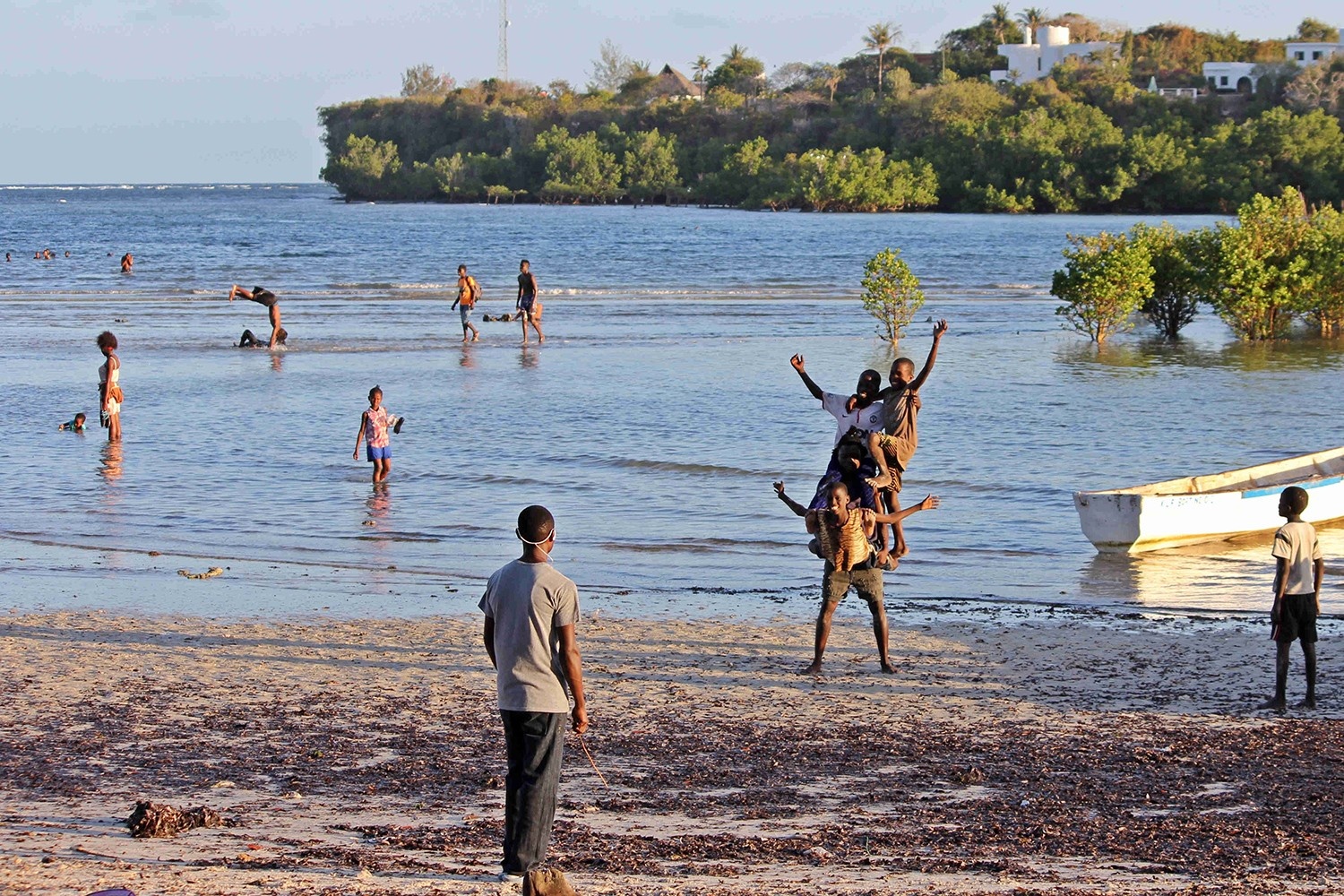
Locals enjoy an evening beach outing in Mombasa. Courtesy of Harold Otieno.
Mombasa
Best for: Culture seekers, food lovers, and travelers seeking city energy
Kenya’s second-largest city, Mombasa, is the heartbeat of the coast. Bustling streets, tuk-tuks, and spice-scented markets create an atmosphere that feels distinctly urban yet deeply historical. As the oldest city in the country, with a history dating back to 900 A.D., it’s a major historical trade hub on the Indian Ocean connecting East Africa to Persia, Arabia, and India.
Old Town demands the most time, with narrow streets lined with historic mosques and preserved buildings where colonial and Arabic architecture collide. UNESCO World Heritage-certified Fort Jesus anchors the waterfront — Vasco da Gama arrived in 1498, and the Portuguese moved swiftly to dominate local maritime trade, constructing the fort in 1593 as a declaration of control over these waters.
Unlike the quieter beach towns, Mombasa offers nightlife, shopping, and a wide range of accommodations, from large beachfront resorts in Nyali to character-filled stays in Old Town. Coral reefs and stronger currents shape Nyali Beach and Shelly Beach, making them more scenic than swimmable. The city’s real draw is its pace and its history. The Sarova Whitesands Beach Resort & Spa gives you a complex of pools and a comfortable beachfront base after a day of getting lost in both.
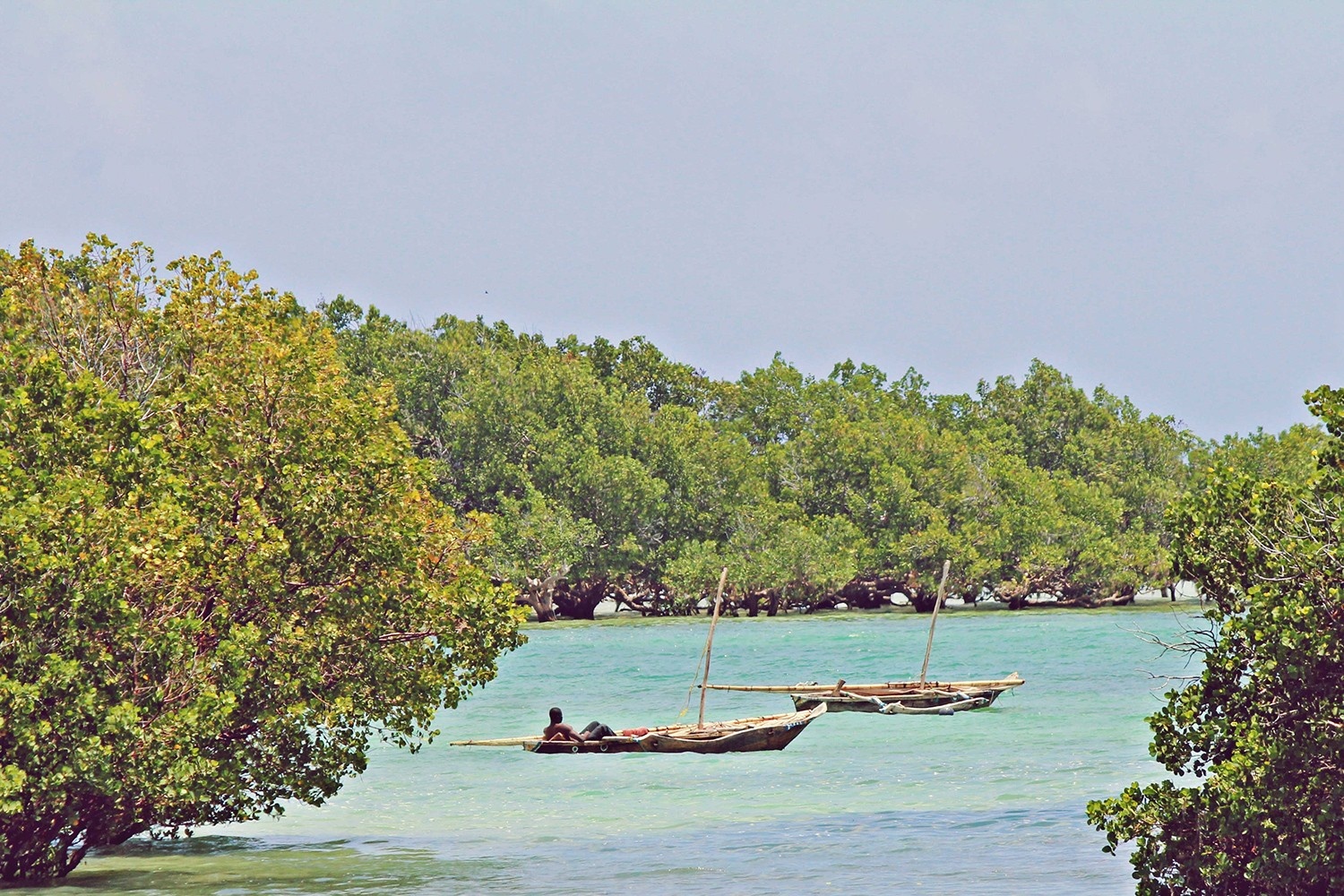
Sailing through mangroves. Courtesy of Harold Otieno.
Best Time to Visit Kenya’s Coast
The best time to visit Kenya is during the dry season, which runs from November to March and July to October. April and May bring heavier rains. Ocean temperatures remain warm year-round, making swimming possible in every season.
How to Get There
Most travelers arrive via Jomo Kenyatta International Airport in Nairobi. From there, it’s about a one-hour flight to Moi International Airport in Mombasa. While Malindi has its own regional airport, you can also rent a car and drive from Mombasa to other coastal cities. The main B8 coastal highway is in good condition, so a standard car will do. A 4×4 is only needed for unpaved roads, especially in the rainy season. Gas stations are fairly frequent, but it’s best to fill up before leaving Mombasa.
For those who prefer to travel by rail, the Madaraka Express train travels between Nairobi and Mombasa, traversing several national parks along the way.
Pairing the Coast With a Safari
After early mornings spotting lions and elephants in the Maasai Mara National Reserve or exploring red-dust plains in Tsavo National Park, you can fly to the coast in under two hours. Some camps, especially near Tsavo National Park, have a train station a couple of hours away, which can take you to the coast in two to three hours.

Kayla Brock is a Chicago-based journalist, photographer, and social media strategist. Her writing has appeared in Condé Nast Traveler, Essence, Business Insider, and Matador Network, more. Her photography has been featured in the San Francisco Chronicle. She has also spoken at conferences, including the National Association of Black Journalists and the Public Relations Society of America, as well as been a mentor in the Greater Palm Springs Meet the Mentors program. When she’s not working, Kayla enjoys heading to the beach and discovering the best matcha spots in every city she visits. Find her on Instagram at @kayla.n.brock
North Stars: Community Support, Diversity & Inclusion, Heritage Value