“We wanted to make this list longer, but finalists had to be chosen. We hope these picks prove inspiring.”
Last year, while writing about fashion, beauty, home, and interior design, the news about overproduction and fragile supply chains kept getting harder to ignore. At the same time, we met and discovered artisans and brands actively rethinking how things are made, how people are treated along the way, and how pieces can be repaired and kept in use rather than pushed into the waste stream.
The Azure Road Lifestyle Impact Awards exist to recognize that work. When we reviewed nominations, we focused on the quality, origin, and durability of materials; production and labor practices; circular programs like brand-led repair or resale; and how each company collaborates with the cultures and communities that inform its designs.
For this first lifestyle edition, we selected a mix of fashion brands, heritage designers, furniture artisans, cookware companies, beauty brands, and travel gear and accessory labels. Some are small studios, some are familiar names, but all of them show that beautiful, useful objects can be made more carefully.
View our Impact Awards for Travel, Culinary, and Drinks.
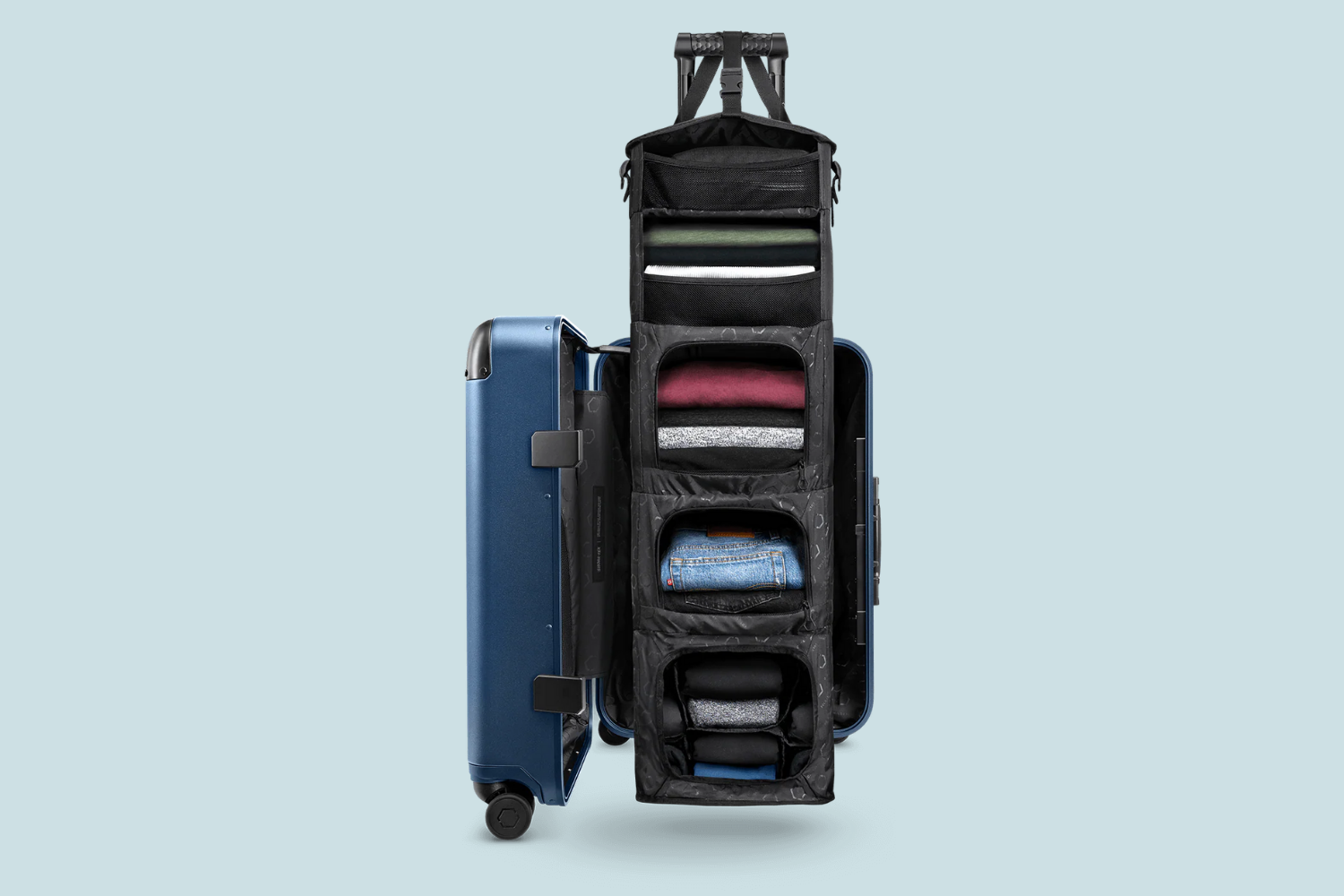
Carry-On Closet Lite. Courtesy of Solgaard.
Travel Gear and Accessories
Cotopaxi
Adventure gear funding global poverty relief
Known for its bold color blocking and outdoor ethos, Salt Lake City–based Cotopaxi was founded in 2014 by Davis Smith. The brand produces backpacks, duffels, travel packs, and apparel built for adventure. Products like the Allpa Travel Pack and Del Día line are made using repurposed fabric offcuts, while many bags incorporate recycled nylon and polyester. A certified B Corporation, Cotopaxi commits 1% of its annual revenue to the Cotopaxi Foundation, supporting poverty alleviation initiatives worldwide. The company publishes impact reports and tracks carbon and material usage across product lines.
Solgaard
Luggage that funds ocean-bound plastic cleanup
Built around a closet-style suitcase system, Solgaard was founded in 2016 by Adrian Solgaard. Headquartered in New York City, the brand makes carry-ons, check-in luggage, backpacks, and accessories designed for simple, structured packing. For its Carry-On Closet line, Solgaard uses an interior Shore-Tex® lining made from 100% recycled plastic, and each suitcase sold is tied to the cleanup of 6 lbs of ocean-bound plastic from coastal communities.
Piper & Skye
Luxury accessories made from sustainable exotic leathers
Founded in 2015 by Joanna MacDonald, Piper & Skye fills a void in the luxury accessories market: creating high-end bags and purses with responsibly sourced exotic leathers. For example, the brand uses pirarucu leather, the skin of a fish long relied on by Amazon communities for food that was once threatened by overfishing. Through regulated fisheries management, the species has rebounded, and the skins, previously discarded, are repurposed into beautiful bags. The company has earned Positive Luxury’s Butterfly Mark certification.
Troubadour
Performance travel bags built from recycled materials
Founded in 2011 by Samuel Bail and Abel Samet, Troubadour set out to make performance-driven travel bags with a lower environmental impact. The London-based brand produces backpacks and totes using recycled polyester and technical fabrics, with a commitment that 95% of its products are made from recycled materials and all packaging is 100% recycled. Troubadour is a Certified B Corporation and has committed to making its products fully recyclable by 2026.
Pakt
Modular travel gear designed to reduce waste
Founded in 2018 by Malcolm Fontier, Pakt was built around the idea that better-designed travel gear can reduce overconsumption and plastic waste. The U.S.-based brand makes clamshell duffels and modular travel backpacks, ships orders in plastic-free packaging, and uses recycled materials in select products, including recycled nylon made from repurposed plastics. Pakt is a member of 1% for the Planet and supports ocean conservation initiatives through SeaHive.
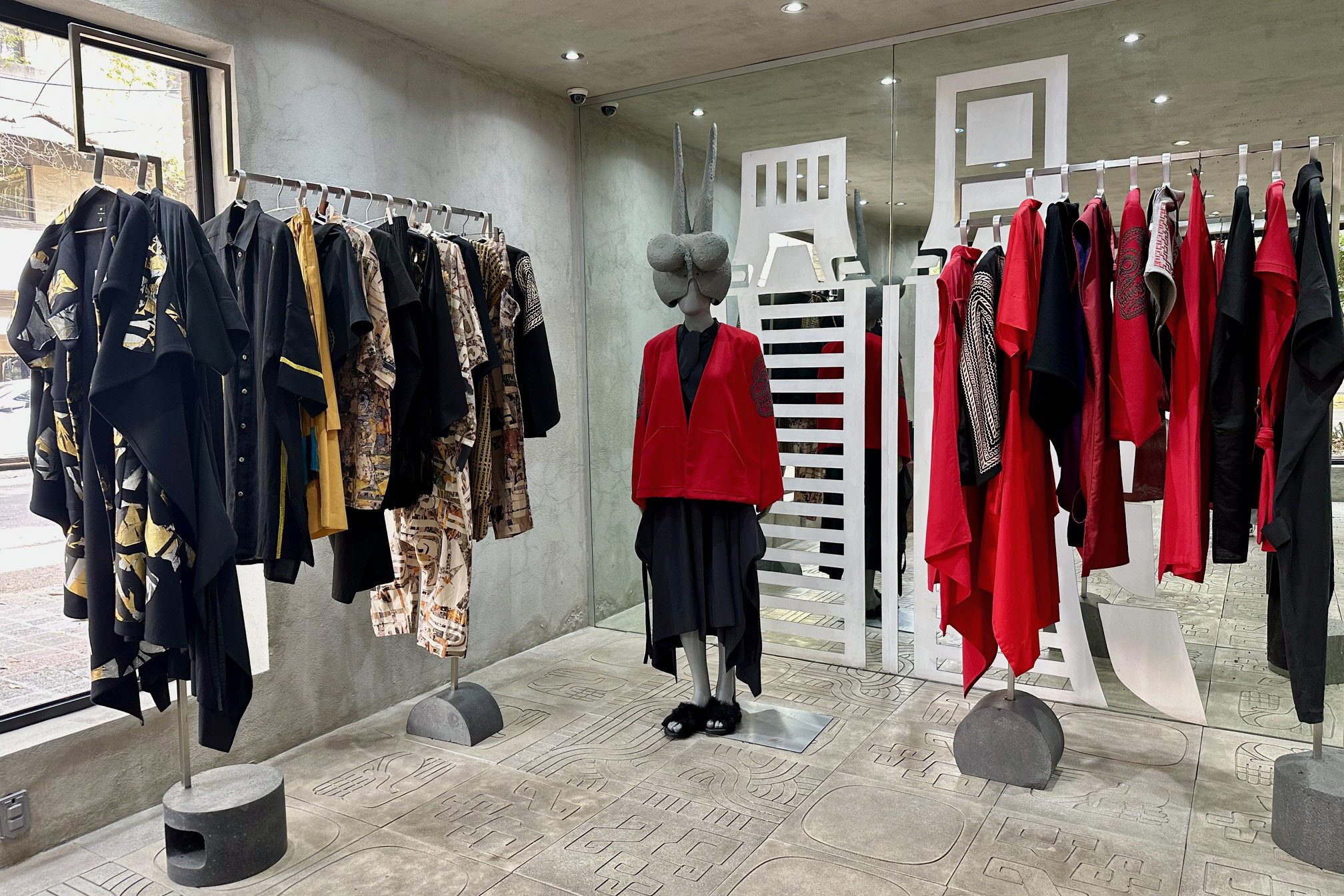
Carla Fernández shop in Juarez. Courtesy of Lauren Mowery.
Fashion House
Carla Fernández, México
Architectural fashion built on Indigenous Mexican textiles
Founded in 2000, Carla Fernández is a Mexico City fashion brand that works with Indigenous communities across Mexico to create modern, architectural clothing built from traditional pattern systems, not standard Western tailoring. Working with artisans in places like Chiapas and Oaxaca, the brand makes coats, dresses, and separates from handwoven wool and cotton, pays artisans directly, credits communities by name, and supports Indigenous intellectual property rights in fashion.
Studio 189, Ghana and the United States
Handmade West African textiles are scaled through a social-enterprise model.
Founded in 2013 by Abrima Erwiah and Rosario Dawson, Studio 189 produces clothing in Ghana using hand-batik, indigo dyeing, and kente weaving techniques. The brand works with artisan teams in Accra to create ready-to-wear collections sold internationally, linking fashion production with job creation and skills training. Studio 189 was the first African fashion brand to receive the CFDA + Lexus Fashion Initiative for Sustainability award.
Ibu Movement, United States
Global marketplace championing women artisan designers.
Founded by Susan Walker, Ibu Movement is a Charleston, South Carolina–based nonprofit that partners with women artisans in more than 40 countries. The organization supports the production and sale of handmade clothing, accessories, and textiles through its online marketplace, connecting makers to international customers and helping generate stable income in communities where economic opportunity is often limited. The company also has a travel arm called The Fringe Road, which connects donors to artisans on the ground through trips as far-flung as Uzbekistan, India, and Thailand.
Untouched World, New Zealand
Merino knitwear with verified animal welfare standards
Founded in 1995 by Peri Drysdale in Christchurch, Untouched World designs elevated knitwear and wardrobe staples using New Zealand merino wool and other natural fibers. The brand sources merino under a third-party standard that covers animal welfare, environmental care, and traceability, and it was the first fashion company globally to become a Certified B Corporation. Known for pieces like its Presidential Half Zip and fine-gauge sweaters, Untouched World pairs technical fiber performance with long-term environmental programs, including partnerships supporting regenerative farming.
Aiayu, Denmark
Elegant knitwear built on long-term artisan partnerships
Founded in 2005 in Copenhagen by Maria Høgh Heilmann, Aiayu works with artisan producers in Bolivia, Nepal, and India to create knitwear and wardrobe staples from natural fibers, including baby llama wool and organic cotton. The brand emphasizes long-term relationships with its production partners and publishes detailed information about materials, sourcing, and care. Aiayu sells directly online with international shipping to the U.S. and is stocked by select global retailers.

Harem Wrap Pants. Courtesy of Bibi Hanum.
Heritage Craftsperson or Collective
Zoubida, Morocco
Reworking Moroccan textiles into contemporary streetwear
Founded by Zoubida El Bouzidi, the eponymous brand works with artisans in Morocco to produce garments and accessories using traditional techniques and heritage textiles. The label is particularly known for statement jackets and outerwear made from handwoven and vintage Moroccan fabrics, cut into modern silhouettes. Production remains small-scale and hand-made. North Americans can order online.
Bibi Hanum, Uzbekistan
Bold Uzbek ikat woven by women artisans.
Founded by Muhayo Alieva, the woman-led brand Bibi Hanum works with textiles from Uzbekistan’s Fergana Valley to produce handwoven silk ikat garments used in coats, scarves, pants, and other accessories. Production supports income for women seamstresses and weavers, many working either in their atelier in Tashkent or from the convenience of their homes, when needed. The collections center on traditional Margilan silk weaving techniques translated into high-saturation, contemporary silhouettes. Her pieces can also be found at Ibu Movement in Charleston.
Nöl Collective, Palestine
Tatreez embroidery sustaining Palestinian craft traditions.
Founded by Yasmeen Mjalli, Nöl Collective is based in Ramallah and uses fashion as storytelling. It works hyper-locally with family-run sewing workshops, artisan studios, and women’s cooperatives across Palestine. Together, they co-create garments using generational techniques such as tatreez embroidery, weaving, and tailoring. The point is visibility. These pieces put Palestinian makers and craft on a global stage, with the politics of daily life built into how and where they are made. The studio is in Al Masyoon, Ramallah, and visits are by appointment. North American customers can order online with international shipping; timing varies with stock and logistics.
Sindiso Khumalo, South Africa
Printed and woven textiles grounded in African histories.
Founded in 2015, Sindiso Khumalo is a South African textile and fashion designer based in Cape Town. She launched her eponymous label with a focus on sustainable clothing featuring narrative-driven prints inspired by African histories and women’s stories. Her work draws on her Zulu and Ndebele heritage and includes handwoven textiles developed in collaboration with artisan workshops in South Africa and Burkina Faso. She operates a shop at the Longkloof Precinct in Cape Town, and North American customers can order through her online store, which offers international shipping; delivery timing depends on availability and processing.
Anatolian Craft, Turkey
Handcrafted Turkish footwear preserving regional skills.
Founded in 2016 by Bilge Can and her daughter, Begüm Can Öcal, Anatolian Craft produces hand-embroidered mules and slippers in Turkey. Materials are locally and ethically sourced, including genuine leather soles, insoles, and linings, with uppers in velvet or historic kutnu fabric, and often feature vivid colors and intricate patterns that reference Ottoman and Anatolian motifs. Production is small-batch, with uppers hand-stitched by female artisans, helping keep specialized shoemaking and embroidery skills alive in a world of mass manufacturing. North American customers can order directly through the website for international shipping, with delivery times varying based on stock and made-to-order production.
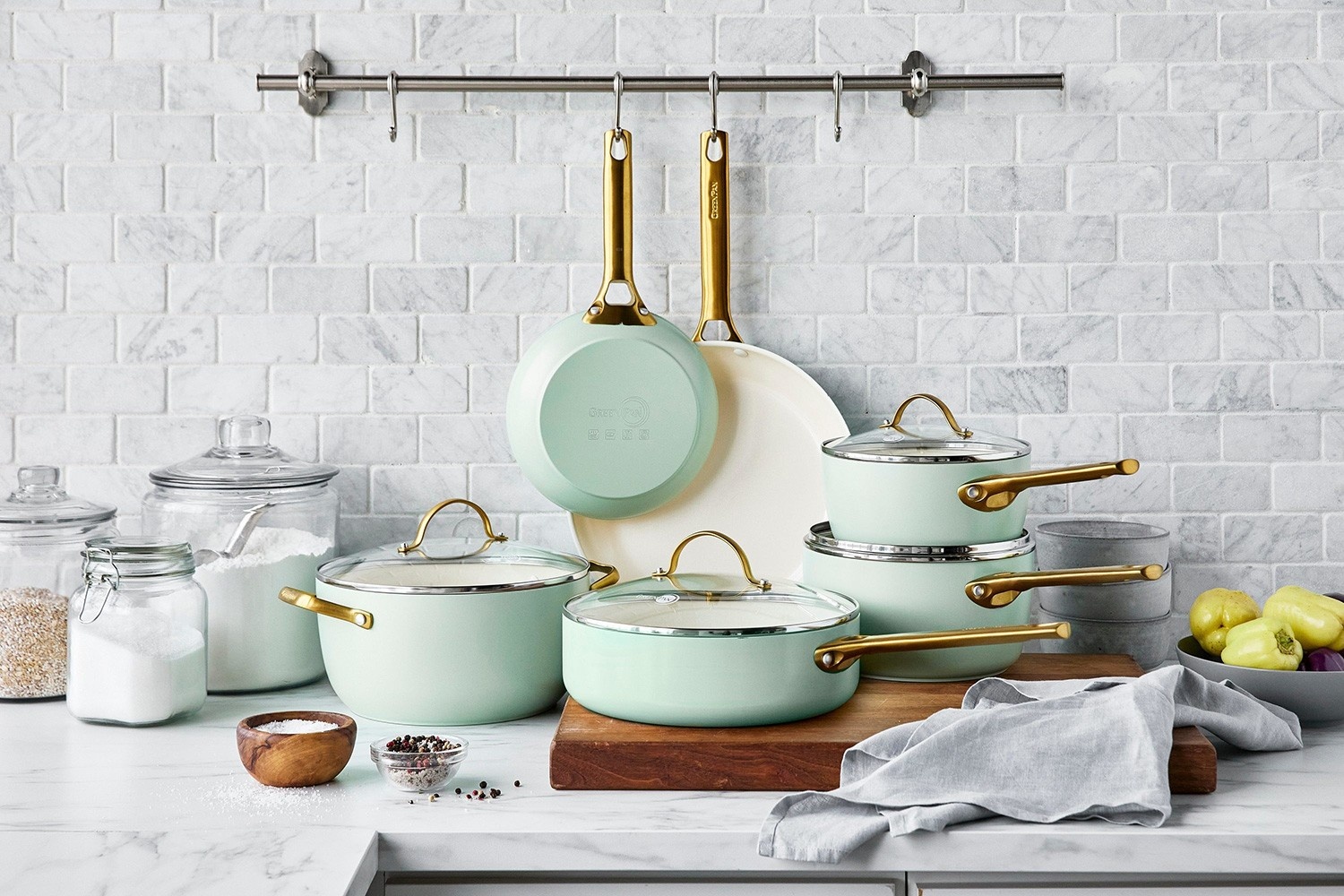
Pans by GreenPan. Courtesy of GreenPan.
Cookware Brands
Heritage Steel
U.S.-made stainless steel cookware built for long-term use
Heritage Steel produces its entire line of stainless steel cookware in Tennessee, using fully nontoxic materials and a manufacturing process centered on durability rather than speed or scale. The brand backs its products with a lifetime warranty and publishes unusually detailed educational resources on cookware care, metallurgy, and material performance. While Heritage Steel does not lead with formal climate targets or certifications, its commitment to domestic production, worker wages, and long-life design makes it a credible choice for cooks who value transparency, repairability, and multi-generational use.
de Buyer
French-made carbon steel cookware built for generations
Founded in 1830 in Faymont in France’s Vosges region, de Buyer manufactures carbon steel, stainless steel, and copper cookware designed for long service life and full recyclability. Its carbon steel pans are made without synthetic coatings and are intended to season over time. The company holds a Corporate Social Responsibility label and earned Exemplary-level recognition from AFNOR in 2022, and it cites factory-level measures, including an on-site wastewater treatment plant to prevent industrial discharge, beehives to support pollination, and regional reforestation projects.
Caraway
Design-forward, non-toxic cookware with low-waste packaging
Focusing on countertop-friendly aesthetics, Caraway makes ceramic-coated cookware and kitchen essentials with a strong emphasis on material transparency. The brand works with BSCI and SMETA–certified manufacturing partners, with standards covering worker safety, fair pay, benefits, and regulated hours. It ships orders in recycled-material packaging that comes free of single-use plastics. Caraway has also expanded beyond cookware into entertaining, including a complete bar set made from stainless steel.
Solidteknics
Long-lasting iron and stainless steel cookware from Australia
Formed from a single sheet of iron or stainless steel without rivets, coatings, or composite layers, Solidteknics manufactures its cookware in Australia. Designs are toxin-free and purpose- built around longevity and recyclability with a goal of multi-generational use. The one-piece construction eliminates common failure points and keeps materials simple, with no synthetic finishes to chip or wear away.
Made In
Restaurant-tested cookware for home kitchens
Built for daily use in professional kitchens and adapted for home cooks, Made In produces stainless steel, carbon steel, and nonstick cookware with an emphasis on durability and performance. The company publishes clear information on where its products are made and how they’re constructed, including materials and manufacturing partners. The result is cookware designed to stay in rotation for years, backed by unusually transparent production details that help buyers understand what they’re purchasing.
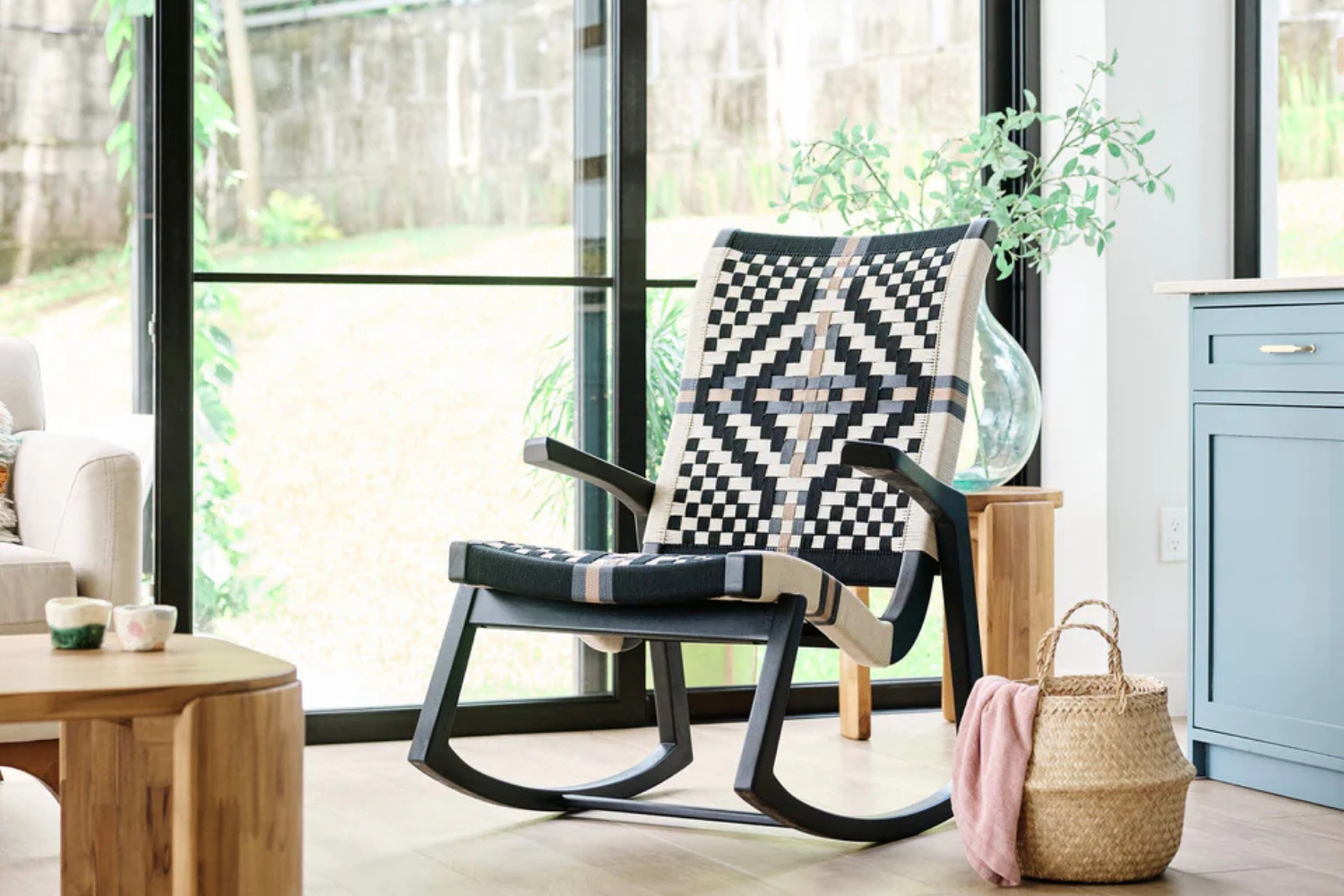
Amador Rocking Chair. Courtesy of MasayaCo.
Furniture Brands
TAKT CPH
Eco-certified Danish minimalist furniture
Founded in Copenhagen in 2019, TAKT makes minimalist, flat-pack furniture, primarily chairs, benches, and tables, with a contemporary Scandinavian aesthetic. Think clean lines, natural wood tones, and proportions that feel modern without chasing trends. The brand is a Certified B Corp, builds around circular design principles, and publishes clear, transparent information about how its products are made. TAKT ships flat-pack to improve shipping efficiency and designs components to be durable and repairable over time.
Avocado
Non-toxic mattresses and bedroom essentials built around certified materials
Founded in 2016, Avocado is best known for its mattresses, which are designed to feel plush and supportive while using materials positioned as lower-toxic for the home. The brand is a Certified B Corporation that leans on certifications and sourcing standards, including FSC-certified wood across parts of its furniture line. They’re not cheap, but for something you spend hours on every night, Avocado frames the cost as a long-term investment in comfort and materials you can feel good about and feel good under you.
Rarify
Meticulously restored mid-century and iconic furniture finds
Co-founded in 2021 by David Rosenwasser and Jeremy Bilotti, Rarify specializes in authentic collectible pieces and a curated mix of contemporary pieces, with restoration, education, and provenance at the center of the business. Rosenwasser views vintage as a smart response to “fast furniture” waste and knockoffs, since well-made originals are built to last and hold their value. The catalog spans major makers and icons, including pieces associated with Herman Miller, Knoll, Fritz Hansen, Carl Hansen, and Artek, with a deep online inventory and a Philadelphia showroom for in-person browsing.
MasayaCo
Colorful, artisan-made furniture built from a seed-to-seat forestry model
Former Peace Corps volunteer Aram Terry co-founded MasayaCo following his service in Nicaragua. While there, he saw locals growing trees on degraded pastureland to build a market for sustainably sourced lumber, which led him to begin planting and processing lumber himself. He later partnered with Abril Zepeda, an anthropologist and designer who grew up in the artisan town of Masaya, to turn that lumber into furniture. The line includes wood chairs, loungers, stools, and benches, many finished with the brand’s signature woven cord patterns in bold colorways. MasayaCo designs and manufactures in Nicaragua and pledges to plant 100 trees for every piece of furniture sold.
Form & Refine
Modern Danish furniture built around certified wood and signature joinery
Founded in 2018 by Helle Herman Mortensen, Jonas Herman Pedersen, and Lasse Lund Lauridsen, Form & Refine makes solid-wood furniture with clean Danish lines that’s built for longevity. The company is strong on transparency, publishing information on sourcing, inputs, its carbon footprint, and social equity. Form & Refine is an FSC-certified company and works to keep material sourcing and processing within a 100 km radius, where possible. Two signature designs are the Trefoil Table, built around a centered oak column base, and the Blueprint Chair, defined by a steam-bent, one-piece wood backrest. While they don’t ship to North America, you can find their products on third-party sites like Normode out of Atlanta.

Celebrating innovations in the clean and sustainable beauty space. Courtesy of Pexels.
Beauty Brands
Ethique
Plastic-free solid beauty products designed to eliminate packaging waste
Ethique develops solid-format beauty and personal care products intended to replace liquid formulations packaged in plastic. Founded in New Zealand and sold widely in North America, Ethique focuses on avoiding waste at the production and design stage, rather than relying upon downstream recycling. Their practices include compostable packaging, concentrated production, and reduced transportation emissions.
Cocokind
Accessible skincare with transparent sustainability reporting
With an eye toward affordable skin care, Cocokind produces botanical-forward products focused on environmental responsibility. The US-based company openly shares carbon footprints, sustainability metrics, and ingredient sourcing, while using post-consumer recycled materials in its packaging. The brand also supports community health and women-led initiatives.
UpCircle Beauty
Transparency in skincare formulations at commercial scale
Founded by a brother and sister in the U.K. who pitched (successfully) to Dragon’s Den (Shark Tank in the U.S.), UpCircle Beauty uses discarded byproducts from food and beverage production, including coffee grounds and fruit extracts. Products include face care (serums, creams), as well as hair and body care. Thanks to their New Jersey warehouse, they ship orders in North America in less than a day at competitive prices.
Mad Hippie
Accessible clean beauty brand emphasizing ingredient safety
Well-known sustainable beauty space Mad Hippie built its following by making ingredient transparency and nontoxic formulations approachable rather than niche. The brand prioritizes plant-based, bioavailable actives, avoids controversial additives, and publishes clear explanations of what’s included and why. Certified cruelty-free and mindful about packaging choices, Mad Hippie positions skincare as a practical daily health decision rather than a luxury ritual.
Nécessaire
Certified clean body care with climate-conscious formulations
Focused on body care, Nécessaire offers salon-grade products formulated with dermatologist‑approved actives and environmentally screened ingredients. The brand is Climate Neutral Certified, uses FSC-certified packaging, and incorporates lifecycle assessments to reduce emissions across production.
Founder and CEO of Azure Road, Lauren Mowery is a longtime wine, food, and travel writer. Mowery continues to serve on Decanter Magazine’s 12-strong US editorial team. Prior to joining Decanter, she spent five years as the travel editor at Wine Enthusiast. Mowery has earned accolades for her writing and photography, having contributed travel, drinks, food, and sustainability content to publications like Food & Wine, Forbes, Afar, The Independent, Saveur, Hemispheres, U.S. News & World Report, SCUBA Diving, Plate, Chef & Restaurant, Hotels Above Par, AAA, Fodors.com, Lonely Planet, USA Today, Men’s Journal, and Time Out, among others.
Pursuing her Master of Wine certification, she has also been a regular wine and spirits writer for Tasting Panel, Somm Journal, VinePair, Punch, and SevenFifty Daily. Mowery is a graduate of the University of Virginia and Fordham Law School, and she completed two wine harvests in South Africa.
Follow her on Instagram @AzureRoad and TikTok @AzureRoad
North Stars: Certifications, Climate Actions, Waste Management
More Stories
 CULINARY, DRINK
Get to Know the Producers Behind the J.P. Bourgeois Portfolio
 CULINARY, DRINK
Where to Taste Wine in Willamette Valley
 DRINK
DRINKMeet the Distillery Making Vodka From Fog
 DRINK
DRINKSake’s Next Step: How Japan’s Rice Wine Is Evolving
 DRINK, HOME
The Buzz on InFizz: Breville’s Carbonator Elevates Sparkling Water