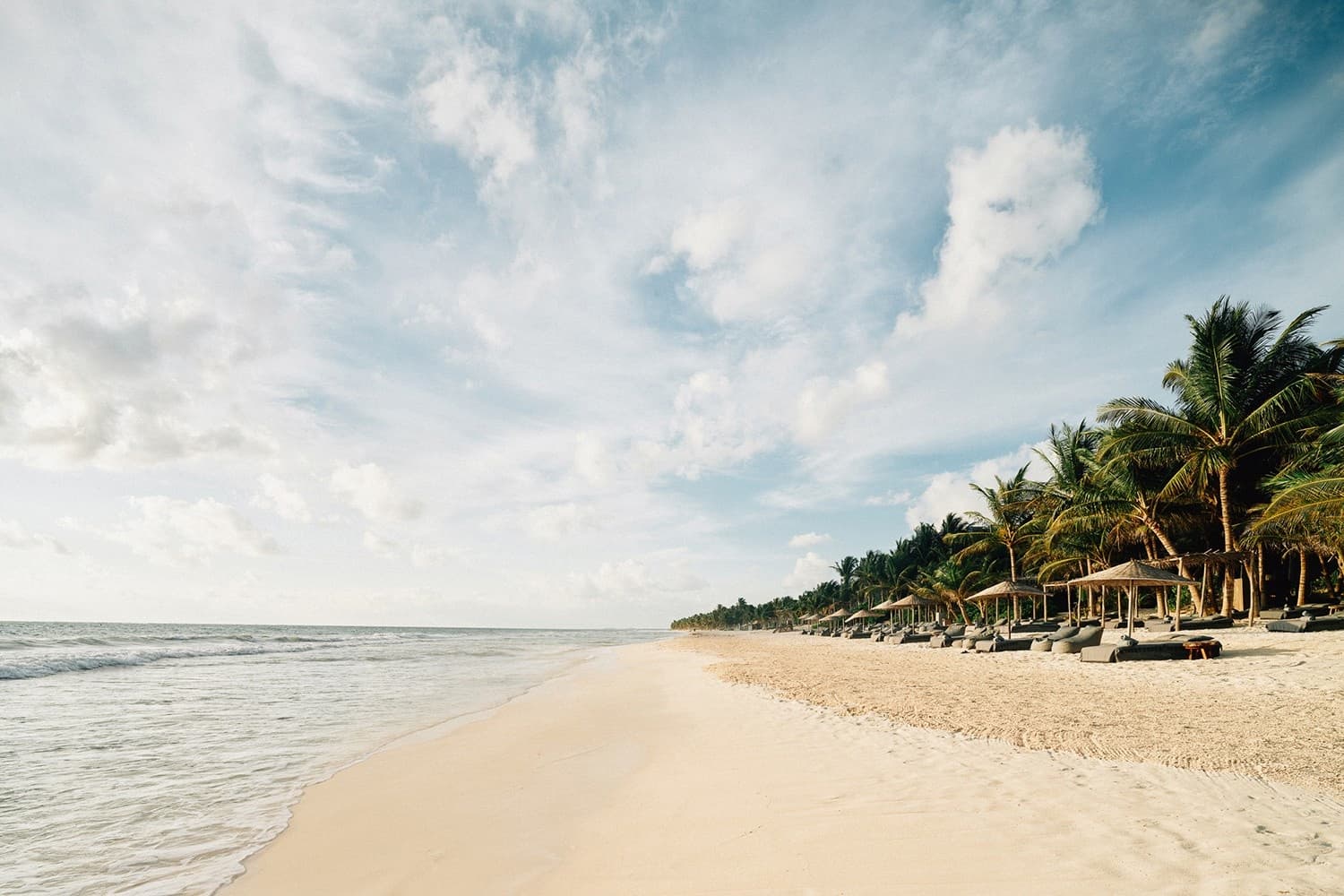
“Experiencing only one side of Tulum is a bit like visiting New York and never leaving Manhattan.”
Long before most travelers arrive, they feel connected to Tulum, whether through Instagram posts, celebrity vacations, or endless discourse declaring it either paradise or a scam. But like most places transformed into mythology through social media, the reality is far more nuanced and interesting.
“Tulum is full of contrasts,” says Pedro Ossa, founder of leather goods brand OSSA and a longtime resident. “It can enchant you or exhaust you, often within the same day.”
Yes, Tulum can be chaotic. The infrastructure still struggles to keep pace with demand, prices seem inflated, and navigating the destination without understanding its geography or rhythm leads to frustration. But it is also home to coveted beaches, a striking intersection of jungle and sea, extraordinary biodiversity, and a creative community.
“One of the biggest misconceptions about Tulum is that it’s just a beach destination,” says Paola Escalante, General Manager of Layla Tulum Boutique Hotel and curator of community programming and guest experiences at Layla and Sana Tulum. “In reality, it’s a collection of ecosystems: the sea, the jungle, the cenotes, the lagoons, the pueblo, nearby Maya communities, and the archaeological sites that connect them all. Experiencing only one side of Tulum is a bit like visiting New York and never leaving Manhattan.”
Doing Tulum right focuses less on where you stay and more on how you experience it.
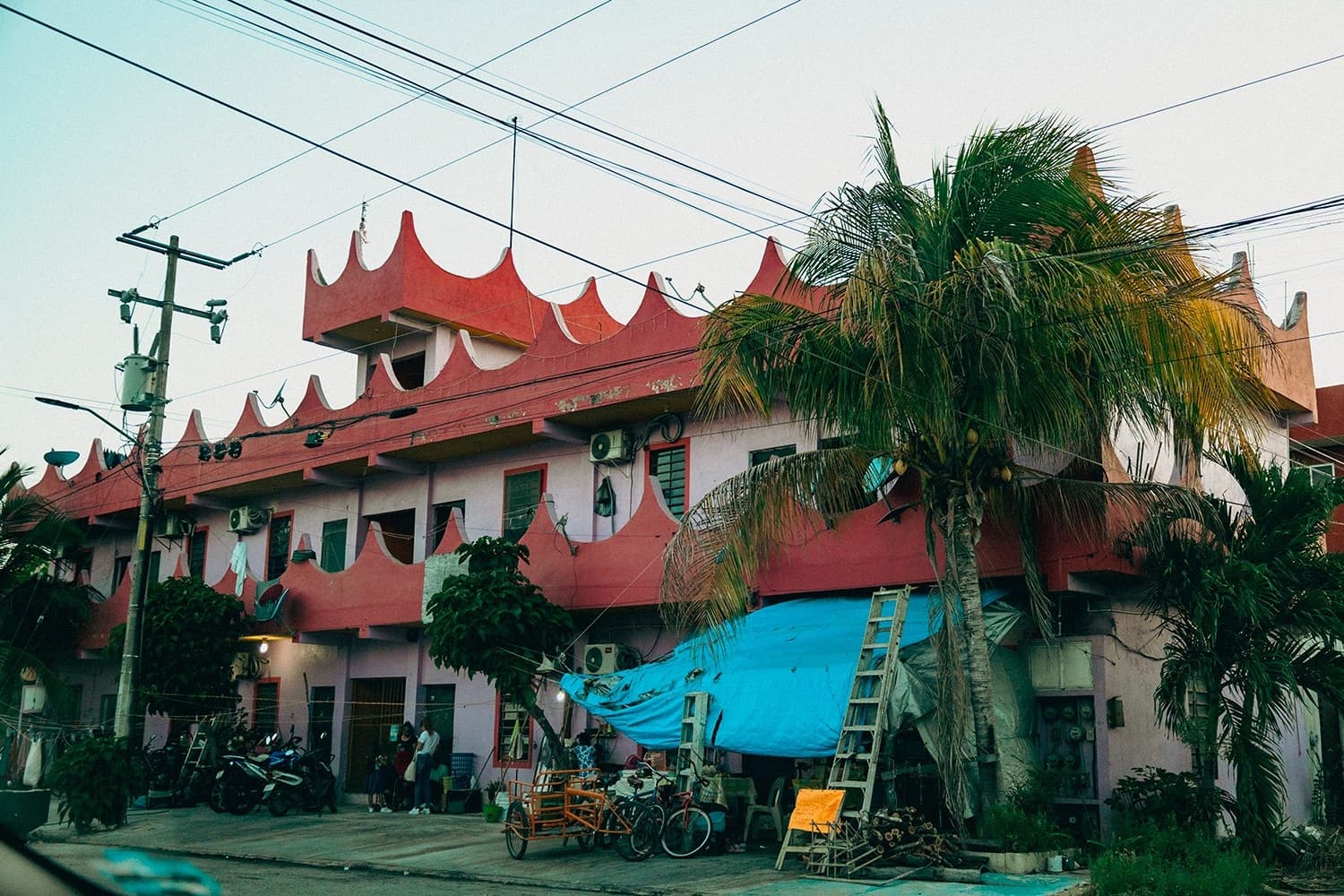
Exploring Tulum's pueblo. Courtesy of The Polf
How to Get to Tulum
Located on Mexico’s Yucatán Peninsula, Tulum sits along a stretch of Caribbean coastline where jungle meets sea beneath the ruins of the only known Maya city built facing the sea.
For years, the main entry point was Cancún International Airport, a two-hour drive away. But in late 2023, Tulum International Airport opened. Located about thirty minutes south of town, its direct flights from cities like New York, Miami, and Los Angeles dramatically simplified arrivals, particularly during the busy season from November through March.
Even with the new Tulum airport, Cancún remains an easy and affordable arrival choice, with private transfers, rental cars, and frequent ADO bus departures.
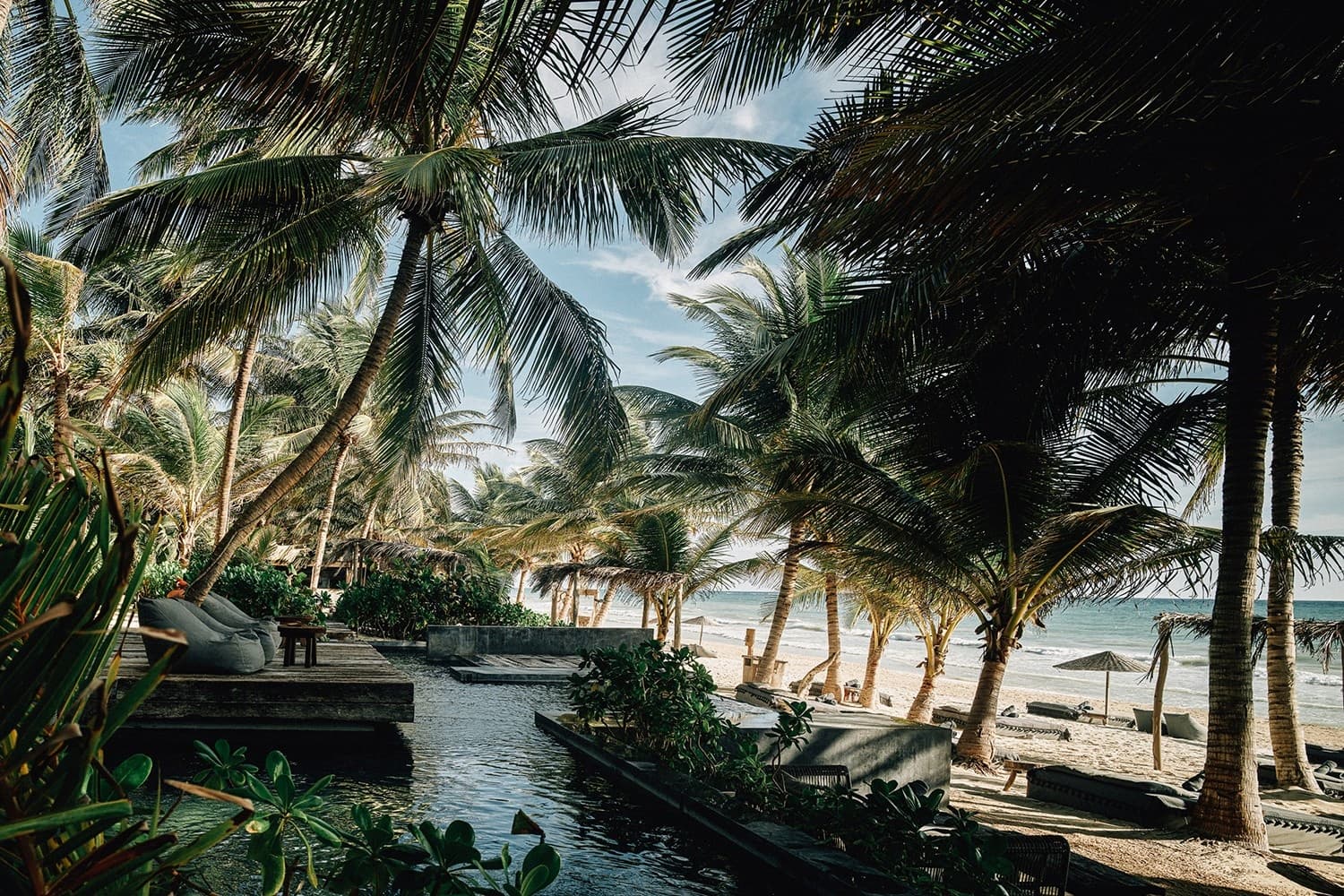
The beachfront at Nomade. Courtesy of Nomade
When to Go
Tulum is at its best from November through April, when the weather is warm and pleasant. Peak season runs from late December through January, when festivals like Zamna bring larger crowds and higher prices. The rest of the year offers a quieter experience, though temperatures and humidity rise, and sargassum seaweed chokes coastlines. For many locals, November is the ideal month to visit, with cooler mornings, crystal-clear water, and fewer crowds.
Accommodation prices fluctuate wildly depending on the season. During New Year’s Eve or January festival season, hotel rooms can easily climb above a thousand dollars per night. Return during the quieter months, and those same properties may cost a fraction of that. The same applies to Airbnbs.
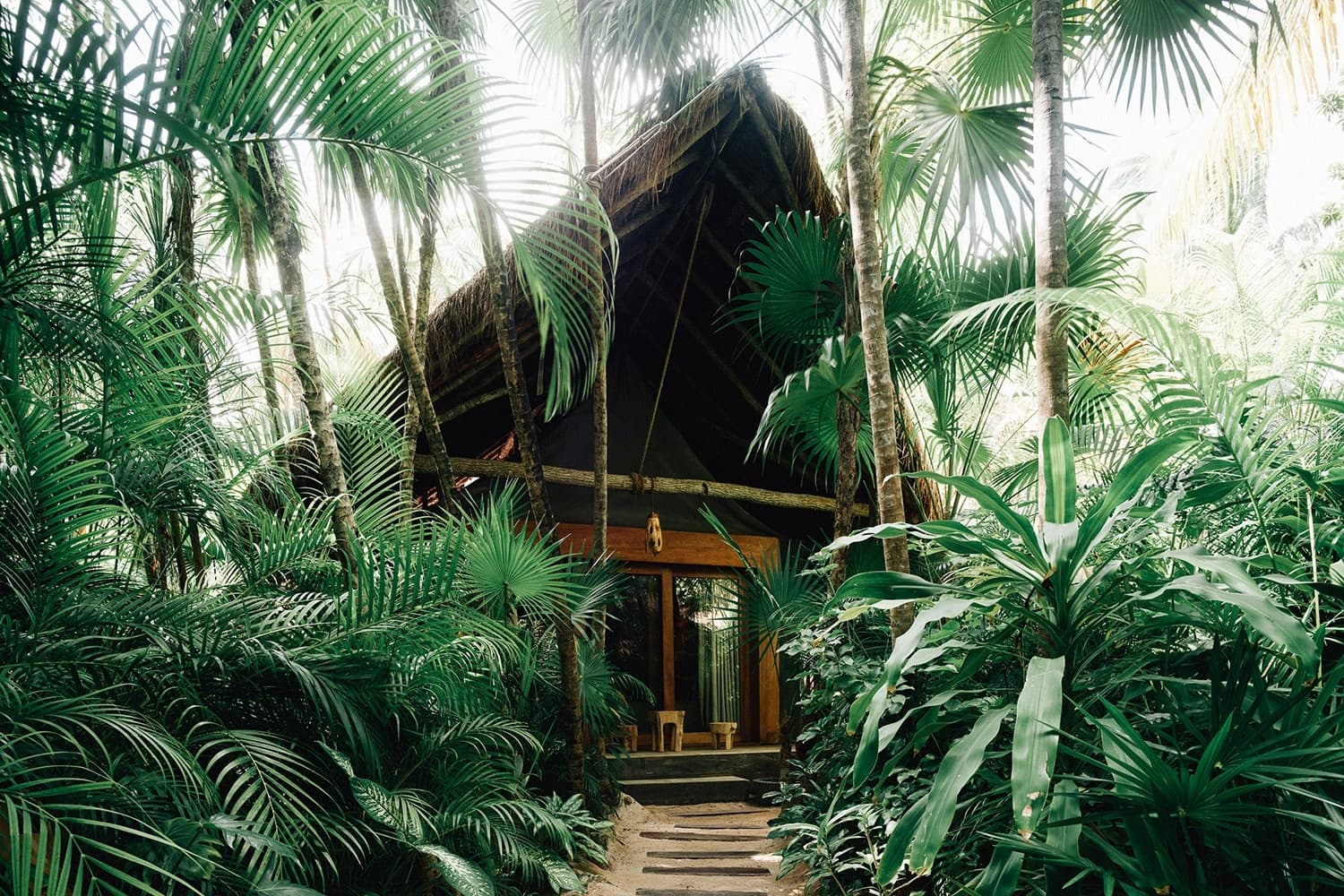
Jungle stays at Nomade. Courtesy of Nomade
Where to Stay: Tulum Beach vs. Town
Tulum’s layout is fairly simple. The town itself, known locally as Pueblo, sits inland, while the beach zone stretches several miles along the coastline, about fifteen minutes away, depending on traffic. The beachfront is lined almost entirely with hotels, restaurants, and beach clubs, while most Airbnbs and long-term rentals are located inland in neighborhoods like Aldea Zamá, La Veleta, and Región 15.
“The beach and the town are two completely different worlds. The beach is more sensory and escapist — boutique hotels, oceanfront restaurants, and a carefully curated atmosphere,” says Ossa. “Town is more everyday, accessible, creative, cultural, and even a little surreal. To really understand Tulum, you need to experience both sides.”
Staying inland has more affordable options with better access to cafés, taquerias, supermarkets, fitness studios, and everyday life. An apartment-style hotel with a rooftop pool, cultural programming, and an on-site gallery, Bacab is a chic choice. But an in-town stay also means planning transportation to the beach, which can be a pain in the high season when traffic becomes notoriously slow.
Staying directly on the beach offers immediate ocean access but often at dramatically higher prices. For a beachside stay, Panamera, sister property to Bacab, will suit design lovers just fine with its stylish rooms and checkerboard pool. Ikal, close to Playa Esperanza, also comes recommended by Escalante.
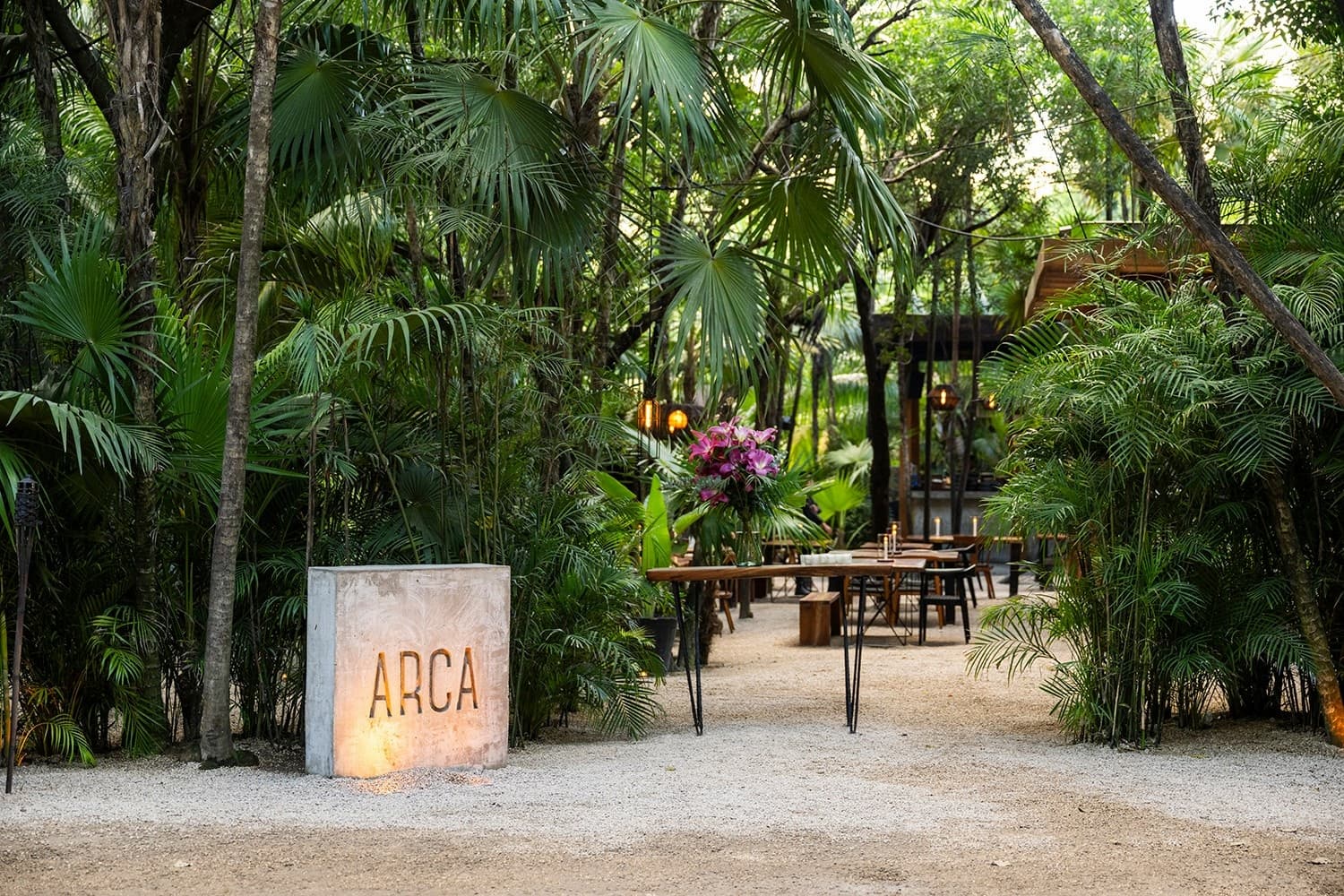
Dining at ARCA. Courtesy of ARCA
Currency, Costs, and Zone Pricing
Despite its global image as a luxury wellness destination, Tulum can still be surprisingly affordable. The key is realizing that there are essentially two parallel economies: the international-facing beach zone and the more local Pueblo.
Mexico runs on pesos, and there is almost never a reason to pay in dollars. Doing so usually means accepting a poor exchange rate and an immediate tourist markup.
The most expensive part of a Tulum trip is often not accommodation or dining, but transportation. Taxis remain one of the destination’s most frustrating realities, with inconsistent pricing that locals and visitors complain about equally. Staying close to the main area you hope to spend time in can help defray some of those transit costs.
Food prices also shift dramatically depending on where you are. On the beach, cocktails can easily cost twenty dollars, and minimum spends are common. Meals here can be pricey but worth it, as is the case with the Michelin-recognized ARCA. Head in-town for some of the most affordable, yet memorable, meals, like Taquería Honorio, Negro Huitlacoxe, Nega Tomasa, and Italdo.
The same pricing and logic applies to nightlife. Hotel-zone places like GITANO and Ilios operate almost as theatrical experiences, with hefty bills come evening’s end. At the same time, in town, a no-fuss Negroni at El Bodegón, a beer at La Guarida, or a pizza at La Pizzine can easily turn into one of the best nights of your life.
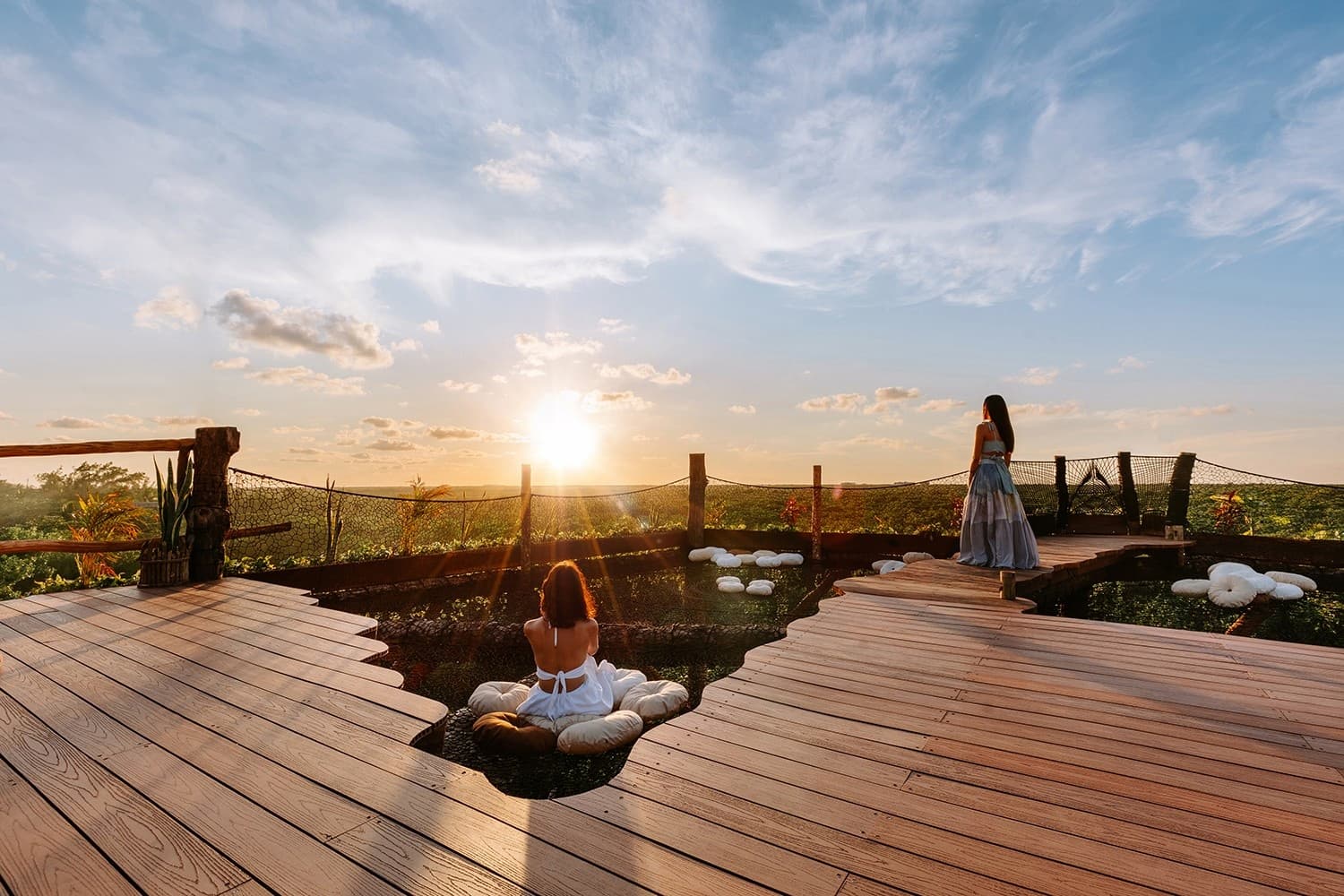
Views from AZULIK. Courtesy of AZULIK
What’s Actually Worth It
The things most worth spending money on in Tulum are usually the things that make the destination special in the first place: access to nature, long beach days, excellent food, and activities that connect you to the landscape.
Tours and Excursions
Some of the best operators and hotel concierges can handle the logistics for you while also pointing you toward their favorite local experiences.
Serendipity Travel Experiences is among the most trusted, offering seamless transportation and access to a network of top guides, captains, and local experts. For bespoke itineraries, events, and excursions, Todo Tulum is another excellent resource. For birdwatching, wildlife encounters, and immersive nature experiences, Yucatán Outdoors stands out for its expertise and genuine passion.
Beach Clubs
Beach clubs, despite their minimum spends, can genuinely be worth it. If you already plan to spend the day swimming, eating, drinking, and relaxing by the sea, the economics often balance themselves out. Not every beach club operates at the same level of exclusivity. Places like La Eufemia feel relaxed and approachable, while Nomade and Casa Malca offer a more elevated experience.
Exploring Out of Town
In terms of cenotes — swimmable sinkholes, sacred to the Maya for centuries — it’s the same logic as beach clubs. Some, like Vesica, are highly developed, with luxe lounge areas and dining. In contrast, others remain wonderfully laidback, with little infrastructure or amenities where nature remains the star.
Apart from cenotes, Cobá, Muyil, the Tulum ruins, and small Maya villages make for accessible and often overlooked day trips. Ossa recommends renting a car and allowing yourself to get a little lost. Escalante says her favorite day trip is Punta Laguna (everyone’s favorite local secret), and also recommends visiting the canals of Muyil and the lagoon at Sipalitos.
Instagram vs. Reality
Yes, Tulum is home to some of the most recognizable imagery on social media. But reducing the destination to its Instagram highlights misses its deeper aesthetic language: palapa architecture built from local woods and stone, woven lighting, handmade ceramics, carved doors.
The best way to experience that side of Tulum is to invest in the local creative ecosystem. Purchase from the artisans selling handmade jewelry and woven bags. Visit independent galleries and workshops like FOUND and Kaahal. Shop from local brands like La Bikineria. But of course, some Insta-famous spots, like SFEK IK Museion, are worth the visit.
Tulum, Your Way
The people who tend to fall in love with Tulum are often those who stop trying to force it into a preconceived idea. They accept that plans will change, that the weather won’t always cooperate, and that the best meal of the trip may happen at a plastic table rather than a beachfront restaurant.
“Tulum amplifies what you’re already searching for,” Ossa says.

Angelika Pokovba is a writer living between New York City and the Mexican jungle, where she writes about travel, design, culture, hospitality, and the rituals that shape the way we live. Drawn to ancestral traditions, sustainability, and destinations with a strong sense of place, her work explores the nature, identity, craftsmanship, and modern life through an immersive and oftentimes personal lens. She speaks six languages, loves getting lost in local markets and cooking elaborate meals from whatever she picks up along the way, and feels most at peace at 10,000 feet. Follow along on @wordsbyangelika.
North Stars: Community Support, Heritage Value, Wildlife and Ecosystems
More Stories
 CULINARY, DRINK
Get to Know the Producers Behind the J.P. Bourgeois Portfolio
 CULINARY, DRINK
Where to Taste Wine in Willamette Valley
 DRINK
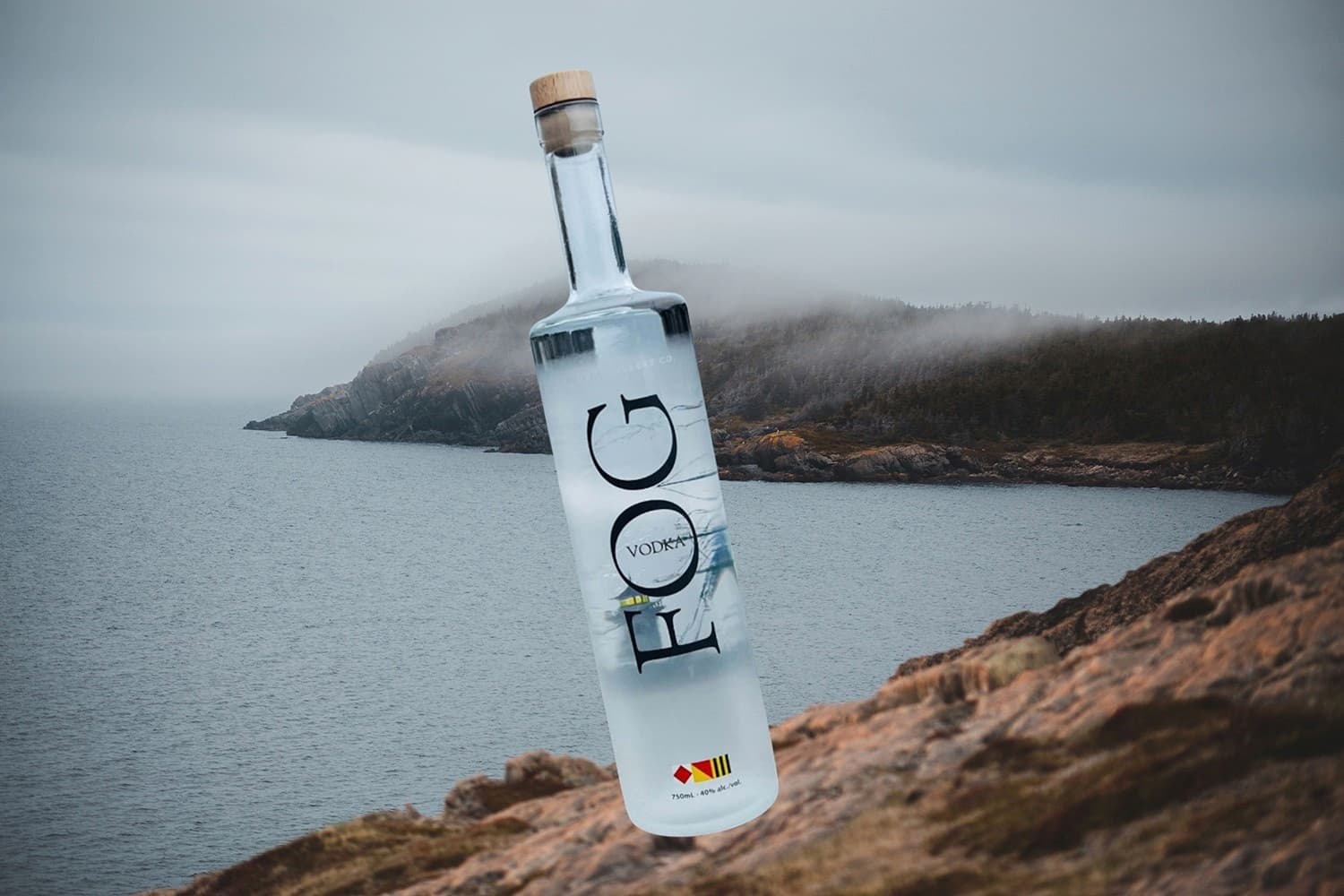
DRINKMeet the Distillery Making Vodka From Fog
 DRINK
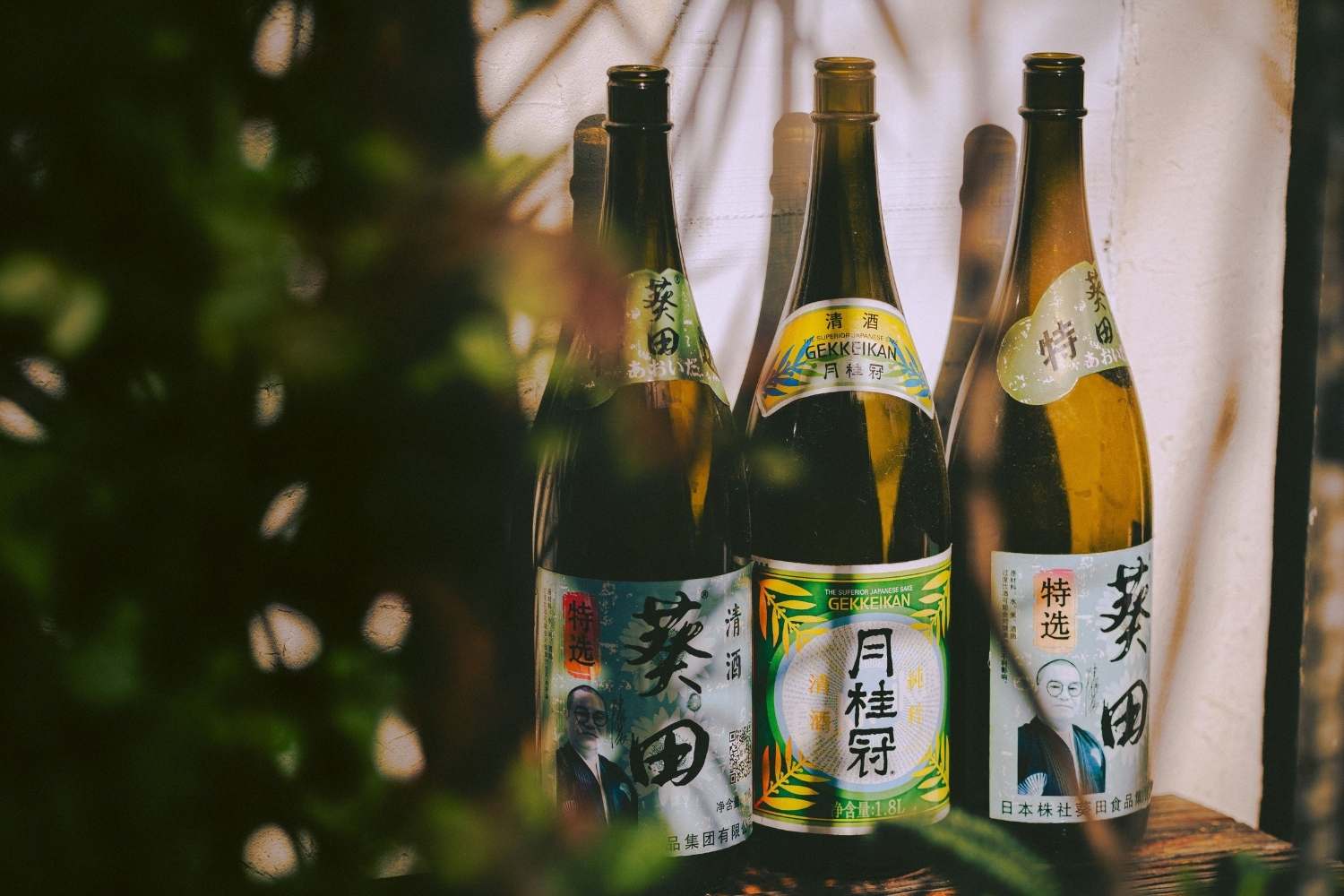
DRINKSake’s Next Step: How Japan’s Rice Wine Is Evolving
 DRINK, HOME
The Buzz on InFizz: Breville’s Carbonator Elevates Sparkling Water