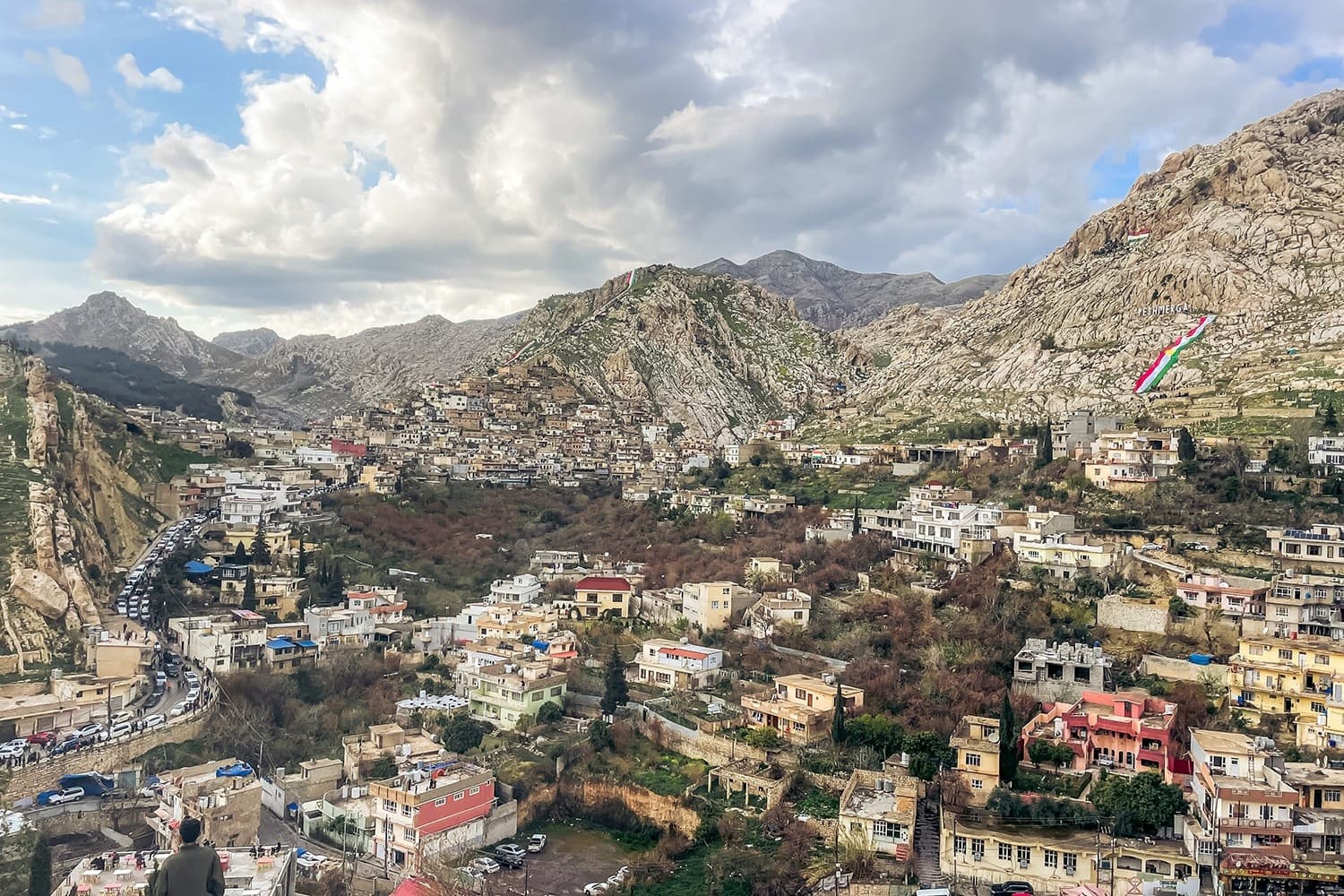
“Everywhere I went, Kurds went out of their way to open their homes.”
In Western dialogue, much of Iraq is associated with conflict. But there is an overlooked region in the country’s north that offers a very different experience. Officially, it’s known as the Kurdish Region of Iraq. But it goes by many names: Iraqi Kurdistan, Kurdish Iraq. To the locals, though, it’s known as Southern Kurdistan; the preferred title, reflecting the residential pride for this hard-fought autonomous region defined by rugged mountains, ancient history, and famously warm hospitality.
A roughly defined region that forms part of greater Kurdistan, Southern Kurdistan spans some 25,000 square miles in northern Iraq. Home to the Kurdish people, an ethnic group spread across modern-day Iraq, Iran, Syria, and Turkey, the region has a distinct culture, language, and identity that dates back to ancient Indigenous tribes living in the Zagros Mountains more than 2,000 years ago. Over the last century, Kurdish culture and identity have largely been shaped by a fight for independence against neighbors that opposed Kurdish autonomy. Kurds are stateless, but formal autonomy was established in 2005 in the Iraqi Constitution. Now, Southern Kurdistan has slowly emerged as an understated destination beyond the typical tourist trail with few other foreign visitors.
Whether seeking outdoor adventure or cultural immersion, here are 10 reasons to visit Southern Kurdistan before the rest of the world catches on.
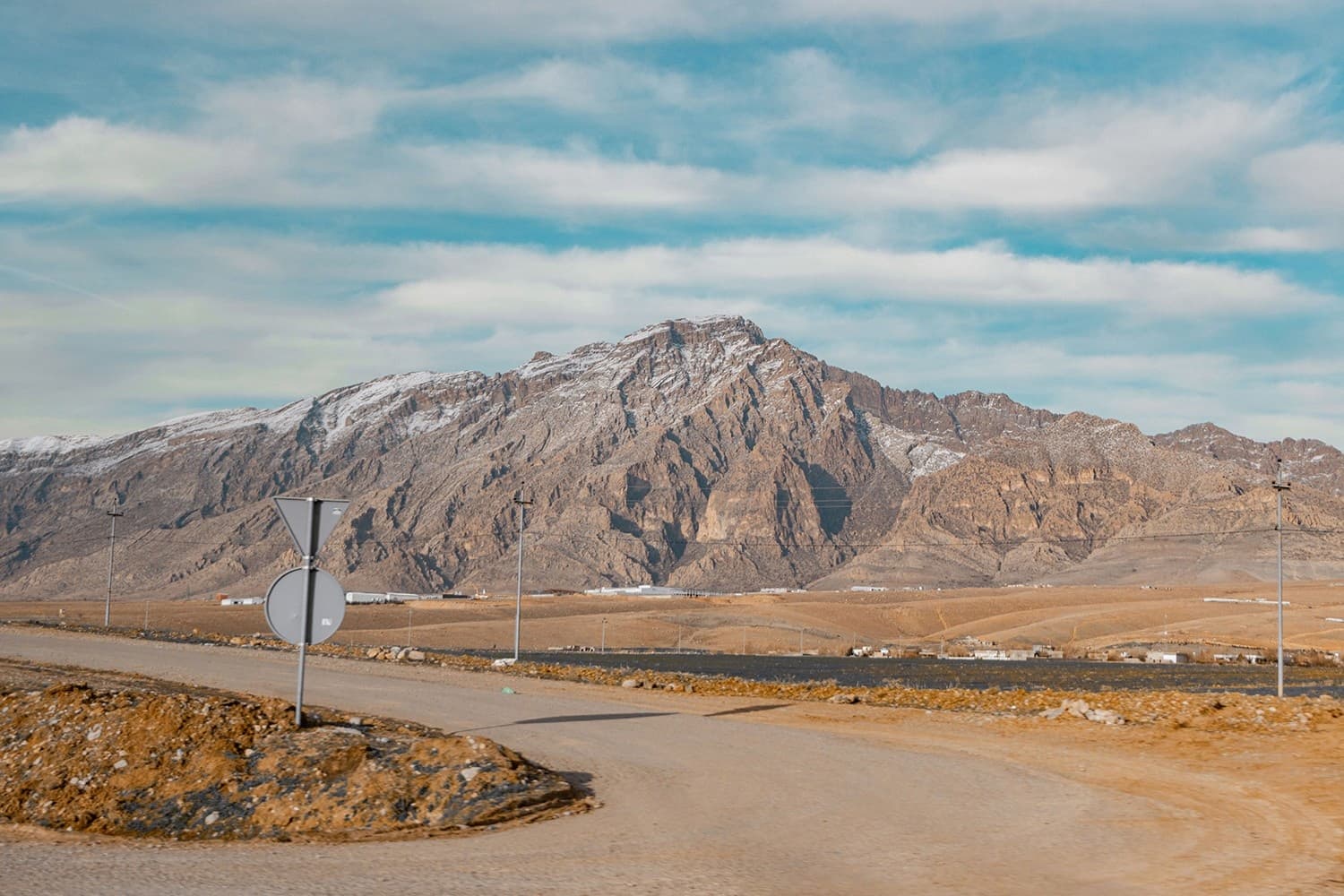
Mountain roads in Southern Kurdistan. Courtesy of Pexels
1. Navigate Thousands of Years of History
Southern Kurdistan sits at the cradle of a fascinating mix of history and culture, dating back to early Mesopotamian civilizations. Across time, Arab armies, the Greek, Roman, and Ottoman Empires, and trade across the Silk Road have influenced the greater region, leaving monuments and relics along the way.
Explore pieces of this intricate history at Syriac Orthodox monasteries, Kurdish stone fortresses, millennia-old citadels, and caverns from the Paleolithic and Neolithic periods. In the capital city, the Citadel of Erbil (known as Qellat locally) sits atop an archaeological mound and is thought to be between 6,000 and 8,000 years old.
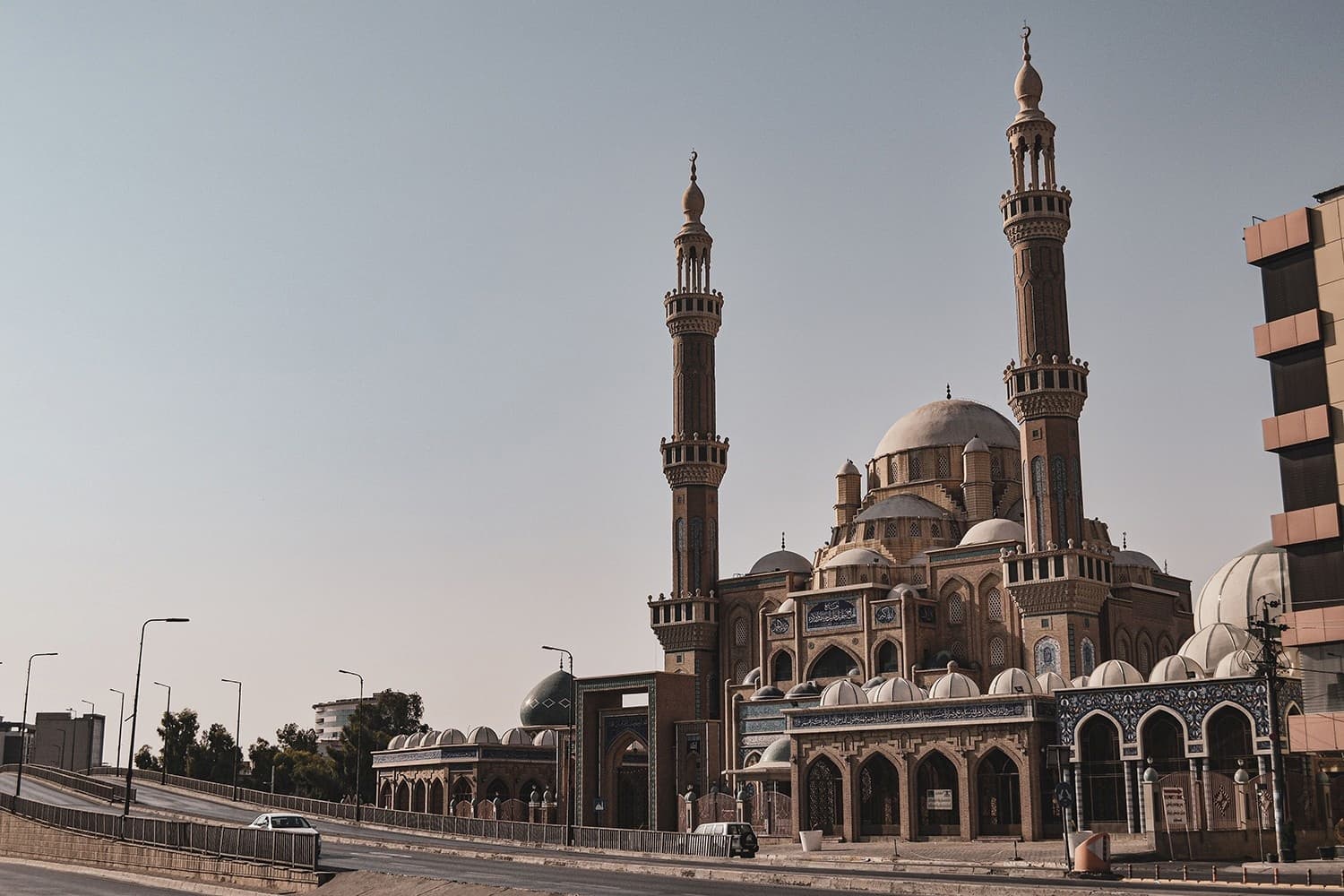
The city of Erbil. Courtesy of Pexels
2. Shop in One of the World’s Oldest Cities
With a history dating as far back as the early Bronze Age, Erbil’s long lineage as one of the world’s oldest continually inhabited cities is reason enough to visit. But here is also where visitors find a market that’s been drawing shoppers for over 800 years. Established in 1195 and located at the foot of the citadel, the Qaysari Bazaar beckons shoppers to get lost for hours in its winding alleys.
Sample honey-soaked sweets and dates, wander past deep barrels of dried nuts, spices, and grains, and browse carts stacked high with watermelons, tomatoes, and legumes. For take-home gifts and mementos, bargain for vintage Kurdish rugs woven in shades of red, orange, and burgundy. When a break is needed, take it all in with a cup of mint tea at one of the rooftop cafes on the market’s edge.
3. Discover the Mysterious and Misunderstood Yazidi Culture
The Middle East is a nexus for many of the dominant religions of today, but other belief systems endure here as well. Yazidism is an ancient faith whose roots draw on traditions that predate many of the world’s major religions. According to Yazidism, one God created the world and entrusted its care to seven angels; their leader, the peacock angel Malak Ṭāʾūs, is the figure responsible for all things bad and good that take place in the world.
The ethno-religious minority that follows this belief system, known as Yazidis, live in northern Iraq, with the Nineveh Plains town of Lalish serving as their spiritual center. Similar to the Kurds, Yazidis have faced persecution, vilification, and even genocide from stronger regional forces like ISIS. Here, in one of their few strongholds, their holy site – a collection of conical-roofed white stone temples built into a mountain valley – is an ideal place to learn about this ancient religion. During Charshama Sor, or the Yazidi Easter, you can partake in ancient spring festivities, including dyeing eggs and lighting olive oil lamps.
4. Learn about Sulaymaniyah’s Literary Legacy
Set near the border with Iran, Sulaymaniyah is the cultural capital of Iraq whose literary history has earned it a Creative City of Literature designation from UNESCO. It was, and is, the home of poets who shaped the Kurdish language, a center for journalism and higher learning, and a haven for free expression and revolutionary ideals – values that proved to be dangerous during Hussein’s rule, as the city housed a notorious prison and detention facility used for dissidents.
But today, the city celebrates its free-spirited spoken and written word history. Streets are named for poets, statues of Kurdish writers line Azadi Park and Slemani Public Park, and literature festivals are held each year, including Galawezh Cultural Festival. A grassroots movement of young creatives also thrives here, found in places like the Culture Factory, a former tobacco factory turned into a creative space, and the line of cafes on Salim Street, perfect for an afternoon of coffee and a book. The Vintage Cafe, its walls covered with antique paintings and relics, is a classic spot for creatives.
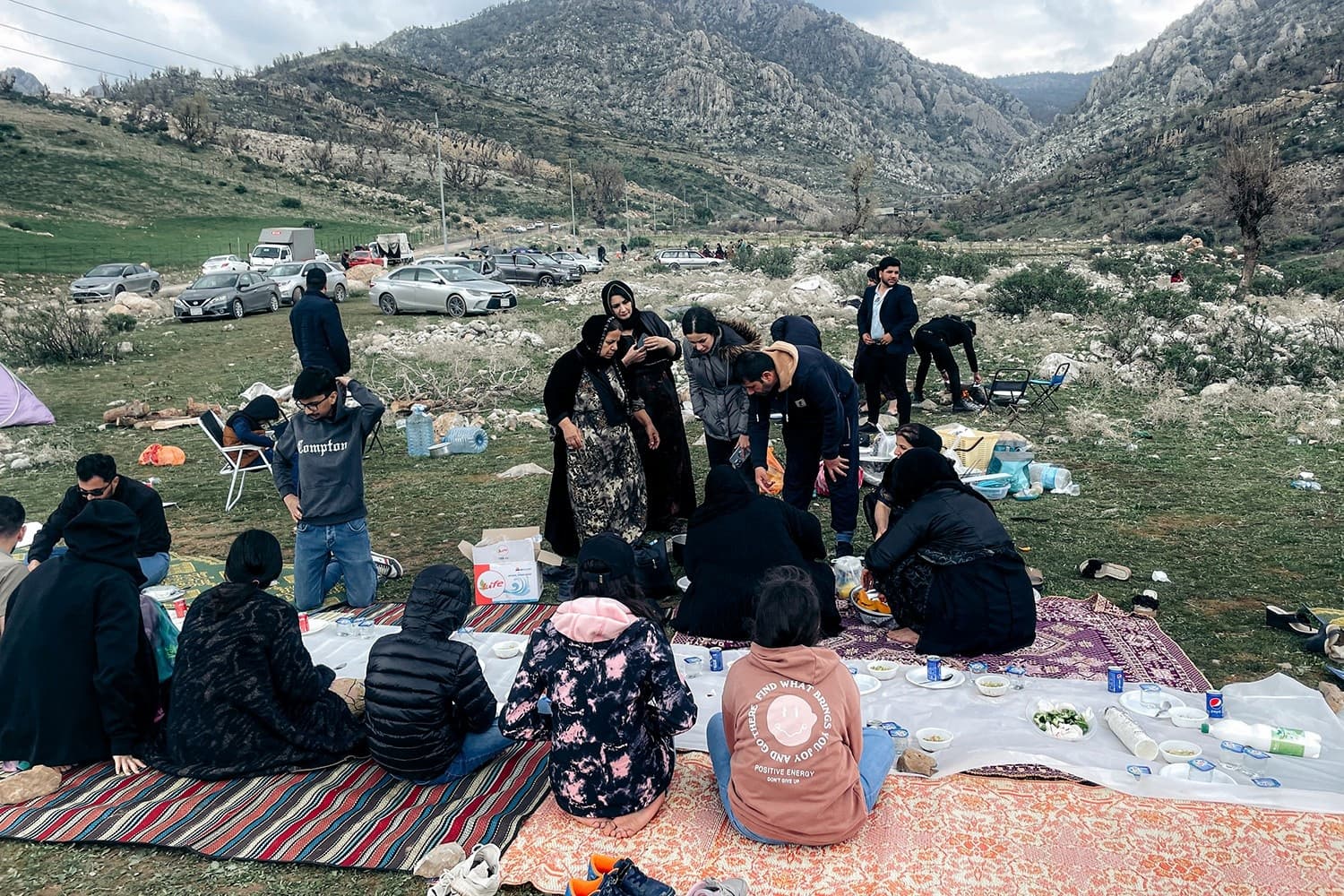
A Nowruz picnic near Akre. Photo by Alicia Erickson
5. Join in the Revelry of Nowruz, the Kurdish New Year
Travelers who enjoy planning their trips around cultural festivities should consider visiting for Nowruz, the Kurdish New Year. Celebrated on March 21, coinciding with the spring equinox, Nowruz marks new beginnings and new life, and is intricately intertwined with Kurdish culture.
Akre, an over-2,500-year-old city built into the hills of a mountainous valley, is unofficially considered to be the celebration’s capital. On March 20, locals and visitors gather on roofs and hilltops to watch fireworks and a procession of flaming torches descend into the city center. Over the following days, elaborate picnics unfold in the mountains with feasts, music, and dancing.
6. Drive Along the Mountainous Hamilton Road
Carved through the mountains in the 1920s by New Zealand engineer A.M. Hamilton as part of a larger plan to develop a British-controlled trade route connecting the Caspian Sea and the Caspian Mountains, the 115-mile-long Hamilton Road is one of the most dramatic drives in the region.
The narrow, precarious route stretches from Erbil to Haji Omeran on the Iraq-Iran border, snaking through sheer gorges, tunnels carved into cliffsides, and expansive mountain landscapes. The road connects beautiful scenery and offers plenty of opportunities to stop for tea, photographs, and views. Hamilton even wrote a book, Road Through Kurdistan, to see the region through Hamilton’s eyes while traveling.
7. Hike the Zagros Mountain Trail
Stretching 133 miles from the village of Shush to the base of Mount Halgurd, Iraq’s second-highest peak, the Zagros Mountain Trail is a long-distance hiking route taking travelers through some of the region’s most spectacular mountainous landscapes. Traversing peaks and valleys and passing by remote villages and historic sites, with overnight stays in rural communities and local homestays, the route follows paths used by traders, pilgrims, and shepherds.
The full trek can take about two weeks, but day hikes are also a possibility. While officially opened in October 2023, the trail remains a work in progress, so it’s recommended to go with a local guide who can assist with safe navigation while providing cultural context along the way. It’s a crowd-free taste of long-distance trekking, long lost from many other popular trails elsewhere in the world.
8. Overnight at Local Homestays
Kurdish hospitality is some of the warmest I’ve encountered. Outside the major cities, accommodation options can be limited, making homestays the default option, so I often stayed with local hosts, mostly found through Couchsurfing, which was a fantastic way to learn about Kurdish culture, eat (and help cook) food not found in restaurants, and celebrate local holidays. Although I traveled solo, everywhere I went, Kurds went out of their way to open their homes, offer a warm plate of food, or help me if I was lost.
9. Sample Seasonal Specialties
While Kurds share some cuisine with the wider region, such as grilled meat, rice dishes, and flatbread, there is a distinct Kurdish culinary tradition influenced by the mountainous landscape. Spring is a particularly abundant time when foraged ingredients, like wild asparagus and mountain herbs, take center stage. Sample yaprak (grape leaves, eggplants, and peppers stuffed with rice), kubbeh (meat-stuffed dumplings), pumpkin soup, and qazwan, a rich, caffeine-free Kurdish coffee made from wild pistachios.
Larger cities and towns offer some restaurants, but dining in the home of your hosts is the best way to savor local offerings not found elsewhere. During Ramadan, streets buzz with night markets selling kebabs, coffee, pomegranate seeds, green almonds, and sweets.
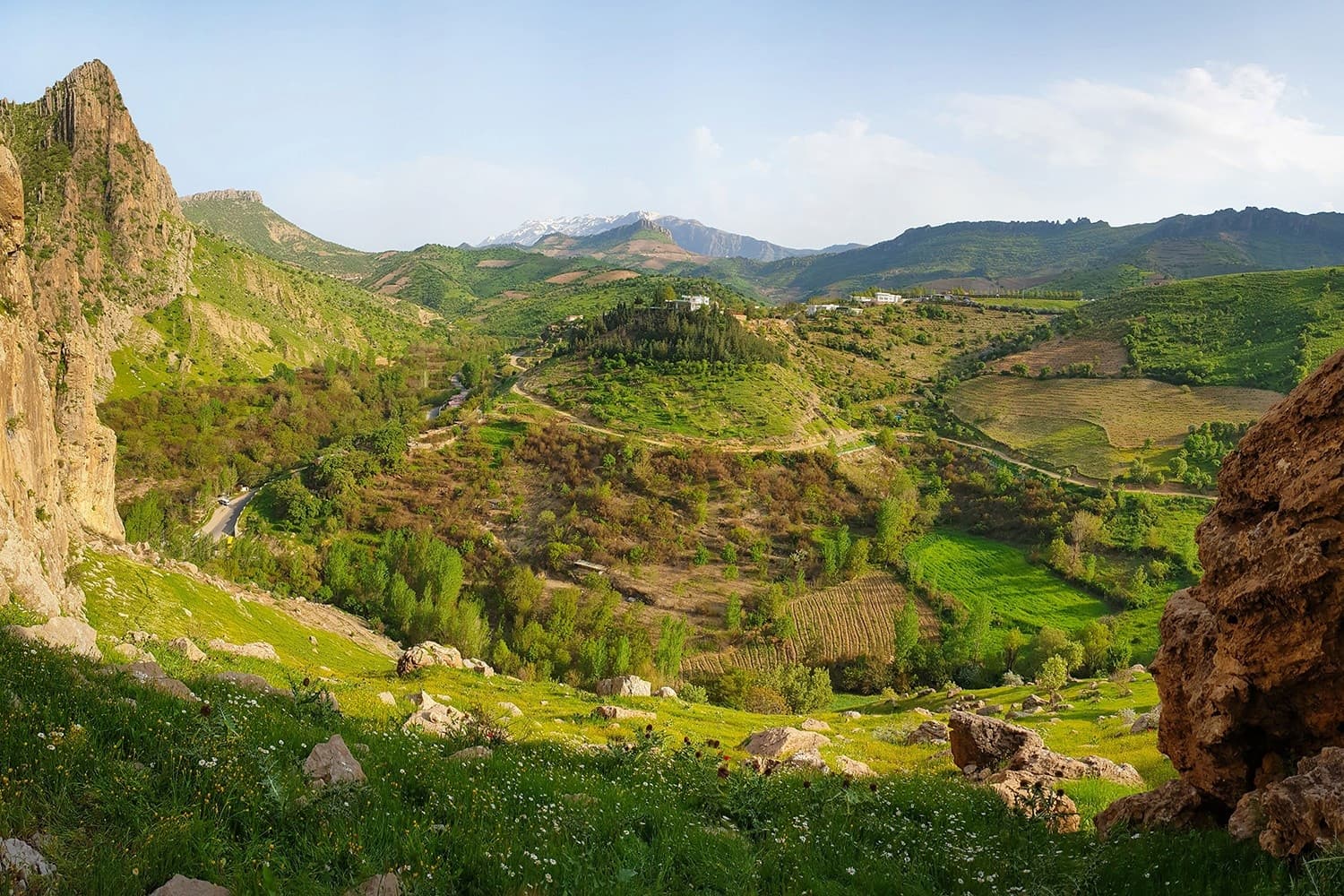
Green valleys in the Sulaymaniyah region. Courtesy of Pexels
10. Explore the Region’s Great Outdoors
Mountains define much of the region, where life is lived in tune with nature. The Kurdish New Year, falling on the spring equinox and symbolizing new life, is evidence of this, as well as culinary traditions, including spring foraging and drying goods for winter. Beyond the cities lie snow-dusted peaks, undulating green valleys blossoming with seasonal wildflowers, walnut trees and fruit orchards, dramatic canyons, and cascading waterfalls.
Out among the mountains, travelers will find beautiful landscapes and natural landmarks like Kani Bast Waterfall, one of the tallest waterfalls in the region, and Rwanduz Canyon, a rocky river gorge sometimes called the Grand Canyon of the Middle East. Mountaineers and hikers (including those on the Zagros Trail) set their sights on Mount Halgurd, whose snowy summit soars nearly 12,000 feet above sea level. Exploring up among the mountains also allows time to visit small villages like Amedi and Sulav to get a taste of traditional Kurdish life in the hillsides.
Alicia grew up as a third-culture kid in the Pacific Northwest, Japan, and Europe, where her fascination for the world was born. She has been on the move ever since, chasing her curiosity around the globe. For the last eight years, Alicia has been working as a travel writer for publications like World Nomads, Conde Nast Travel, Seattle Times, and BBC Travel, developing content focused on ethical and sustainable travel, food origins, and outdoor adventures. Follow Alicia on IG @Alicia_Erickson
North Stars: Community Support, Heritage Value, Wildlife and Ecosystems