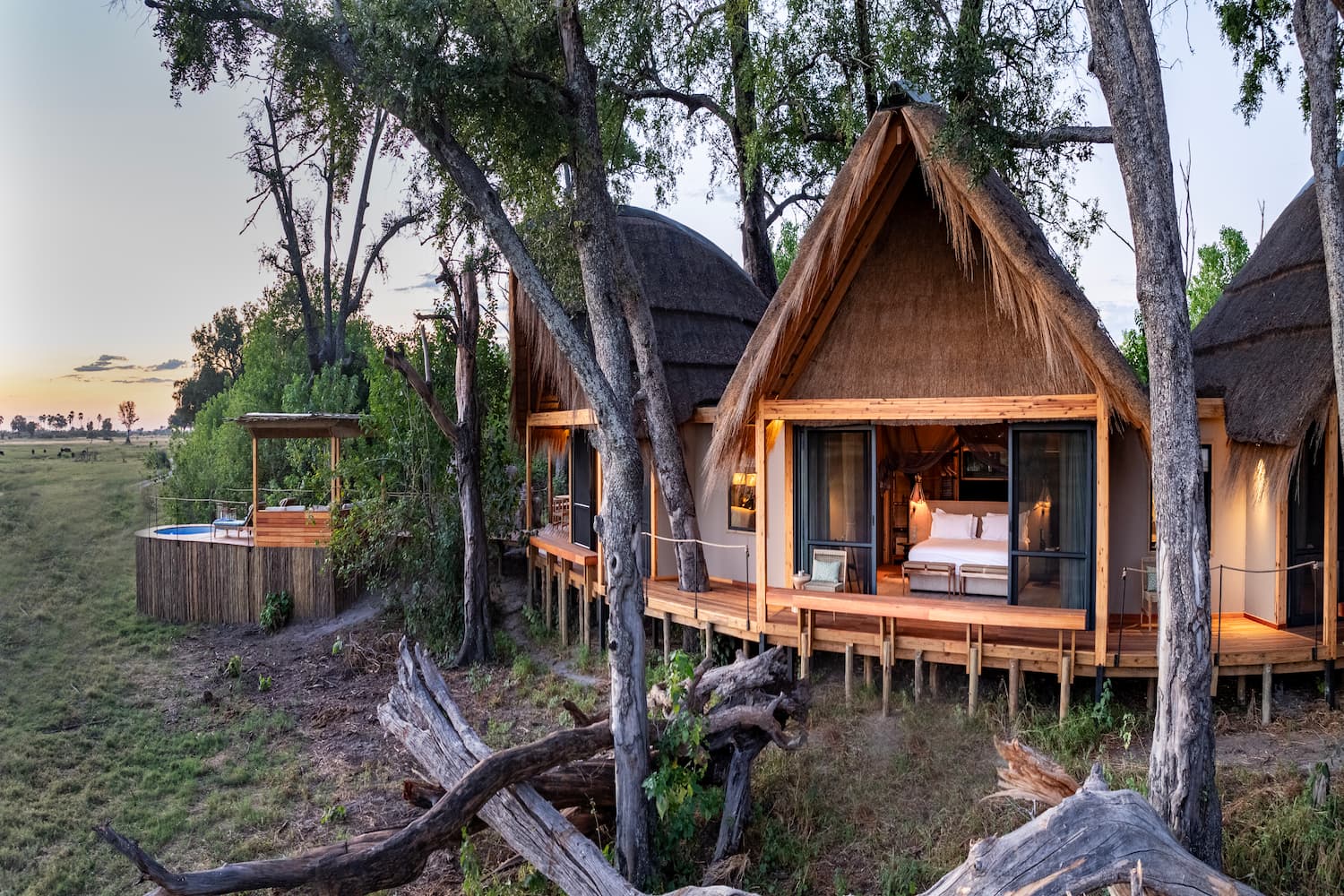
“We do the vetting so you can focus on where you’d like your tent, your sundowner, and your next game drive.”
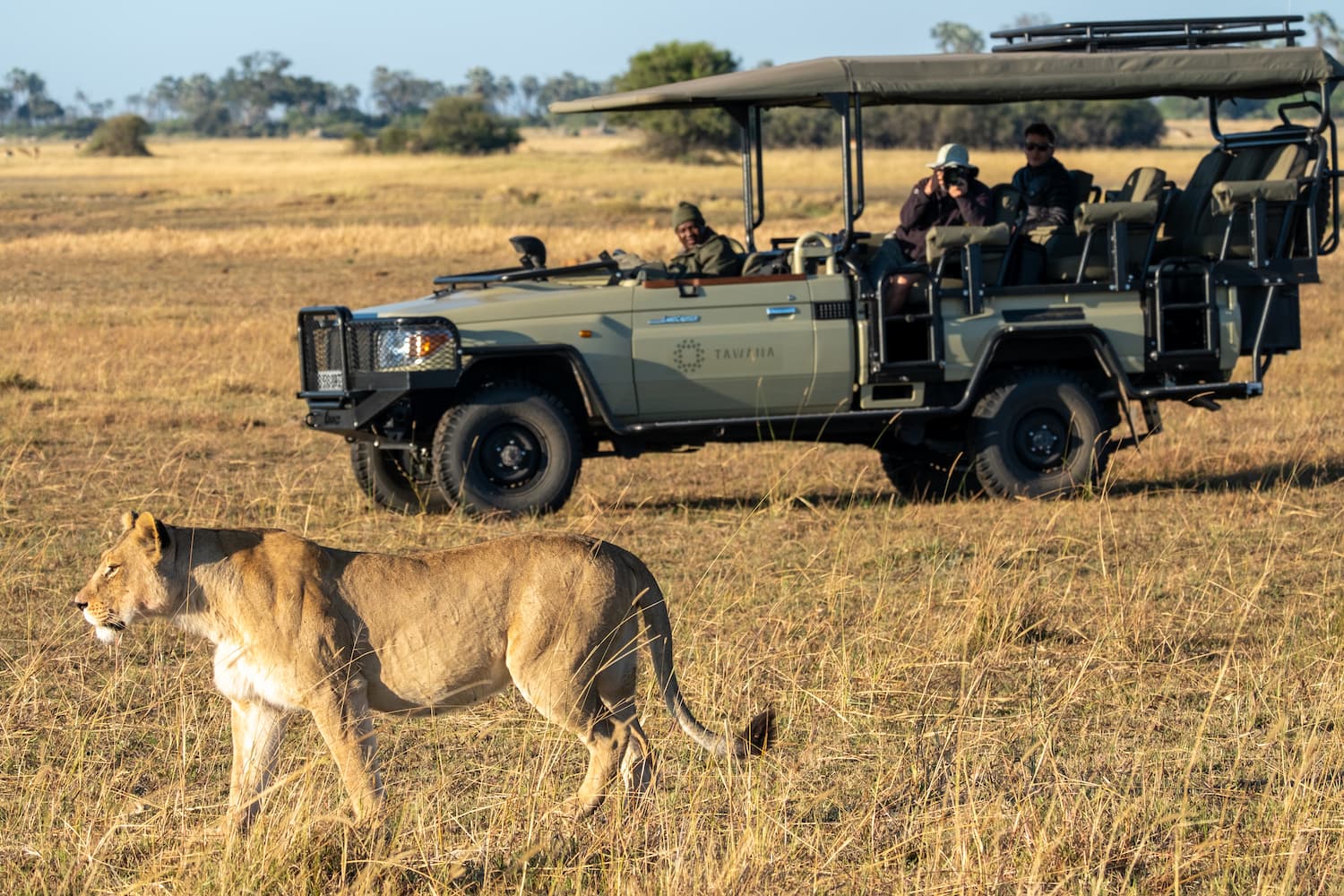
A 4x4 safari with Tawana. Courtesy of Summer Rylander.
Last year, writer Summer Rylander explored Botswana’s low-volume, high-value tourism model and shared insights on how it’s working well to help preserve wild spaces and uplift communities. While high-value tourism can introduce ethical qualms around financial accessibility, economic leakage, or whether local people and ecosystems are benefiting in a tangible way, travelers can play an important role by booking with reputable suppliers.
We’ve shared recommendations for trustworthy safari partners in the Serengeti, and some of the tour operators mentioned there can help with Botswana, too. We’ll happily recommend Audley Travel, Far & Wild, and Journeysmiths again.
Botswana Safari Companies
If you’re specifically dreaming of Botswana, our recommendations below are a strong place to start. All of these outfits are locally tied to Botswana, and each aligns with at least three of Azure Road’s North Star values. We do the vetting so you can focus on where you’d like your tent, your sundowner, and your next game drive.
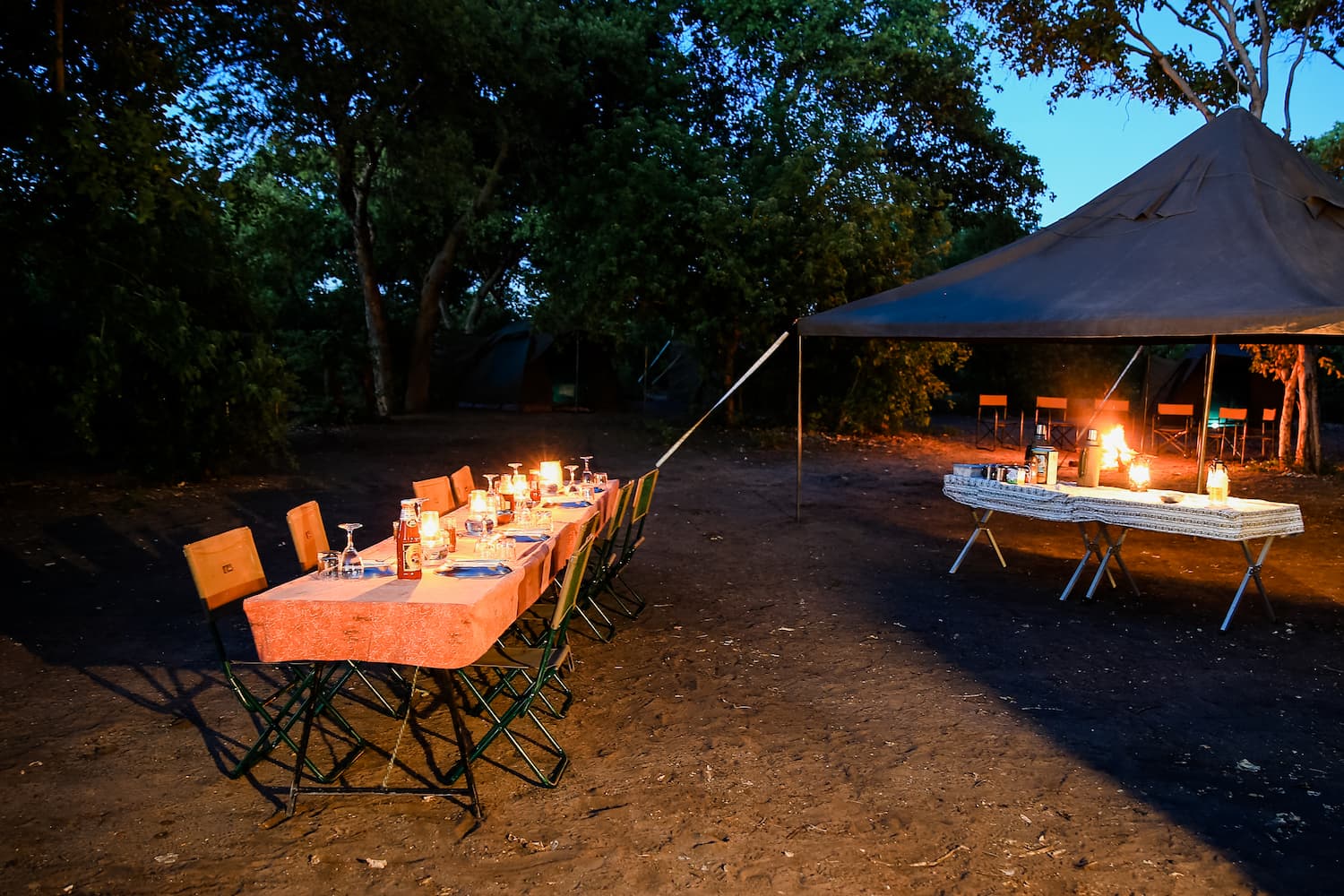
Bush Ways premium camping. Courtesy of Bush Ways.
Bush Ways
North Stars: Wildlife Ecosystems, Community Support, Heritage Value
Why it’s on our list: Bush Ways is a Botswana-born operator, founded in 1996 and still run out of Maun, with a focus on mobile safaris and a small portfolio of lodges in classic wildlife areas like Chobe, the Kalahari, and the Okavango.
Beyond running safaris, Bush Ways Foundation supports projects in nearby villages in education, health, social welfare, business development, and environmental conservation along their lodge and mobile routes. Guests can bring requested school and medical supplies through Pack for a Purpose or donate funds that the foundation uses to purchase items locally for partner projects like Bana Ba Letsatsi in Maun and the Khwai preschool.
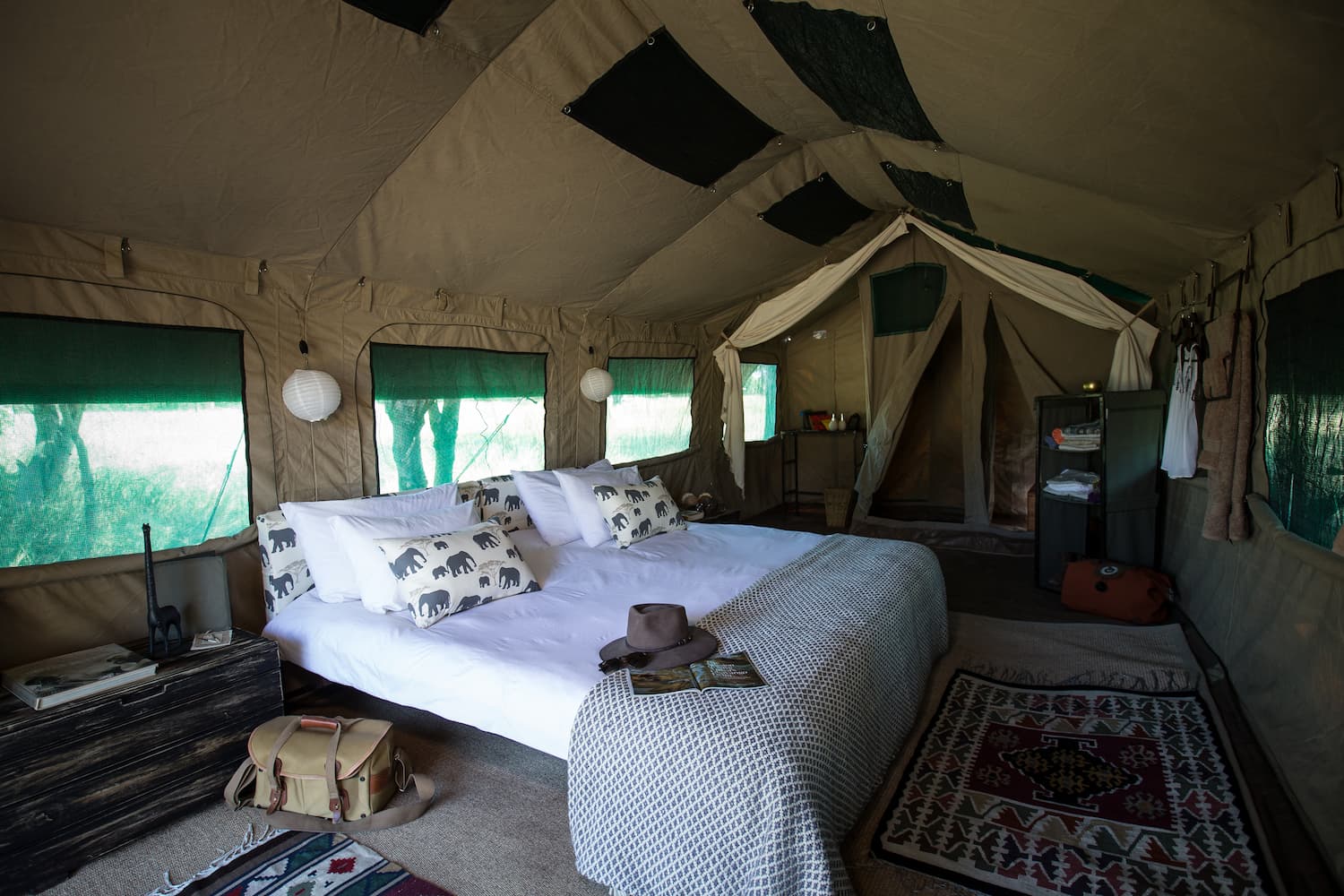
Roving camp tent. Courtesy of Golden Africa Safaris.
Golden Africa Safaris
North Stars: Wildlife Ecosystems, Community Support, Heritage Value
Why it’s on our list: Golden Africa Safaris is a Maun-based, preservation-focused operator whose fully solar luxury roving camp is set up just for your small group, moving between classic Botswana wilderness areas like the Okavango, Savuti, Nxai Pan, the Central Kalahari, and Xai Xai. The camp uses spacious Meru-style en-suite tents, a maximum of around 12 guests, and an in-camp chef, with an all-Botswana team of career guides and staff handling the logistics in the background.
Golden Africa has also built a long-term relationship with the Ju!hoasi Khoi San community in Xai Xai in the Western Kalahari and still markets a three-night anthropological safari there, with a portion of each booking channeled through the Golden Africa Trust into youth education and empowerment programs in the community.
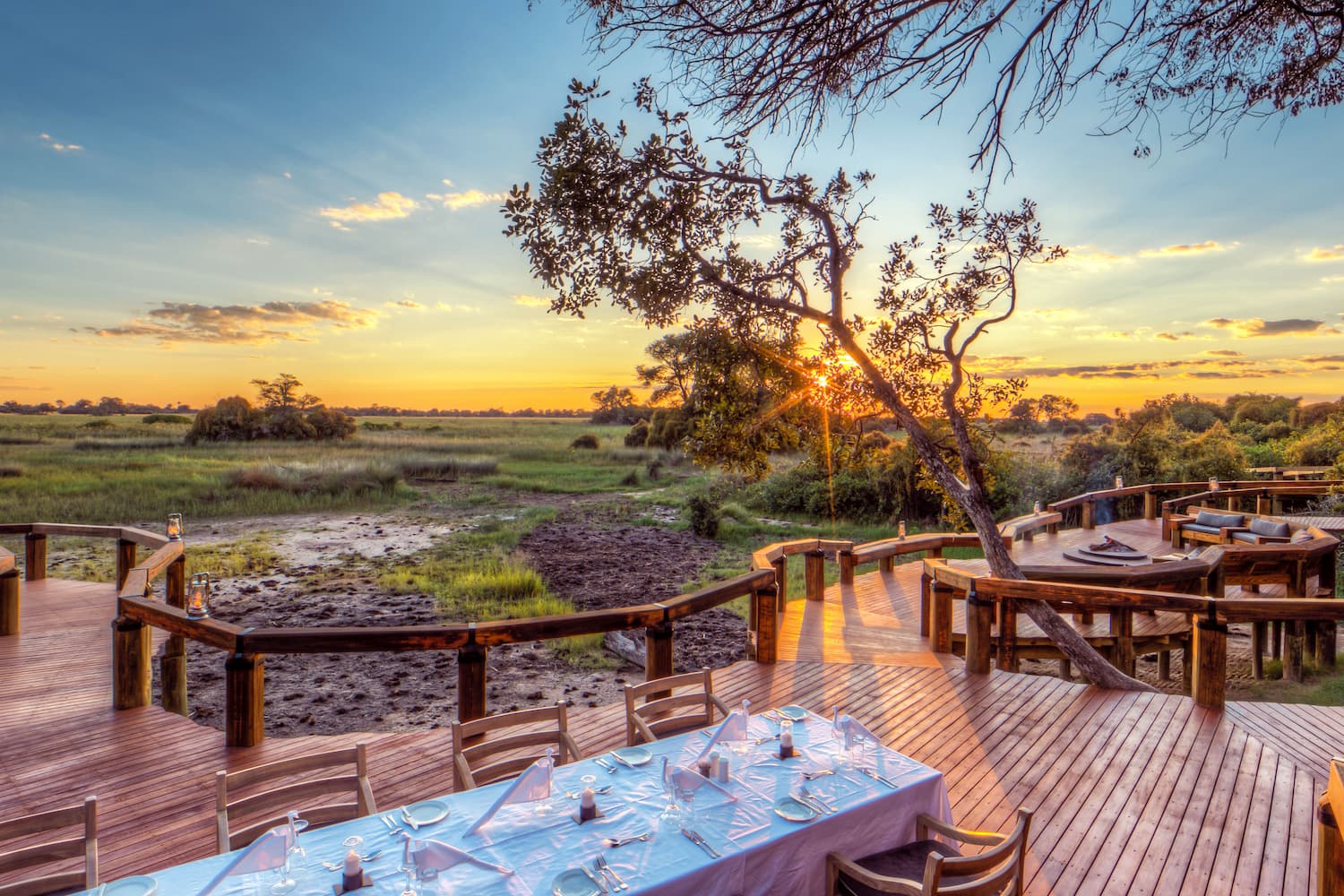
Camp Okavango. Courtesy of Desert & Delta.
Desert & Delta Safaris
North Stars: Wildlife Ecosystems, Community Support, Heritage Value
Why it’s on our list: Established in Botswana in 1982, Desert & Delta Safaris is one of Botswana’s longest-running safari companies. Today, it operates nine camps in prime wildlife areas, all managed by citizens. You might visit the sacred Tsodilo Hills from Nxamaseri Island Lodge, one of the oldest properties in the Okavango Delta, or sleep under the stars on the edge of the Makgadikgadi Pans from Leroo La Tau.
Desert & Delta is 100% Botswana-owned through Chobe Holdings Limited, a tourism group listed on the Botswana Stock Exchange with broad citizen shareholding. Over the years, it has built development programs that train staff into management roles, and guides are recruited locally, often from nearby villages, with many staying for years. The company prioritizes buying food, supplies, and services from Botswana-based businesses wherever they can.

Firepit at Tawana. Courtesy of Natural Selection.
Natural Selection
North Stars: Wildlife Ecosystems, Community Support, Heritage Value
Why it’s on our list: Natural Selection was founded in 2016 as a conservation-driven tourism company and now runs a collection of 26 family-owned and community joint-venture lodges and camps in remote wild places across Botswana, Namibia, and South Africa. The group employs more than 1,200 people and looks after about 1.6 million hectares of wildlife land, with many of its best-known camps in Botswana’s Okavango Delta, Khwai Private Reserve, and the Makgadikgadi region.
For every stay, 1.5% of your booking, plus a small nightly Community, Conservation & Reserve fee, is set aside for conservation and community projects. Natural Selection partners with local communities, governments, and conservation groups in places like Khwai Private Reserve and Etosha Heights, and at the camp level, they focus on spending with local suppliers, cutting waste, and increasing solar and other low-impact systems over time.
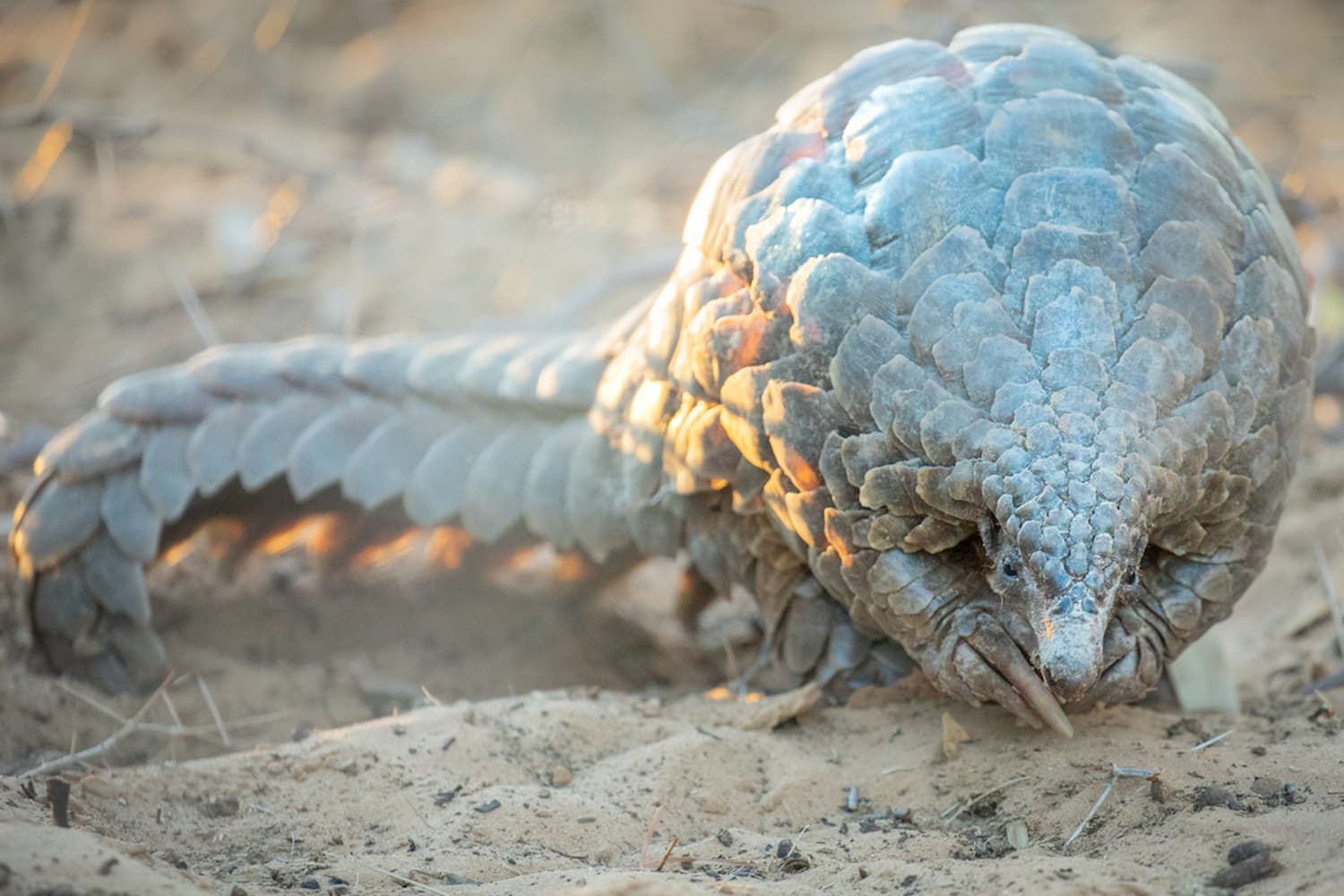
Pangolin Photo Safaris. Courtesy of Pangolin Africa, Helena Atkinson.
Pangolin Photo Safaris
North Stars: Wildlife Ecosystems, Community Support, Heritage Value
Why it’s on our list: As its name suggests, Pangolin Photo Safaris is focused on the photographic safari experience in and around Chobe, with guests based at the 14-room Pangolin Chobe Hotel and the Pangolin Voyager houseboat on the river. Their custom photo boats have eight rotating seats with camera mounts and gimbals, and guests who don’t have their own gear can use the supplied Canon bodies and telephoto lenses at no extra cost, with a photo host on hand to help everyone from beginners to experienced shooters.
Pangolin also runs its own nonprofit, Pangolin. Africa, focused on protecting Africa’s four pangolin species. Every bed night at the Pangolin Chobe Hotel and Pangolin Voyager adds a $5 donation to this work, funding conservation, education, and rescue and rehabilitation projects for these heavily trafficked animals.
North Stars: Community Support, Heritage Value, Wildlife and Ecosystems
More Stories
 DRINK
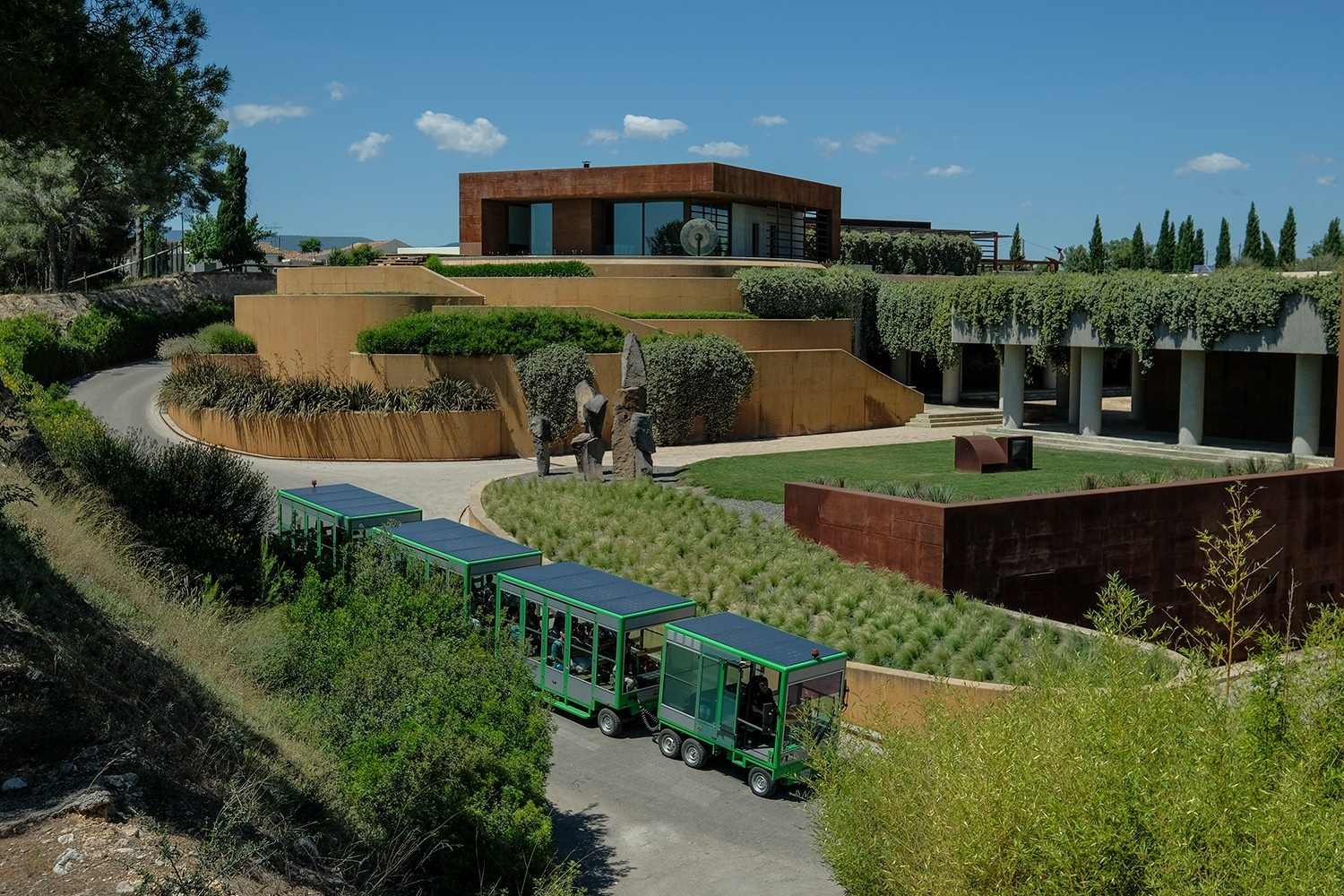
DRINKExploring Penedès, Spain’s Sparkling Wine Paradise
 DRINK
DRINKAzure Road Impact Award Drinks Finalists
 DRINK
DRINKWhy Now Is the Time to Cellar Santorini Assyrtiko
 DRINK, PARTNERSHIP
Ambar Estate Is Farming for Tomorrow in Oregon’s Willamette Valley
 DRINK, PARTNERSHIP
Crafting Alto Adige’s Future: The Evolution of Cantina Colterenzio