“We focused on a deliberately broad range of choices that qualify as “sustainable.”
What we drink shapes places just as surely as where we sleep. Vineyards, distilleries, and wineries sit at the intersection of land, labor, and culture, yet conversations about “sustainable wine and spirits” often stop at certifications and carbon footprint.
The Azure Road Drinks Impact Awards exist to open that lens to a more holistic perspective. We looked at how producers farm, of course, but just as closely at who gets represented, who gets hired, and who gets to stay on their land or in their community because a project supports local jobs. Environmental frameworks are important; they are not the whole story.
There are hundreds of wineries, regions, and distilleries that could have made this list. For this first drinks edition, we focused on a deliberately broad range of choices that qualify as “sustainable,” from climate adaptation and packaging shifts to community ownership models and long-term commitments to preserving homeland and culture. We also sought a mix of new and long-established brands, knowing that meaningful change can come from both a 19th-century estate and a start-up putting wine into boxes.
We struggled to narrow each category to just five finalists, but taken together, this group reflects a wide cross-section of the nominations and of the drinks world itself.
These are the finalists for this year’s Azure Road Drinks Impact Awards.
View our Impact Awards for Travel.
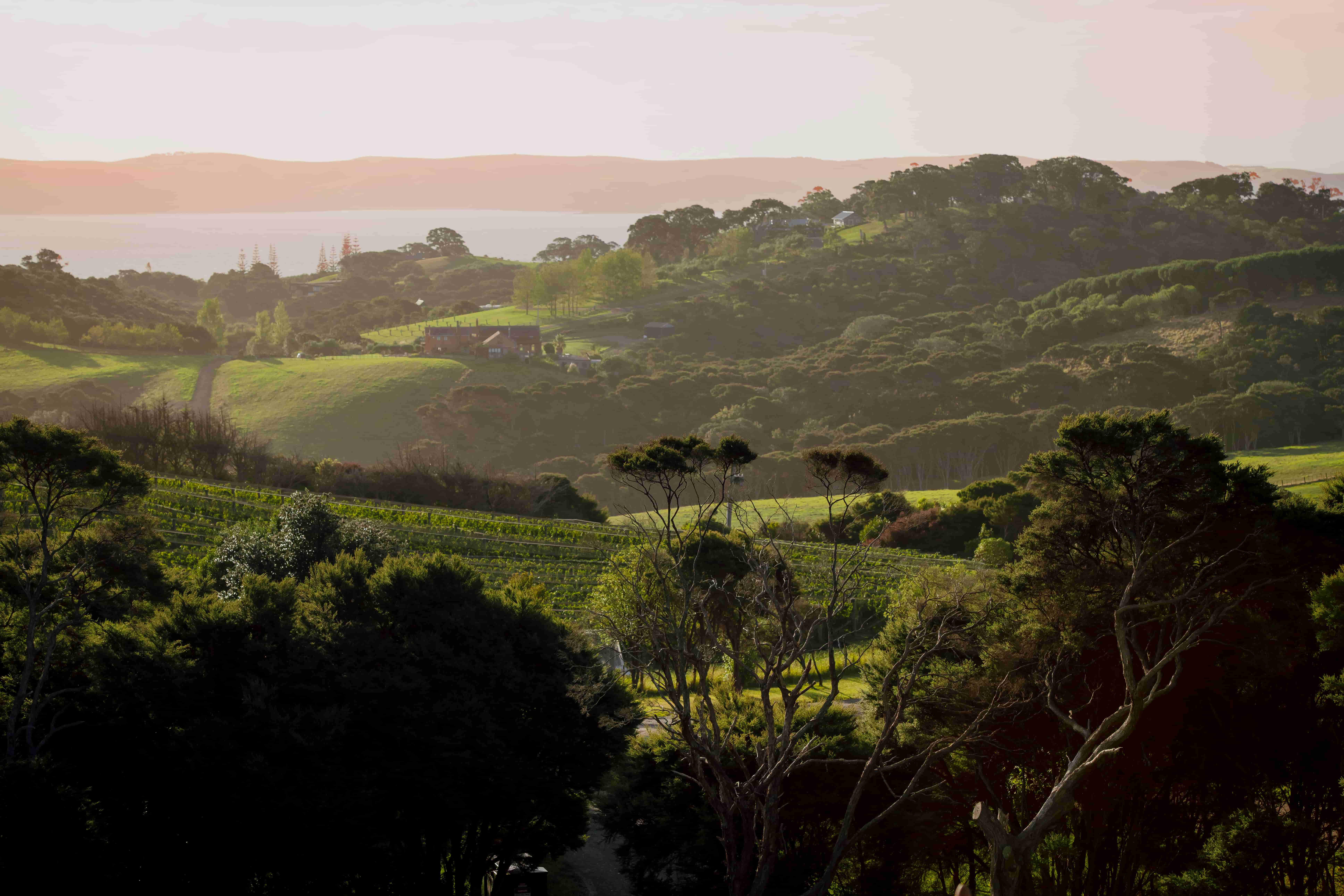
View from Mudbrick winery on Waiheke Island. Image courtesy of New Zealand Winegrowers.
Wine Region
New Zealand
Fine winemaking while pioneering sustainable wine farming
This cool-climate winegrowing country spans vineyards across the North and South Islands and treats Sustainable Winegrowing New Zealand (SWNZ) as its national sustainability certification program. Launched in 1995, SWNZ sets independently audited standards and guidance across areas like climate, water, soil, plant protection, waste, and people, and now covers about 98% of New Zealand’s vineyard area and around 90% of wine produced.
Willamette Valley, Oregon
An abundance of eco-friendly and community-focused wineries
The Willamette Valley AVA in northwestern Oregon stretches for more than 100 miles between the Coast and Cascade ranges and is home to over 700 wineries, best known for Pinot Noir and Chardonnay. Many vineyards and wineries here use third-party certifications such as LIVE and Salmon-Safe, farm organically, biodynamically, or regeneratively, and factor community and inclusivity into their hospitality.
Madeira
Protecting its unique winemaking despite a changing market and climate
Off the coast of Portugal, Madeira has produced its age-worthy fortified wines since the 15th century. However, with only 30 wineries, production is shrinking thanks to land development, climate change, and consumer habits, leaving the future of this historic wine culture in flux.
Alto Adige, Italy
Long-term vision focused on cultural and environmental sustainability
In Italy’s northern Alps, Alto Adige’s cooperatives, small wineries, and general cultural cohesiveness have kept families farming their mountain vineyards for generations. Today, many of these producers follow shared sustainability plans such as the Alto Adige Wine Agenda 2030, which ties environmental, social, and economic goals to how they farm and run their cellars.
Santorini, Greece
Preservation and limited production of Assyrtiko heritage vines
In the Aegean Sea, Santorini’s wind-beaten vines, often trained in a protective basket-shaped kouloura, have produced singular, volcanic Assyrtiko for generations. A hotter, drier climate; intense pressure on vineyard land from tourism and development; and diminishing yields have pushed production down and prices up, leaving the future of Greece’s most famous vinous ambassador uncertain.
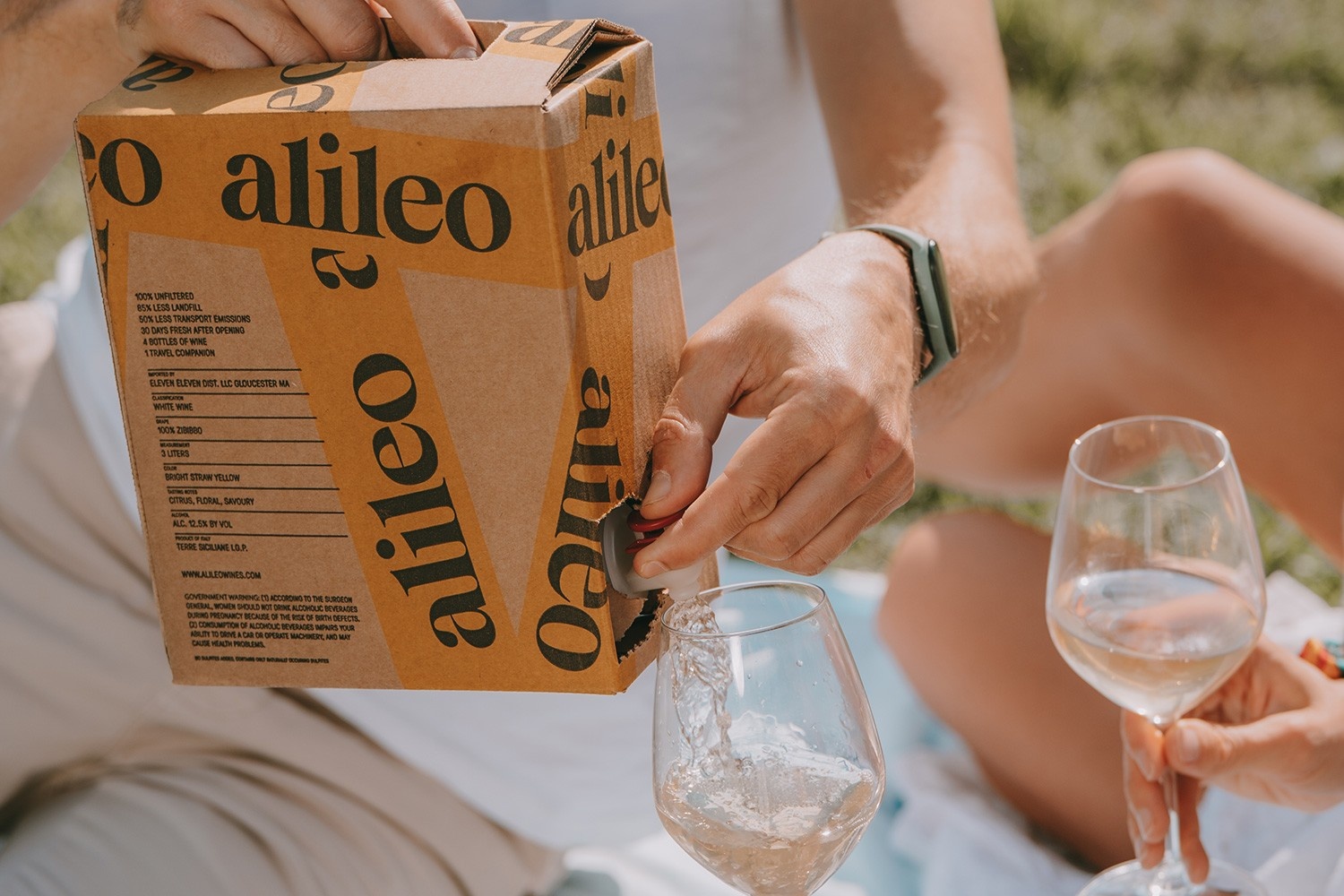
Alileo's Boxed Wine. Courtesy of Alileo.
Wine Brand
Alileo, Sicily
Challenging glass-first thinking for natural wine
Based between Sicily and the U.S., Alileo is a natural wine brand founded by Sicilian-American Antonio Bertone that works with organic growers near Marsala. Red and white wines made from mostly native grapes come packed in a 3-liter bag-in-box with fun branding, which reduces shipping emissions and glass waste.
Viñedos Orgánicos Veramonte, Chile
Early organic pioneer reshaping Chilean wine
Across Chile’s Casablanca and Colchagua valleys, Viñedos Orgánicos Veramonte farms more than 1,200 acres of vineyards and was an early adopter of certified organic growing in Casablanca. It now makes a range of whites and reds from these organic sites while exploring regenerative practices in a region facing ongoing water stress.
Loveblock, New Zealand
Science-based organic wines rethinking sulfites
In Marlborough, Loveblock is Erica and Kim Crawford’s organic wine project, farming certified organic vineyards and making vegan wines. Crawford’s experiments with tea tannins led to the TEE Sauvignon Blanc line, which replaces added sulfur dioxide with green tea extract as the main antioxidant, offering a science-first way to reduce sulfites in commercial wine.
Domaine Bousquet, Argentina
Scaling organic, regenerative wine with transparency
In Argentina’s high-altitude Uco Valley, southern France’s Bousquet family founded Domaine Bousquet to tap into the region’s growing prominence while producing organically farmed wine. All of its vineyards have been certified organic since 2005, and the winery has earned new certifications like Regenerative Organic, Fairtrade, Demeter, and B Corp, making it one of the most environmentally focused, globally accessible brands.
Herdade do Esporão, Portugal
Testing climate-resilient wine in a warming Mediterranean
In Portugal’s Alentejo region, Herdade do Esporão farms a large, diverse estate spanning vineyards, olive groves, orchards, and gardens, all carrying organic certification. On an experimental plot planted to nearly 200 grape varieties, the team tests which grapes handle heat and drought, then uses those results to shape wines for a warming Mediterranean climate.
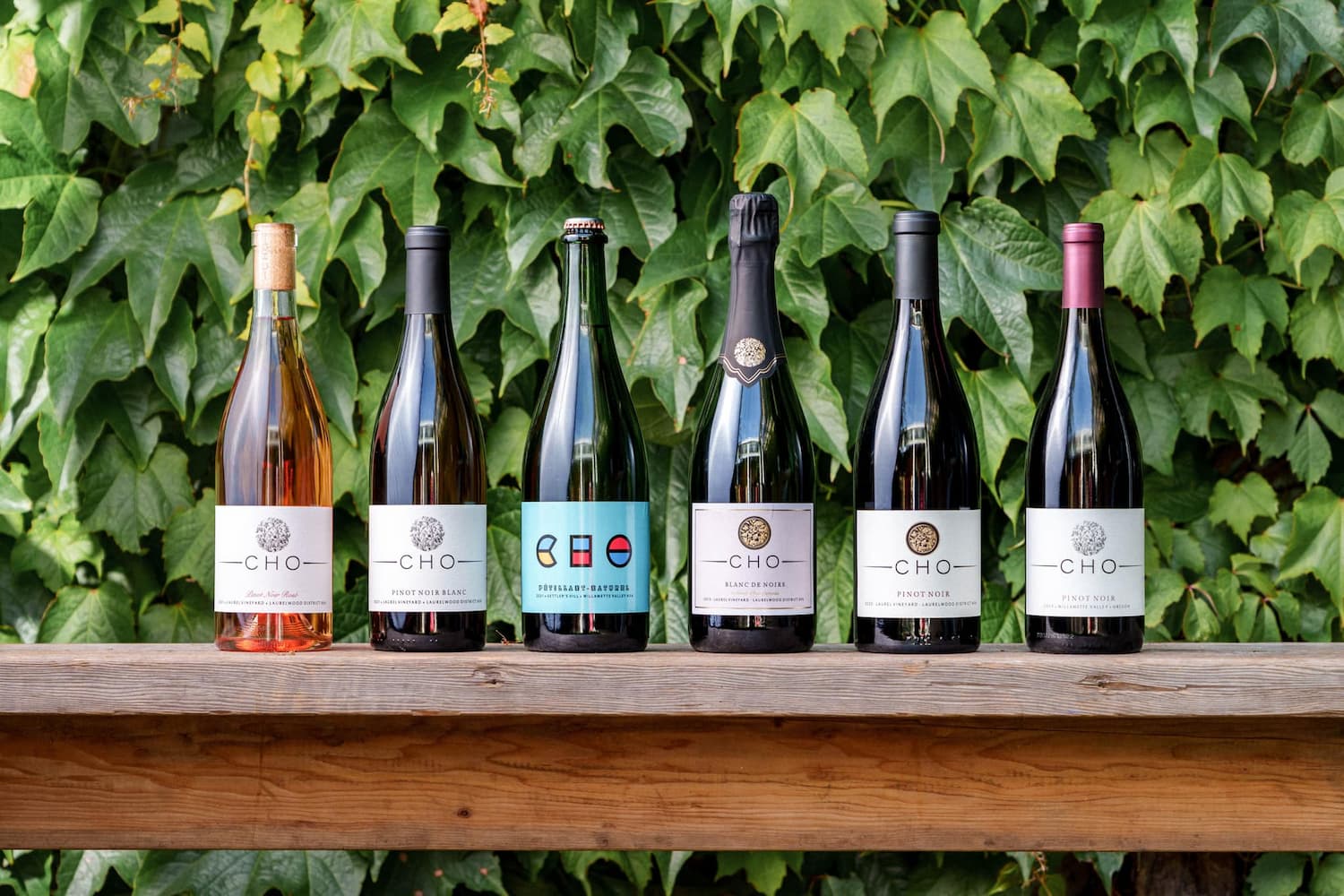
Cho Wines on display. Courtesy of Cho Wines.
Winery/Wineries
The Overshine Collective
Collaborative winemakers sharing resources in a tough market
In Sonoma County, the Overshine Collective brings together small founder-led wineries like Martha Stoumen, Idlewild, Reeve, BloodRoot, Comunità, and Overshine under a collaborative ownership model. Brand owners can concentrate on winemaking and creative direction, thanks to the pooling of resources and centralized back-end operations. The future is sharing.
Spottswoode Estate, Napa Valley, California
Early sustainability leader staying true to Napa Cabernet
In St. Helena, Spottswoode Estate Vineyard & Winery has been owned by the Novak family since 1972 and is known for its estate Cabernet Sauvignon and Sauvignon Blanc. The vineyard has been farmed organically since 1985, received CCOF organic certification in 1992, and is now also biodynamic and Napa Green certified, making it one of Napa Valley’s early adopters of certified organic viticulture while maintaining its vision for exceptional fine wine.
Cho Wines, Willamette Valley, Oregon
Advancing AAPI representation in American wine
In Oregon’s Willamette Valley, Dave and Lois Cho founded Cho Wines in 2020 as the first recorded Korean American–owned winery in the state. Alongside making Pinot Noir and sparkling wines, they created the AAPI Food & Wine nonprofit and festival to highlight Asian American and Pacific Islander talent across food and wine.
Cota 45, Jerez, Spain
Reviving historic sherry vineyards with local growers
In Sanlúcar de Barrameda, winemaker Ramiro Ibáñez’s Cota 45 project makes unfortified Palomino wines from individual historic sherry vineyards, or pagos, such as Carrascal, Miraflores, and Maina, fermenting them in old manzanilla barrels. By reviving 19th-century unfortified styles, bottling single-pago wines from specific albariza soils, and working with nearly extinct local varieties, the project helps document Jerez’s terroir outside the modern fortified system.
Leclerc Briant, Champagne, France
Advancing biodynamic viticulture in Champagne
Founded in 1872 in Épernay, Champagne Leclerc Briant began experimenting with organic and later biodynamic viticulture under the Leclerc family and has farmed its own vineyards biodynamically since the 1990s. It remains one of the few Champagne houses working entirely with certified organic and biodynamic grapes in a region where most vineyards still rely on conventional farming, even as scrutiny of chemical use and calls for more sustainable practices intensify.
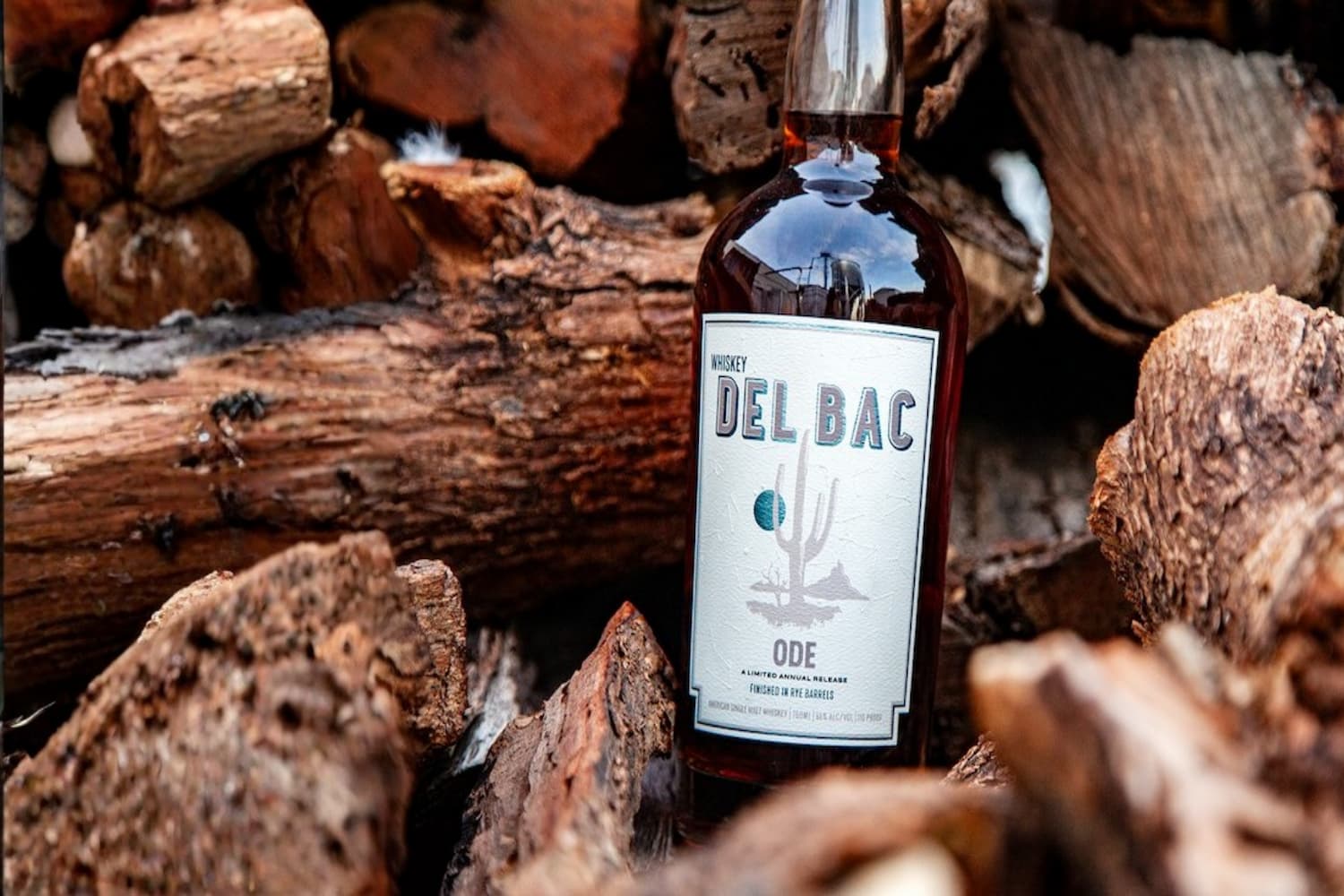
Whiskey del Back. Courtesy of Whiskey del Bac.
Spirits Producer
NcNean Distillery, Scotland
Net-carbon footprint and industry thought-leadership
On Scotland’s remote Morvern peninsula, Nc’nean is an independent distillery making organic single malt whisky from Scottish barley and powered entirely by renewable energy. The team avoids the use of peat to protect peatlands as carbon sinks and bottles in 100% recycled glass and has cut its own operational emissions to net zero, using verified offsets only for what it can’t yet eliminate.
Copalli Rum, Belize
Organic, heirloom ingredients and community projects
In southern Belize, Copalli Rum comes from a single-estate rainforest distillery that grows organic heirloom sugarcane and mills it on-site. Fresh cane juice, rainwater, and yeast are fermented and distilled into rum in a closed-loop system that returns waste to the fields and supports local jobs.
Whiskey del Bac, Tucson, Arizona
Small-batch mesquite-smoked whiskeys
In Tucson, Whiskey Del Bac is a family-run distillery that makes American single malt from 100% malted barley. It mashes, distills, ages, and bottles its whiskies on-site in Tucson, Arizona, to create mesquite-smoked expressions using local wood for a distinctly terroir-driven, Sonoran style.
Tosba Mezcal, Oaxaca, Mexico
Revitalizing a community around mezcal production
In Oaxaca’s Sierra Norte, cousins Edgar González Ramírez and Elisandro González Molina founded Tosba Mezcal. A family-owned microbusiness, they planted agaves, built a small palenque, and now make mezcal from estate-grown agaves in a biodiverse landscape of coffee, fruit trees, and sugarcane, while adding local jobs to an economically depressed village that had seen residents flee for work elsewhere
Suyo Pisco, Peru
B-corp brand partnering with family producers
In Peru, SUYO Pisco partners with small family-owned vineyards to bottle single-origin piscos made from one grape, one vineyard, and one harvest at a time. The company pays producers premium prices, clearly lists the vineyard, grape, and harvest on each label, and holds B Corp certification to track its social and environmental standards as it grows.
North Stars: Certification, Heritage Value, Production and Consumption
More Stories
 DRINK
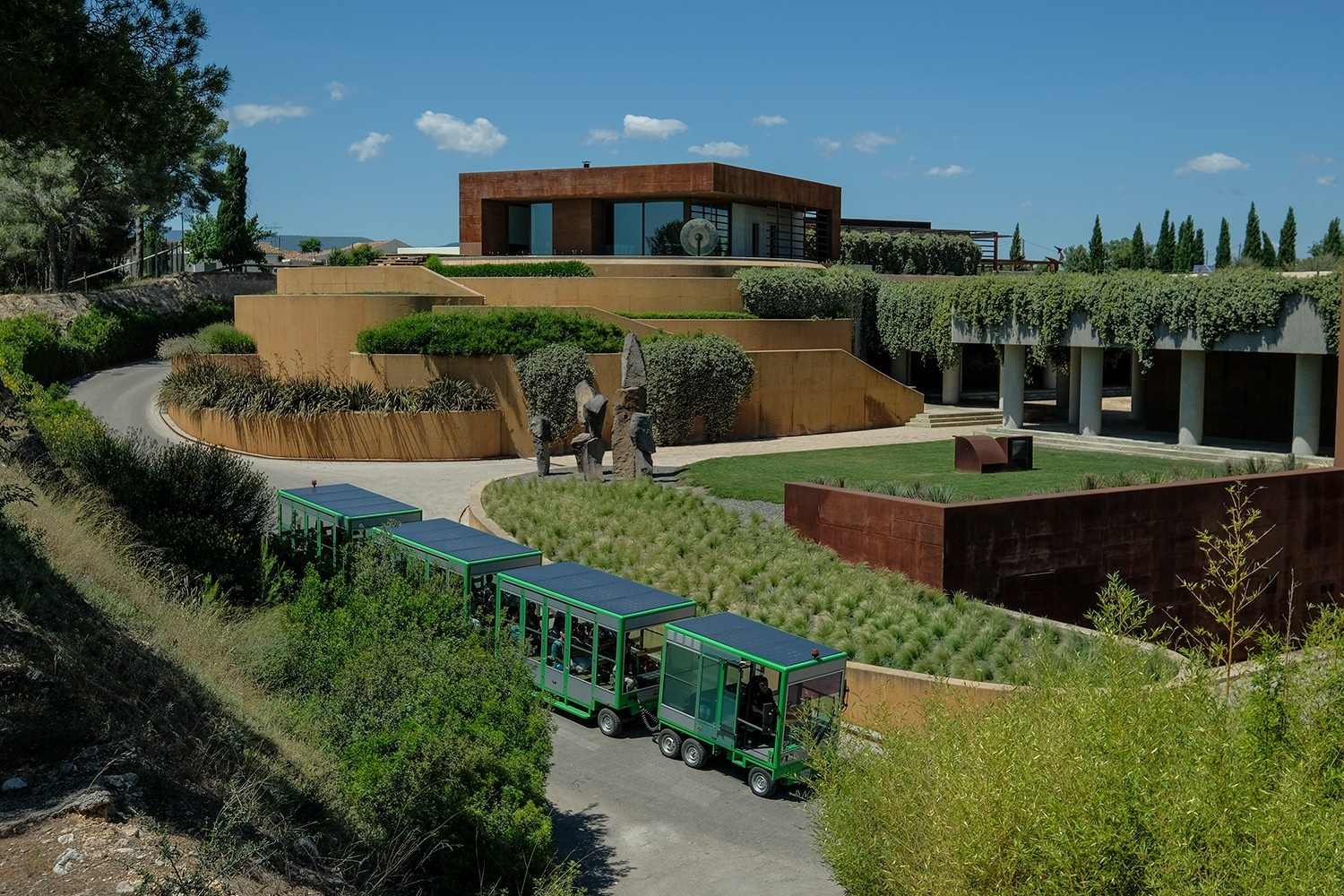
DRINKExploring Penedès, Spain’s Sparkling Wine Paradise
 DRINK
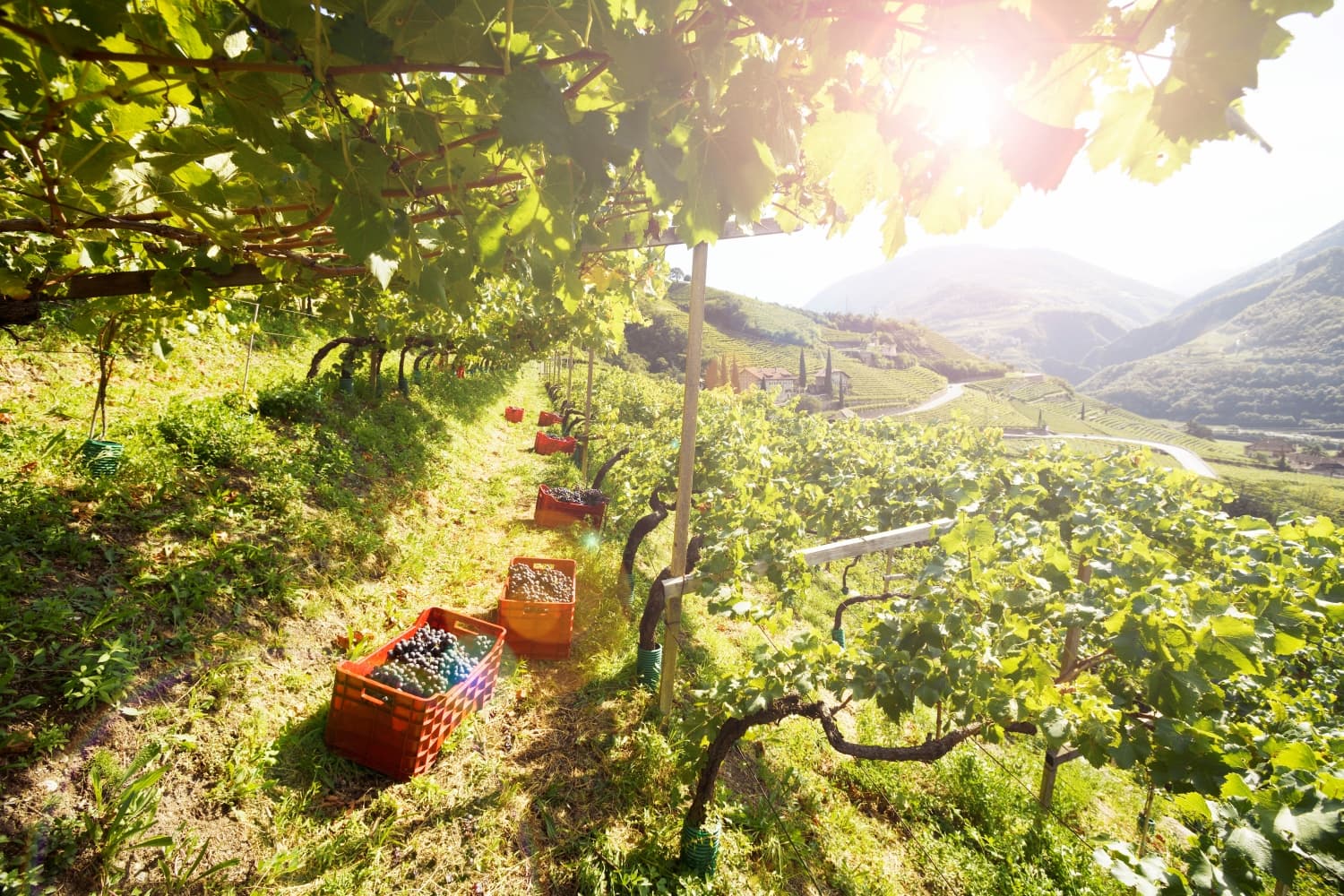
DRINKAzure Road Impact Award Drinks Finalists
 DRINK
DRINKWhy Now Is the Time to Cellar Santorini Assyrtiko
 DRINK, PARTNERSHIP
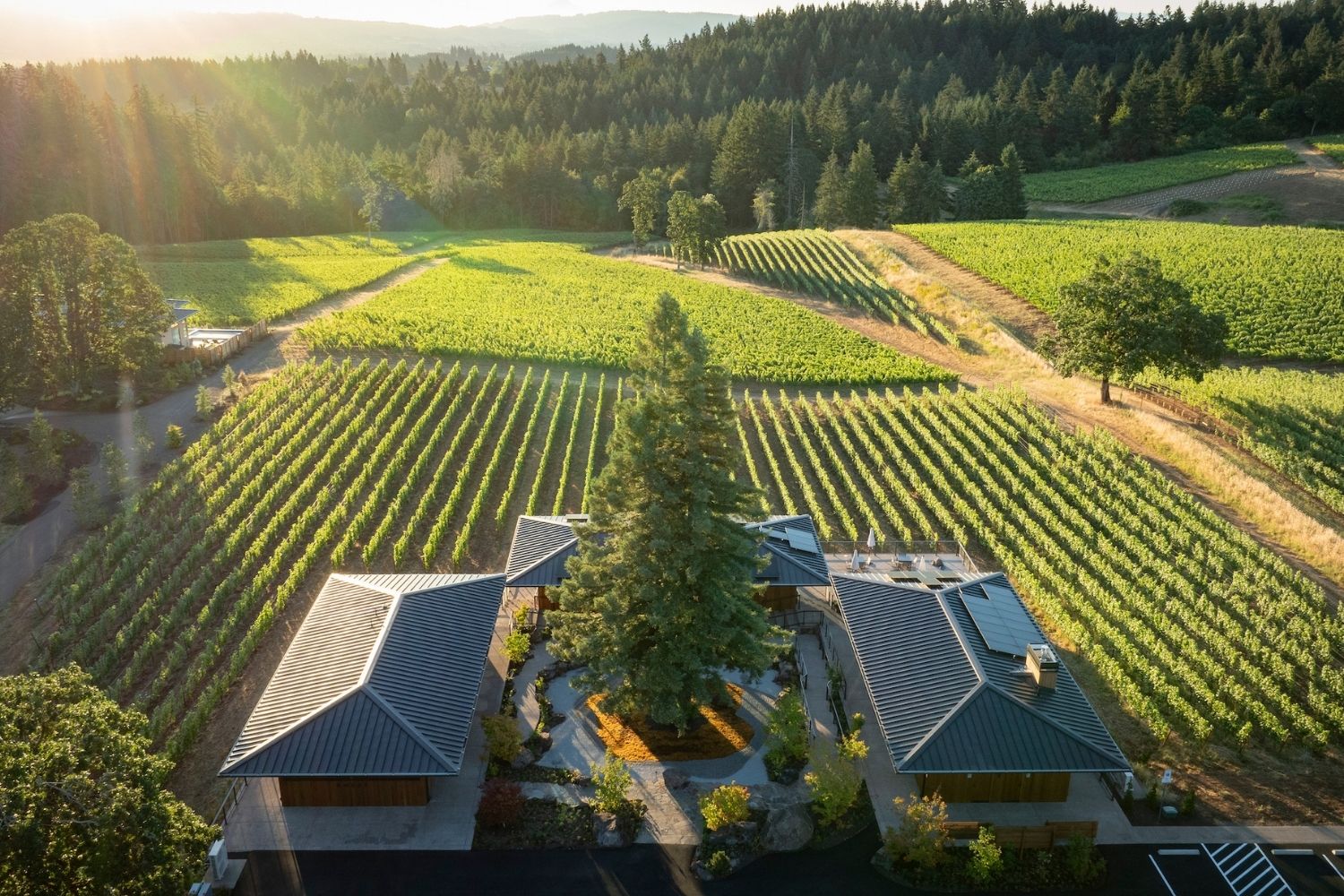
Ambar Estate Is Farming for Tomorrow in Oregon’s Willamette Valley
 DRINK, PARTNERSHIP
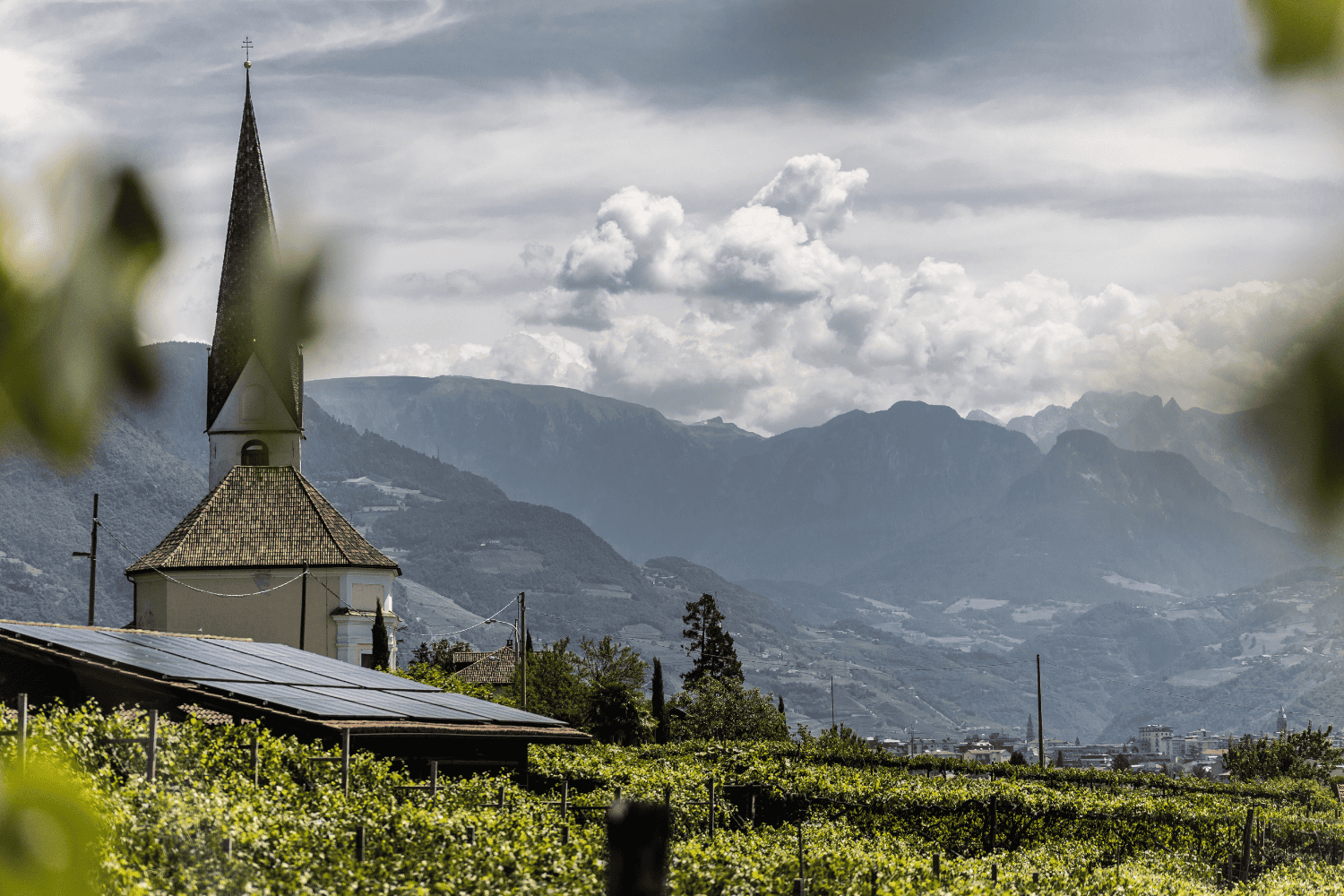
Crafting Alto Adige’s Future: The Evolution of Cantina Colterenzio