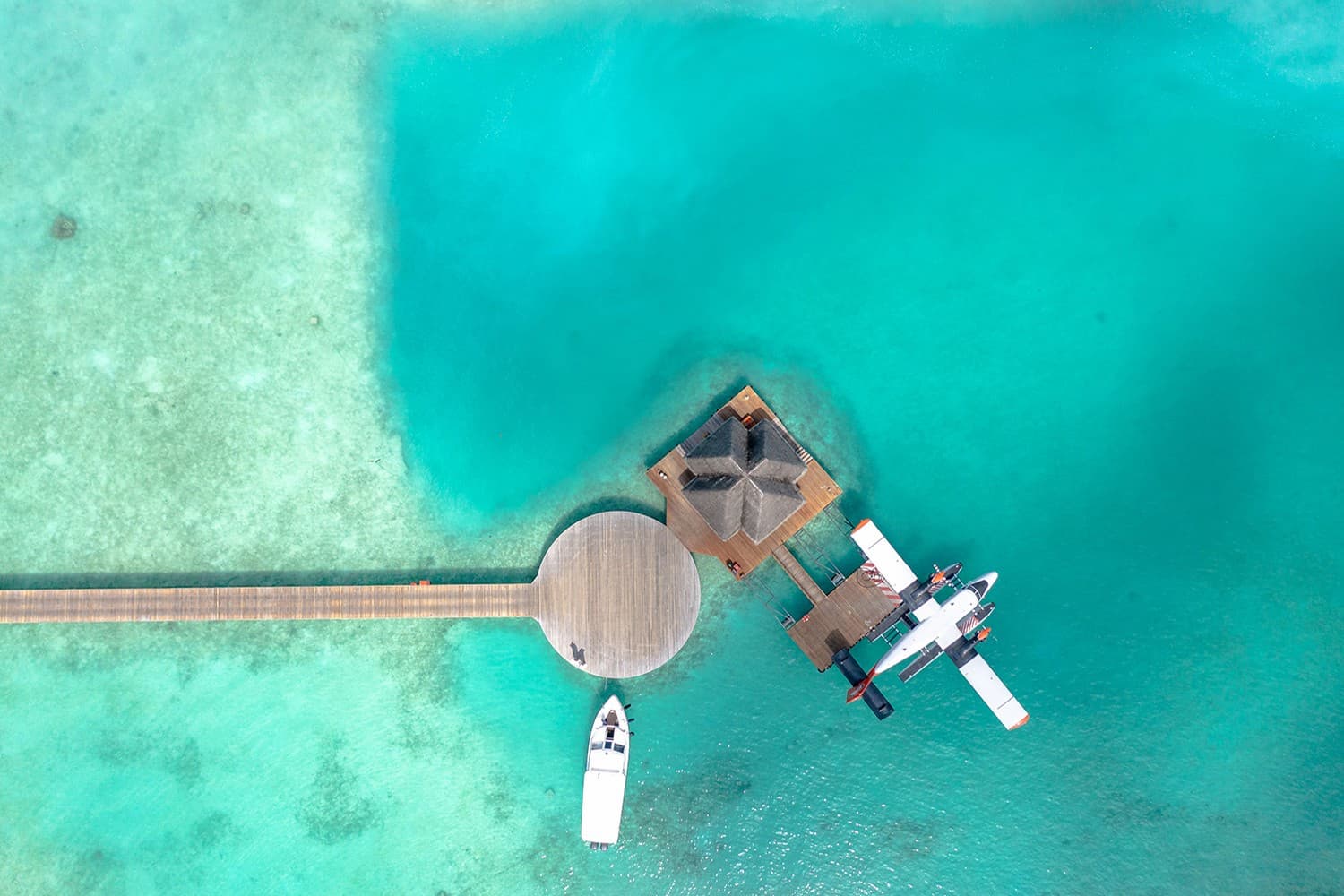
“Any property that presents itself as perfectly sustainable should raise a red flag.”
When I first set off on my writing career, I made the decision to focus on sustainable travel. My choice was born from a desire to do something I loved in a more positive, responsible way. I remember feeling pleasantly surprised when my initial research turned up a plethora of promising leads. Almost every resort website I pulled up had a page dedicated to environmental commitments. Hotel groups with brands built around sustainability were gaining popularity. None of them were doing things perfectly. But to me, the evidence of effort was enough to applaud.
Seven years later, I know how naive that was.
In the intervening years, I’ve visited dozens of resorts around the world, parsed hundreds of press releases, and completed the Foundations Course from Regenerative Travel. I’ve witnessed self-proclaimed eco-resort developments degrade local land and culture. I’ve stayed in too many places where sustainability is an afterthought, if thought of at all. I also moved to Bali, an island that’s become the poster child for the perils of overtourism. As sustainable travel is a multi-trillion-dollar industry, it’s no wonder hotels and tour operators want a cut.
Yet I’ve also found myself in destinations where environmental stewardship is so deeply embedded, it’s felt in every experience. Where every staff member from the maid to the maître d’ can speak to what their employers do differently, and why it matters.
Most travelers, however, don’t know what to look for. Instead, they largely rely on marketing that’s been carefully curated to ease their conscience. It isn’t for lack of caring. A 2026 Skift Research survey found 78% of travelers say sustainability will factor into their decisions this year. But wanting to choose well and knowing how are two different problems. To help close this knowledge gap, I’m sharing how to differentiate between truly sustainable travel and simple marketing fluff.

Just because a hotel has naturalistic design doesn't mean it's eco-friendly. Courtesy of Pexels
Sustainable Travel Is Not:
A Nature Aesthetic
I can’t tell you how many “eco-resorts” claim the title simply for having a design “built in harmony with nature.” Natural materials and maximal air flow are great when part of a holistic effort to minimize impact. But the work doesn’t stop there. A building can look woven into a surrounding landscape while still running on diesel, trucking in water, and employing mostly foreigners.
An urban, repurposed shipping warehouse-turned-hotel, like the new 1Hotel Melbourne which used more than 2,000 salvaged items from the original building in its final design, will almost always do less harm than a remote off-grid resort dropped onto a fragile ecosystem. Don’t let that bamboo roof fool you. The aesthetic of low impact and the fact of it are unrelated, but the aesthetic is significantly easier to buy.
Doing the Bare Minimum
Recycling. Towel reuse. Energy-efficient lighting. In 2026, these should be considered baseline operating practices, like a restaurant advertising that it washes its hands. Tara Hammond, Global Director of Sustainability and Impact at Discover Collection, explains how a credible property “makes sustainability part of its business model rather than treating it as an add-on or PR campaign.”
Hammond has spent more than 15 years building sustainability programs for hospitality groups like Six Senses and Shangri La. She explains how one-off initiatives like having a rooftop herb garden or annual Earth Day event have so watered down the term “sustainability” that she and Discover Collection’s CEO even debated whether to retain it in her job title.
Regenerating Self-inflicted Damage
As the travel industry moves away from sustainability, the new buzzword is regeneration. The former maintains the status quo. The latter seeks to improve on it. In most cases, that’s a wonderful thing, yet even that term can now be misleading.
Consider an upcoming Rosewood Hotels-operated resort under construction on Assumption Island in the Seychelles. The project’s own 2024 environmental review rated the biosecurity risk to Aldabra Atoll, a nearby UNESCO World Heritage Site, as majorly adverse. This would be even after mitigation to reduce harm. By December 2024, the Seychelles Islands Foundation was publicly calling for the project to stop. Rosewood’s 2025 Impact and Sustainability Report describes an ambition to “rejuvenate the places, culture and communities that rejuvenate us.” But Assumption Island wouldn’t need rejuvenation if no one built on it in the first place.
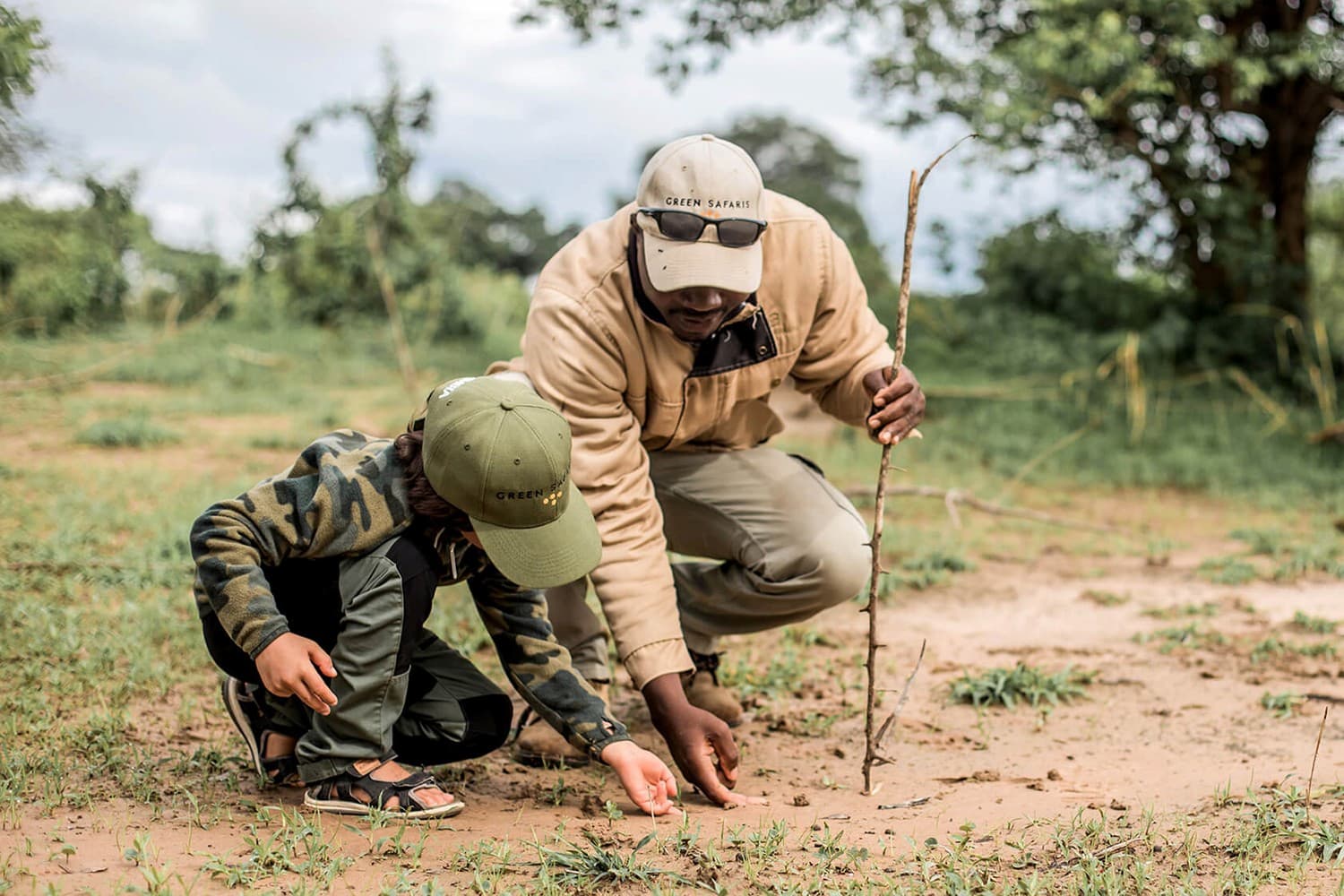
Real sustainable travel is grounded in data, action plans, and community. Courtesy of Green Safaris
Sustainable Travel Is:
Actions speak louder than words. Show, don’t tell. Concrete, not abstract. These phrases also apply to what it actually takes for a hotel or tour operator to classify themselves as truly sustainable.
Structural and Foundational
To understand whether sustainability sits inside a business model or beside it, Hammond suggests looking for “evidence of transparency, consistency, and continuous improvement.” She asks: “How does it source food, manage water and energy, treat its staff, handle waste, engage with local communities and culture, and respond to the needs of the destination?”
At Vermejo, the half-million-acre Ted Turner Reserve in northern New Mexico, the resort’s revenue funds multiple conservation projects. The projects report new, successful outcomes every year; all part of its eponymous founder’s stated ambition to “save everything.” Dinner is bison or elk sourced directly from the property paired with produce from on-site gardens. Much of the staff lives together in a community up the road. All of them speak to guests of a shared, underlying passion to work somewhere making real, measurable impact.
Community-led, Concentrating Power in Local Hands
While many sustainability initiatives may start out with the best intentions, one goal often falls far flat: actually benefiting and empowering local communities. According to tourism practitioner David Ermen, evaluation should assess “not just whether communities were consulted but whether intervention logic reflects community-defined priorities.”
He cites the Cook Islands Destination Stewardship Plan, which lays out strategies and plans through 2030, as an example. The country’s stewardship plan was built over twelve months of consultation with more than 200 people across three islands. These included traditional leaders alongside government agencies and tourism operators. The resulting plan states outcomes like “tourism revenue circulates within the local economy” with named mechanisms attached. Ermen’s warning is that consultation can become performative without genuine power transfer, and the test he applies is whether implementation moves communities from “informing” to “empowering.”
Meaningful engagement, Hammond agrees, begins with a community impact assessment and stays under community control. She describes a partnership with women artisans in Hambantota, Sri Lanka, weaving coconut palm baskets used as guest amenities. This is work the women could do from home, which generated household income. Her point is that the good versions are dull: “The most meaningful community partnerships are often quite unglamorous,” built into procurement, hiring, and training. Weak versions of this are donations, photo opportunities, and staged local experiences that hand over almost no income or influence.
Measurable and Data-driven
Anne-Kathrin Zschiegner, Executive Director of The Long Run, a global community of nature-based tourism businesses, puts it plainly: “Measurement remains essential, but the focus must be on impact rather than checklists.” Her organization’s standard looks “not only at whether a property has, for instance, energy-saving bulbs, but whether it is transitioning from non-renewable to renewable resources.”
Hammond encourages travelers to ask these questions: “What is actually being restored? Is there a long-term commitment to investment and accountability? What is the tangible impact?” If the answers come back as adjectives rather than concrete numbers, the work isn’t happening.
During my honeymoon in Zambia, my husband and I stayed at several Green Safaris camps, which are among the most sustainable safari operators on the continent. The group publishes an annual impact report with the receipts attached. As of 2025, 80% of its properties run on solar, and a fleet of solar-powered e-cruisers, bikes, and boats saves the group 29,200 litres of diesel per year. Its conservation foundation channeled $410,000 into community and conservation work across Zambia and Malawi that year. That amount includes school fees for 60 students, creating a 12.6-hectare organic community farm, and dispersing 22,000 saplings on Likoma Island.

Supporting sustainable travel starts with asking the right questions. Courtesy of Pexels
Becoming a More Sustainable Traveler
Structural, community-led, measurable. None of these three tests asks us to stop traveling. They just ask us to stop taking websites at their word by doing our own research and asking the right questions. Hammond’s advice for spotting the difference is perhaps the most useful: “Any property that presents itself as perfectly sustainable should raise a red flag.”
Actual sustainability isn’t always sexy and slick. It’s routine, behind the scenes work. Data. Processes. Workflows. Follow-ups. It’s not always exciting or standout. But it is what actually makes a difference. From hotels to tour companies, operators worth the money are the ones being honest about what they haven’t solved yet. They’re staffed by employees who, at every level, are still excited to be a part of positive change. And essentially, they’re able to communicate exactly what that change-effort looks like.
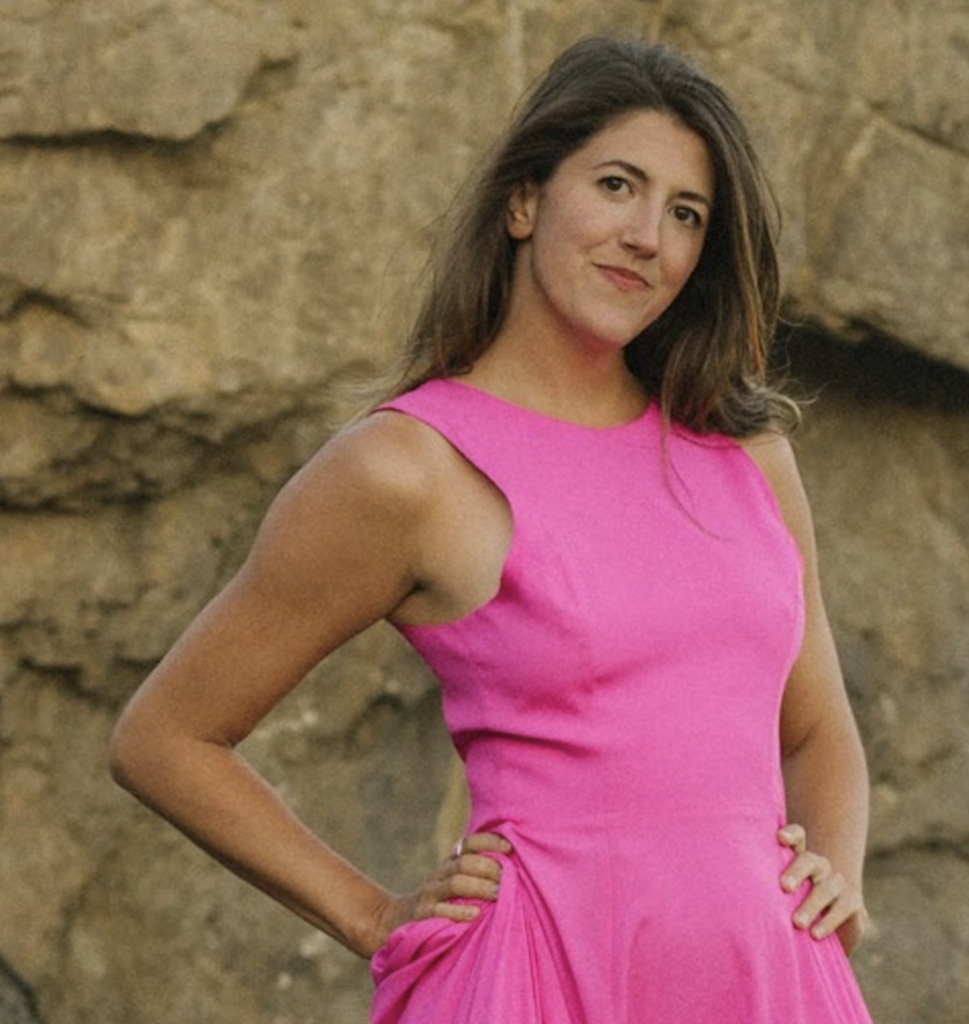
Bonnie is a Bali-based freelance writer specializing in a more eco-conscious brand of luxury travel, design, style and wellbeing. Her bylines to-date include Azure Road, Elle UK, BBC Travel, Artful Living, Upscale Living, BLLNR, Well + Good, The New Zealand Herald and many others. For more from Bonnie, you can subscribe to her Substack or follow Bonnie on IG @eco.luxury.bon.
North Stars: Carbon Footprint, Production and Consumption, Wildlife and Ecosystems
More Stories
 CULINARY, DRINK
Get to Know the Producers Behind the J.P. Bourgeois Portfolio
 CULINARY, DRINK
Where to Taste Wine in Willamette Valley
 DRINK
DRINKMeet the Distillery Making Vodka From Fog
 DRINK
DRINKSake’s Next Step: How Japan’s Rice Wine Is Evolving
 DRINK, HOME
The Buzz on InFizz: Breville’s Carbonator Elevates Sparkling Water