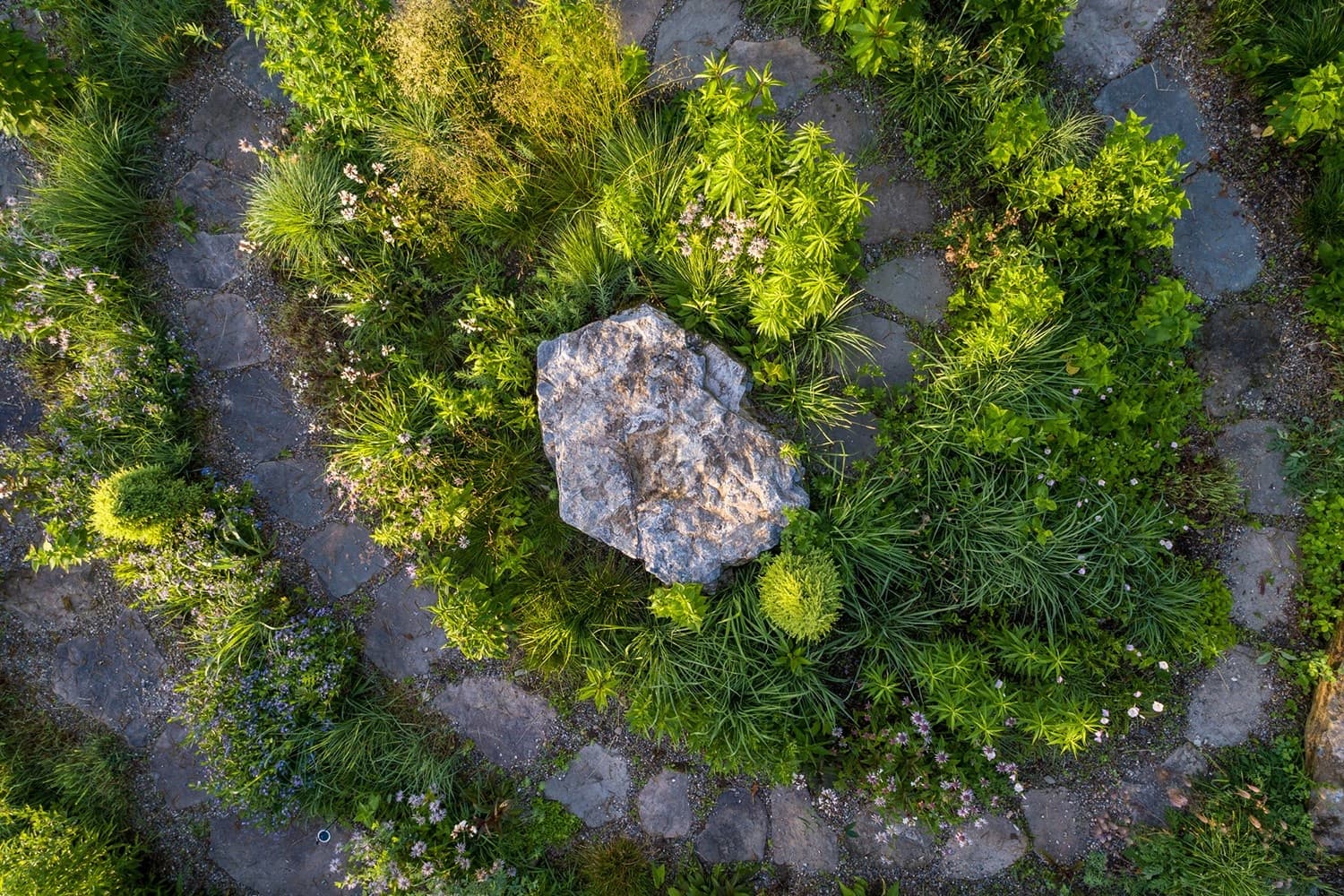
“When you see all the things in bloom…you’ll understand the reason people invest in their outdoor environments.”
Mention xeriscaping, and many people picture a yard covered in gravel, cacti, and succulents. It’s an easy assumption to make. Xeriscaping — a form of landscaping that eliminates or greatly reduces the need for irrigation — is extremely popular in arid environments. Out in the desert, it’s harder to maintain traditional gardens and water conservation is paramount. Having a water-wise, climate-adapted garden makes sense.
In reality, the practice has little to do with creating a desert-like landscape to mimic the surroundings. Instead, it has everything to do with designing gardens that use water more intentionally.
“Xeriscaping is frequently misunderstood as a decorative style built around gravel, cacti, or ‘dry garden’ aesthetics,” says Jim Fucetola at Earthwise Seed. “In practice, it’s a water-use strategy. The real thing is about plant selection, soil health, and design working together — not the absence of plants.”
Rather than forcing plants to adapt to an unfit environment, xeriscaping works with environmental conditions like climate, soil, and plant selection. The result conserves water, without being any less vibrant and biodiverse.
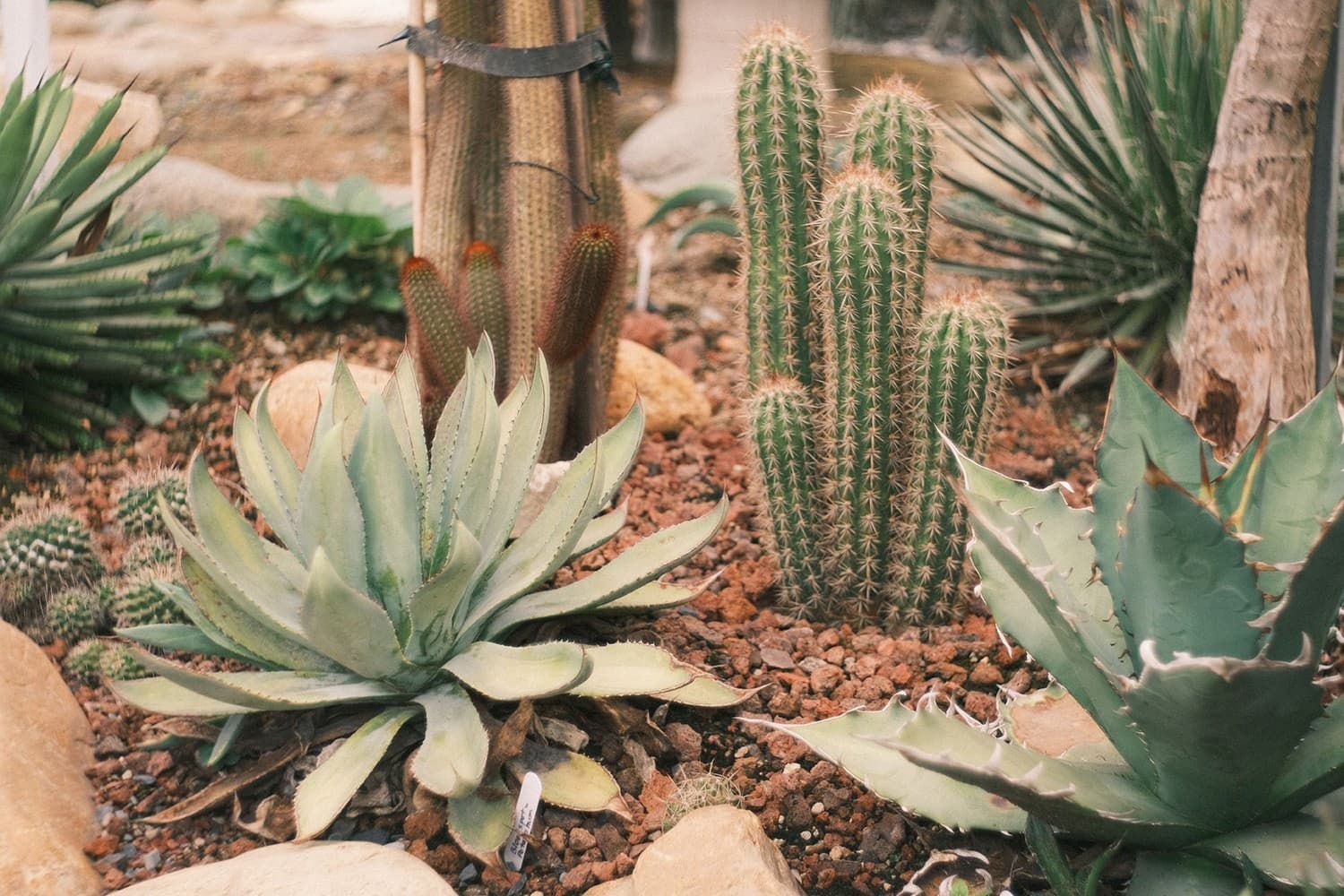
A classic example of desert-style xeriscaping. Courtesy of Pexels
It’s About More Than Saving Water
While lower water bills may be one of the most obvious benefits, experts say xeriscaping’s impact extends far beyond irrigation.
Healthier soils are one of the biggest advantages. With the addition of mulch and living groundcovers, reducing overwatering encourages better soil structure, microbial activity, and water infiltration. According to Fucetola, this helps landscapes better withstand both drought and periods of heavy rainfall.
Increased plant diversity also creates habitat for pollinators, beneficial insects, and birds. Instead of a monoculture lawn, a resilient ecosystem has been formed.
Sal Bracale, president of Moon Valley Nurseries, points to another often-overlooked benefit: temperature. Rather than reflecting warmth back toward a home, trees and shrubs absorb radiant heat. Strategically planting shade trees on the southern and western sides of a property — or outside frequently used rooms — can help keep interiors cooler, reducing demand for air conditioning.
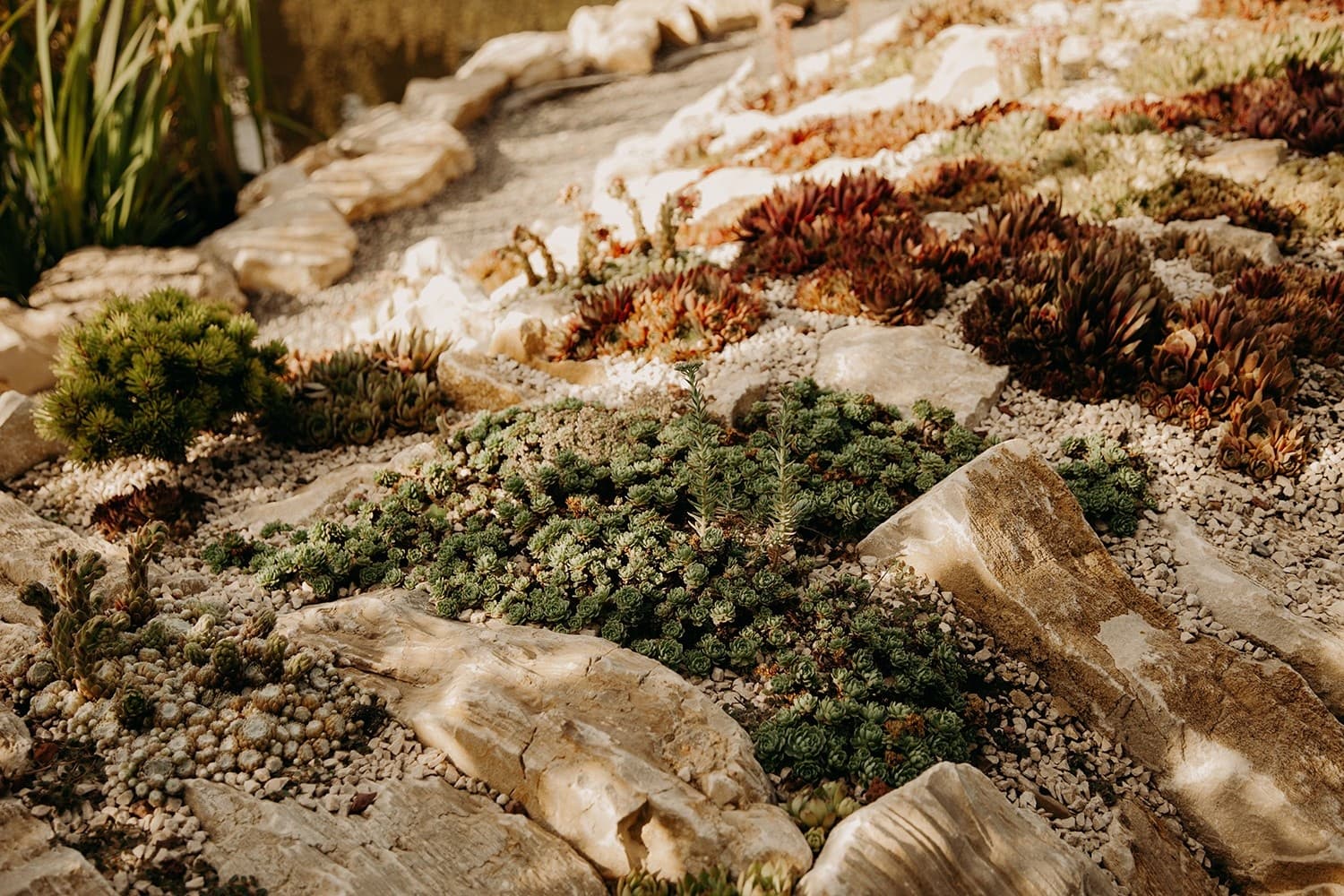
A succulent xeriscape garden. Courtesy of Pexels
A Xeriscape Garden Can Still Feel Lush
Another common misconception is that conserving water means sacrificing beauty. In reality, the opposite is often true. By choosing plants with different bloom times, textures, and forms, a landscape can remain colorful throughout the year.
“By no means do we have to plant cactus to accomplish a xeriscaping-style yard,” says Bracale. “Many of the plants bloom quite heavily.”
Fucetola says a successful xeriscape isn’t defined by specific plants, but by choosing species adapted to the local climate. Native grasses create movement, flowering perennials provide seasonal color, and pollinator-friendly plants introduce ecological value alongside beauty. Even alternatives to traditional turf, like fine fescues or clover blends, can create the appearance of a lush lawn while requiring far less irrigation.
Rather than relying on a single plant palette, Bracale recommends designing for year-round interest. Lantana perennials can flower nearly all year long, while salvia and cassia bloom in spring. Summer brings blossoms from desert willow, palo verde, vitex, and sage before Mexican bush sage carries color into fall. Chuparosa and yellow bird of paradise brighten winter gardens, while sculptural plants like golden barrel cactus and variegated agave provide texture.
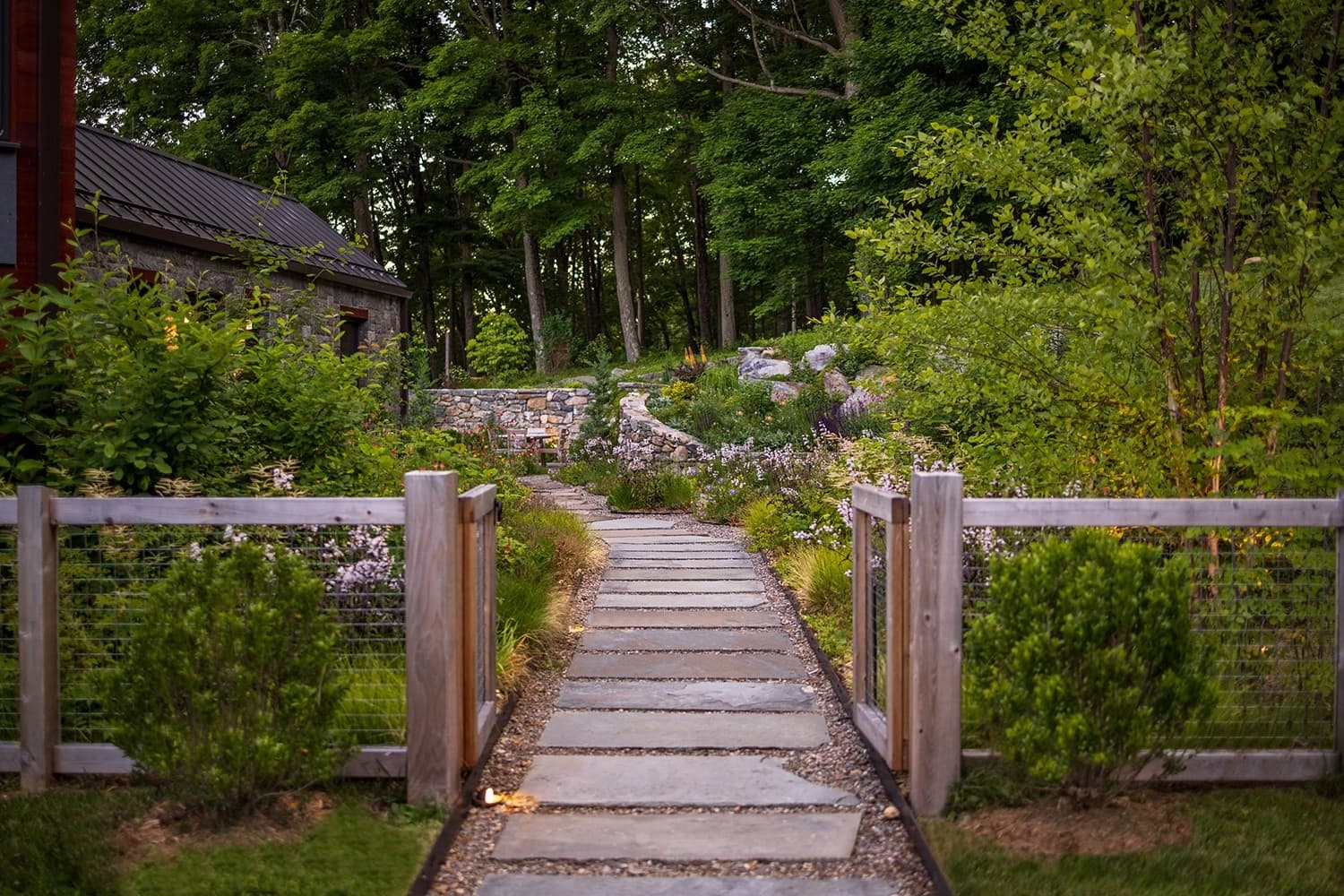
Xeriscaped gardens come in all forms. Courtesy of Hortulus Animae
Good Xeriscaping Is Built in Layers
Many homeowners assume xeriscaping simply means replacing grass with gravel. According to garden designer Mirela Bajic at House Designer, that’s where many projects go wrong.
“The biggest mistake I see is replacing a lawn with gravel and stopping there,” she says. “Gravel without planting does nothing for biodiversity and can actually make a property hotter.”
Instead, Bajic encourages homeowners to think in layers. Dense planting helps shade the soil, reducing evaporation while creating a fuller, more natural-looking landscape. Mulch protects moisture and ornamental grasses add movement. Then, flowering plants such as salvias, achillea, echinacea, and verbena bonariensis provide long-lasting color.
Bajic recalls one project that completely changed a homeowner’s perception of xeriscaping. Rather than removing everything at once, the garden was rebuilt gradually. Climate-adapted groundcovers replaced portions of turf, and wildflowers were introduced in distinct zones for seasonal color.
“What changed the perception wasn’t just the plant palette,” Bajic says. “It was how intentional the layout felt. The space still read as a yard, but it had movement, variation, and color through the year instead of a single static surface.”
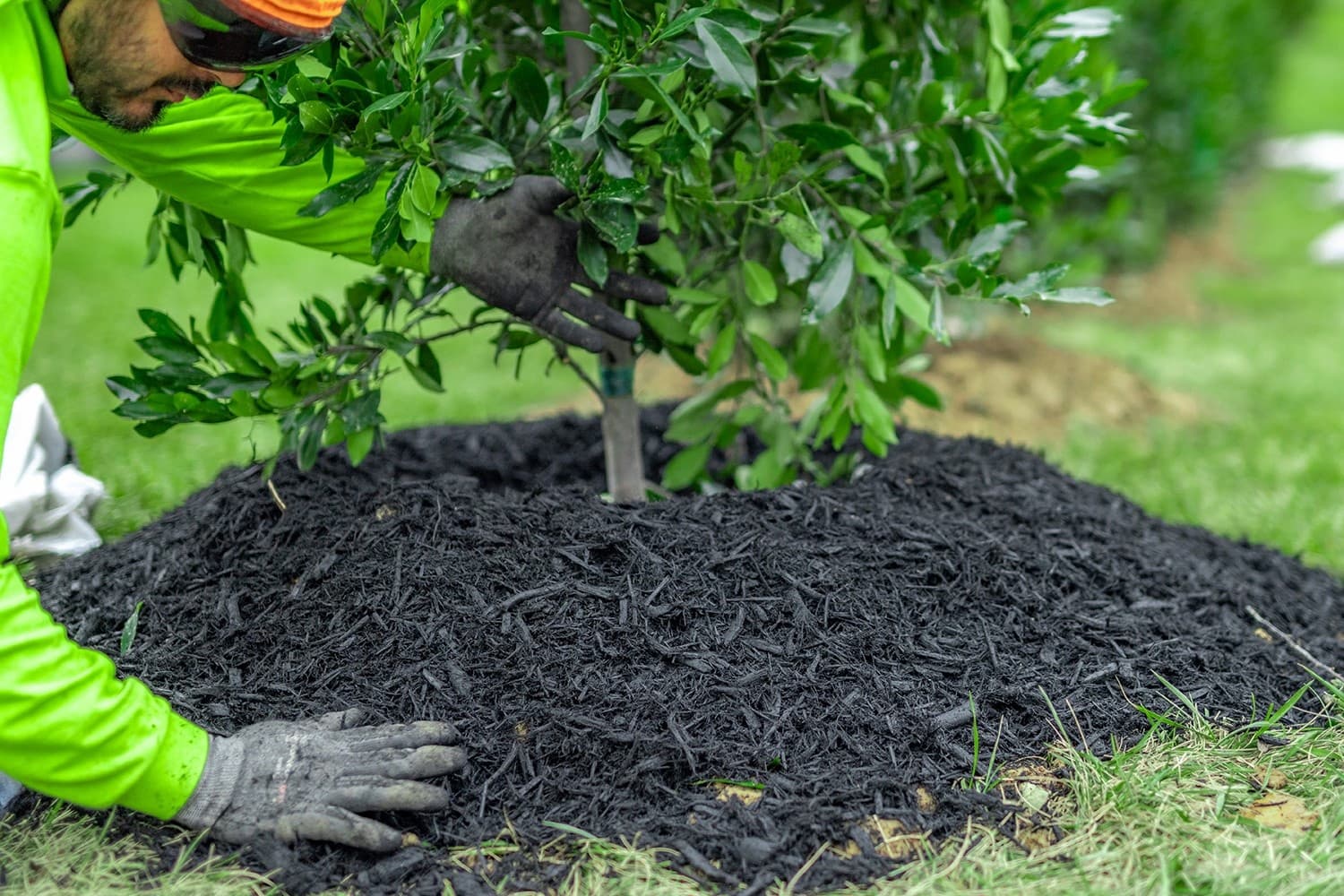
Mulching is an important xeriscaping practice. Courtesy of Moon Valley Nurseries
A Different Way to Think About Landscaping
Creating a xeriscape doesn’t require replacing an entire yard overnight. More often, it’s the result of a series of thoughtful decisions that take weeks to months to come together. While also being healthier for the flora and soil, these slow, strategic changes allow the gardener to be more intentional with design and plant choices.
An excellent xeriscape can also have qualities beyond the ecological and aesthetic; it can be influential. Bracale believes seeing a well-designed xeriscape in person is often enough to change people’s minds.
“When you see all the things in bloom, smell all the different fragrances from the plants and blooms, see the various colors, and see the butterflies and hummingbirds doing their work, you’ll understand the reason people invest in their outdoor environments,” he says.

Angelika Pokovba is a writer living between New York City and the Mexican jungle, where she writes about travel, design, culture, hospitality, and the rituals that shape the way we live. Drawn to ancestral traditions, sustainability, and destinations with a strong sense of place, her work explores the nature, identity, craftsmanship, and modern life through an immersive and oftentimes personal lens. She speaks six languages, loves getting lost in local markets and cooking elaborate meals from whatever she picks up along the way, and feels most at peace at 10,000 feet. Follow along on @wordsbyangelika.
North Stars: Energy Efficiency, Water Management, Wildlife and Ecosystems
More Stories
 CULINARY, DRINK
Get to Know the Producers Behind the J.P. Bourgeois Portfolio
 CULINARY, DRINK
Where to Taste Wine in Willamette Valley
 DRINK
DRINKMeet the Distillery Making Vodka From Fog
 DRINK
DRINKSake’s Next Step: How Japan’s Rice Wine Is Evolving
 DRINK, HOME
The Buzz on InFizz: Breville’s Carbonator Elevates Sparkling Water