“Every choice that extends a garment’s life reduces its footprint.”
I’m holding a white skirt printed with abstract black flowers. It’s about 20-odd years old, purchased several decades ago at the Gap. When you think of “sustainable fashion,” this brand probably isn’t the first one to come to mind. Yet, this flower-dotted skirt may be the most environmentally friendly piece of clothing I own. Not because of the materials used or manufacturing processes, but because of how long it’s lasted. Does that make it sustainable fashion, though?
For years, brands like Allbirds and Everlane made sustainability part of mainstream fashion. But now, those same companies have floundered: Allbirds closed its remaining U.S. stores earlier this year, and Everlane, the company that popularized “radical transparency,” sold to fast-fashion giant Shein.
With these major shifts in the industry, the term “sustainable fashion” feels murkier than ever before. What counts as sustainable fashion? Is it using organic cotton? Paying workers fair wages? Buying secondhand? Simply wearing what you already own? As it turns out, sustainable fashion can take many different forms and have an impact in a variety of ways.
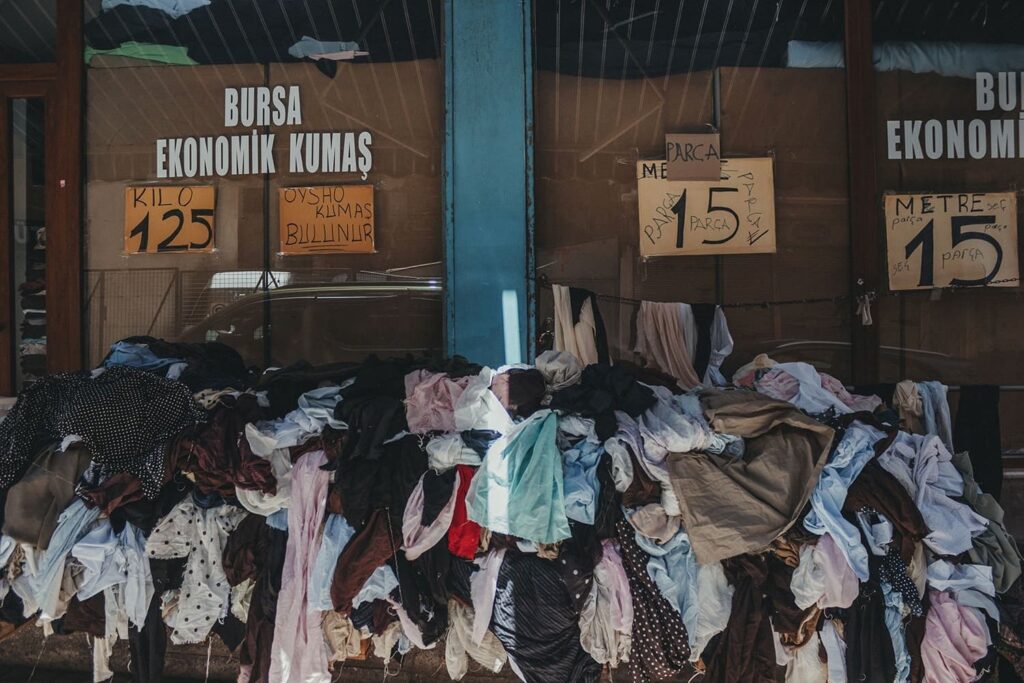
Too many clothes creates excess waste. Courtesy of Pexels.
Why Does It Matter?
The fashion industry has a massive environmental footprint. Not only is it responsible for an estimated 8% of global greenhouse gas emissions, but it’s also one of the world’s largest water consumers. Much of the industry’s production happens in the Global South, where female garment workers earn low wages under horrendous conditions.
It’s all in pursuit of a gargantuan output of product, fueled by constant trends and what’s “in” at the moment. Since 2000, clothing production has basically doubled, churning out billions of items each year. But at the same time, shoppers have kept their apparel for less time. In 2024, discarded clothing worldwide reached 120 million metric tons. That’s enough to fill more than 200 Olympic stadiums.
“We’ve been trained to buy, buy, buy,” says Amy Williams, a University of Southern California professor with a focus on sustainable fashion. “People have closets full of clothes but still feel like they have nothing to wear.”
That breakneck level of production is only expected to continue. According to the UN Framework Convention on Climate Change, emissions from textile manufacturing alone could increase 60% by 2030. Sustainable fashion seeks to reduce those impacts, but how exactly varies.
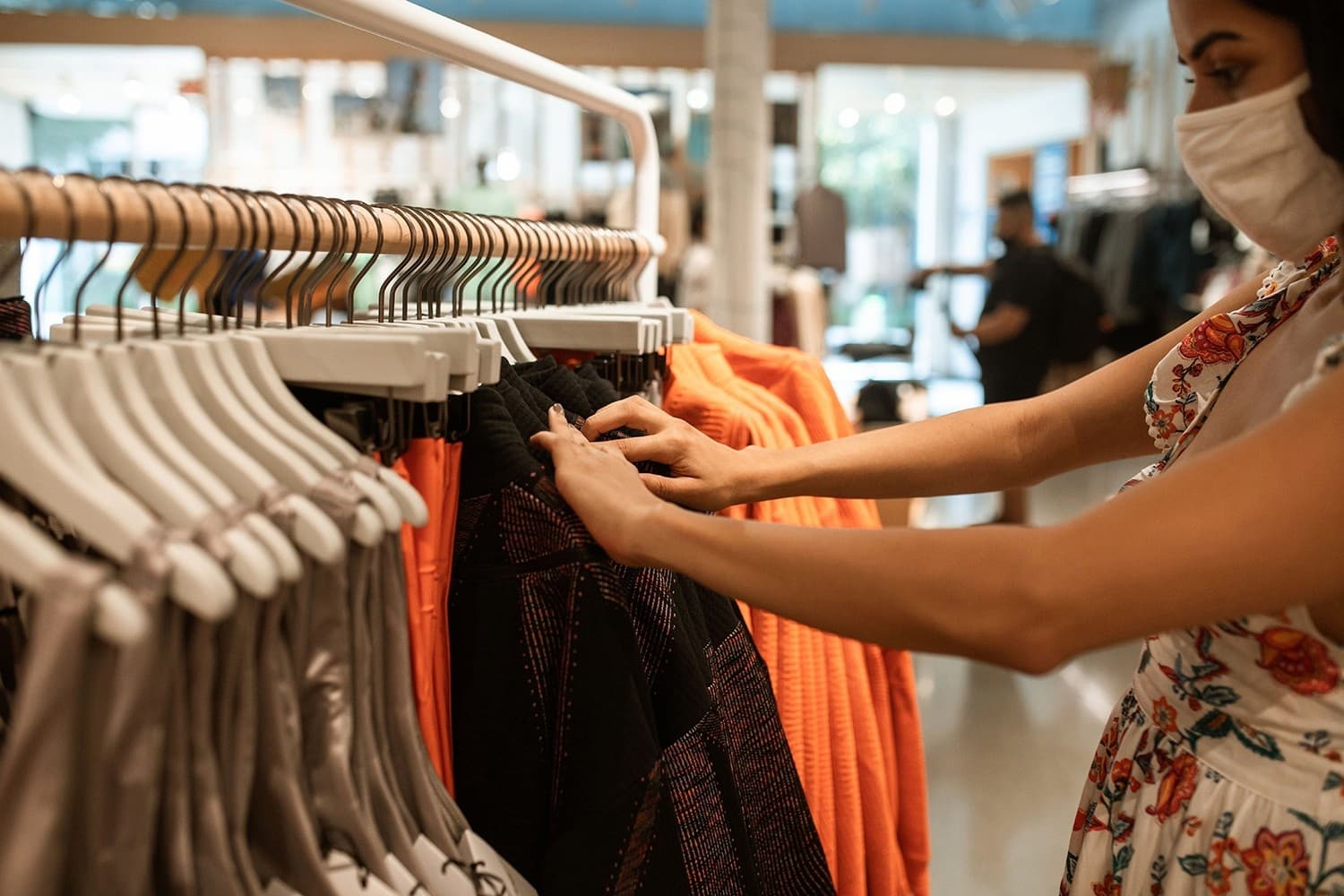
Consider each purchase before buying. Courtesy of Pexels.
What Is Sustainable Fashion?
If you ask multiple people to define sustainable fashion, you’ll likely get multiple different answers. At its most basic, though, sustainable fashion means creating, buying, or wearing clothing in ways that reduce environmental harm and support the people who make it. How that happens, though, is where things get more nuanced.
“There’s not one answer that makes something sustainable,” says Karen Pearson, chair of the Fashion Institute of Technology Sustainability Council. “There are practices — buying something locally produced, understanding how it was made, choosing products made responsibly through the supply chain. Every choice that extends a garment’s life reduces its footprint.”
With varying approaches to sustainable fashion, different terms can be used based on the practice or means. There’s ethical fashion for labor practices, which focuses on the workforce side of the industry. From an environmental standpoint, there’s eco-friendly fashion, which deals with materials and dyes. Then, there’s slow fashion: choosing quality over quantity by investing in pieces that last. These are just a few ways fashion can be made more “sustainable.”
What to Consider When Shopping Sustainably
Buy Less, Wear More
A well-made piece worn for years — like my Gap skirt — has a much smaller environmental footprint per wear than a trendy item that’s worn once and forgotten. Repairing clothing also extends its life and reduces textile waste.
“The best thing you can do before buying something is ask yourself: Do you really need it?” Williams says. “If we buy something, we should buy it with the intention of taking care of it.”
From hemming pants to fixing buttons, many minor clothing fixes can be learned and done at home with a simple sewing kit or machine. Alternatively, tailors and alteration shops can be found in many cities and towns, where you can take items for more professional fix-ups and TLC. Some companies, like Patagonia, also have repair programs where shoppers can send in damaged items for fixing.
You can also buy less by purchasing higher-quality items likely to last longer. Look for durable natural fibers, sturdy construction, and classic styles you’ll wear for years.
Buy Secondhand When You Can
While buying secondhand doesn’t erase the environmental impact of producing clothing, extending a garment’s lifespan lowers its carbon footprint. Plus, it’s easier than ever to thrift and find preloved items.
“It’s one of the simplest ways consumers can make a positive impact without changing their lifestyle,” says Vale Siegrist, founder of Circular Club, a kids’ clothing membership. “A few years ago, secondhand shopping was mostly associated with thrift stores or bargain shopping. Today, people see it as a smart way to access quality clothing, save money, and reduce waste. Every time a garment is worn by another family instead of sitting unused or ending up in a landfill, we get more value out of the resources that were already used to make it.”
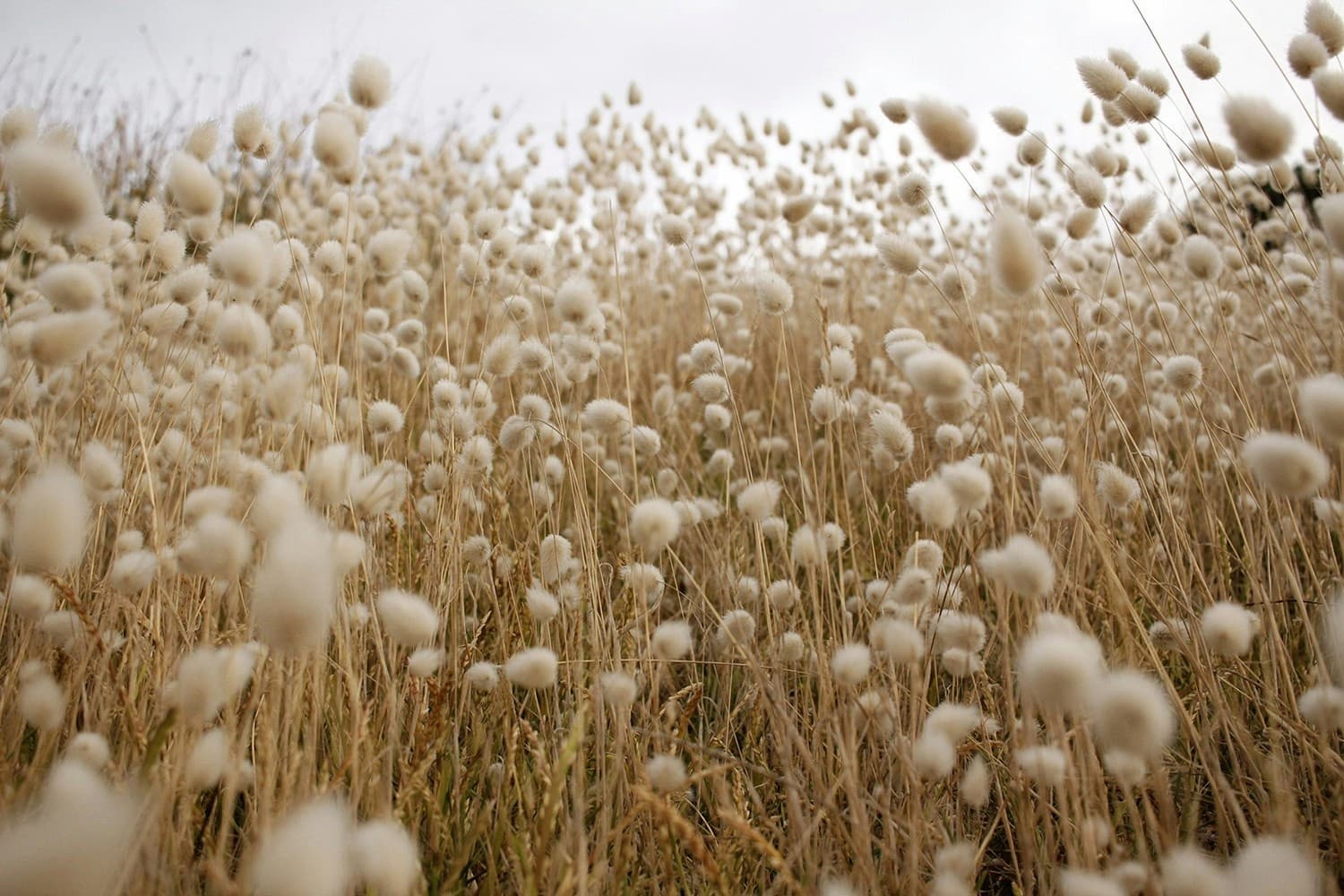
Experts recommend wearing clothing made with natural materials like cotton. Courtesy of Amber Martin on Unsplash
When You Do Buy, Pay Attention to Materials
The next time you go to buy something, read the fiber content label. No fabric is perfect, but the type of materials used can significantly impact the item’s environmental footprint.
“Train yourself to buy the best fabric you can,” Williams says.
Experts generally recommend durable natural fibers such as cotton (ideally organic), linen, and hemp.
“If it’s an available option, choosing a natural fiber is a great choice — try to stay away from petroleum-based products where you can,” says Pearson. Even leather, she notes, isn’t automatically the wrong choice. Leather sourced from regenerative farming operations and tanned responsibly can be more environmentally friendly than a petroleum-based alternative.
Ask How Clothing Is Made
Behind every garment is someone who made it. Because it’s a point of pride, many sustainable brands are vocal about their sourcing. Check a brand’s supply chain transparency reports (if available) and research the company’s practices online.
“Transparency is the goal, but so much of the supply chain is still untraceable,” Williams says.
You can also look for sustainability labels that communicate more about a brand’s values and manufacturing processes. These can include certifications like being a B Corp or using certified organic cotton. However, these labels shouldn’t be the only reason you buy something. Some small brands may lack the resources to pursue certifications while still using responsible practices. Doing your own research goes above and beyond merely looking for labels.
Be Wary of Greenwashing
Greenwashing is a practice where brands highlight their sustainability specs in order to appeal to shoppers, but their actual products and processes aren’t as eco-friendly as they claim.
To avoid buying from a greenwashing fashion brand, look closer at the fine print: what is the item made of? Does the company have any legitimate sustainability certifications? Can you find verifiable sustainability practices and achievements on the company’s site? Often, a little digging is all it takes to reveal the true extent of a brand’s dedication to sustainability.
Donate or Resell
If you no longer want to keep an item of clothing, donate it to a reputable thrift store or charity. If the item has some resale value, consider consignment shops or services. Some companies also have reuse programs that encourage shoppers to send in items they no longer want. Once mended and cleaned, they can be resold as preloved items or broken down into parts and materials to make something new. If you’re considering getting rid of a clothing item, check if the company you bought it from has such a program.
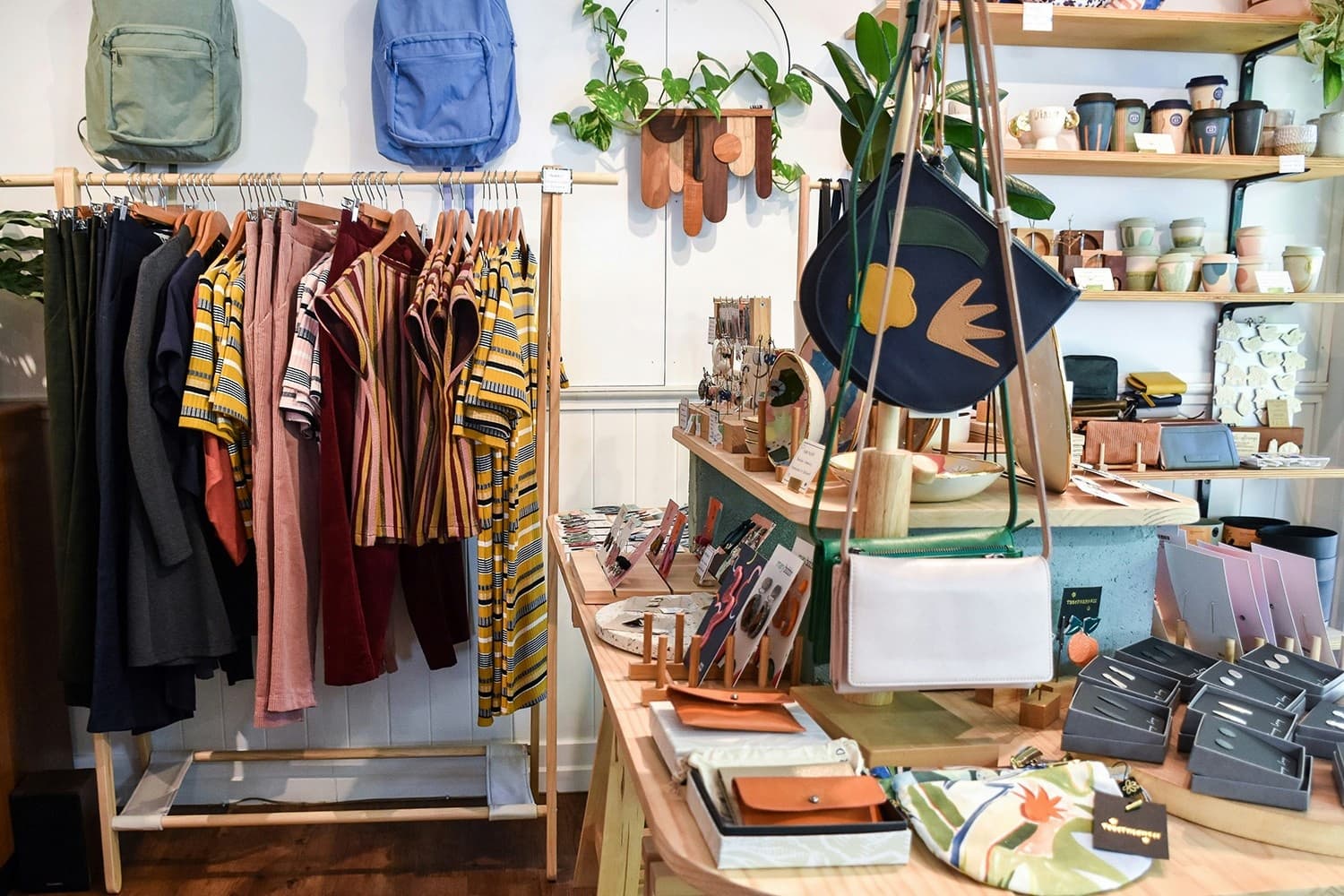
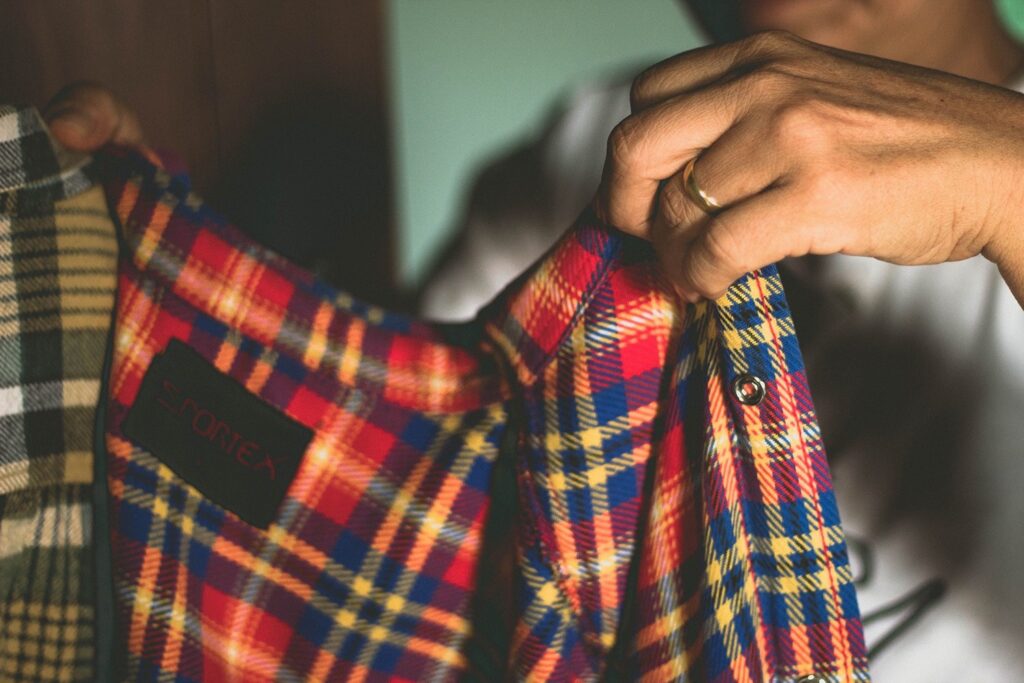
Where you shop matters too, like independent boutiques. Courtesy of SOCIAL.CUT on Unsplash
Be a Savvy and Sustainable Shopper
“You don’t have to go all in, change your closet, and buy 100 percent organic to embrace sustainable fashion,” Siegrist says. “Once clothes are already made, everything we can do to reuse them before they go to the landfill makes the biggest difference.”
Next time you’re shopping, ask yourself a few questions before heading to the checkout. Do you really need this item? How long do you think it’ll be useful? Do you already own something similar that can serve the same purpose? Look at the tags to see if there’s information about the materials used or the company’s manufacturing practices. If the brand is new to you, take a few minutes to look into the types of clothing it makes. Does it align with your values? Give yourself some time to mull the decision over; if you can, leave the item in your cart for a day or two before returning and seeing if you still want it.
These questions, and taking a beat to research and look closer, can help us shop more sustainably and shift what we wear and how we think about fashion.
North Stars: Certifications, Production and Consumption, Waste Management