
“Quality is down, quantity is up, and we’ve become resigned to the fact that everything is increasingly temporary.”
We’ve all been there. We’ve bought a pair of trousers or a decent shirt and worn it half to death. After six months, you start to see some wear-and-tear: stretching at the seams, faded fabric, loose buttons.
Nowadays, many of us shrug it off and either try a fast fix or simply toss it and find a new favorite item of clothing. With so much cheap clothing available, it’s often easier to get something new rather than take the time to mend it. This is a constant cycle in the current fast fashion world. And it’s not just in fashion, either. Consumers complain of cellphone batteries dying faster or software updates bricking up old tech.
Quality is down, quantity is up, and we’ve become resigned to the fact that everything is increasingly temporary. Little seems made to last anymore. Companies want consumers to buy what’s new, and often put up roadblocks to make fixing already-owned items more difficult.
It shouldn’t be this way. That’s where the Right to Repair comes in.
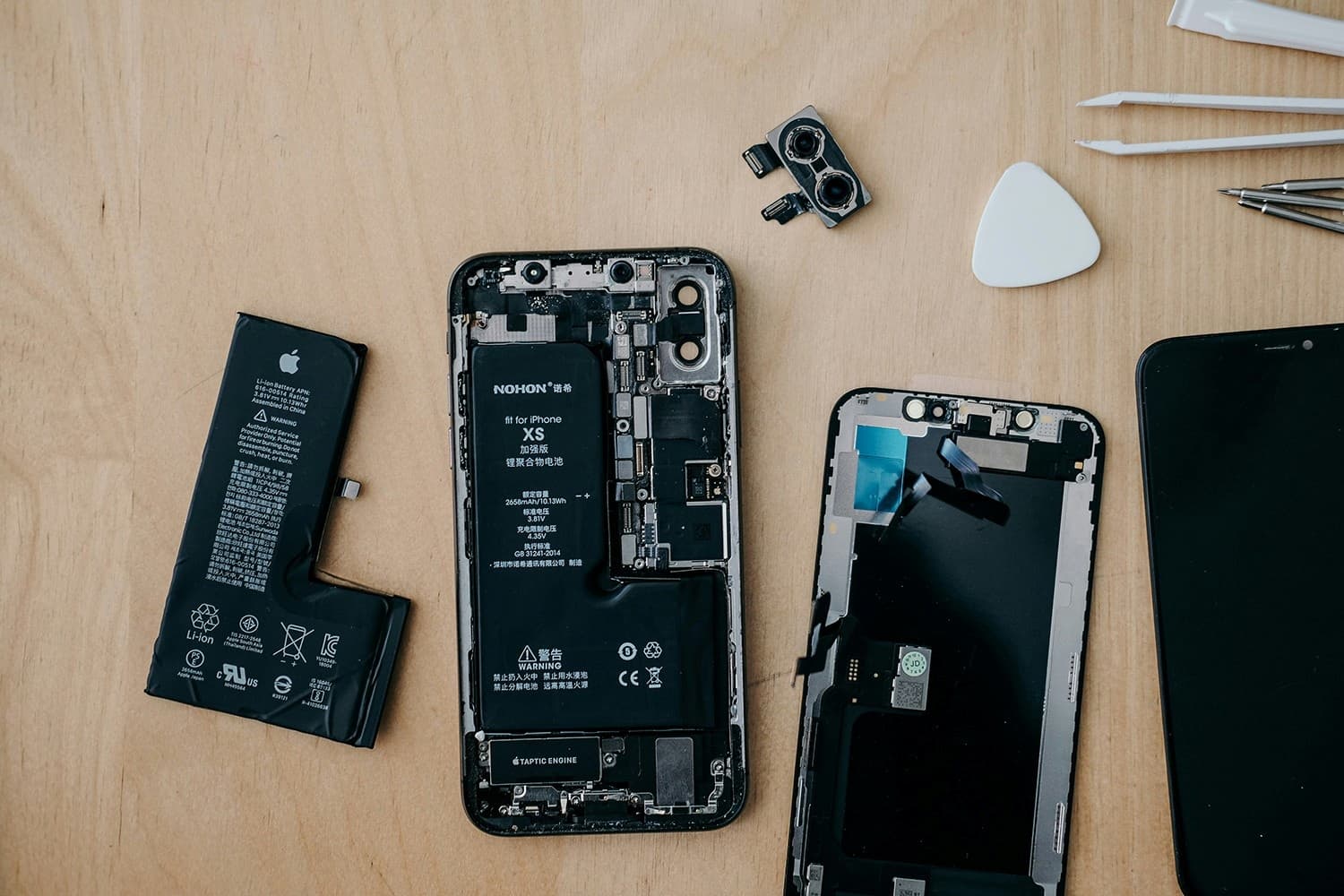
iPhone repair. Courtesy of Insung Yoon
What Is the Right to Repair?
According to The Restart Project in the UK, “The Right to Repair is a global movement and legislative push designed to empower consumers to fix their own electronic, automotive, and household devices. It mandates that manufacturers provide access to affordable spare parts, repair manuals, and diagnostic tools, while outlawing software locks that prevent third-party fixes.”
Essentially, it pushes back against corporate policies that restrict access to parts and knowledge for fixes done outside a company’s ecosystem. When a company gatekeeps information or means for fixing an item, consumers are forced to abide by their rules and pay their rates.
A major offender in this space is tech companies, like Apple. For years, nearly every new phone release required paying more for a new charger or set of headphones. Forget about getting a third-party fix; repairs could only be done in-house or from approved vendors, eliminating competitive rates and cheaper repairs. For years, Apple faced criticism that it slowed down older models (a practice meant to prevent unexpected shutdowns from degrading batteries), creating a perception that current phones would slow down and become next to useless after only a few years.
In recent years, there’s been a backlash against these kinds of branded ecosystems. Thanks to a 2022 directive, the EU mandates that all phone companies have the same compatible chargers. As a result, Apple is also now releasing replaceable batteries for its phones.
Through nonprofits, legislation, and collective action, the Right to Repair movement is fighting to make this common-sense approach a reality throughout the manufacturing supply chain. But it goes beyond advocating for more equitable policies from corporations. It also encourages consumers to return to the practice of fixing or repairing broken items, rather than throwing them out and buying something new.

Right to Repair applies to everything from tech to apparel. Courtesy of Pexels
Shopping Smart and Knowing Your Consumer Rights
Being a smart shopper and choosing items that support or empower your right to repair is a good place to start.
Shoppers want to know their purchases will last, or if an item does break down, that it’s fixable. This is especially true for higher-ticket items like electronics and vehicles.
For example, buying an older car may seem cheaper at first. But if it calls for specific or out-of-production parts, fixing it might become more expensive than the car itself. So, before buying something, consider its quality, lifespan, and repair access. This may call for purchasing pricier but high-quality and longer-lasting items, a choice that could necessitate saving up. But you’re likely to save more in the long run by choosing something made to last or that has viable repair routes. Otherwise, you’re constantly buying replacements.
While we often buy things with warranties, there are also consumer rights laws. This is a form of protection many people don’t know about, and knowing your rights is a crucial tool in the war against disposable electronics.
Countries around the world like Canada have started implementing these types of “right to repair” laws. In the UK, there’s the Consumer Rights Act 2015. According to consumer rights publication Which?, “This law requires goods to be of satisfactory quality, fit for purpose, and as described. Your rights apply regardless of a standard manufacturer’s warranty and give you up to six years (five in Scotland) to make a claim.” Say your four-year-old laptop starts to break down. Even with a two-year warranty, consumers can file a claim for a repair or replacement thanks to this law.
One outlier, however, is the US, which lacks a blanket, nationwide consumer rights act. Some states, like California, New York, and Texas have laws on the books, but there’s no federal-level legislation. This has led to organizations like the Digital Right to Repair Coalition taking up the mantle, providing consumers with information about state-by-state laws, violation reporting portals, and educational resources.
If you can’t find any concrete consumer rights for your state, then look to the warranties and promises of individual brands. Does it include a two-year warranty? Does your warranty get voided if you try to fix it yourself or get a third-party fix? These are all good questions to investigate so you know what you’re getting into as a customer.
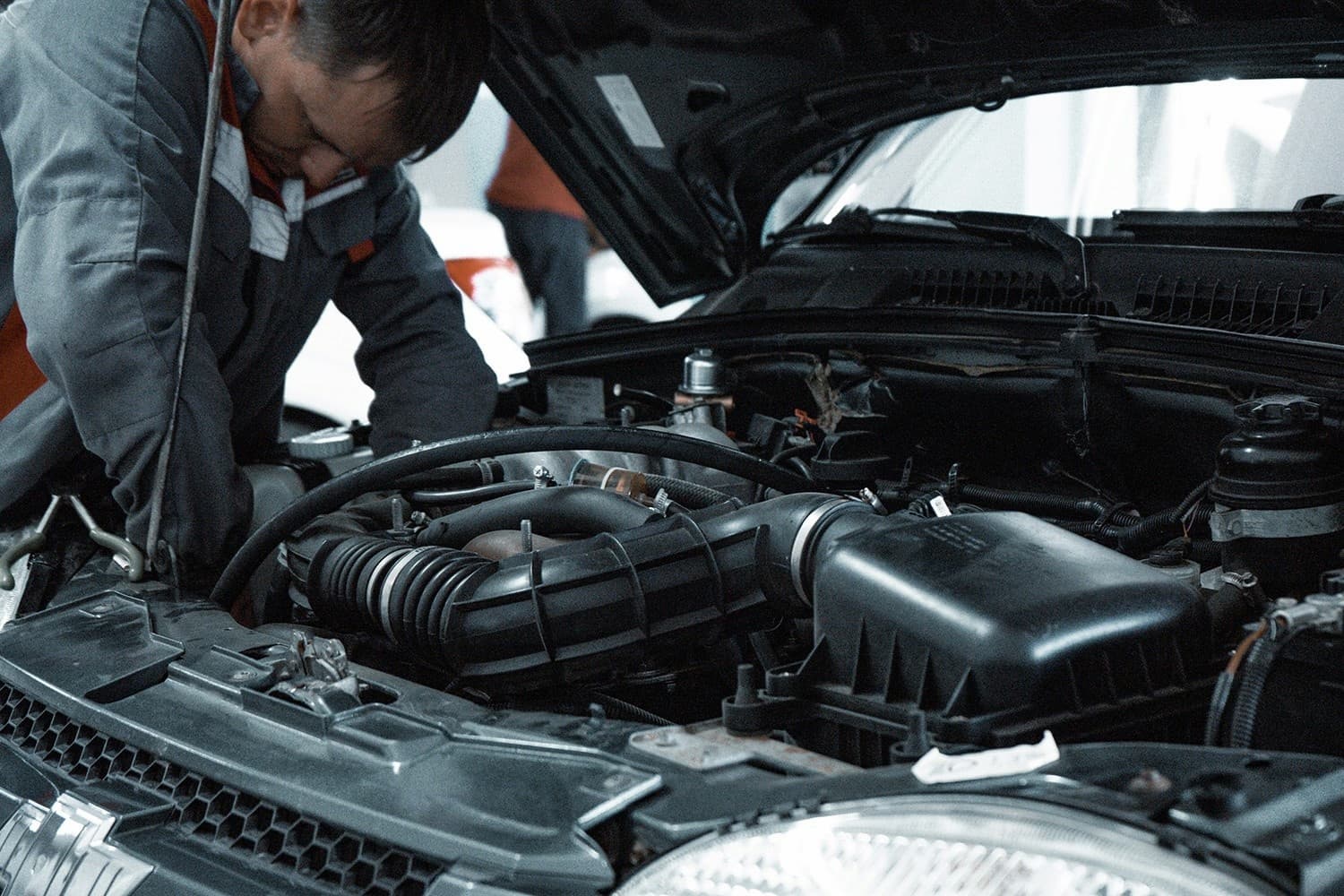
A mechanic at work. Courtesy of Kate Ibragimova
Why Does this Matter Now?
Why does this shift in attitude matter now? Well, it boils down to the economy. Both in the US and globally, cost of living is on the rise, a growing crisis fueled by factors like high inflation and wage stagnation. With items costing more and more, it’s harder for people to save. In the US, the median savings for an 18- to 35-year-old is $5,400.
To illustrate how quickly that number can dwindle, look at the cost of car repairs. A major car breakdown can easily cost between $2,000 and $3,000. Some companies require that maintenance or repairs be done at branded garages, which usually comes at a higher rate.
Recently, my partner and I went to our branded garage for a car service. Even before being quoted for the work, the visit cost £300. After inspection, we were told it would cost almost £2,500. At our local garage, they did the work for a little over £1,000.
If the brand locked away its parts from third-party garages and no compatible, second-hand parts could be found, we’d be forced to fork over an additional £1,500 solely due to corporate gatekeeping. All that for a car only worth £3,800. Many people don’t have the disposable income to cover those mark-ups or continually replace items. This is why right to repair is so important.
While there is an argument for protecting branded parts, products, and IP, companies should still make products that stand the test of time and can be fixed if necessary. Admittedly, it would be lovely if everything had reasonable lifetime warranties, like outdoor gear maker Osprey’s 30-year warranty. But as a middle ground, having products that actually last over five years shouldn’t be an unreasonable ask.
Then, there’s also the environmental impact to consider. Humans produce millions of tonnes of waste each year; for example, 62 million tonnes of electronic waste was produced in 2022. 92 million tonnes of textile waste goes to landfills annually. Compound that by all the other items we produce and use, and the answer is clear: we can’t keep throwing so much away. There is too much trash, and it’s unsustainable.
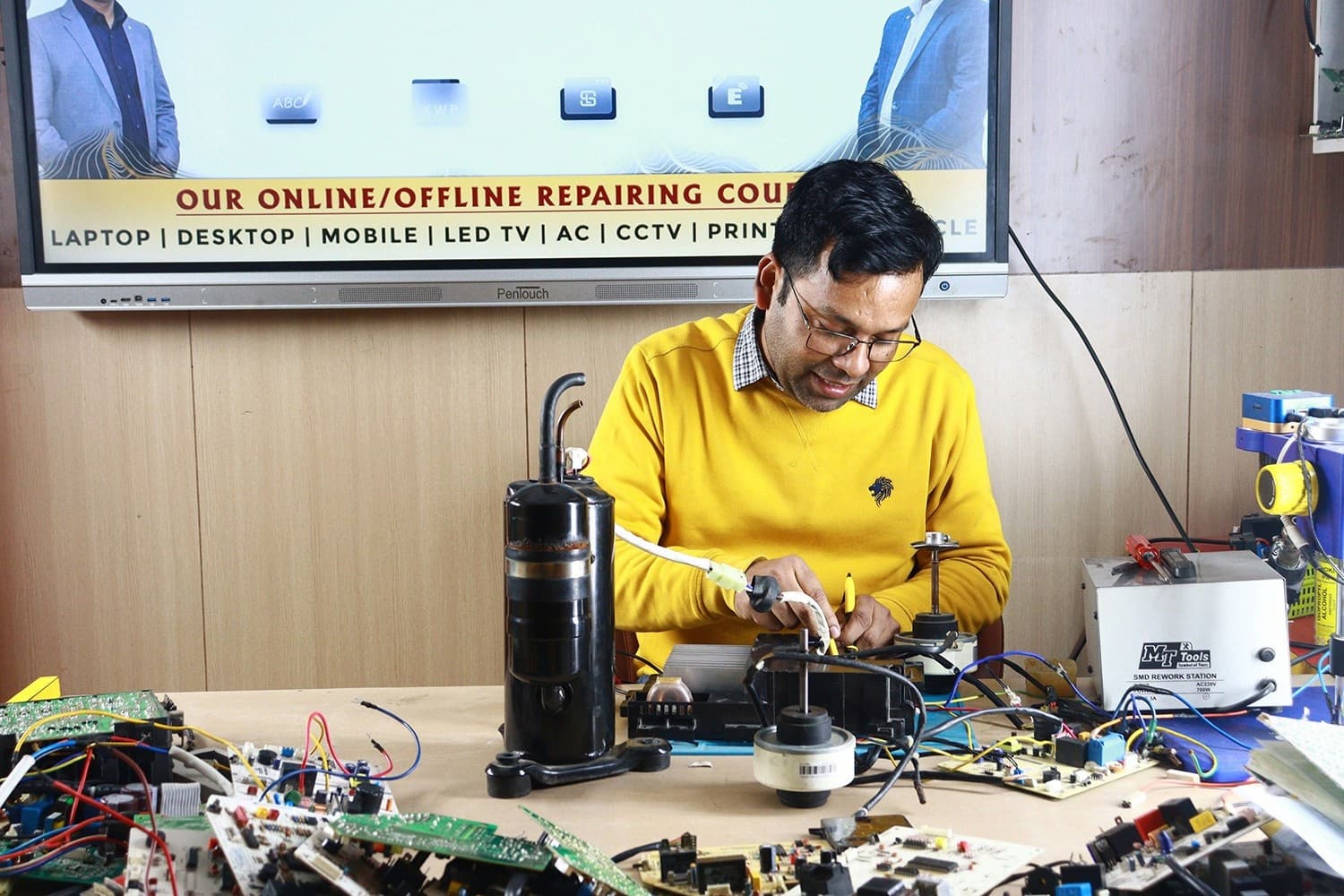
A technician repairs an AC. Courtesy of the Multitech Institute
Joining the Movement
As we move forward with climate goals, the Right to Repair becomes increasingly essential. From the environmental to the economic, consumers are more aware of what it costs to throw something away instead of fixing it. Opting to buy from brands with reliable repair mandates or that use industry-wide compatible parts is a great place to start.
Consumers are hitting a breaking point. They either don’t want to or can’t keep buying new gear, and as a result, seek better options. And the tide is starting to turn. I see repair shops popping up more and more, fixing everything from phones and furniture to clothing. This shift in attitude, from throw-away to fix-up, is hopefully here to stay.

Rebecca is a freelance writer specializing in budget and adventure travel. She can often be found searching for the best tacos and cannolis in a given location, or hiking and bouldering in new destinations. She has been featured in Lonely Planet, The Independent, Stylist Magazine, and Time Out Travel. You can find her writing about her own adventures and sharing budget-friendly, sustainable travel advice on her site, Wandering and Wine. Follow Rebecca on IG @Rebekkiie.
North Stars: Energy Efficiency, Production and Consumption, Waste Management
More Stories
 CULINARY, DRINK
Get to Know the Producers Behind the J.P. Bourgeois Portfolio
 CULINARY, DRINK
Where to Taste Wine in Willamette Valley
 DRINK
DRINKMeet the Distillery Making Vodka From Fog
 DRINK
DRINKSake’s Next Step: How Japan’s Rice Wine Is Evolving
 DRINK, HOME
The Buzz on InFizz: Breville’s Carbonator Elevates Sparkling Water