The Best Mexico City Hotels
Mexico City does grand hotels well, but its most interesting stays live in restored casas and townhouses rather than glass towers. This guide focuses on those smaller properties, where you ring a bell, step through an old stone or brick façade, and find tiled courtyards, jacaranda trees, and rooftops set for breakfast. Many run on solar power, refillable amenities, and local suppliers instead of plastic-wrapped basics, but they lead with design, service, and a strong sense of place. Expect discreet, high-end rooms, thoughtful staff, and locations that put you within an easy walk of the cafés, galleries, and restaurants you actually came for.
Quick Neighborhood Guide to Mexico City
Mexico City sprawls across a basin, but most travelers move between a few key neighborhoods that each feel like their own small city. Centro Histórico pairs grand plazas, cathedral spires, and market chaos with a growing set of design-forward stays and rooftop bars. Roma and Condesa offer leafy streets, Art Deco and midcentury buildings, and a dense concentration of cafés, wine bars, and restaurants that reward walking more than planning. Juárez sits just uphill with galleries, cocktail spots, and menswear boutiques tucked into early-20th-century houses, while Polanco leans polished with museums, parks, and high-end shopping. Farther out, Coyoacán’s cobbled streets and plazas slow the pace, and Xochimilco’s canals and chinampas remind you the city began as a landscape of water and fields, not freeways.
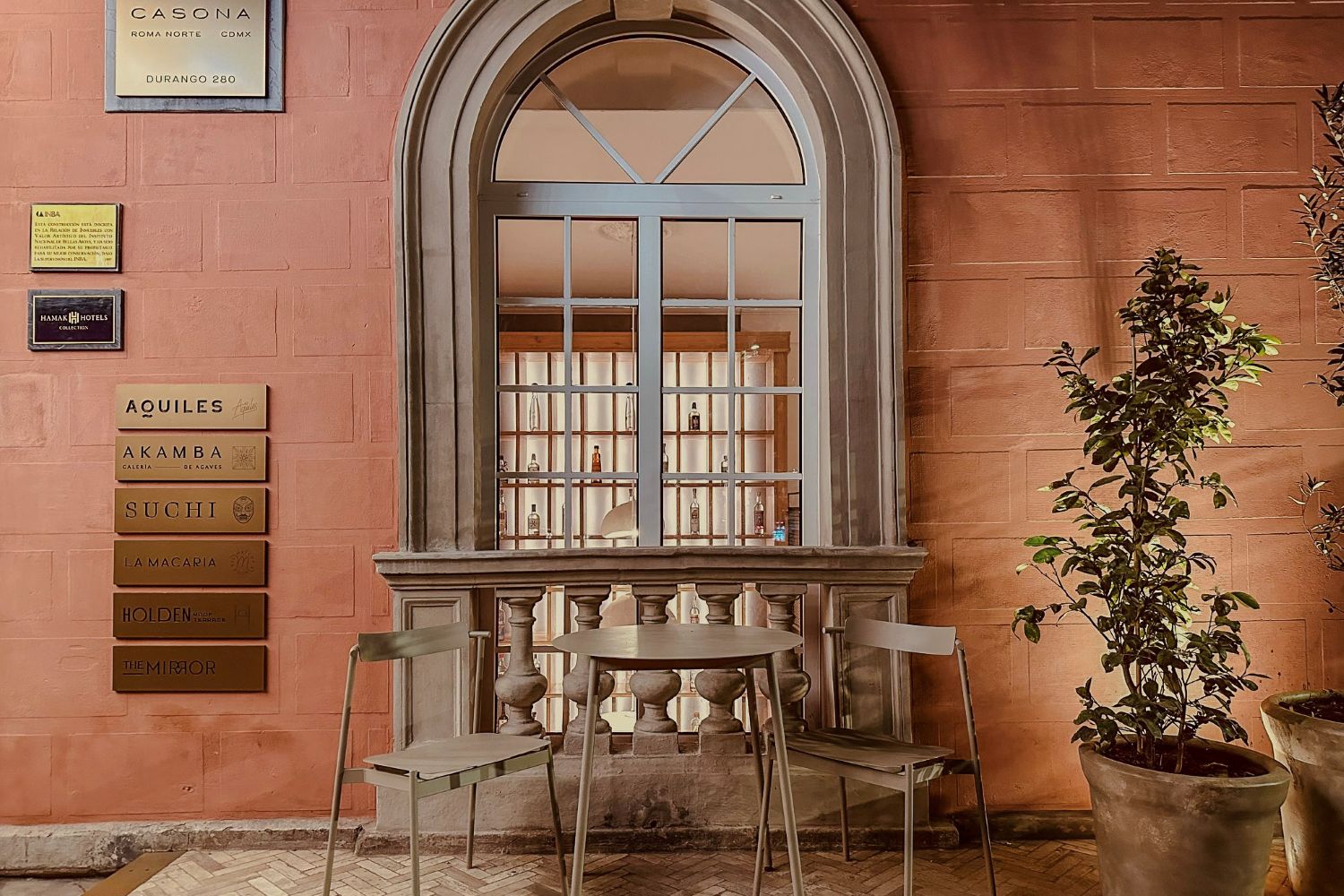
Exterior of Casona Roma. Courtesy of Lauren Moewry.
Hotel Dama
Best for: Design lovers who like small, calm stays
Location: Roma Norte
Price: $$$–$$$$
North Stars:



Behind a steel door on a leafy Roma block, Hotel Dama occupies a converted midcentury house that still feels like a private residence. Black-and-white marble floors, high ceilings, and generous bathrooms create a composed backdrop for vintage furniture, glass lamps, and trailing plants. The 17 rooms feel thoughtfully edited rather than over-styled, and the small scale keeps footsteps and voices low. Breakfast on the rooftop terrace brings coffee, fruit, and eggs to mismatched tables with a view over Roma’s tree canopy. At night you slip through the unmarked door and walk upstairs with the pleasant sense of returning to an apartment you wish belonged to you.
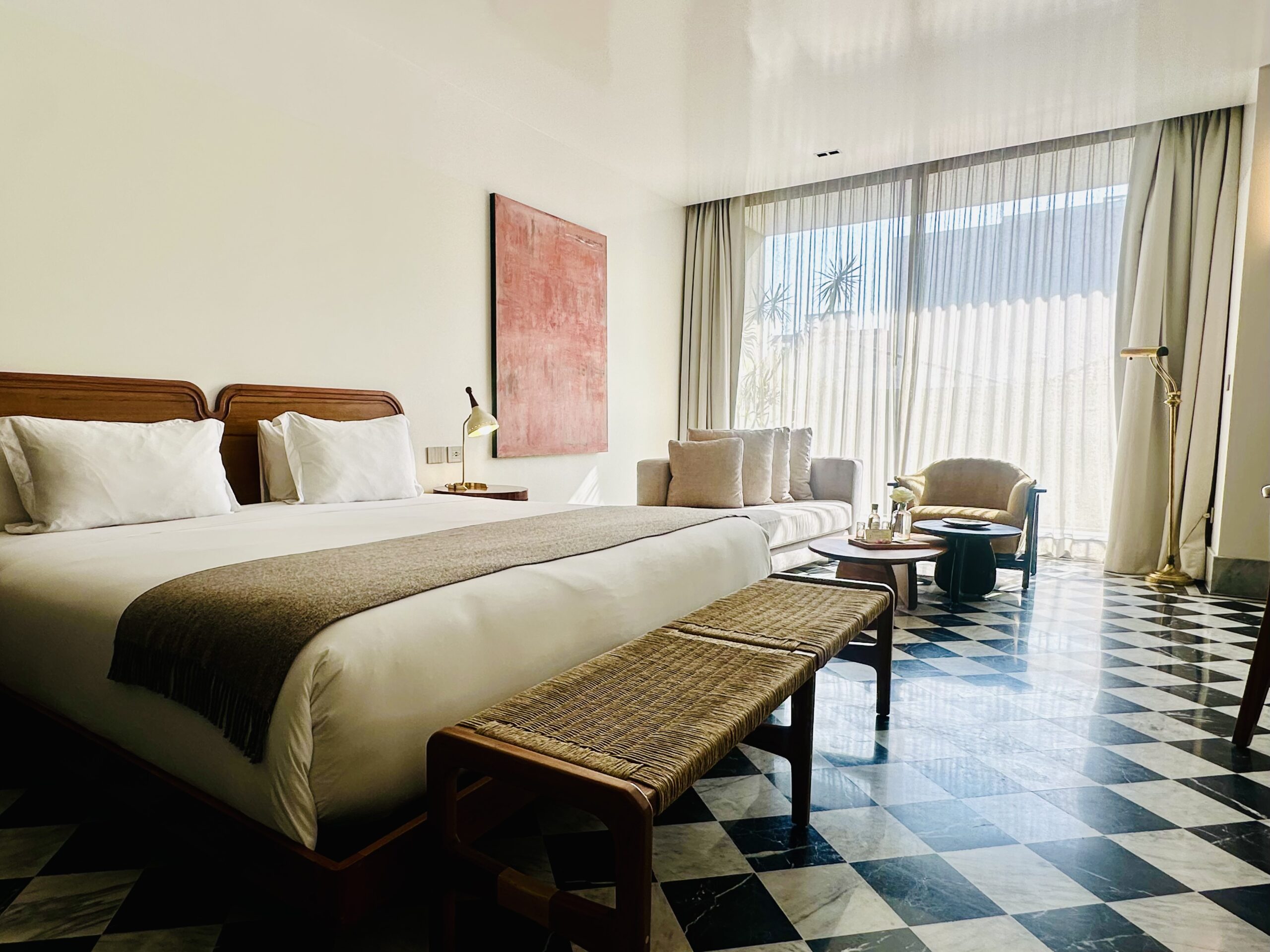
Dama Hotel. Courtesy of Lauren Mowery.
Hotel Parián
Best for: Guests who want to sleep over a courtyard of restaurants and bars
Location: Roma Norte
Price: $$–$$$
North Stars:
Above Pasaje Parián’s cluster of restaurants and bars, Hotel Parián folds a row of compact rooms around an upper corridor. Inside, its trademark white and green painted stripes give the otherwise simple, clean design a memorable look, adding personality to the pared-back furniture and crisp linens. A small terrace bar reserved for guests doubles as a lookout over the courtyard and street below. Mornings start with a buffet of fresh fruit and local pastries that you can eat with coffee while the neighborhood wakes up. When you finally head downstairs, you land directly in front of al pastor, ramen, sushi, and cocktails without walking more than a few steps.
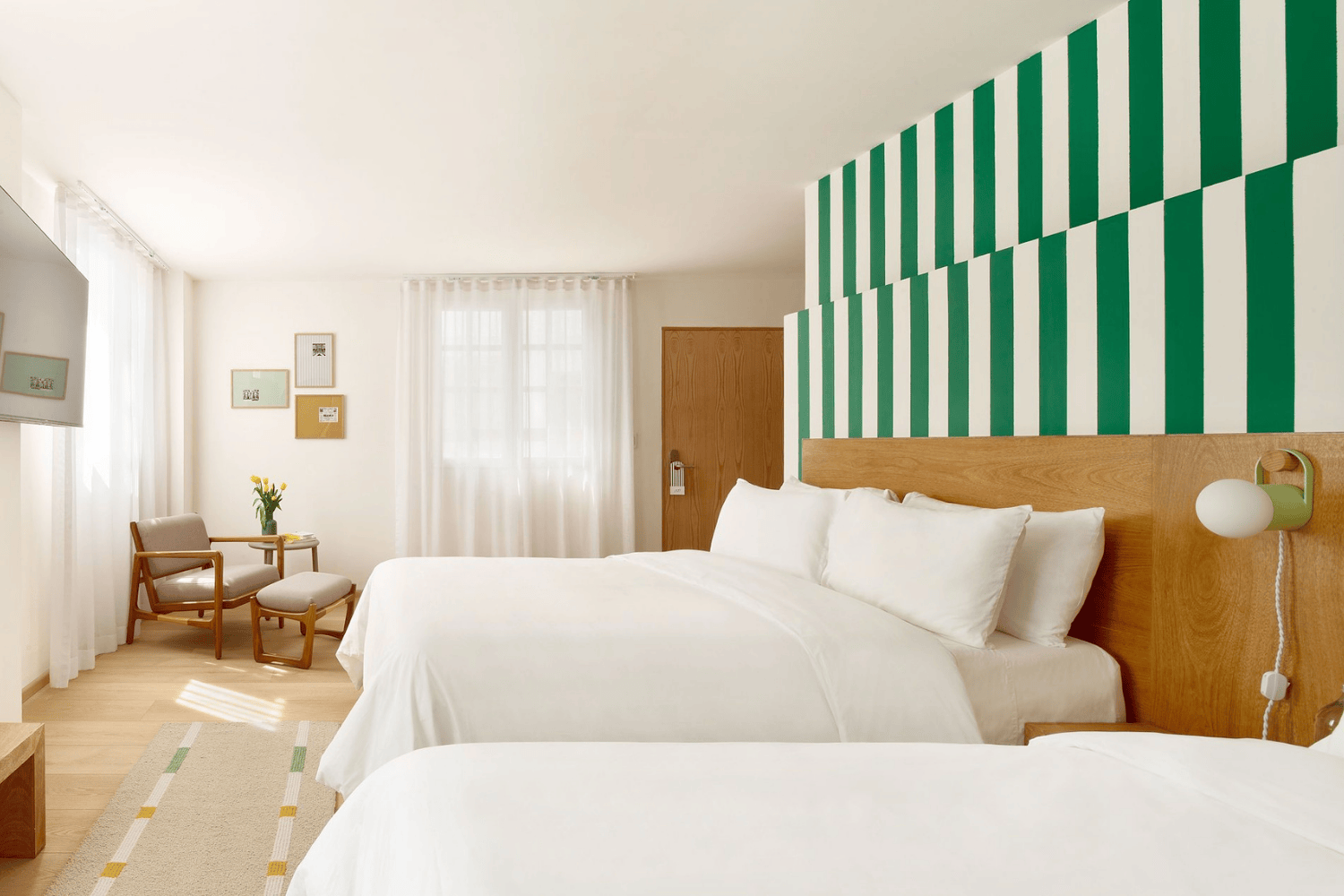
Double Suite Street View. Courtesy of Hotel Parián.
Hotel Oculto
Best for: Art-forward guests who want Juárez energy but a composed room
Location: Juárez
Price: $$–$$$
North Stars:
On a side street in Juárez, Hotel Oculto lives in a restored early-20th-century building with a soft industrial interior. Polished concrete floors, warm wood, and framed paintings and objects sourced from La Lagunilla market give the rooms the feel of small studios rather than anonymous boxes. Most of the 21 rooms face inward toward a courtyard, so city traffic falls away once you step inside. Staff point you toward nearby galleries, bars, and coffee shops, and later greet you with the easy recognition of a place that expects to see you more than once in a stay.
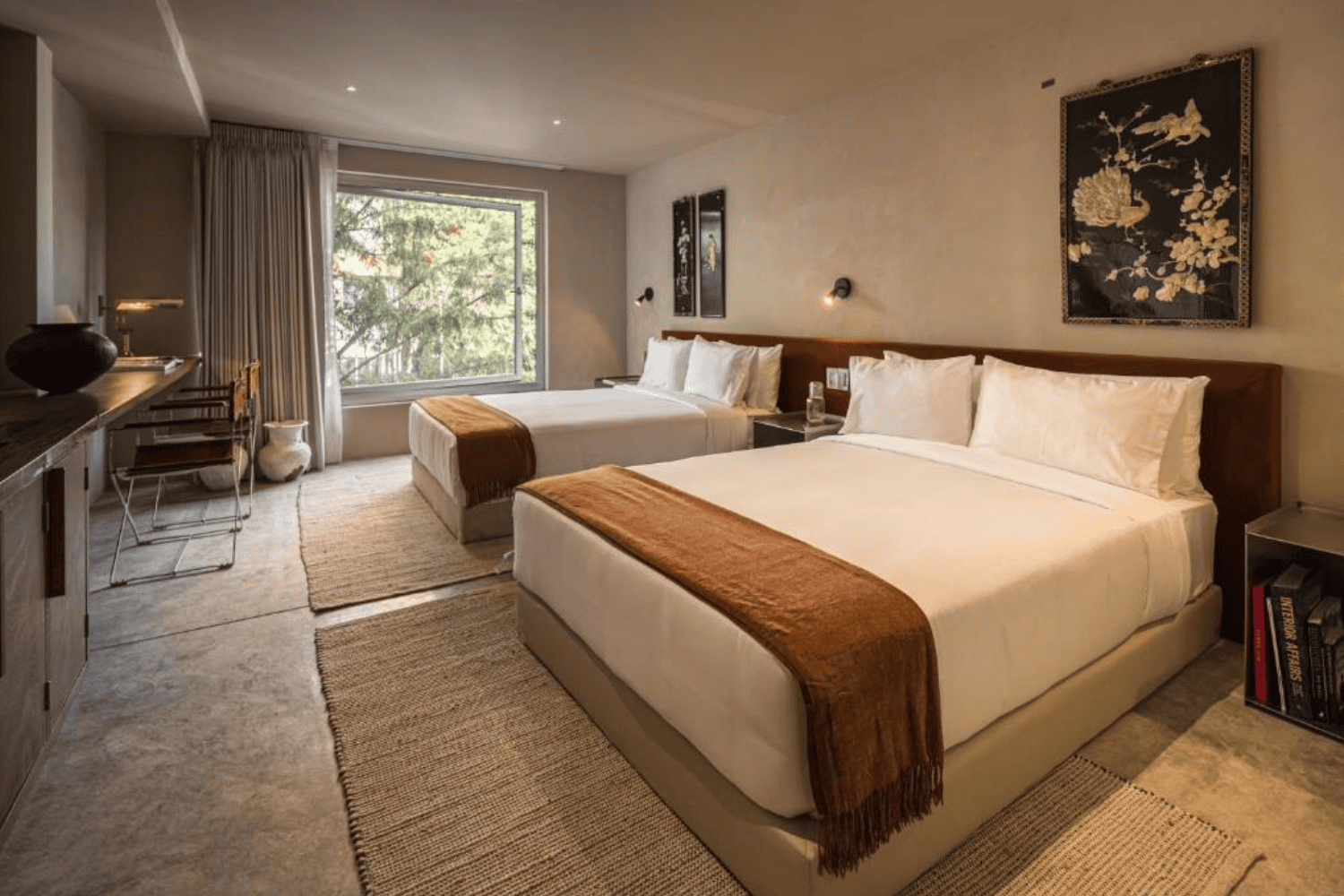
Two Double Beds Room . Courtesy of Hotel Oculto.
Brick Hotel
Best for: Guests who like nightlife woven into their stay
Location: Roma Norte
Price: $$$–$$$$
North Stars:
On a busy Roma corner, Brick Hotel hides a modern, moody interior behind its namesake façade. Inside, glass, metal, and dark woods frame rooms that feel closer to city apartments than standard hotel layouts, with deep velvet sofas, upholstered headboards, and heavy drapes. The downstairs bar mixes fancy cocktails for a crowd that includes as many locals as overnight guests, while the restaurant serves polished Mexican dishes that justify staying in. Vintage accents and plenty of plants soften the sharper edges of the design, so the building blends into the neighborhood instead of standing apart from it.
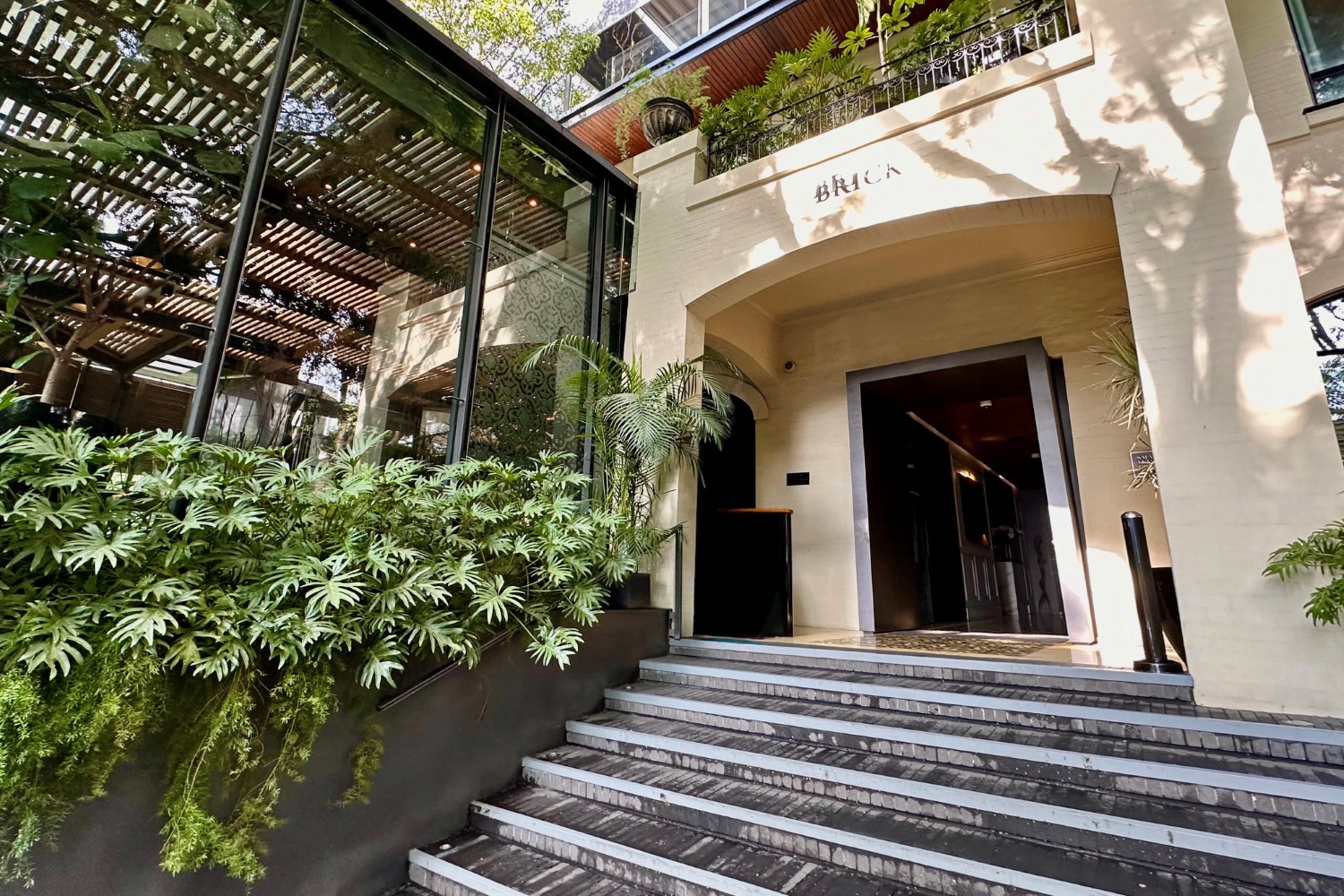
Exterior of Brick Hotel. Courtesy of Lauren Mowery.
Círculo Mexicano
Best for: Design-conscious visitors who want to stay in the Centro
Location: Centro Histórico
Price: $$–$$$
North Stars:
Facing the cathedral in the Centro Histórico, Círculo Mexicano combines a 19th-century shell with spare, Scandinavian-style interiors. Guest rooms pair pale wood, linen textiles, and built-in furniture with plaster walls, leaving the building’s proportions to do most of the visual work. Corridors and patios link rooms in a way that feels closer to a traditional house than a tower hotel. Up on the rooftop, a small pool and restaurant look across to domes and bell towers, so breakfast and late-afternoon drinks come with a direct view of the historic skyline.
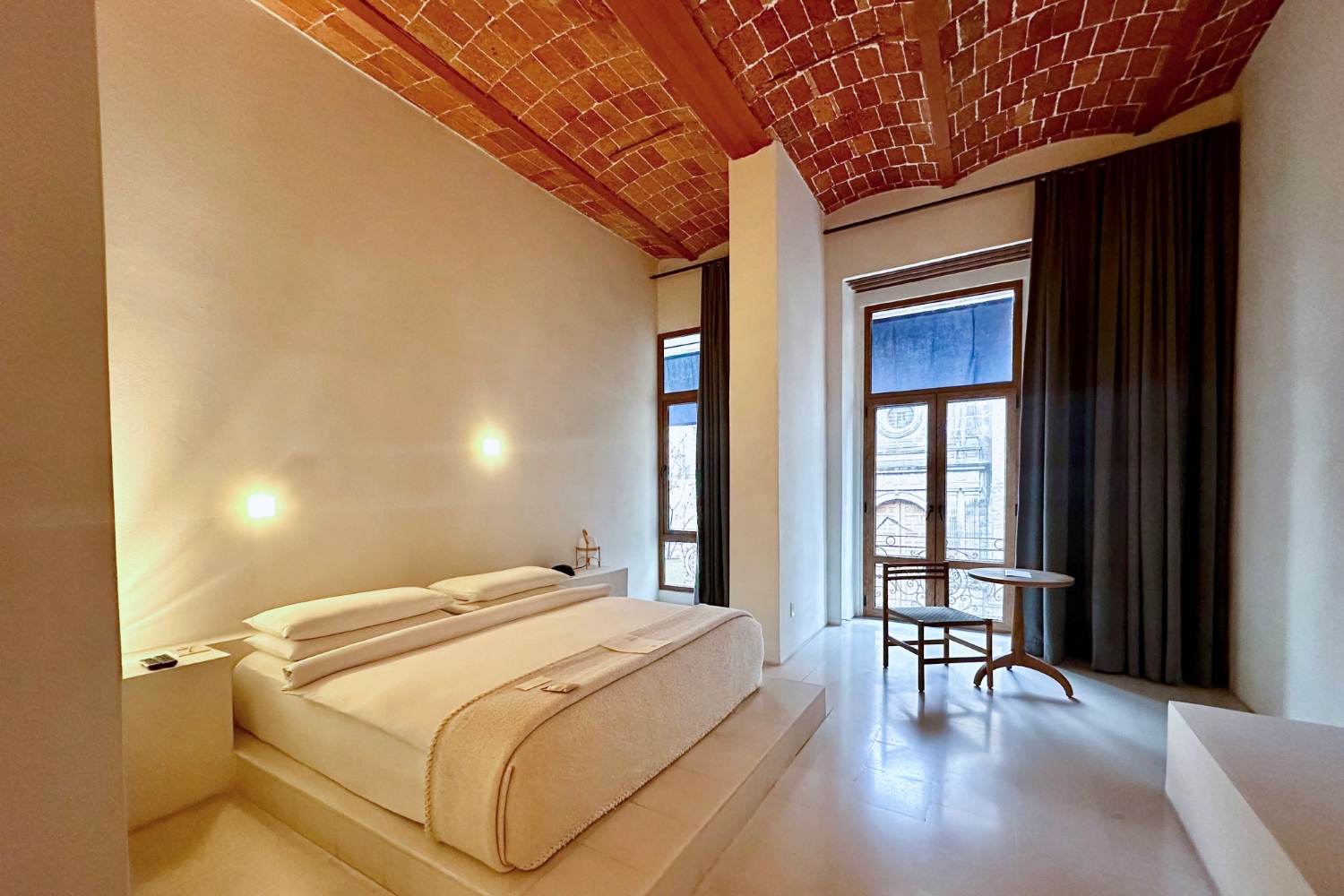
Suite at Círculo Mexicano. Courtesy of Lauren Mowery.
Casona Roma
Best for: Travelers who want a house-style stay with built-in cafés and bars
Location: Roma Norte
Price: $$–$$$
North Stars:
In a pink early-20th-century house, Casona Roma keeps original patterned tiles, tall doors, and carved staircases, then layers in contemporary furniture and art. Guest rooms share space with a café, bakery, and several bars and restaurants, so you can head downstairs for matcha, pastries, or cocktails without planning anything. Throughout the day the building fills with laptop workers, friends meeting up, and guests drifting between venues, which gives the house a lived-in, sociable feel. Sleeping upstairs feels less like checking into a hotel and more like borrowing a room above a full, good-looking shared home.

Interior of Casona Roma. Courtesy of Lauren Mowery.
Ignacia Guest House
Best for: Design-minded guests who want hard sustainability receipts
Location: Roma Norte
Price: $$$–$$$$
North Stars:
In a 1913 Roma casona named for Ignacia, the housekeeper who lived here for more than 70 years, Ignacia Guest House feels like a private home with only a handful of suites. Original architecture links a master suite, library, and dining room to four contemporary townhouse suites that open onto a central patio with a jacaranda tree and Maya-inspired hot tub. Solar panels supply most of the property’s power and cut fossil fuel use in the kitchen and bathrooms by up to 60 percent, while a zero-plastic policy replaces disposable amenities with glass-bottled water and non-toxic toiletries. Breakfasts lean on fruits, vegetables, eggs, tortillas, and bread from small local producers, served in the garden or dining room with the feel of staying at a friend’s very well-designed house.
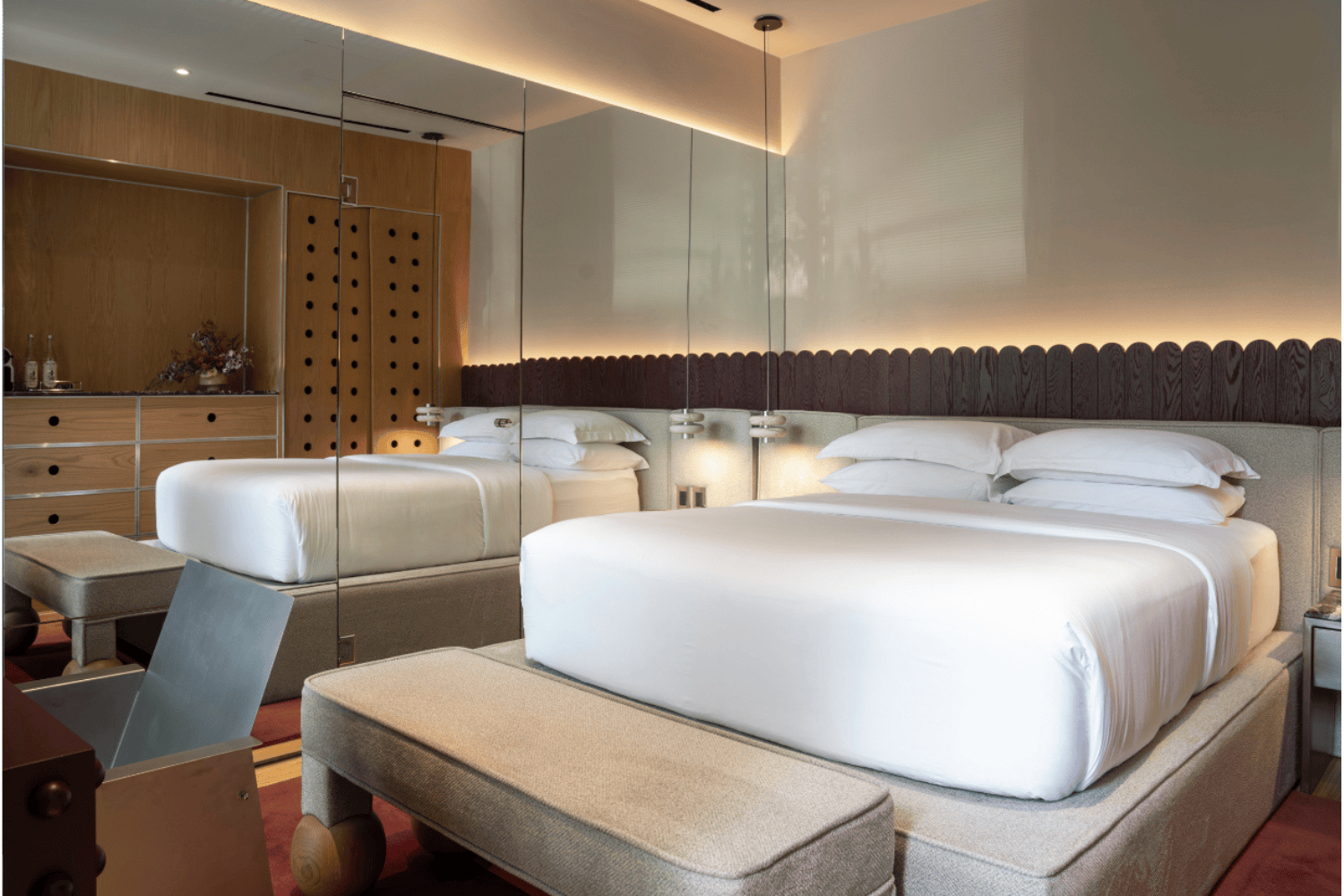
Patio 1. Courtesy of Ignacia Guest House.
La Valise
Best for: Couples who want townhouse romance
Location: Roma Norte
Price: $$$–$$$$
North Stars:
In a Roma townhouse with only a few suites, La Valise turns high ceilings, moldings, and street-facing balconies into cinematic rooms, some with beds that roll out onto the terrace at night. Inside, non-toxic cleaning products and refillable amenities replace standard miniatures, and the hotel follows a formal sustainability manifesto: no single-use plastics, options to reuse linens and towels, and careful control of outdoor lighting to cut light pollution. The kitchen sources produce from local farms, so breakfasts and in-room snacks reflect what is in season rather than a generic hotel spread. Service stays personal because of the scale, and the whole place reads as a small, fully thought-through operation rather than a concept hotel.
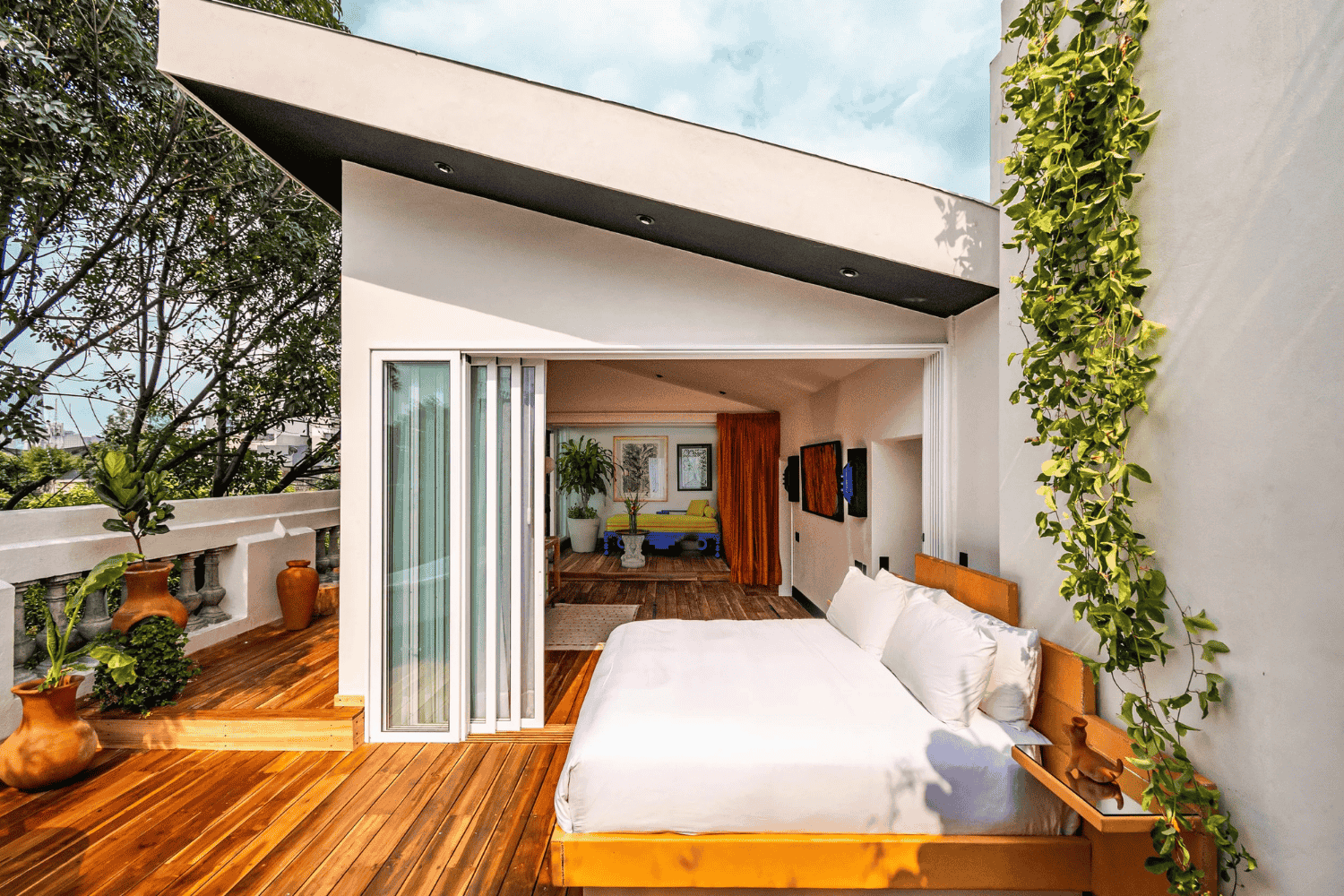
Cilene Suite. Courtesy of La Valise.
Octavia Casa
Best for: Design lovers who care about materials as much as location
Location: Condesa
Price: $$–$$$
North Stars:
In Condesa, Octavia Casa feels like the physical extension of a Mexican fashion label: seven suites spread across a three-story house finished in stone, wood, rattan, linen, and a soft palette of neutrals. Interior walls use chukum, a traditional Mayan lime-and-tree-bark stucco that creates textured, breathable surfaces with a lower-impact finish than many modern alternatives. Furniture, textiles, and objects come from Mexican designers and makers, so nearly everything in the room connects back to the local design scene. The house sits on a walkable, tree-lined block within easy reach of Condesa’s cafés and restaurants, so most days naturally unfold on foot rather than by car.