The Best Cafes & Bars in Mexico City
Mexico City takes its drinks seriously, whether you are standing at a coffee counter in Doctores or sliding onto a velvet couch in Juárez. The cafés in this guide focus on single-origin, traceable beans, many from Mexican regions that rarely show up on international menus, and serve them in spaces that still feel embedded in the neighborhood; you might start the day watching roasters work at Buna’s La Tostadora or with a careful pour-over at Quentin before walking Roma or Condesa. By evening, the focus shifts to natural wine written up on chalkboards, mezcal poured by people who know the families behind each bottle, and a cocktail scene that’s world-class while still matching the city’s singular vernacular.
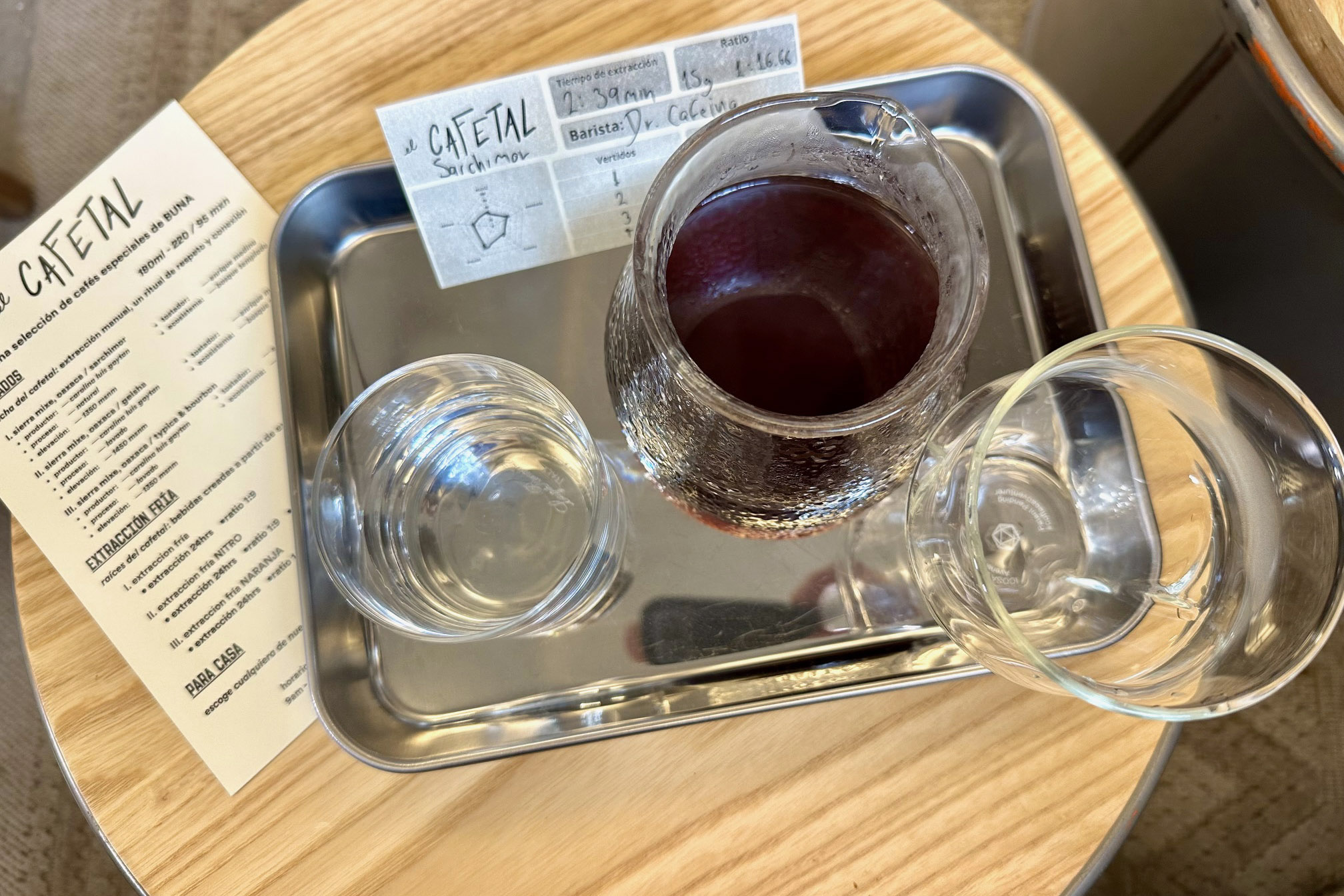
Mexican Coffee at Buna. Courtesy of Lauren Mowery.
Buna (La Tostadora)
Best for: Single-origin Mexican coffee in an industrial roastery setting
Location: Doctores
Price: $–$$
North Stars:



In a former textile factory complex in Doctores, Buna’s La Tostadora combines roastery, café, and pour over space in one long, light-filled room. Roasting equipment, sacks of beans, and concrete floors set the stage for cups made from single-origin coffees sourced directly from producers in regions like Oaxaca, Chiapas, and Veracruz. The menu often highlights lesser-known growing areas and experimental lots, and baristas are comfortable walking you through processing and flavor profiles. Shelves of beans let you take home the coffees you like best, while shared tables host everything from laptop sessions to cuppings and talks.
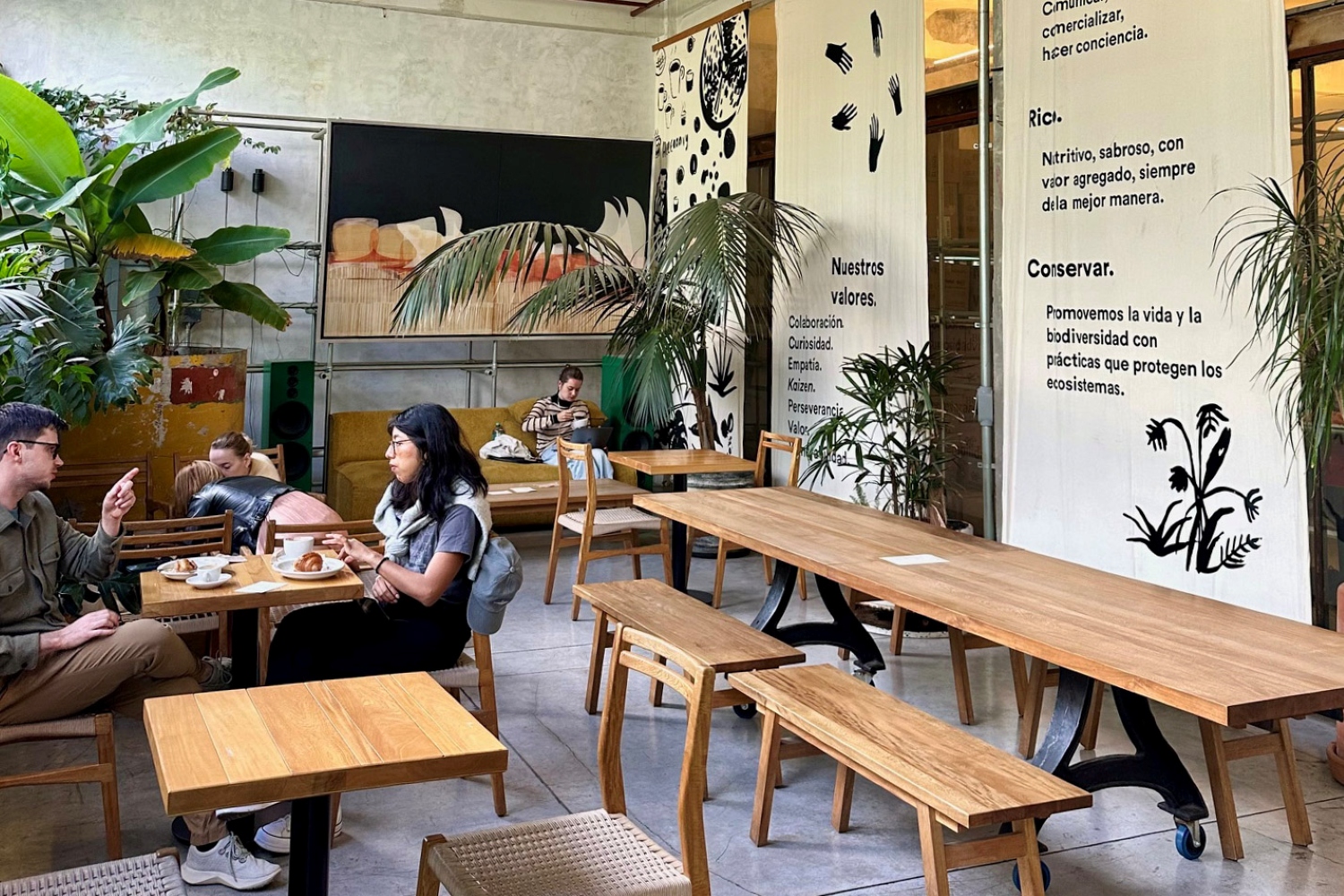
Outer view. Courtesy of Buna (La Tostadora).
Quentin Café
Best for: Design-conscious coffee drinkers who like to hop between neighborhoods
Location: Various neighborhoods (Roma Norte, Condesa, Juárez, San Rafael)
Price: $–$$
North Stars:

Across its locations in Roma Norte, Condesa, Juárez, and San Rafael, Quentin treats coffee as the main event rather than a supporting act. Espresso and pour-over menus focus on single-origin beans, many from Mexico but also from countries like Bolivia, Rwanda, or Kenya, with tasting notes written up for anyone who wants detail. Each café has its own layout, but you can usually count on plants, warm wood, and just enough seating to encourage hanging around without turning the room into a co-working space. Pastries like banana bread and rotating donuts give you an easy excuse to stay for a second drink.
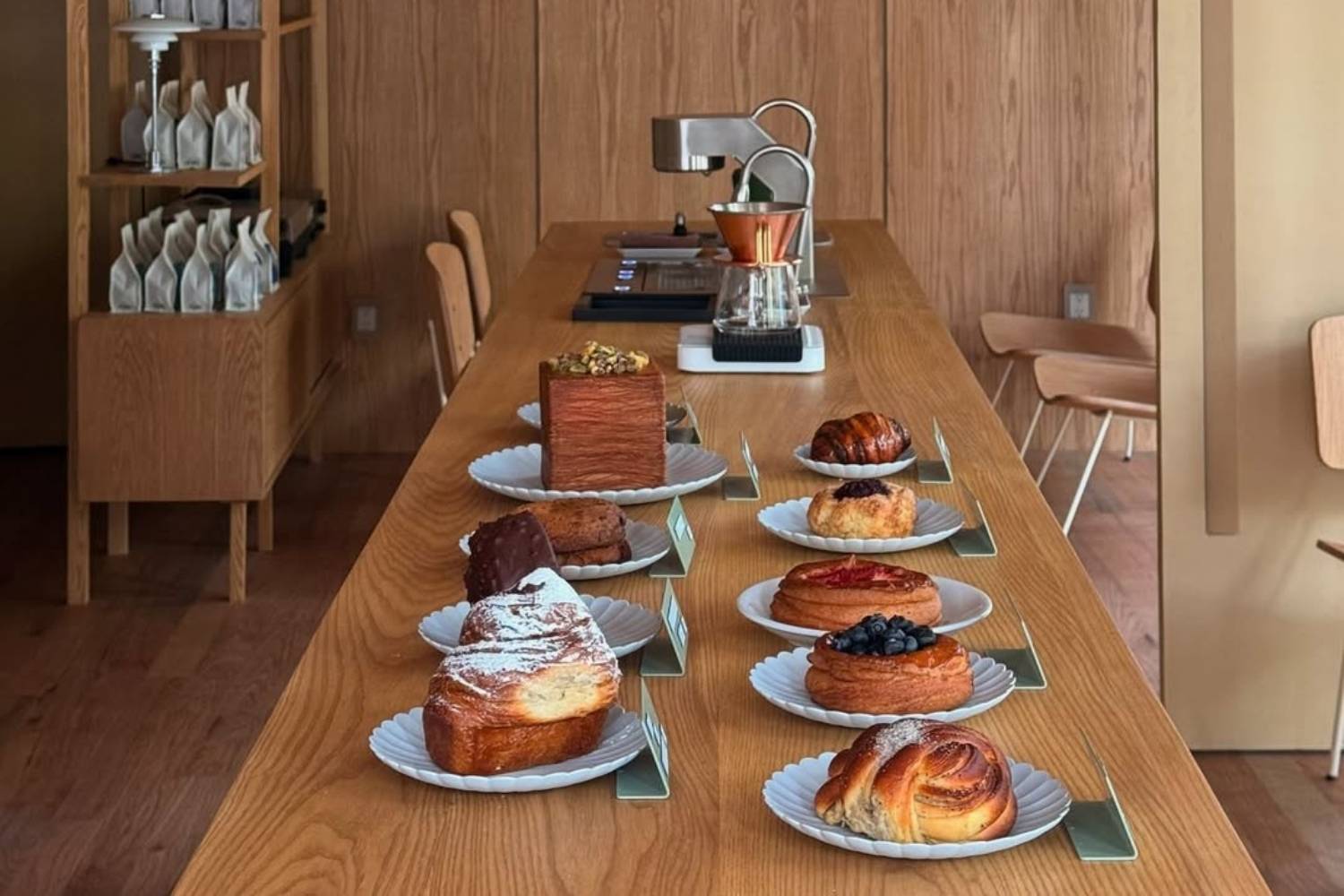
Inner View. Courtesy of Quentin Café.
Exploradores de Café, Club de Café
Best for: Coffee lovers who want to see the full chain, from farm to cupping table
Location: Santa Fe / Cuajimalpa
Price: $$
North Stars:
On the western edge of the city near Santa Fe, Exploradores de Café runs a Club de Café that feels more like a coffee lab than a standard café. The team focuses on finding standout coffees in Mexico’s mountain regions, working directly with growers who experiment with processing and maintain strong ties to their communities. Inside, you move from small coffee trees to the roasting area and on to a cupping room where staff lead tastings of single-origin lots from Mexico and beyond. Bags of beans, brewing gear, and classes turn a visit into both a shopping stop and a short course in how specialty coffee actually comes together.
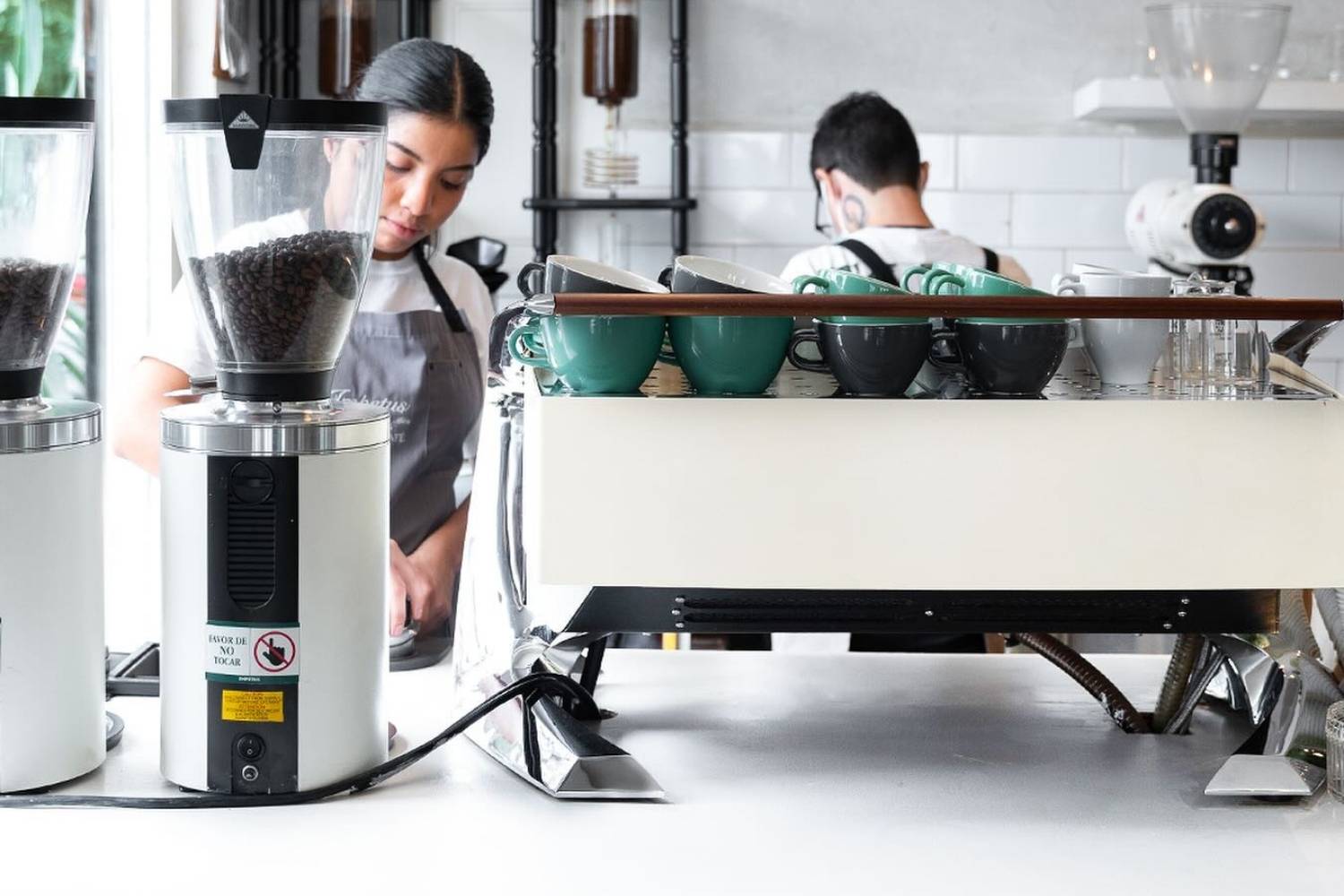
Minimalist coffee bar in action. Courtesy of Exploradores de Café, Club de Café.
Panadería Rosetta
Best for: Coffee, guava pastries, and Roma people-watching
Location: Roma Norte
Price: $
North Stars:

A few doors from the main restaurant, Panadería Rosetta fits a bakery counter, espresso machine, and a handful of small tables into a narrow Roma space. Trays of guava pastries, rol de canela, and croissants emerge from the kitchen and disappear almost immediately into paper bags and onto plates. The line often stretches onto the sidewalk with office workers, neighbors, and visitors all waiting for the same handful of items. A seat by the window turns breakfast into a front-row view of the neighborhood starting its day.
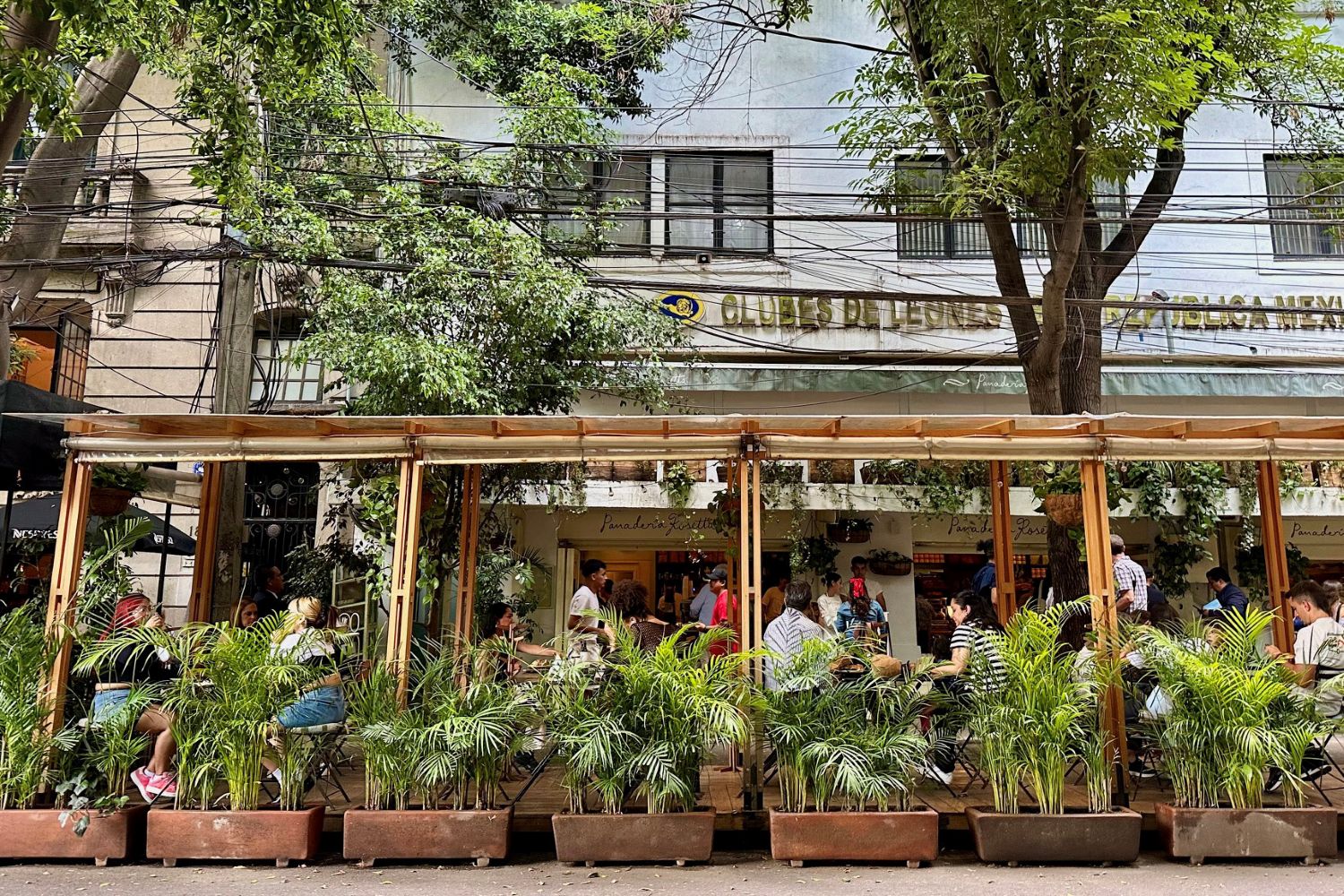
Arrive early for a seat at popular Panadería Rosetta. Courtesy of Lauren Mowery.
Churrería El Moro (Original)
Best for: Late-night churros and hot chocolate in the Centro
Location: Centro Histórico
Price: $
North Stars:
On Eje Central, the original Churrería El Moro has been serving churros and hot chocolate since 1935. Blue-and-white tiles, looping lines of dough, and a constant haze of sugar and cinnamon define the narrow room. Families, couples, and solo late-night visitors all show up for crisp churros and steaming cups of chocolate. Other branches operate around the city, but this location delivers the clearest sense of where the story began.

Inner view. Courtesy of Churrería El Moro.
Hugo El Wine Bar
Best for: Natural-leaning wines in a relaxed neighborhood bar
Location: Roma
Price: $$
North Stars:
On Avenida Veracruz, Hugo El Wine Bar pairs a long counter and a few tables with a blackboard list focused on small producers, including Mexican winemakers. Staff pour tastes, talk through styles, and adjust suggestions based on what you actually like rather than what you are supposed to like. Plates of cheese, charcuterie, and simple snacks keep glasses company without upstaging them. On mild evenings, sidewalk tables become an easy perch for watching Roma drift past.
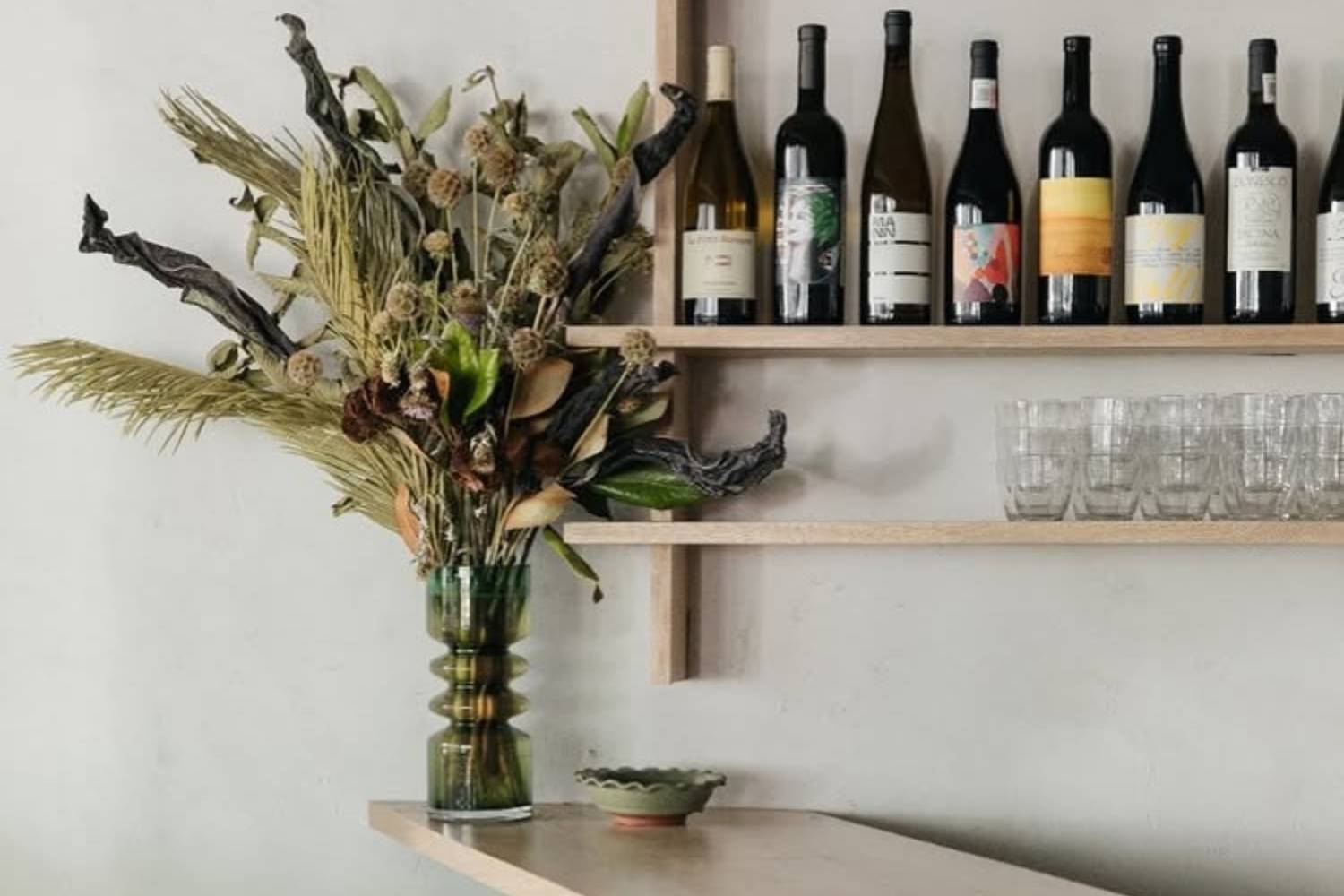
Wine wall shot. Courtesy of Hugo El Wine Bar.
Lenez
Best for: Settling in with a bottle and a few plates
Location: Juárez
Price: $$–$$$
North Stars:
In Juárez, Lenez combines shelves of bottles with a handful of tables and a compact kitchen. The list, assembled by the former head sommelier of Quintonil, highlights minimal-intervention wines from Mexico and abroad (plus from Germany, one of his obsessions) with a clear focus on responsible growers. Guests often split a bottle and a series of small plates along with a bottle or two. The room suits long conversations punctuated by occasional pours and shared bites. By the glass pours are as interesting as the list, for a change.

Meal shot at Lenez. Courtesy of Lenez.
Plonk
Best for: Minimal-intervention wines in a cozy room
Location: Condesa
Price: $$–$$$
North Stars:
In Condesa, Plonk tucks a bar and closely spaced tables into a soft, earth-toned room that mirrors the hand-made quality of the wines it serves. The list centers on minimal-intervention bottles from small producers, and staff explain regions and styles in practical language. A short menu of plates gives you enough to eat without complicating the evening. Many guests arrive intending to have one glass and end up finishing the night here.
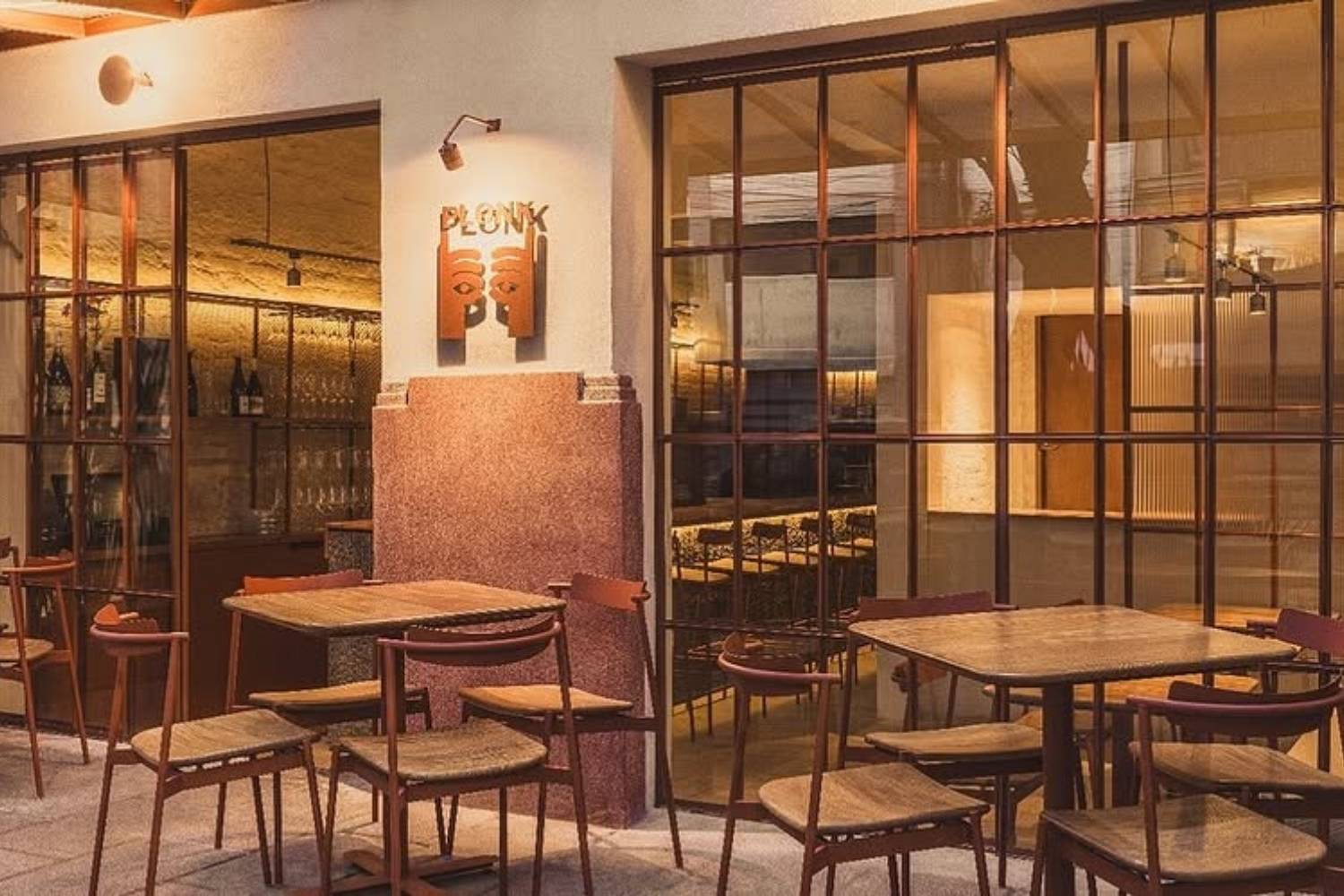
Inner View. Courtesy of Plonk.
NIV
Best for: Mexican natural wines and serious spirits in one place
Location: Condesa
Price: $$–$$$
North Stars:
In a low-lit concrete-and-steel room in Condesa, NIV gives Mexican natural wines and mezcal equal attention. Bartenders move easily between pouring local bottles and talking through agave producers, recommending flights or pairings if you want guidance. Tables and barstools fill with people who came to explore what Mexico is making, not just to order a standard drink. A night here offers a compact tour of the country’s current wine and spirits landscape.
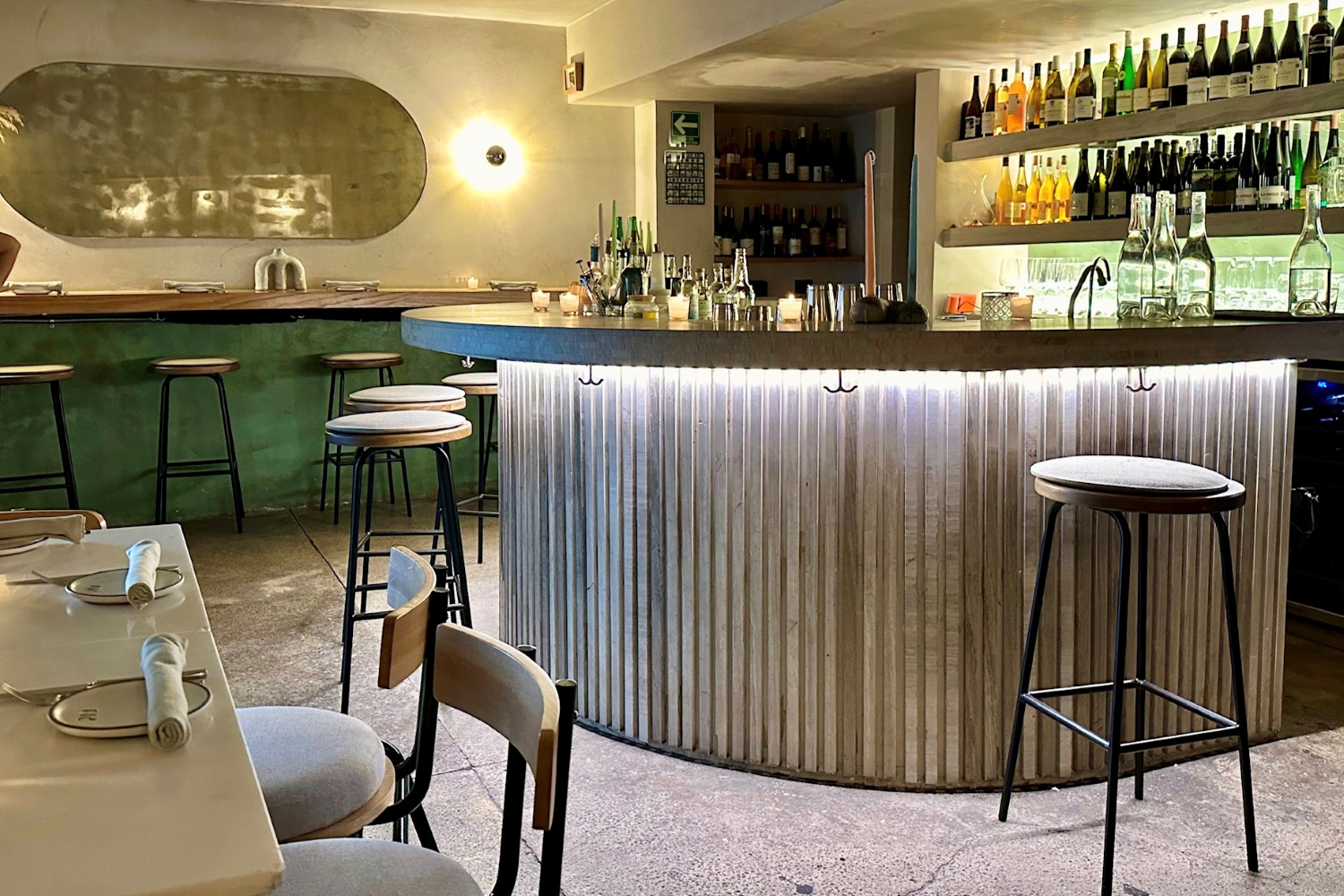
Inner view. Courtesy of NIV.
Handshake Speakeasy
Best for: Cocktail geeks who enjoy a little theater
Location: Juárez
Price: $$$
North Stars:
Behind a discreet door in Juárez, Handshake Speakeasy runs an ambitious cocktail program in a dark, wood-paneled room. The menu changes regularly, built around inventive drinks that often use clarified juices, vintage spirits, and layered preparations. Bartenders handle complex builds with the focus of a kitchen brigade, and a seat at the bar gives you a close view of the process. From first greeting to final pour, the experience feels tightly considered.
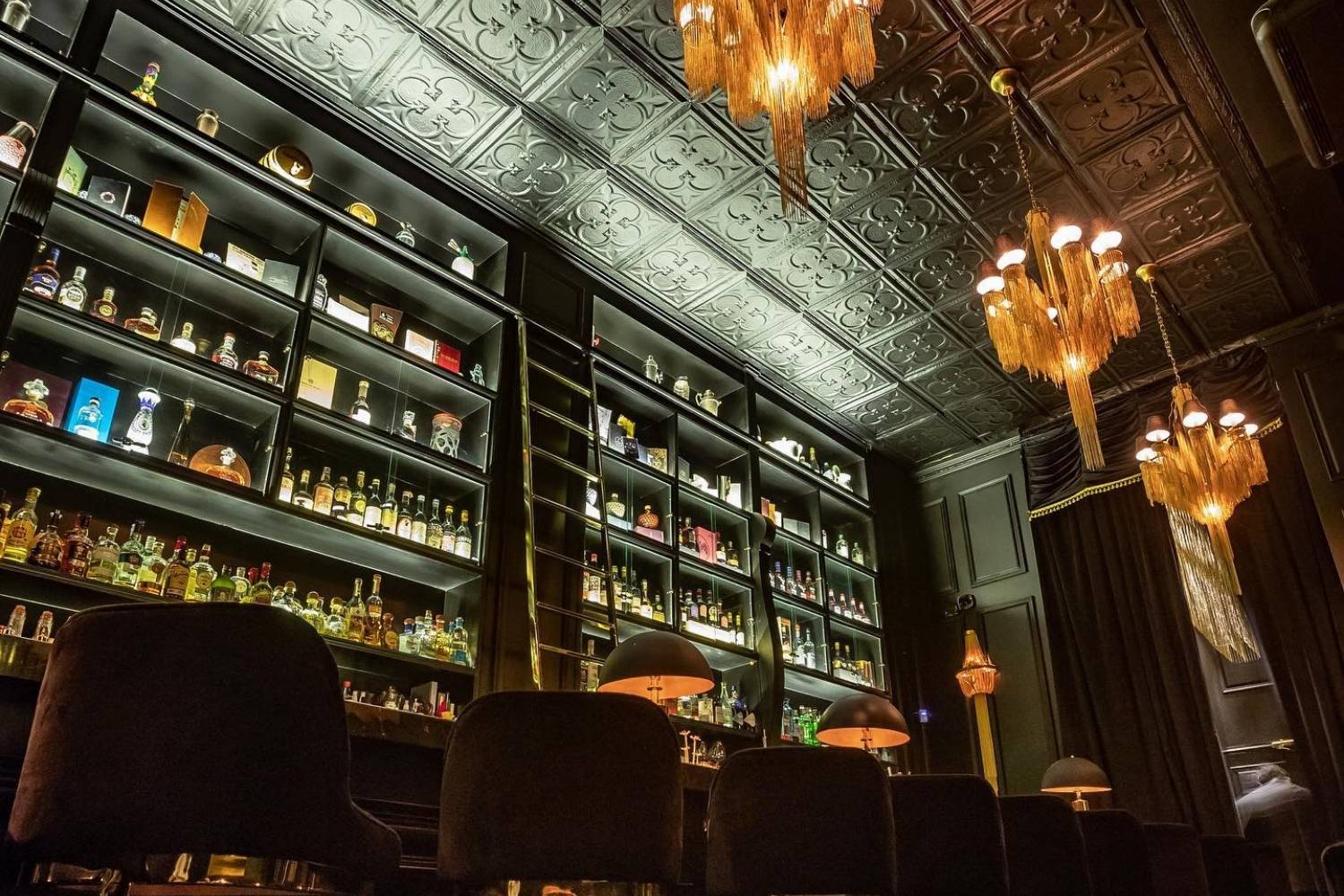
Inner view. Courtesy of Handshake Speakeasy.
Hanky Panky
Best for: Hidden-bar drama built on Mexican spirits
Location: Juárez
Price: $$-$$$
North Stars:
Near an auto-parts strip in Juárez, Hanky Panky hides behind an unmarked vintage Mexican coke cooler inside a working taco shop. Once inside, guests gather around a central counter while bartenders mix travel-inspired cocktails built largely on Mexican spirits. Low lighting accented by hot pink neon signs shouting “we are hanky panky” set the mood for fun with continuous interaction between staff and guests. Many visitors leave with a new signature drink and the feeling that they found something just off the obvious route.
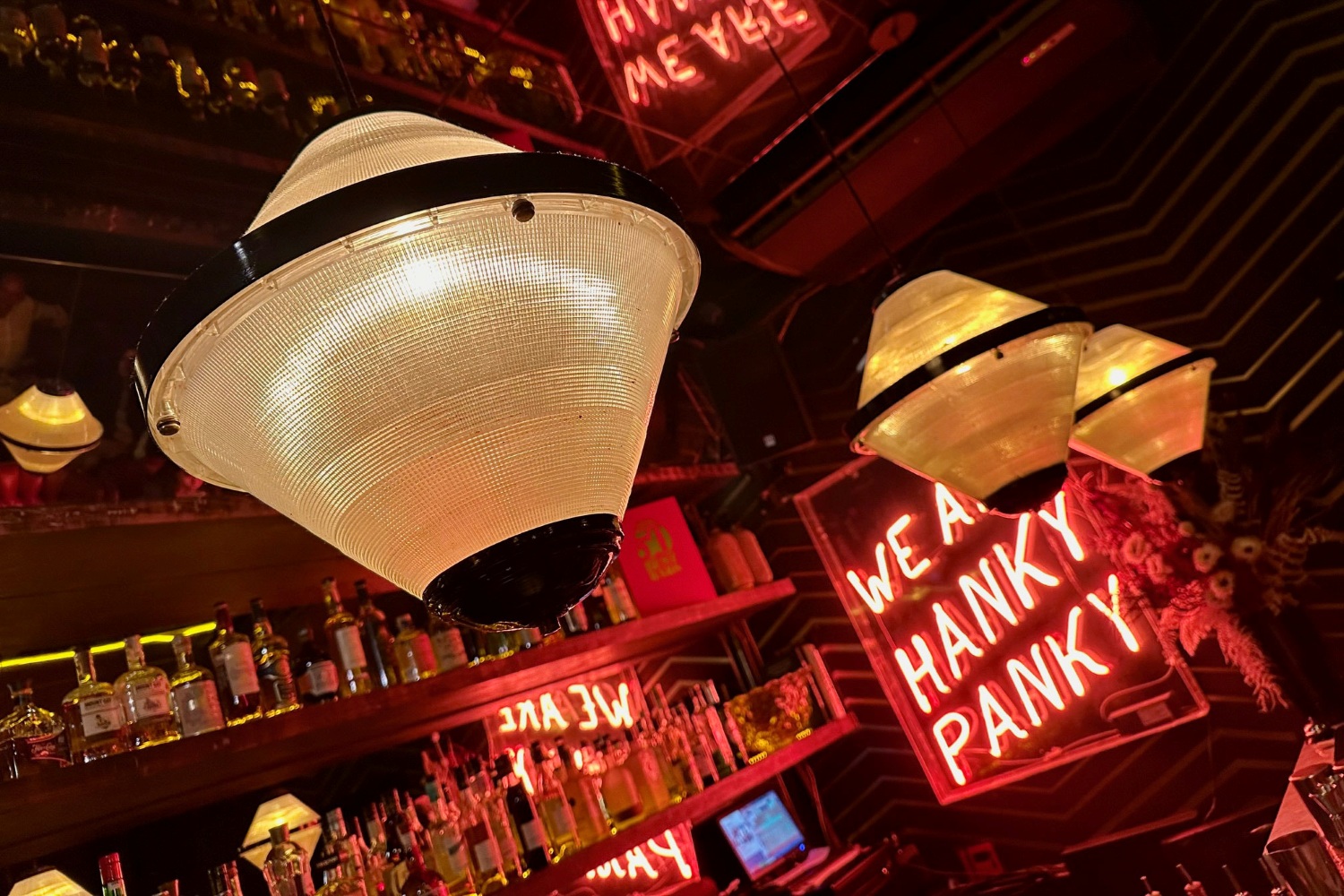
Interior of Hanky Panky. Courtesy of Lauren Mowery.
Salón Palomilla
Best for: Classic cocktails in a room that feels like a friend’s living room
Location: Roma Norte
Price: $$–$$$
North Stars:
Up a narrow staircase in Roma, Salón Palomilla opens into a room filled with vintage chairs, sofas, and a large oval cut-out in the roof that frames a slice of starry, azure blue sky. The bar focuses on classic cocktails and a few house creations, mixed by an easy, confident crew. Groups pull extra chairs into loose circles and often stay for several rounds. The space works like a living room assembled by someone who cares a lot about both furniture and martinis. Downstairs, the restaurant sells handmade, organic linen napkins that after a few drinks, you might be tempted to buy.
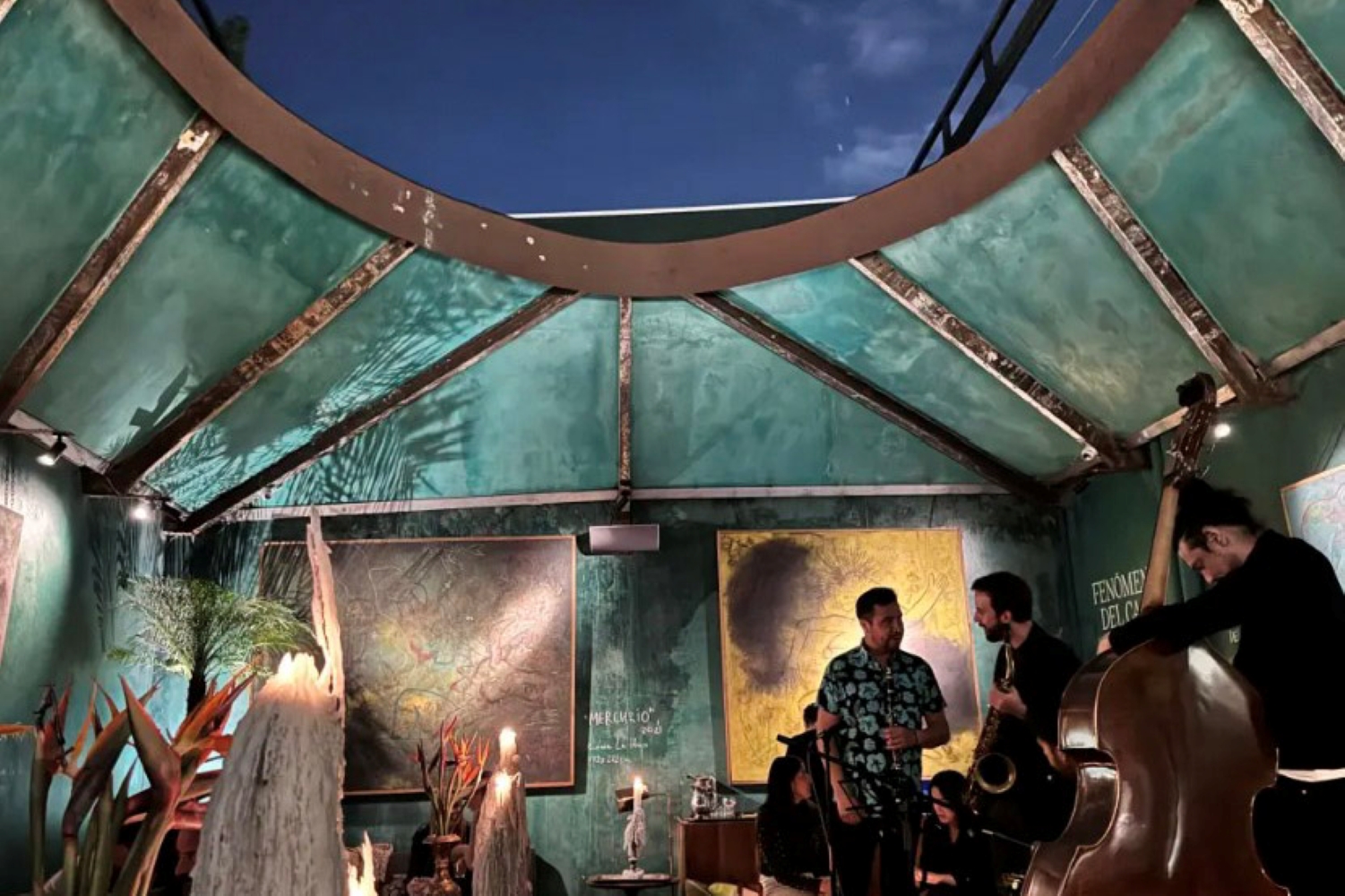
Inner View. Courtesy of Salón Palomilla.
Kaito del Valle
Best for: Cocktail lovers who want to support a women-run bar
Location: Juárez
Price: $$–$$$
North Stars:

In its current Juárez home, Kaito del Valle hides behind a vending-machine door that opens into a room filled with Japanese pop references, maneki-neko, and a snug karaoke corner. A woman-led team builds cocktails around Japanese spirits and flavors interpreted through a Mexico City lens, with highballs, sours, and spirit-forward drinks sharing the menu. Guests slide between the bar and small tables, sometimes detouring to sing a song or two. The bar manages to feel playful while staying serious about what is in the glass.
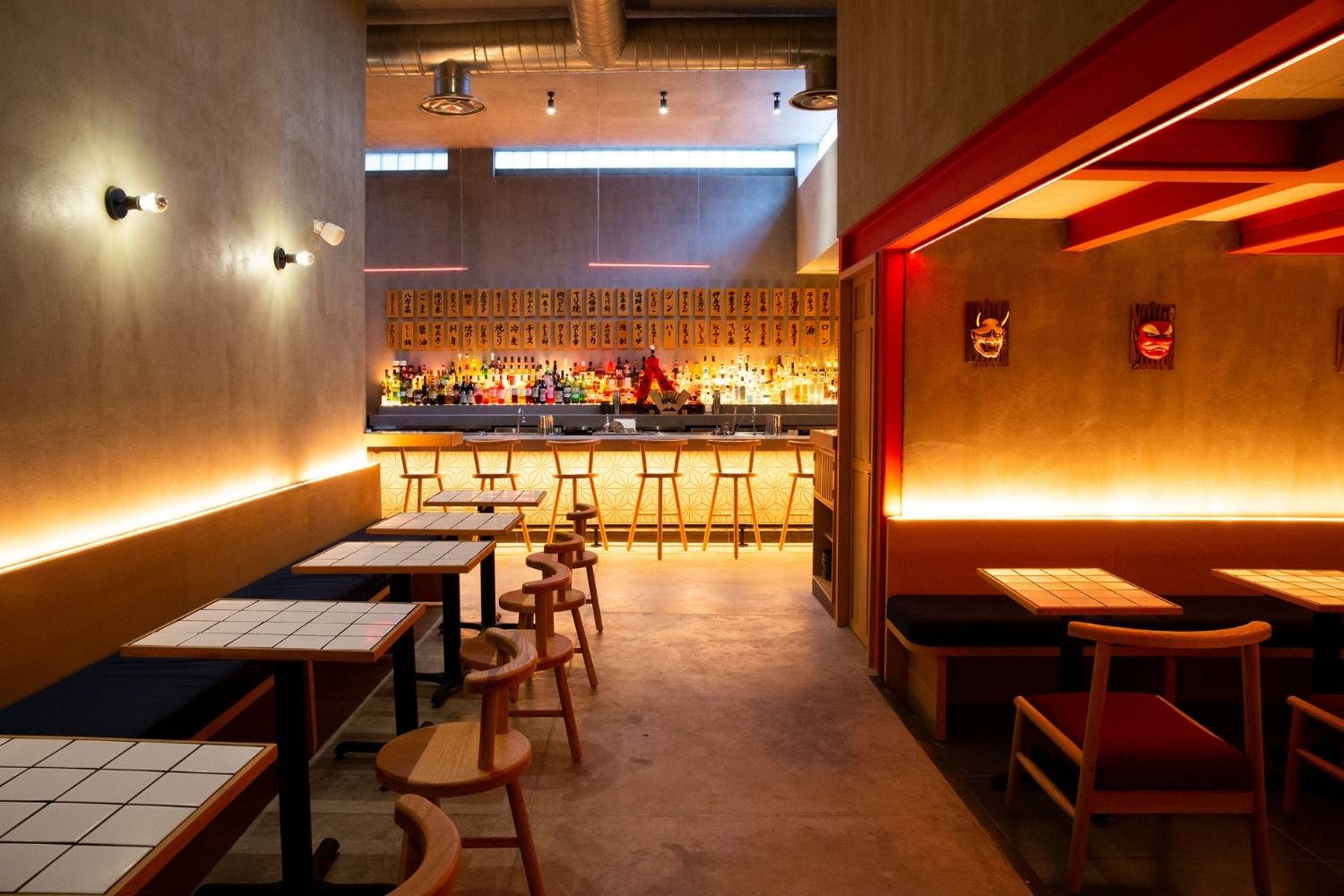
.Inner view. Courtesy of Kaito del Valle.
Long Story Short
Best for: A negroni or glass of wine before or after dinner
Location: Juárez
Price: $$
North Stars:
On Florencia, Long Story Short fits a small bar and a few tables into a compact room finished in pink and green. The menu sticks to several negroni variations, a short wine list, and a couple of simple plates. Bartenders ask what you feel like drinking, then steer you toward a specific option rather than reciting everything. The bar works as a pre-dinner stop, a last drink of the night, or the place where you unexpectedly decide to stay put.