“Expect warm greetings from everyone you meet and even introductions or excited selfie requests from strangers.”
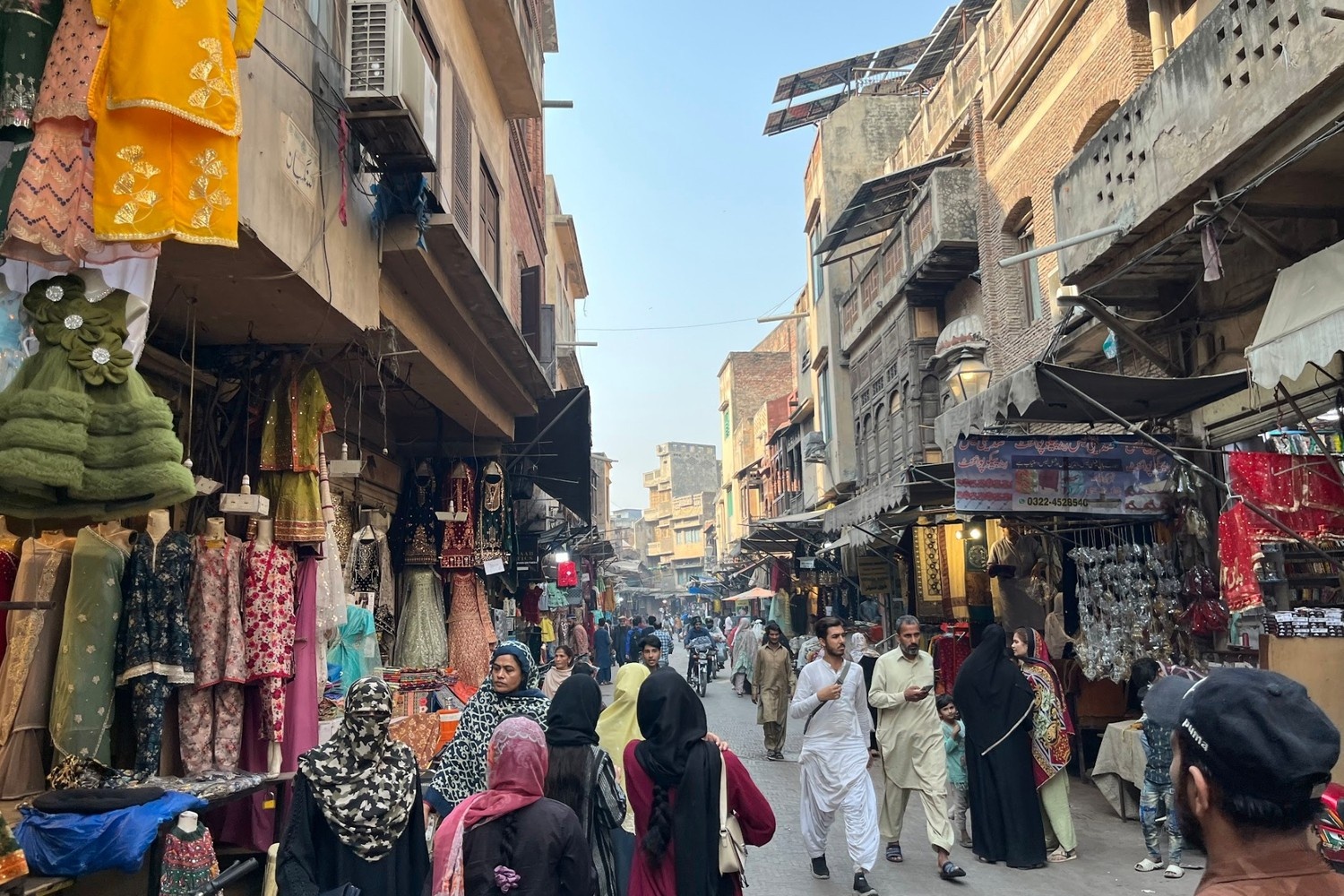
A bustling street market in Lahore, where colorful textiles. Courtesy of Zanny Merullo.
Pakistan remains misunderstood among Western travelers. In the decades since 9/11, the country has become associated with conflict and instability due to its proximity to nations like Afghanistan. But those kinds of blanket assumptions overlook its multi-faceted culture, landscapes, and climates. Pakistan is a country of contrasts, sitting at the intersection of the Middle East and South Asia, with the fifth-largest population on earth. It’s also a destination that can be safe to explore, especially with local experts.
As responsible travelers increasingly seek out lesser-visited countries, an increasing number of them are turning their attention to Pakistan. With Afghanistan and Iran along its western flank and India to the east, Pakistan offers a vast range of experiences. Eastern deserts give way to forests, plateaus, and mountain ranges. In addition to its mountainous north, much of it ideal for outdoor adventurers, Pakistan offers cultural and historical attractions, all with very few visitors and some of the warmest and most welcoming residents around.
Pakistan deserves more attention from travelers. Here are 10 reasons to visit Pakistan in 2026 before the rest of the world catches on.
1. Explore Pakistan’s Karakoram Mountains
Stretching across northern Pakistan and into India and China, the Karakoram Range boasts four of the world’s 8,000-meter peaks, including K2. While Everest has become synonymous with traffic and trash, Pakistan’s mountains still feel raw and comparatively uncrowded. Serious trekkers can aim for K2 Base Camp or Nanga Parbat, while travelers looking for something less extreme can explore routes like Nangma Valley or join wildlife-focused trips in search of snow leopards.
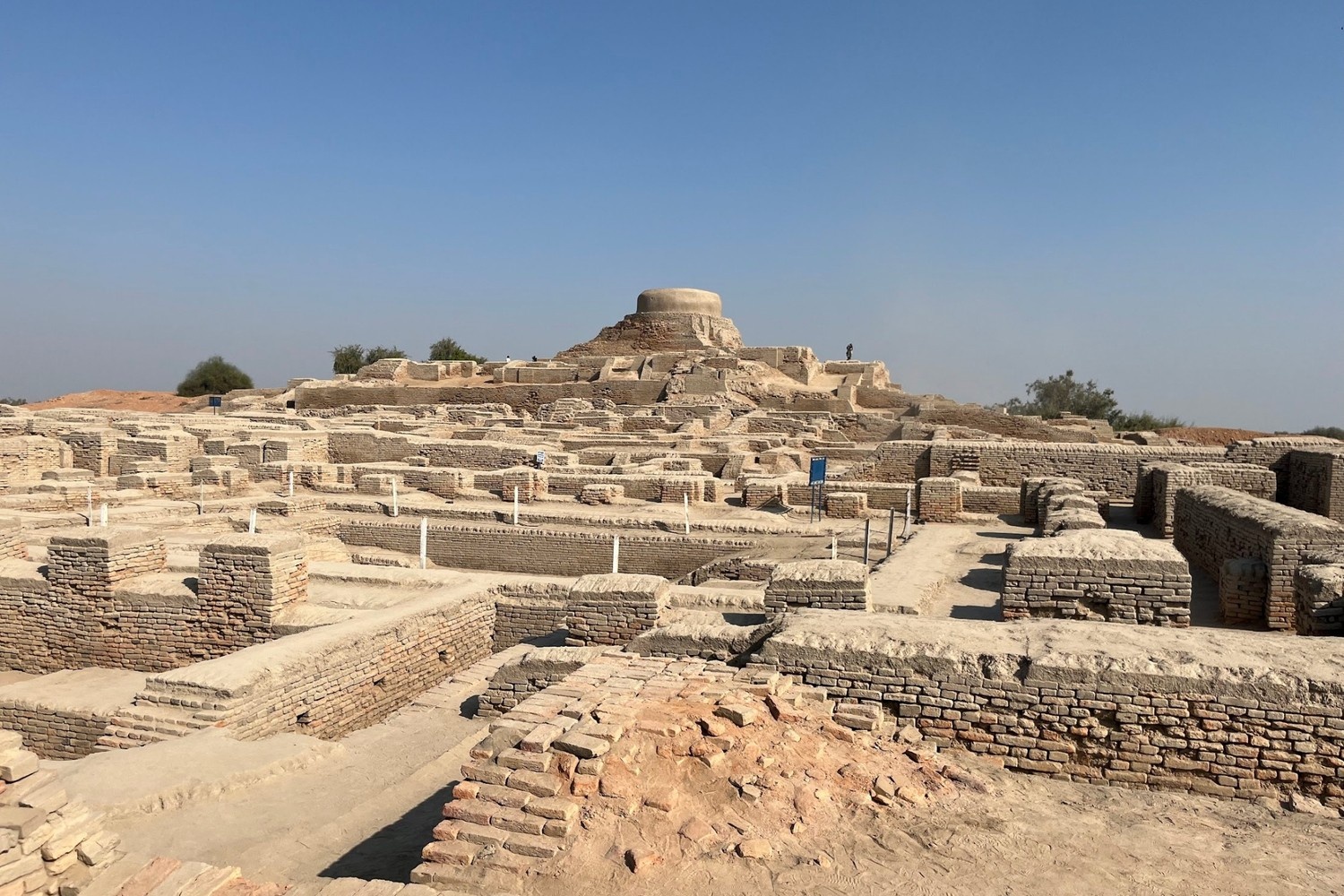
Mohenjo-daro. Courtesy of Zanny Merullo.
2. Discover the Indus Valley Civilization
Pakistan is home to two of the most important sites of the Indus Valley Civilization: Mohenjo-daro and Harappa. Mohenjo-daro, a UNESCO World Heritage Site in Sindh, is one of the best-preserved urban settlements in South Asia from the beginning of the 3rd millennium BCE. Together, these sites offer a look at one of the world’s earliest urban civilizations and its advanced city planning.
3. Experience Warm Hospitality
Across Pakistan, social customs place a high value on welcoming guests, a tradition often described with the Urdu phrase mehmaan nawazi. Travelers can expect warm greetings while encountering relatively few foreign visitors. Because Pakistan gets few foreign visitors, the Pakistani people have a genuine curiosity about travelers. If you are invited into a local home, it is common to be offered tea, water, and food as a gesture of hospitality. It’s polite to accept at least one of these offerings as a sign of appreciation.
4. Try Pakistan’s Regional Cuisine
Pakistani cuisine shares some similarities with that of India, but it generally features more meat, reflecting the country’s Muslim majority and different dietary customs. Regional cooking varies, but expect richly spiced curries and dishes flavored with garam masala, turmeric, cardamom, and cumin. If you visit during carrot season, look for gajar halwa, a dessert made with carrots, milk, sugar, ghee, and cardamom, ideally with a cup of chai. In Lahore, Andaaz is one notable restaurant, with rooftop views of the Badshahi Mosque.
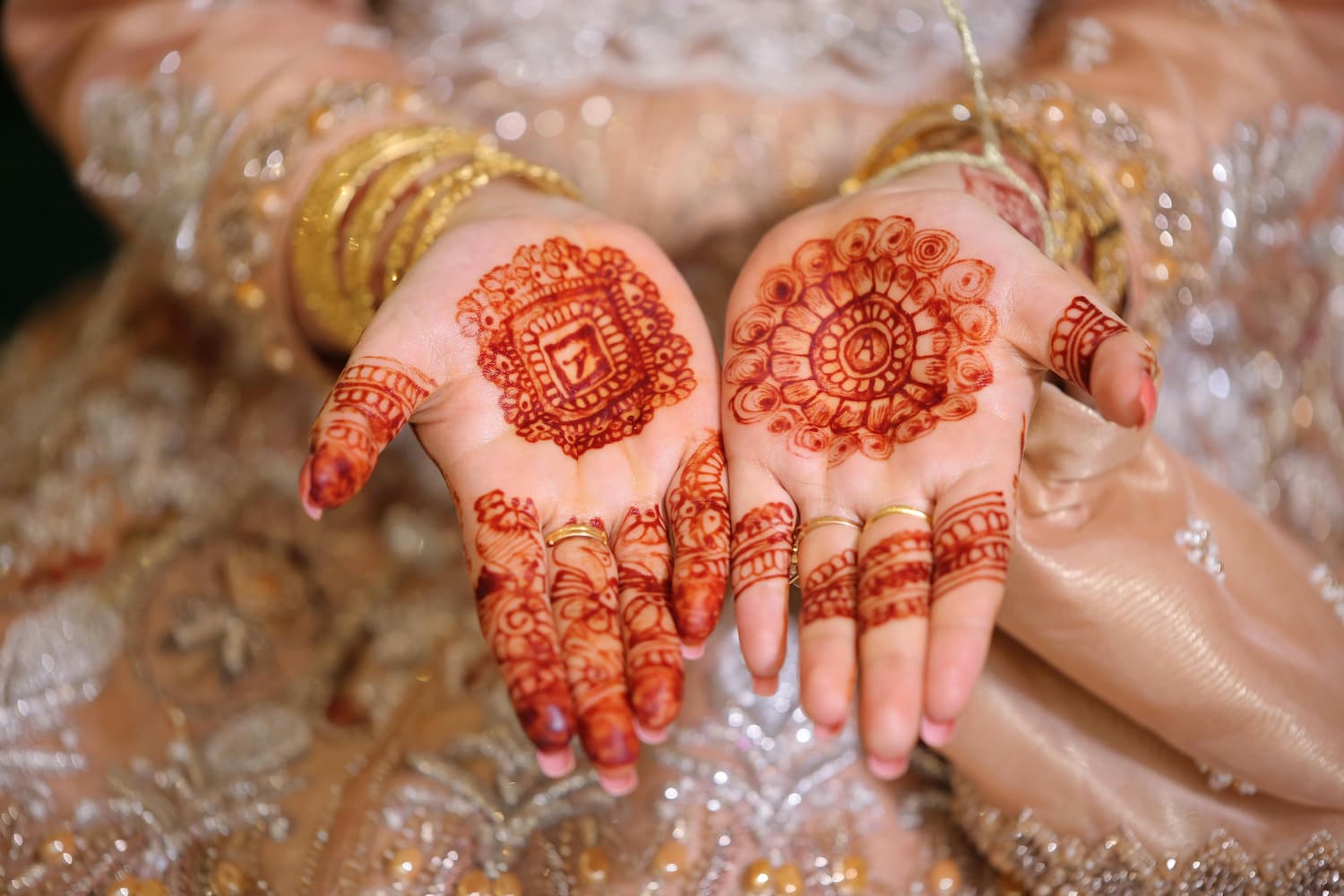
Henna art in Lahore. Courtesy of Pexels.
5. Learn About Pakistan’s Sufi Traditions
The love-focused, mystical branch of Islam called Sufism, best-known in the Western world for its poets like Rumi and Hafiz, is important throughout Pakistan. Head to Uch Sharif to see the tomb of Bibi Jawindi, part of a group of major monuments on Pakistan’s UNESCO Tentative List, known for its carved timber, molded brickwork, and blue-and-white tile decoration. You can also visit the shrine of Lal Shahbaz Qalandar in Sehwan Sharif, where pilgrimage and devotional music make Sufi practice something you can experience.
6. Ride the Karakoram Highway
Take a bucket-list-worthy road trip along the Karakoram Highway, which traces one of the ancient Silk Road routes through northern Pakistan to the Chinese border. Stretching roughly 800 miles, it is often called the Eighth Wonder of the World for its mountain scenery and engineering. Start in the Himalayan foothills and make your way to Khunjerab Pass, the highest paved international border crossing in the world, at more than 15,000 feet. You can travel by car or motorcycle, though a 4×4 is the better option on narrower or rougher stretches.
7. Wander Lahore, Pakistan’s Cultural Capital
Few cities in Pakistan better reflect the country’s artistic and intellectual life than Lahore. The city was once a major center of the Mughal Empire, and that legacy is still visible at the Lahore Fort and the Badshahi Mosque, where monumental architecture featuring red sandstone, domes, and open courtyards points to the scale and power of that era. Inside the Mughal-era gates of the Walled City, narrow lanes lead to places like the restored Shahi Hammam, a 17th-century Mughal bathhouse known for its frescoes and vaulted interior. Nearby, Heera Mandi highlights Lahore’s long connection to music, dance, and courtesan culture. It later became known as the city’s red-light district. Today, it operates more like a bazaar, with food stalls and shops selling musical instruments and khussa, or traditional footwear.
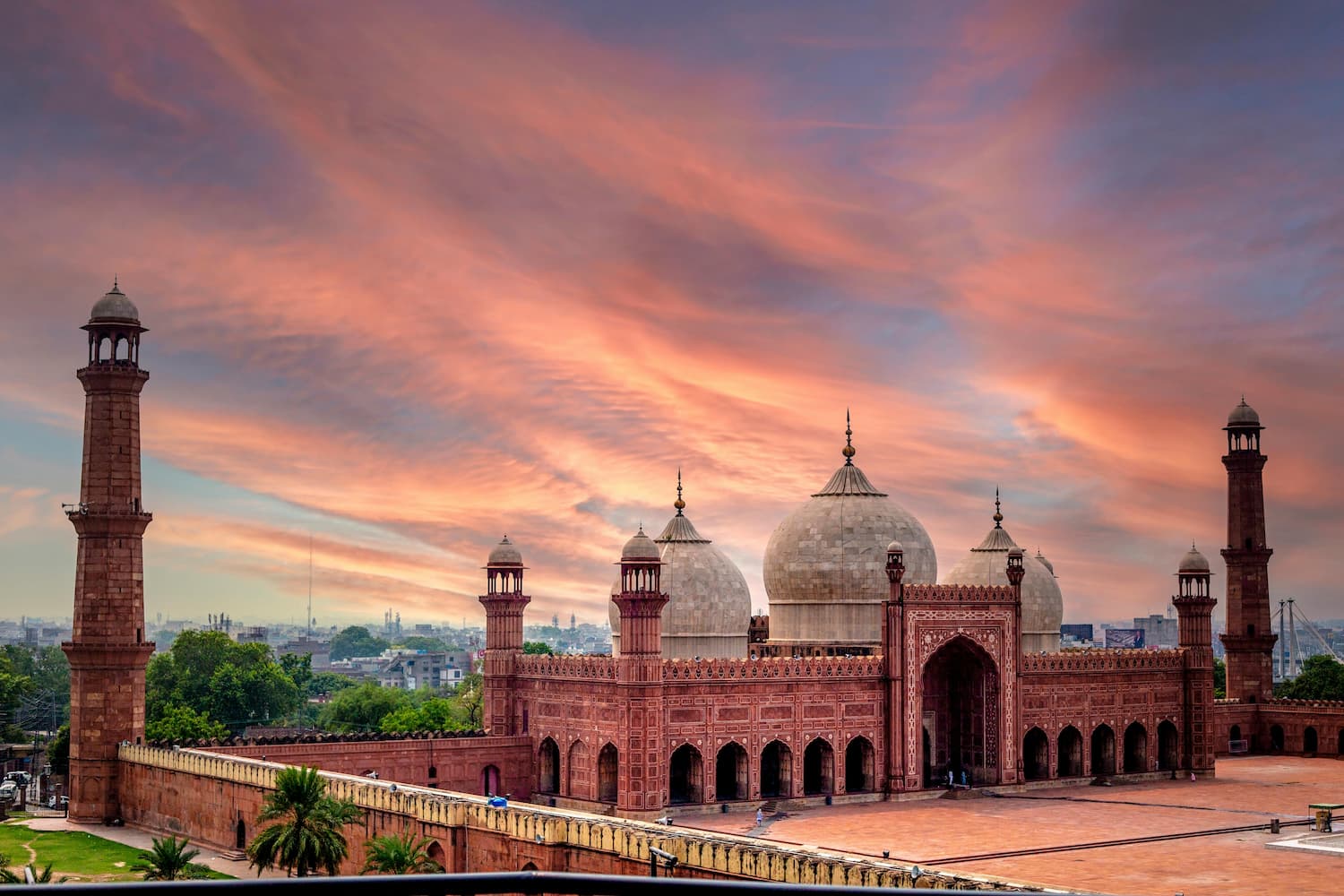
Mughal Buildings in Lahore. Courtesy of Pexels.
8. See Pakistan’s Living Craft Traditions
Pakistan’s craft traditions are not confined to museums. In Sindh, ajrak artisans still produce the region’s signature block-printed textiles, while in Islamabad, Fayyaz Ahmed is the last known practitioner of Mughal-era wax art, which passed down through his family. Pakistan’s creative culture also extends beyond older forms. Truck artists turn vehicles into colorful works of art, some decorated with printed stickers that represent the modern era of the country’s visual culture.
9. Visit Multan, Pakistan’s City of Saints
One of South Asia’s oldest cities, Multan is known for its Sufi shrines and centuries-old role as a center of trade and faith. The city is associated with the campaign in which Alexander the Great was severely wounded in 326 BCE, but today it draws travelers for its spiritual and architectural landmarks. Visitors can explore major shrines, head up to Fort Kohna for views over Multan and the colonial-era Ghanta Ghar clock tower, or, in mango season, visit orchards such as Mashallah Bagh.
10. Linger at Pakistan’s UNESCO Sites
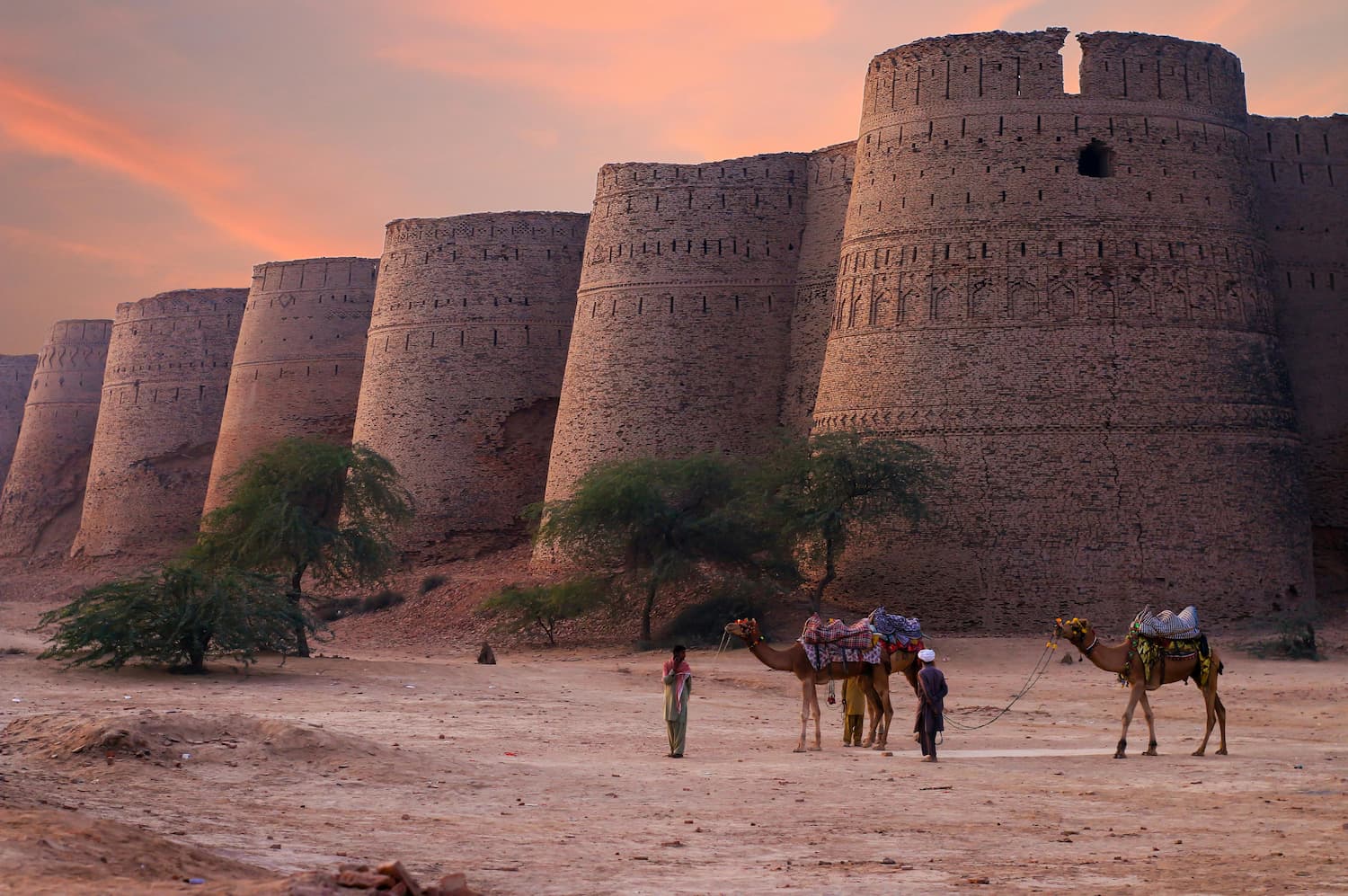
Pakistan is home to six UNESCO World Heritage Sites, many of which are surprisingly serene. Wander the grounds of the Lahore Fort Complex, learn about Pakistan’s history of inter-religious harmony at the ancient Buddhist site of Taxila, and have the sprawling Makli Necropolis almost completely to yourself. Derawar Fort, also on Pakistan’s UNESCO Tentative List, plays an important role in the annual Cholistan Desert Rally.
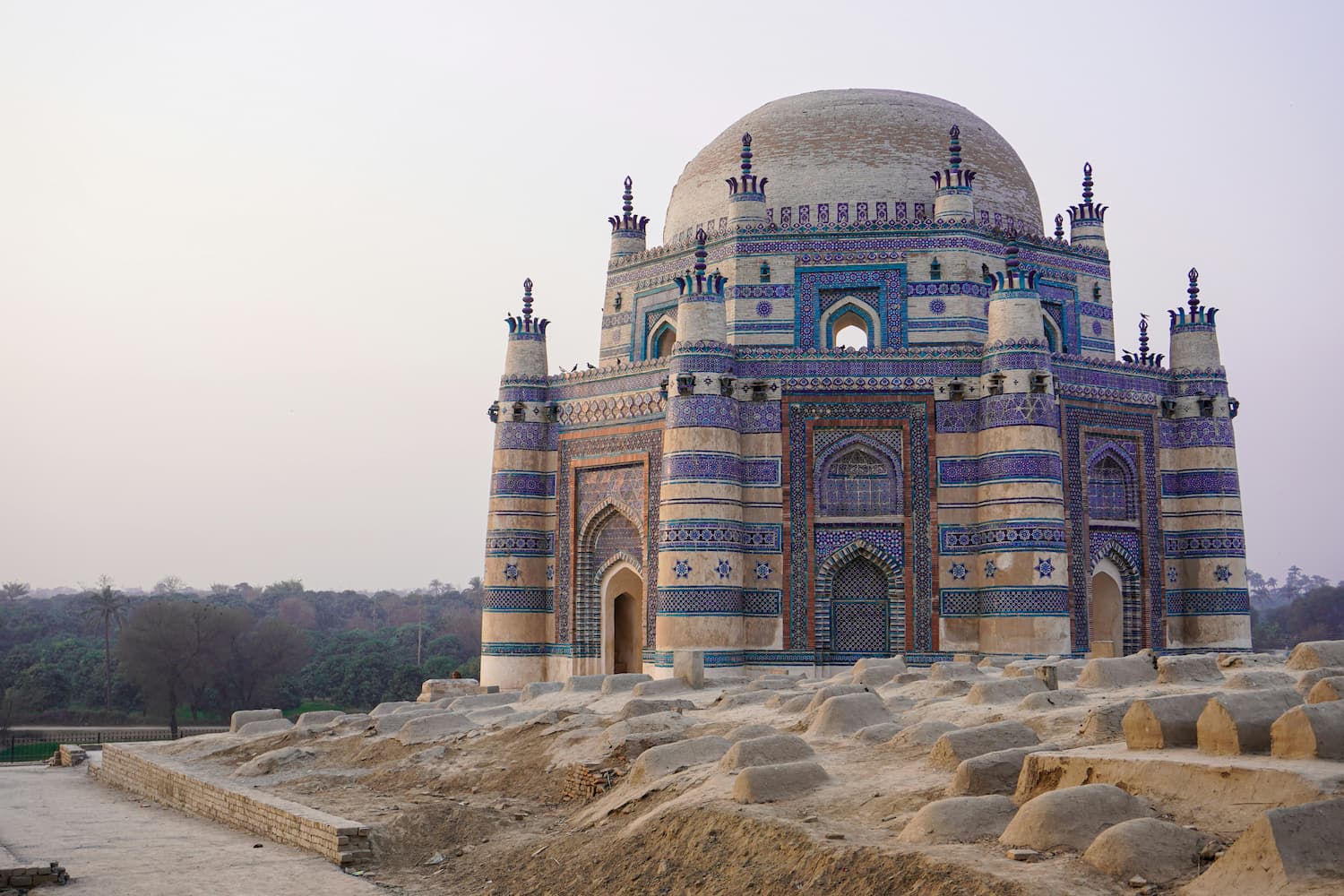
The Tomb of Bibi Jawindi in Uch Sharif. Courtesy of Pexelsjpg.

Zanny Merullo is a disabled travel writer based in Colorado who writes about positive-impact travel. Her award-winning work has appeared in National Geographic, Fodor’s, Lonely Planet, Adventure.com, Travel and Leisure, and other publications. In between trips, Zanny dances salsa and teaches Italian in her hometown of Fort Collins. See more of her work at zannymerullo.com and find her on Instagram at @zannymerullo.
North Stars: Community Support, Heritage Value, Wildlife Ecosystems
More Stories
 CULINARY, DRINK
Get to Know the Producers Behind the J.P. Bourgeois Portfolio
 CULINARY, DRINK
Where to Taste Wine in Willamette Valley
 DRINK
DRINKMeet the Distillery Making Vodka From Fog
 DRINK
DRINKSake’s Next Step: How Japan’s Rice Wine Is Evolving
 DRINK, HOME
The Buzz on InFizz: Breville’s Carbonator Elevates Sparkling Water