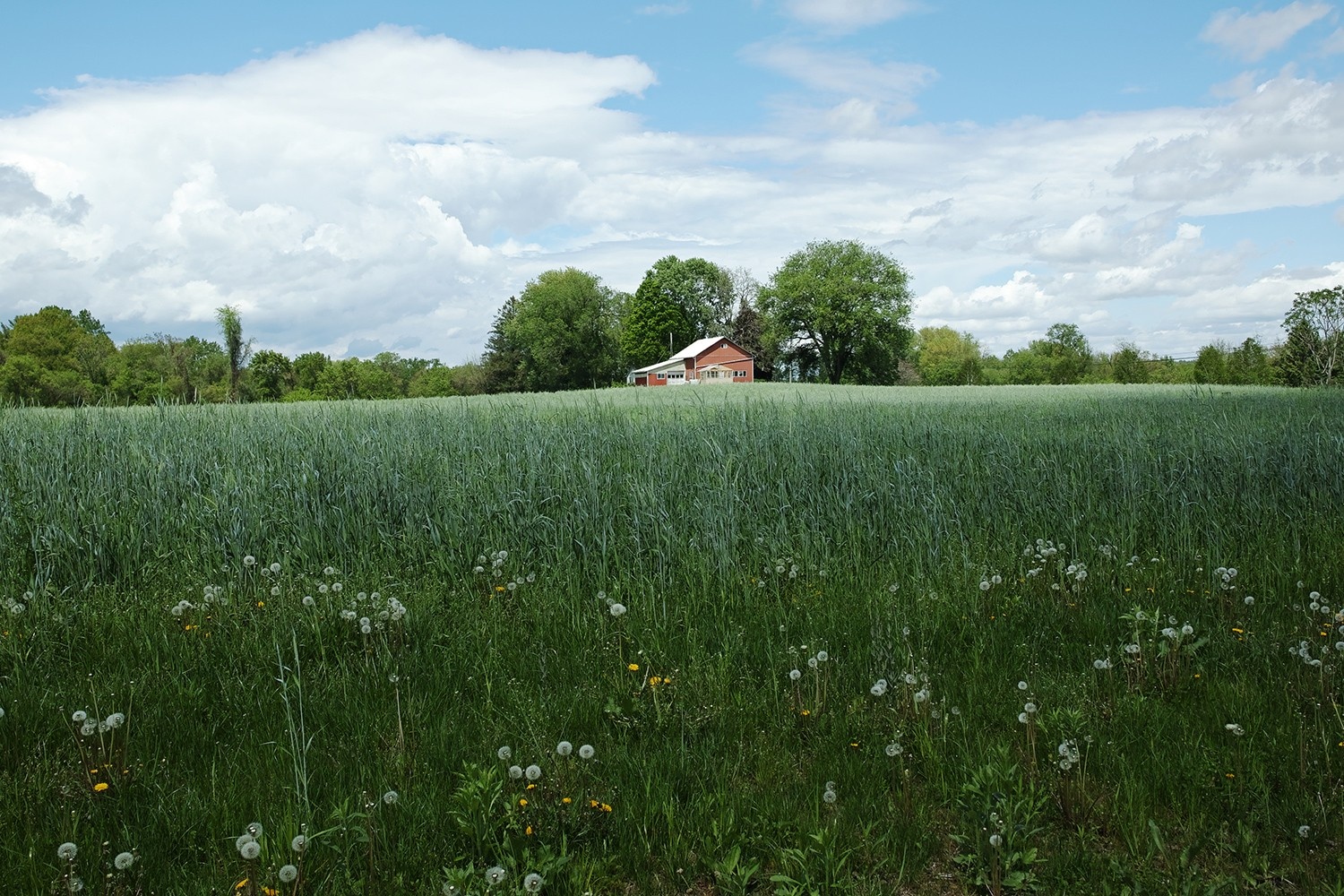
“I’ve come to believe a healthy landscape isn’t necessarily the neatest one. It’s the one that supports life.”
A carpet of emerald-green grass, neatly-edged flower beds, clipped hedges, and not a weed in sight. For centuries, this has been the ideal lawn: a manicured, uniform space, viewed as the ultimate goal in good landscaping. But as concerns over pollinator decline and biodiversity continue to grow, that picture of the “perfect” yard is beginning to change.
Enter the living lawn. This burgeoning form of landscaping replaces monoculture turf spreads with a biodiverse array of native plants, drawing in bees, butterflies, and birds. Using plants that naturally benefit soil health, gardeners eliminate the need for synthetic fertilizers. Pollinators and wildlife help keep pests at bay; no icky pesticides needed. Not only are living lawns better for indigenous plants and animals, but it’s often easier for owners, requiring less maintenance and watering.
“I’ve come to believe a healthy landscape isn’t necessarily the neatest one,” says Lisa Sternfeld, founder of sustainable lifestyle platform WLLW. “It’s the one that supports life.”
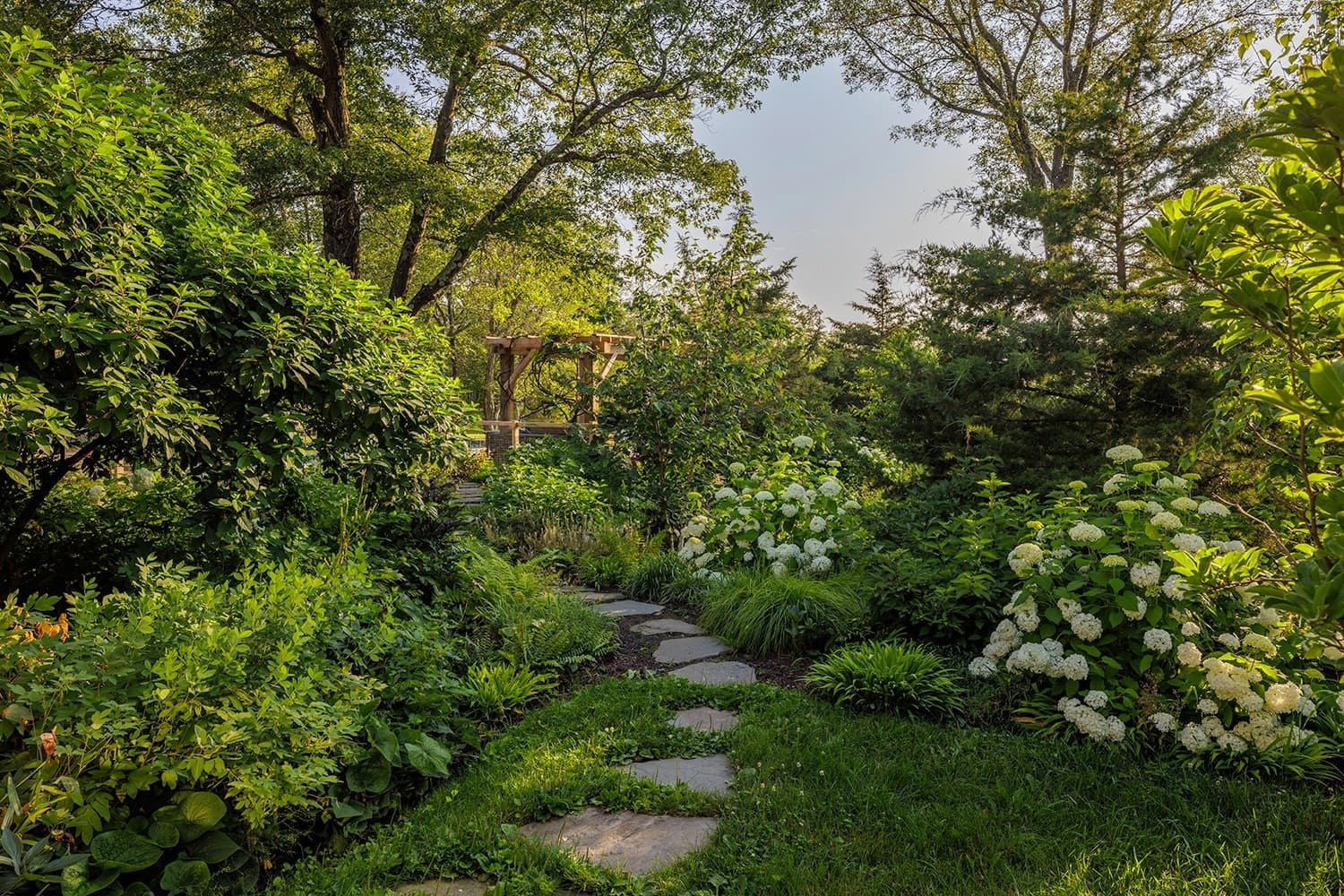
Garden path at Hill Station. Courtesy of Hortulus Animae
Designing Your Living Lawn
The living lawn challenges the long-held belief that a healthy landscape is perfectly trimmed and immaculately maintained. That being said, homeowners don’t need to abandon their lawns entirely or transform their backyards into wild meadows. Instead, experts say the healthiest landscapes are those that strike a balance, providing room for personal aesthetic preferences and nature to thrive.
“The problem is not the lawn itself; it is the default application of the lawn as a vast, chemically dependent, ecological desert,” says Jean-Marc Flack, landscape designer and founder of Hortulus Animae. “In my practice, the lawn is no longer the main event; it is an architectural tool.”
Rather than covering an entire area with turfgrass, Flack approaches lawns as one element within a larger ecosystem. Instead of a flat expanse, grass serves as pathways, gathering spaces, and visual breathing room between more diverse plantings. Since gardens and green spaces can vary house to house, living lawns can look different for everyone.
“When a lawn is treated as a deliberate, geometric pause rather than an obligatory canvas, it actually elevates the wildness around it,” says Flack.
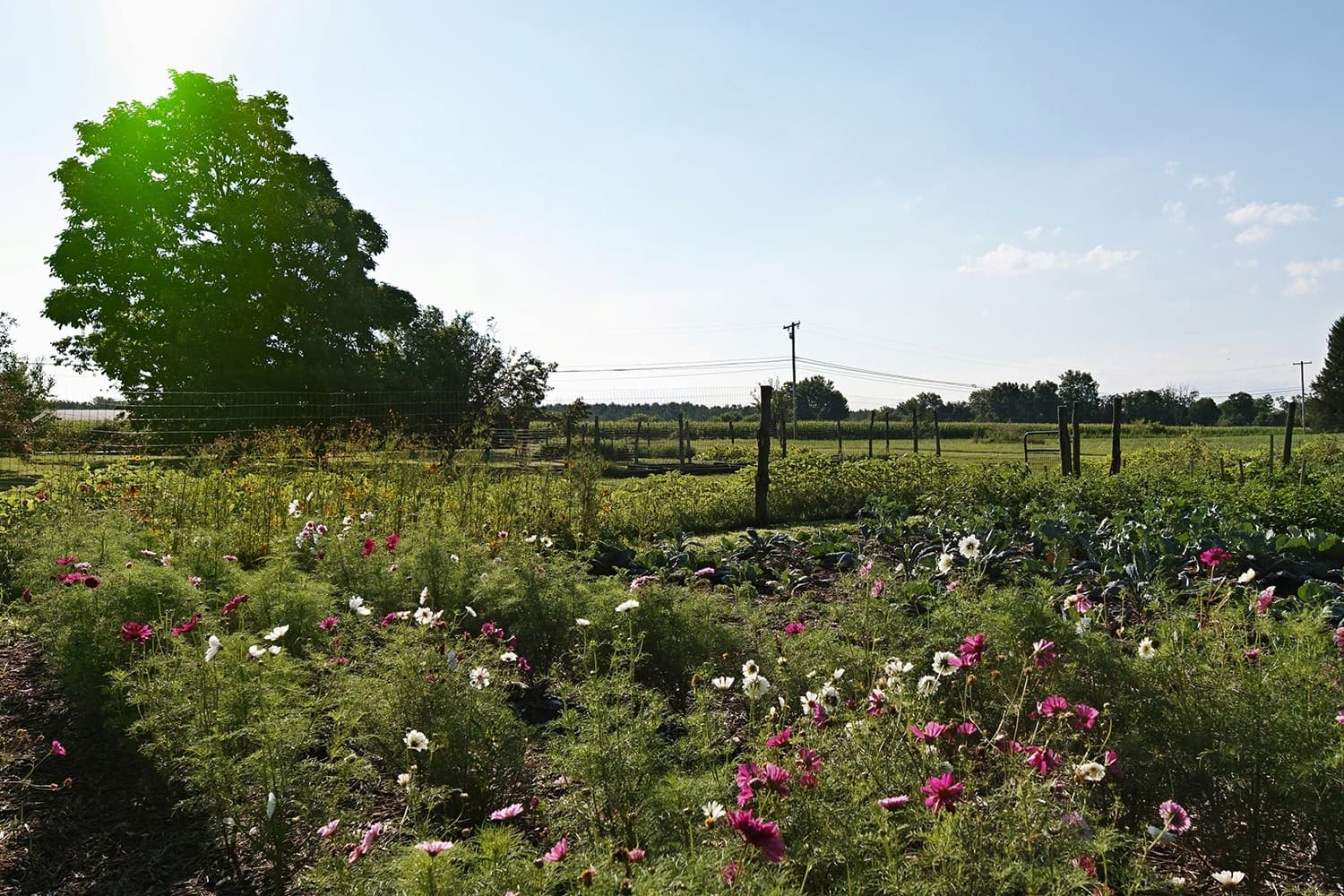
A garden at Farmstead Hudson Valley. Courtesy of Adrian WM Jones
How to Start a Living Lawn
One of the biggest misconceptions surrounding pollinator-friendly gardening is that creating meaningful habitat requires acres of land or replacing an entire lawn. In reality, it’s often tiny, intentional changes that have the greatest impact. It’s ok to start small.
“I usually encourage people to begin at the edges,” says Sternfeld. “A border planting, an underused corner, or a few well-chosen native species can create real habitat without changing how the space functions day to day.”
Alix Becker, founder of the Farmstead Hudson Valley working farm and homestead, agrees. “Everyone can play a part, even the smallest urban garden or apartment balcony,” she says. “Plant diversity is the main contributor to pollinator health.”
Rather than focusing on the size of a property, she encourages homeowners to think about variety. Gardens with flowering plants blooming from spring through fall provide a steady food source for pollinators, while native species offer some of the greatest ecological benefits.
Flack adds that diversity is what ultimately creates resilient landscapes. He encourages homeowners to rethink plants often dismissed as weeds, like native violets, wild strawberries, and even clover. These provide food for early pollinators while improving soil health. At the same time, he cautions against assuming every commercial wildflower mix benefits local ecosystems, noting that many contain aggressive, non-native species.
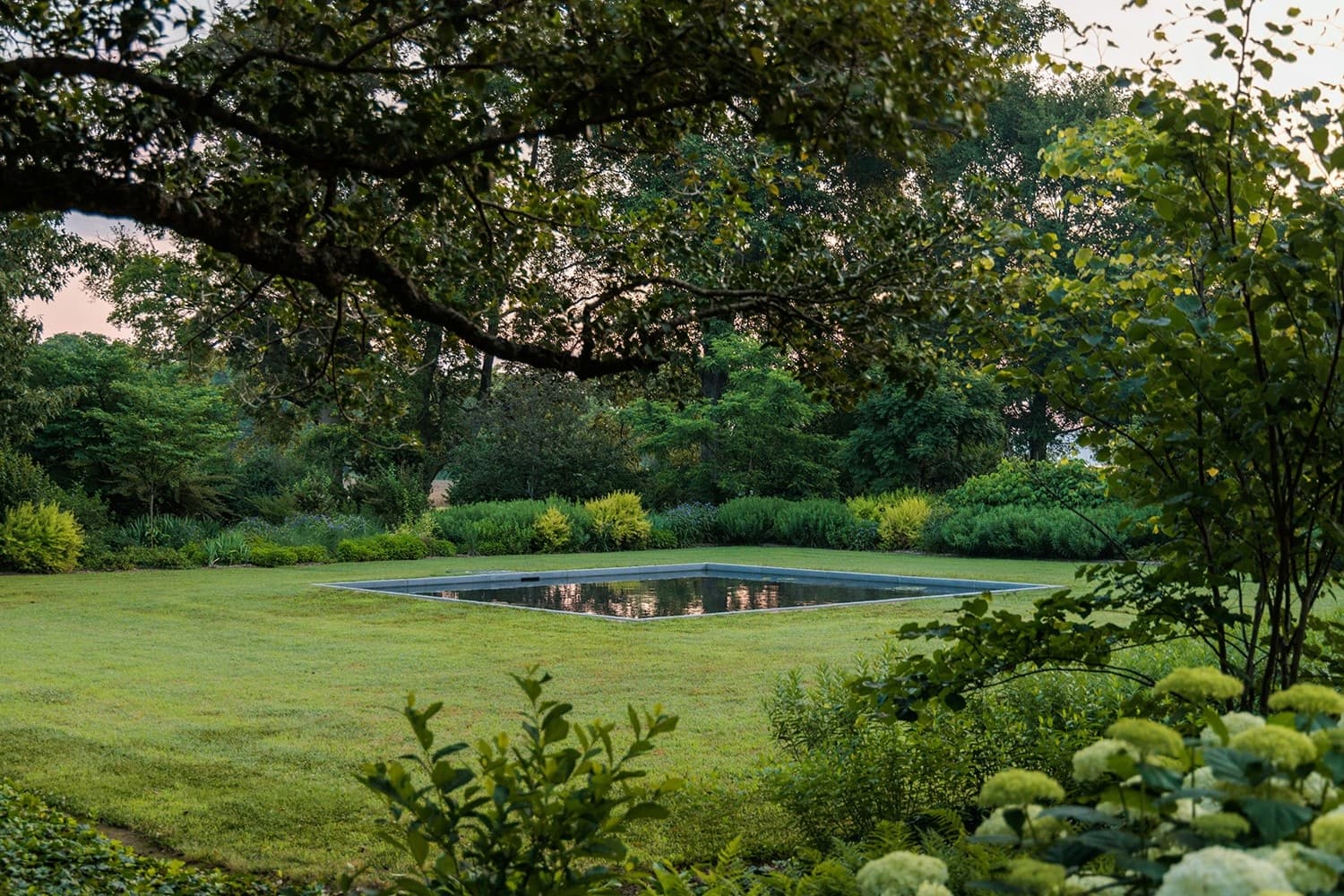
Adding water features to a living lawn helps support pollinators. Courtesy of Hortulus Animae
How to Support Pollinators
A healthy garden welcomes pollinators. While flowers may be the first thing that comes to mind, nectar is only part of the equation.
For one thing, there’s water. “Most people don’t know that water is essential to bee health,” says Becker, whose farm is built around biodiversity and sustainable growing practices. Bees use water to help regulate the temperature inside their hives during hot summer days, and birds and other animals also need hydration. Providing a shallow birdbath or small water source is a surprisingly valuable addition.
Shelter is just as important. Dead wood, hollow stems, patches of bare soil, and even leaf litter provide nesting and overwintering habitat for native bees. “A messy garden is great for bees,” Becker says. Leaving seed heads standing through winter or allowing fallen leaves to remain beneath planting beds gives pollinators shelter long after flowers have faded.
This advice runs counter to the traditional urge to tidy every inch of the landscape. Flack says one of the most damaging gardening habits is the annual fall cleanup. “Cutting down all perennial stems to the ground and blowing away every fallen leaf destroys the vital overwintering habitats for native bees, moths, and butterflies,” he says.
Supporting pollinators doesn’t always require buying new plants, either. Sternfeld says some of the hardest-working plants in her own garden are everyday culinary herbs. Thyme, oregano, rosemary, chives, and lavender all become magnets for bees once they’re allowed to flower. Borage, along with calendula, echinacea, and bee balm, also benefit pollinators throughout the growing season.
“What I love is how many roles these plants play,” she says. “We cook with them, they support pollinators, add beauty to the garden, and many have long histories of culinary or medicinal use.”
Can a Pollinator Garden Still Be Family-Friendly?
Many homeowners worry that supporting pollinators means accepting more pests. But according to Becker, healthy ecosystems naturally help regulate themselves.
“We adhere to sustainable farming practices that are designed to create an environment in which our farm and gardens regulate themselves,” she says. Plants such as coneflowers, marigolds, yarrow, dill, fennel, and cilantro attract beneficial insects that prey on common garden pests, reducing the need for pesticides.
Flack adds that biodiverse landscapes also encourage birds, dragonflies, frogs, and bats — the very predators that naturally keep mosquito populations in check. While thoughtful design can’t eliminate mosquitoes or ticks entirely, features like wide pathways and mowing buffers can keep frequently used spaces comfortable without sacrificing biodiversity.
For families with children or pets, Sternfeld says placement matters just as much as plant selection. After noticing heavy bee activity around hydrangeas near gathering spaces, she relocated the most pollinator-friendly plantings to the edges of her property. This helped avoid run-ins with bees, as well as keeping patios and entertaining areas more open and spacious.
“You can support biodiversity and still make comfortable spaces for children, pets, and entertaining,” she says. Growing up surrounded by pollinators has also shaped the way her young son experiences the garden. Rather than fearing bees, he’s become curious about them. “That curiosity is what I’m most glad the garden gave him,” she says.
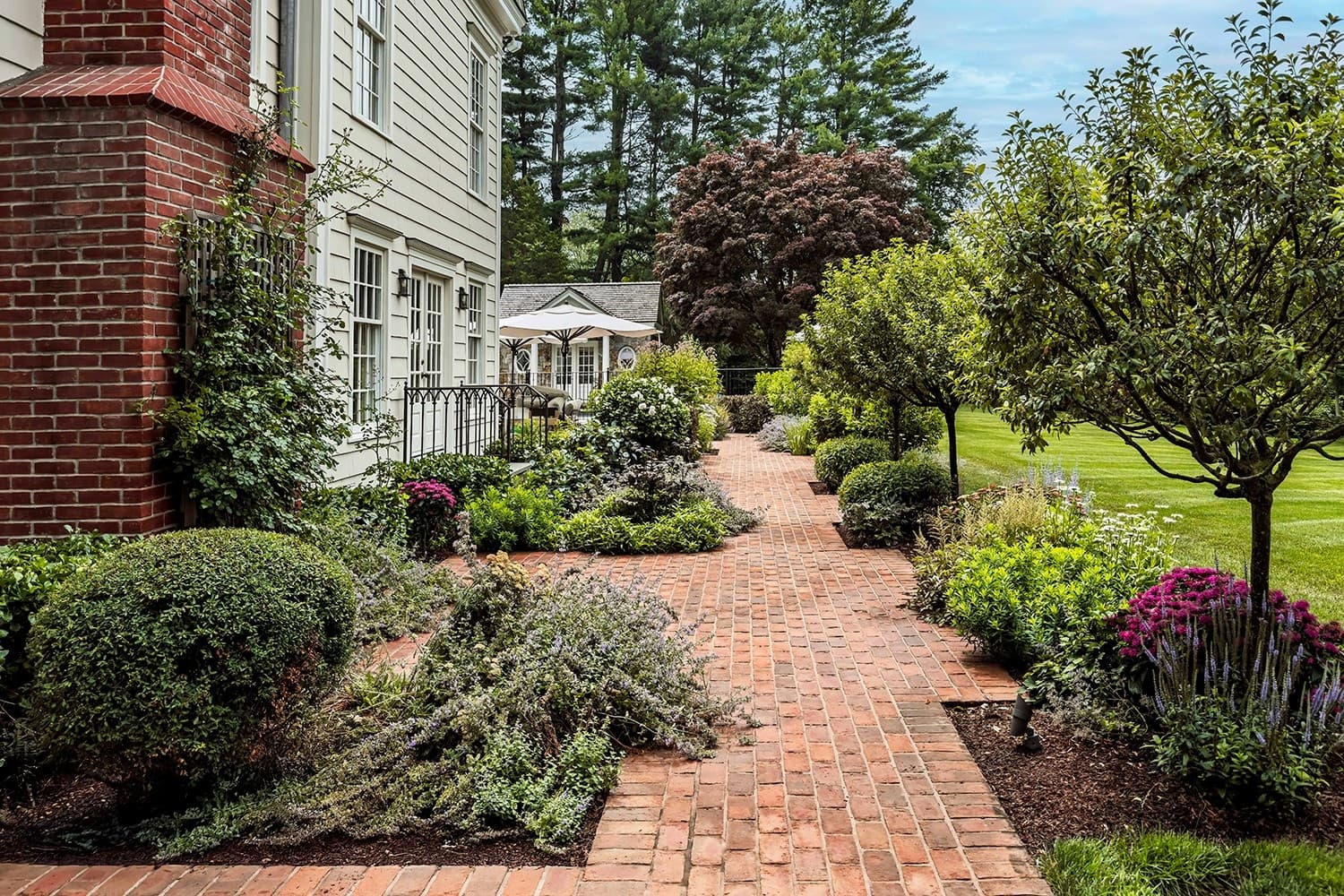
A living lawn at a Connecticut home. Courtesy of Lisa Sternfeld
Reaping the Benefits of Living Lawns
Hummingbirds darting through the garden at sunrise, finches feeding on seed heads, dragonflies hovering overhead, and fireflies blinking on and off during summer evenings. For Sternfeld, these are all visual signs her living lawn is thriving and working as it should.
“The best gardens make room for both: the people who live there and the wider ecosystem around them,” she says.
For Becker, the reward for cultivating a living lawn comes every spring. As the weather warms, giant queen bumblebees emerge from the low grasses at her Hudson Valley homestead. It’s the first sign that another season of life has begun, and a reminder that even small changes can create landscapes buzzing with life.

Angelika Pokovba is a writer living between New York City and the Mexican jungle, where she writes about travel, design, culture, hospitality, and the rituals that shape the way we live. Drawn to ancestral traditions, sustainability, and destinations with a strong sense of place, her work explores the nature, identity, craftsmanship, and modern life through an immersive and oftentimes personal lens. She speaks six languages, loves getting lost in local markets and cooking elaborate meals from whatever she picks up along the way, and feels most at peace at 10,000 feet. Follow along on @wordsbyangelika.
North Stars: Climate Actions, Water Management, Wildlife and Ecosystems
More Stories
 CULINARY, DRINK
Get to Know the Producers Behind the J.P. Bourgeois Portfolio
 CULINARY, DRINK
Where to Taste Wine in Willamette Valley
 DRINK
DRINKMeet the Distillery Making Vodka From Fog
 DRINK
DRINKSake’s Next Step: How Japan’s Rice Wine Is Evolving
 DRINK, HOME
The Buzz on InFizz: Breville’s Carbonator Elevates Sparkling Water