North Stars:

Carbon Footprint

Climate Actions

Energy Efficiency
“Unlike many ski towns that focus on one or two green measures, we integrate it into everything.”
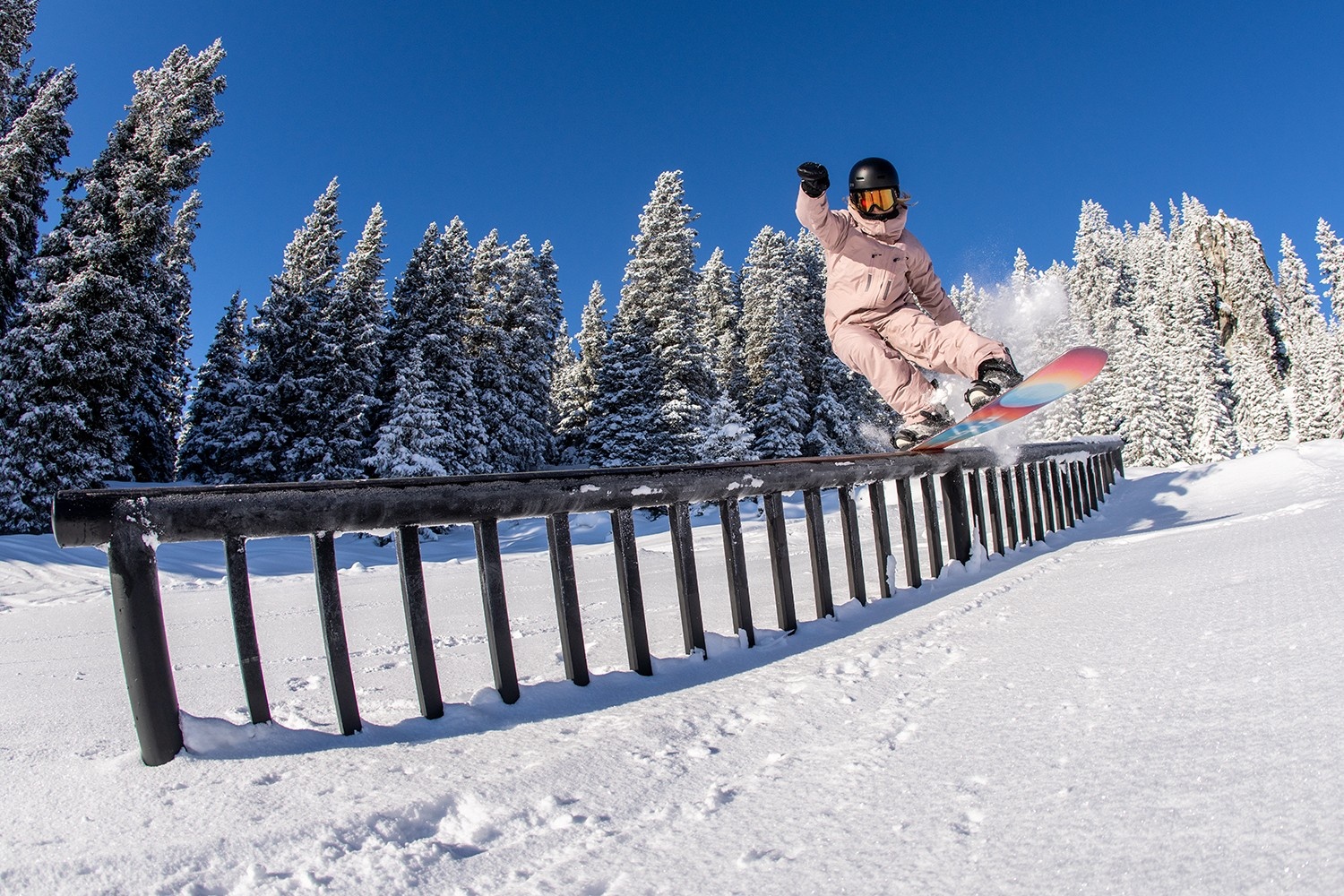
Laax is a winter sports paradise. Courtesy of LAAX_ Weisse Arena Group
Most travelers to Switzerland land in Zurich and head straight for Interlaken’s lakes or Zermatt’s peaks. Drive an hour in the opposite direction and you’ll reach Laax–Flims–Falera, a tri-village alpine resort trying to rewrite the rules of mountain tourism.
Known as Europe’s freestyle capital, Laax is also the setting for one of the Alps’ most ambitious sustainability experiments. Here, lifts run on hydro and solar power, electric shuttles glide through snow-dusted streets, and even the ski wax is plant-based.
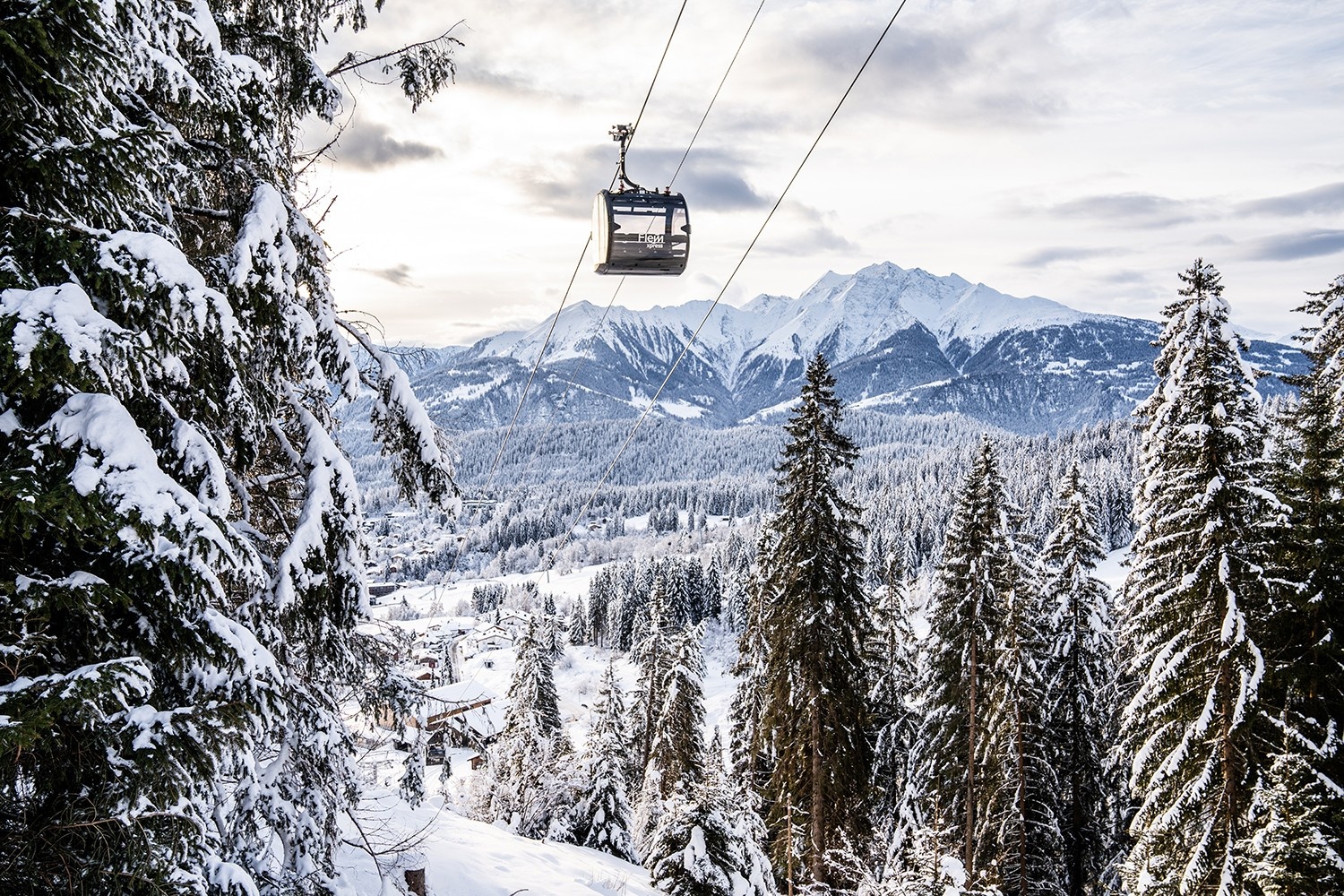
FlemXpress is the world’s first on-demand gondola. Courtesy of LAAX_ Weisse Arena Group
From Freestyle to ‘Greenstyle’
The shift began in 2010, when the Weisse Arena Gruppe launched Greenstyle, a program that treats sustainability less like a checklist and more like a system.
“We want Laax to be the first energy self-sufficient mountain destination by 2030,” says Reto Fry, the resort’s environmental representative. “Unlike many ski towns that focus on one or two green measures, we integrate it into everything, from energy and water to waste, food, mobility, and even architecture.”
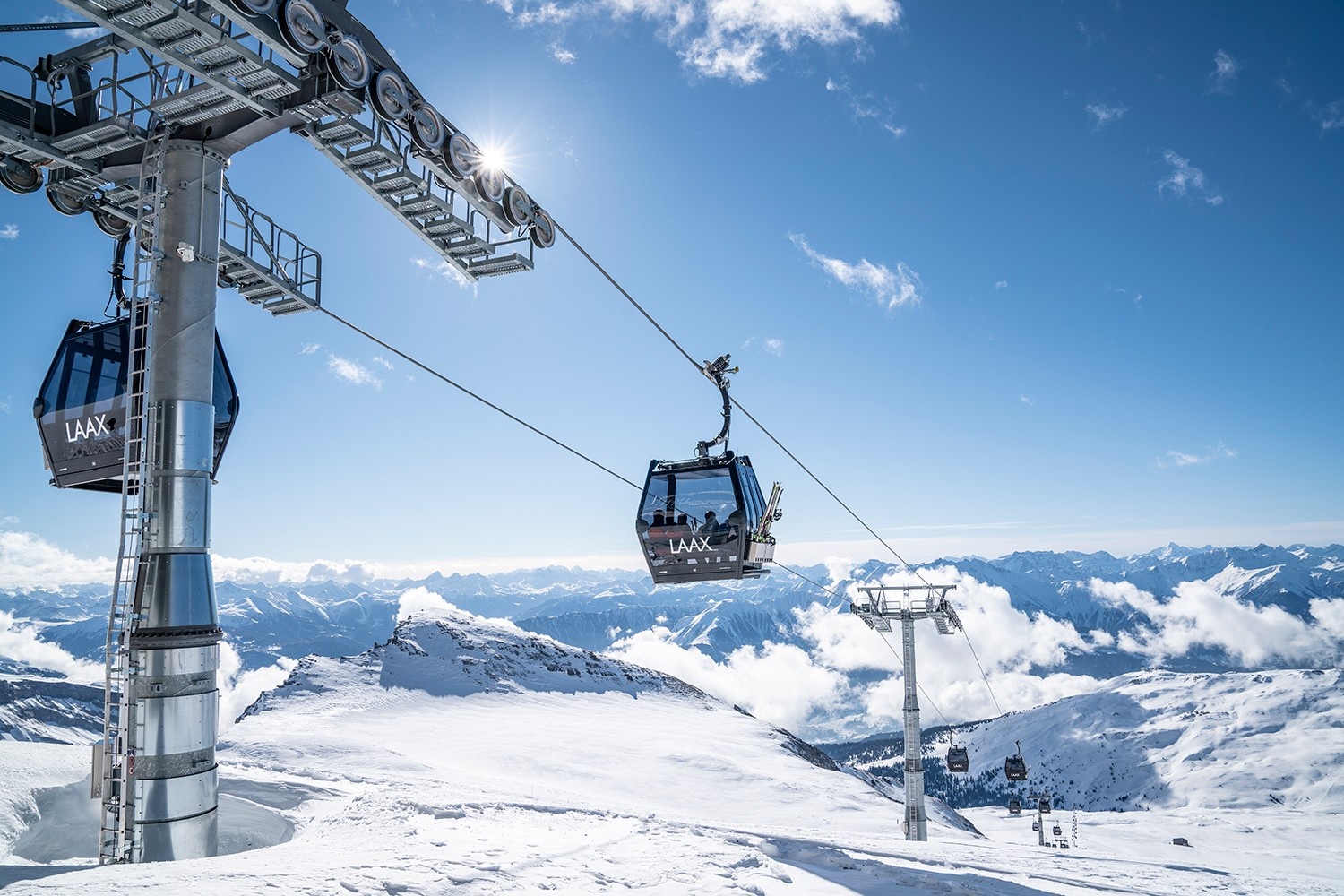
Since 2008, every lift in Laax has run on 100 percent renewable electricity. New hotels use biomass and heat-pump systems, rooftops are lined with solar panels, and diesel snow groomers are gradually being replaced by electric models. Charging points for e-bikes and cars now dot the valley.
One of the most visible symbols of that shift is FlemXpress, launched in 2023 as what the resort calls the world’s first on-demand gondola. Instead of running continuously, its cabins move only when requested, cutting both waiting times and unnecessary energy use. “It’s an example of how efficiency and comfort can go hand in hand,” Fry says.

Riders Hotel runs entirely on renewable energy. Courtesy_ LAAX_ Weisse Arena Group
The Long Slope to Carbon Neutrality
Turning a high-altitude playground into a lower-carbon ecosystem is, unsurprisingly, not simple. Much of the resort’s infrastructure dates back decades, designed for a fossil-fuel era and a very different climate.
“We had to modernize systems that weren’t built for today’s realities,” says Fry. “And we had to bring hotels, restaurants, and shops along with us.”
Waste and water systems have been reengineered across the resort. At Riders Hotel, a design-forward property popular with younger travelers, food waste is monitored in real time, cutting avoidable loss by more than half. The kitchen serves an entirely plant-based menu, and the building runs solely on renewable energy.
Over time, sustainability has become part of the local identity. Fry calls it the “Freestyle, Greenstyle, Lifestyle” mindset, an ethos that tries to unite athletes, engineers, and guests around the idea that adventure and environmental care can coexist.
A Vision for 2030
By 2030, Laax hopes to generate nearly all its power locally through solar, hydro, and biomass. The plan calls for all mobility, from buses to snowcats, to run on renewable electricity. Circular-economy principles are meant to guide building materials and food sourcing, with waste treated as a resource rather than a by-product.
If the resort hits its own targets, Laax could function as a living laboratory for lower-impact alpine tourism.
Restoration is woven into the plan, at least on paper. The resort has created wildlife corridors, adopted bird-friendly building guidelines, and developed ecological walking routes such as the Way of the Dragon. “We’re learning to see tourism and biodiversity not as opposites but as parts of the same ecosystem,” Fry says.
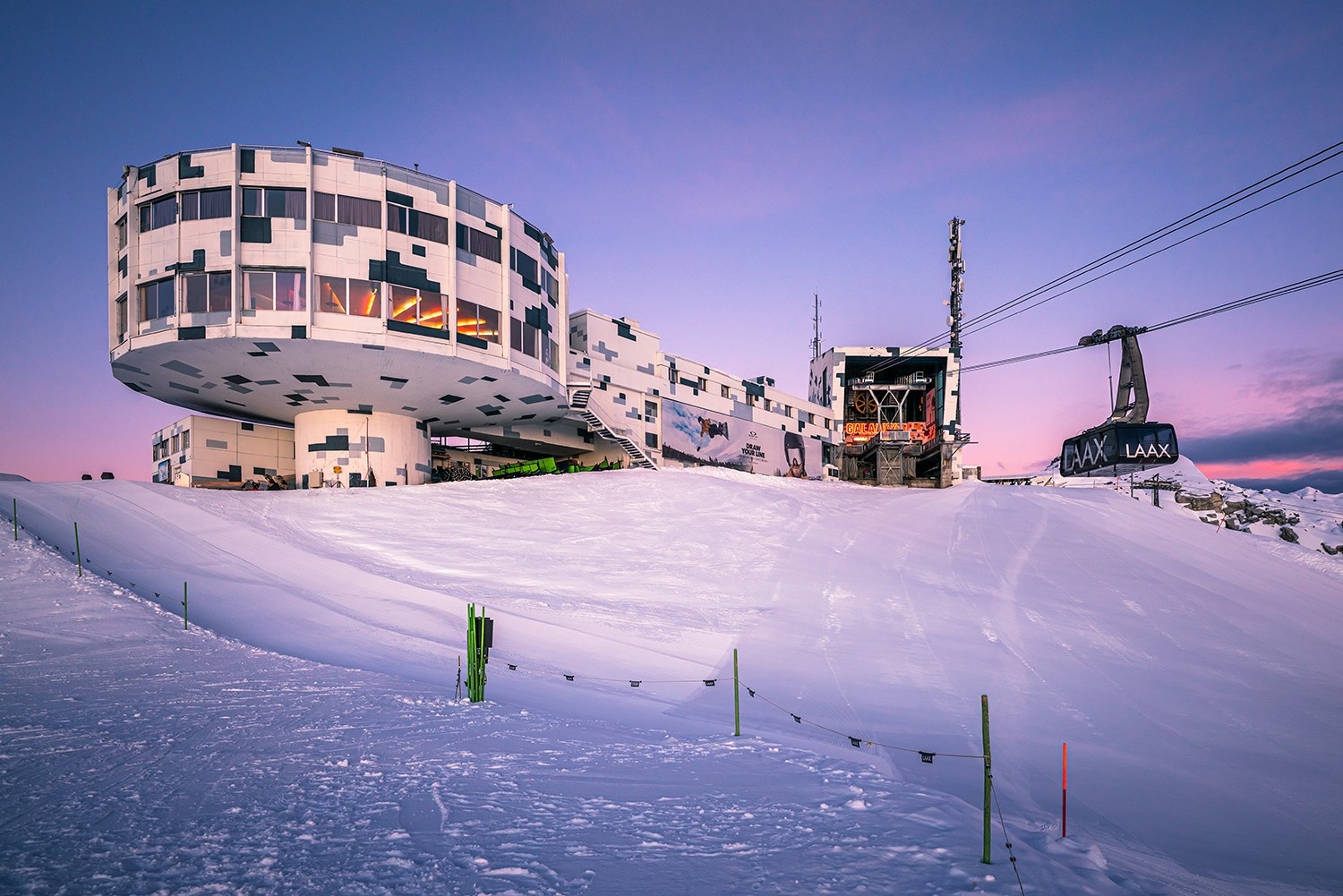
In Laax, ski lifts are powered by hydro and solar energy
A Necessary Reality Check
Not everyone believes “green” skiing is possible, even in an ambitious place like Laax.
Kaspar Schuler, director of CIPRA International, an umbrella organization for Alpine sustainability, welcomes initiatives like Greenstyle but urges realism.
“A ski resort can never be fully sustainable,” he says. “Large-scale infrastructure in fragile mountain ecosystems always has impacts, through artificial snowmaking, high energy use, and land pressure.”
Schuler notes that Laax’s sophisticated systems were built only after development had disrupted natural water sources and tourism demand had surged. “It’s a big step forward in awareness, but it still requires major technical intervention,” he says.
Mobility remains the sector’s biggest climate problem. “Most ski tourism emissions come from people driving to the resorts. Without drastically reducing car traffic and improving public transport, no destination can be truly sustainable.”
He also argues for Alpine-wide water management and stricter, biodiversity-first planning: protecting fragile zones, restoring degraded areas, and resisting further expansion into untouched terrain.
An Eye on the Future
Laax sits squarely in the middle of this debate. Its achievements, from renewable power and more efficient lifts to plant-based dining and a clear 2030 roadmap, show what’s possible when vision and investment align. Its limitations are a reminder that even the “greenest” resort operates inside the planet’s physical boundaries.
A visit here makes that tension visible. Solar panels glint beside glacier melt. A gondola is powered by the same waters that feed the Rhine. Guests debate carbon footprints over fondue.
Whether Laax is the world’s most sustainable ski town is debatable. What’s harder to argue is that it has become one of the few places where the future of alpine tourism is being tested, under the same bright Swiss sun that might just keep it running.

Teja Lele trained as an architect, only to find her love for words outweighed that for architectural drawings. An editor and writer based in India, she writes about travel, architecture, food, and lifestyle, with bylines in publications such as BBC Travel, Mint Lounge, South China Morning Post, Nikkei Asia, and The New Indian Express. Connect with her on Instagram @tejalele.
North Stars: Carbon Footprint, Climate Action, Energy Efficiency
More Stories
 CULINARY, DRINK
Get to Know the Producers Behind the J.P. Bourgeois Portfolio
 CULINARY, DRINK
Where to Taste Wine in Willamette Valley
 DRINK
DRINKMeet the Distillery Making Vodka From Fog
 DRINK
DRINKSake’s Next Step: How Japan’s Rice Wine Is Evolving
 DRINK, HOME
The Buzz on InFizz: Breville’s Carbonator Elevates Sparkling Water