“Oral histories are so often lost or explained without the context they so crucially need.”
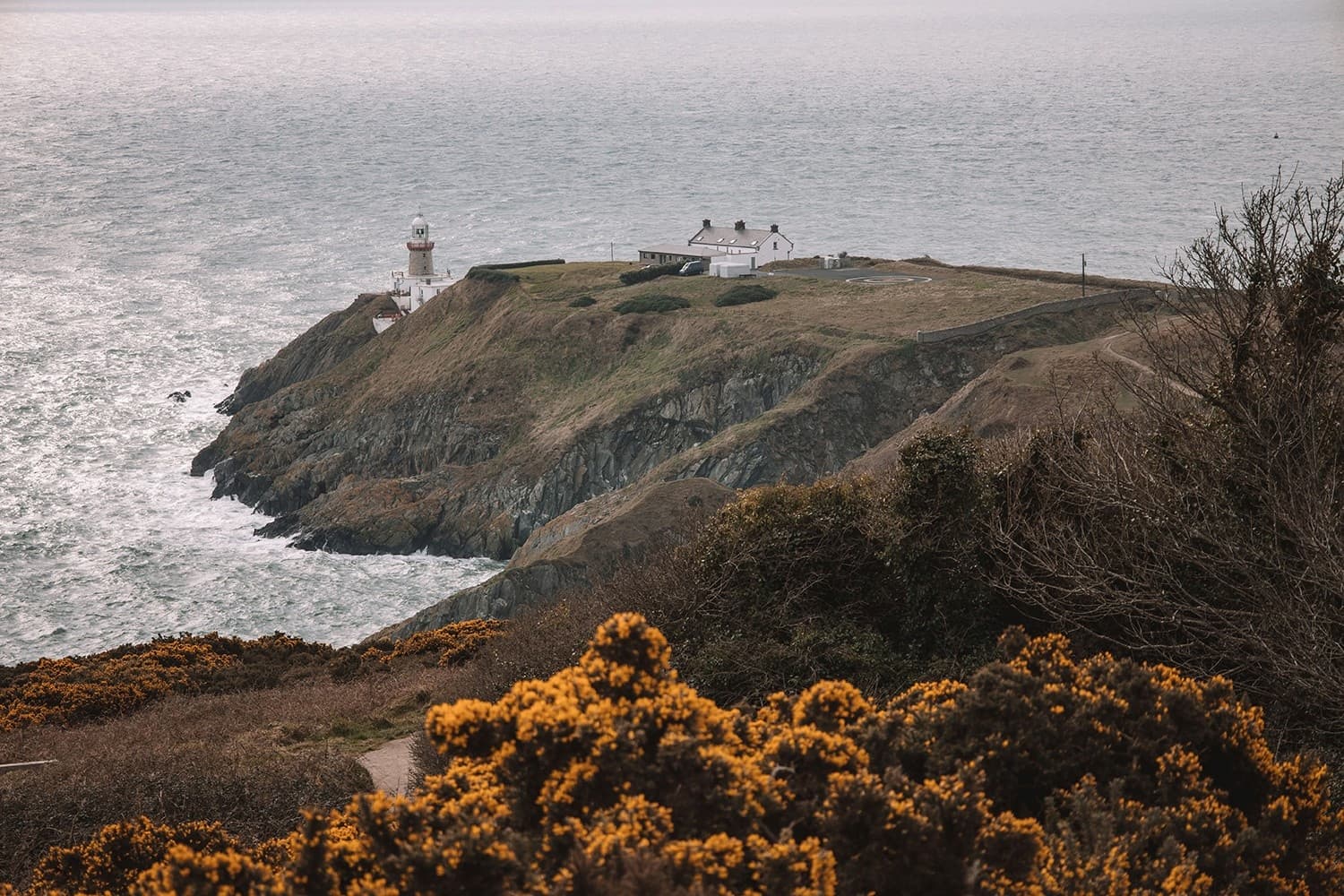
Hiking along the Howth Cliff Walk. Courtesy of Pexels
“We’re going to pack in 10,000 years of history in the next three or so hours.” These are among the first words spoken to me by Shane O’Doherty, the owner of Howth Adventures, upon us meeting at the Howth train station. Immediately, I’m a little skeptical. That’s a lot of ground to cover.
Situated less than half an hour from Dublin at the tip of the Howth Head peninsula, the village of Howth is fast-becoming a popular day trip from the Irish capital. The quaint harbor, incredible seafood, and coastal trails, including the famous Cliff Walk, are a welcome balm from the crowds of one of Europe’s biggest cities. But increasingly, crowds have discovered Howth, too.
Tourist numbers keep rising, with thousands arriving just for the Cliff Walk. Like many popular day trip towns around the world, tourism in Howth is a double-edged sword. It brings money, but most visitors are in-and-out, overcrowding specific sites without taking the time to connect with the community.
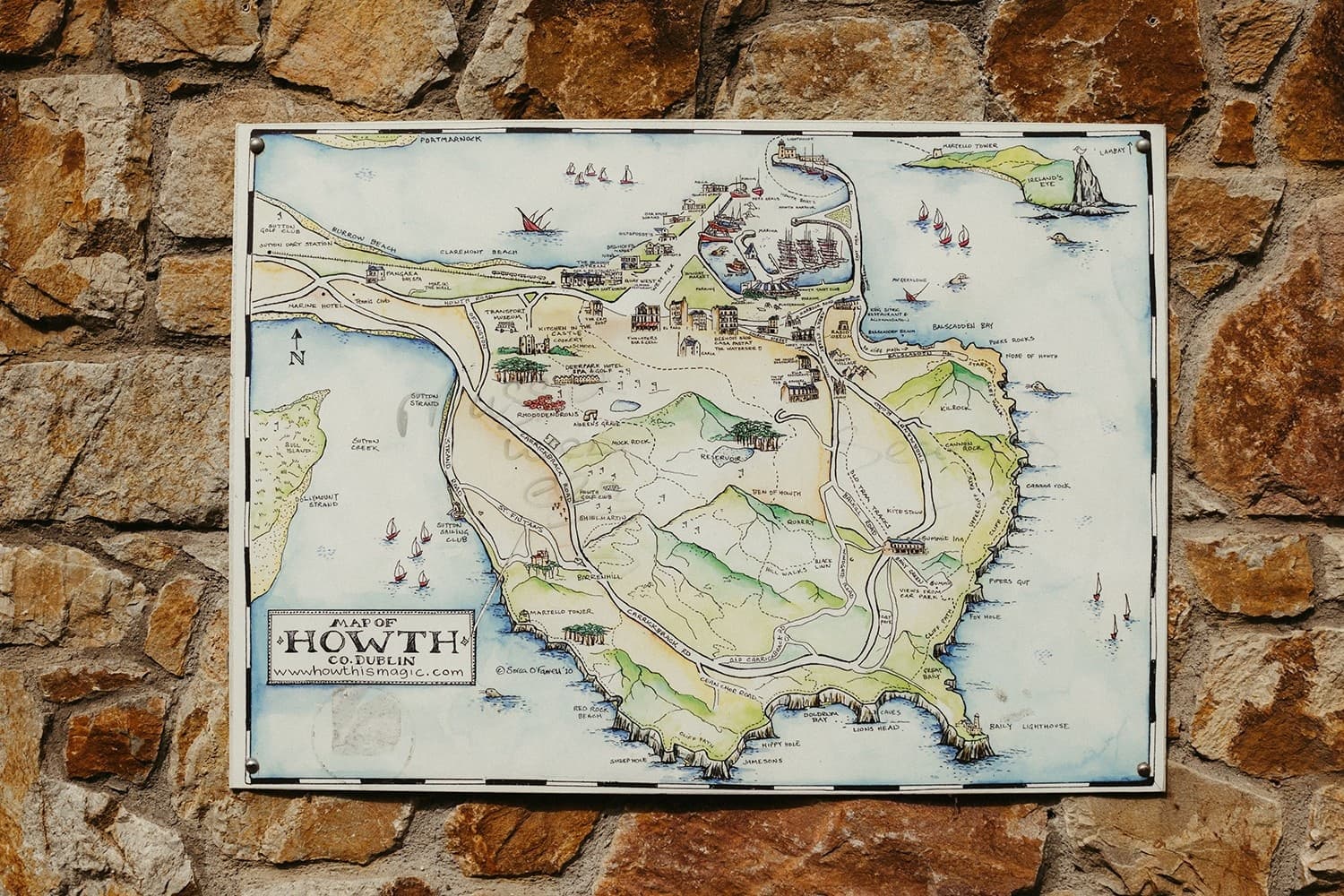
But beneath the more touristy allure, Howth is a microcosm of Irish history. Exploring the few square miles of Howth’s Head touches on thousands of years: Neolithic times, the Viking era, the Middle Ages, and 19th-century wars. Beneath the real records of history run undercurrents of Irish mythology, tying Howth to ancient sun goddesses and portals to other worlds. It’s this side of Howth that Shane seeks to share.
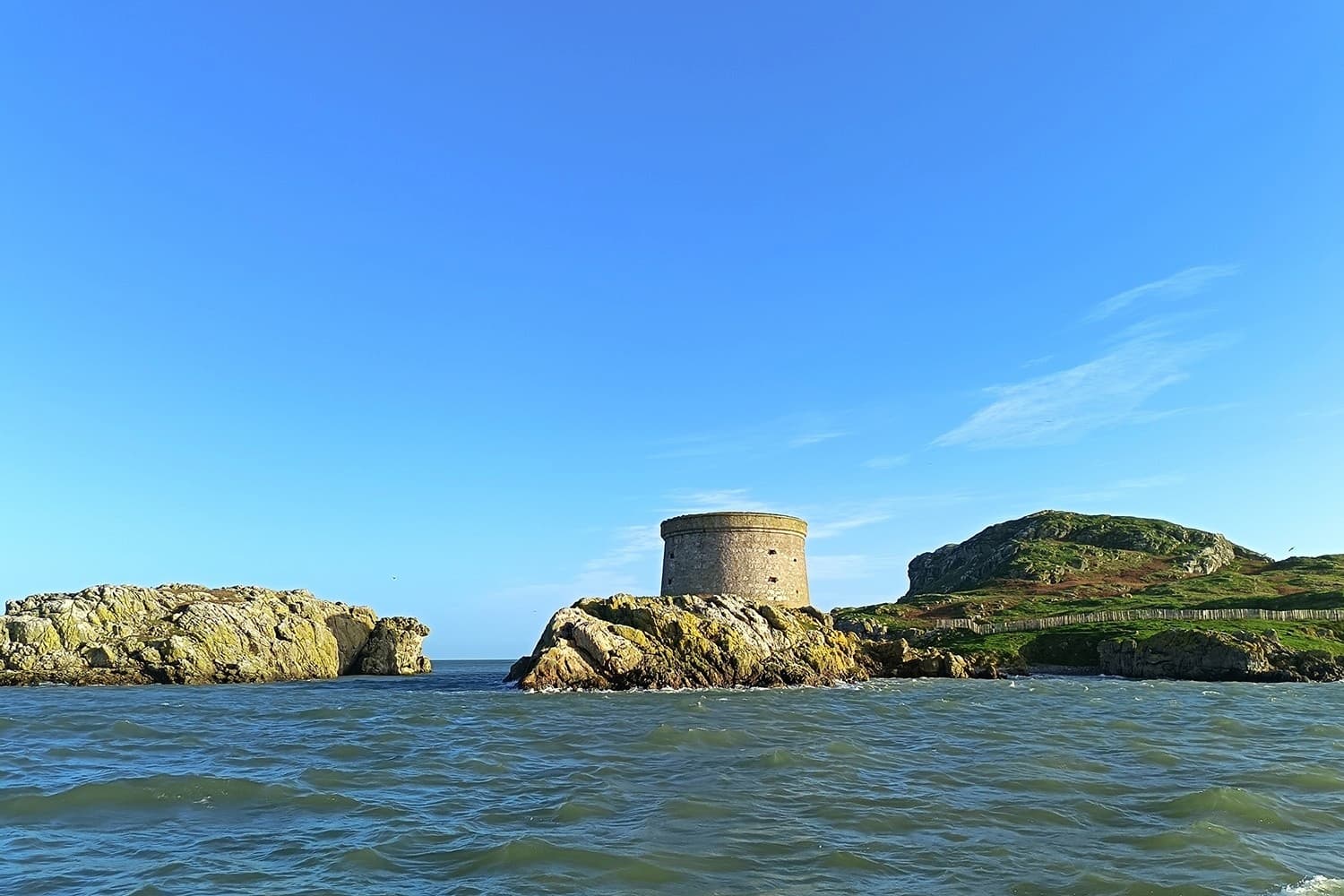
Martello Tower. Courtesy of Rebecca Crowe
Going Back to the Beginning
A short wander from the train station takes you to Howth Harbor, where fishing boats bob in the water and seafood eateries cluster around the shore. There’s a real community feel about the place; it seems like everyone knows Shane in one way or another, stopping to say hello as we walk.
Boarding a small boat run by the local Ireland’s Eye Ferries company, we splash out into the bay. The coastal waters around Howth are part of the Dublin Bay Biosphere, so immediately, we’re on the lookout for seals, porpoises, gannets, guillemots, cormorants, and puffins. This being the Irish Sea, the wind instantly whips up.
As we set out, Shane begins to share stories of this corner of Ireland. In Irish, Howth is called Binn Éadair, which translates as Edar’s Peak. The name comes from the chieftain of the Tuatha Dé Danann, a mythical race of people featured in early Irish mythology.
A tribe thought to be descended from the moon goddess Danu, legends swirl of their supernatural powers and skills with magic. It’s said they lived in an Otherworld accessed through portals in burial mounds and hills. Shane’s enthusiasm for local history is infectious; as he talks, you see the landscape with new eyes.
From the prehistory of myth, we move to the real and tangible. Sailing out of Howth Harbor, we arrive at Ireland’s Eye, a rocky island that dates back 500 million years. As with many places here, it goes by various names: Ey in Norse and Inis Mac Neasáin in traditional Irish.
From around 700AD to the 13th century, it was the site of a monastery founded by three sons of Saint Nessan, a patron saint of Howth. It’s said the island got its unique formation due to St. Nessan and his sons throwing a Bible at the devil, splitting the rock in the process.
Viking raids and attacks were frequent until the monastery shuttered. In the Napoleonic wars, the British built the Martello Tower on the island as part of a defensive network. Today, it’s uninhabited, save for seabirds, seals, and the odd ruin.
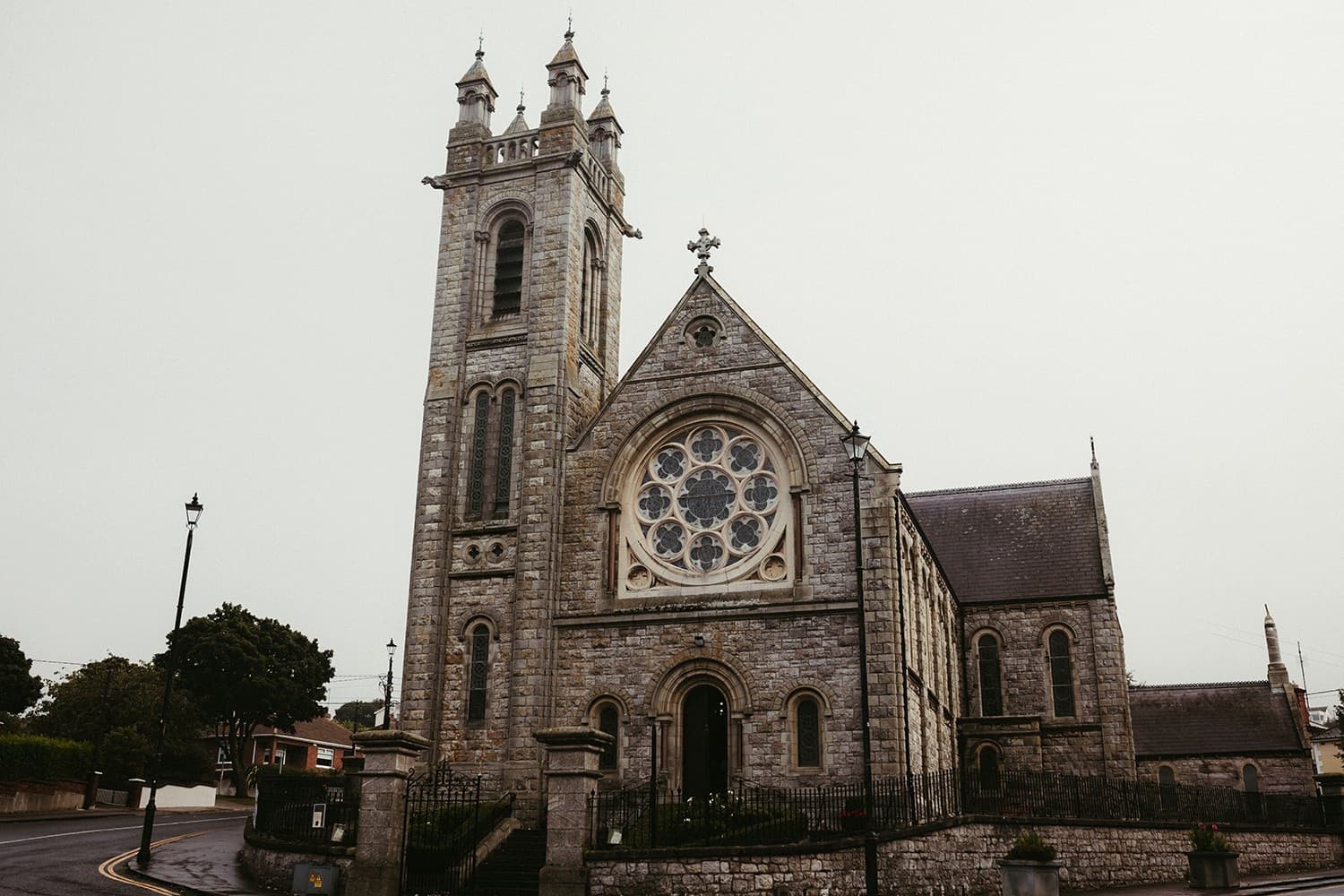
St. Mary's Church. Courtesy of Pexels
Castles and Cliffwalks
Back on land, we hike up Howth Hill along narrow streets and cobbled staircases until we reach the gray-stoned St. Mary’s Church. Once called Howth Church, this religious site has layers of history. The current iteration, built in the 14th-15th century, sits atop two older churches; one from 1042 and the second built in 1235.
Then, we set off across the clifftops along the Howth Cliff Walk. Despite this being a weekday in December, there are plenty of locals and tourists about. I ask Shane why it’s so popular – primarily for its views and accessibility, as it isn’t very steep and he proudly tells me he’s also part of the committee for the larger Dublin Coastal Path, a 27-mile route that links villages along the coast.
The Howth section runs around the tip of Howth Head; lighthouses, castles, seabirds, islands, and wild coastal scenery can all be glimpsed throughout the walk.
As we hike, Shane talks about the Vikings founding “Dubh Linn” in 841 AD. With his finger, he traces a line across the waters showing the sail path they would have taken. In the next breath, he’s pulled from the past to chat with a beekeeper we encounter, talking about working together on another eco-tourism-related experience. He seems to be a man who’s always looking for more ways to integrate local community businesses into the tourism experience and show that tourism with community buy-in can be a positive thing.
After spending some time on the clifftop, we divert inland. Quickly, the trail and crowds thin. While this is still a part of the cliff walk, it’s a lesser-visited Green Route. The wind drops, and the rocky crags turn to soft, grass-covered mounds. Here, we wander to ancient burial mounds.
Shane explains the grave of Aideen, a megalithic resting place for the wife of a great warrior who was killed in battle. She subsequently died of grief, and her father-in-law buried her in this now-collapsed dolmen grave in a manner usually befitting kings and warriors. The site dates back to around 3800 BC, yet sits on the grounds of a 14th-century castle with its own lore.
Connecting with the Howth Community
The whole three and a bit hours, we’re on the move and chatting. It’s like going for a Sunday morning wander with a friend in your hometown. The entire time, people drift in and out of the conversations, blurring the lines between past and present. Stories flow endlessly from Shane, who casually drops in that he knows members of U2 and knew Dolores Riordan, the lead singer of The Cranberries, both of whom lived in Howth. Fundamentally, as is a key characteristic of Irish culture and history, Shane is a storyteller.
When we start to descend back down to the village, knees tiring and stomachs rumbling, Shane asks about my dinner plans. He guides me to King Sitric, a seafood bar and guesthouse. After recommending the shellfish bisque with local Dublin Bay prawns, he leaves me to enjoy my exquisite bowl and a hearty glass of red wine.
Oral histories are so often lost or explained without the context they so crucially need. In Ireland, where oral storytelling dates back to Celtic times, Shane’s tours continue that tradition.
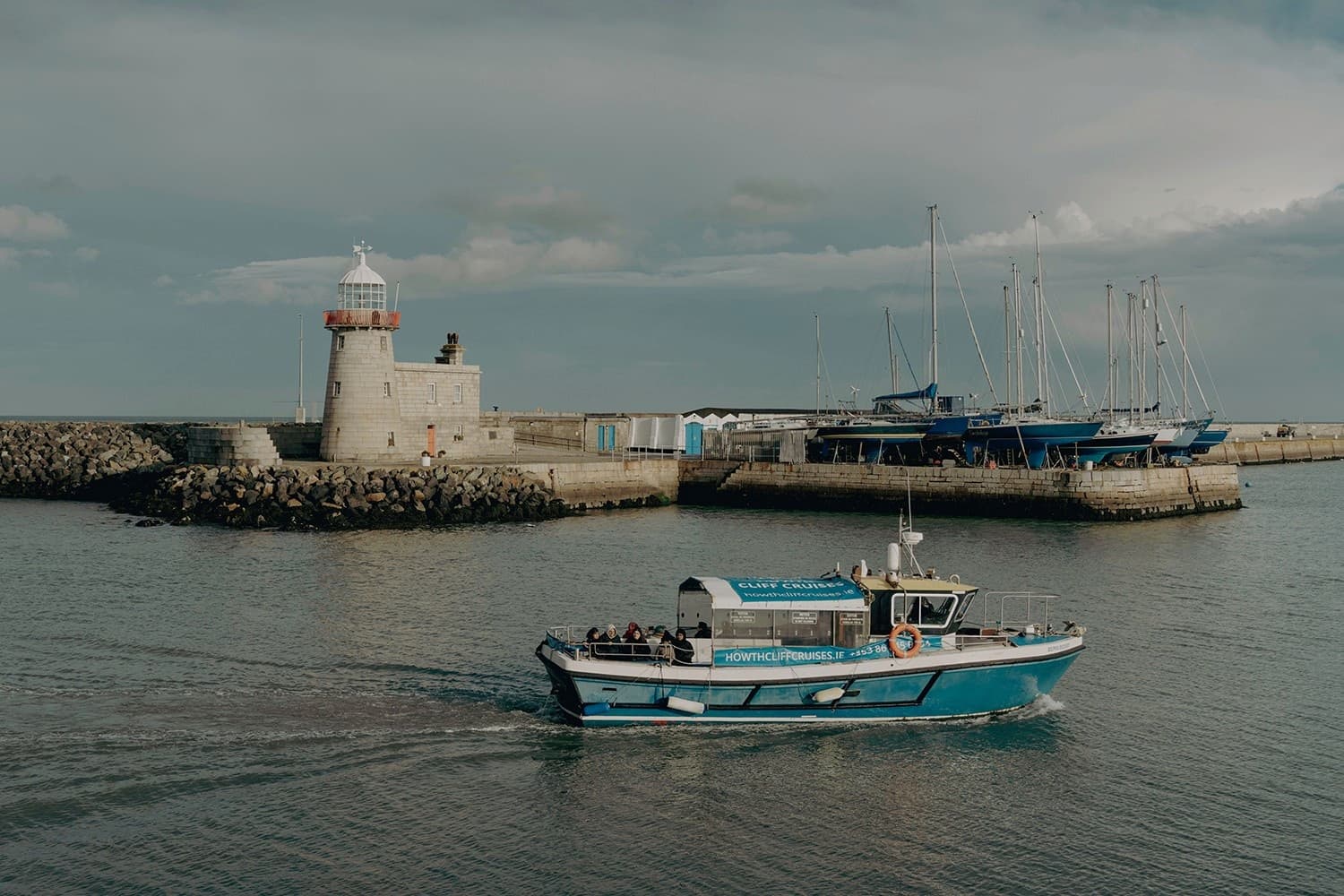
Howth Harbor. Courtesy of Pexels
How to Explore Howth
Consider the Harbour Walk & Coastal Boat Tour Combo, which is usually offered as a private tour for up to 11 people. Other tours include sundown cruises, e-bike rides, and a safari and hiking tour to explore the peninsula and see local animals, including a famous herd of goats used in fire prevention. Howth Adventures has also won several awards for its sustainable tourism practices and tracks its carbon footprint to reduce impact; notably, Howth Adventures’ Carbon Footprint per visitor is 0.09 kg of CO2-e, significantly lower than the international benchmark estimation of 9.43 kgs per visitor.
To reach Howth, you can take the DART from Dublin Connolly station. The journey takes just 27 minutes, and they run every 30 minutes. Adult fares cost between €3 and €4.

Rebecca is a freelance writer specializing in budget and adventure travel. She can often be found searching for the best tacos and cannolis in a given location, or hiking and bouldering in new destinations. She has been featured in Lonely Planet, The Independent, Stylist Magazine, and Time Out Travel. You can find her writing about her own adventures and sharing budget-friendly, sustainable travel advice on her site, Wandering and Wine. Follow Rebecca on IG @Rebekkiie.
North Stars: Community Support, Heritage Value, Wildlife and Ecosystems
More Stories
 CULINARY, DRINK
Get to Know the Producers Behind the J.P. Bourgeois Portfolio
 CULINARY, DRINK
Where to Taste Wine in Willamette Valley
 DRINK
DRINKMeet the Distillery Making Vodka From Fog
 DRINK
DRINKSake’s Next Step: How Japan’s Rice Wine Is Evolving
 DRINK, HOME
The Buzz on InFizz: Breville’s Carbonator Elevates Sparkling Water