“The more specific the label, the easier it is to trace where the honey came from.”
I’m standing on the edge of a field in Sevilleja de la Jara, Spain. Stretching out before me, as far as the eye can see, are fields of natural lavender. I pull a veil over my face and follow Raúl Gómez, a local beekeeper, out into the sea of purple. As we walk, specks of color appear. Not other flowers, but brightly painted bee boxes, sitting below the fragrant hillside. As we get closer, a buzz hums through the air: Raúl’s bees.
Raúl practices a form of nomadic beekeeping, moving his colonies across the Iberian Peninsula in time with natural, seasonal blooms. It’s a practice that produces distinctly flavored honey directly reflecting its time and place of origin: no additives, flavors, or sugars needed.
From the lavender field, I follow the honey to the next step. Carolina Granell, a second-generation bee-product buyer, receives a sample from every drum. Her team checks details like moisture, color, and pollen. A composite sample then travels to an independent German laboratory to determine whether the sample is consistent with its claimed origin and free of added sweeteners.
Only after the honey clears these checks does it continue across the Atlantic to Savannah Bee Company’s Georgia warehouse. There, I watch barrels of Spanish lavender honey get poured into bottles, which list the exact source flower and country of origin. Then, the bottles are loaded on a truck and sent off, ready for customers.
This is the sourcing and testing process Savannah Bee Company uses to support what founder Ted Dennard calls “honest honey:” honey with provenance, traceability, all-natural ingredients, no additives, and independent testing. While all honey may seem wholly natural, it is often changed or altered to lessen production costs and appeal to consumers. But most shoppers don’t have the ability to follow their jar across continents to verify how it is produced. So what should the everyday honey consumer look for?
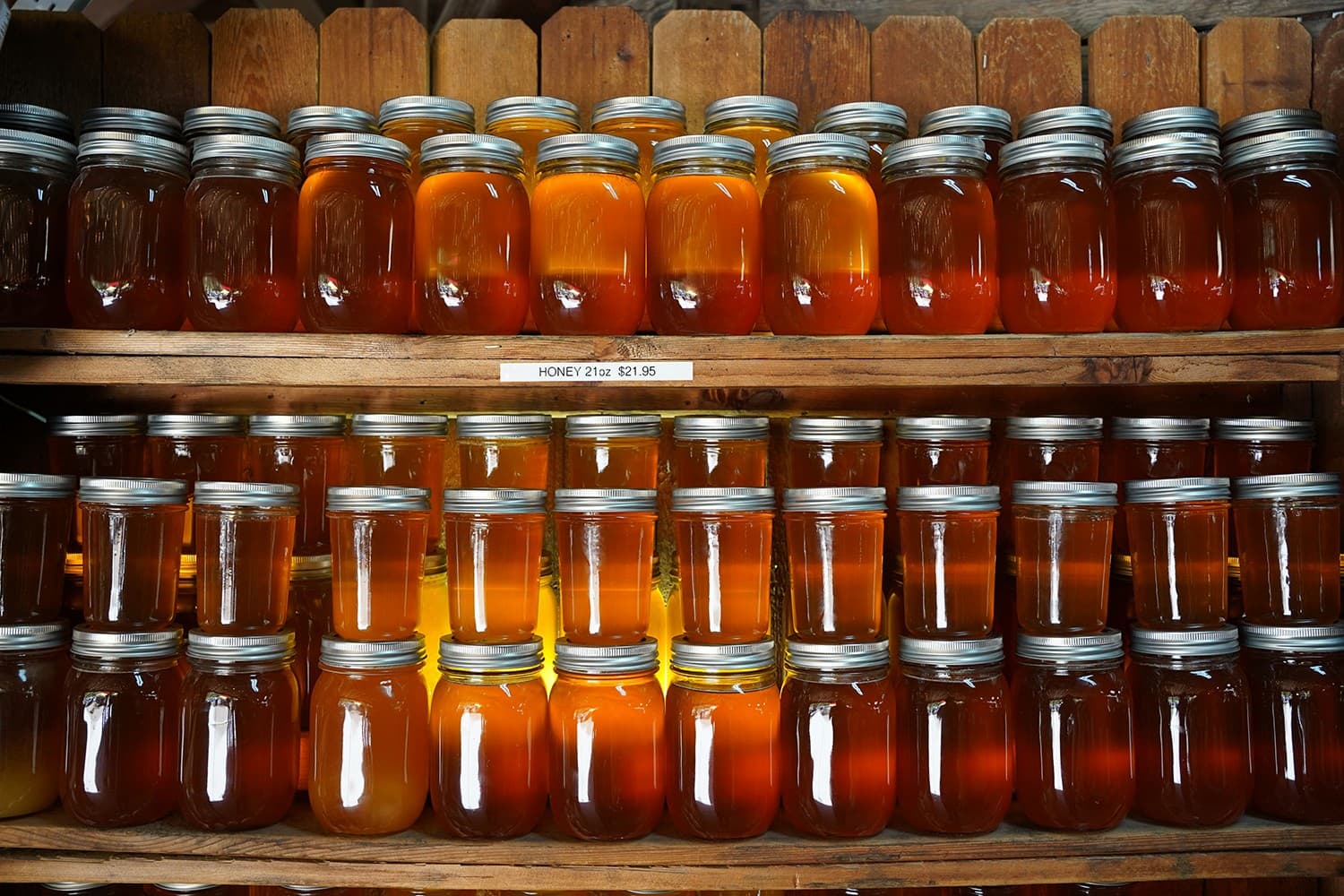
Lines of honey jars. Courtesy of Pexels
The Issue With Honey Today
Many consumers assume honey is all the same, whether it comes from a plastic bear on the grocery shelves or a local beekeeper at the farmers’ market.
But honey has been considered one of the most adulterated foods in the world. Often, companies add cheaper sweeteners to boost sweetness, hiding the alterations behind unclear messaging on labels. What terms like “local,” “pure,” “raw,” and “unfiltered” actually mean in honey manufacturing can sometimes be misunderstood, leaving shoppers wondering what they are actually buying.
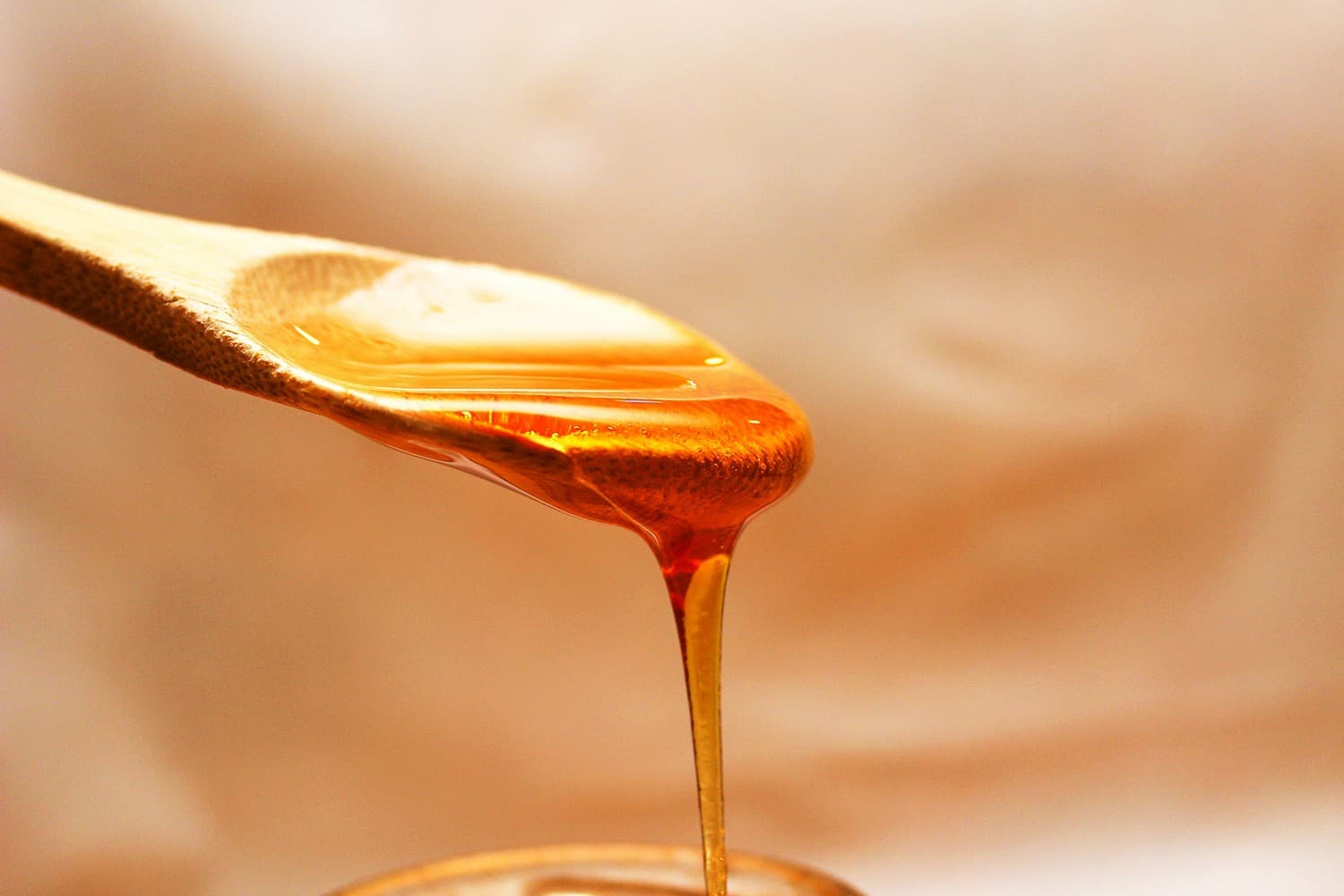
Picture a bottle of honey; what likely comes to mind is a golden, transparent, and viscous liquid. But honey is not a naturally uniform sweetener. Its color, flavor, thickness, and rate of crystallization (when honey becomes grainy or solid) are shaped by the flowers and weather conditions from its place of origin. Honey can vary widely in color, from a buttery yellow to a dark amber, and come with different flavor profiles.
Under FDA guidance, a product sold simply as honey should contain only honey. Added sweeteners must be disclosed in a blend’s ingredient list. However, enforcement and testing cannot examine every jar, and detecting added syrups can require advanced analytical methods not accessible to most distributors.
There’s also the question of authenticity and quality. Honey can be genuine but still undergo extensive heating or processing. Too much heat can diminish naturally occurring enzymes, lessening health benefits. Minimally processed honey contains enzymes, antioxidants, and plant compounds inherited from its floral source. It has antimicrobial properties, anti-inflammatory effects, and can help soothe sore throats and coughs. Honest honey preserves the connection between the jar and its landscape of origin.
“Honest honey is actually real honey made from bees going to flowers to collect the nectar to make that honey,” says Dennard.
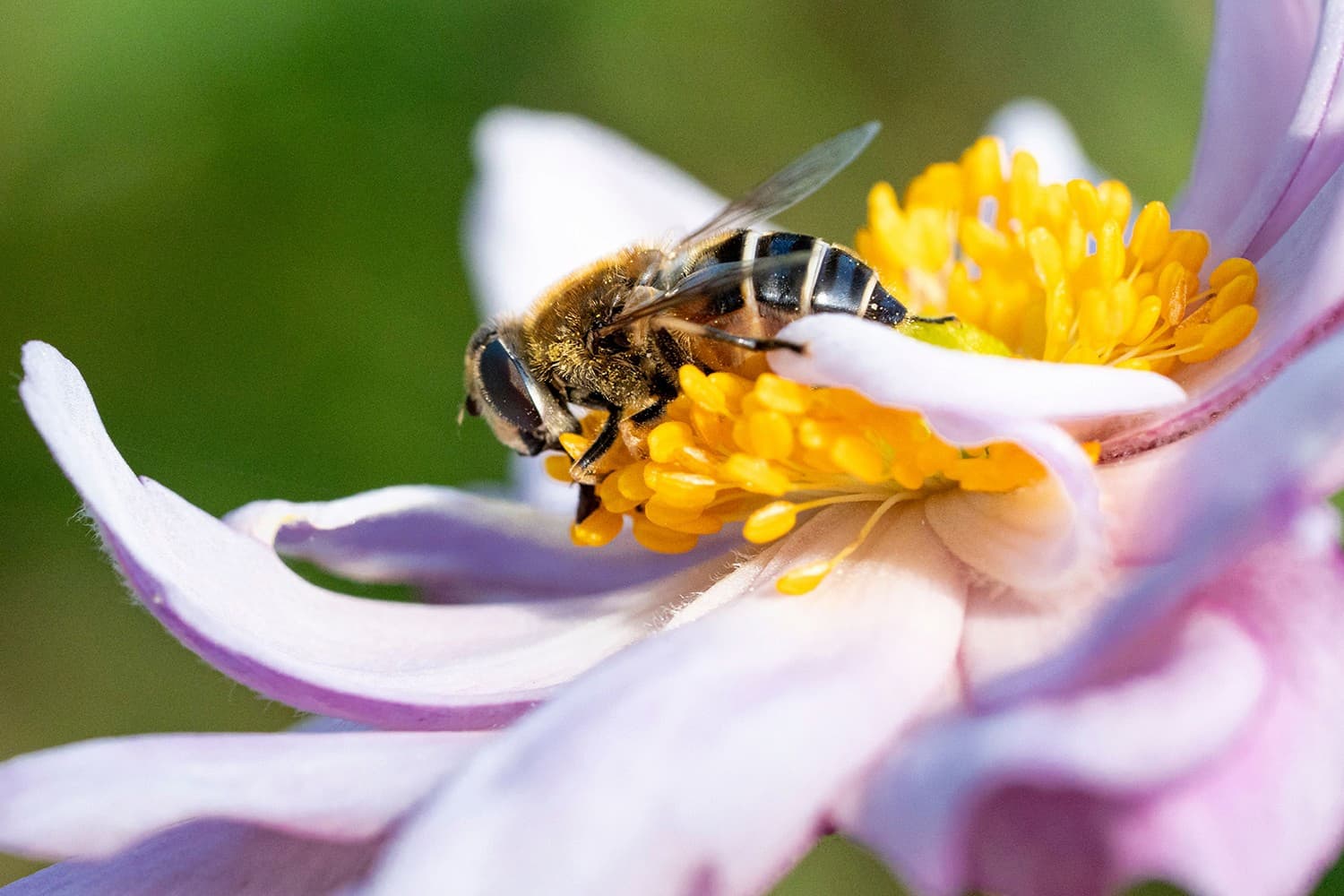
A honeybee harvest pollen. Courtesy of Pexels
Why Honest Honey Is Worth Seeking Out
Although honeymaking evokes mental images of solitary beekeepers tending to colonies and selling comb-to-customer bottles at markets, it’s a major global industry. Millions of pounds are produced each year, and in 2024, U.S. honey consumption hit an all-time high, even as honeybees face a growing number of challenges.
Due to their invaluable role in food creation — approximately one-third of the human food supply depends on pollinators — the decline of bee populations has been raising alarm bells for years. While pesticides are one of the best-known dangers, it’s just one part of the problem. Bees also face threats from habitat loss, diseases and parasites that spread from commercial bees to wild ones, and climate-driven changes in bloom cycles. In early 2025, U.S. commercial beekeepers reported losing more than 60 percent of their colonies since the previous summer, amounting to approximately 1.7 million colonies. With growing demand comes resource pressures as well, and overharvesting can weaken or kill colonies.
By buying traceable honey from transparent brands, shoppers support companies and beekeepers providing better, healthier conditions for bees. Artificially cheap or adulterated honey undercuts the beekeepers taking the time, effort, and expense to provide colony care and access to healthy forage landscapes.
Good honey is also good for the customer. Shoppers want to know what they’re buying, and honey with properly disclosed ingredients, processing, and place of origin details can help them make the right choice. This means shoppers should ask two questions: Is this actually honey, and how was it handled between hive and jar?
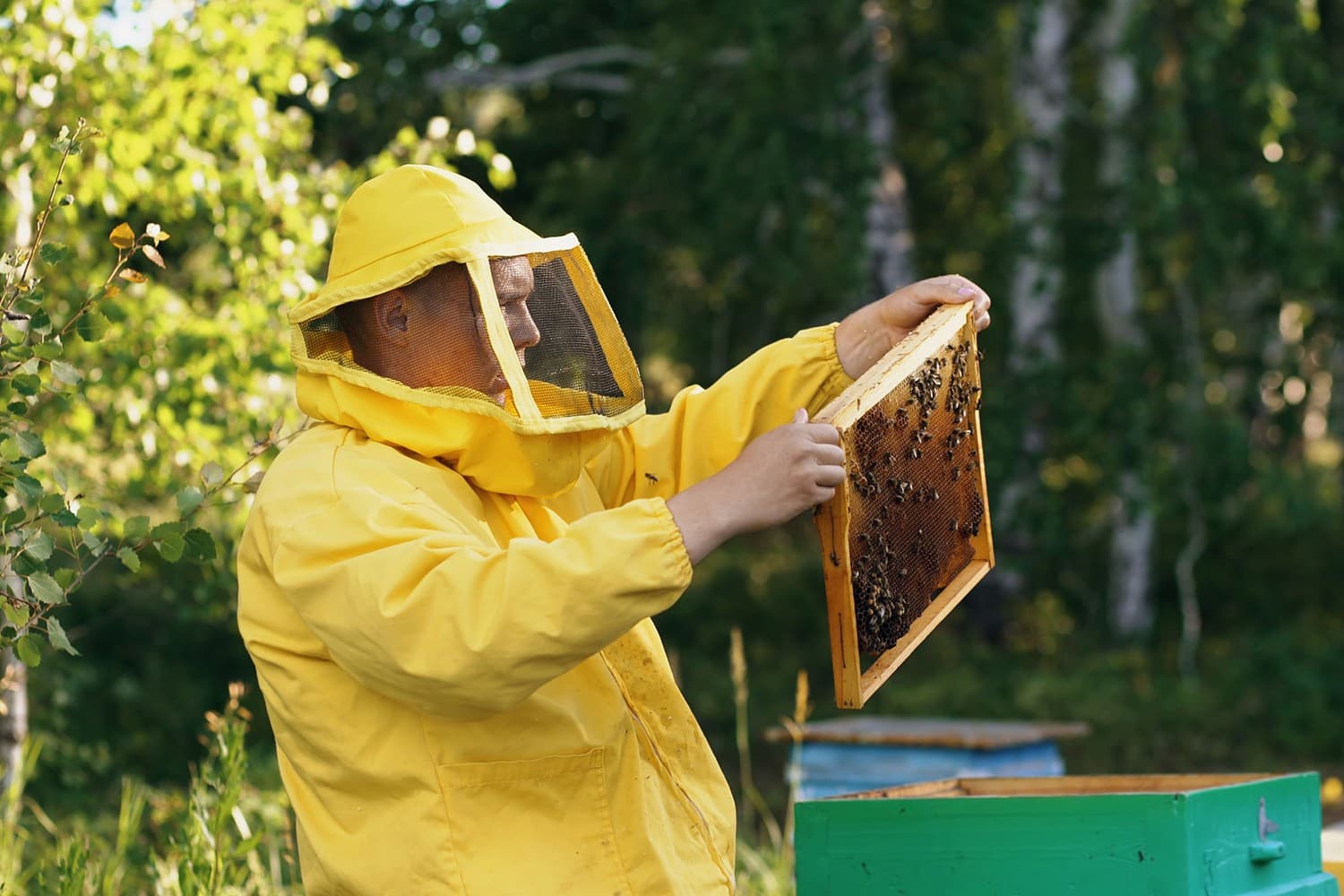
A beekeeper inspects a honeycomb. Courtesy of Pexels
What Do Honey Buzzwords Really Mean?
The honey industry has its own set of buzzwords to let customers know what they’re buying. But, similar to overused greenwashing terms like “sustainable,” honey-related buzzwords can be purposefully vague or misleading to consumers.
Take “pure,” for instance. On a bottle labeled “pure,” honey should be the only ingredient unless it’s identified as a blend or flavored. “Local” is another broad umbrella term. Local honey could come from as close as a neighborhood, your state, or a much broader region.
There are also terms related to processing, like “raw” and “unfiltered.” Raw honey doesn’t simply mean the honey goes straight from hive to jar. Instead, it tells shoppers that the liquid wasn’t overheated during processing. Heating honey has some commercial upsides, like slowing crystallization. But it can also alter flavor and kill off beneficial enzymes and pollen. Raw generally indicates that the honey wasn’t heated beyond the temperatures it naturally reaches in the beehive. The term is unregulated, though, so standards can vary by producer.
“Unfiltered” is another key term. While all honey undergoes some level of straining to remove wax and hive debris, commercial honeys often go through a process called microfiltration, which removes pollen, enzymes, and antioxidants. This creates the uniform, clear, and shiny liquid that most shoppers associate with honey. But in the process, it removes the pollen that makes it possible to trace where the honey comes from.
And of course, there’s “organic.” This is the only regulated term and, generally, is a trustworthy hallmark of quality. But there is a catch. Because bees can forage over large areas and U.S. apiculture standards remain limited, honey certification is unusually complicated. There’s no guarantee a bee foraged solely from organic fields.
So, What Should You Look For?
Instead of getting hung up on marketing terms, check the label for specific details like a country or state of origin, ingredients, processing details, and an identifiable beekeeper or apiary. Labels listing a blend from several countries do not prove fraud, but they make the contents harder to trace. In terms of quality, look for honey made from a named floral nectar, without undeclared sweeteners or added flavoring.
“The more specific the label, the easier it is to trace where the honey came from,” says Kara Brook Brown, a beekeeper and founder of Bee Inspired.
Price is also a clue. Beekeepers have to pay for colony care, equipment, labor, extraction, and packaging. Short harvests, testing, and transportation add costs. If one jar is dramatically cheaper than comparable honey, ask why.
Don’t be afraid of crystallization, either. “Crystallization is a natural process and doesn’t mean the honey has gone bad,” says Brown. “In fact, honey that changes over time can be a reassuring sign that you’re looking at a natural product rather than something heavily processed.”
For bigger brands, if information isn’t readily available on a label, look online to see if a company is transparent about its sourcing. Choose producers who clearly explain their sourcing, feeding, heating, and filtration practices. If the grocery store options are overwhelming, head to a farmers market and meet the beekeeper in person.
The most honest jar is not necessarily the closest, darkest, or most expensive. It is the one whose path from flowers to shelf does not disappear behind buzzwords on a label.
Where to Find Honest Honey
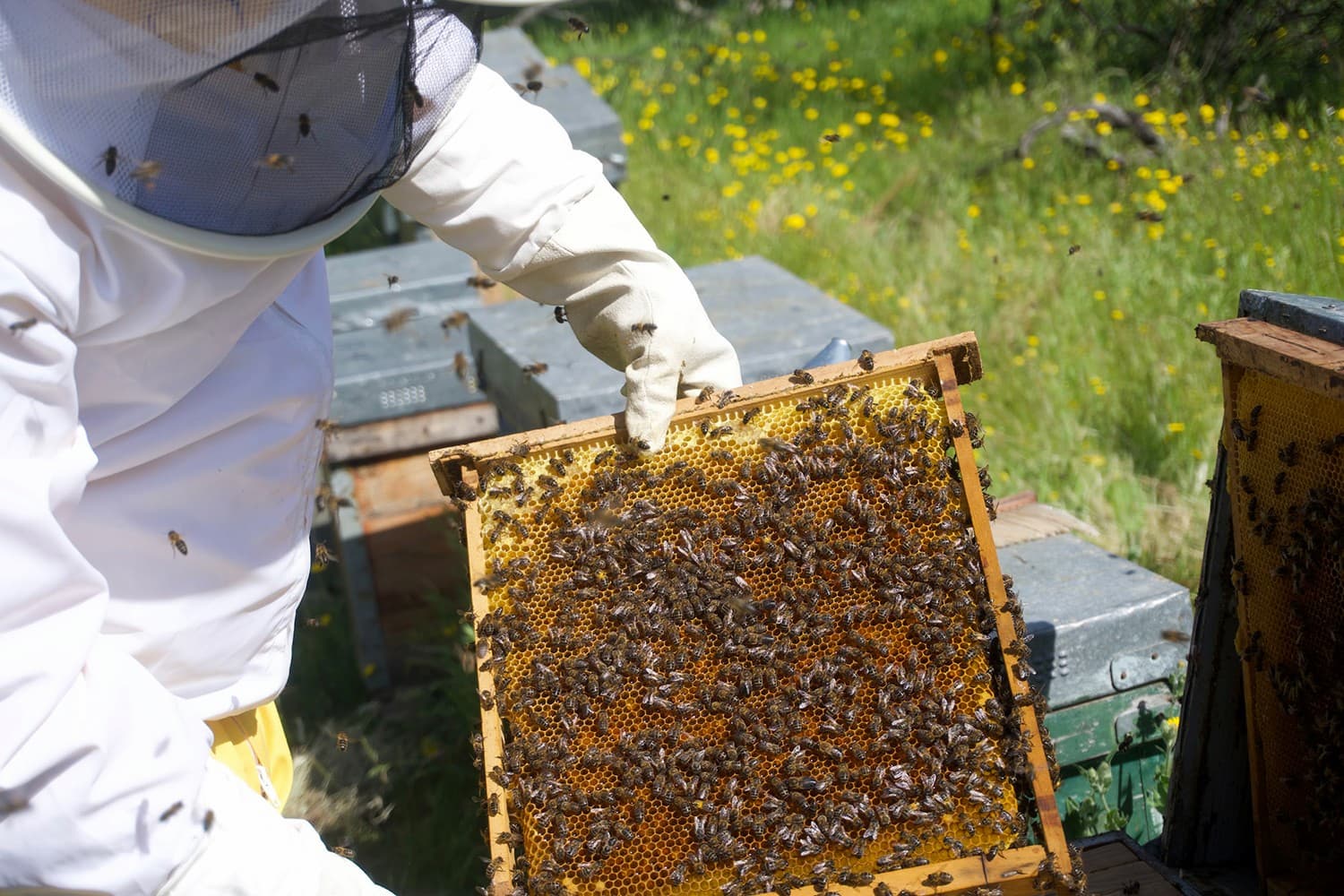
A beekeeper at work. Courtesy of Gentry Hale
Savannah Bee Company
North Stars:



The Georgia-founded Savannah Bee Company sources varietal honeys from specific regions with identified nectar sources, such as lavender from Spain, acacia from Hungary, or Tupelo from the American Southeast. The company also works with established suppliers and sends all of its honey through third-party testing. In addition, Savannah Bee co-founded The Bee Cause Project, an independent nonprofit supporting pollinator education.
Bee Inspired
North Stars:

This woman-owned Maryland company produces honey from its Eastern Shore apiary and sources additional varietals from identified U.S. beekeeping regions. Its 102-acre farm includes land managed as pollinator habitat.
Comvita
North Stars:
Based in New Zealand, Comvita sells traceable mānuka honey that is independently tested and certified through the UMF Honey Association. Each batch is tested for authenticity, freshness, and potency, which can be verified using a code printed on the jar.

Gentry Hale is a freelance travel writer and environmental journalist from Salt Lake City, Utah. Her areas of expertise include adventure travel, luxury travel, environmental science, land management, outdoor recreation, wildlife and conservation. Gentry’s writing can be found in National Geographic, Business Insider, Travel + Leisure and more. Whether she’s at a spa in the Maldives, running from bulls in Pamplona, Spain, or tracking musk oxen through the Alaskan Arctic, she feels most at home when she’s not at home. Follow her on IG @gentrythejournalist
North Stars: Community Support, Production and Consumption, Wildlife and Ecosystems
More Stories
 CULINARY, DRINK
Get to Know the Producers Behind the J.P. Bourgeois Portfolio
 CULINARY, DRINK
Where to Taste Wine in Willamette Valley
 DRINK
DRINKMeet the Distillery Making Vodka From Fog
 DRINK
DRINKSake’s Next Step: How Japan’s Rice Wine Is Evolving
 DRINK, HOME
The Buzz on InFizz: Breville’s Carbonator Elevates Sparkling Water