North Stars:

Production & Consumption

Energy Efficiency

Waste Management
“At Friðheimar, you get a taste of Iceland’s present and future.”
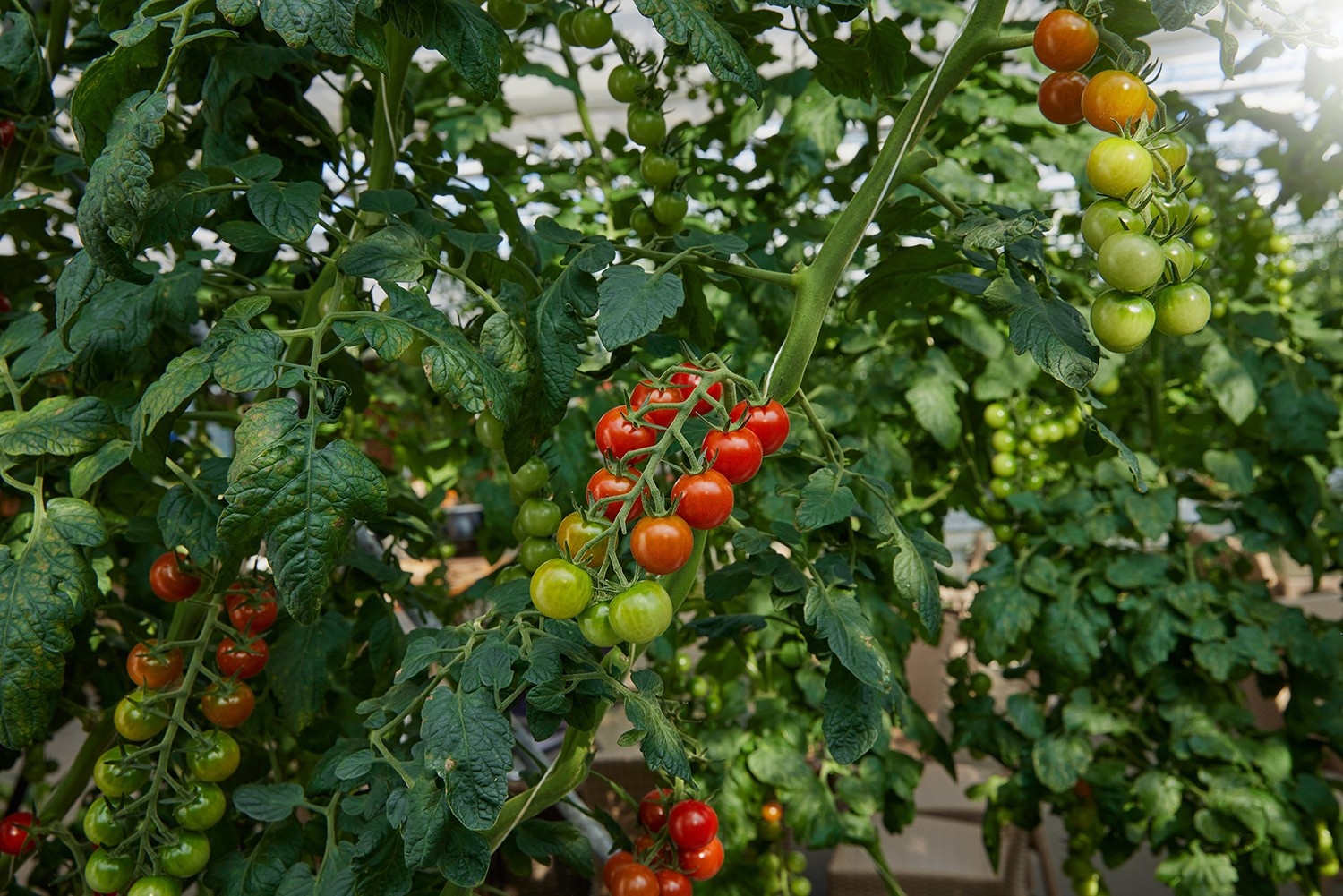
Greenhouse-grown tomatoes. Courtesy of Friðheimar.
The Azure Road Take
Fermented shark, sheep’s head, dung-smoked lamb; many of Iceland’s traditional dishes stem from times of hardship, when long and brutal winters, darkness, and isolation necessitated using what was available and preservable to survive. These meals — still eaten by some, but now often served to curious tourists — are tastes of Iceland’s past. At Friðheimar, you get a taste of Iceland’s present and future, where green energy keeps green growing year-round.
Historically, fresh produce was solely for summertime. Thanks to modern technology, now fresh food can be grown and enjoyed in all seasons, and Friðheimar is one of those places. Located along Iceland’s famed Golden Circle route near Reykjavík, this family-owned farm is a tomato-producing powerhouse, using renewable energy to power “green” greenhouses throughout the year. Yes, even during winter, when energy-efficient lighting stands in the sun. And visitors don’t even need to go to a supermarket to sample the farm’s fruits.
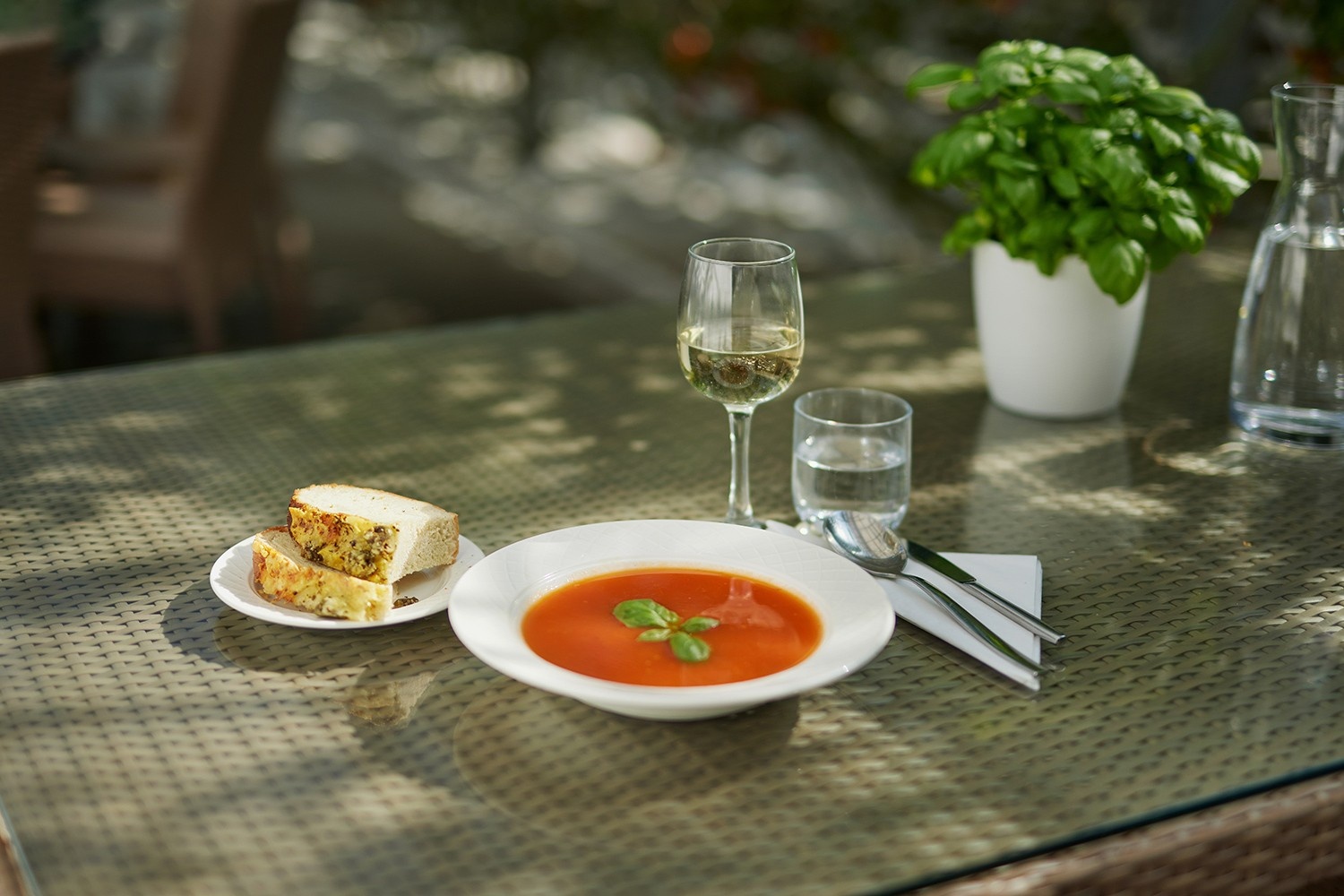
Housed inside a working greenhouse, an on-site restaurant dishes up tomato-centered meals in the very place they’re grown. Sitting at sunny tables as the sharp scent of ripened tomatoes perfumes the air, diners dig into tomato-anchored courses: Bloody Marys, pastas, tomato schnapps, and cheesecake with tomato jam. But it’s a beloved comfort food staple that’s the star of the menu here, enjoyable in the warmth of summer and the dark days of winter: tomato soup, served alongside housemade bread. In a bowl of soup, travelers can taste how far Icelandic cuisine and agriculture have come.
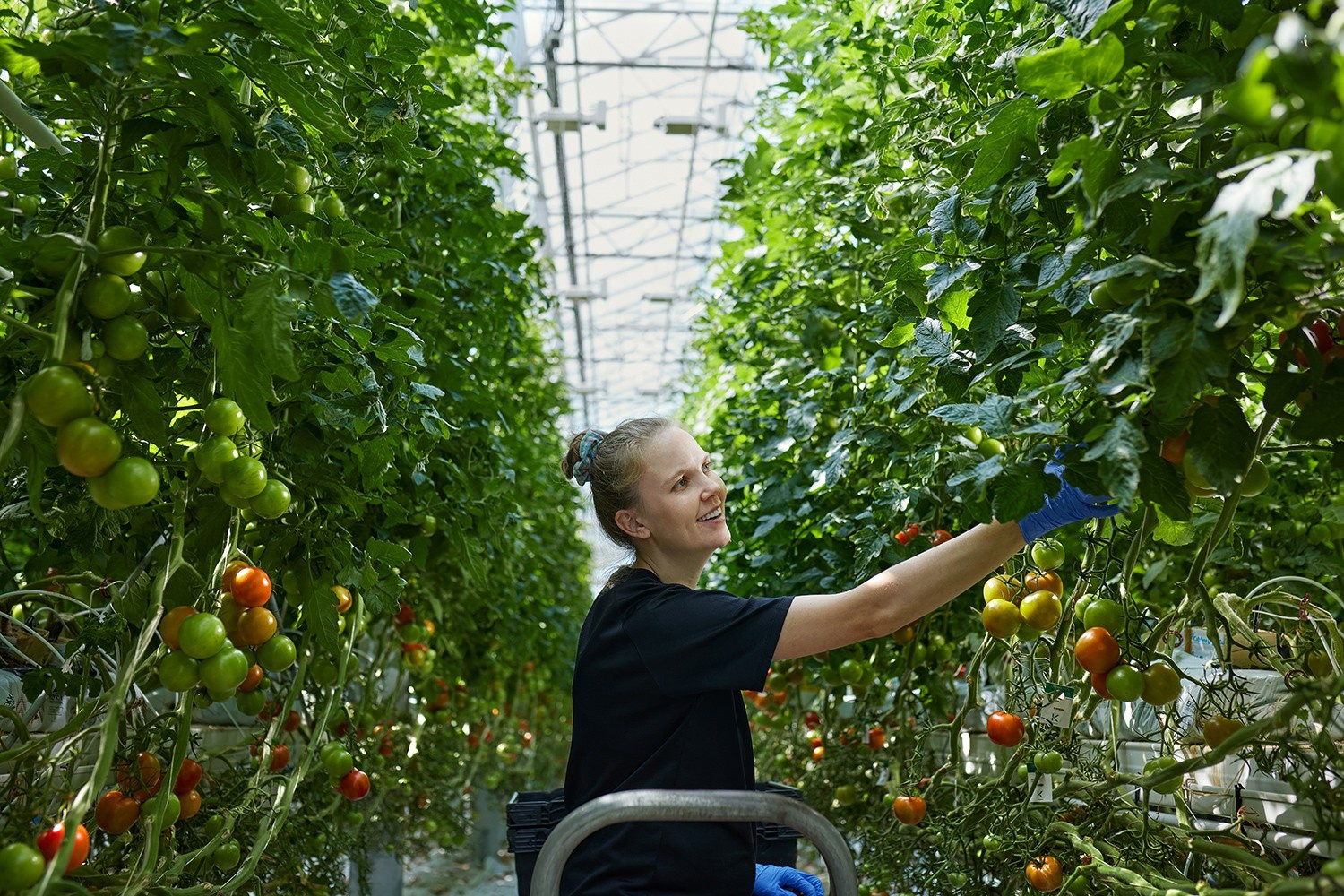
Inside one of Friðheimar's greenhouses. Courtesy of Friðheimar.
Sustainability Chops
Friðheimar gets 100% of its electricity from renewable energy, which comes courtesy of Iceland’s natural resources like geothermal and hydroelectric power. A nearby spring provides high-quality irrigation water, and the greenhouses are kept heated for year-round production thanks to geothermal sources. During the dark winter months, energy-efficient lighting keeps the plants alive and thriving, and organic pest control is used as well.
A whole-crop operation, Friðheimar works to ensure as little of its harvest goes to waste as possible. Producing up to two tons of tomatoes a day, much of the yield goes to market and is sold around the country. Anything that doesn’t meet market standards in terms of size or appearance gets used in the farm restaurant, transformed into its famous tomato soup or other tomato-forward favorites. Even unripe or green tomatoes, left over from plant replacement, are turned into products like tomato salt, pasta sauce, and tomato jam to sell in the farm gift shop.
Friðheimar is also a member of the Horticulturists’ Sale Company, a collective of Icelandic farms and food purveyors that offsets the carbon generated from distribution and transport through the Kolviður Iceland Carbon Fund. The company also has two smaller enterprises, one of which works toward reducing food waste through repurposing unsellable produce into food products, and the other focuses on bringing healthy, island-grown food to Icelandic schools.
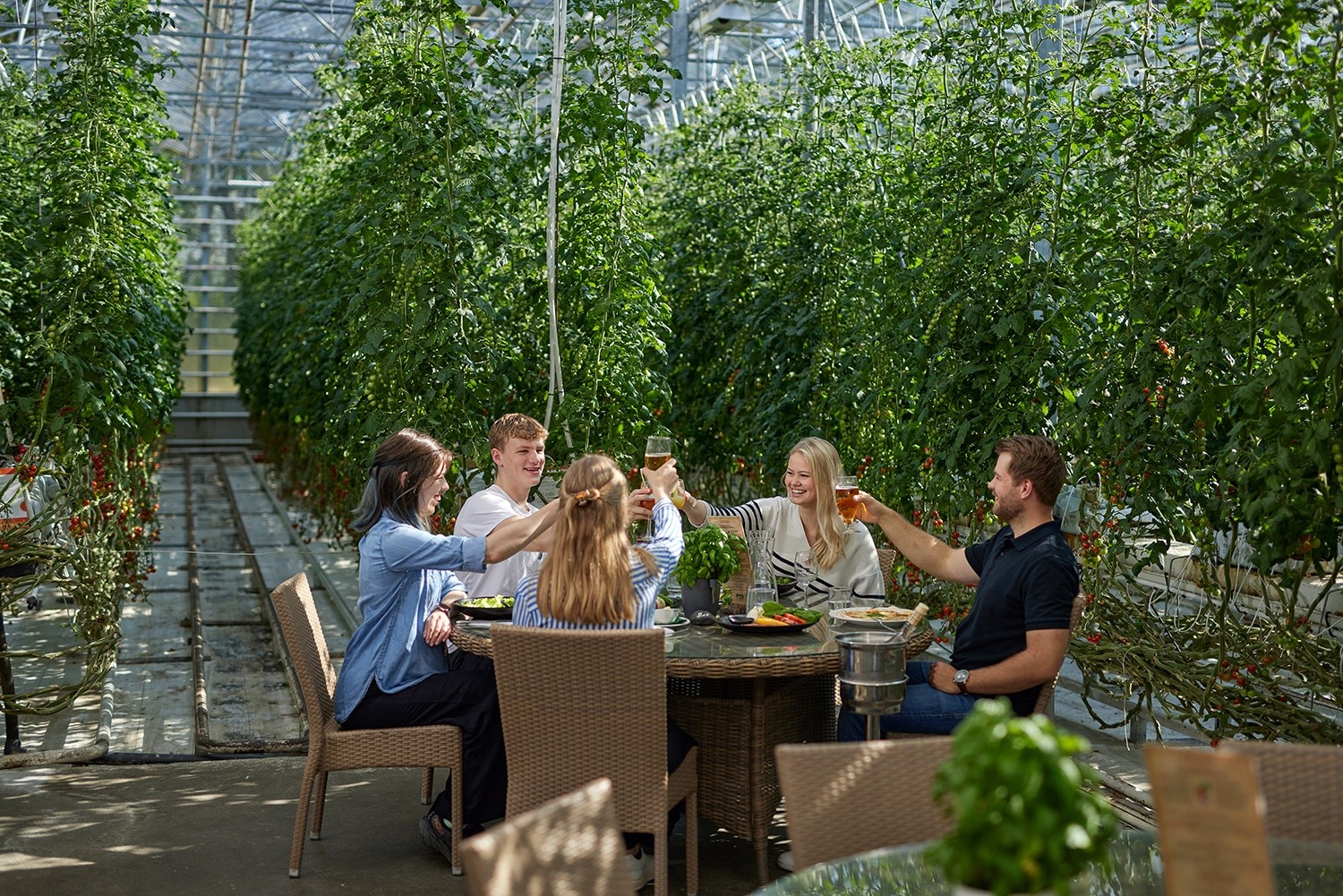
Dining in the Friðheimar greenhouse. Courtesy of Friðheimar.
The Bite
Even though many of the farm restaurant’s tomato-based dishes caught my eye — pasta or mussels with housemade tomato sauce, heirloom varietals alongside Icelandic burrata, even tomato ice cream and tomato beer — ordering Fridheimar’s simple but signature tomato soup was the move. Hearty and heartwarming, comforting and classic, it’s a pure celebration of the farm’s achievement and its exceptional quality.
An order is unlimited, allowing you to refill as many times as you please from the giant vat at the serving table; accompaniments like cream and tomato salt let you customize each bowl to your liking. You can even add fresh basil leaves from potted plants sitting at your table. Pair each bowl with a slice of artisanal bread from the heaping pile. It’s a bit pricey at 3,740 krona (roughly $30), but remember, this is Iceland. But, between the unlimited bowls and massive slices of bread, it’s easy to fill up. I enjoyed mine alongside a crisp glass of the farm’s refreshing, vegetal tomato beer; basking in the warm greenhouse, it was the perfect lunch to punctuate a day of sightseeing out in the Icelandic countryside.
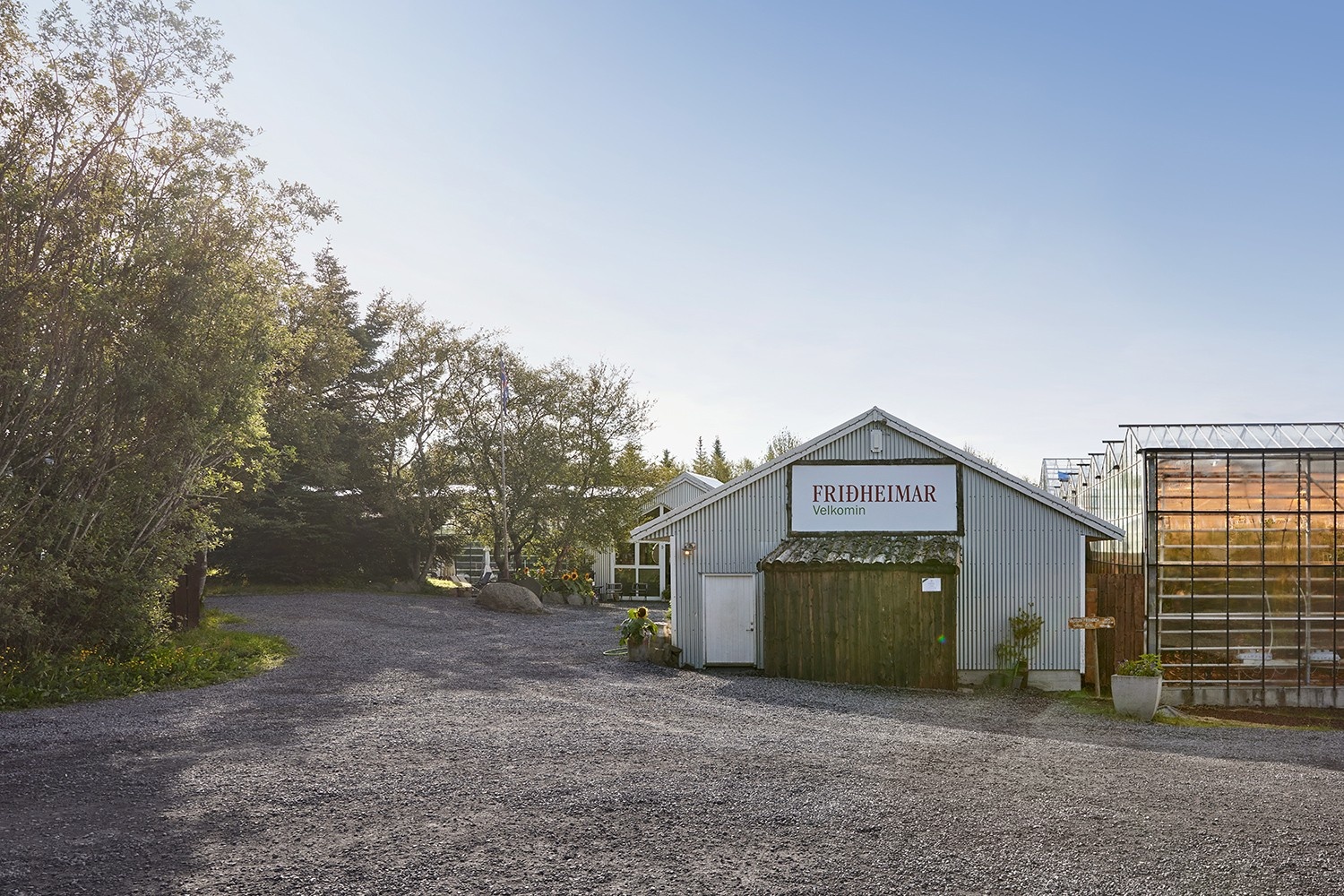
Iceland's Friðheimar tomato farm. Courtesy of Friðheimar.
Origin Story
A family-owned and operated business helmed by husband-wife-team agronomist Knútur Rafn Ármann and horticulturalist Helena Hermundardóttir, Friðheimar’s roots go back to 1995 when the pair bought the farm. Several greenhouses already existed on the site — holdovers from the 1940s when greenhousing first came to the area — but had long been out of use.
The family set about revitalizing the farm, adding new greenhouses and developing their year-round cultivation program. The farm’s older greenhouses are still in use as well, but have been thoughtfully updated over the years with the use of artificial lighting and raising the structures for better light exposure. The farm opened to visitors in 2008, with the restaurant and visitor center following in 2012.
Over the years, the farm has also expanded to include an equestrian center for breeding and horse shows, a gift shop, a wine bar, production facilities, and staff housing. With the recent acquisition of a nearby strawberry farm, the Friðheimar family continues to grow and continue their mission to provide Icelanders with fresh, healthy, island-grown food.
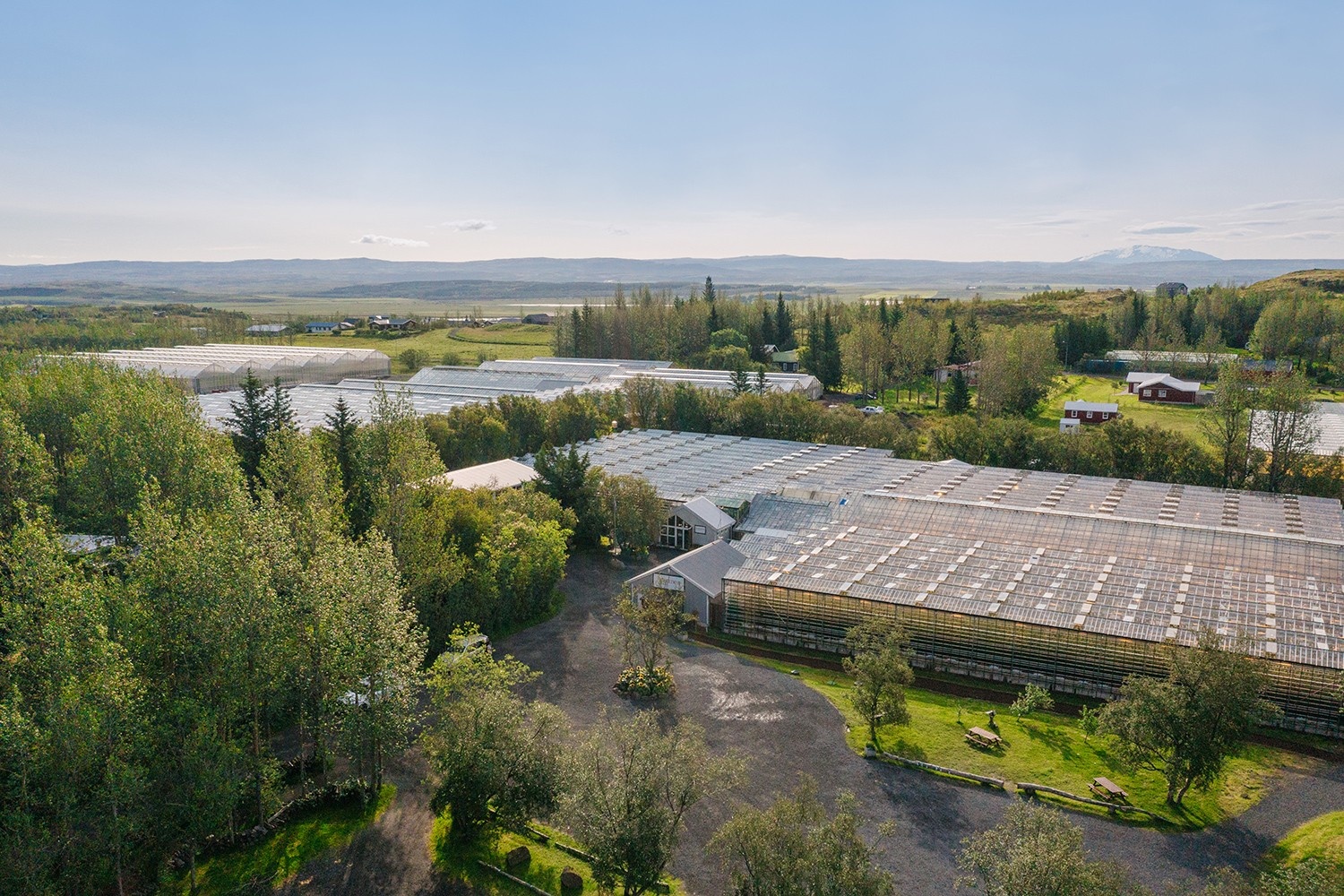
Aerial view of the farm. Courtesy of Friðheimar.
How to Visit
Friðheimar is located an hour and a half by car from Reykjavik, situated along the Golden Circle route close to popular attractions like Gullfoss and the Kerid Crater. If you don’t have your own rental car to visit on your own, Reykjavik Excursions by Icelandic offers a Golden Circle day tour that includes a stop at the greenhouse. Reservations are highly recommended.
Bonus tip: Iceland also creates wonderful clean beauty products. Check out some Azure Road favorite brands, including Blue Lagoon skincare. If you go, these brands can be found in town, at duty-free, and online.

Zoe Baillargeon is an award-winning travel writer and journalist, writing about travel, food and drink, wine, wellness, culture, nature, and lifestyle for outlets like National Geographic, Travel + Leisure, Conde Nast Traveler, Wine Enthusiast, Bon Appetit, Food & Wine, and many more. Her love for adventure and trying new things has taken her all over the world from dogsledding across northern Sweden to hiking the coast of Japan to wine harvests in Oregon, with stints living in Chile where she fell in love with wine. Currently based in the Pacific Northwest, you can follow her adventures on IG at @zoebaillargeon.