North Stars:

Community Support

Heritage Value

Wildlife Ecosystems
“On the Harvest Trail, sustainability is visible in every rotated crop, protected pollinator, and farmstand conversation.”
Morning light gilds the coquina walls of the Castillo de San Marcos in St. Augustine, Florida. But instead of lingering in this historic city, which mostly draws visitors with its beaches and claim to fame as the oldest continuously occupied European town in the U.S., I head out of town to follow the Harvest Trail Self-Guided Farm Tour.
Connecting nearly 20 farms throughout St. Johns County, this seasonal route is a chance to see a side of Florida that few see: the agricultural side. While everyone knows about the Sunshine State’s seafood and citrus, those are far from the only culinary offerings the state dishes up.
Out here, food links land and community, heritage, agriculture and sustainability shape everyday life. Come fall, as crops ripen and harvest takes over, it’s the ideal time to get to know the region’s local producers on this self-guided tour.
A pocket-sized passport guides the trip, and at each of the 18 stops, including seasonal events, farm stores and markets, and private farm tours, visitors collect stamps alongside stories of farms working to preserve both tradition and the future.
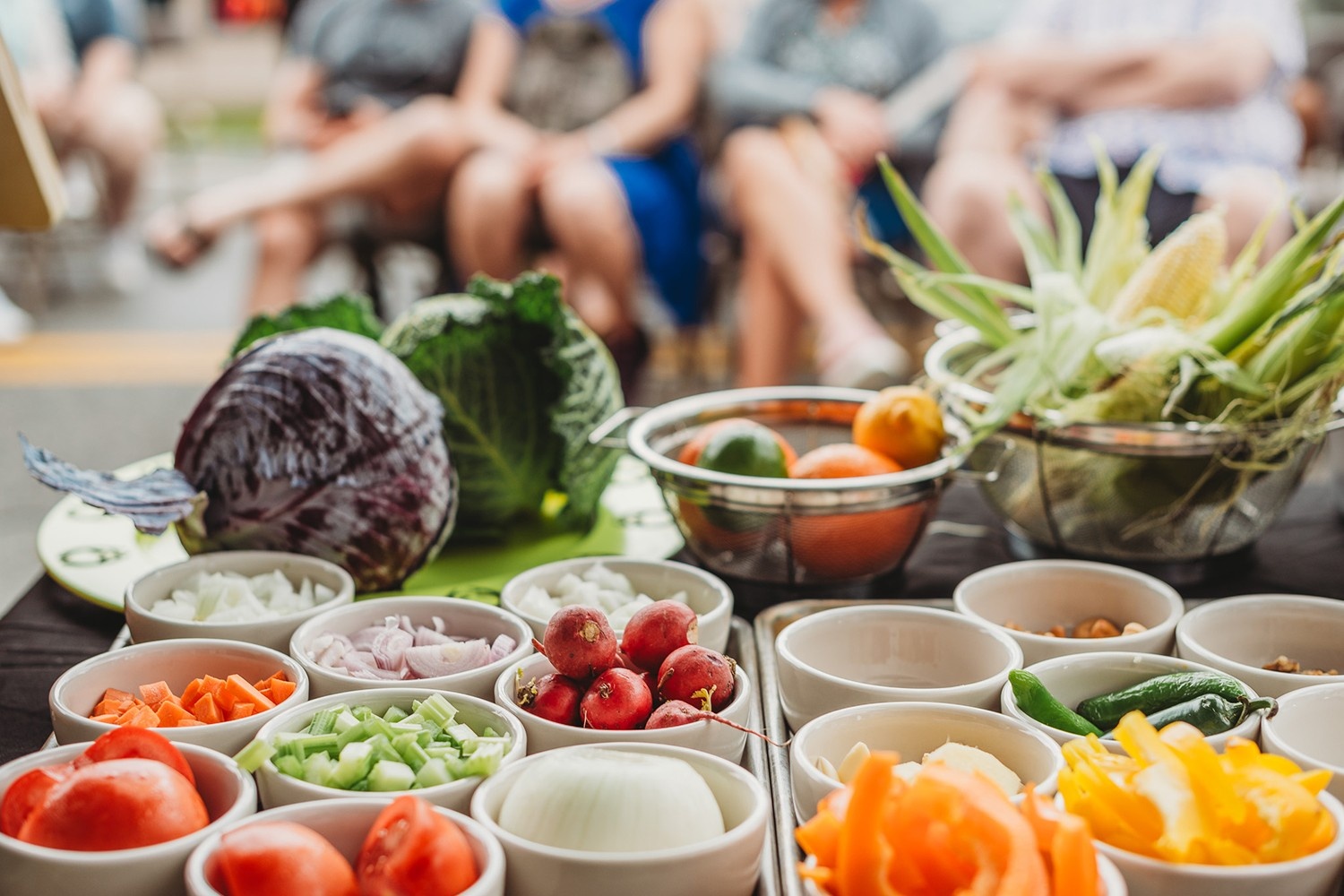
Farm-fresh ingredients for cooking demonstration. Courtesy of FloridasHistoricCoast.com.
At Wesley Wells Farms, children dart through pumpkin vines while Amanda Wells explains how crop rotation and cover crops keep their soil thriving. Education is part of every visit, from school trips to farmers’ markets. “Many farms open seasonally, but [we] intentionally open year-round for education, field trips, and community engagement. Wesley Wells Farms invites families not just to consume, but to contribute,” she says, offering a stamp for the Harvest Trail passport.
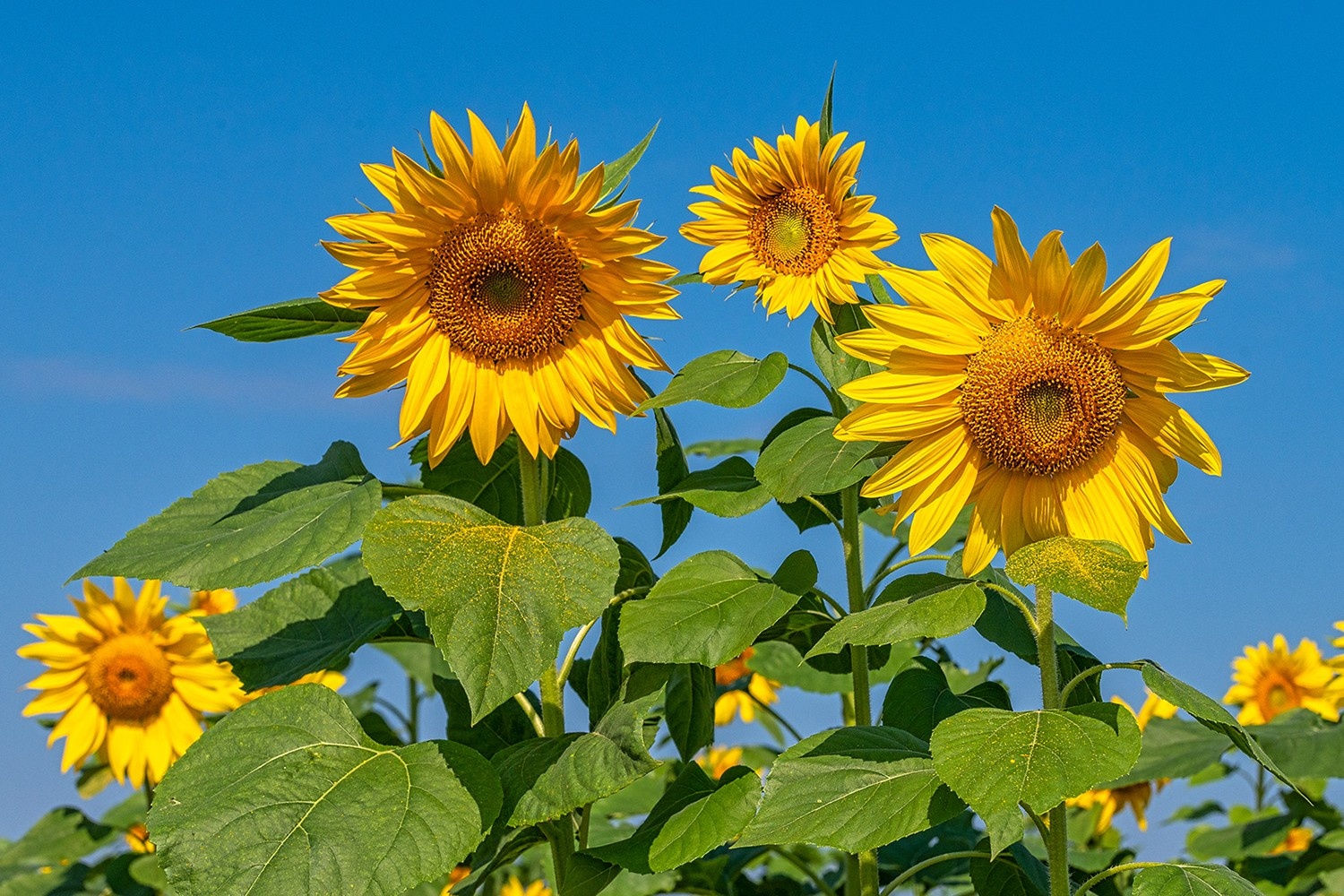
Farther south in Elkton, Parker Flower Farms blooms with rows of sunflowers, zinnias, and cosmos. Families picnic under oaks, food trucks park along the edge of the fields, and terrarium workshops turn flowers into keepsakes.
The Parkers see farming as a way to cultivate connection. “Our dream was to create a space where visitors can step back, wander the fields, pick a bouquet, and reconnect with nature and each other,” says Andrea Parker. “Most people think of beaches or downtown history when they picture St. Johns County, but it also has a strong farming heritage, with multi-generational family farms like ours and a peaceful Old Florida charm unique to this region.”
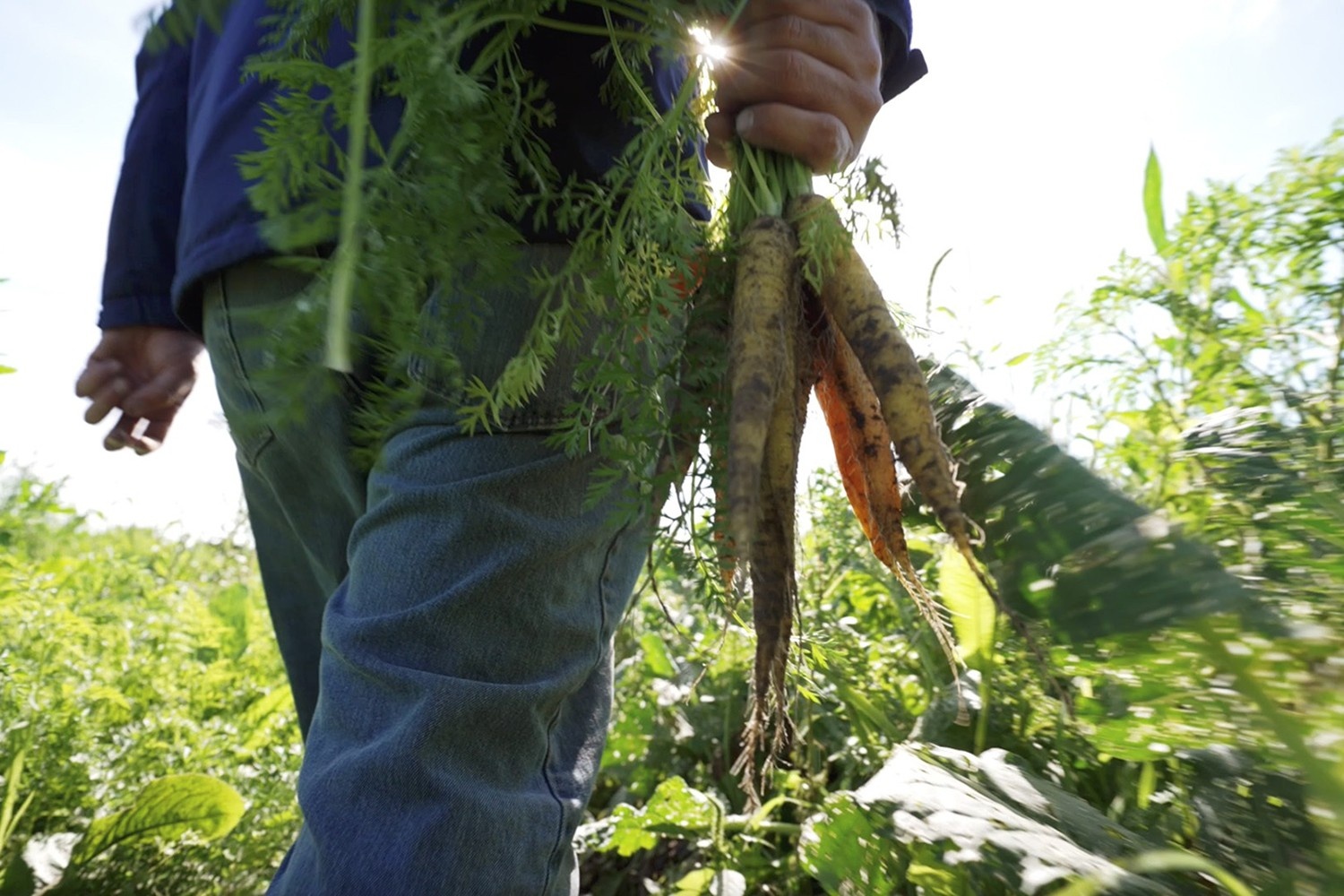
Freshly harvested carrots. Courtesy of FloridasHistoricCoast.com.
Exploring Florida’s Eco-friendly Farms
Bee Hill Farm buzzes with pollinators. Here, honeybees are more than a curiosity; they’re the cornerstone of a healthy ecosystem. Byproducts like beeswax replace petroleum-based goods, and workshops demonstrate how sustainable practices have a ripple effect.
At Maggie’s Herb Farm, more than 100 varieties of herbs and edible flowers perfume the air. For over four decades, Maggie’s has nurtured lavender, borage, sage, and rarer botanicals in a regenerative system that supports pollinators and soil health. The Honey Truck Co. distills that ethos into every jar. Danielle Brooks sources ethically produced honeys — lavender, black mangrove, even datil pepper — from beekeepers who prioritize pollinator health. Her award-winning blends prove that sustainability and flavor can thrive together.
In Hastings, once dubbed the Potato Capital of Florida, The Feed Mill doubles as a market, pizzeria, and gathering place with live music, wood-fired pies, and seasonal farm events. Just down the road, Molasses Junction carries that thread with its throwback lunch specials and warm welcome. Its motto — “Know your customers and treat them like family” — weaves through every plate of meatloaf and every neighbor helped.
At Joe’s Ranch, fiery datil peppers glow red under the sun, linking St. Augustine to its culinary heritage — the spicy-sweet datil only grows well in this part of the country and tells the story of indentured Minorcan servants who landed here.
A few miles farther, Olive Land Farms experiments with olives, a crop that could reshape Florida agriculture as citrus struggles. Silver-green groves shimmer with possibility, promising resilience as much as flavor.
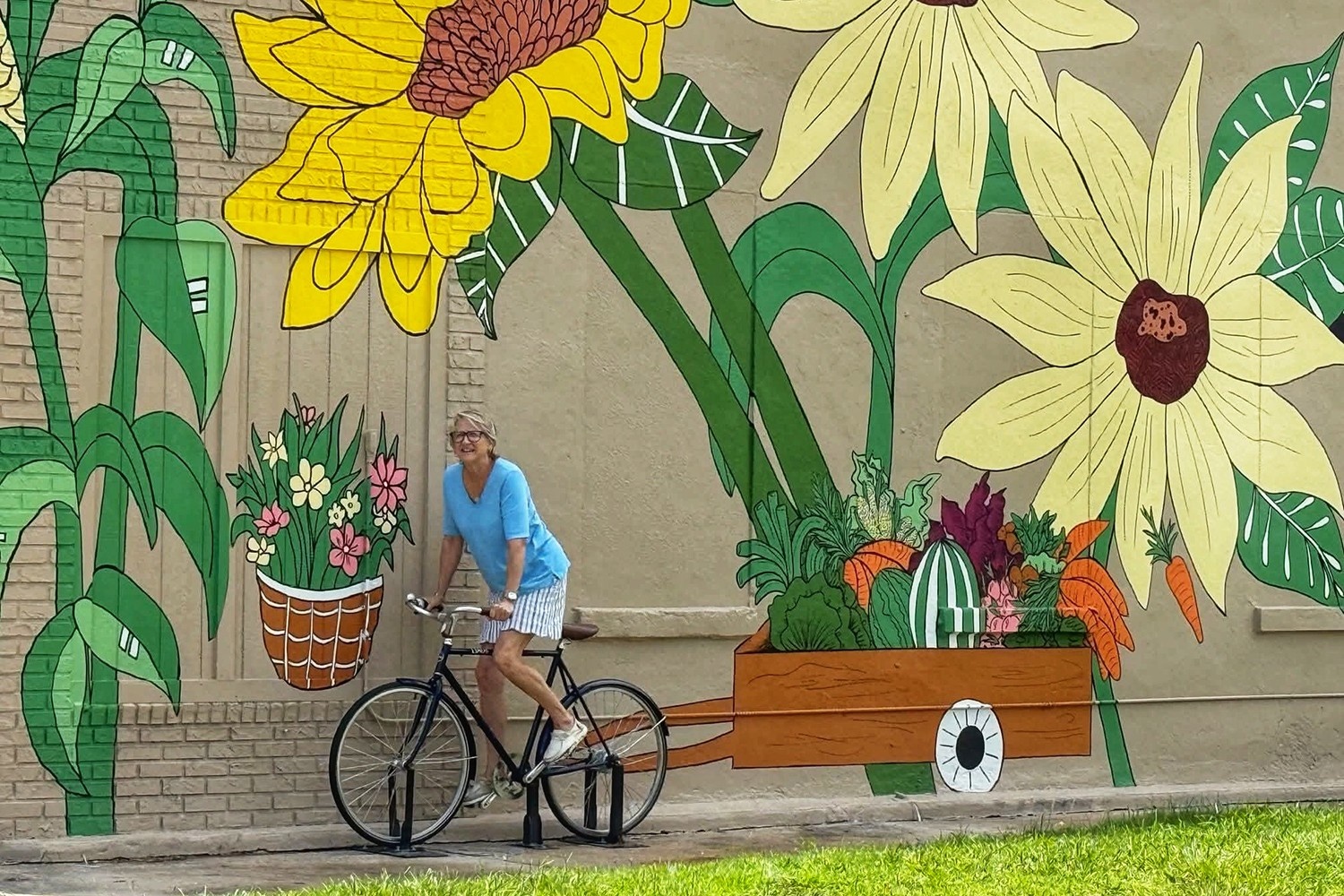
Hastings Farmers Mural. Courtesy of Dennis Garrels for floridashistoriccoast.com.
How Food Creates Community
By evening, the Harvest Trail leads back into Hastings, where the annual Fall Festival brings it all together. Farmers, artists, and neighbors gather as Highwaymen painter R.L. Lewis works on a canvas while paella simmers. Passports fill with final stamps, but more important are the stories etched into my memory — of stewardship, community, and renewal.
Driving east, the car full of honey jars, herbs, and sunflowers, I flip through my stamped passport, a reminder that sustainability here isn’t abstract. It’s visible in every rotated crop, every bee colony protected, every porch where locals still share meals.
With no set itinerary, visitors can curate a personalized agritourism adventure starting on Main Street Hastings.
Carrie Honaker is a Florida-based food and travel writer who is not sure where she will land next, but it will involve messy eating, a spicy Tempranillo, and finding the local farmers market. She has hauled oyster cages off the Forgotten Coast of Florida, harvested indigenous crops with the Abenaki Tribe in Vermont, learned to make beef patties from a Jamaican auntie, made Guavaberry Liqueur with a 7th generation distiller on St. Maarten, and stomped cacao pods in Grenada. Follow Carrie on IG @writeonhonaker.
North Stars: Heritage Value, Production & Consumption, Wildlife Ecosystems
More Stories
 DRINK
DRINKAzure Road Impact Award Drinks Finalists
 DRINK
DRINKWhy Now Is the Time to Cellar Santorini Assyrtiko
 DRINK, PARTNERSHIP
Ambar Estate Is Farming for Tomorrow in Oregon’s Willamette Valley
 DRINK, PARTNERSHIP
Crafting Alto Adige’s Future: The Evolution of Cantina Colterenzio
 DRINK
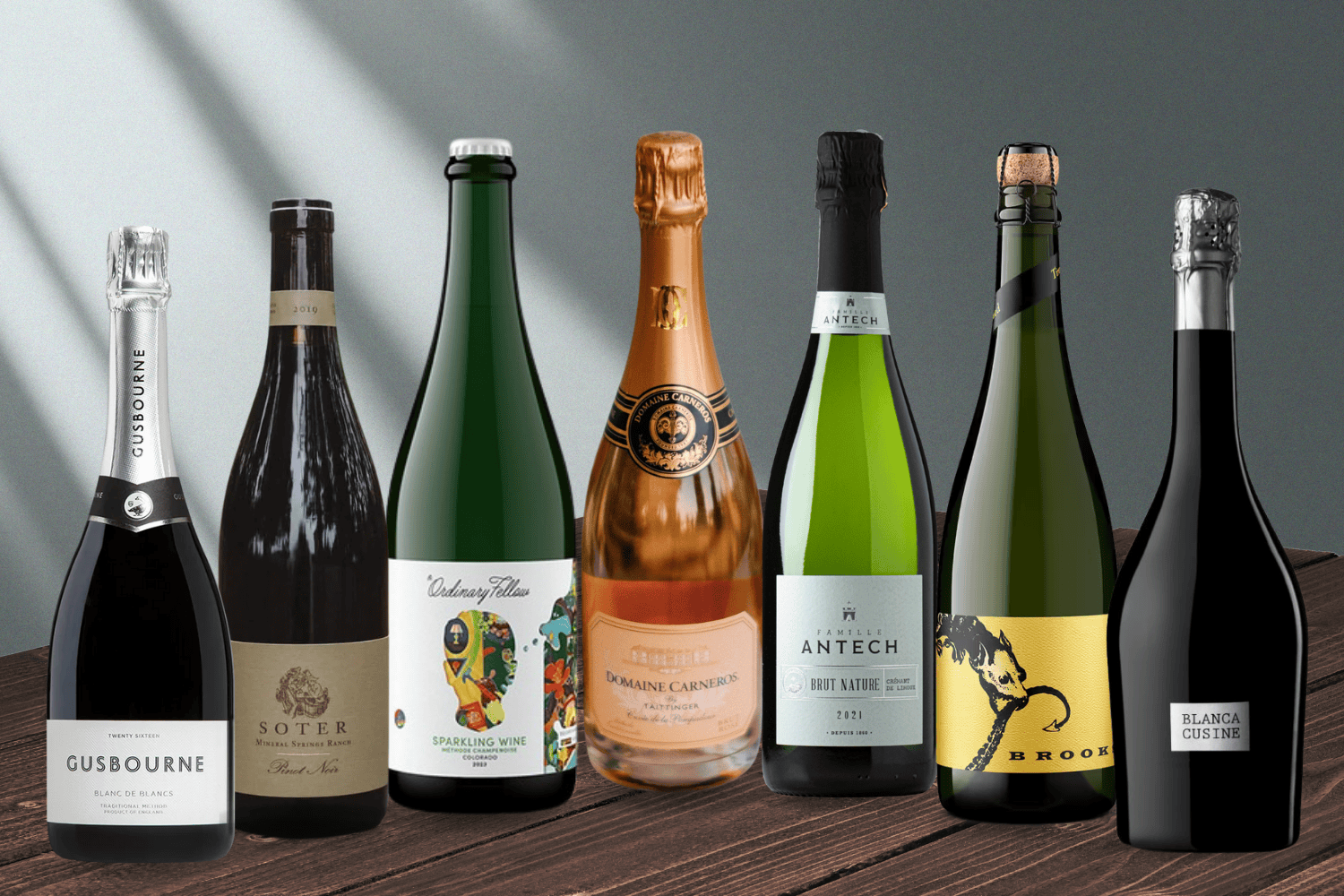
DRINKSeven “Slow” Sparkling Wines for the Holidays