“The individual property may be wholly unique, but the underlying values and brand philosophies remain the same.”
Travelers choose to stay with hotel chains for a reason. After traveling to the other side of the world, there’s a familiar comfort in checking into a trusted brand: consistency, standard amenities, a dependable level of service, perhaps even loyalty perks. Those benefits dial up even more at luxury collections, where the individual property may be wholly unique, but the underlying values, brand philosophies, and, crucially, sustainability policies remain the same. These are common features found in the best sustainable hotel locations across the globe.
Whether in Europe or Asia, Six Senses’ dedication to holistic wellness and responsible luxury is a through-line no matter the location. Devotees of Our Habitas’ elevated yet low-impact adventure outposts can check in with their favorite brand anywhere from South America to Saudi Arabia.
Those are just two examples of hotel groups that center ethics as much as hospitality. Here are a few more examples.
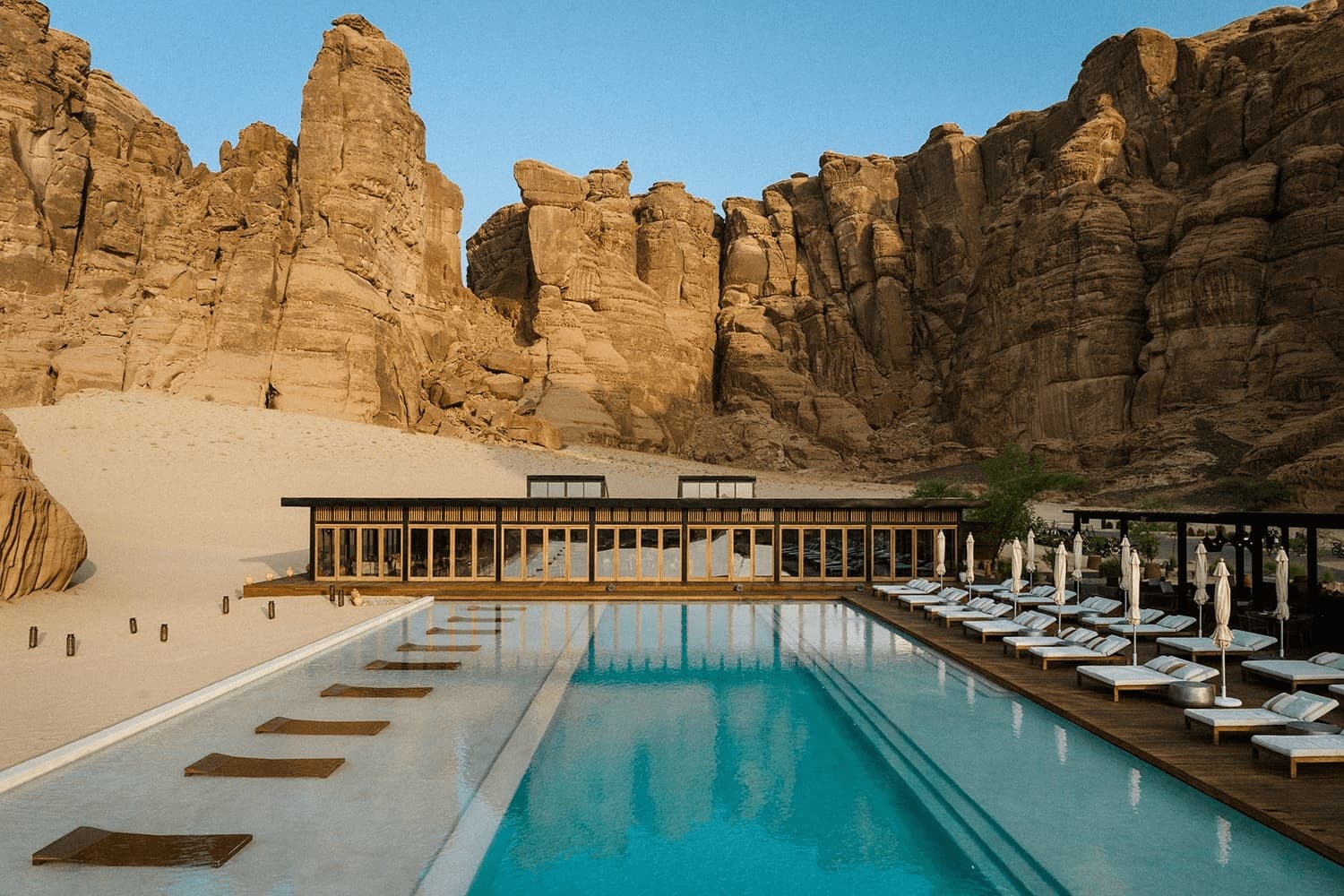
Our Habitas AlUla. Courtesy of Our Habitas
Our Habitas
Best for: Experience-led hotels centered on community and culture
North Stars:



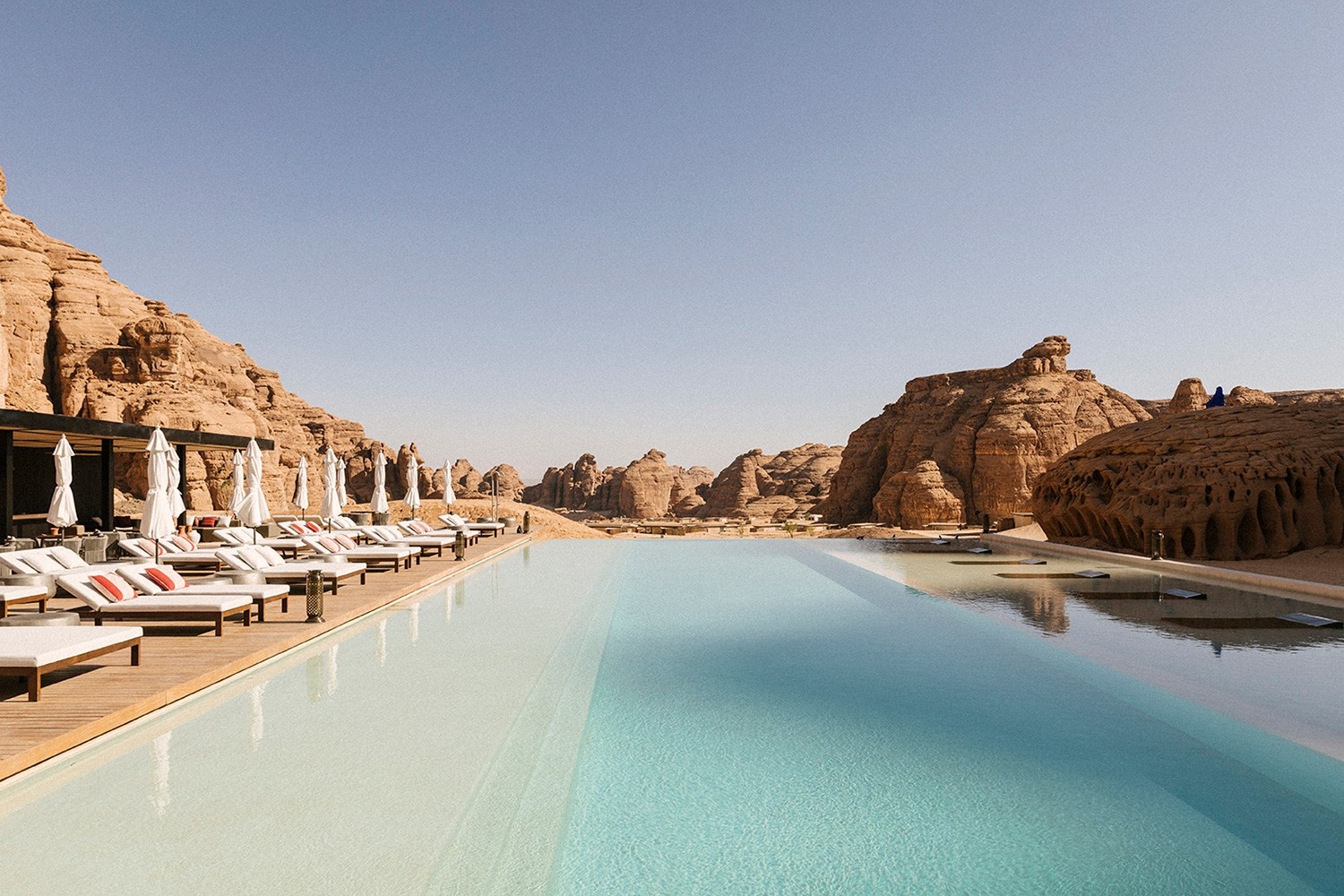
Our Habitas operates hotels and camps in destinations such as Bacalar, AlUla, Atacama, Agafay, and Namibia. Programming is at the center of the stay, with music, wellness, art, food, and local experiences built into the guest calendar. In AlUla, that can mean desert adventures and cultural programming near one of Saudi Arabia’s most significant heritage regions. Or, in Bacalar, the experience taps into the lagoon, Mayan culture, and wellness rituals. The Habitas Rise initiative supports local communities, culture, and conservation, while the brand’s modular construction model reduces site impact.
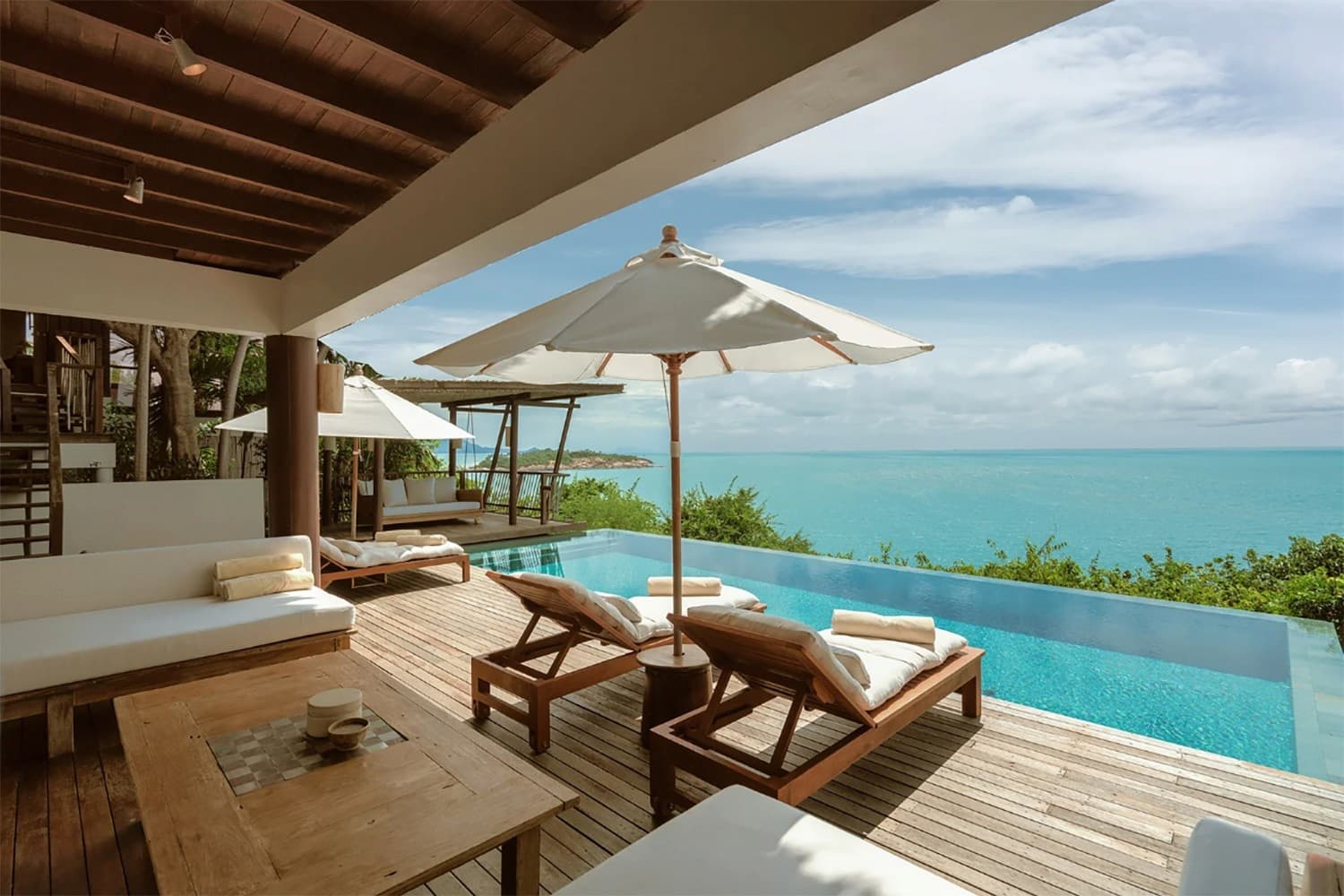
Villa at Six Senses Samui. Courtesy of Six Senses
Six Senses
Best for: Barefoot, high-design resorts centered on wellness and place
North Stars:


Six Senses is one of the original hotel groups focused on sustainable barefoot luxury, operating resorts, hotels, and retreats in island, mountain, desert, and urban settings like Fiji, Cambodia, and Rome. Along with its open-air design, the brand is especially well-known for its extensive spa programming and wellness stays, which can include sleep support, yoga, fitness, and longevity-focused treatments. Dining is as considered as the wellness menu, with many properties growing on-site gardens, sourcing locally, and serving regional cuisine.
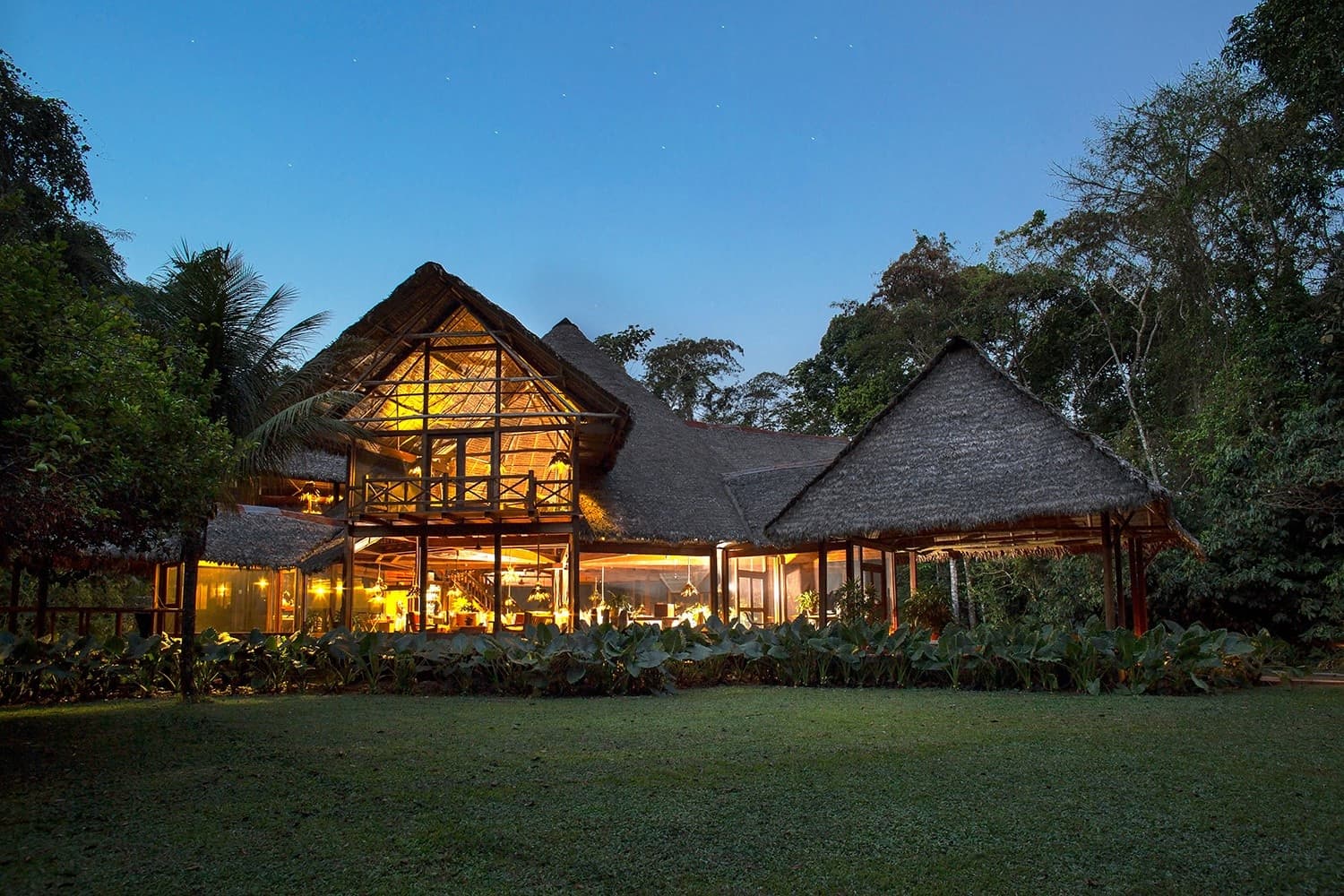
Inkaterra's Reserva Amazonica lodge. Courtesy of Inkaterra
Inkaterra
Best for: Nature-forward hotels anchored in Peru’s ecosystems
North Stars:

Inkaterra builds its hotels around Peru’s landscapes, from the Amazon rainforest and Machu Picchu cloud forest to the Sacred Valley. Its next opening, Inkaterra Cabo Blanco, brings the model to Peru’s northern coast in El Alto, with a beachfront retreat inspired by the area’s fishing and surfing history. The property will feature ocean-view suites, an infinity pool, and a focus on marine conservation. Across the collection, guests can join guided walks, birding excursions, orchid tours, and cultural visits, with naturalists helping turn the setting into more than a nice view. The brand also supports biodiversity research and conservation through its nonprofit arm.
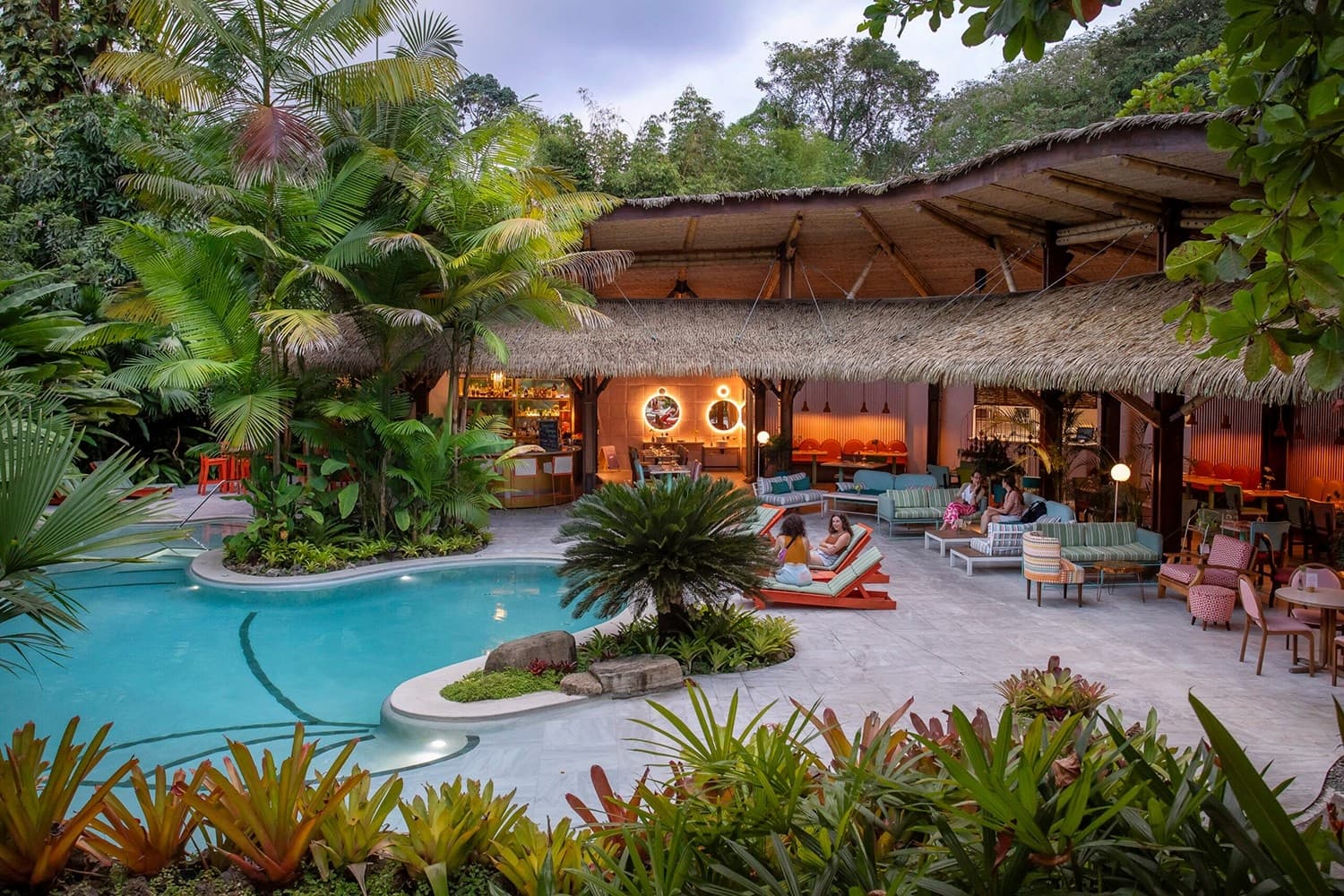
Central America stays with Cayuga Collection. Courtesy of Cayuga Collection
Cayuga Collection
Best for: Conservation-led lodges supporting local communities
North Stars:
Cayuga Collection operates a handful of lodges across Costa Rica, Panama, and Guatemala, each designed to sit lightly within sensitive ecosystems. Guests experience wildlife-rich landscapes, locally guided activities, and regionally driven kitchens, while the majority of staff come from nearby communities. As one of the best sustainable hotel collections, Cayuga’s strength lies in consistency, returning to the same places year after year and investing long-term rather than expanding quickly.
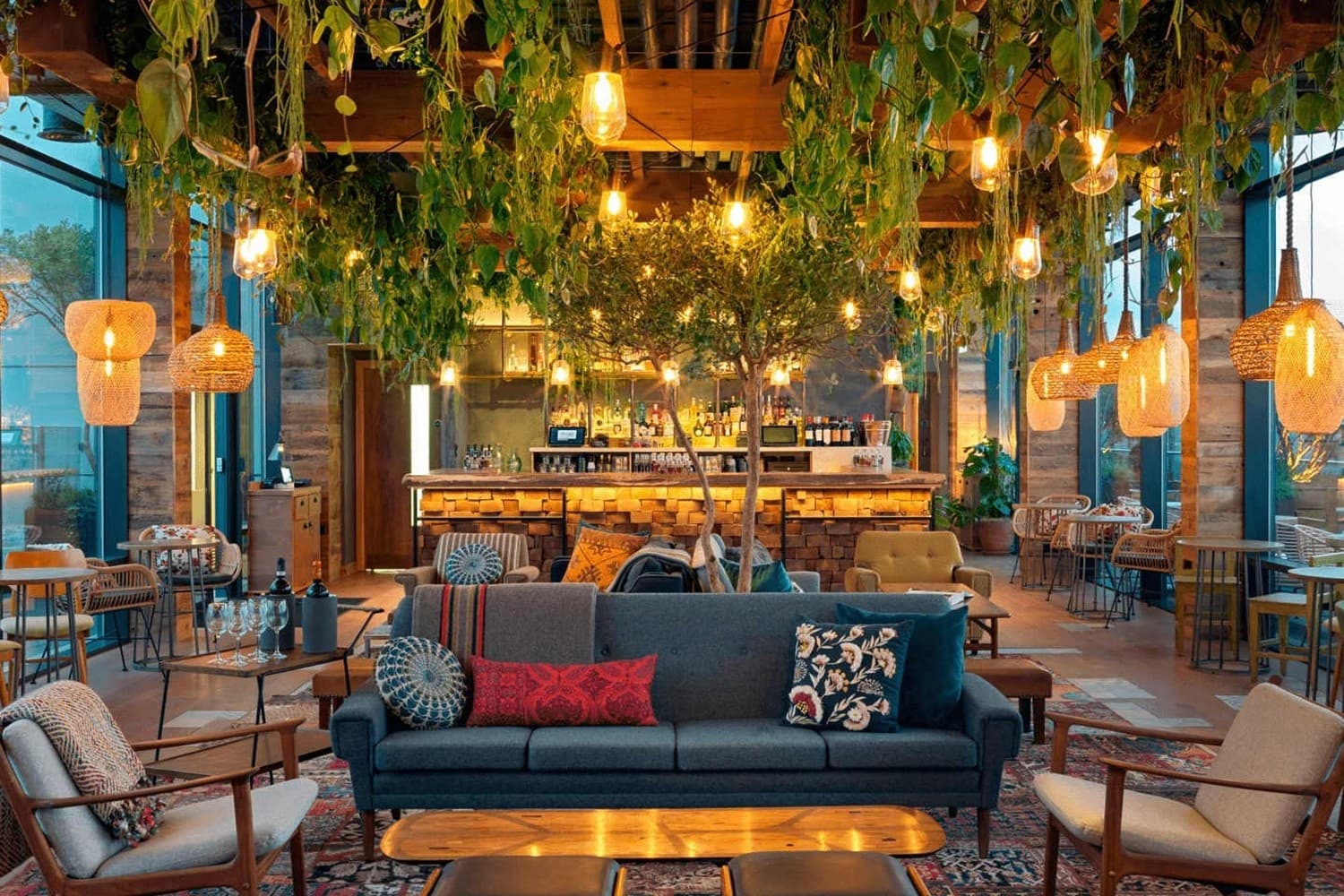
Inside Treehouse Hotel London. Courtesy of Treehouse Hotels
Treehouse Hotels
Best for: Design-forward hotels with accessible sustainability
North Stars:

Treehouse Hotels brings a younger, more playful mood to design-led hospitality in the sustainable brand category. It’s also a portfolio on the rise, with upcoming openings in Adelaide, Diriyah, and Miami Beach to add to its current London, Manchester, and Silicon Valley outposts. Furnishings and decor feature vintage pieces, upcycled materials, and plant-filled interiors, while the restaurants and bars carry the same sense of fun. Treehouse London has Green Key certification, filtered water stations on guest floors, and recycling and composting systems.
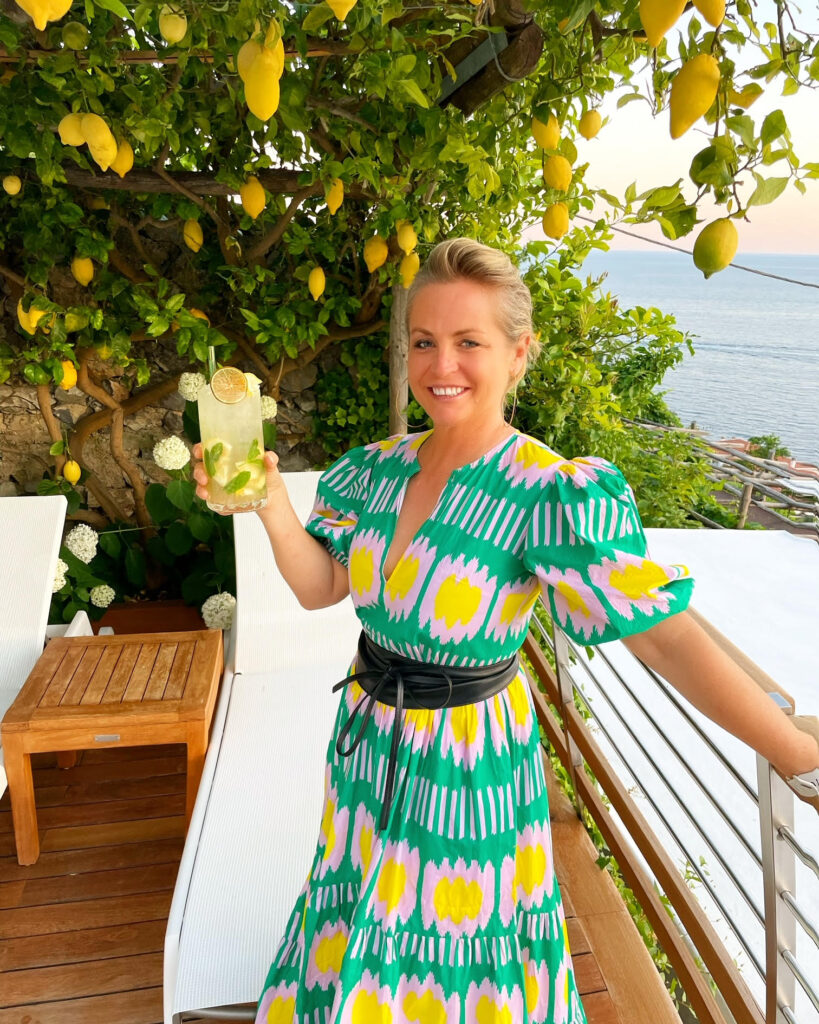
Founder and CEO of Azure Road, Lauren Mowery is a longtime wine, food, and travel writer. Mowery continues to serve on Decanter Magazine’s 12-strong US editorial team. Prior to joining Decanter, she spent five years as the travel editor at Wine Enthusiast. Mowery has earned accolades for her writing and photography, having contributed travel, drinks, food, and sustainability content to publications like Food & Wine, Forbes, Afar, The Independent, Saveur, Hemispheres, U.S. News & World Report, SCUBA Diving, Plate, Chef & Restaurant, Hotels Above Par, AAA, Fodors.com, Lonely Planet, USA Today, Men’s Journal, and Time Out, among others.
Pursuing her Master of Wine certification, she has also been a regular wine and spirits writer for Tasting Panel, Somm Journal, VinePair, Punch, and SevenFifty Daily. Mowery is a graduate of the University of Virginia and Fordham Law School, and she completed two wine harvests in South Africa.
Follow her on Instagram @AzureRoad and TikTok @AzureRoad