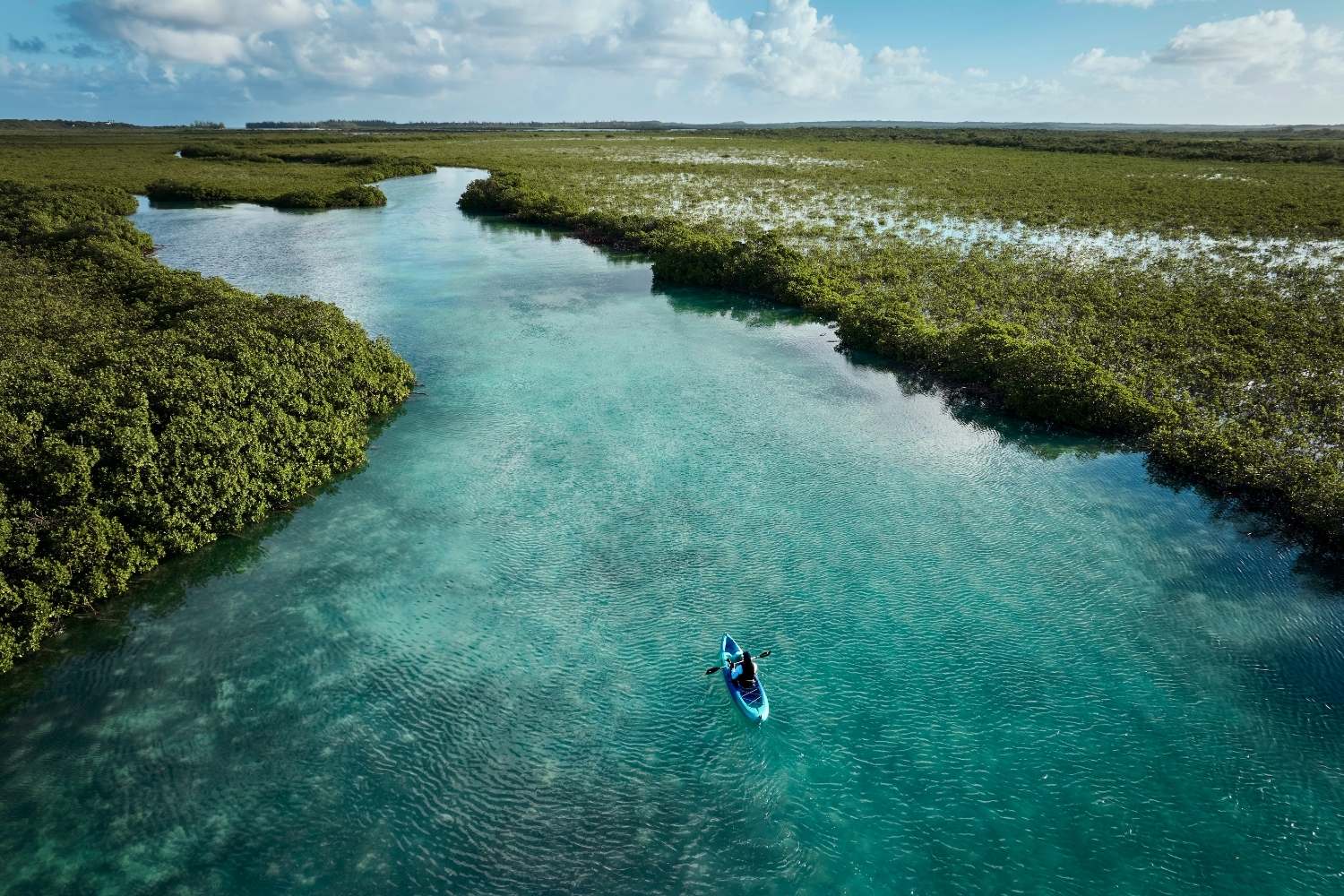
“In essence, the core concept of going to the beach is intuitive living.”
Summer and the sea; the two just go hand-in-hand. When the weather gets hot and the days length, coasts across the globe call to vacationers with scenic rentals and hotels, sandy beaches, refreshing waters, and schedule-free days.
These Azure Road-approved properties and destinations give the classic beach getaway their own special shine, be it by connecting guests with the region’s unique coastal culture or dishing up fresh seafood straight from the briny waters. Central to all these places, though, is a steadfast commitment to protecting and giving back to the ocean, landscapes, and communities through conservation programs, renewables usage, or other environmental initiatives.
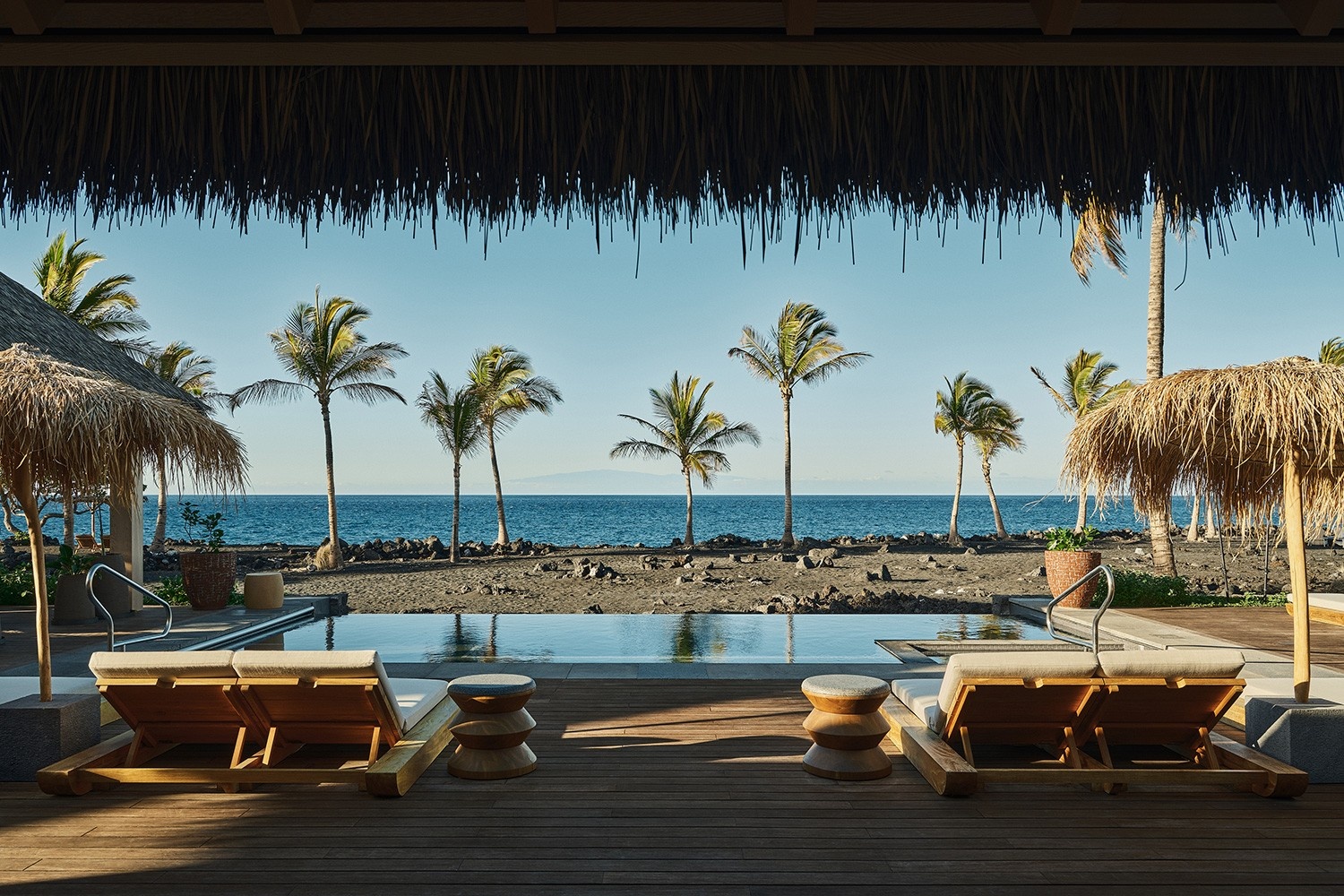
Soak-up-seaside-views-from-Kona-Villa_s-beachfront-accommodations.-Courtesy-of-Kona-Villa.
Kona Village, a Rosewood Resort, Hawaii
North Stars:



Summer is one of Hawaii’s high seasons, leading to jam-packed beaches, traffic-snarled streets, and congested cities. Set on 81 private acres along a quiet stretch of the Big Island’s Kona Coast, Kona Village, a Rosewood Resort is the antidote to overcrowding.
From the site’s history as a fishing village to its sustainability work with marine conservation and water management, water is the beating heart of the Kona Village experience. Hale-style standalone guest houses face the lapping waves of Kahuwai Bay, palm tree-shaded beaches and pools dot the property, and amenities like sunrise canoe paddles or toes-in-the-sand dining at the Shipwreck Bar keep oceanside living a 24/7 constant. And all that bountiful Hawaiian sun is good for more than tanning sessions; the resort puts it to good use as the property’s energy source.
But the resort, which reopened in 2023 following a 2011 tsunami, leans even deeper into connecting guests with Hawaiian landscapes and culture. The property is home to the highest-density collection of Hawaiian petroglyphs in the world, open for viewing on self-guided tours. The high-end spa faces a 300-year-old lava flow, and the culinary program uses local ingredients, including produce grown in the on-site garden, as the bedrock for island feasts.
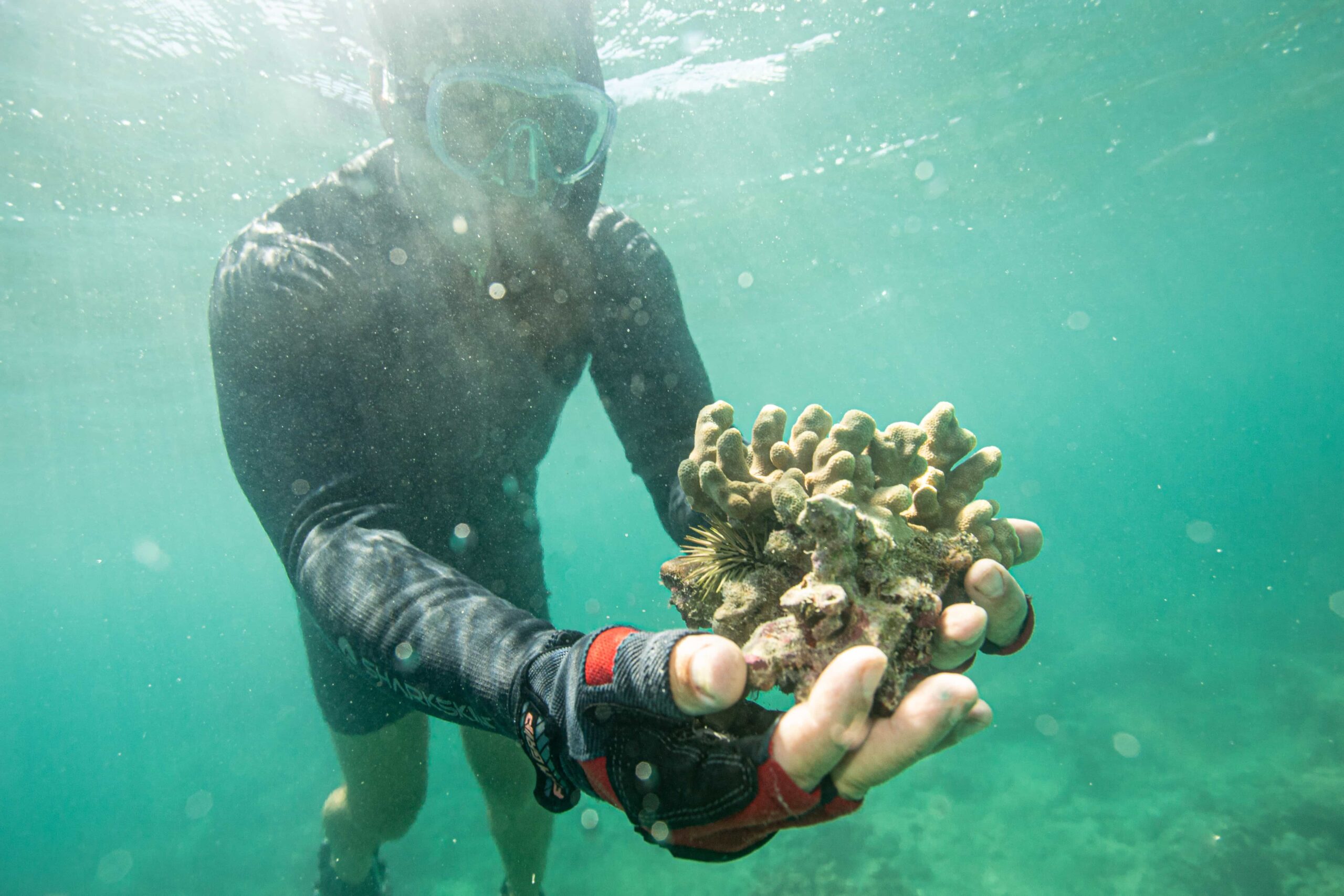
By-collecting-coral-fragments-the-ʻAkoʻakoʻa-Reef-Restoration-Program-aims-to-help-rebuild-local-reefs.-Courtesy-of-Fairmont-Orchid-scaled
Fairmont Orchid, Hawaii
North Stars:



Further up the Kona Coast, the Fairmont Orchid offers its own interpretation of a Hawaiian seaside stay. Set on the edge of Pauoa Bay where turquoise waters meet golden sand and volcanic rock, it’s the postcard-perfect vision of a classic island resort. Breezy rooms look out over emerald-green lawns and towering palm trees, pool-time or tee-time is just steps away thanks to the wealth of on-site activities, and of course, the calm waters of the protected bay are perfect for swimming, snorkeling, or rowing around in outrigger canoes.
Beyond its list of hallmark Hawaiian experiences – lei making, hula and language lessons, island-to-table dining at beachfront restaurants – the Fairmont Orchid is also striving to address some of the biggest issues facing the islands: overtourism and climate change. The Hawaiian philosophy of mālama ʻāina, or caring for the land, is central to its operations.
Out in the bay, it runs an Ākoʻakoʻa Reef Restoration Program; on land, over 80,000 resident bees pollinate resort gardens (including the chef garden, which helps supply the restaurants), and guests can learn about the resort’s work with the Waikōloa Dry Forest Initiative, which helps protect native forests, on guided hikes. Food waste programs are also in place, with refuse going to island farmers for use as pig feed. All these endeavors are on top of now-standard eco-practices like eliminating most single-use plastics.
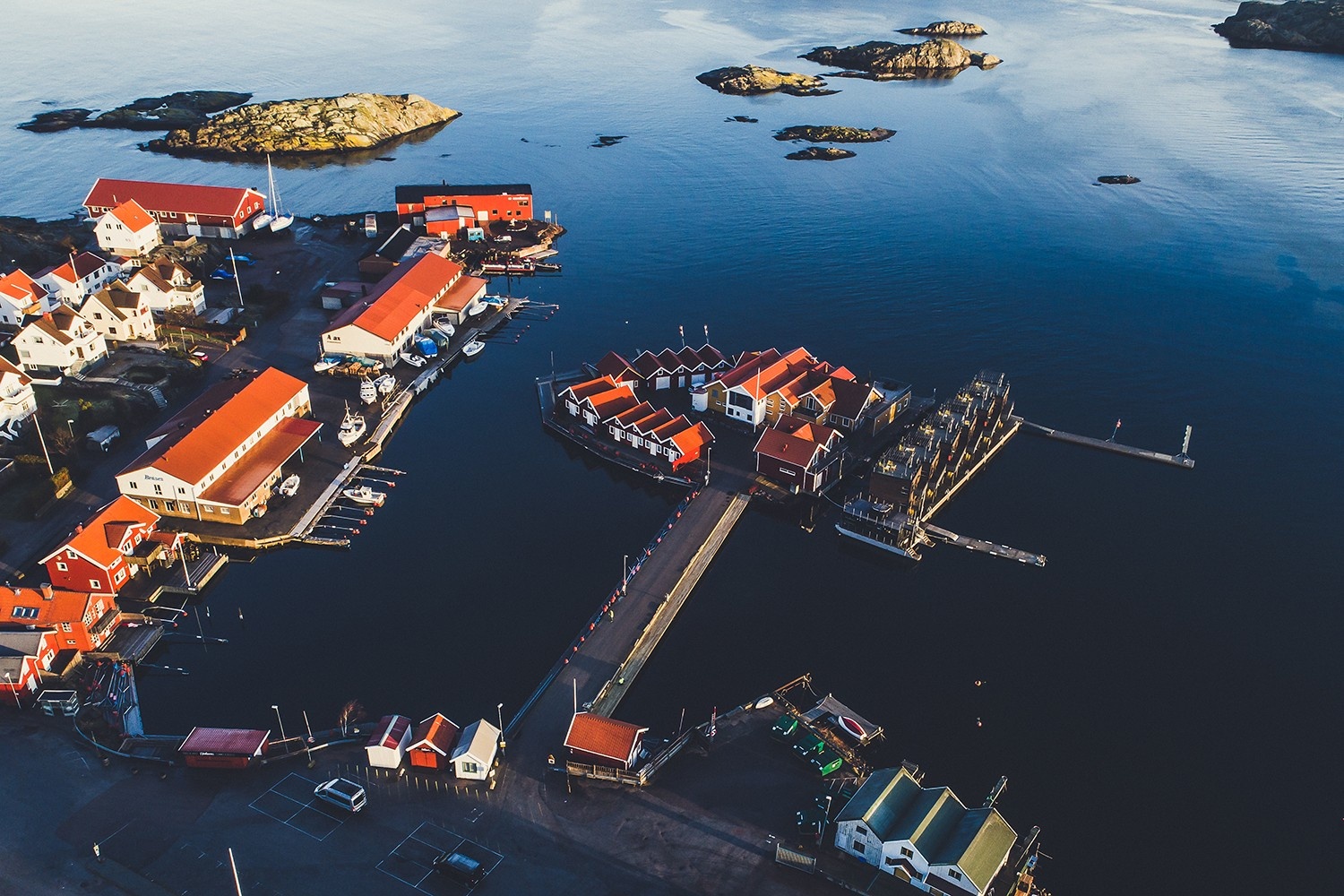
Courtesy-of-Salt & Sill
Salt & Sill, Sweden
North Stars:


No one does summer quite like the Swedes. After its long, cold, and dark winters, this Scandinavian country truly comes to life in the summer months, taking full advantage of the near-constant sunshine and balmy weather. Families and friend groups decamp to the countryside or seaside archipelagos for stays in sommarstuga summer houses and spend the Midnight Sun months indulging in wild swims, hikes, sailing, and savoring seasonal abundance.
Located in the Gothenburg archipelago an hour’s drive from Gothenburg, Salt & Sill is an ideal place to experience Swedish summer and its seaside culture. Hailed as Sweden’s first floating hotel, the property helps guests get into the coastal living spirit by being right on the water and centering the entire guest experience around the sea. Scandi-minimalist rooms look out over the bay (feel free to jump right in if the weather’s hot) and the culinary program celebrates local seafood, especially herring, the region’s star fish.
Along with lounging on the hotel’s sunny decks, swimming in the sea, and eating endless herring (itself a very sustainable fish), the hotel also offers activities like bike rentals, kayaks, boat rides, lobster fishing outings, oyster-shucking lessons, and sauna sailings. Beyond the hotel, the broader archipelago calls for days spent island-hopping, swimming at beaches, and hiking along the rocky coast.
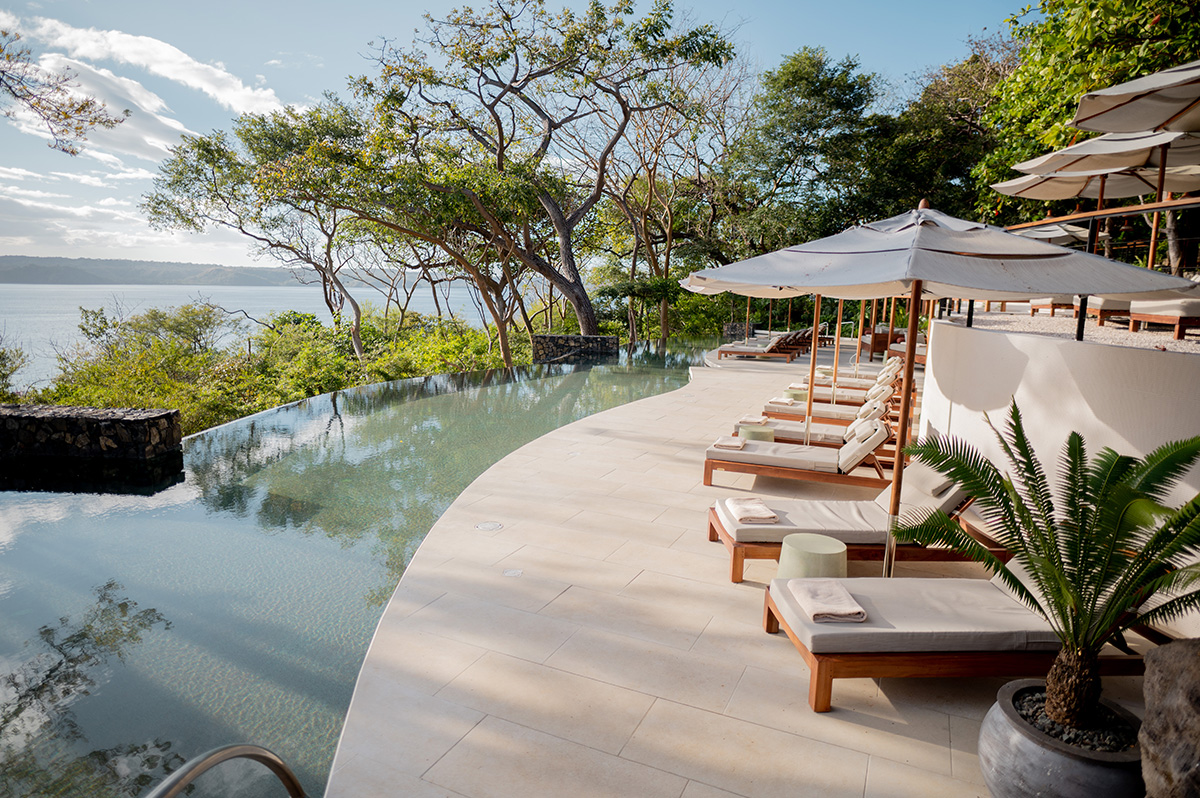
Andaz_s-strong-sustainability-program-helps-protect-the-lovely-landscapes-it-call-home.-Image-courtesy-of-Andaz-Peninsula-Papagayo
Andaz Peninsula Papagayo Resort, Costa Rica
North Stars:


Branching off of Costa Rica’s Pacific coast, Peninsula Papagayo is where the country’s pura vida lifestyle meets the highest of high-end luxury. This biodiverse 1,400-acre peninsula is Costa Rica’s premier sustainable luxury tourism destination, balancing conservation – 70% of the land must remain untouched and natural – with five-star getaways at a smattering of resorts and private accommodations. One of these lucky-few stays is Andaz Peninsula Papagayo Resort.
Set into a forested hillside overlooking Culebra Bay, Andaz centers connection with nature throughout the entire stay. Floor-to-ceiling windows in guest rooms look out across the lush tropical forests, meals are often held in airy dining areas, and the healing power of the wild pairs with manmade treatments during open-air spa visits. Infinity pools seem to blend straight into the bay or sky and tree-shrouded resort paths feel less like a walk around the property and more like a remote forest hike. Activities are also centered around the great outdoors, like treks, snorkeling, and learning about the peninsula’s flora and fauna.
But at the same time, opulence doesn’t mean carelessness when it comes to its environmental impact and responsibility to local communities. Andaz takes great care to give back to this vibrant place it calls home, including running a coral restoration project (which guests can take part in) and partnering with community home gardens, providing income and economic opportunities to locals and fresh food for guests.
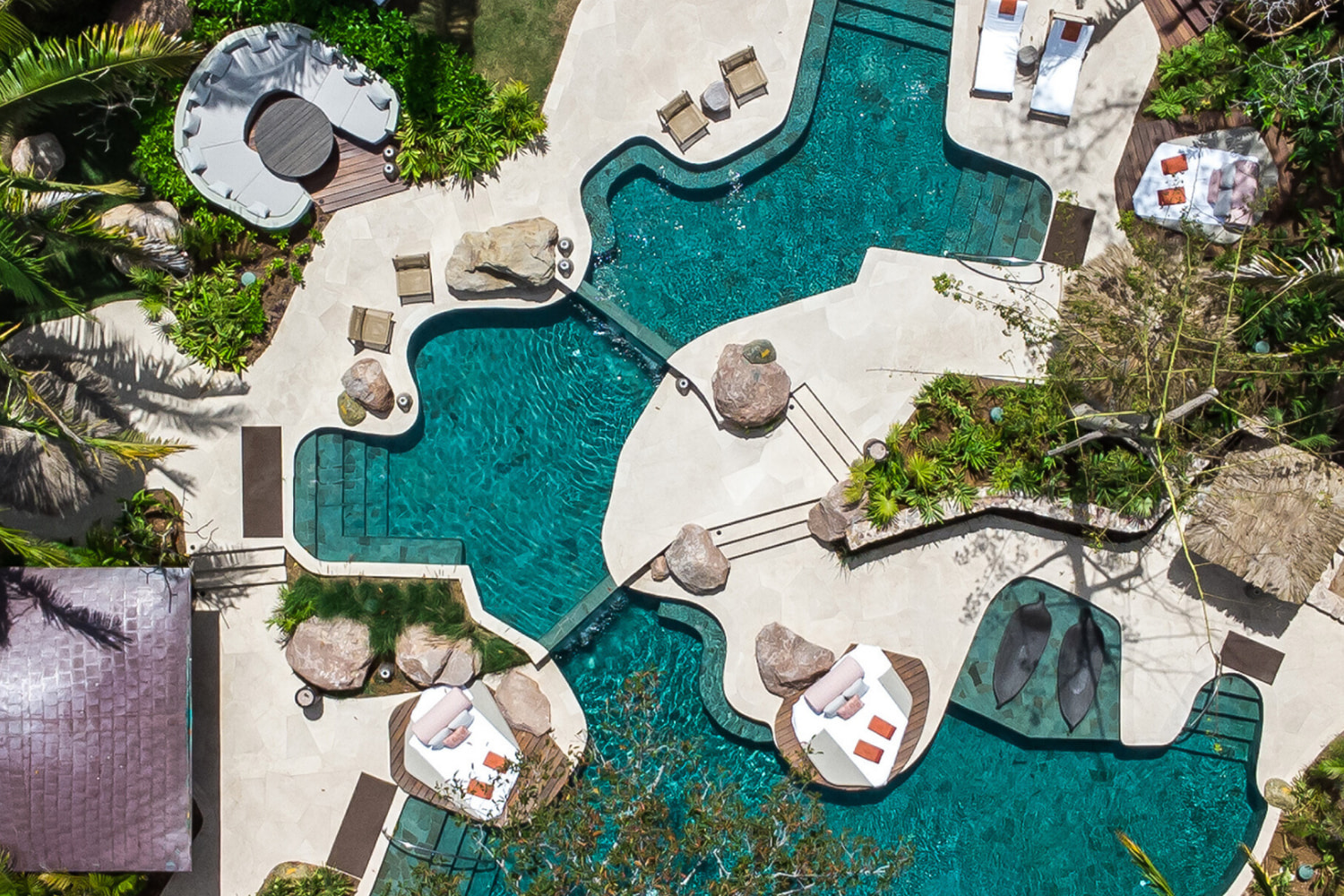
Aerial-Pool-View.-Courtesy-of-Sky-View.-Courtesy-of-Naviva-A-Four-Seasons-Resort
Naviva, A Four Seasons Resort, Mexico
North Stars:
One of the appeals of a beach getaway is its free-spiritedness. Schedules go out the window, meals stretch out for hours, and entire mornings or afternoons are spent in idle contentment beside the beach or pool. In essence, the core concept of going to the beach is intuitive living.
It’s the same ethos behind Naviva Four Seasons Punta Mita as well, a luxury tented camp on Mexico’s Riviera Nayarit. Here, the underlying principle is radical flexibility. With only 15 bungalows for an ultra-exclusive, intimate experience, guests direct their days as they see fit. Meals aren’t preset but rather desire-driven experiences where guests can request any number of dishes, at any time. Activities from snorkel safaris to fishing to Mexican wine tastings are on offer and at leisure. The small guest count allows attentive staff to effortlessly flex to guests’ needs, offering a freedom-filled stay unlike anywhere else.
Set on 48 acres of jungle by the sea, the resort is overrun with lush greenery. Native plants enclose outdoor pools like hidden oases, and biophilic design brings the outdoors inside in the low-impact (but high style) glamping bungalows. Meals are sourced locally as much as possible (including coffee), furnishings and artwork from Mexican creatives fill the spaces, and the whole affair is largely powered by renewables.
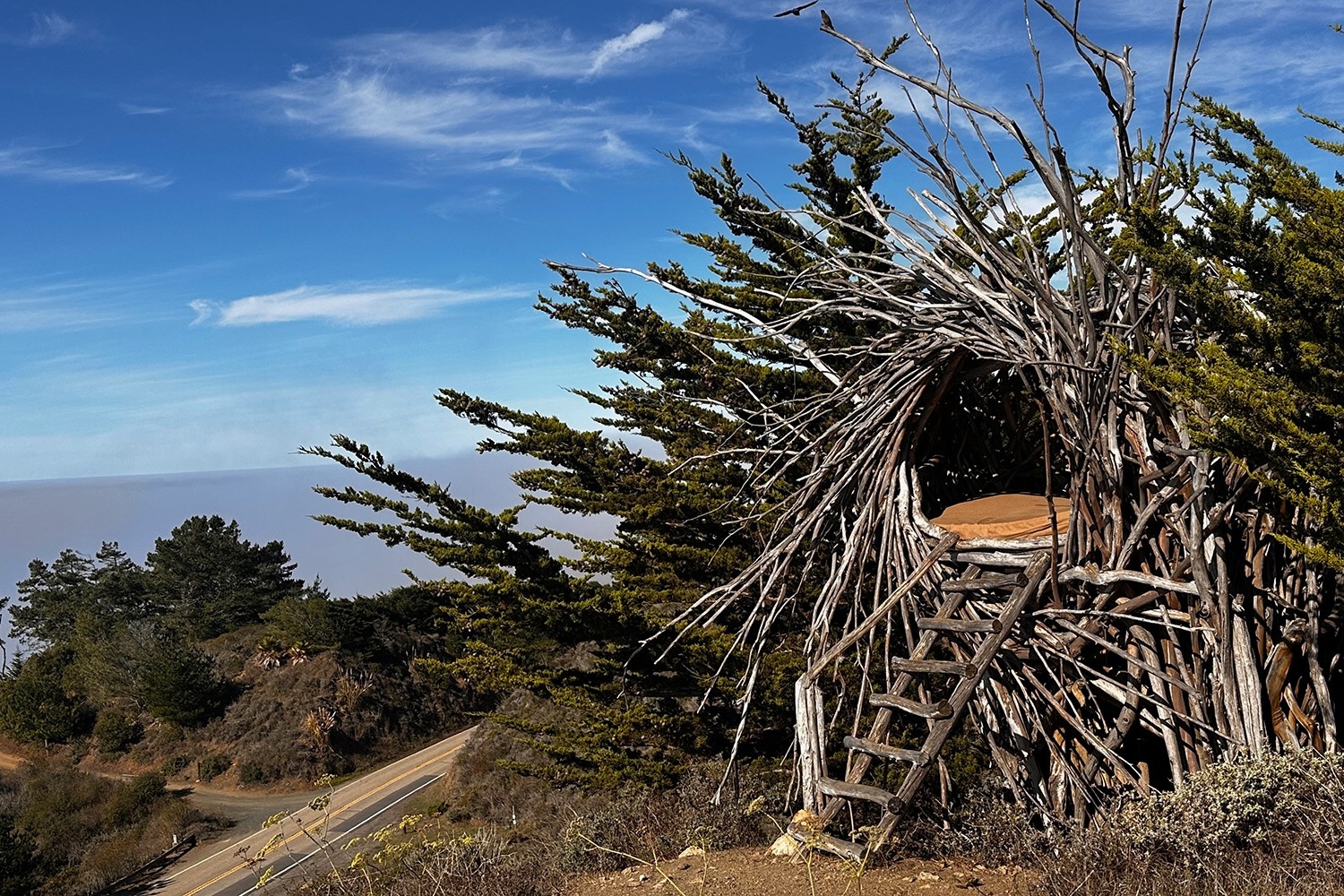
The-Nest-at-Treebones.-Courtesy-of-Kristin-Conard
Treebones Resort, California
North Stars:

A luxury glamping resort on California’s Big Sur coast, Treebones Resort may not be right by the water, but the sweeping ocean views from its hillside perch more than make up for the lack of access. Guests get to choose from a gaggle of unique accommodation options that befit the resort’s one-with-nature spirit, including spacious yurts, treehouses, tent platforms hidden inside human-sized “nests” that double as sculptural statement pieces, and, for a less roughing-it approach, glamping tents powered by solar energy.
Days begin with morning yoga, held outdoors if the weather is good, followed by free time to enjoy the hotel’s amenities like massages or sitting out on sunny decks to soak up the views. With Highway 1 running right past the resort, it’s easy to pop out for hikes or beach visits up and down the coast. Come evening, concerts are sometimes held at the property’s outdoor amphitheater, and with no major towns in the vicinity, the stargazing is unmatched. Meals use ingredients from an on-site organic garden and local purveyors, plus fresh seafood for the resort’s famed Wild Coast Sushi omakase.
There may not be as much to do on-property here as at other resorts, but that’s part of the appeal. Treebones is off-grid not only in terms of energy but in terms of technology too; there’s no cell service and WiFi is extremely limited, so guests are encouraged to actually disconnect and enjoy the peace and quiet.
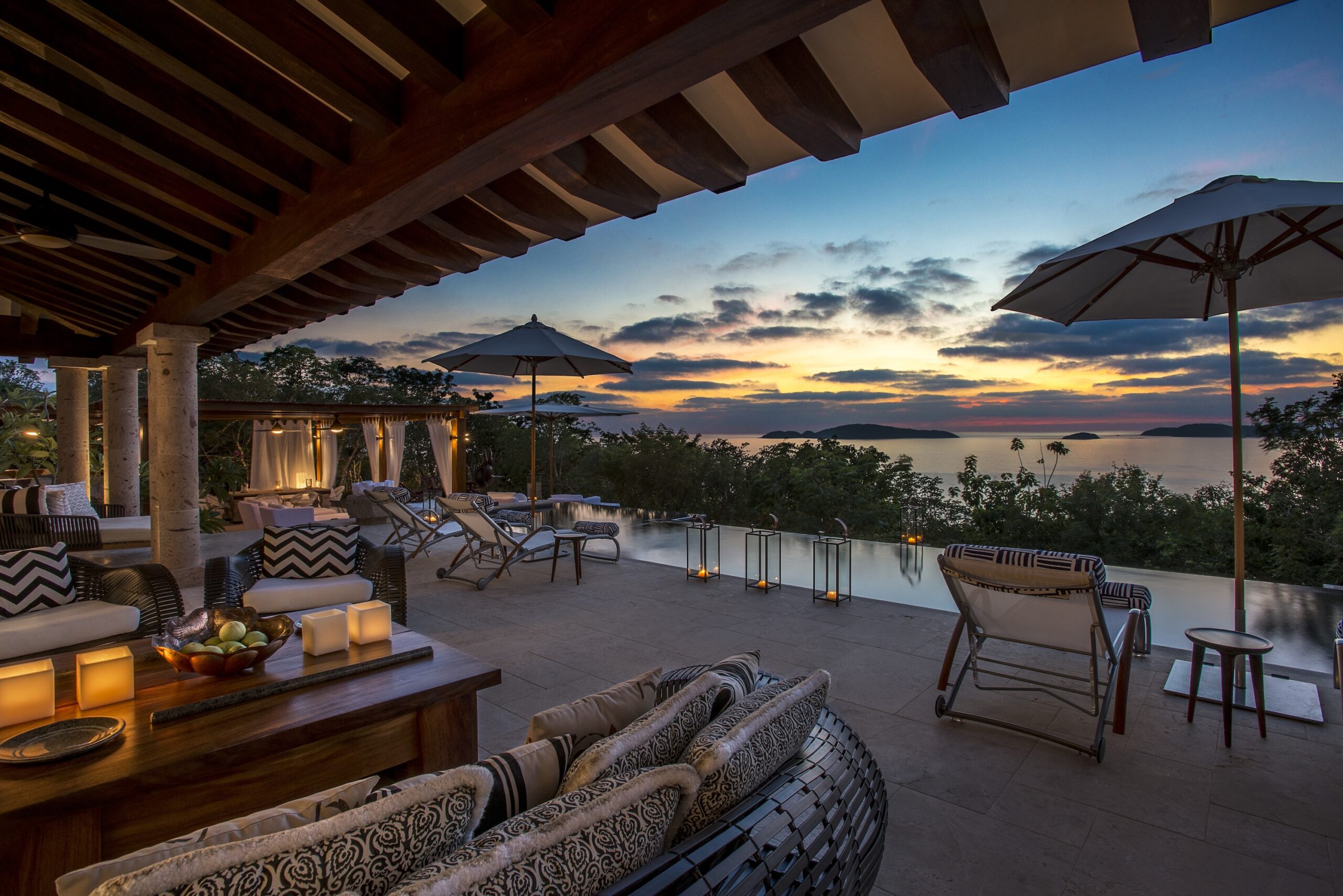
Sea-View.-Image-Courtesy-of-Las-Rosadas-scaled
Las Rosadas, Mexico
North Stars:
What better place to spend summer than along Mexico’s Happy Coast? The Costalegre spans some 200 miles between Puerto Vallarta and Manzanillo but compared with its next-door neighbors, which include some of Mexico’s biggest Pacific beach towns, this serene enclave feels untouched. Dedicated landowners have worked to keep the area largely undeveloped apart from a handful of thoughtful, sustainable resort options, ensuring the region retains its pristine, wild appeal.
One of those properties is Las Rosadas. The estate itself spans nearly 500 acres but only about 200 are actually used, leaving the rest to the local flora and fauna, including endangered jaguars and pumas. Bright, stylish villas and bungalows, furnished with local materials and artisan wares, dot the hillsides, facing the Pacific from open-air terraces with pools and lounge areas. Guests enjoy access to three sparkling beaches plus the nature preserve, offering a mix of leisure and outdoor adventure like whale-watching and birding. Iguanas and sea turtles are also frequent sightings.
Days pass in a haze of beach time, paddling around the bay, and relaxing by villa pools. The cuisine is also a standout experience, sourcing locally and flexing with the seasons for a dining program that expresses the unique terroir and cultural traditions of this idyllic region. Naturally, seafood is a prominent focal point — think shrimp or spiny lobster — plus specialities from the area like pan de platano.