North Stars:

Heritage Value

Carbon Footprint

Wildlife and Ecosystems
“The big albatrosses that circle the globe at that latitude,” he said. “You don’t see them anywhere else.”
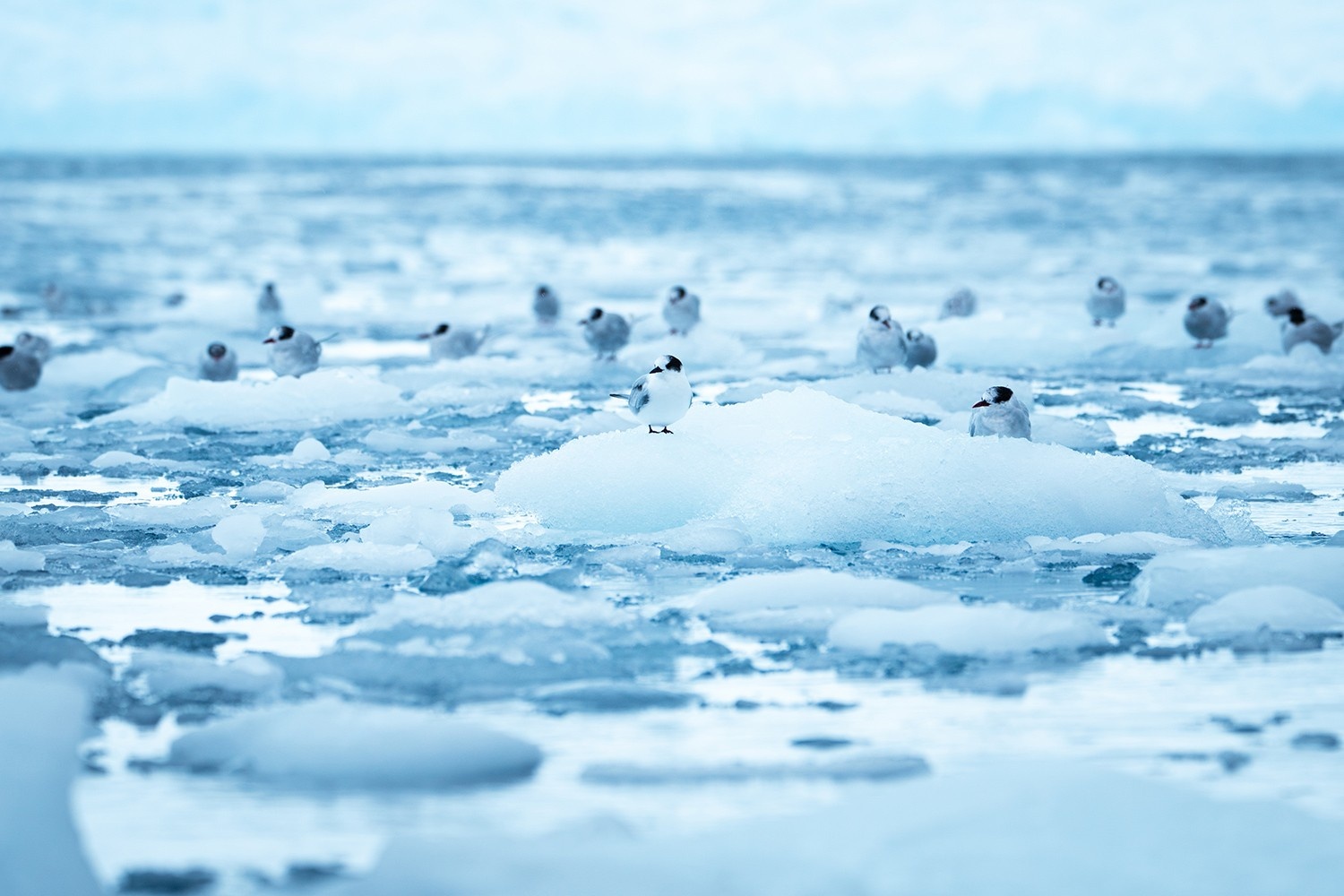
Arctic terns. Photo by Tyson Mayr.
The Azure Road Take
The Drake Passage has a reputation for making grown adults weep into their seasickness bags. Those famously rough waters deliver one of the greatest seabird spectacles on Earth. Antarctica isn’t just a penguin pilgrimage; it’s a serious birding destination. The Antarctic region boasts roughly 40 to 60 species of birds, depending on route and season.
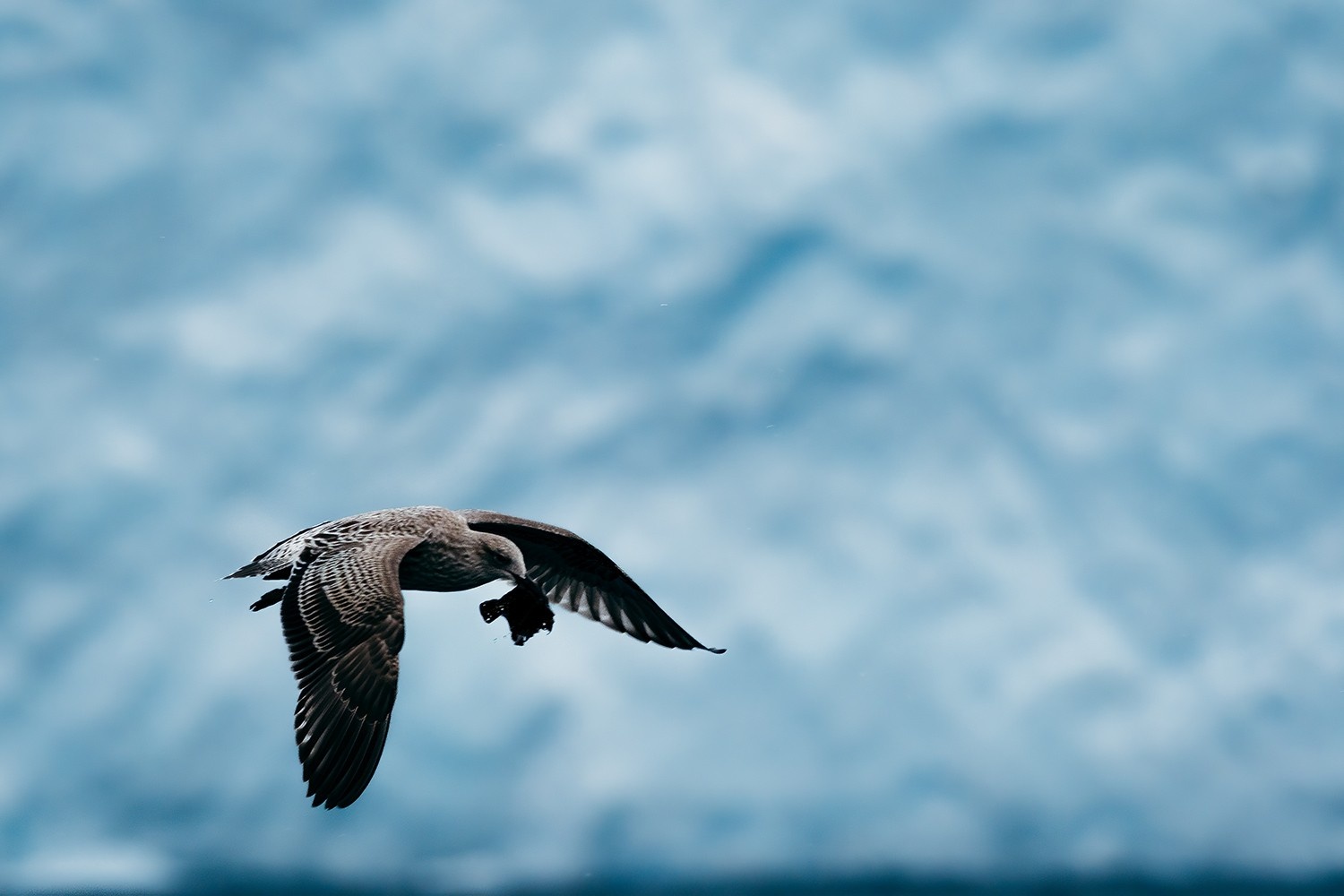
Renowned birder and author David Allen Sibley, who was sailing on the same National Geographic-Lindblad Expeditions trip as me, was practically giddy about the crossing. “The wandering albatross, royal albatross — the big albatrosses that circle the globe at that latitude — you don’t see them anywhere else,” said Sibley.
He’s not wrong to get excited. The wandering albatross can have a wingspan of up to 11 feet and spend years aloft without touching land. You’ll likely spot them before you ever see the continent.
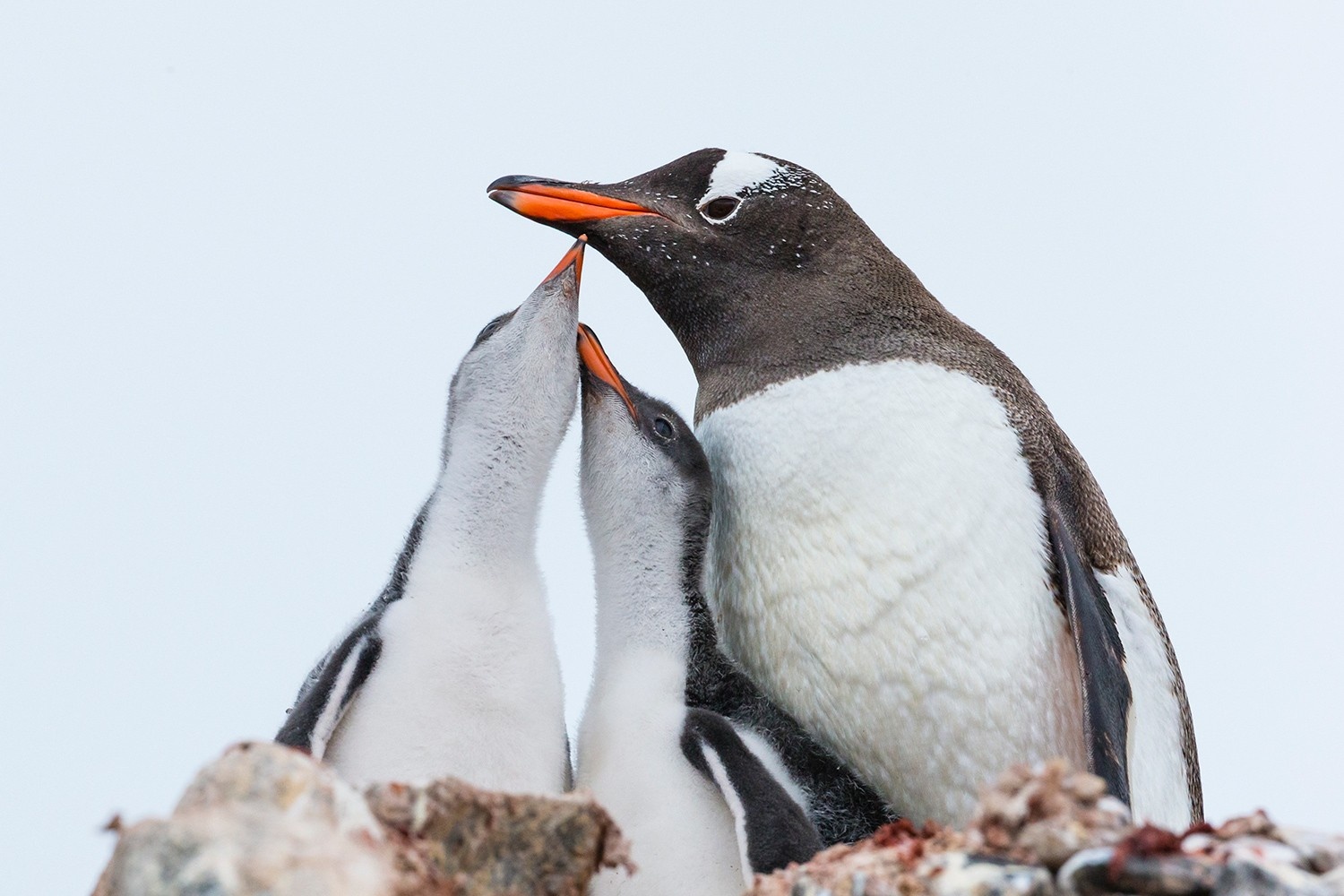
Penguins at Port Lockroy.
Who’s It For?
Birders, from casual to committed, and wildlife photographers. Many species are visible from the ship, often from the deck or lounge. Adventurous couples looking for a long-haul holiday and anyone with the curiosity, plus budget and time.
Sustainability Chops
Antarctica’s fragile ecosystem makes choosing a responsible operator non-negotiable. Both National Geographic-Lindblad Expeditions and Aurora Expeditions are IAATO members, an organization committed to having minimal impact on the Antarctic environment.
Aurora is a certified B Corp and has been carbon neutral since 2021. National Geographic-Lindblad has been carbon neutral since 2019 and supports onboard scientific research. Both source food from local ports for their culinary programs, contribute to conservation initiatives, and fund research on their voyages.
(For other sustainable cruises, check out these sailings in the northern hemisphere.)
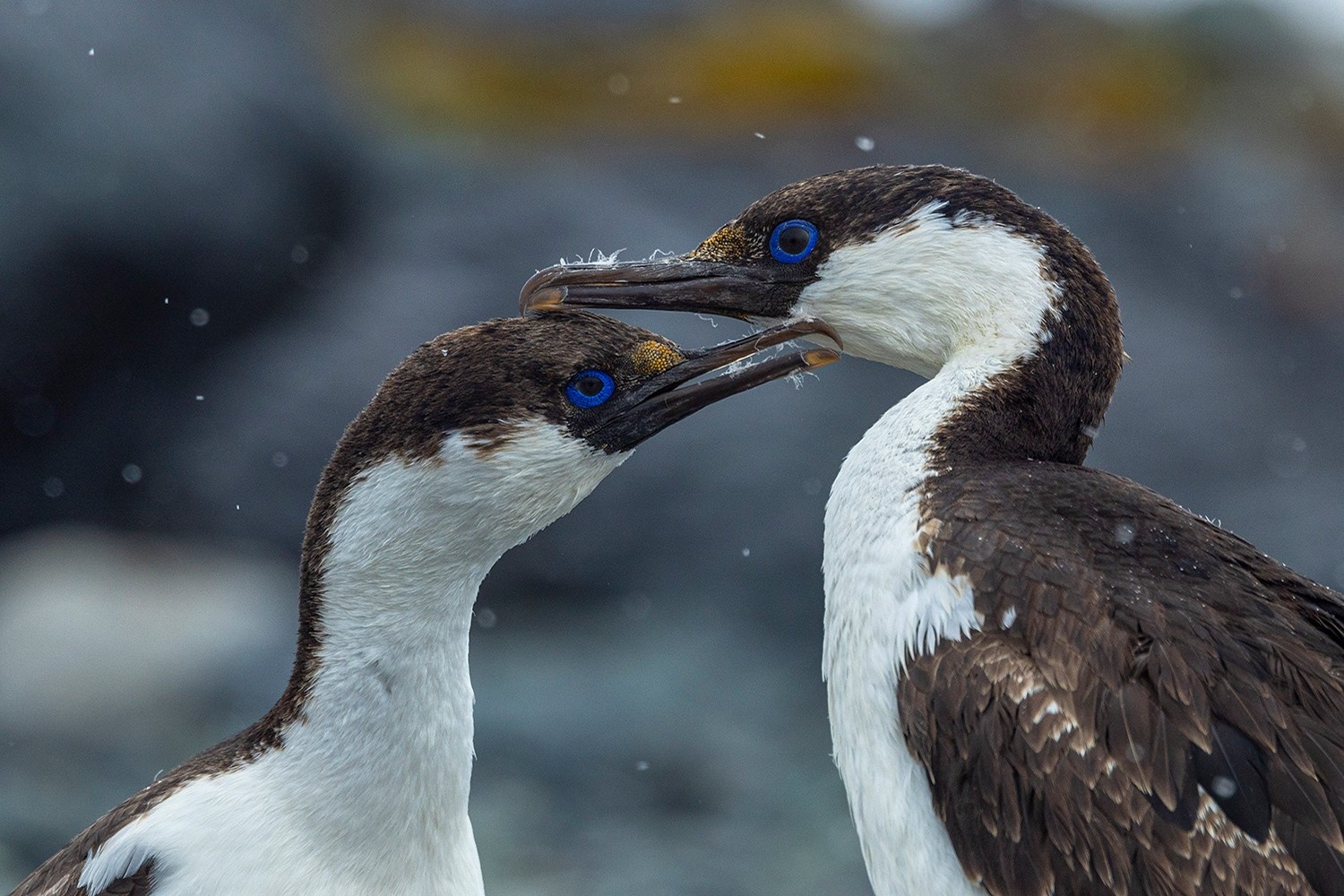
Imperial cormorants. Photo by Adrian Wlodarczyk.
Location, Topography & Highlights
The Antarctic Peninsula — typically reached by sailing from Ushuaia, Argentina or Punta Arenas, Chile — is the most accessible entry point, and the rewards start the moment you set sail. On land, Adélie, gentoo, and chinstrap penguins cluster in colonies while skuas circle overhead, waiting to snatch an egg or chick; when they make their move, the whole colony erupts.
For a more remote experience, an expedition to the Ross Sea, a vast bay in the Southern Ocean south of Australia and New Zealand, brings a different cast of species.
In the subantarctic islands, you’ll encounter nesting albatrosses, shags, and teals, along with king and royal penguins on the beaches of Macquarie Island. Farther south, Antarctic petrels, southern fulmars, and snow petrels appear, their white plumage blending into the ice.
Ornithologist T-A Hooley calls the subantarctic islands “absolute seabird hot spots.” At the edge of the sea ice, a massive Adélie colony — with the occasional lone emperor — underscores the point.
How to Prepare for Birding in Antarctica
Cruise operators provide general packing lists, but birding demands a few specifics: binoculars, your longest camera lenses, and extra batteries, since the cold drains them quickly. Download any birding apps before you leave, and bring waterproof covers for your gear.
“We do a lot of our best birding by zodiac,” says ornithologist Hooley, “and sea spray is inevitable.” Sibley’s advice is simple: stay outside as long as you can. “Birds fly by and might only be in view for 30 seconds or a couple of minutes.” In other words, you’ll need patience and warm layers in equal measure.
How Much to Budget for an Antarctica Cruise
Antarctica is a five-figure trip. Entry-level expedition cruises currently start around $12,000 to $14,000 per person, based on publicly listed rates with Aurora Expeditions and National Geographic-Lindblad Expeditions, for a shared cabin (double occupancy). Fly-cruise options that bypass the Drake Passage have similar prices.
Costs rise quickly with larger cabins, solo travelers, longer sailings, and newer ships. Most fares include meals, landings, and guides, but not flights, hotels, insurance, or gratuities.
Budget additional spend on cold-weather gear, whether rentals or purchases. And most importantly, budget for time, including a buffer night or two on either end of the sailing. Weather delays happen, and if you miss your departure date, you miss your cruise.
Kristen is a full-time freelance writer focusing on outdoor adventure, travel, wildlife, conservation, and sustainability. Her recent clips include National Geographic, Smithsonian, Travel + Leisure, Afar, Lonely Planet, TravelAge West, AARP, Essentialist, and many other publications. See more of her work here.
North Stars: Carbon Footprint, Heritage Value, Wildlife and Ecosystems