“What unites these travelers is less about difficulty and more about intention.”
There are many different types of tourism: solo trips, family travel, couples’ getaways, cruises. Now, another category is gaining ground: adventure tourism, also known as adventure travel.
According to the Adventure Travel Trade Association, in 2024, the value of global outbound adventure travel reached $1.16 trillion. 67% of all international travelers consider themselves “Open to Adventure.” Simply put, adventure tourism is big business. But what exactly is it?
Due to its name, adventure travel probably conjures up mental images of extreme outdoor sports like climbing rocky mountainsides or skydiving out of airplanes. But contrary to popular belief, adventure tourism doesn’t have to involve jumping off cliffs on a bungee or doing grueling multiday hikes. It can be those things, but it doesn’t have to be.
“Adventure tourism is a catch-all phrase that usually involves two of the following three factors: physical activity, cultural immersion, and engagement with nature,” explains David Harrison, the PR & Marketing Coordinator for Untamed Borders. “So anything from mountain biking in the Peak District to driving through the Hindu Kush in Afghanistan can be caught under this term.”
Adventure tourism is a broad umbrella. It could apply to beginner-friendly camps, intense expeditions, or regions that are adventurous when activities are not. With this in mind, let’s look deeper into this tourism category on the rise, from trending spots to finding operators.
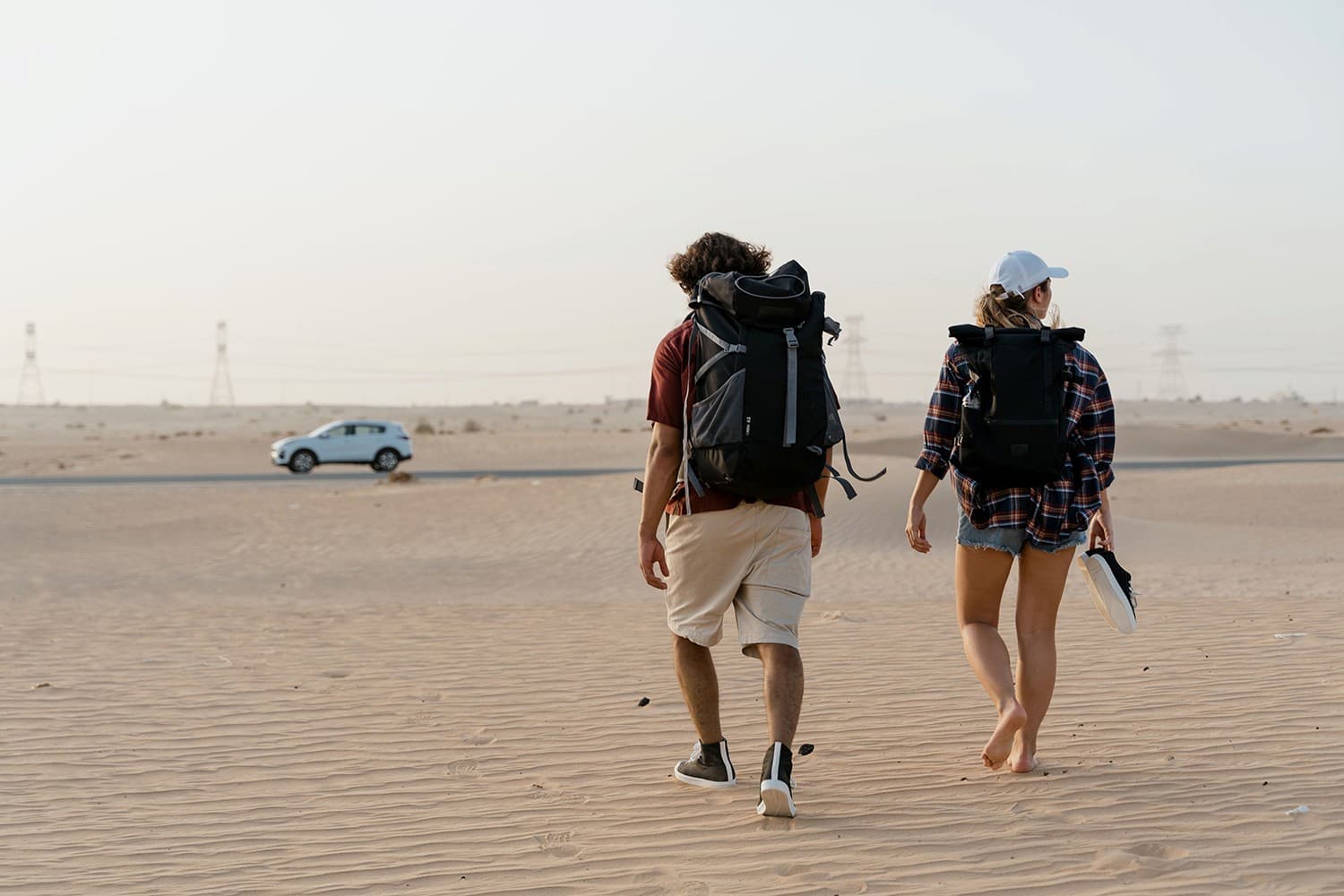
In adventure tourism, activities can be easy or more strenuous. Courtesy of Pexels
Soft Vs. Hard Adventure
For most people, adventure tourism is split into two camps: soft and hard adventure.
“The old image of the adventure traveler as a young thrill-seeker is well out of date,” says Heather Kelly, Director of Research & Knowledge at the Adventure Travel Trade Association. “The fastest-growing part of the market is what we’d call soft adventure: hiking, cycling, wildlife, cultural immersion, activities that are physically engaging but accessible.”
In recent years, the phrase “soft adventure” has come into the lifestyle and tourism lexicon. Essentially, this is a lower-stress, easy-to-integrate form of adventure, as opposed to more extreme activities. According to Kelly, this shift has helped open up this type of travel to a broader range of people. “We see active travelers well into their 60s, 70s, and beyond, a rise in solo women traveling for the first time, and families and friends seeking a shared sense of achievement, alongside a younger, independent generation planning their own trips.”
The level of accessibility is key. Historically, adventure tourism has been seen as extreme outdoor travel. While that can be true, adventure and exploration isn’t just pushing yourself to the breaking point. Harrison explains that, “Soft adventure is often adventurous in terms of location, activity, or country, but with a more beginner-friendly experience and with more comfortable surroundings or with guiding teams.”
For many travelers, soft adventure will be their adventure travel entry point. Some may have already participated without knowing. However, whether travelers opt for hardcore or comfortable, adventure tourism is all about discovering something new about a destination and about themselves.
“What unites these travelers is less about difficulty and more about intention,” Kelly says. “They’re choosing depth over breadth, authenticity over luxury, and increasingly want to travel with people who share their values. Adventure has softened in style but deepened in meaning, and that’s exactly why it keeps drawing more people in.”
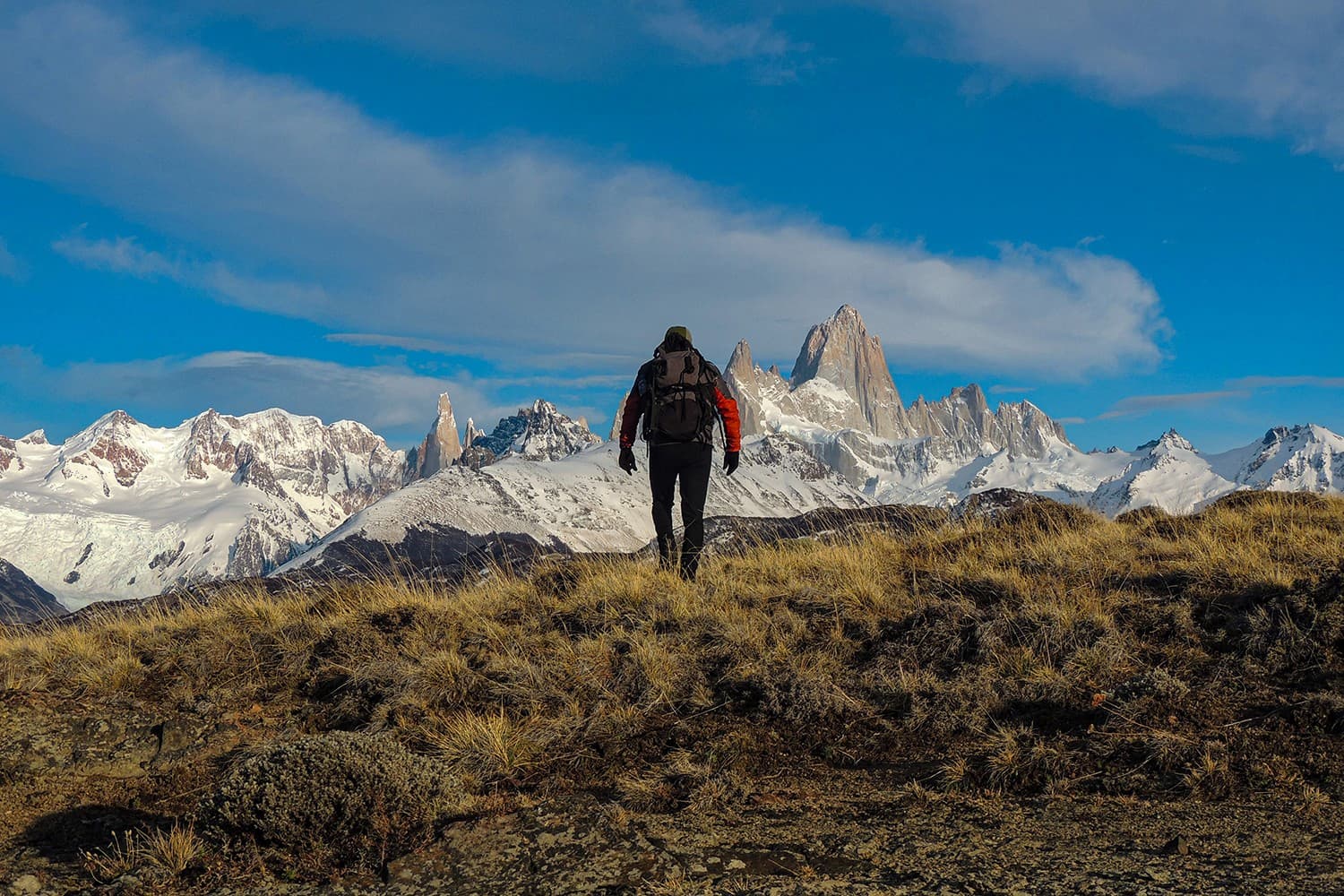
Patagonia is a popular adventure travel destination. Courtesy of Pexels
Adventure Travel Hot Spots
While adventure travel can take place anywhere there’s nature to be found, some parts of the world are better known for their adventure tourism offerings than others. Chief among these are regions with tall peaks; think the Alps, Himalayas, Andes, or the Rockies. Whether it’s summer or winter, these spots invite exploration. Other remote regions in Europe, like northern Norway, or sun-drenched desert regions in Morocco and Egypt, are also popular.
Increasingly, however, travelers are looking for more niche and hard-to-reach destinations, where getting there is part of the adventure. “If people have already visited conventional destinations, then they’re naturally looking for something more adventurous,” says Harrison. “In the modern era, the world has also become smaller. Many of us have access to smartphones, and this creates a window into what previously were far away lands.”
This has helped previously off-the-beaten-path places step into the international tourism spotlight. Patagonia has taken off in recent years, and countries in Central and South Asia like Pakistan, Algeria, Uzbekistan, Kyrgyzstan, and Tajikistan have emerged as well. Along with the appeal of the new and unknown, many travelers gravitate to these lesser-known destinations due to factors like the lack of tourist traffic and lower costs.
“Overtourism and value for money are definitely one aspect too,” says Harrison. “You can pay a fraction of the price for accommodation in Central Asia, compared to Western Europe, yet still enjoy amazing scenery, awesome history, tasty food and good weather — plus you do so with far fewer other tourists around you.”
Climate change also plays a role in why some destinations are becoming better-known for adventure travel. As rising temperatures increase snowmelt, some popular climbing destinations in Europe, like Mont Blanc, are becoming more unstable. One day, these storied mountains may be too dangerous to climb. As a result, adventurers will seek peaks elsewhere. Heatwaves are also fueling a “coolcation” trend of travelers heading to higher-elevation or northern destinations to escape the heat. But this increased traffic strains infrastructure and drives up prices, forcing many adventure travelers to look further afield for less crowded, more budget-friendly escapades.
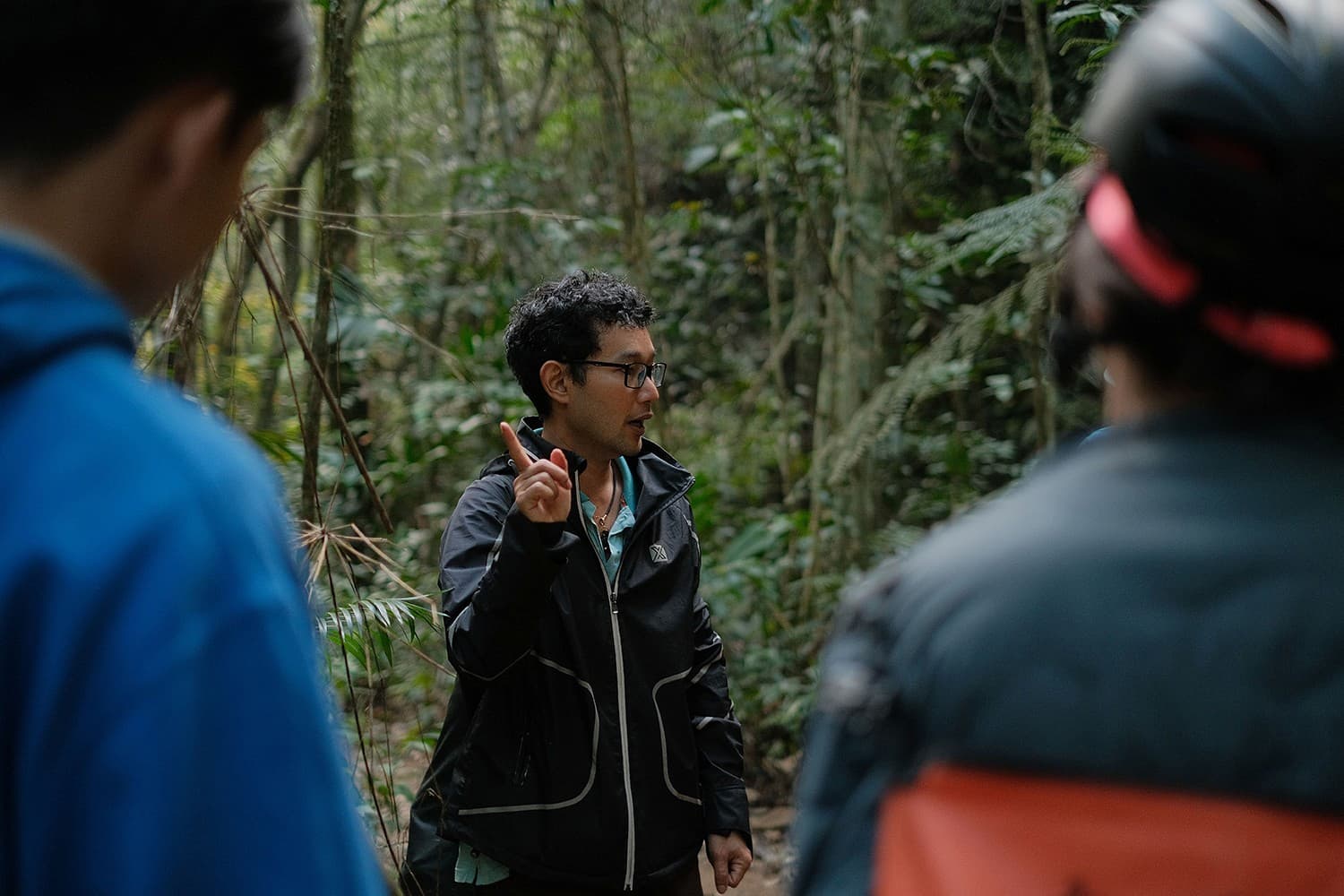
Choosing a good tour operator is crucial. Courtesy of Pexels
Adventuring Safely With Ethical Operators
Since adventure travel centers around exploring new places in adventurous ways, many travelers may feel more comfortable going with a guide or tour operator. However, since these adventures take place in delicate environments or emerging destinations unaccustomed to tourist traffic, it’s important to consider impact. This means partnering with a sustainable, ethically-minded tour operator. But finding one can be tricky. On the surface, an industry that’s so tied to natural environments should be inherently sustainable. But that’s not always the case.
Fundamentally, travelers should pick a tour company that employs and works with local guides and businesses. This includes everything from hiking guides to independent, locally-owned accommodations and restaurants to visiting communities that actually benefit from tourism. If a company brings in tour guides from other countries and opts for chains along the way, this isn’t likely to positively benefit the communities and countries in which they operate.
“Usually these more adventurous destinations don’t have the decades of infrastructure that long-standing popular holidays have, so there are less big hotel chains and restaurants and more locally owned homestays and places to eat, meaning the money flows more directly into local people’s pockets,” says Kate Woodley of Stay Wild Travel, which operates women-only tours in destinations like Pakistan, Kyrgyzstan, and Namibia. That doesn’t just mean women-only groups; Woodley’s tours also dine at women-owned restaurants, stay in women-run guesthouses, and work with female tour guides.
Tour operators also mitigate impact by controlling group size, keeping tours to 12 people or fewer. This eliminates the need for huge tour buses and hotel buy-outs, and travelers can actually meet locals and integrate in a more natural way.
“I visit every country before we run tours there, which means the tours are often filled with locals that made my time there special,” mentions Woodley.
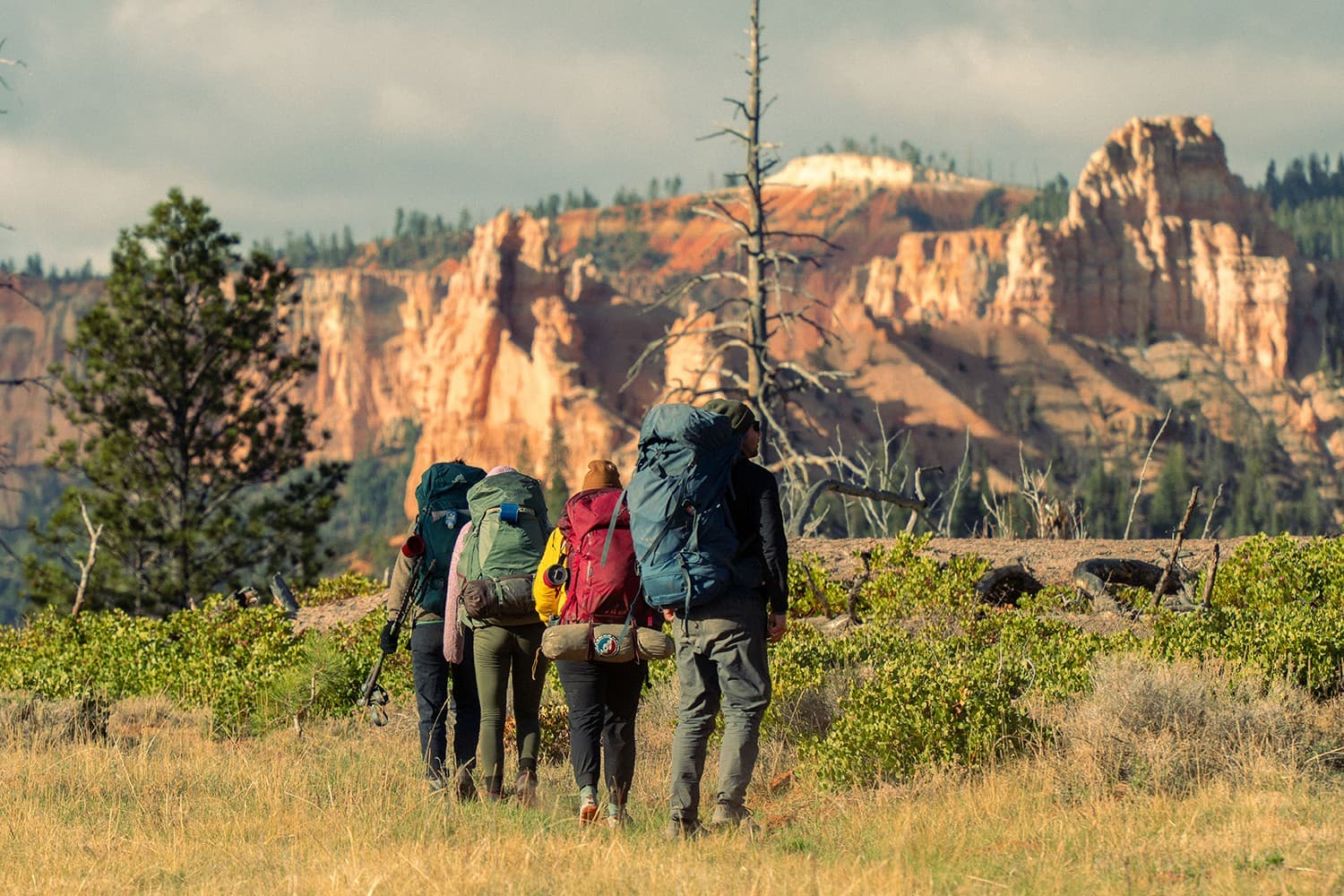
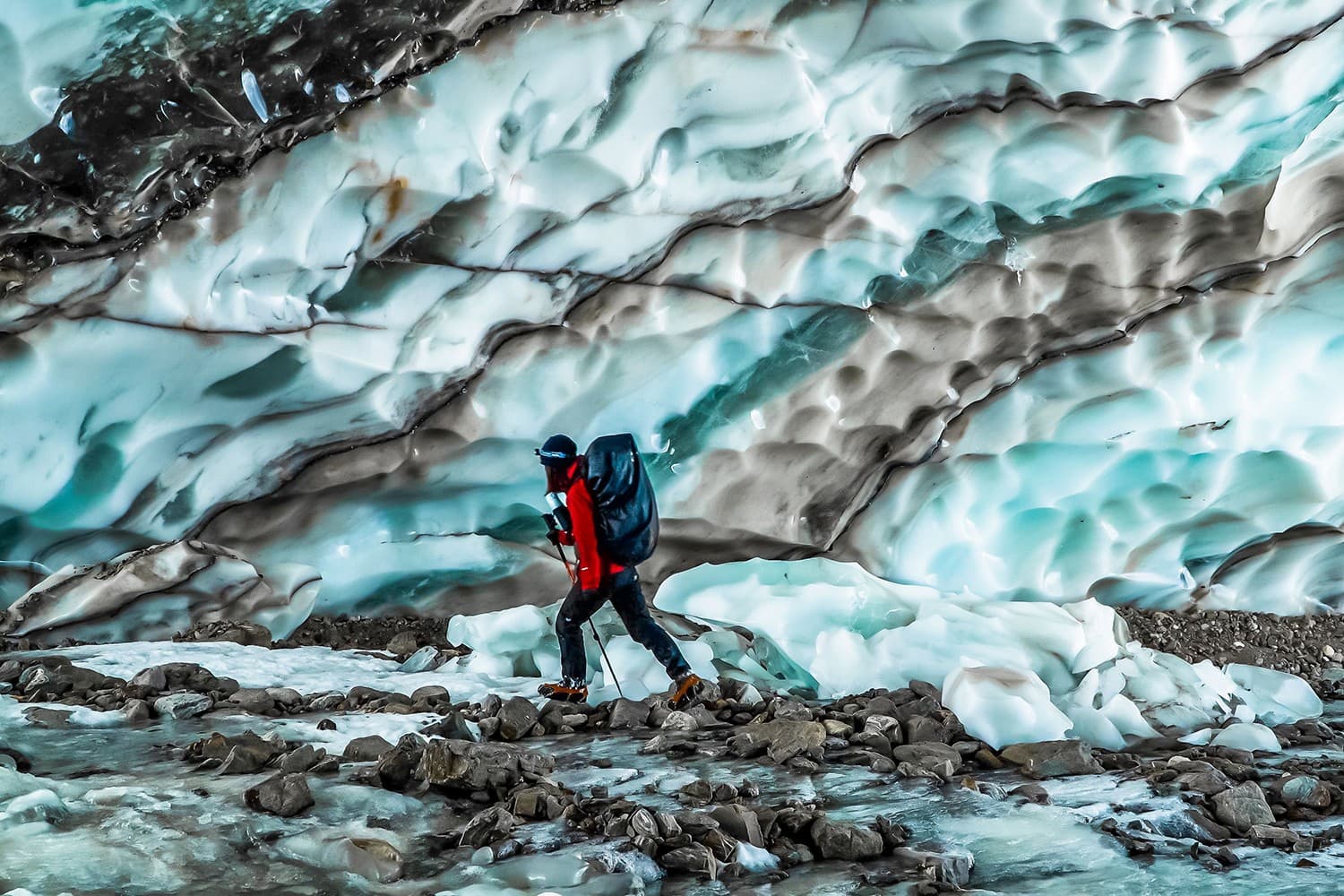
Hiking is a popular adventure travel activity. Courtesy of Pexels

Rebecca is a freelance writer specializing in budget and adventure travel. She can often be found searching for the best tacos and cannolis in a given location, or hiking and bouldering in new destinations. She has been featured in Lonely Planet, The Independent, Stylist Magazine, and Time Out Travel. You can find her writing about her own adventures and sharing budget-friendly, sustainable travel advice on her site, Wandering and Wine. Follow Rebecca on IG @Rebekkiie.
North Stars: Gender Equality, Heritage Value, Wildlife and Ecosystems