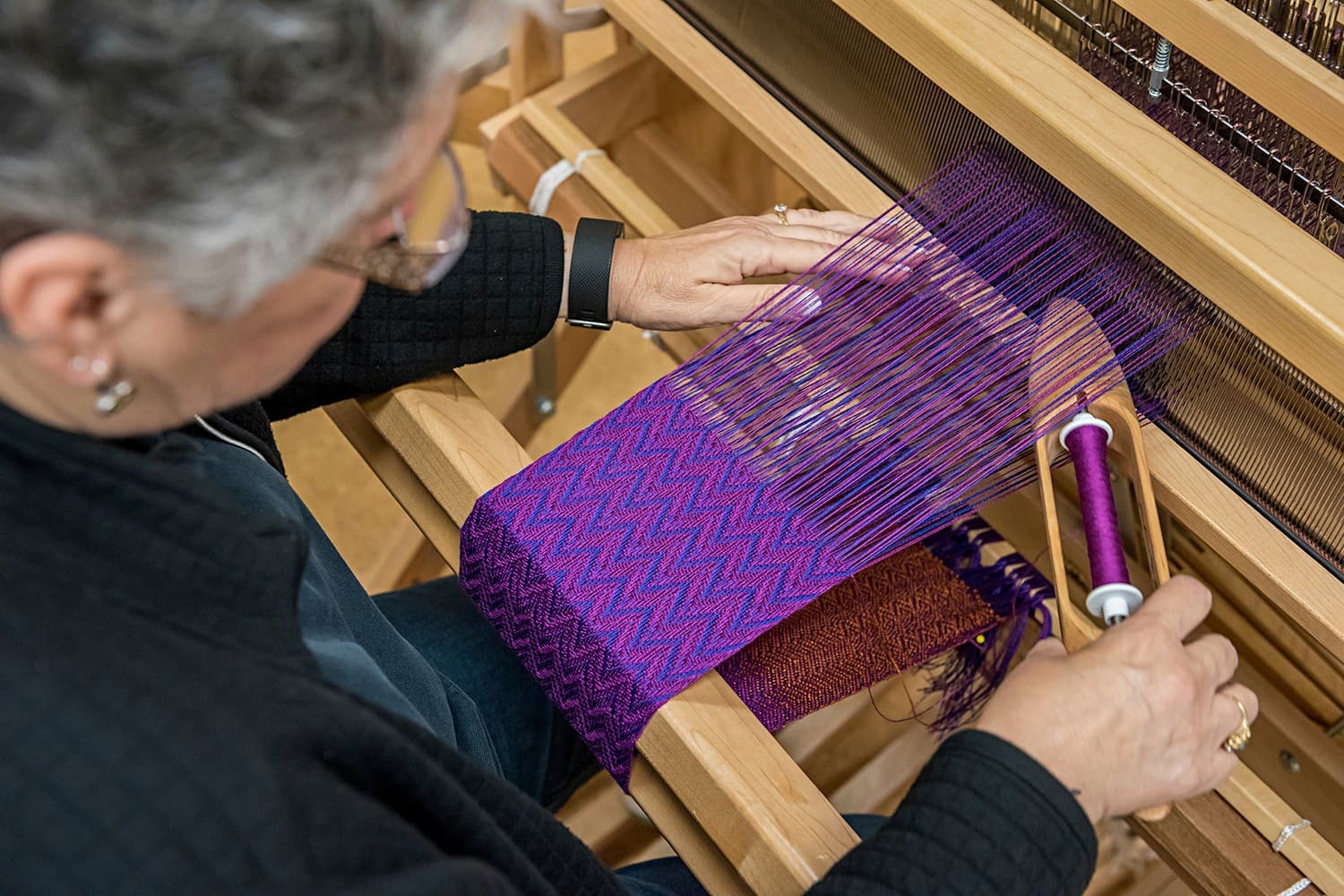
“People don’t just want to see a destination anymore. They want to leave with something.”
Postcards yellow. Fridge magnets gather dust. Those Hard Rock Cafe tees fade and shrink. Most travelers want to return from their trip with some sort of memento. But increasingly, the best souvenir isn’t a thing at all. It’s knowledge.
It’s part of a rise in what’s called skills-based travel, or skillcations: a trip centered around pursuing a new craft, hobby, or activity. Taking a class while traveling is nothing new, be it learning to cook in Italy or joining a tango lesson in Buenos Aires. But skillcations dive deeper. Instead of one-off classes or excursions, these types of trips are often specifically planned around learning a new skill. The vacation serves as an opportunity for personal growth and improvement. They allow travelers to feel more connected to destinations, better immerse themselves in the culture, gain confidence, boost creativity, and come away with a new piece of knowledge.
“People don’t just want to see a destination anymore,” says Yves Marceau, Vice President of Product for G Adventures. “They want to leave with something — a skill, a connection, the joy and education that comes from participating in the daily routine of a community.”
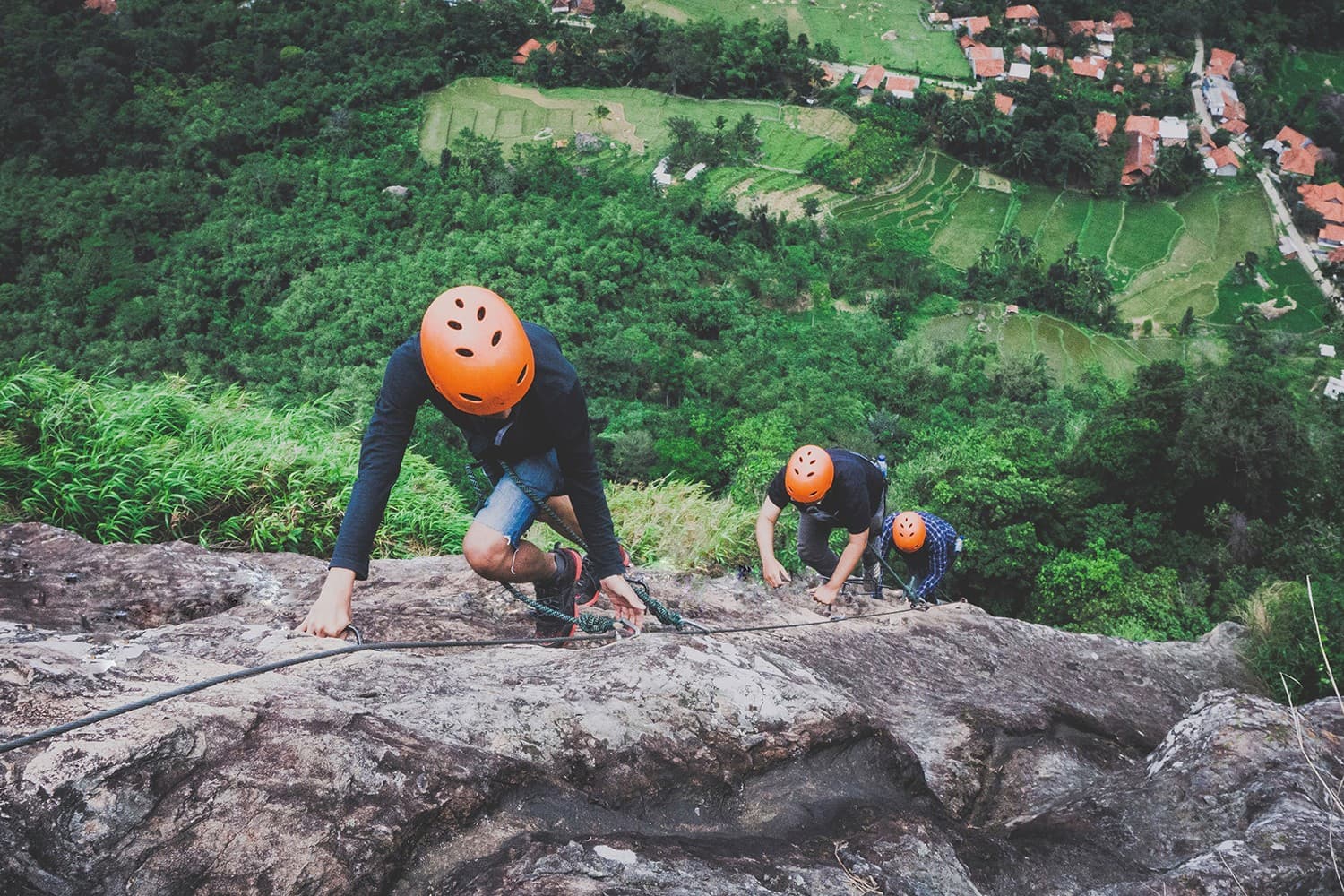
Outdoor adventures are a popular form of skillcation. Courtesy of Pexels
The Rise of the Skillcation
Skill-based travel is the latest wave of an evolving travel movement centered around connection and immersion. First there was experiential travel, then slow travel; now, there’s the skillcation.
According to Future Partners, 39% of travelers are interested in taking a skillcation. They’re also willing to pay nearly $7,000 more than other types of travelers. Hilton’s 2026 Trends Report found that 72% of travelers want to use their vacations to pursue hobbies and skills. An IHG Hotels & Resorts survey further verifies that demand is on the rise. Eager for organic, personalized experiences, millennial and Gen Z travelers have been largely leading the charge.
It’s not wholly a new trend; the outdoor adventure sector has been luring travelers across the world for centuries. Adventurers have often had to travel to find the right conditions for a particular activity. Someone looking to learn bushcraft or wilderness medicine would need to travel to a remote forest far from civilization. An aspiring mountaineer would head to the Andes or the Himalayas. But with the current movement, cultural exchange is the focus.
Naturally, this type of travel thrives in boutique settings and small-group trips. Thread Caravan specializes in tours centered around the crafts of specific areas, like the alpaca wool textiles of Peru’s Sacred Valley or Jaipur’s block printing trade. But larger tour operators can also curate packages geared toward the skills-based traveler set, like G Adventures’ Local Living experiences. Many hotels also have packed activity rosters for workshops in everything from falconry to baking.
Just as there are many types of skills, there are many types of skillcation, like knitting retreats in Iceland and tile-making in Portugal. These skills are often deeply connected to their place of origin. Economically, skillcations benefit destinations as well; the experts and artisans offering these activities are able to expand their business opportunities and keep money directly in their communities. It’s also a way to preserve traditions and practices and share treasured customs with visitors.
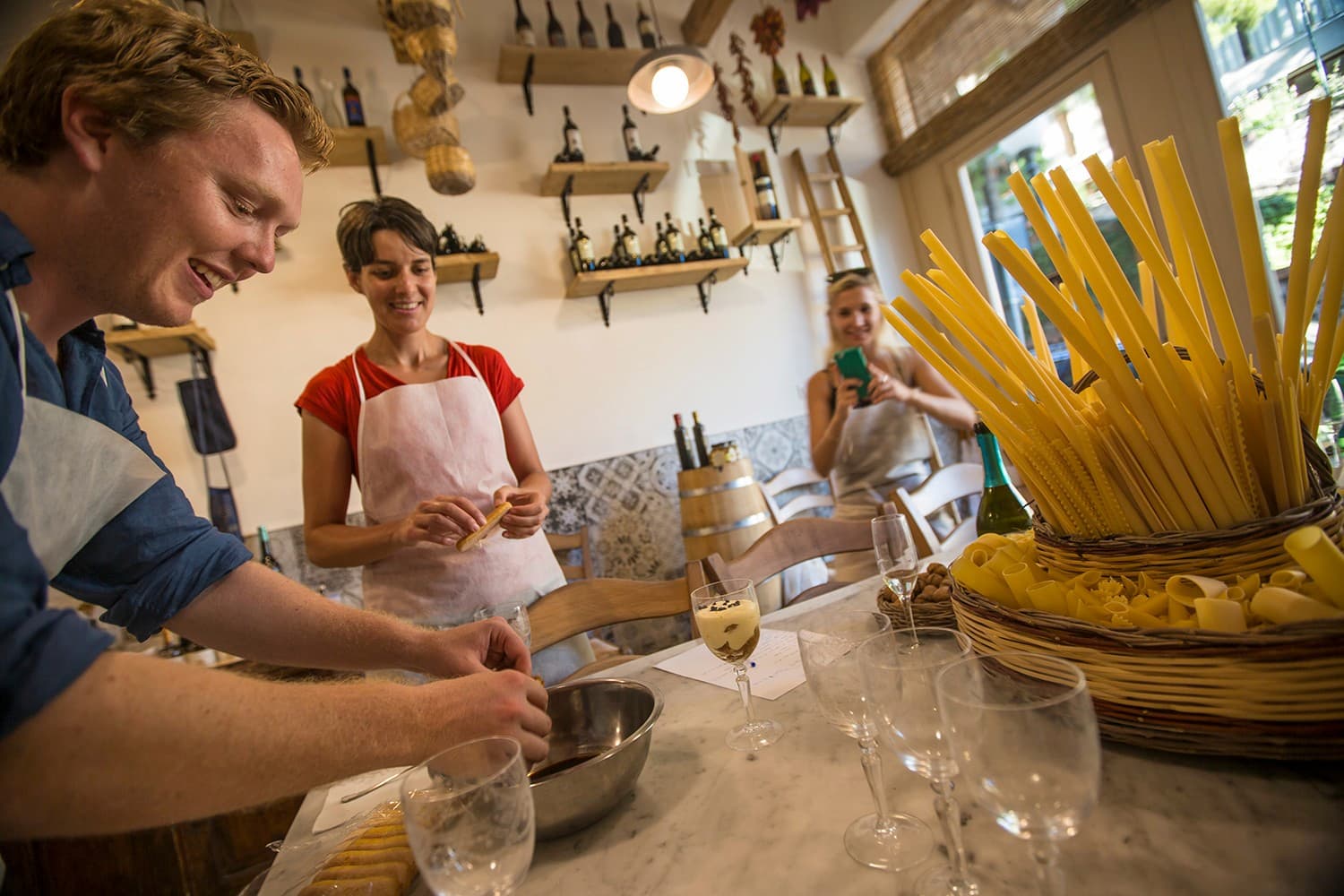
Learning a new recipe in a different country is a popular skill-travel activity. Courtesy of G Adventures
Cooking Up New Skills
It’s safe to say that many travelers follow their stomachs when it comes to reasons for travel. Culinary tourism makes up an estimated $19 billion worldwide, and it’s one of the most popular forms of skillcation. According to the IHG Hotels & Resorts survey, 37% of those polled wanted culinary learning to form the bedrock of a trip.
Apart from dining at restaurants or going for wine tastings, taking a cooking class is one of the top ways to discover regional cuisines. From pasta-making in Italy to mastering pad thai in Thailand, cooking classes improve kitchen chops and impart new recipes and techniques for participants to take home and continue honing.
Many cooking classes also now include the chance to learn more skills, like foraging or fishing. These add-ons help travelers forge that important connection between what they’re eating and where it comes from. In Charleston, South Carolina, visitors can see what goes into harvesting the Lowcountry’s famous blue crabs by taking a crabbing class. Tia Clark’s Casual Crabbin’ Airbnb Experiences take guests out to tidal creeks to fish for crabs the traditional way with lines and nets, supplemented by stories of coastal history and background on the ecosystem. At the end, guests take their catches home or to cook-to-order restaurants to enjoy. In Asheville, North Carolina, No Taste Like Home leads guests on three-hour foraging tours through the Blue Ridge Mountains, ending with a tasting of the collected bounty.
Staying on working farms, like Puerto Rico’s El Pretexto or South Africa’s Babylonstoren, lets travelers go even deeper. In addition to the standard cooking classes and tastings, guests can take part in foraging, beekeeping, butter-making, or animal husbandry.
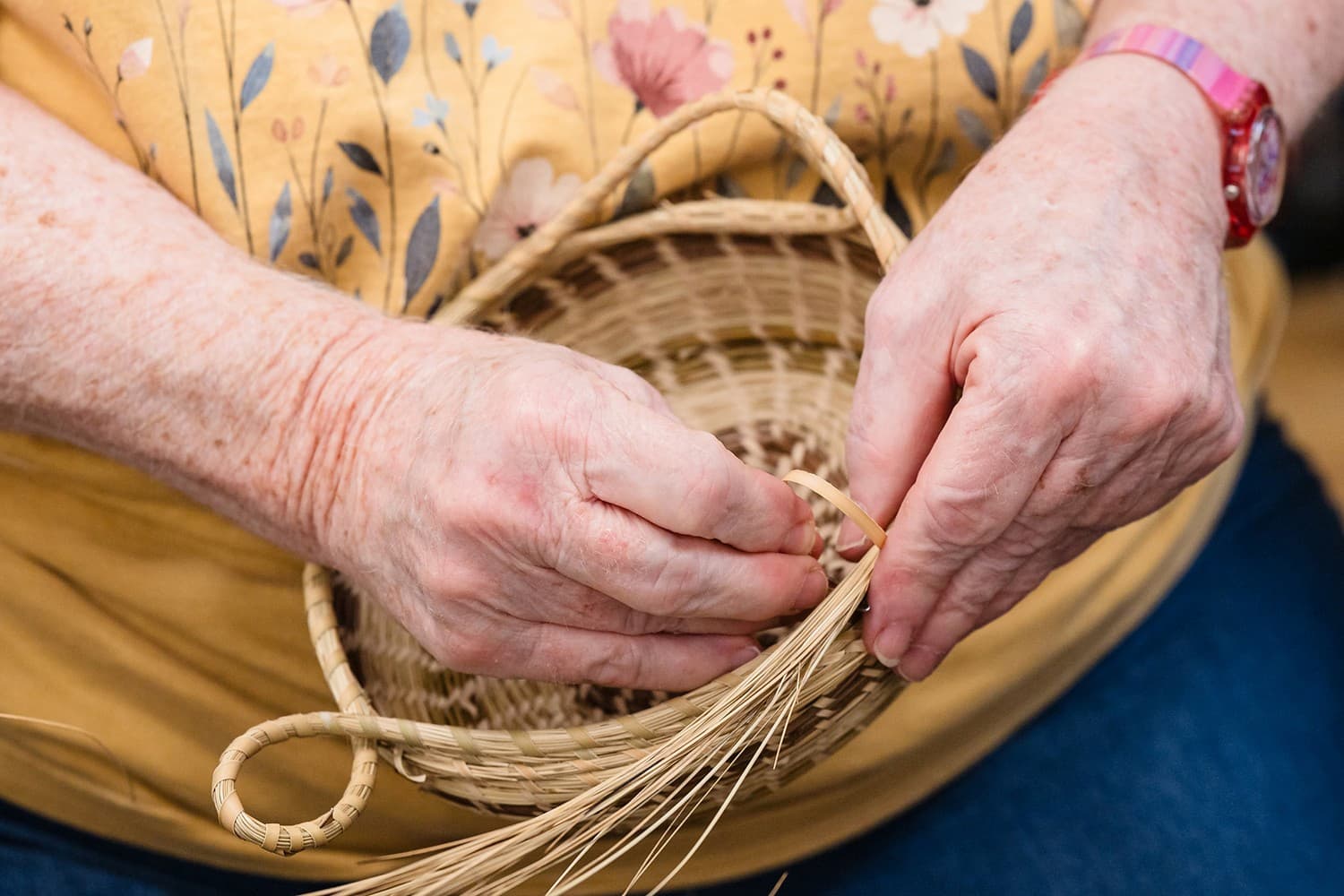
Basket-weaving is one skill travelers can learn on skillcations. Courtesy of John C. Campbell Folk School
Mastering a New Craft
Each part of the world has its own craft traditions and trades: weaving, woodworking, ceramics, singing, dancing. It used to be that travelers would just grab a woven basket or piece of pottery to take home as a souvenir, maybe watch a demonstration. That was the full extent of their interaction with local tradition. Now, more travelers want to try these practices themselves and will travel across the country or world to learn from the masters.
Travelers to Ireland can embark on knitting tours, meeting the sheep whose wool they’ll use in their own creations. More than just knitting, participants learn all the different aspects of Irish fiber arts, from spinning and dyeing wool to knitting traditional patterns. A trip exploring Japan’s ceramics heritage can include workshops led by expert potters, learning ancient techniques and forms in their place of origin.
On U.S. soil, the South and Appalachia are two prominent destinations to connect with homegrown Americana crafts and traditions.
At Bill Oyster in Blue Ridge, Georgia, there’s a years-long waiting list to learn how to craft the rod maker’s signature bamboo fly fishing rods. Workshops last six days, and those lucky enough to snag a spot go home with their own rod and the knowledge to replicate them. In Marion, Virginia, travelers seek out Wayne Anderson at his namesake Appalachian arts school to learn how to make guitars from the famed luthier and staff during weeklong intensives. Folk schools like Arrowmont School of Arts and Crafts in Gatlinburg, Tennessee, and the John C. Campbell Folk School in Brasstown, North Carolina, focus on preserving Appalachian traditions such as quilting, metalsmithing, and social dancing.
“Students come to the Folk School from around the corner and from around the globe,” says E. Lane Gresham, the Campbell school’s advancement director. “Our demographic skews toward 55 and older, but we are seeing an increase in younger people coming to the Folk School for the first time.”
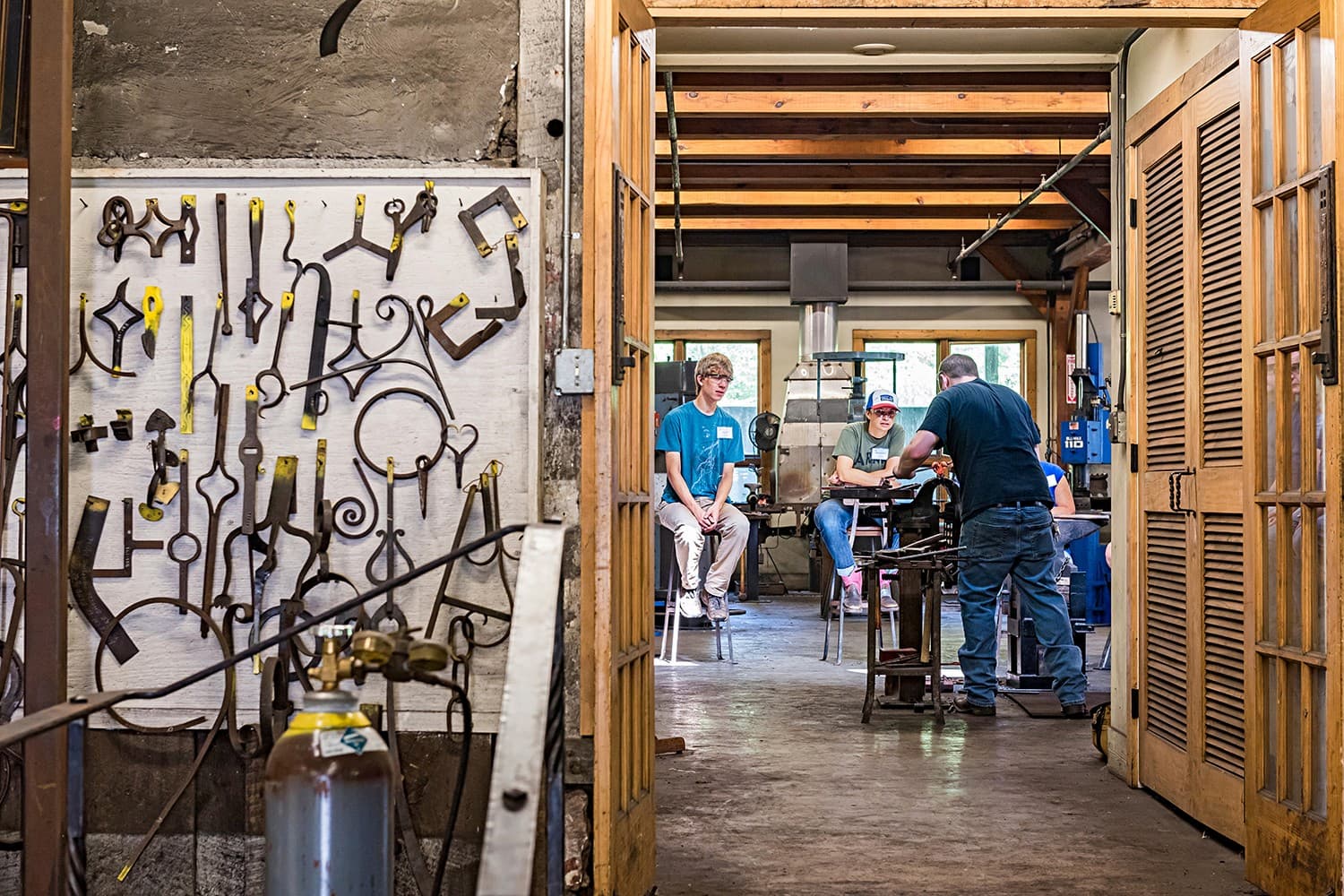
Students learn blacksmithing at the John C. Campbell Folk School. Courtesy of Visit NC
Education on Vacation
Travel has long been a vehicle for personal growth. With skillcations, that growth takes the form of concrete expertise and knowledge one can enjoy for years to come. They’re a way to learn by doing, face fresh challenges, and connect with people and cultures from other parts of the globe.

Caroline Eubanks is an Atlanta, Georgia-based Lowell Thomas award-winning writer and author of This Is My South: The Essential Travel Guide to the Southern States and A Boozy History of Atlanta: People, Places & Drinks that Made a City. Her work has appeared in Lonely Planet, the Chicago Tribune, Architectural Digest, the Washington Post, and VinePair. Follow her travels in the South and beyond (plus lots of dog photos) on Instagram at @cairinthecity and through her website.
North Stars: Community Support, Gender Equality, Heritage Value
More Stories
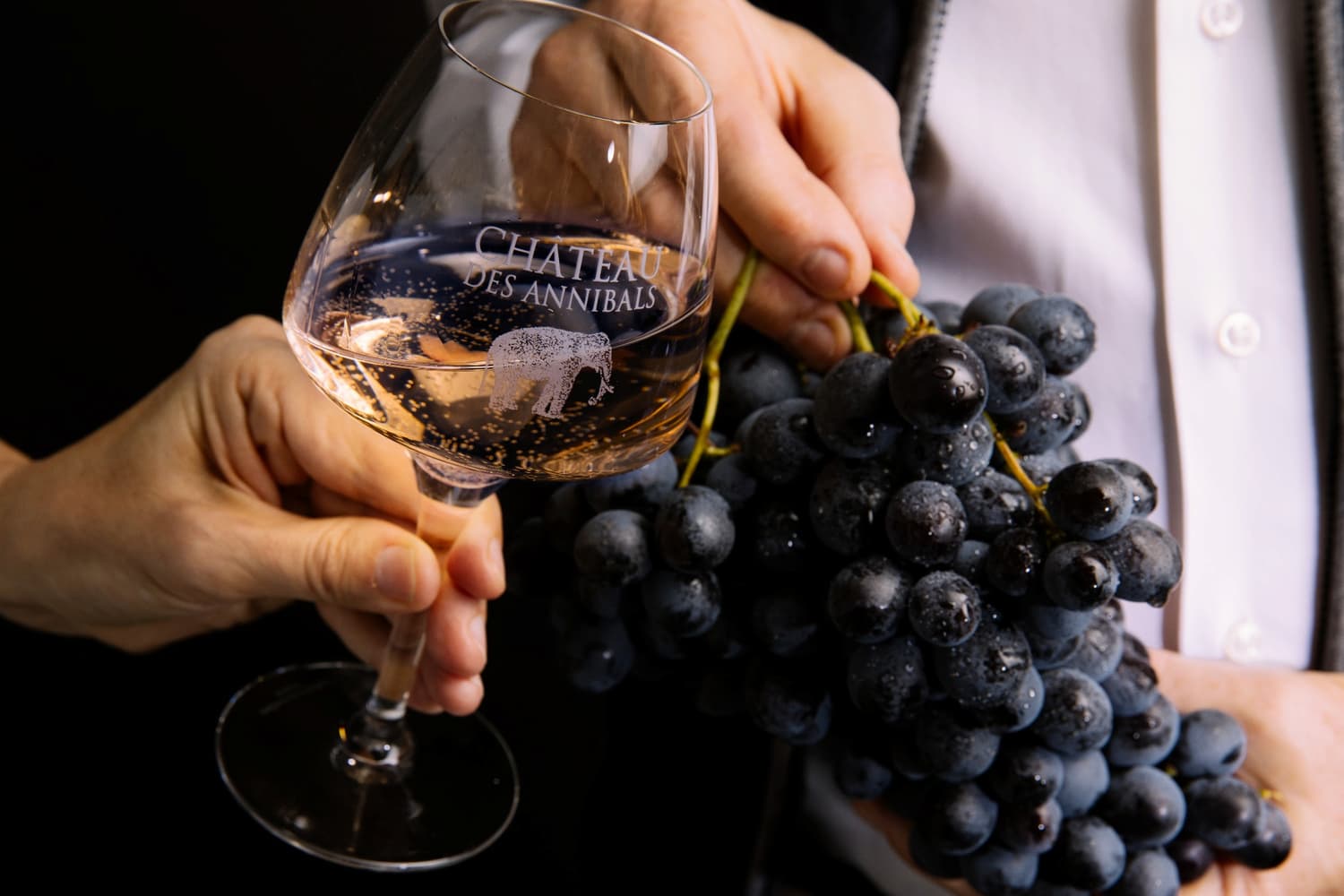 CULINARY, DRINK
Get to Know the Producers Behind the J.P. Bourgeois Portfolio
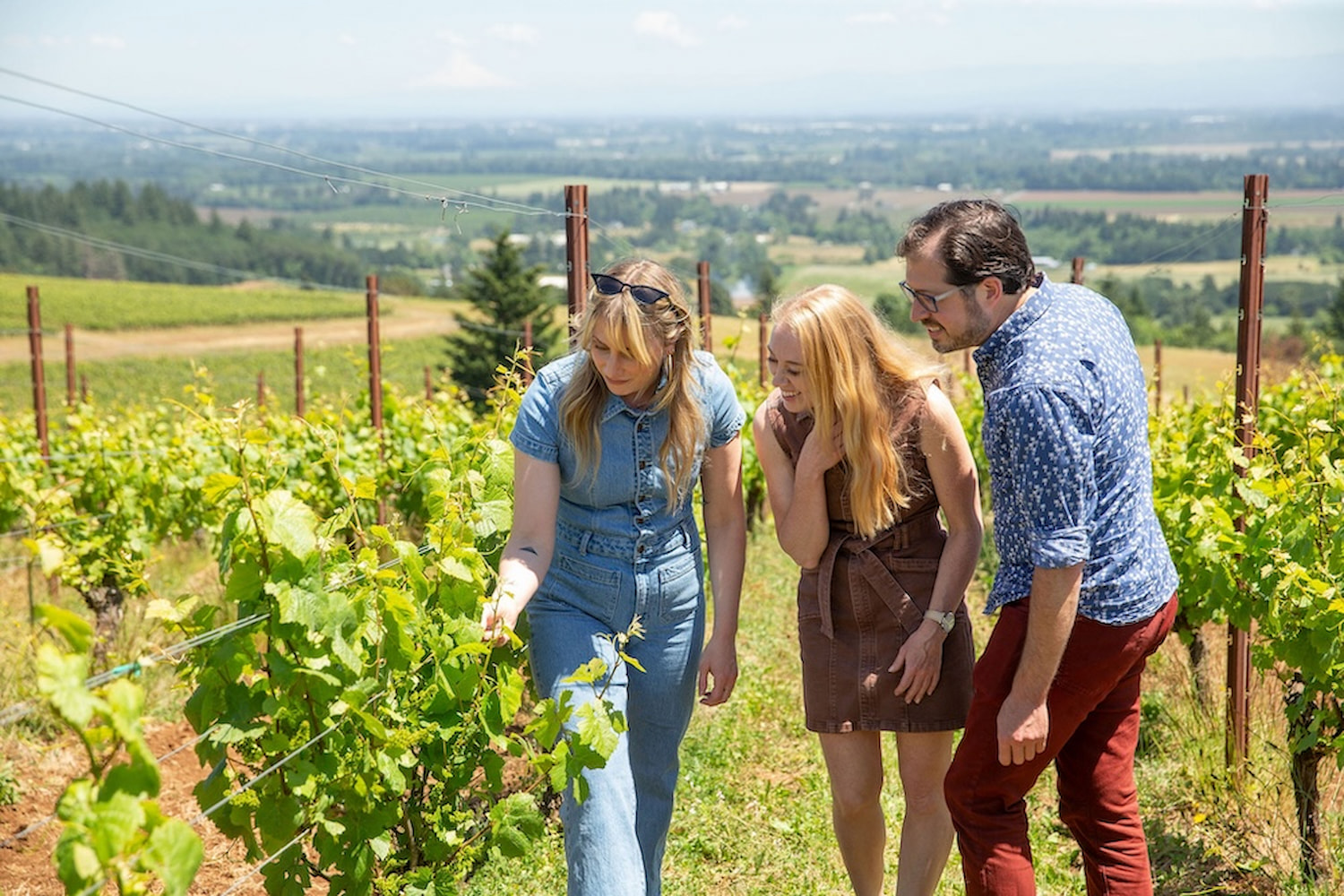 CULINARY, DRINK
Where to Taste Wine in Willamette Valley
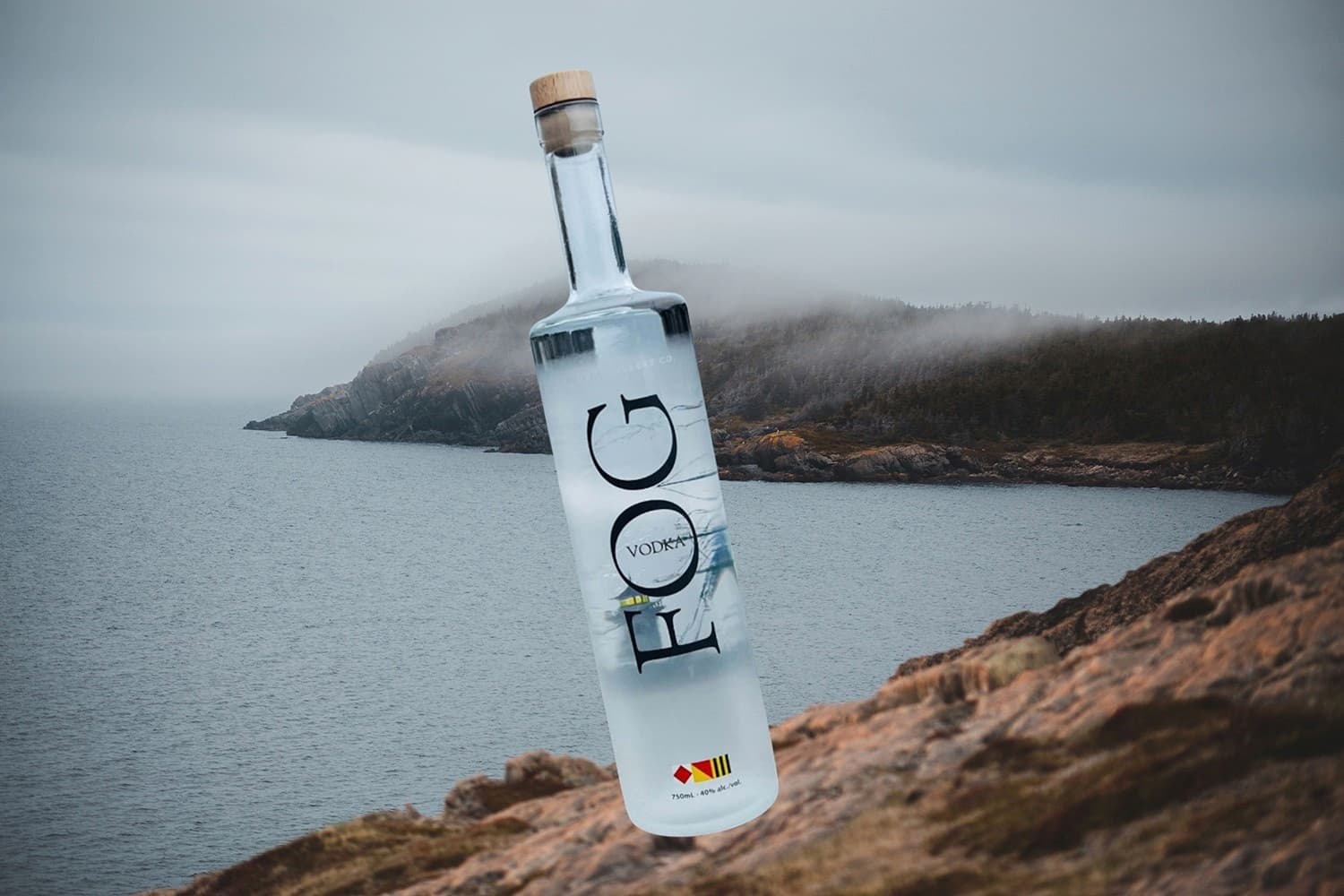 DRINK
DRINKMeet the Distillery Making Vodka From Fog
 DRINK
DRINKSake’s Next Step: How Japan’s Rice Wine Is Evolving
 DRINK, HOME
The Buzz on InFizz: Breville’s Carbonator Elevates Sparkling Water