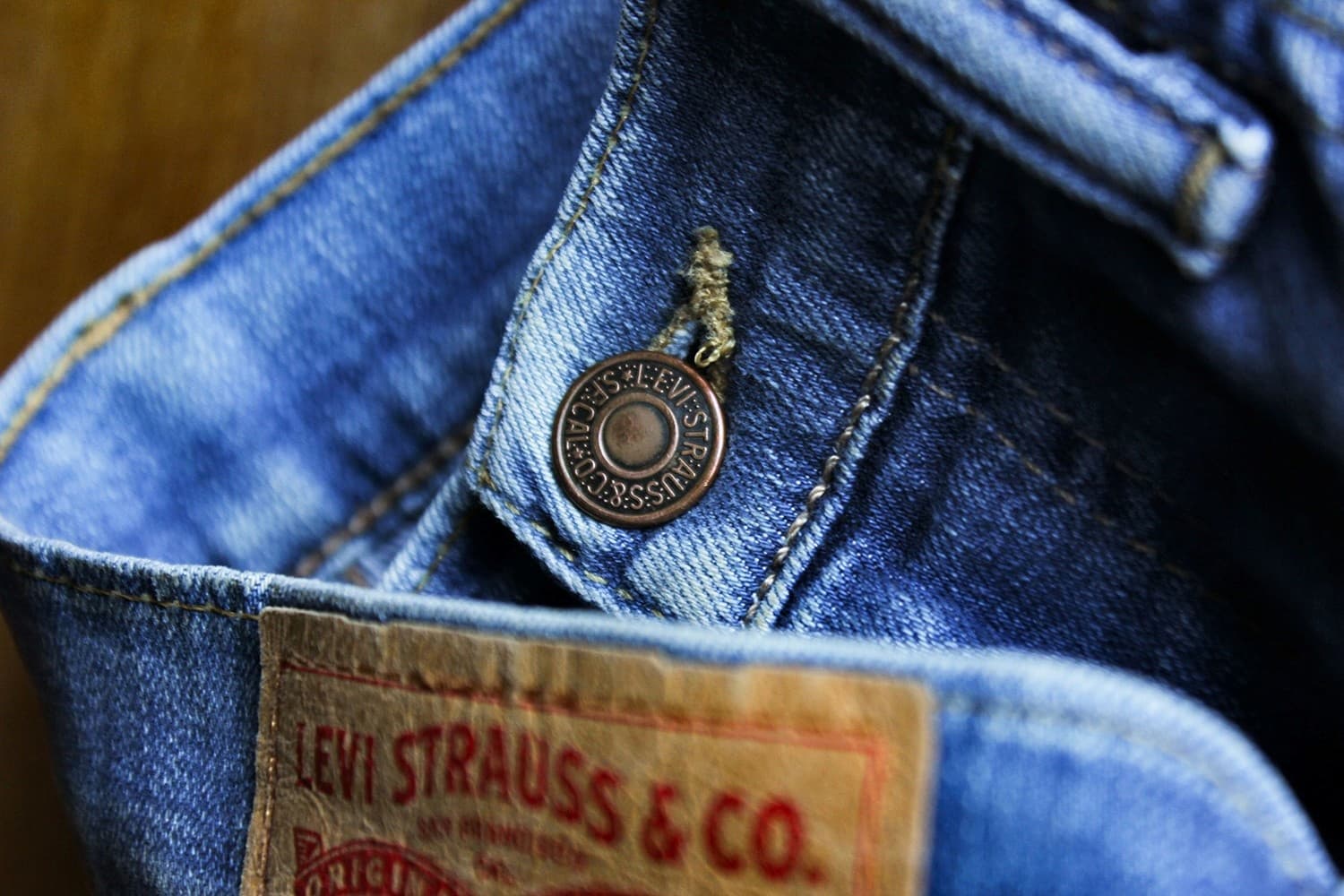
“As a term, sustainability has become problematic.”
For a moment, the word “sustainable” was everywhere. Now, not so much. After dominating brand marketing for the last decade or so, this green, eco-friendly buzzword isn’t as prevalent or bandied about as it used to be.
Instead, a selection of carefully curated replacement terms seem to have taken its place. Items are now touted for their durability or craftsmanship credentials. Repair, traceability, quality, stewardship; these terms have all come into play with more frequency.
But what does this shift from using the word sustainable actually indicate? Are brands still putting in the work, or stepping back from environmental pledges? Are consumers burned out on this once-ubiquitous buzzword? Is this shift in language good or bad for the world of eco-friendly consumerism?
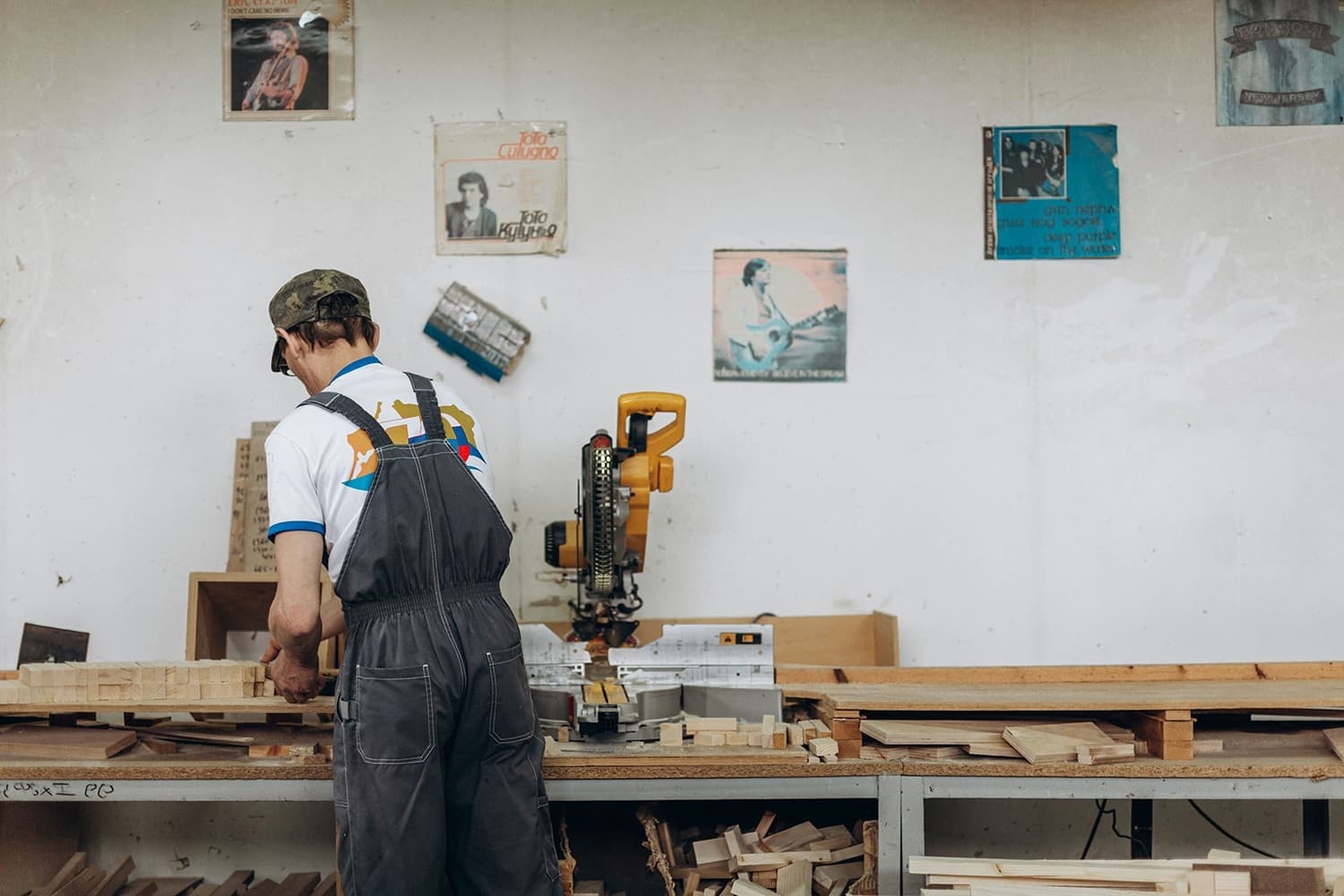
Inside the craftsman studio, where items are made to last. Courtesy of Yura Forrat.
What’s in a Name?
On the surface, some of these changes in language might be symbiotic with existing sustainable claims. If a garment is marketed as sustainable, you’d like to think that it’s also durable and will last a while. Or, that its materials can be traced back to their source.
However, the shift to specificity and away from the general “sustainable” umbrella term is an interesting one, linguistically and in terms of branding.
As a term, sustainability has become problematic. It’s so huge, so vague, and can be applied too liberally. That’s exactly why greenwashing has become so prevalent. As a result, consumers tend to be skeptical of sustainable claims at best.
If I were buying a pair of jeans labeled as sustainable, that could mean a whole host of things. They could be made using recycled materials. The seamstresses could be paid a sustainable and reasonable wage. The company could use electric transportation. The company gets the cachet of being mindful, but in practice, that sustainable claim could be flimsy, with no real impact. Ambiguity offers protection.
However, terms like durable, quality, or craft have more specific definitions and connotations. When you look at these terms, you understand how they would apply to manufacturing, branding, and marketing. If I buy jeans marketed as durable with repair guarantees, I know they’re built to last. I won’t have to replace them if they wear through, unlike many fast fashion items.
A move to more specific language around sustainability makes a brand’s intentions and claims clearer and easier to prove and also, disprove.
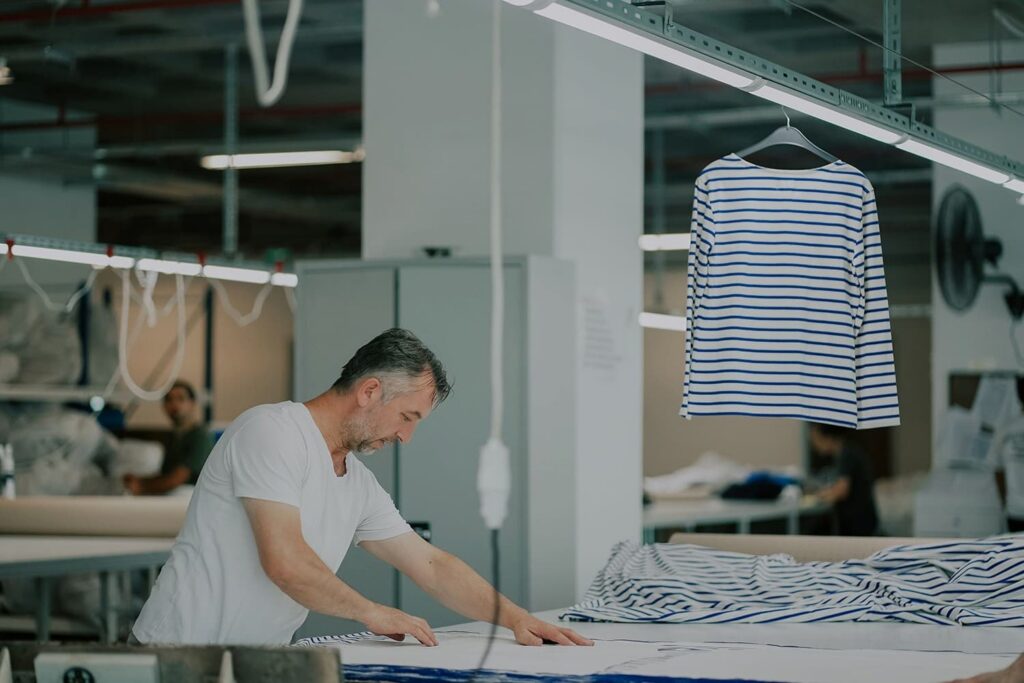
“Craft” and “quality” are taking off as new signifiers of sustainability. Courtesy of Taha Balta.
Which Brands are Shifting Their Language Usage?
With this in mind, which brands are we seeing embrace this more specific language around sustainability and right to repair?
Numerous brands utilize the platform TrusTrace to promote lifecycle traceability in the supply chain. These include big-name enterprises like Adidas, New Look, ASICS, Hugo Boss, and ASOS.
Meanwhile, durability, craft, quality, and repair are often seen grouped together. Products designed to be durable, like those from outdoor brands like Patagonia, Osprey, Finisterre, Carhartt, and Big Agnes, also tend to have repair programs. They pride themselves on their craftsmanship and the quality of their garments. With these repair programs and excellent warranties, they project faith in their products, trusting the items won’t need fixes very frequently.
Even fast fashion has been trying to be more transparent about their practices. Primark, the notorious fast-fashion brand, recently released a Durability Framework for its products. At its core, every machine-washable garment has to go through wash-testing up to 45 times to ensure garments maintain their shape and wearability. Even though that requires a significant amount of water usage during the manufacturing process, it shows that the brand wants to make apparel built to last longer. It’s a step in the right direction and shows intent, but Primark remains a pillar of fast fashion.
It’s a double-edged sword, as companies attempting to uphold sustainability practices in one area may fall flat in another. Take TrusTrace, for example; the site champions its AI-powered platform. With ongoing controversy over the environmental and social impacts of AI, some customers may feel that use of such a platform undercuts a company’s other eco-conscious efforts.
Sticky Stewardship
When it comes to the term stewardship, things get a little tricky. Out of all the terms we’re seeing, stewardship is one of the hardest and most abstract ones to quantify for brands and consumers.
In Merriam-Webster, stewardship’s definition is “the careful and responsible management of something entrusted to one’s care.” Just like sustainability, that’s an extremely broad category that could apply to anything from an ecosystem to human workers.
So it falls to companies to clarify their particular brand of stewardship. For example, Patagonia donates one percent of sales to grassroots environmental groups; its form of stewardship supports habitats and gives back to the planet. While valuable, it’s also on-brand; it aligns with Patagonia’s messaging that “the Earth is our only shareholder.”
Lush, Marks & Spencer, and Stella McCartney are other examples, each with its own stewardship values like use of cruelty-free materials for animal welfare or having carbon reduction goals for addressing climate change.
For companies touting stewardship as one of their buzzwords, it falls to customers to look a bit closer and see what specifically the brand is “stewarding.” Instead of general platitudes, look for names and numbers. These could be the names of organizations or programs the company partners with, or the amount of money donated or waste saved from landfills. Exact names and definitions create a stronger trail to know if the brand is walking the walk.
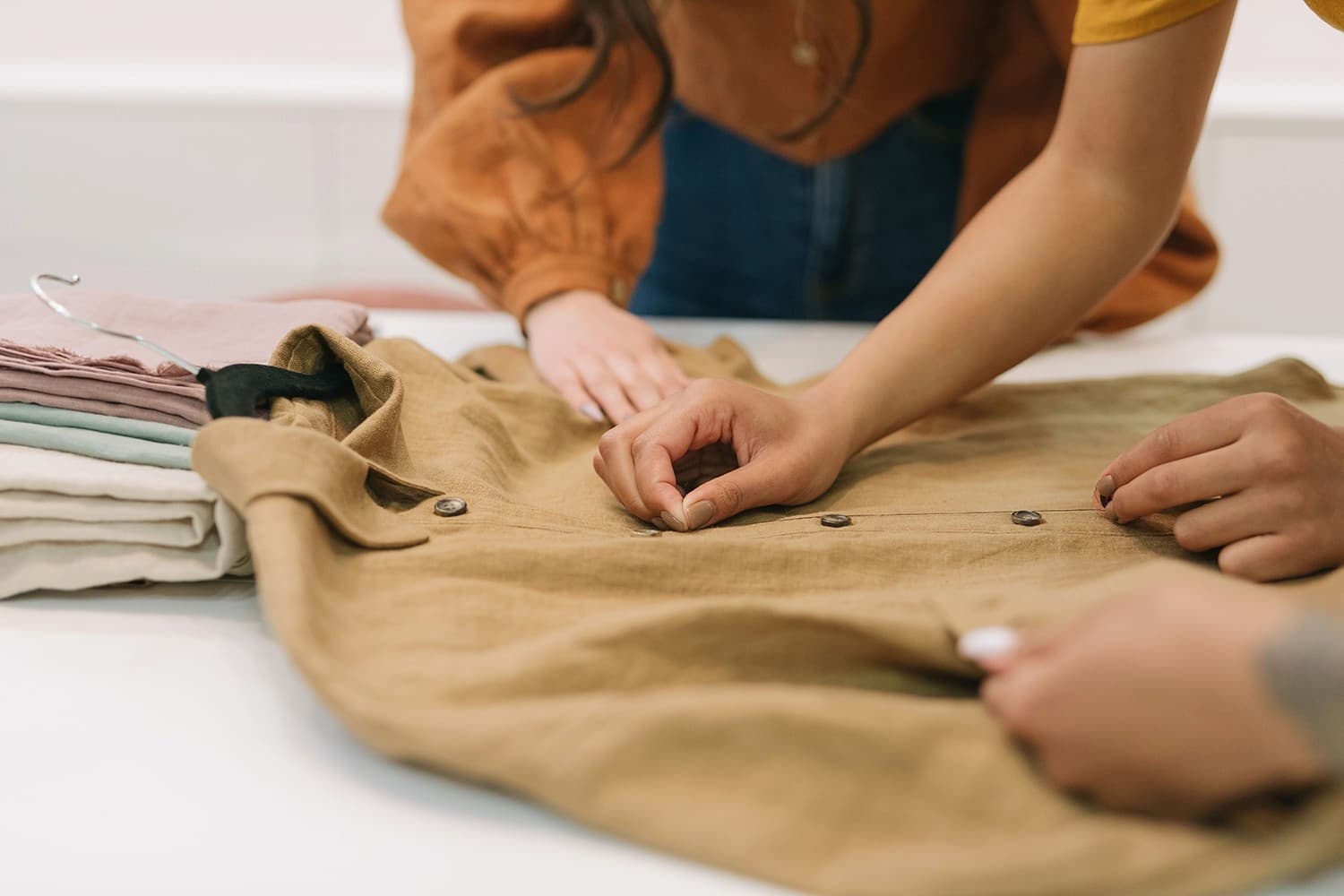
Nowadays, consumers want durability in their products. Courtesy of Thirdman.
Is This Branding or Actual Change?
As with all marketing and branding shifts, these changes can naturally prompt skepticism and cynicism. As much as consumers hope that brands getting more specific with sustainable language use marks a shift in behavior and intent, in many cases it’s likely more to do with marketing and backlash protection.
Greenwashing remains a massive issue: companies slapping on a green label or planting a tree on social media with one hand while contributing to the destruction of the environment or poor manufacturing processes with the other. In order not to get called out for general sustainability claims, brands have to get specific. While there are still nuances to claims around craft, quality, and durability, they’re more concrete concepts that we can see and appreciate.
Also, by highlighting durability and repair options, brands can increase prices, signaling to consumers that the product is higher-quality and will last longer. Does there need to be a disclaimer about the projected durability of an item, such as with Primark’s 45 washes? Durability to someone who works in an office versus durability to someone who works in construction is a very different proposition.
However, the shift from more abstract umbrella terms to something more tangible is a meaningful one. It helps us hold brands accountable. With the spiraling cost-of-living crisis, if we’re buying an expensive item, we want to know that it’s going to last. If it doesn’t, we can get it fixed without spending a fortune. These shifts in language help us pinpoint where quality lies versus greenwashing lip service.

Rebecca is a freelance writer specializing in budget and adventure travel. She can often be found searching for the best tacos and cannolis in a given location, or hiking and bouldering in new destinations. She has been featured in Lonely Planet, The Independent, Stylist Magazine, and Time Out Travel. You can find her writing about her own adventures and sharing budget-friendly, sustainable travel advice on her site, Wandering and Wine. Follow Rebecca on IG @Rebekkiie.
North Stars: Certifications, Energy Efficiency, Production and Consumption
More Stories
 CULINARY, DRINK
Get to Know the Producers Behind the J.P. Bourgeois Portfolio
 CULINARY, DRINK
Where to Taste Wine in Willamette Valley
 DRINK
DRINKMeet the Distillery Making Vodka From Fog
 DRINK
DRINKSake’s Next Step: How Japan’s Rice Wine Is Evolving
 DRINK, HOME
The Buzz on InFizz: Breville’s Carbonator Elevates Sparkling Water