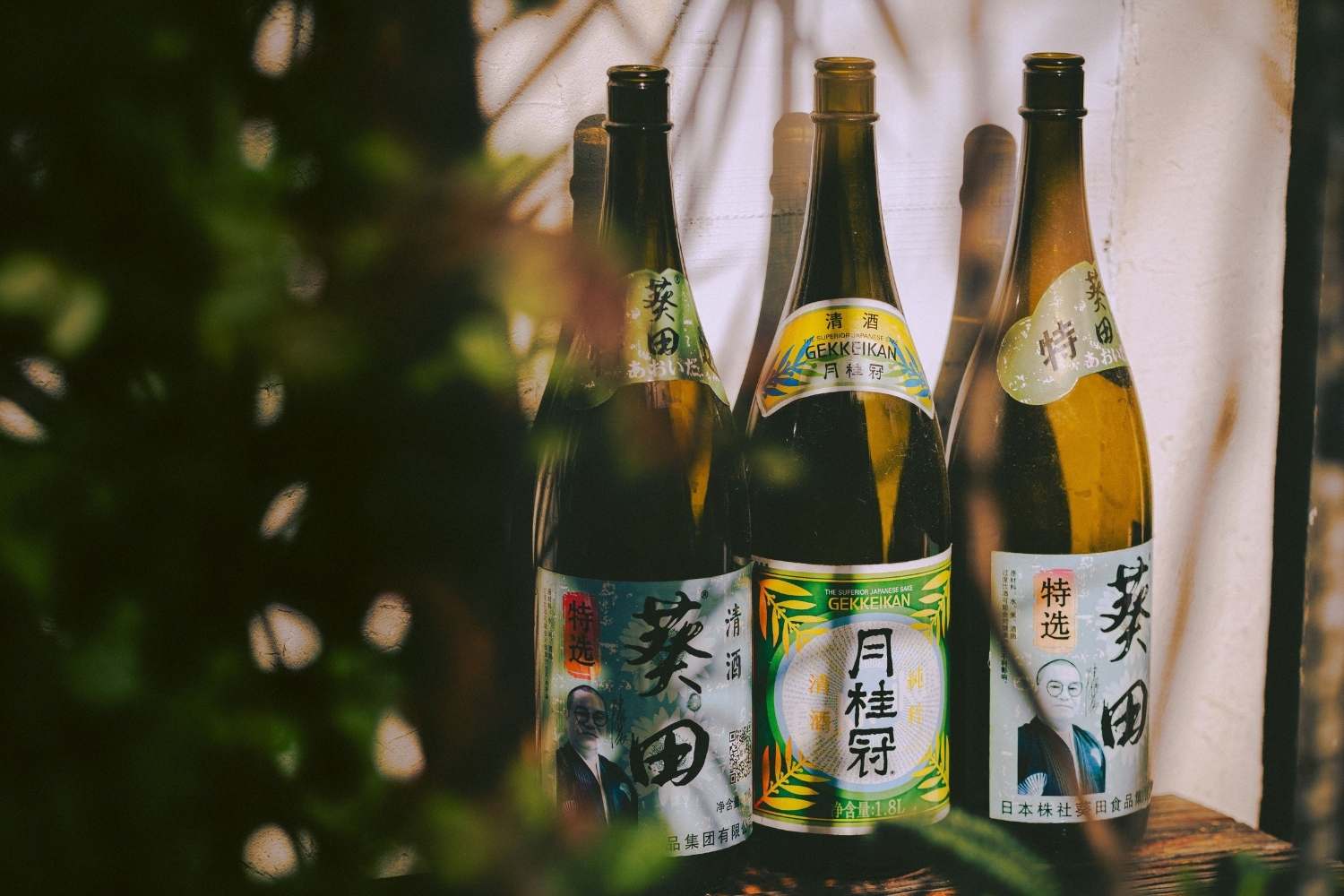
“Sake has changed so much. It’s constantly evolving.”
It’s a late summer day in northern Japan. Fans stir the warm air as I step into the cool, shaded entry of a cinderblock building. Following the crowds, I’m funneled upstairs into an enclosed walkway encircling a room of metal tanks. The air feels tangy; this is a space where fermentation works its magic. Informational signage lines the walls, walking us through the process of creating Japan’s signature, sacred libation: sake.
This is Tanaka Sake Kikkogura, a brewery in the town of Otaru on Hokkaido. Here, in Japan’s agricultural heartland, Hokkaidian rice and pristine water mix to become small-batch, artisanal sake. Thanks to the island’s cooler climate, it’s one of the few sake breweries in Japan that can make sake year-round instead of solely during the winter months.
Tanaka is old, dating back to 1899. But it’s far from the oldest. That distinction belongs to Sudo Honke; founded in 1141, the Ibaraki Prefecture-based brewery has the honor of being the oldest sake maker in Japan (as well as one of the oldest companies on Earth).
That timeline gives us a sense of just how integral and interwoven sake is with Japanese culture, and it goes deeper still, with Chinese texts referencing it as far back as the 3rd century.
From the depths of history, sake has become one of Japan’s gastronomic and cultural hallmarks. An estimated 1,500 breweries dot the country, creating a wide variety of styles: refined and premium daiginjo, cloudy nigori, aromatic ginjo. In 2024, sake brewing was even recognized by UNESCO as an Intangible Cultural Heritage practice.
Despite the trend stories circulating in the U.S., sake in its homeland is struggling. From shifting tastes to rising rice prices, the industry faces strong headwinds. However, a new wave of brewers wants to carry this storied beverage forward, some arising from unexpected corners.
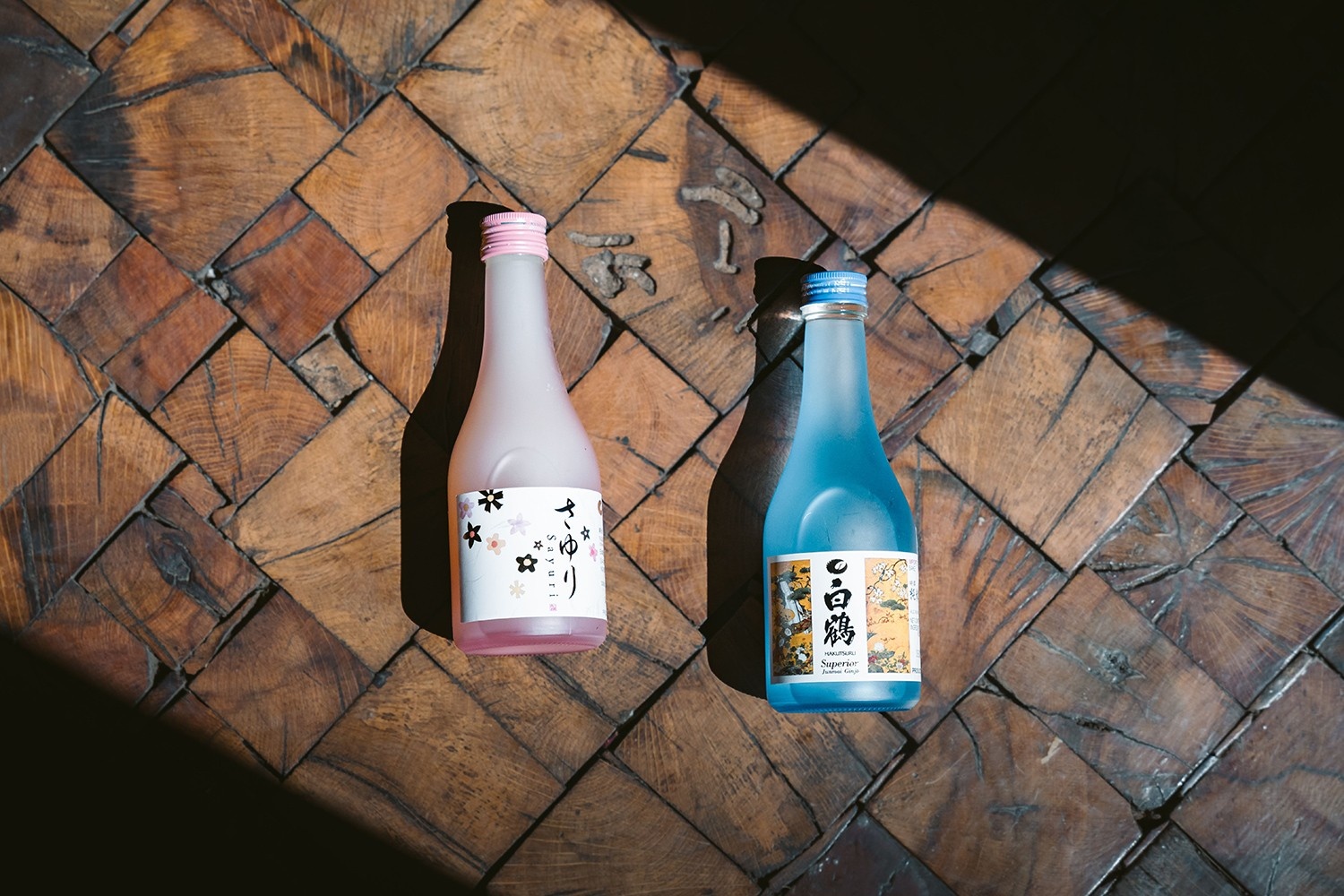
Craft Sake. Courtesy of Pexels.
Where Sake Stands Today
To many people, sake seems as quintessentially Japanese as cherry blossoms or sushi. It’s hard to imagine something so synonymous with Japanese culture being in jeopardy.
Japan’s sake consumption has dropped 70% over the last 50 years, leading to the closure of thousands of breweries. The reasons are manifold. Consumption among younger drinkers is dropping, with tastes shifting to other options. Older generations, who elevated the drink to a post-World War II heyday, are aging out. Poor harvests have led to rice shortages and spiking prices. Material costs have risen as well. Even climate change stands to impact the industry, as heat waves, strong storms, and inclement weather lead to agricultural loss. Consequently, quality drops. Since sake brewers work in the winter, shorter seasons or limited places suitable for brewing further hamper the industry.
“Sake is not very popular in Japan, it’s really fallen from grace,” says Nina Murphy, owner of Sunflower Sake, a sake bar and bottle shop in Portland, Oregon. “The entire industry is really struggling.”
“People aren’t drinking as much as they once did,” adds Eric Rath, a professor of history at the University of Kansas whose most recent book, Kanpai: The History of Sake, is the first English-language book on the subject. Beyond the global decline in drinking, Japan’s views on sake have also changed with new generations: “A hundred years ago, sake was it. That’s what you drank.” Then, tastes shifted to beer and other libations. “There’s a perception it’s an old man’s drink. It’s not viewed as a hip beverage.”
Restrictive regulations — the Japanese government hasn’t issued new licenses for sake breweries since the 1960s — and protective legal definitions have played a role in protecting sake’s heritage while, ironically, stifling growth and innovation. But changes are afoot, both at home and abroad.
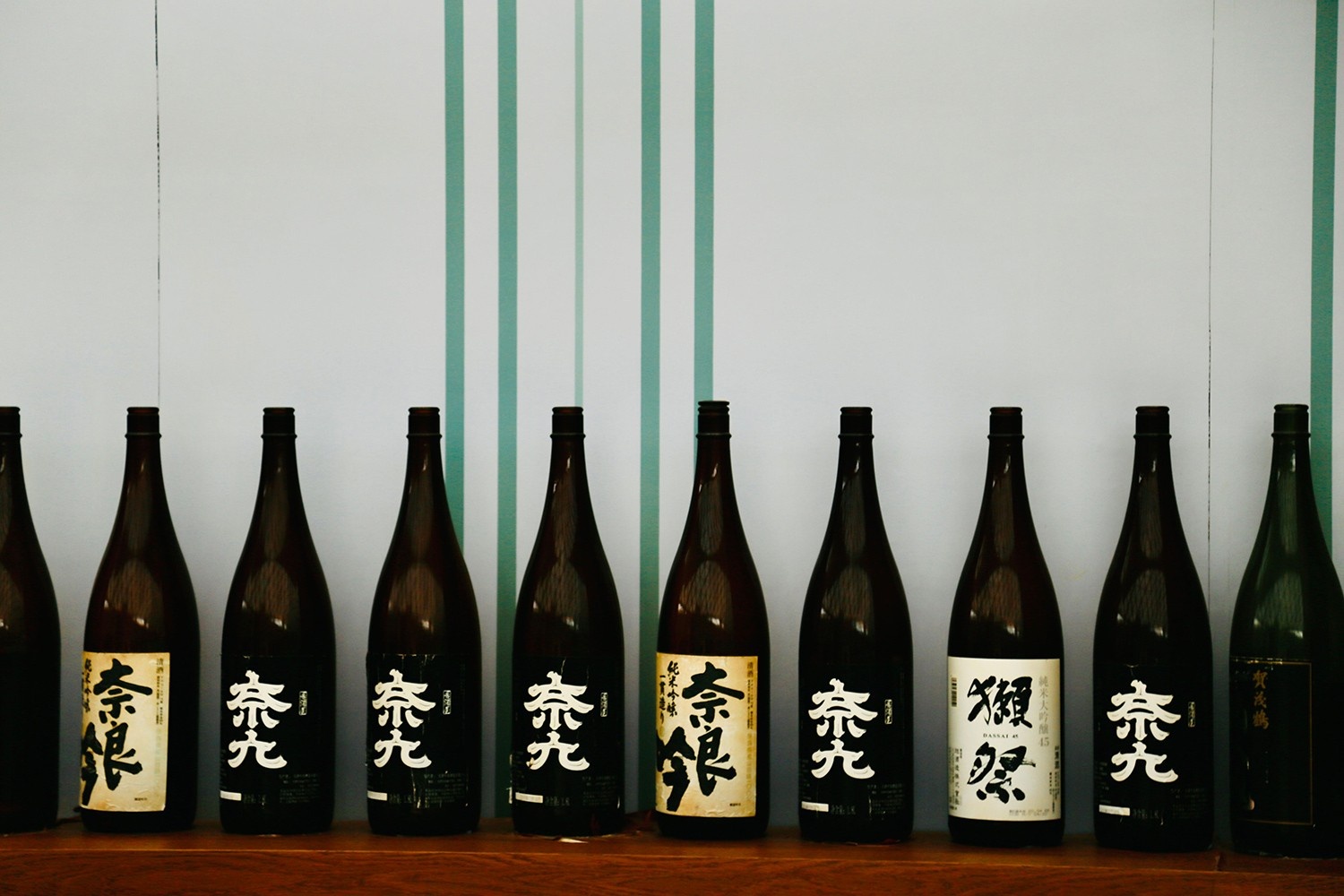
Sake bottles on wall in Japan. Courtesy of Pexels.
The Future of Sake Is Female
One major shift: women stepping back into the brewery. Once considered taboo, women have become more involved in sake brewing in recent decades. But rather than a new start, it’s actually a return to form.
In the early days, women were some of the most important figures in sake production. It’s believed that women attendants at Shinto shrines invented early versions called kuchikamizake by chewing rice, spitting out the mixture, and allowing it to ferment. They made sake for the home and even worked in breweries during the Heian period.
But then, during the Edo era, as Japan modernized, men forced women out of breweries. The reasons range from superstitious beliefs and cultural attitudes to arguments about the work being too rigorous and difficult as the industry and demand grew.
“When sake was a household task, it was women’s work,” says Murphy. “It was part of home and part of ritual. When it became a commodity, then it became men’s work.”
More and more, women have been carving out a new niche. Currently, there are 33 women toji in the Toji Guild Association, which has a membership of over 1,000 breweries. The change started after World War II and continued throughout the latter half of the 1900s, as breweries struggled to find workers and interest.
“They’re [breweries] desperate for labor. They’re desperate for young entrants. They are desperate for new perspectives, new ideas, energy of any kind. The ones that do and are willing to welcome in that new blood and new ideas are the ones that are thriving,” says Murphy.
While she stresses that women still face stigma and sexism, she says that the trailblazing women of the last century helped reopen the world of sake to women. “That generation did that work, and now this next generation gets to have more fun.”
Women brewers face low expectations in parts of the industry, but that cuts both ways. Eschewing standard stereotypes gives them freedom to experiment outside the norm. “There’s less pushback when you want to do something different,” Murphy notes.
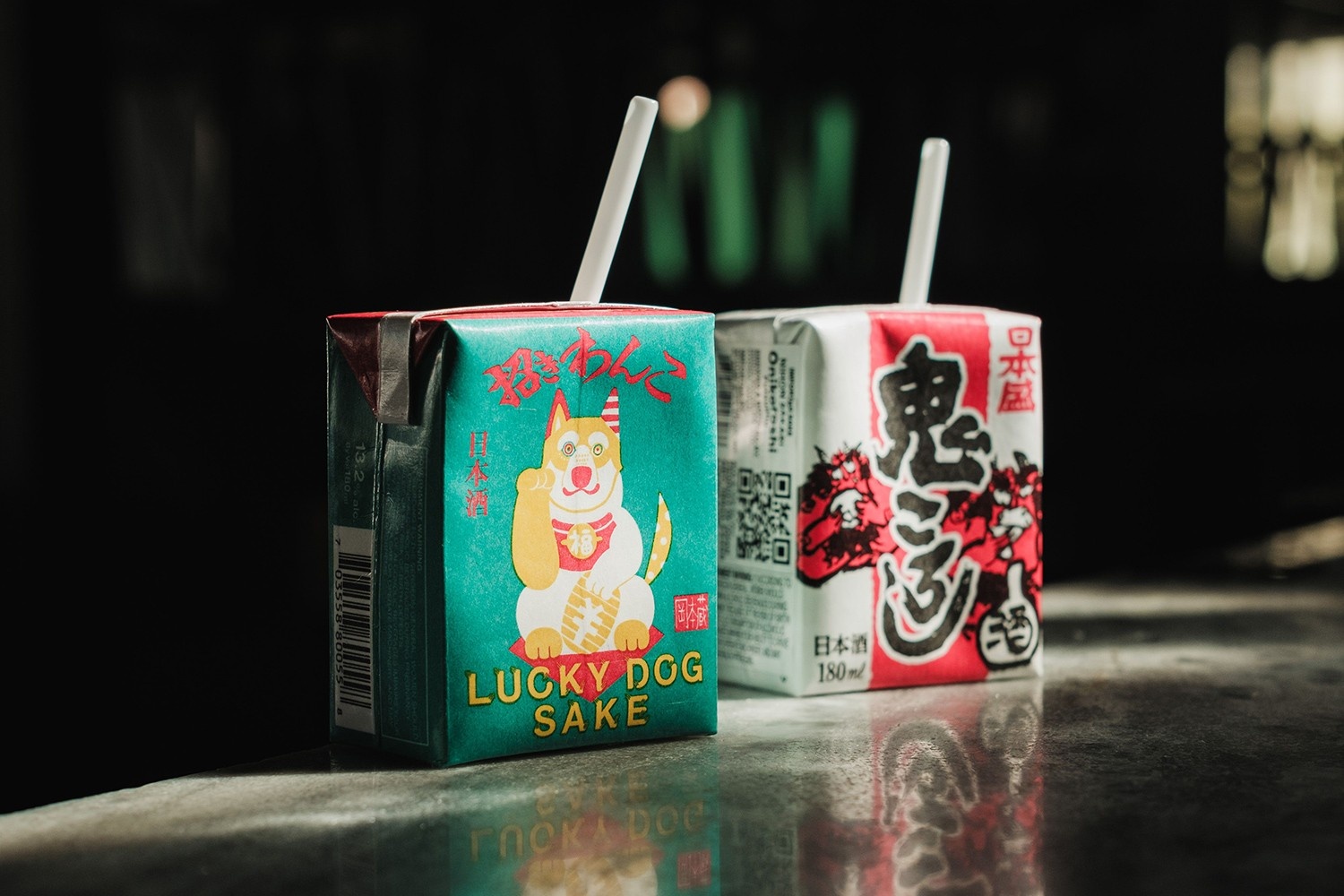
Sake in a box. Courtesy of Pexels.
Expanding the Styles of Sake
Strict legal definitions are another reason sake has stagnated in Japan. Like a Denomination or Appellation of Origin, Japanese law sets specific parameters for what counts as authentic sake.
“Sake is a really fixed recipe; it can only be rice, koji, water, and yeast. It’s really strict,” says Murphy. Given the lack of new licenses and strict brewing rules, brewers have had little room to experiment or adjust to changing market tastes. So some have started looking beyond the legal definition. “When it comes to adding any other ingredients like herbs, spices, hops, even not filtering it…that’s a legal gray area.”
Because licenses for non-traditional or experimental sake are far easier to obtain, younger brewers, many women, have shifted into craft sake. Unlike the Western definition of a craft beverage — small-scale over mass production — craft sake is defined in Japan as a style of rice alcohol that uses traditional production means but deviates by using extra ingredients, flavorings, or methods that fall outside the legal definition.
“You’re getting a lot more creativity because the recipe’s out the door. You can add whatever ingredients you want. You make sake that’s inspired by recipes from a thousand years ago…There’s more room for personal expression,” says Murphy.
While it cannot be legally called sake in Japan — instead being classified as “other brewed alcohol” — these drinks allow rice alcohol, both in Japan and abroad, to find new audiences.
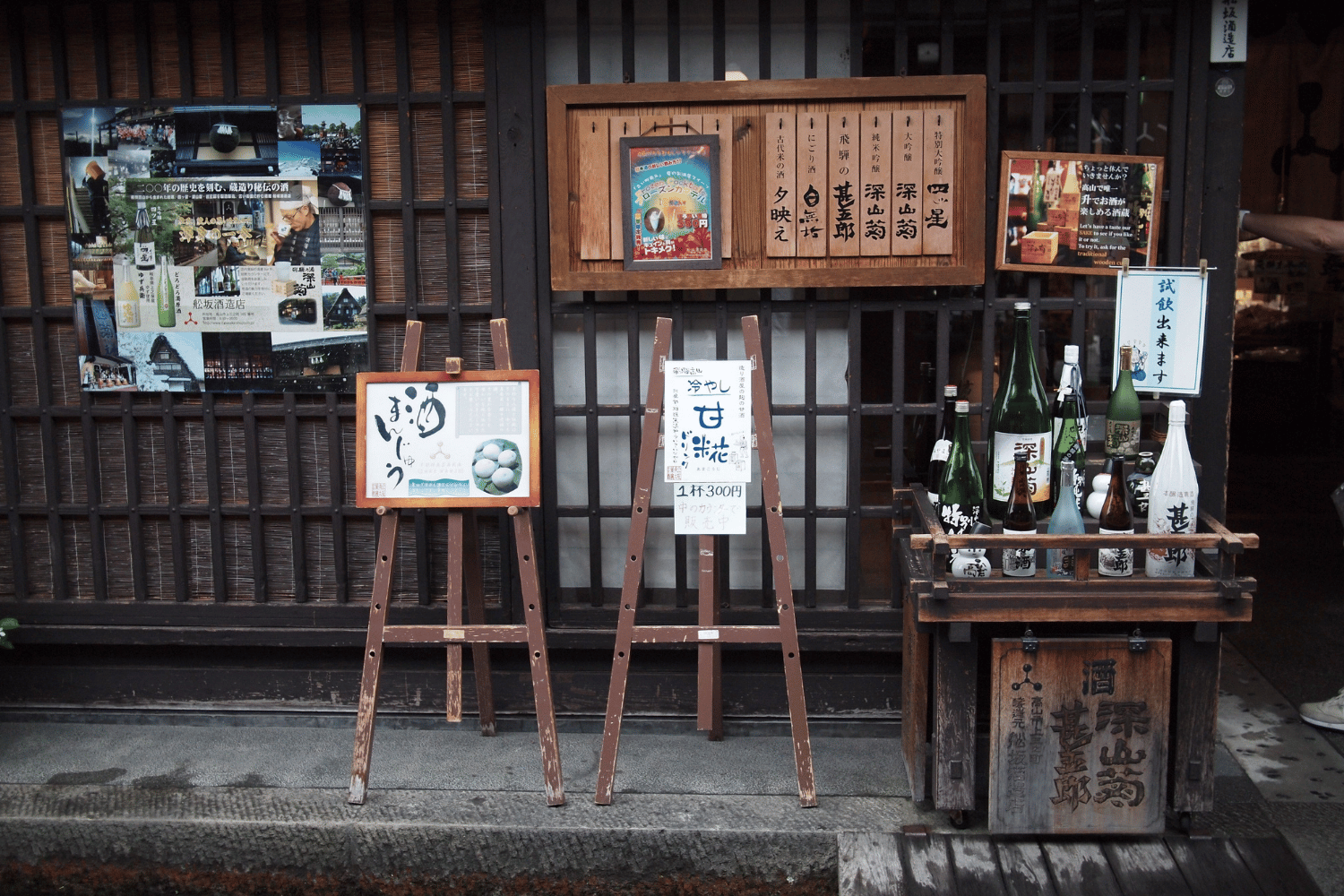
Sake bar in Japan. Courtesy of Pexels.
Sake Stateside and Beyond
With souring sales at home, Japanese sake brewers set their sights abroad, most notably across the Pacific. The U.S. is Japan’s top export market for sake by volume, doubling between 2012 and 2022. Beyond being a major market, the U.S. has its own thriving stateside sake scene.
According to Sake Times, a Japanese sake publication, there are around 30 active sake breweries in the United States, the most of any country outside Japan. Interest and growth are booming everywhere from expected trendsetting areas like New York City, Los Angeles, and the Bay Area to less-expected corners like Florida and Texas.
This thirst for sake is nothing new; the first sake breweries established outside Japan set up shop in California and Hawaii in the early 1900s, fueled by demand from Japanese laborers and immigrants. A second surge of interest hit toward the end of the century, with major Japanese producers like Ozeki opening American outposts and homegrown operations like Oregon’s SakeOne launching.
In recent decades, a fresh mix of factors — like the craft beer boom, whose fermentation processes are a natural fit for sake, and general interest in Japanese culture — has taken the drink to new heights.
Education and access have vastly improved as well, boosting consumers’ perceptions. People have more opportunities to try properly presented sake: offered at the right temperature and correctly stored, thoughtfully curated as part of a meal pairing, served in tasting flights for broader sampling, and introduced outside the context of Japanese cuisine.
“People come in because they’re sake-curious. They’re ready to explore,” says Murphy of visitors to her shop in Portland, one of the highest per-capita sake-consuming areas in the country.
“Sake resonates with a lot of consumers because it’s traditional but new at the same time,” says Rath, adding that sake being interpreted as cool in the U.S. could influence Japanese consumers. “What’s hip in Brooklyn could be hip in Japan.” It appears to be working; in 2025, Brooklyn Kura started exporting its sake back to Japan.
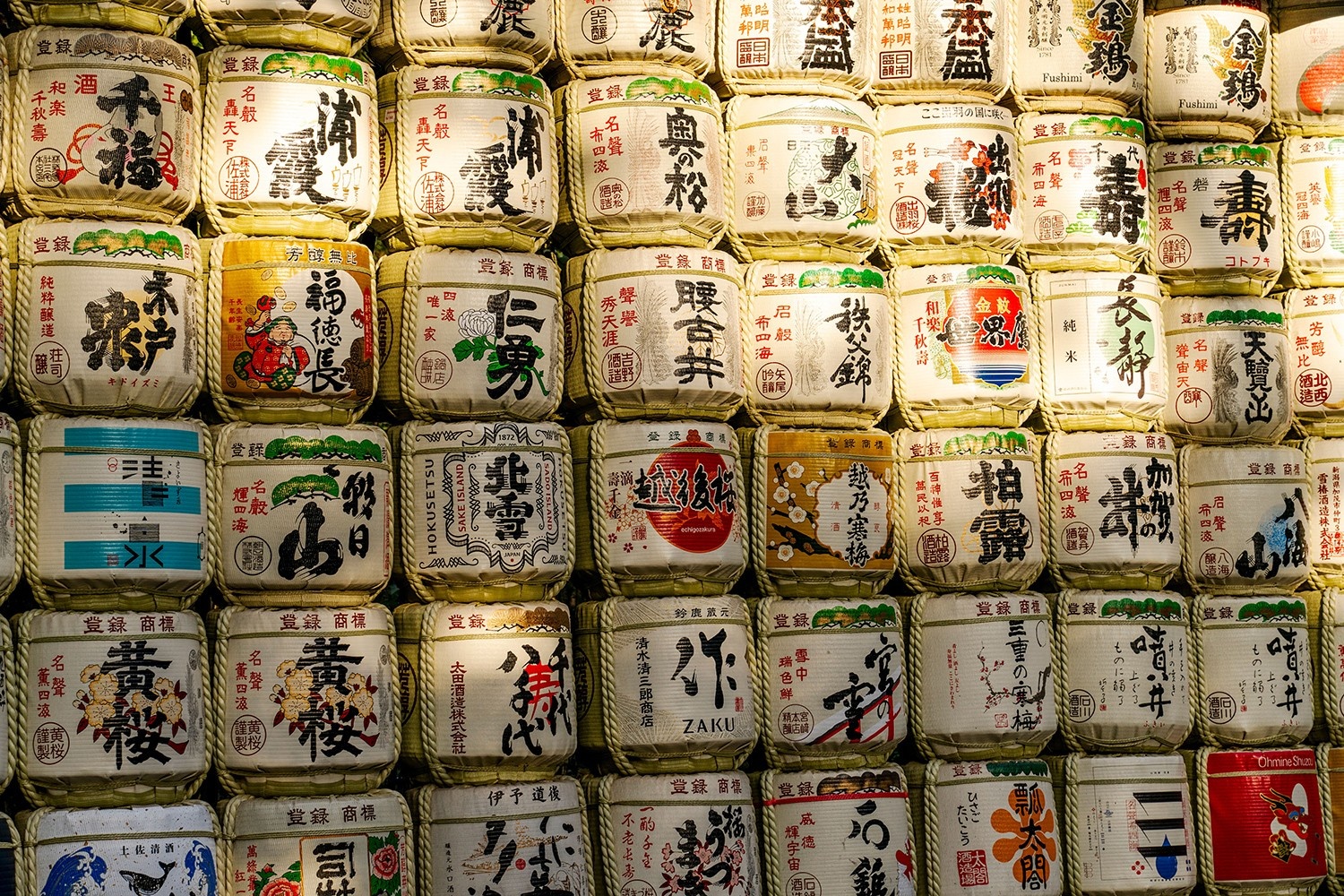
Sake drums. Courtesy of Pexels.
What Comes Next for Sake?
Even for all the challenges the industry is facing, sake insiders like Murphy and Rath still feel optimistic about the beverage’s future. From new markets and breweries opening overseas to consumer curiosity, sake is far from being relegated to the dusty shelf of history. There’s even movement on the climate front, with research being done at the University of Arkansas on creating climate-resistant rice.
“Sake’s going nowhere,” says Murphy. “It’s going to be ok.”
But as with all things, change is inevitable, and Rath stresses the importance of remembering that, even as purists wring their hands over a perceived loss of tradition.
“Sake has changed so much,” he says. “It’s constantly evolving. These foodways need to evolve. Tradition evolves.”
As the classic Japanese saying goes, shogyo mujo: all things are impermanent. All things change.

Zoe Baillargeon is an award-winning travel writer and journalist, writing about travel, food and drink, wine, wellness, culture, nature, and lifestyle for outlets like National Geographic, Travel + Leisure, Conde Nast Traveler, Wine Enthusiast, Bon Appetit, Food & Wine, and many more. Her love for adventure and trying new things has taken her all over the world from dogsledding across northern Sweden to hiking the coast of Japan to wine harvests in Oregon, with stints living in Chile where she fell in love with wine. Currently based in the Pacific Northwest, you can follow her adventures on IG at @zoebaillargeon.