The Best Activities in Tucson
Tucson puts its landscape to work as both playground and classroom. Hikes wind through saguaro forests and canyon trails, while the Arizona-Sonora Desert Museum blends gardens and science for a crash course on desert life. At Mission Garden, 4,000 years of agriculture teach visitors about past farming practices to inform future ones, while on The Loop’s 137 miles of bike paths, you can cover the city without ever touching a car. Even guided outings like Borderlandia tours turn local history and politics into something you walk through, not just read about.

Saguaro National Park at night, courtesy of Ray Cleveland.
Sabino Canyon Recreation Area
North Stars:



Sabino Canyon Recreation Area, part of the Coronado National Forest, is Tucson’s most popular desert retreat. Trails wind through rocky foothills and riparian corridors, and the Sabino Canyon Crawler — an electric, open-air tram — runs hourly tours that replace cars and cut emissions in the canyon. Along the way, visitors spot roadrunners, bighorn sheep, and diverse desert flora, with conservation programs in place to protect the fragile landscape from erosion and overuse.

Sabino Canyon Recreation Area Courtesy of Visit Tucson.
Arizona-Sonora Desert Museum
North Stars:


The Arizona-Sonora Desert Museum blends a zoo, botanical garden, aquarium, and art museum into one 98-acre campus west of Tucson. More than 230 animal species and over 1,000 plant varieties live in recreated desert habitats, from mountain caves to riparian ecosystems. Exhibits highlight desert ecology and conservation, while education programs and habitat restoration projects have earned the museum recognition as a national leader in environmental stewardship. Plan for at least half a day to explore at a leisurely pace.

Arizona Sonora Desert Museum's animal view. Courtesy of Visit Tucson.
Mission Garden
North Stars:
Nicknamed the “Birthplace of Tucson,” Mission Garden serves as a living agricultural museum at the base of Sentinel Peak. Volunteers and local groups cultivate plots that reflect more than 4,000 years of farming, from Indigenous desert crops to Spanish, Mexican, and early American plantings. Visitors walk through heritage orchards and seasonal gardens, and the small on-site shop sells goods like tepary beans — a protein-rich, drought-resistant legume central to Indigenous foodways and now revived as part of Tucson’s sustainable agriculture.

Mission Garden view. Courtesy of Steven Meckler.
Saguaro National Park – West
North Stars:
Home to North America’s largest cactus, Saguaro National Park protects the spiny giants that frame Tucson’s skyline. Trails wind through dense stands of cacti — some more than 200 years old — alongside desert wildlife and archaeological sites with ancient petroglyphs. Split into east and west districts on either side of the city, the park preserves both ecosystem and cultural history. For short hikes with big payoffs, head to Valley View Overlook or Signal Hill Petroglyphs. Just outside the west entrance, King Canyon Trail delivers panoramic desert vistas and dense stands of saguaros right from the start; plan about 90 minutes.
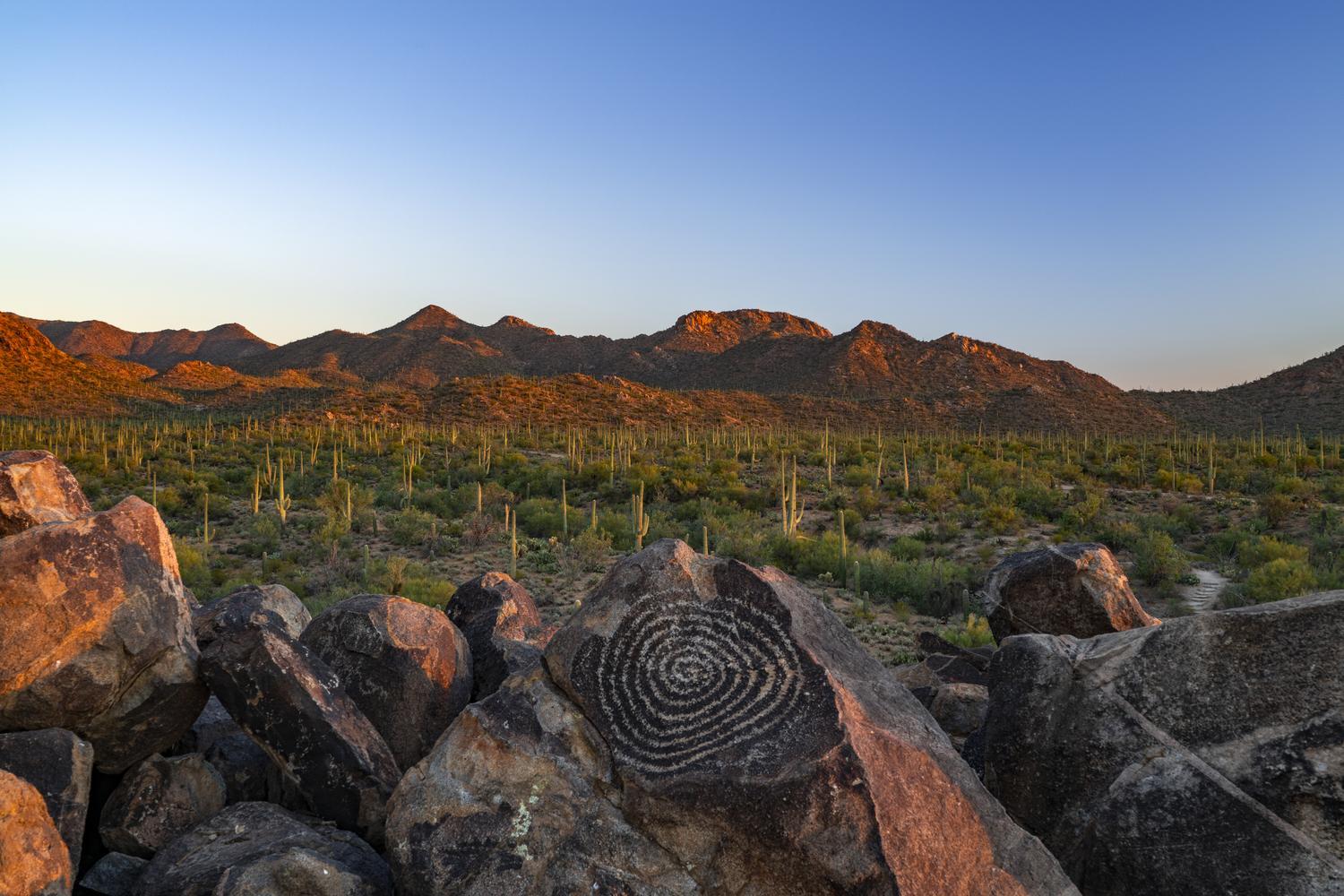
Saguaro National Park view. Courtesy of More Than Just Parks.
Borderlandia Walking Tour
North Stars:

In the mid-1800s, Tucson’s Barrio Viejo was lined with adobe row houses topped by flat roofs, built so neighbors could climb up and defend their community together. Stories like this come alive on tours run by Borderlandia, a binational nonprofit connecting Tucson’s neighborhoods to broader borderlands history. Led by local historians, the tours move through barrios like Barrio Viejo and El Presidio, using architecture, murals, and landmarks to show how Indigenous, Spanish, and Mexican influences continue to shape daily life. By linking local history with migration and border identity, Borderlandia turns Tucson’s streets into an open-air classroom.
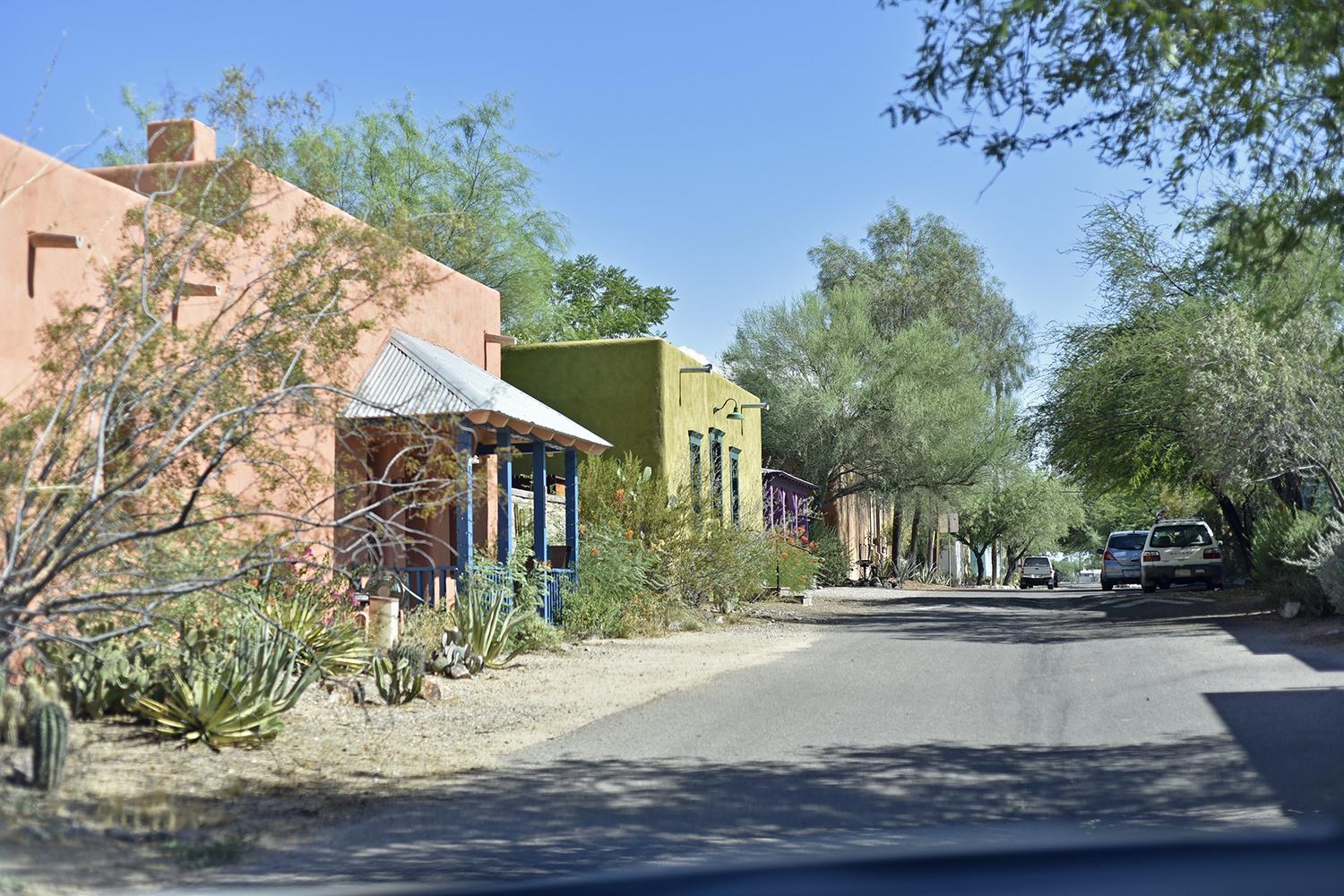
Borderlandia Walking Tour street view. Courtesy of Borderlandia Walking Tour.
Wine Tasting in Sonoita
North Stars:
About an hour south of Tucson, the Sonoita Highlands form Arizona’s first federally recognized wine region. Los Milics Vineyards, set in a stunning landscape and modern architectural building, stretches across 70 acres in Elgin. Book a tasting to pair estate-grown wines with locally sourced tapas or stay the night in one of the guest casitas. A few miles away, Rune Wines operates completely off-grid, its solar-powered, open-air pavilion serving flights of stellar Viognier and Syrah. Cap the day at Dos Cabezas WineWorks, established in 1995, which anchors the area with a long-standing focus on sustainability and regenerative vineyard practices. Don’t miss the pizza, even if you’re not hungry. Visiting all three in a single day offers a clear view of how Arizona’s desert climate and resource-conscious methods shape a young but ambitious wine region.