The Best Cafes & Bars in Singapore
Singapore’s café and bar scene runs from kopitiam counters to tiny roasteries and future-facing cocktail labs, with a lot of texture in between. At their best, these spots care where beans, bottles, and garnishes come from, and they manage to experiment without losing a sense of place or everyday pleasure.
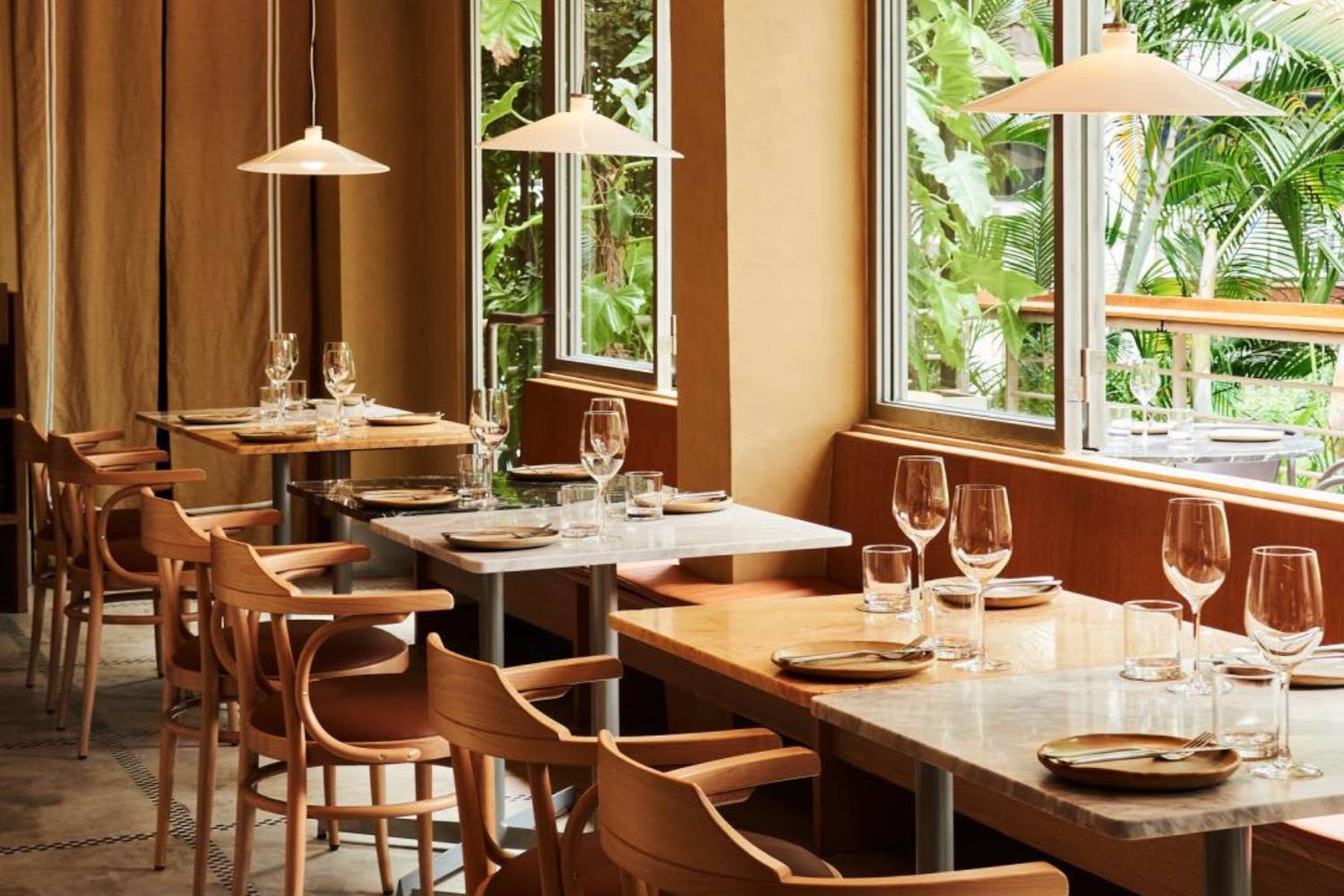
Bar interior. Courtesy of Live Twice.
Common Man Coffee Roasters
Best for: Brunch and specialty coffee in busy neighborhoods
Neighborhood: Multiple Neighborhoods (Robertson Quay / Martin Road, CBD / Stanley Street, Joo Chiat, plus others)
Price: $–$$
North Stars:



Across several Neighborhoods, from sunlit Joo Chiat shophouses to the original Martin Road space by Robertson Quay, Common Man Coffee Roasters anchors all-day cafés around traceable specialty coffee and brunch that people eat, not just photograph. Menus run from big breakfast plates and grain bowls to pastries and a solid plant-leaning lineup, while the coffee program focuses on beans sourced through long-term relationships with growers and roasted in-house. Barista training, public workshops, and wholesale partnerships make the brand a gateway into Singapore’s coffee scene for both locals and visitors.
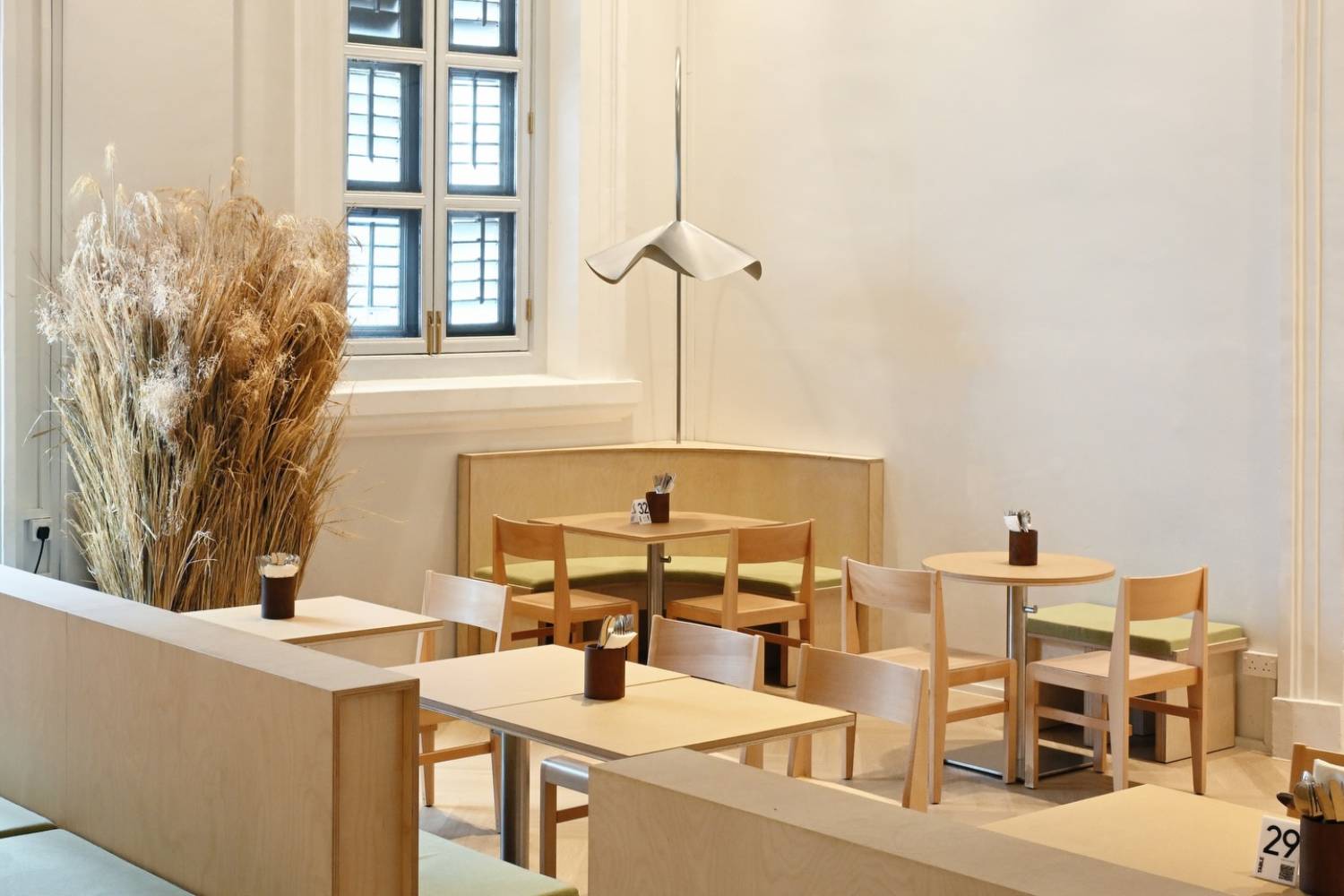
Dining view. Courtesy of Common Man Coffee Roasters.
Nylon Coffee Roasters
Best for: Serious coffee drinkers in a residential pocket
Neighborhood: Everton Park
Price: $
North Stars:

In the courtyard of an older public-housing block, Nylon Coffee Roasters squeezes a roastery and bar into a tight corner, with just enough seating to perch with a cup and watch regulars drift through. The focus is squarely on lightly roasted single-origin coffees, often bought from producers Nylon has worked with over multiple harvests, and brewed as espresso or filter coffees rather than sugary signature concoctions. Nylon also channels a share of revenue into environmental causes through 1% for the Planet, which fits the low-key, substance-first feel of the place.

Storefront view. Courtesy of Nylon Coffee Roasters.
Dutch Colony Coffee Co.
Best for: Groups who want space and good beans
Neighborhood: Multiple (Upper Thomson, UE Square, East Coast, and more)
Price: $–$$
North Stars:

In bright, glassy cafés across the city, Dutch Colony Coffee Co. roasts and serves its own beans in spaces large enough for families, laptops, and long catch-ups. The company sources beans from farms around the world, roasted in small batches for both in-house drinks and retail shelves, so you can taste something you like and take a bag home. Food menus stay in the comfort zone, with brunch standards, pastries, and simple plates, while large windows and high ceilings keep the spaces full of natural light.
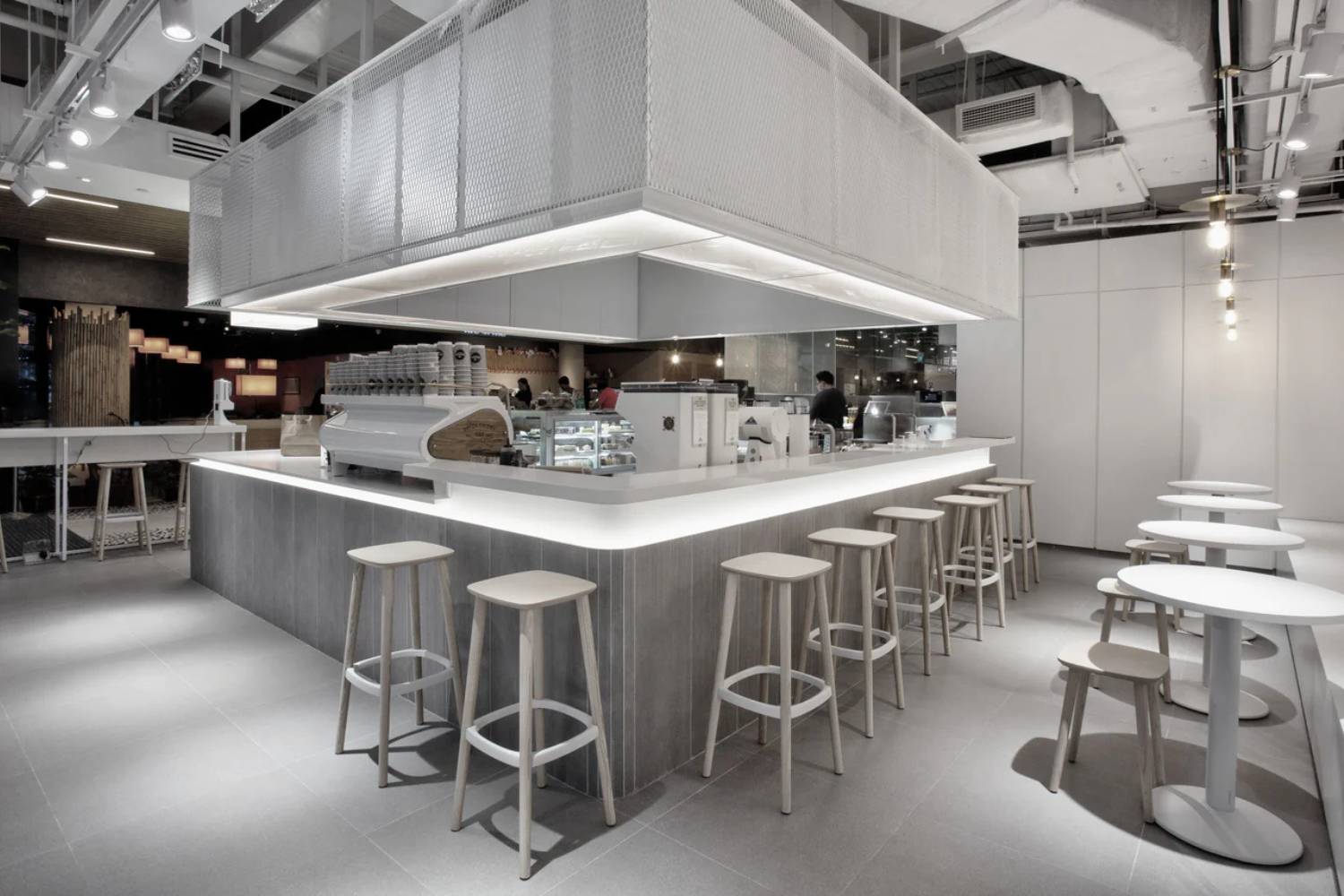
Dining view. Courtesy of Dutch Colony Coffee Co.
Tiong Hoe Specialty Coffee
Best for: Coffee history meets third-wave gear
Neighborhood: Queenstown / Stirling Road
Price: $
North Stars:
In a corner unit at Stirling Road, Tiong Hoe Specialty Coffee bridges traditional Singaporean coffee culture with contemporary specialty roasting. In fact, it feels part training lab, part mini museum with old grinders, pots, and photos lining the walls, while shelves of green beans tell the story of founder Tan Tiong Hoe’s decades in the trade. Today, the café roasts specialty beans from small farms worldwide, brewing them as espresso, pour-overs, and other manual methods for a mix of neighborhood regulars and coffee geeks who make the trip out. Cupping sessions and classes run regularly, and staff are comfortable walking guests through origins and brew methods, so you can turn a simple flat white into a short education if you want.
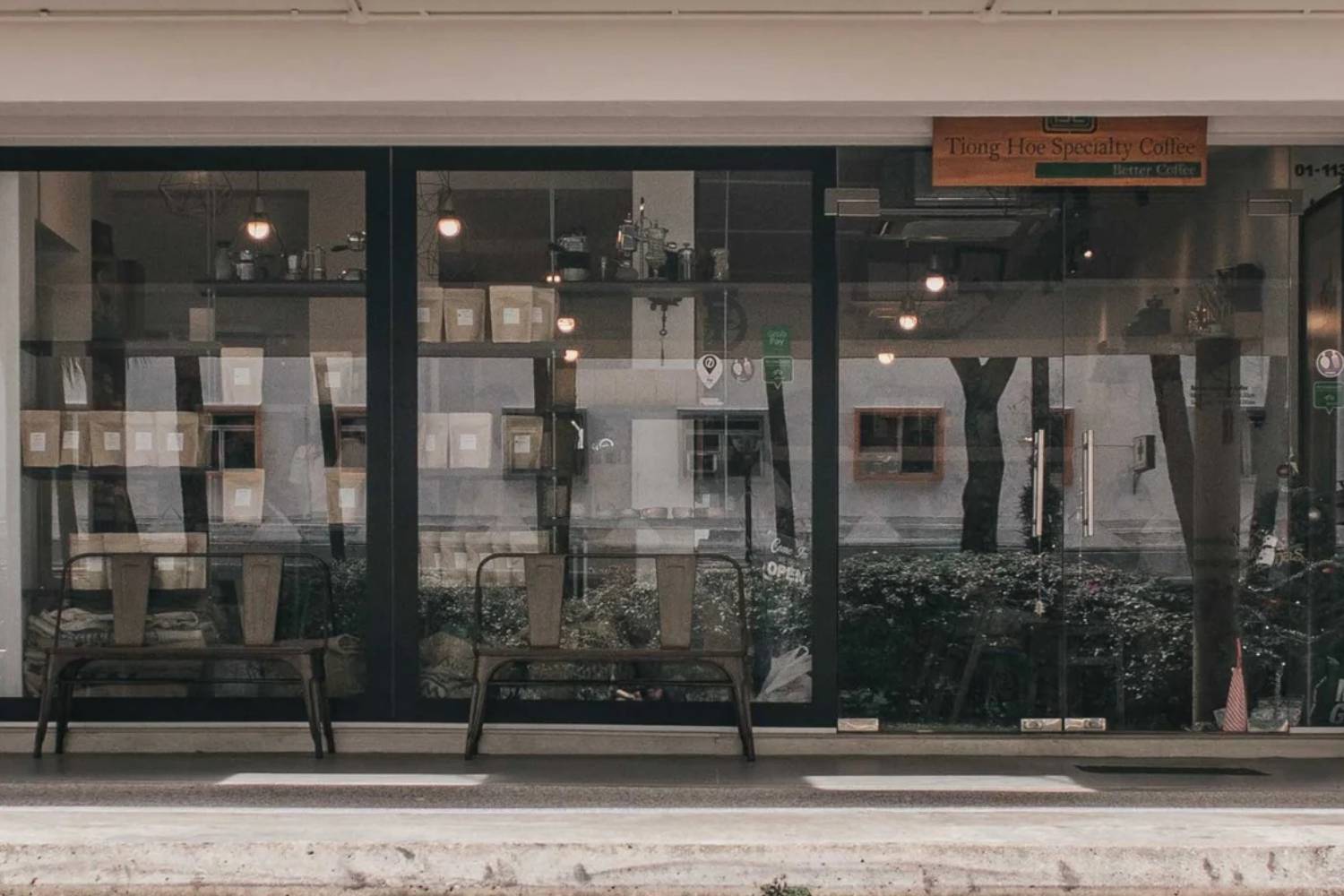
Storefront view. Courtesy of Tiong Hoe Specialty Coffee.
Native
Best for: Cocktails built around regional ingredients
Neighborhood: Amoy Street / Chinatown
Price: $$–$$$
North Stars:

Up a narrow staircase in a three-story shophouse, Native builds cocktails from Southeast Asian ingredients based on foraged herbs, local fruits, and small-batch local spirits, doing most of the work. Garnishes often feature repurposed peels, with the team keeping a close eye on how much waste each drink creates. The space is small and unpretentious, with a playlist and crowd that make it feel like a neighborhood bar rather than a lab, even though a lot of experimentation happens behind the scenes.
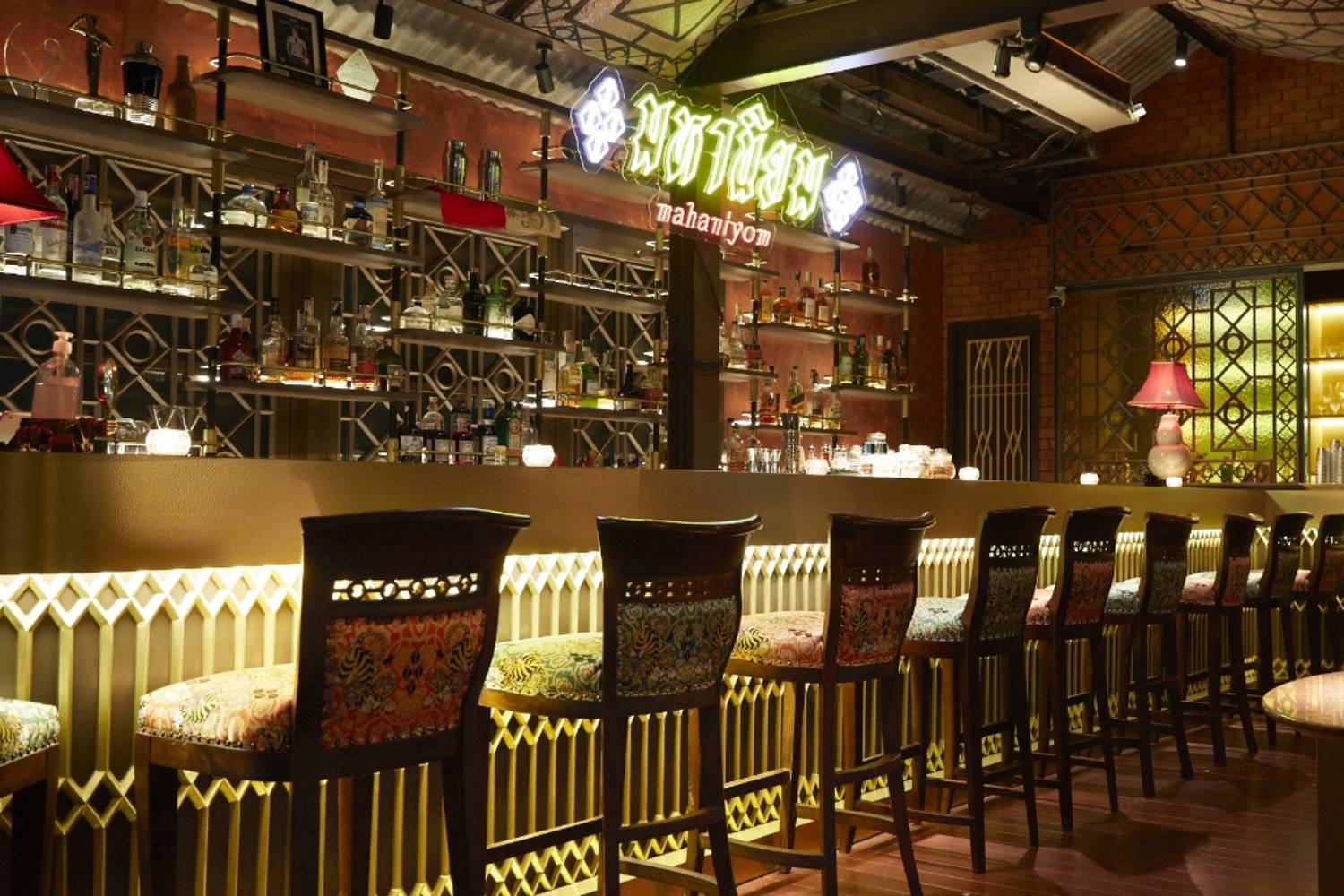
Bar Section. Courtesy of Native.
FURA
Best for: Plant-forward cocktails and future-food conversation
Neighborhood: Amoy Street / Chinatown
Price: $$–$$$
North Stars:

In an upstairs room on Amoy Street, FURA treats the bar as a future-food lab, writing its menu around ingredients that are abundant, invasive, or climate-resilient rather than rare luxuries. Cocktails are grouped by “future food” themes and might fold in jellyfish, insects, seaweed, or hardy grains, with careful use of clarification, fermentation, and distillation to keep the drinks fun instead of preachy. The space itself feels stripped-back and contemporary, with a small, engaged team who can explain why a certain crop, algae, or species matters to food systems — if you ask.
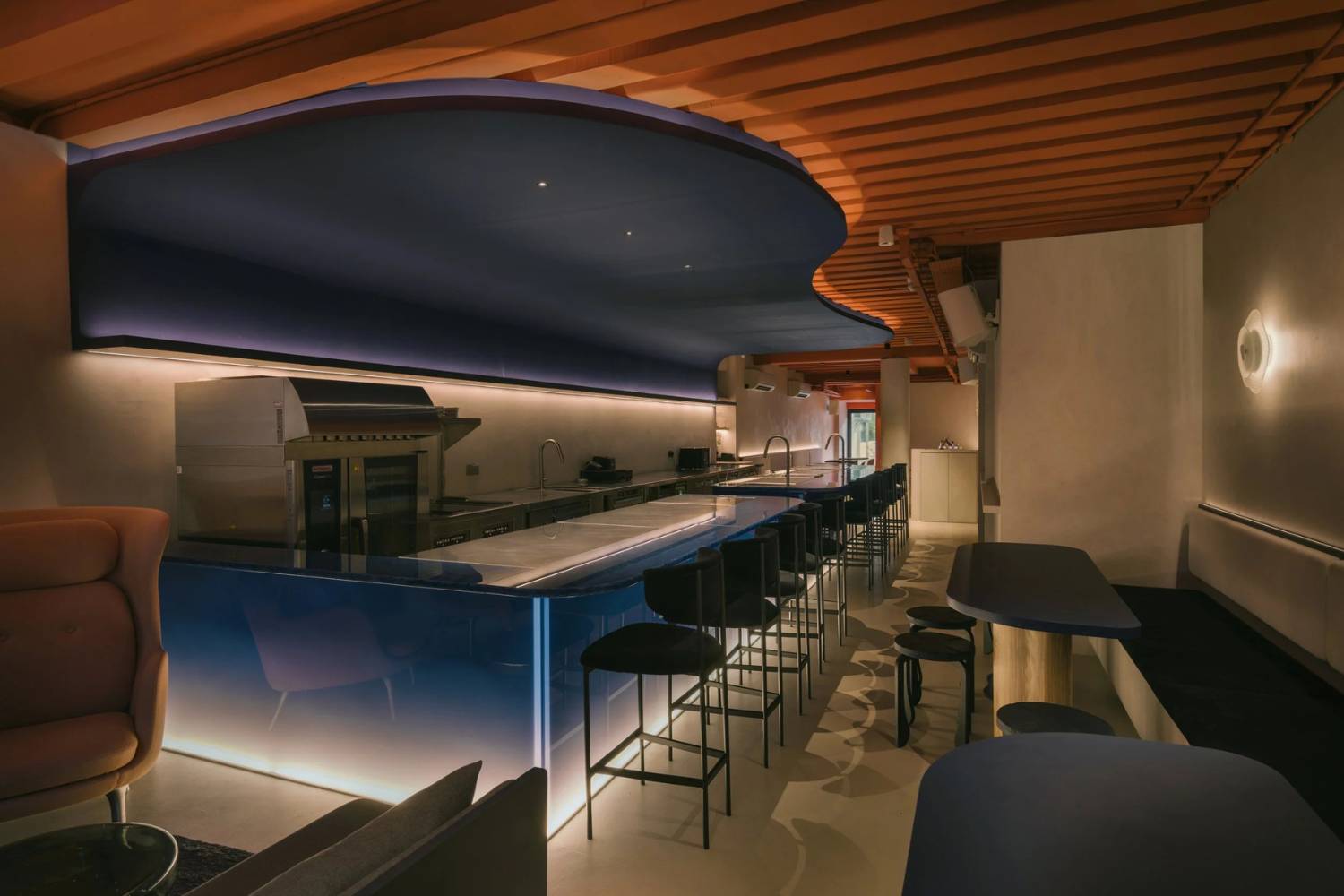
FURA interior. Courtesy of FURA.
No Sleep Club
Best for: Late nights that blur the line between bar and restaurant
Neighborhood: Keong Saik
Price: $$–$$$
North Stars:
On Keong Saik Road, No Sleep Club runs all day as a modern neighborhood joint, starting with coffee and ending with serious cocktails and plates that sit somewhere between bistro and bar food. The long counter and closely packed tables keep you near the action, with a menu focused on reusing components across drinks and dishes. Think citrus, infusions, and syrups appearing in more than one place rather than being tossed after a single use. The crowd is young but mixed, with service that is direct and friendly rather than formal, and there is enough emphasis on the food that you could easily treat it as dinner-with-drinks, not just a quick stop on a bar crawl.
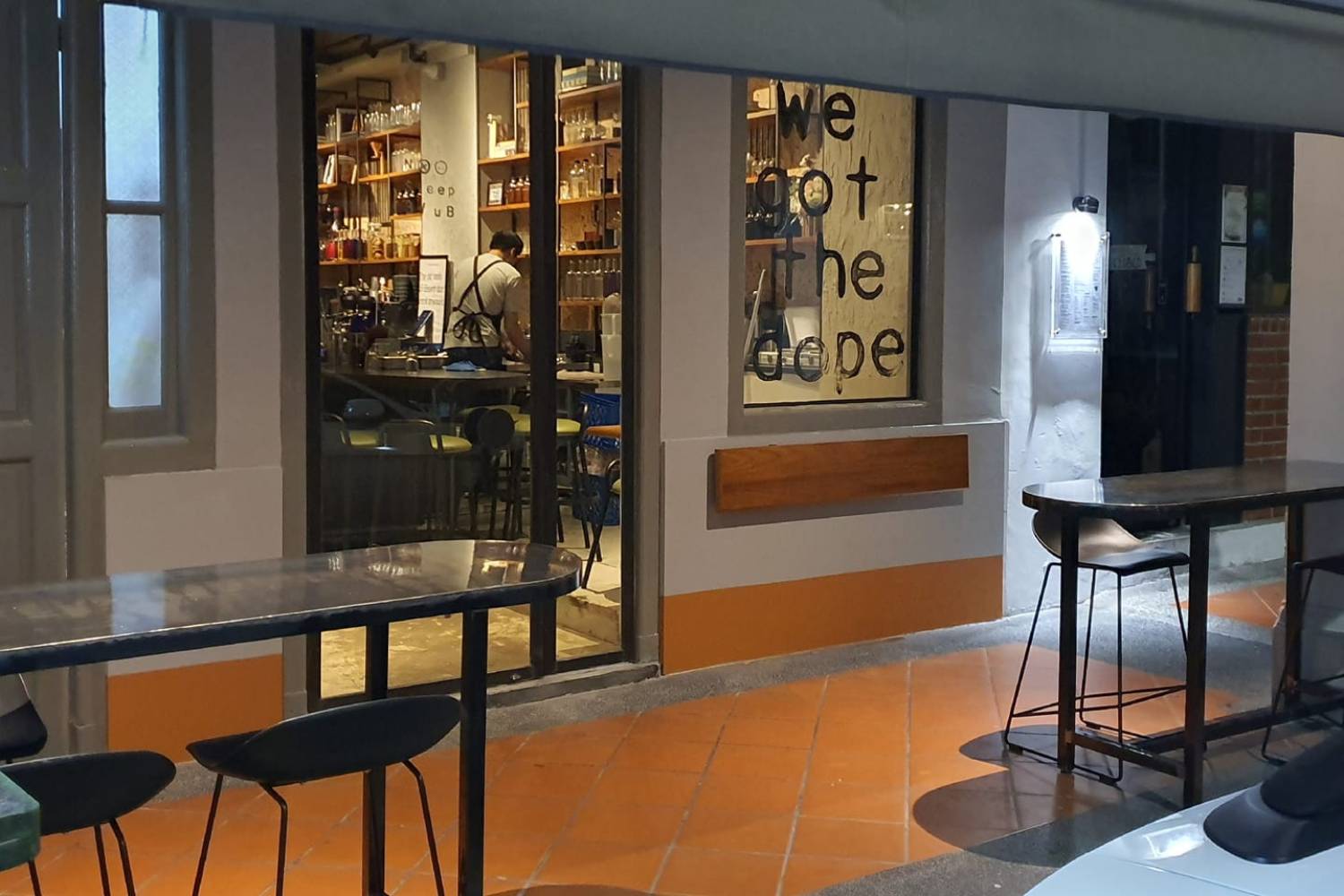
Exterior view. Courtesy of No Sleep Club.
Live Twice
Best for: Design lovers who want serious cocktails
Location: Bukit Pasoh / Outram
Price: $$–$$$
North Stars:
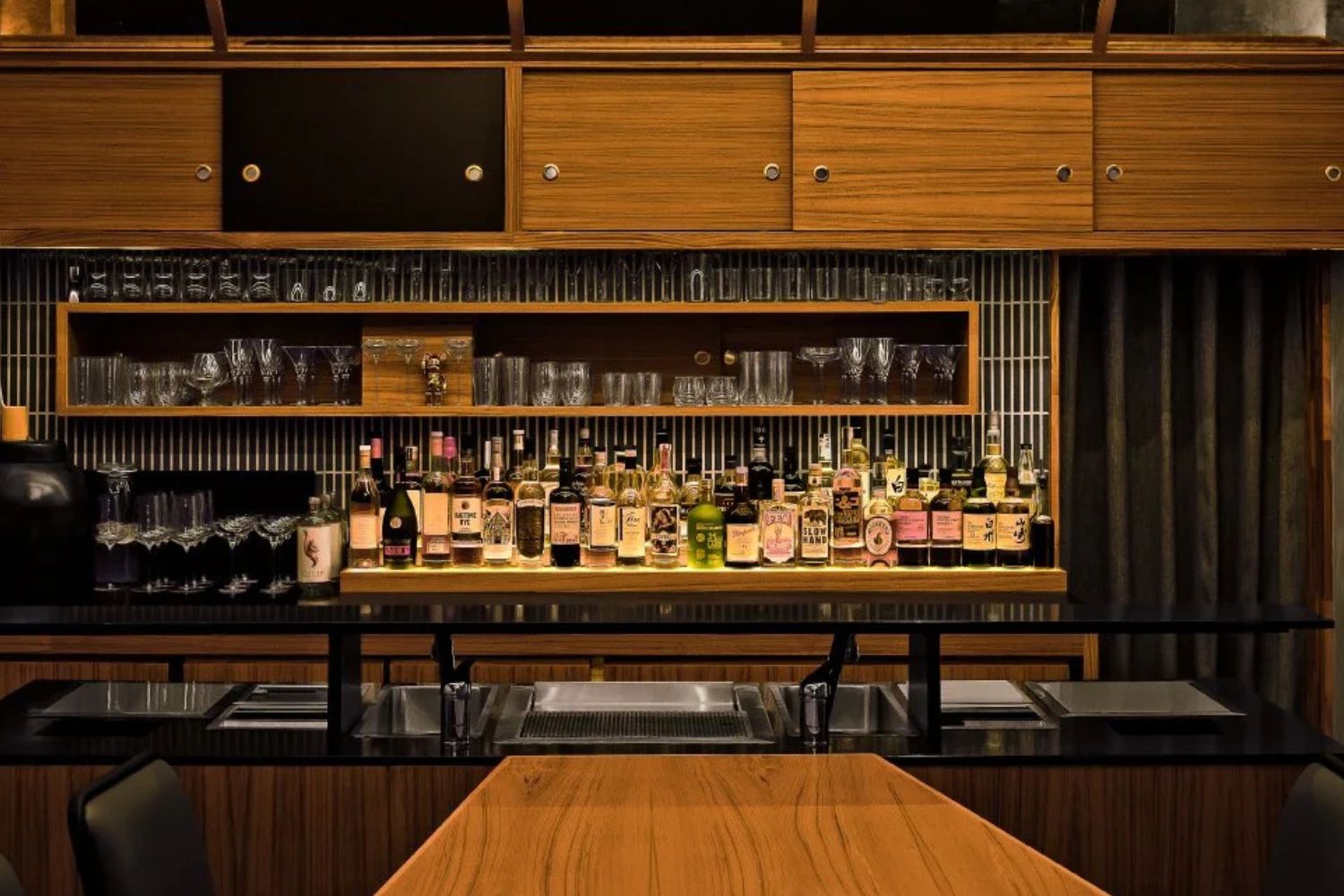
On a low-lit stretch of Bukit Pasoh, Live Twice feels like stepping into a mid-century Japanese film set, all warm wood, soft shadows, and a long, focused bar. Housed in a 1930s shophouse and part of the Jigger & Pony group, it leans into Ginza-style craft: stirred martinis, precise highballs, and sandos that are almost as talked about as the drinks. Behind the scenes, the team upcycles spent coffee grounds, excess cream, and strawberry tops into house infusions and liqueurs, giving by-products a second life instead of sending them straight to the bin. It’s not a lab like Native, but it is a good example of a high-end cocktail bar quietly tightening up its use of ingredients while still feeling indulgent.
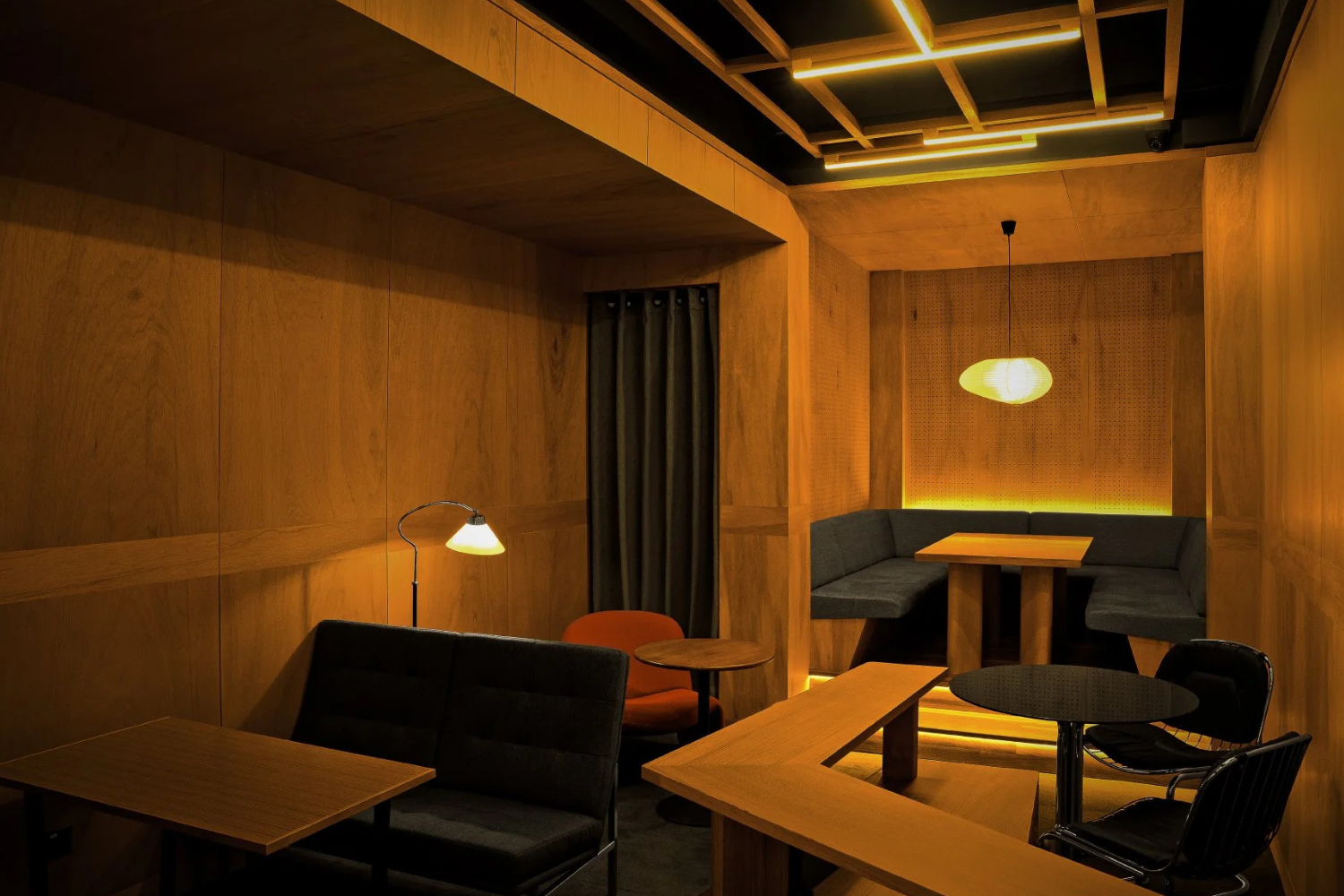
Interior view. Courtesy of Live Twice.
Mama Diam
Best for: Cocktails with a heavy dose of Singapore nostalgia
Location: Prinsep Street / Bras Basah
Price: $–$$
North Stars:
Behind a retro “mama shop” stocked with childhood snacks, Mama Diam opens into a moody speakeasy that riffs on the corner provision stores many Singaporeans grew up with. Neon signs, booth seating, and a busy bar set the stage for drinks built around local flavors: kaya toast and Milo shooters, Ondeh-Ondeh–inspired cocktails, and ginger-smoked highballs that nod to kopitiam culture without feeling gimmicky. The sustainability story here is more cultural than technical: an independent team keeping small-shop aesthetics, local ingredients, and shared memories in circulation in a part of town that could easily skew generic.
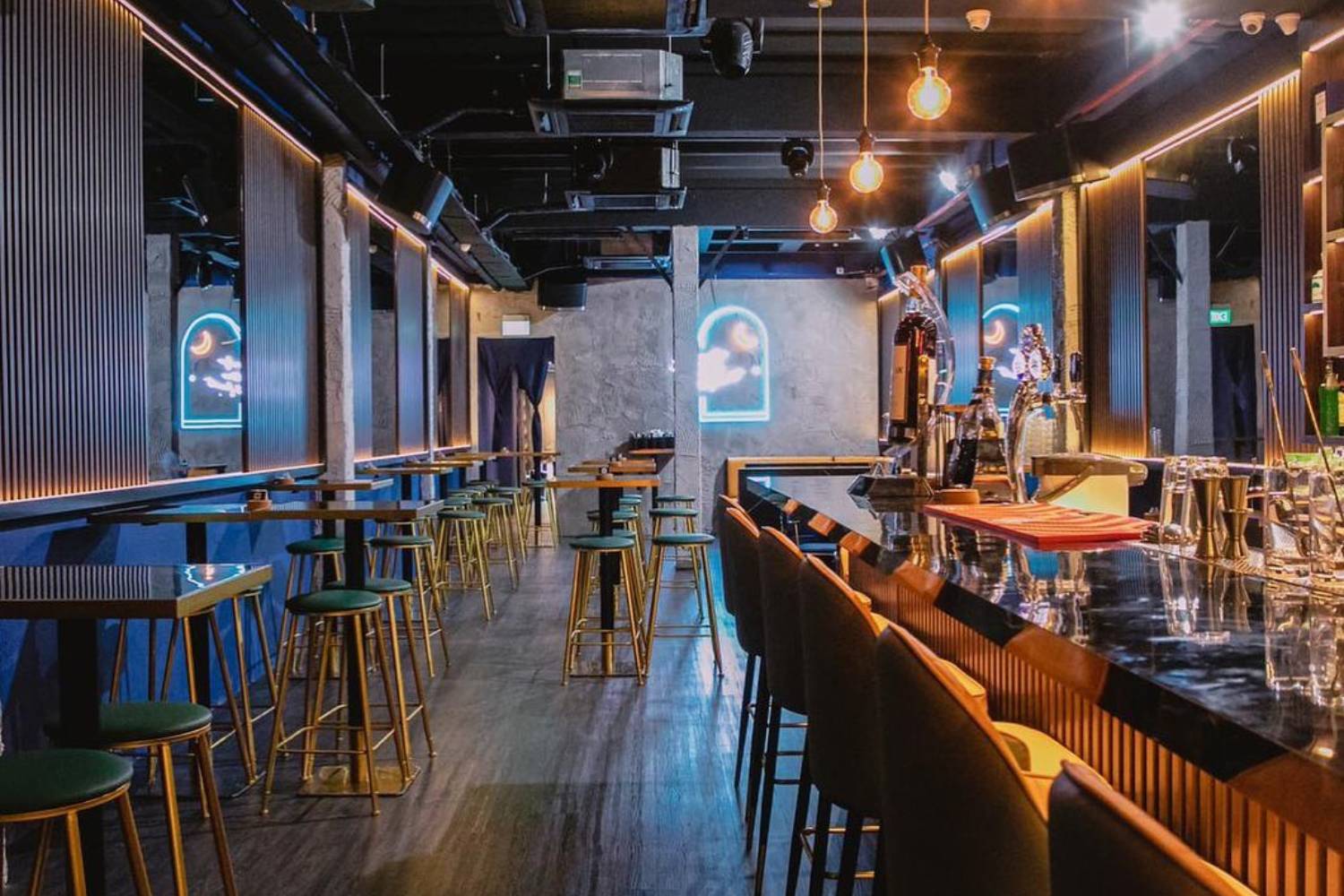
Interior view. Courtesy of Mama Diam.
Le Bon Funk
Best for: Natural wine and produce-led plates
Location: Club Street / Chinatown
Price: $$–$$$
North Stars:
On Club Street, Le Bon Funk takes the idea of a neighborhood wine bar and builds it around “living wines”: low-intervention bottles from small producers, poured in a room that feels buzzy but not postured. The list is tightly curated and leans toward organic and biodynamic growers, with plenty by the glass and a soft spot for skin-contact and offbeat regions. In the kitchen, produce-led plates change with what’s good, so snacks and small dishes feel built for the wine rather than an afterthought. It’s not framed as a “sustainability bar,” but choosing Le Bon Funk means supporting winemakers who farm with care and a local team that treats those bottles with the attention they deserve.