North Stars:

Production & Consumption

Waste Management

Carbon Footprint
“The beers that emerge here cannot be replicated elsewhere.”

The sunny lawn at Canyon Brewing. Courtesy of Destination Queenstown.
The Azure Road Take
I collapsed onto a picnic table at Canyon Brewing after a steady ride along the picturesque Wharehuanui Trail near Queenstown, thirsty and ready for a beer.
Set above the Shotover River, Canyon Brewing’s taproom looks out over the jet boats carving through the gorge below. In a town defined by movement, from cycling and hiking to skiing, it serves as a natural post-adventure stop, pairing cold beer with one of the best river views in the region.
Founded in 2020 by the Patersons, a local farming family from the Cardrona Valley, along with their friend Jimmy, the brewery was built around a simple aim: to make bold, high-quality beer that speaks for itself. Locally owned and brewed with regional ingredients, the beers here are shaped by place and not easily replicated elsewhere.
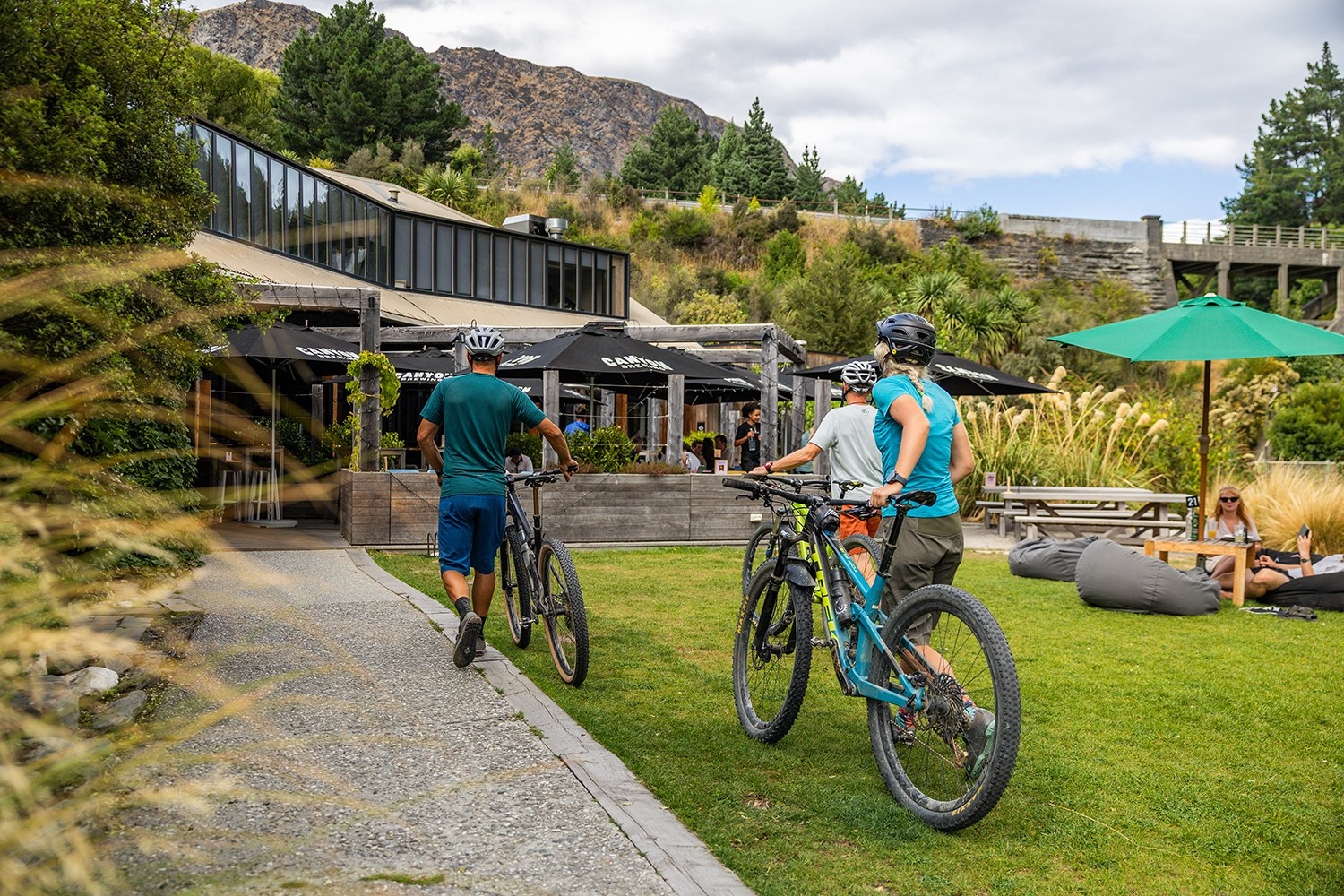
An apres-bike beer at Canyon Brewing. Courtesy of Destination Queenstown.
Sustainability Chops
With roots in farming and access to Central Otago’s agricultural landscape, Canyon Brewing began asking practical questions about its supply chain. One of the earliest was simple: what if they grew their own malt? That question became the Grain to Glass project. Four years on, the brewery harvests around 90 tonnes of its own barley each year, and every pint and can of Canyon Gold Central Otago Lager is brewed with malt grown in the region.
The result is a shorter, more transparent supply chain, with fewer transport miles and intermediaries. Canyon Brewing is now the only brewery in Aotearoa New Zealand operating a fully traceable system from paddock to pint.
Central to this sustainable philosophy is Canyon’s attitude to waste: it’s treated as a resource rather than a byproduct.
Spent grain is reused in the kitchen or fed to pigs and cattle on the same land where the barley grows. The brewery also incorporates surplus ingredients from nearby businesses. A Perfect Pair, a botanical cherry sour, was developed with Sherwood, an eco-hotel and restaurant nearby, using leftover berries and herbs from Canyon’s kitchen garden.
Beyond the brewery, Canyon has supported regional conservation efforts, including donations to the Kārearea Project, which works to protect New Zealand’s native falcon.

Beer flight at Canyon Brewing. Courtesy of Rebecca Crowe.
The Sip
The taproom lineup is broad and well considered, with rotating drafts alongside a fridge of limited-release cans. I opted for a flight, four small pours served with clear, informed guidance from the team, and settled in by the river to taste through the range.
Despite loving darker beers, lighter styles after cycling made the most sense. The flight included Wild Thing Cold IPA, Cardrona Hazy IPA, Rookie Grapefruit IPA, and the Watermelon and Cucumber Sour.
Across the board, the beers tasted notably crisp, with a freshness reflecting proximity to source. Aromatics leaned floral rather than heavy-handed, and nothing tasted overworked. The standout, though, was the Watermelon and Cucumber Sour. A pairing that can veer gimmicky elsewhere — or sound better suited to coolers or gin — here translated into a bright, tangy sour that held its own on the board.
The Origin Story
Canyon Brewing was founded in 2020 by the Paterson family — James, Jane, and Jack — alongside their friend Jimmy, drawing on what they already knew: farming and beer. The original small-batch brewery remains in operation behind the bar at the Arthur’s Point taproom, but by 2022 demand had outgrown the site, with most production shifting to the Patersons’ farm.
Since opening, Canyon has brewed more than 150 beers, spanning styles from sours to stouts. Over time, its connection to the surrounding agricultural community has deepened, with ingredients and collaborations increasingly tied to nearby farms, businesses, and restaurants.
Today, the brewery works toward sourcing ingredients within a 60-mile radius of its facilities, a constraint that has shaped both its brewing approach and its broader model.

Rebecca is a freelance writer specializing in budget and adventure travel. She can often be found searching for the best tacos and cannolis in a given location, or hiking and bouldering in new destinations. She has been featured in Lonely Planet, The Independent, Stylist Magazine, and Time Out Travel. You can find her writing about her own adventures and sharing budget-friendly, sustainable travel advice on her site, Wandering and Wine. Follow Rebecca on IG @Rebekkiie.
North Stars: Carbon Footprint, Production & Consumption, Waste Management
More Stories
 DRINK
DRINKAzure Road Impact Award Drinks Finalists
 DRINK
DRINKWhy Now Is the Time to Cellar Santorini Assyrtiko
 DRINK, PARTNERSHIP
Ambar Estate Is Farming for Tomorrow in Oregon’s Willamette Valley
 DRINK, PARTNERSHIP
Crafting Alto Adige’s Future: The Evolution of Cantina Colterenzio
 DRINK
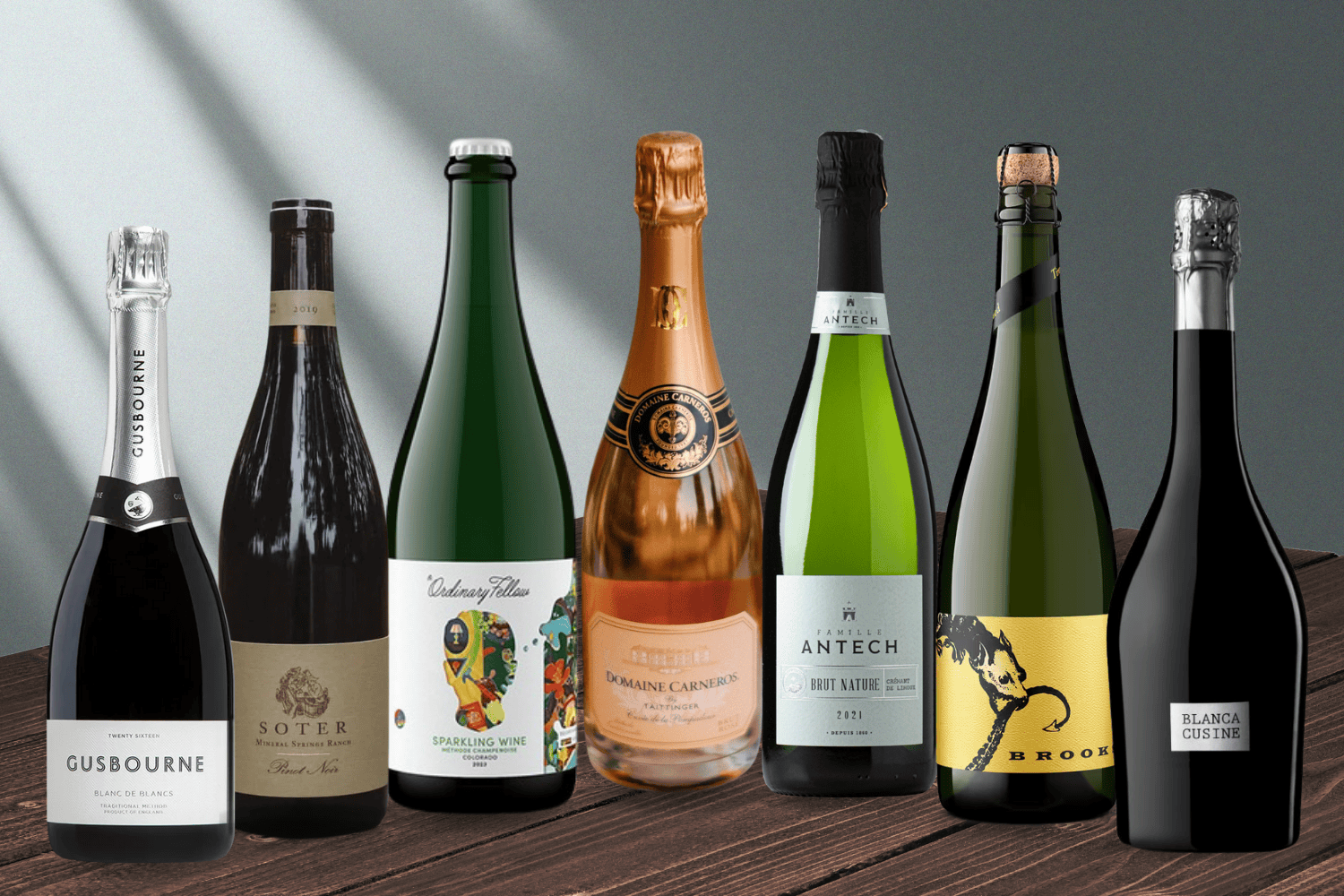
DRINKSeven “Slow” Sparkling Wines for the Holidays