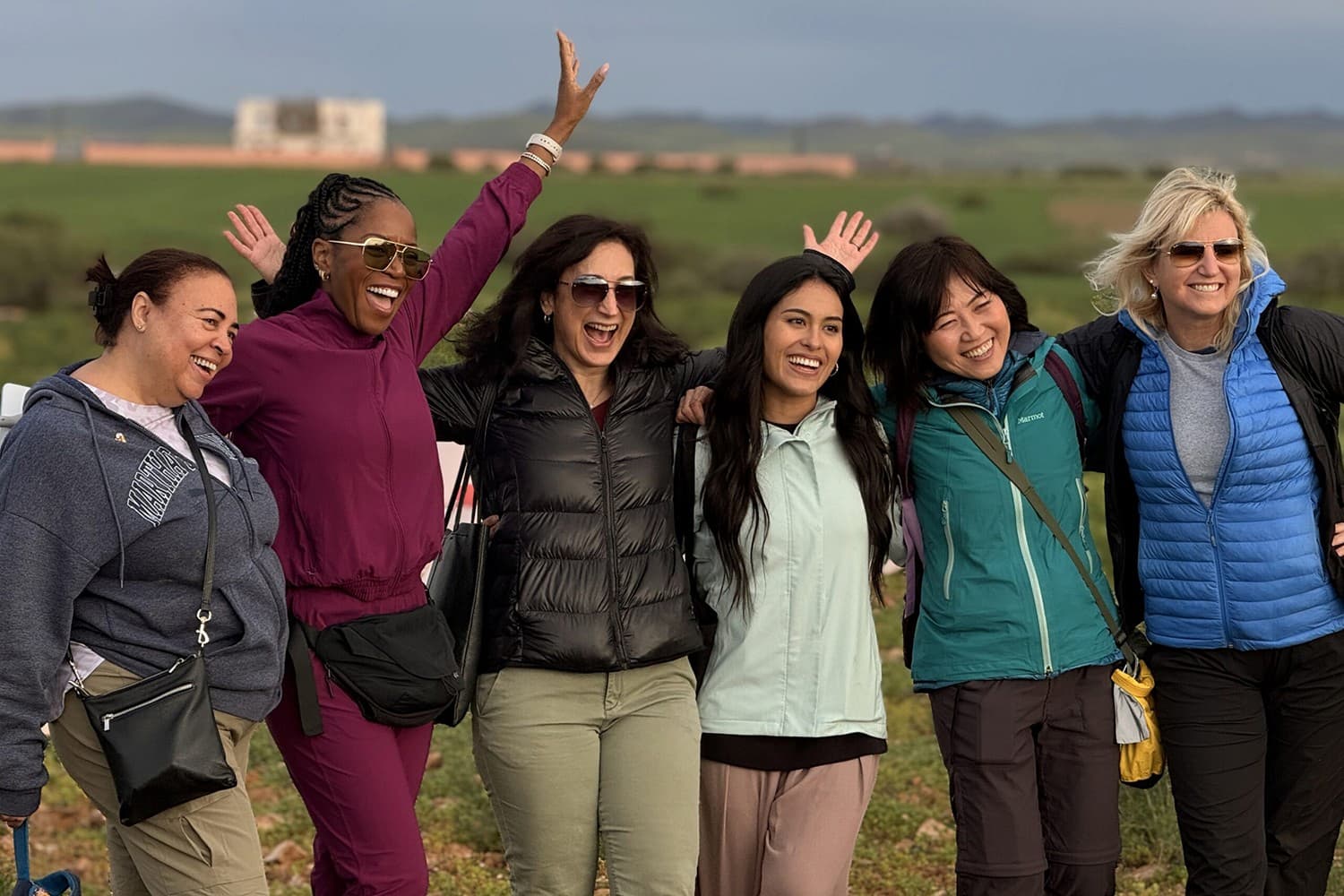
“The woman over 50 traveller is a purposeful, intentional traveller, who wants to connect with others in a meaningful way.”
In recent years, solo female travel has exploded in popularity. But one age group in particular has been taking this style of travel to new heights, and that’s women over 50. According to studies by JourneyWoman, the first website in the world dedicated to travel for women over 50, interest in solo travel among the 50+ set is growing. In 2022, it was 44%; by 2025, it had risen to 61%. It’s a multi-billion-dollar branch of travel. Yet, there is still so much misunderstood about this type of traveler and the experiences she’s after.
Azure Road reached out to Carolyn Ray, the CEO and editor of JourneyWoman and one of the demographic’s foremost experts, to hear her thoughts.
This interview has been edited for length and flow.
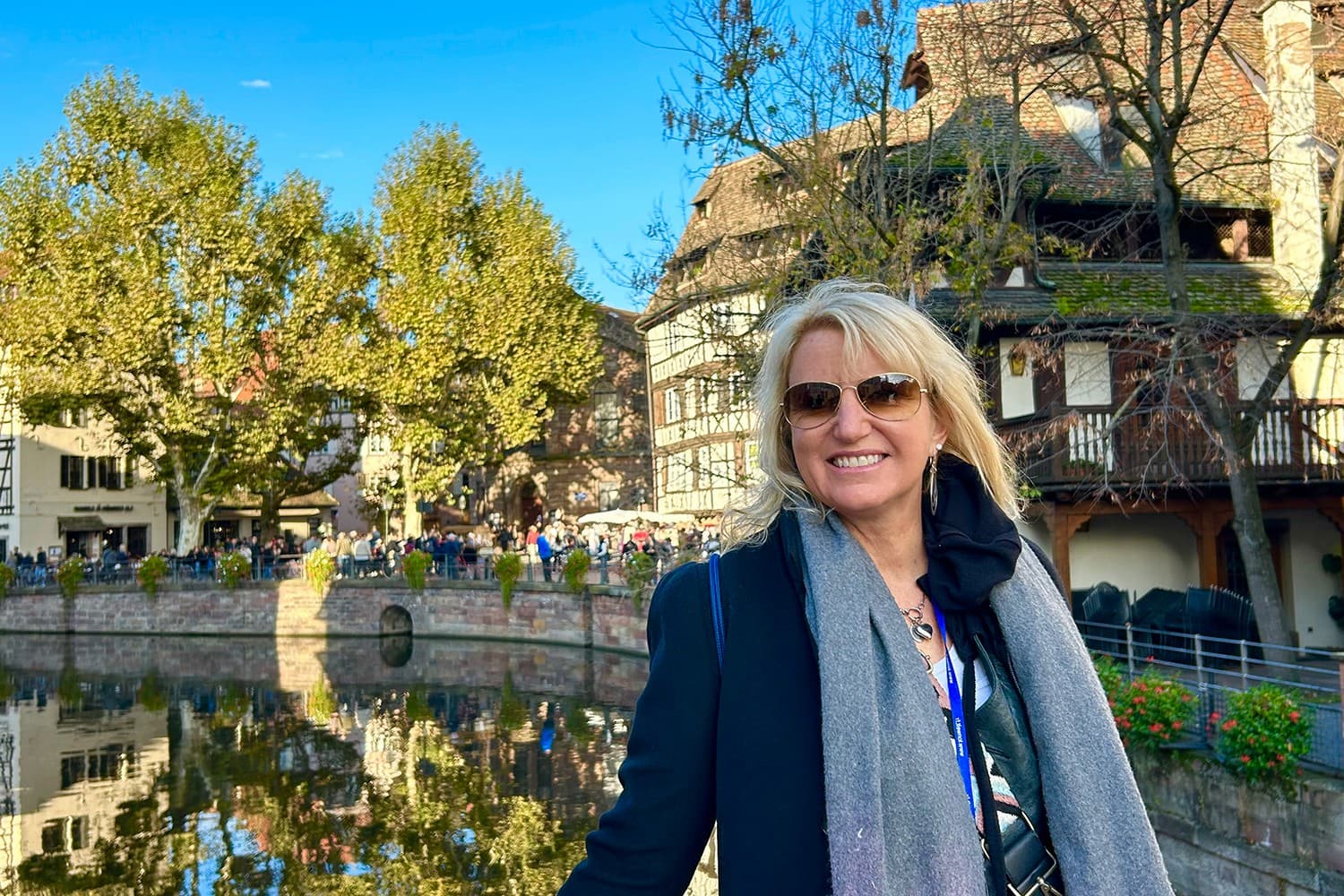
Carolyn Ray in Strasbourg. Courtesy of Carolyn Ray
JourneyWoman has been covering solo female travel since 1994. What’s changed most in the way women approach independent travel?
First of all, I have to say that we owe all the women who have travelled solo for decades in their 70s, 80s, and 90s a massive debt of respect for leading the way. Solo travel is so much easier now than it was when Evelyn Hannon started JourneyWoman in Canada in 1994. Then, we didn’t have women’s voices in solo travel editorial at all, nor was safety recognized as a concern for women travellers.
I think what’s changed now, with an overabundance of information on solo travel, is that there is less stigma about travelling independently. Women are better prepared, they ask other women for advice, and can travel in a group if they don’t feel confident on their own.
There’s also a massive demographic shift happening, as women over 50 accumulate wealth, and a recognition that ‘this is my time’ to travel and experience new things. We see this reflected in the research we do on the solo travel market.
What are you seeing among women over 50?
I think the woman over 50 traveller is a purposeful, intentional traveller, who wants to connect with others in a meaningful way. If you think about how you travelled at age 30 — checking off cities in a one-week work holiday, versus having the flexibility and time to stay as long as you want and linger in a place — slow travel is absolutely the way women 50+ travel.
Being a solo traveller at this age is about connection, friendship and cultural immersion. It’s also about self-care and knowing that travel is good for us — for our brain health, longevity, and overall wellness, as new research from the Global Coalition on Aging shows us.
Has the travel industry kept pace with this movement?
I think it’s clear that the travel industry has noticed older women travelling solo. But it still mostly sells to them rather than designs for them.
Where it’s improving: women-only departures, no-single-supplement trips, women-owned operators, and more female guides are no longer rare. Women are also doing the research, and they’re sharing it with each other.
What are hotels, tour operators, and destinations still getting wrong about women traveling independently?
Solo as an afterthought: single supplements, awkward corner tables, and “party of one” treatment still penalize women for travelling alone, rather than treating them as a core customer.
The impact of the single supplement surcharge on solo travel is tremendous. Our Invisible No More research shows that 78% of women see single supplement as the top barrier to solo travel. Keep in mind that most women over 50 are not married; they are single, divorced, widowed, etc., and they prefer to have their own room, without question. But they can’t always afford it. The idea of having to pay up to double for a room on a river cruise or on a tour feels rather unfair, to say the least.
When it comes to the single supplement, I would suggest that companies be transparent about pricing and use 20% as a guideline rather than 100%. Don’t try to hide additional fees under marketing mumbo jumbo. And don’t say you don’t have a single supplement when there is a fee to have your own room. Women don’t mind paying a bit more but it needs to feel fair and transparent.
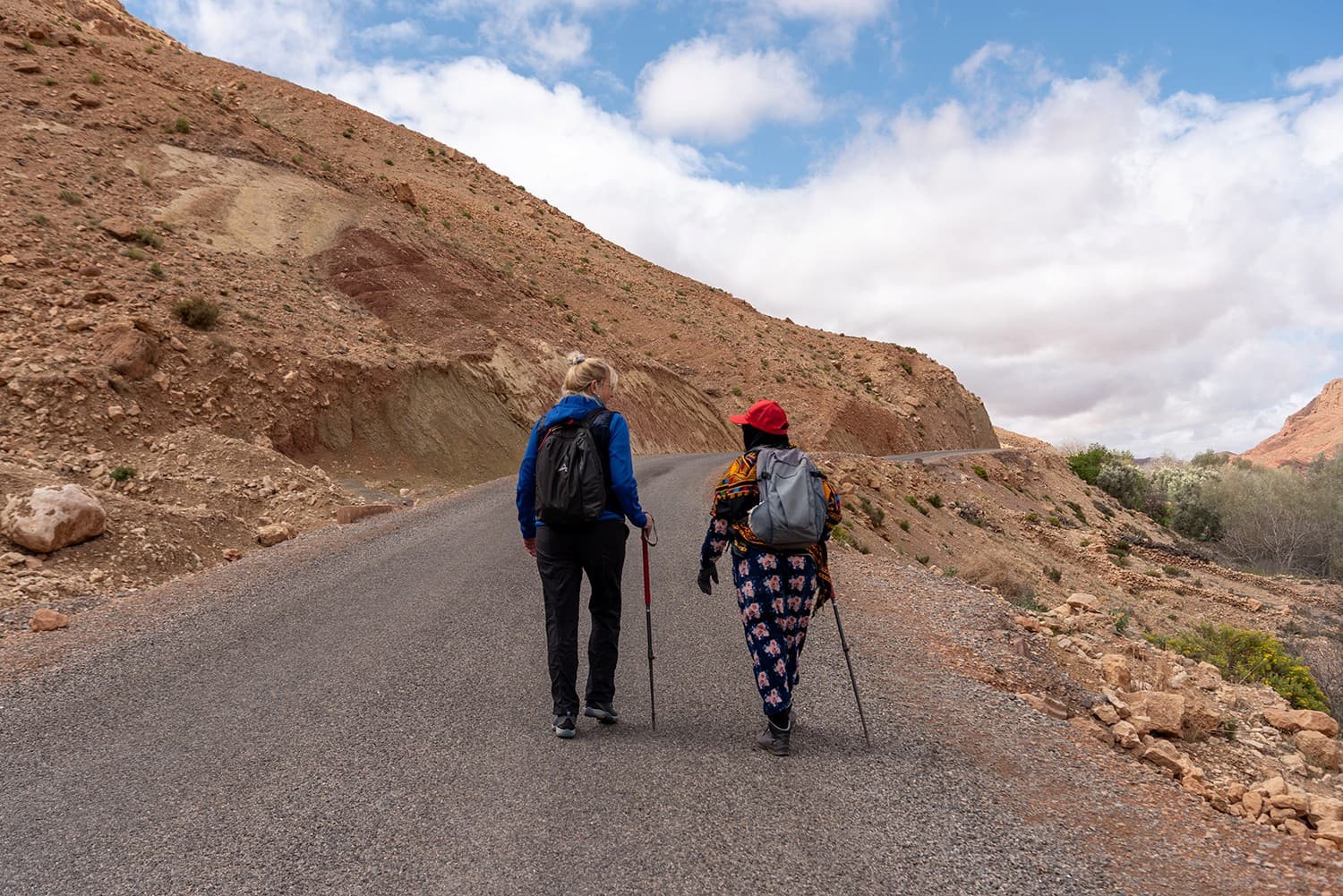
Exploring Morocco. Courtesy of Intrepid
Where else can the industry improve?
I think what travel companies miss the most is that the woman 50+ traveller is a highly connected, savvy traveller. She makes decisions through word of mouth from other women, and if she has a bad experience with your company, she will tell her network. If she has a good one, she’ll return again and again with her friends. So don’t look at this market as transactional. Rather, take a long-term view of this as a relationship, whether you’re a hotel, tour company, or cruise ship company. Treat her well, and you’ll be rewarded with a loyal advocate.
Is there anything we’ve missed or overlooked that you’d like to add?
“Solo” is treated as one market, and it isn’t. There’s a big difference between women who choose to travel alone and women who are solo by circumstance: widowed, divorced, or with a partner who doesn’t want to travel. The public story is mostly the first group, young and adventurous. But a large and underserved audience is the second, and they need different things, like pace, comfort, medical peace of mind, and community.
Also, the safety conversation puts the burden on women. Destinations promote “safe for women” without asking women what that means, and too many tours treat women-only as a gimmick instead of a better-run trip. “Don’t walk alone at night” is advice for women, not a standard for hotels, operators, or destinations. Fear also keeps more women home than actual incidents do, so how the industry talks about safety matters as much as what it does. The smart fixes are practical, not scary: well-lit entrances, rooms away from isolated stairwells, front desks that don’t announce room numbers out loud, and transport that’s easy to book. Women notice when it’s thought through.
Finally, who gets left out of the story? The solo travel narrative skews affluent, able-bodied, and white. Cost, mobility, and race and sexuality-specific safety concerns rarely get airtime, and they shape who feels this market is for them. The biggest and most experienced solo market is women over 50, 60, and 70, yet the imagery and itineraries still skew young or assume a partner. Pace, comfort, accessibility, and menopause-friendly wellness are rarely considered.
North Stars: Community Support, Diversity and Inclusion, Gender Equality