“If Slow Food changed how we look at a plate of pasta, Slow Wine asks us to do the same with our wine.”
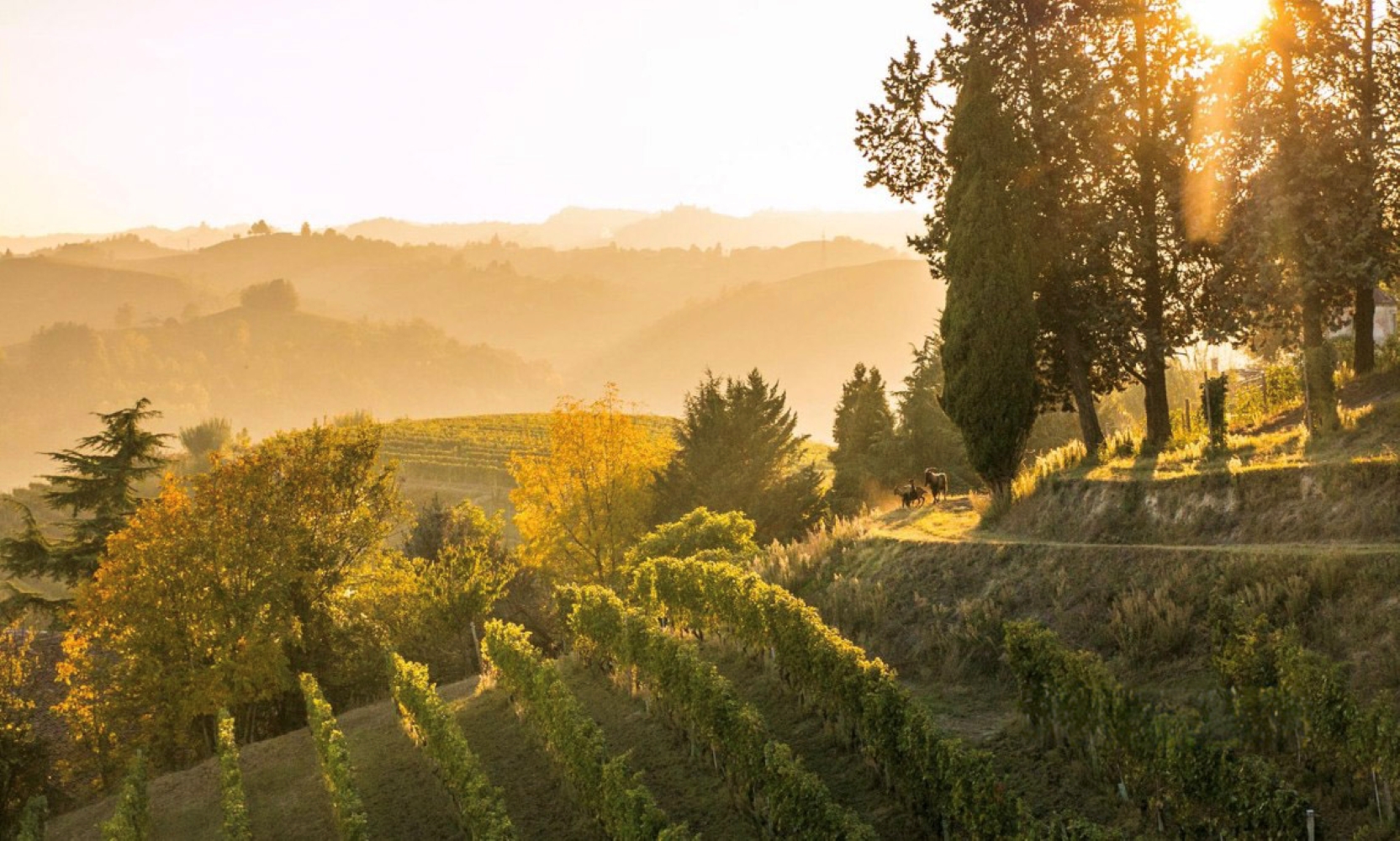
View of vineyards in Roero, Piedmont. Courtesy of Lauren Mowery.
On a hillside in Piedmont, rows of Nebbiolo vines hug the curve of a slope, their clusters of fruit catching the last of the day’s light. Down the road in a country kitchen, a cook tips flour onto a worn wooden board, shapes it into a well, and cracks in several golden-yolked eggs to knead into fresh pasta dough. That mix of place, time, and human touch is where the Slow Food movement began.
In the late 1980s, Carlo Petrini and a small group of friends formalized that ethos as Slow Food, pushing back against global fast-food culture with an insistence on good ingredients, traditional methods, and pleasure at the table. The idea grew into an international network of chapters run by likeminded people; in 2010 the first Slow Wine guide launched, naturally, with a focus on Italy.
If Slow Food changed how we look at a plate of pasta, Slow Wine asks us to do the same with the glass in our hand. It treats wine as an agricultural product rather than a brand SKU, an ancient beverage shaped today by choices about chemicals, water, energy, and labor that is meant to be opened, shared, and enjoyed. At a time when many people want to drink less but better, slow wine offers one clear path: transparency in practices, respect for land and workers, and wines that invite us to put down our phones and actually talk to the person across the table.
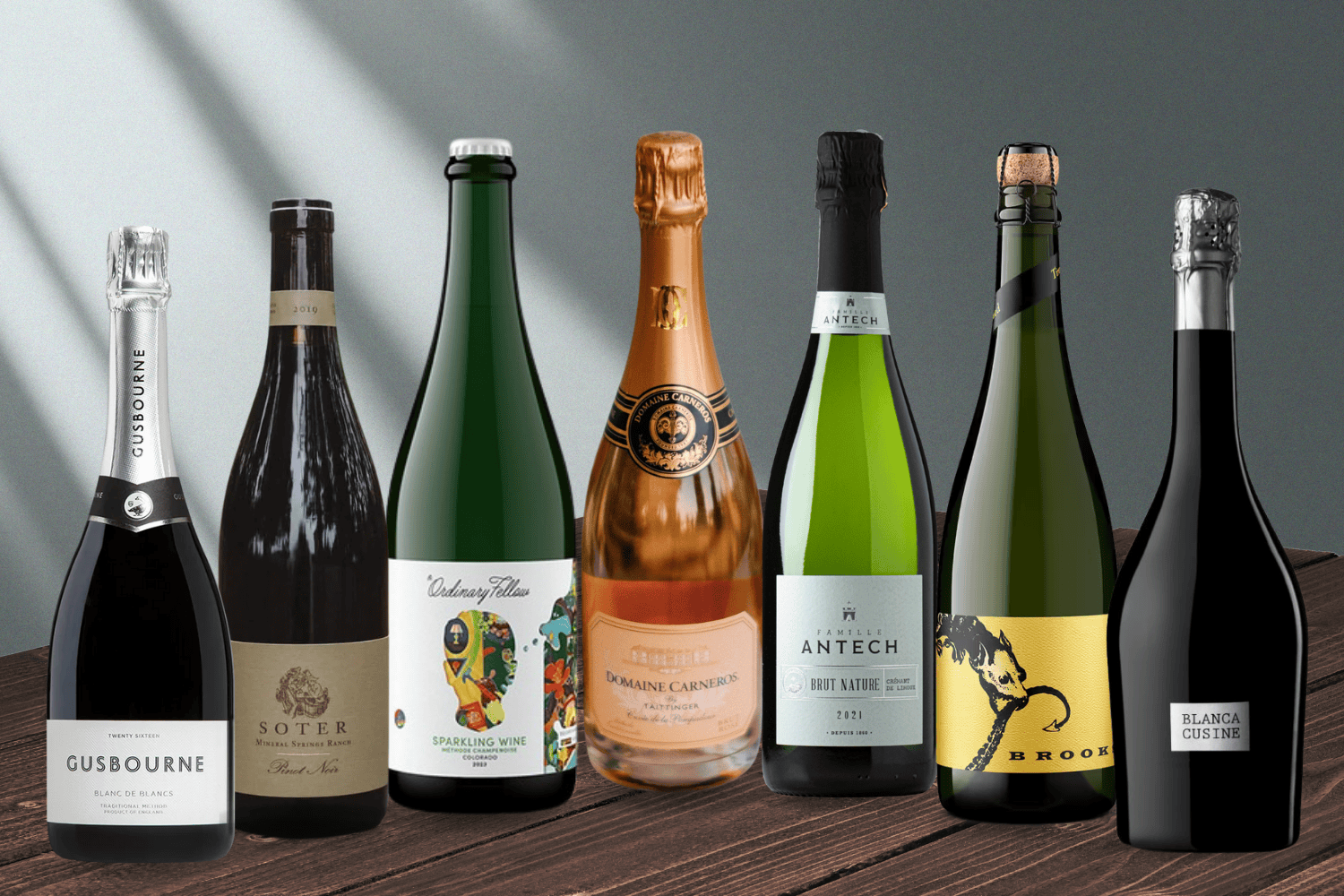
This holiday season, we’re thinking about bubbles through that lens. After all, what’s slower than riddling then maturing traditional method wines before release? The seven sparkling wines below, from England, France, Spain, California, Oregon, and Colorado, come from producers who follow this ethos and prove as serious about taste as transparency in practices and place.
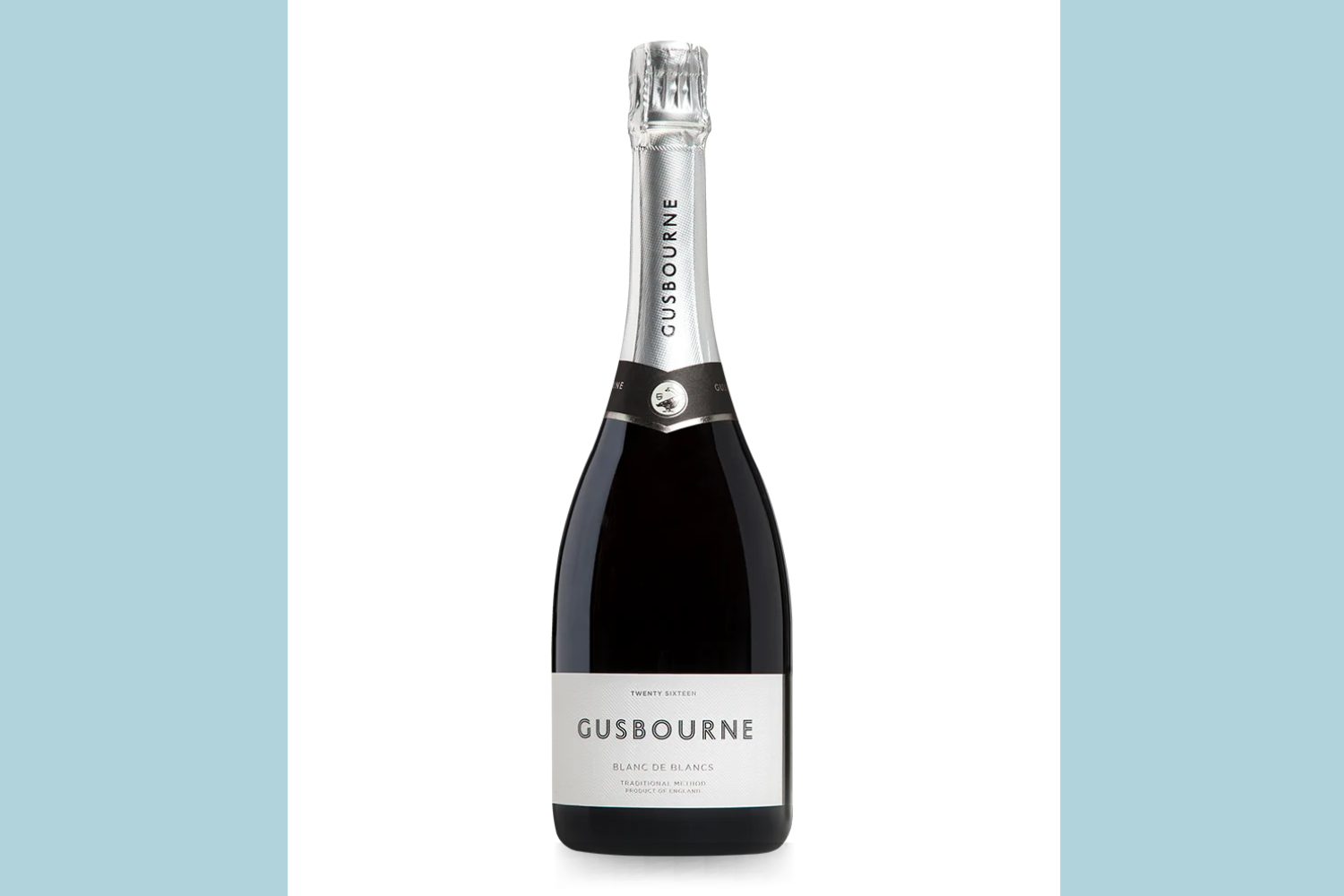
Blanc de Blancs 2019, Kent, England. Courtesy of Gusbourne.
Gusbourne, Blanc de Blancs 2019, Kent, England, $106
North Stars:



English sparkling has been on the rise for a few years, giving French bubbles a run for their money. One of the key players in the industry is Gusbourne. The winery farms Chardonnay on south-facing slopes in Kent and West Sussex, a place where chalk and clay soils echo the ancient seabed story that underpins many of the wines of Champagne. The Blanc de Blancs 2019 is estate-grown and undergoes a long ageing period on its lees before release. The estate is accredited by Sustainable Wines of Great Britain and invests in solar power, electric vehicles, and biodiversity across its vineyards, so the “slow” element is as much about energy and habitat as it is about time in the bottle. In the glass, expect taut citrus and green apple wrapped in fine mousse, with lemon curd, toasted brioche, and a faint salted-nut note as it opens.
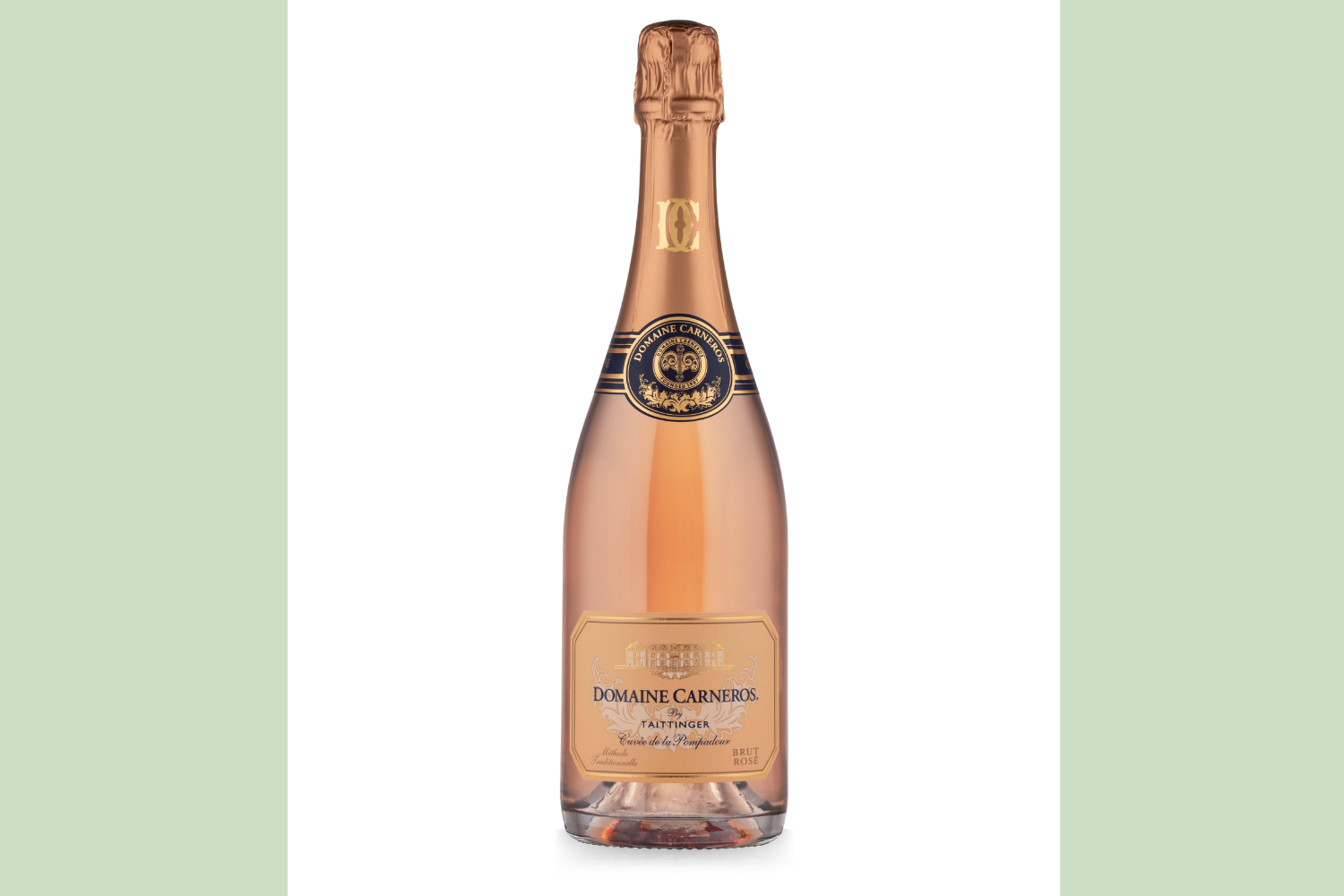
Cuvée de la Pompadour. Courtesy of Domaine Carneros Winery.
Domaine Carneros, “Cuvée de la Pompadour” Brut Rosé, Carneros, California, $51
North Stars:

Founded as the California home of the Taittinger family to focus on traditional-method sparkling, Domaine Carneros occupies a cool southern slice of Carneros. Cuvée de la Pompadour, made from estate fruit, leads with Pinot Noir, with a touch of Chardonnay playing a supporting role. It spends extended time on the lees before disgorgement for extra depth and flavor. The company boasts Napa Green certification for both vineyard and winery, managing its energy usage with a large solar array, and its water efficiency through graywater reuse, making it a solid fit for a “slow” list even at a relatively well-known address. In the glass, the wine offers a pale salmon hue, with wild strawberry, and citrus on the nose, and a gentle creaminess balanced by a dry, refreshing finish.

2023 Sparkling Riesling. Courtesy of The Ordinary Fellow.
The Ordinary Fellow, Sparkling Riesling 2023, Box Bar Vineyard, Colorado, $55
North Stars:

The Ordinary Fellow is the current project of British-born winemaker Ben Parsons, who first made his name in Denver as the founder of the urban winery The Infinite Monkey Theorem, then moved back to Colorado’s Western Slope in 2019 to focus on this estate in Palisade. This sparkling Riesling comes from Box Bar Vineyard, a 6,000-foot site in southwest Colorado, one of the state’s highest, that is regeneratively farmed and hand-harvested. Made in a classic Sekt style with zero dosage, it leans into brisk freshness and precision rather than weight. Expect lime zest, green apple, jasmine flowers, and a stony minerality on a dry and linear finish. It’s a small-production, high-altitude wine that shows how a lean, hands-on operation in an emerging region can make serious sparkling wine.
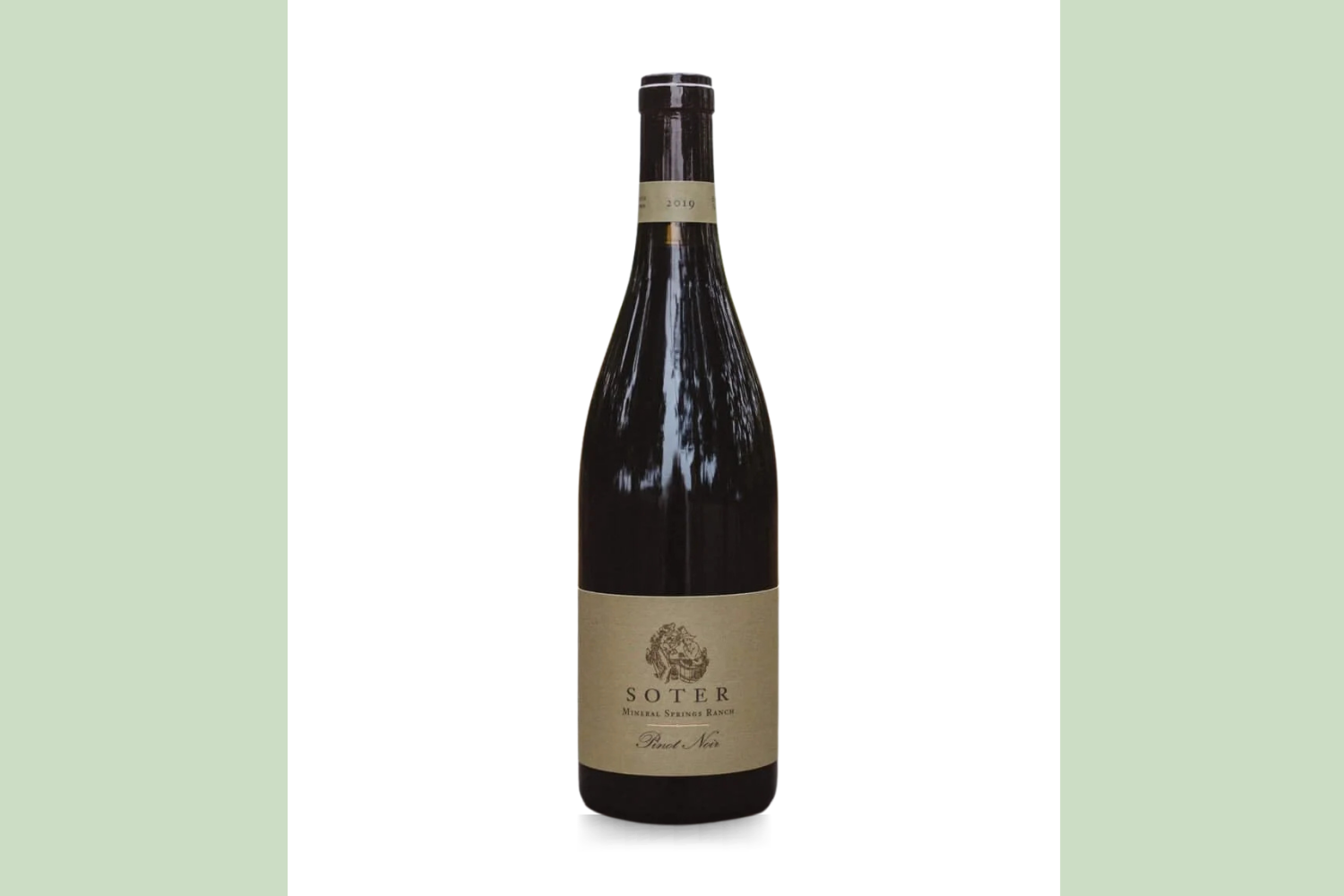
Mineral Spring Ranch Bottle Pinot Noir. Courtesy of Soter.
Soter, Mineral Springs Brut Rosé of Pinot Noir 2021, Yamhill-Carlton, Oregon, $84
North Stars:
Mineral Springs Ranch, Soter’s home estate in the Yamhill-Carlton AVA, is a biodynamically farmed property where Pinot Noir and Chardonnay share hillsides with gardens, pastures, and wild spaces. The 2021 Mineral Springs Brut Rosé is drawn entirely from this site, made mostly from Pinot Noir with a smaller share of Chardonnay, and crafted in the traditional method with several years on its lees. Farming is Demeter and CCOF certified, and the property is managed with cover crops, compost, and a focus on habitat as much as yields. In the glass, the wine shows a vivid salmon hue, with grapefruit, candied ginger, red berries, and a subtle biscuity note from ageing. It tastes polished yet accessible, and works as well with Dungeness crab or roast salmon as it does with a cold ham-and-mustard sandwich the next day.
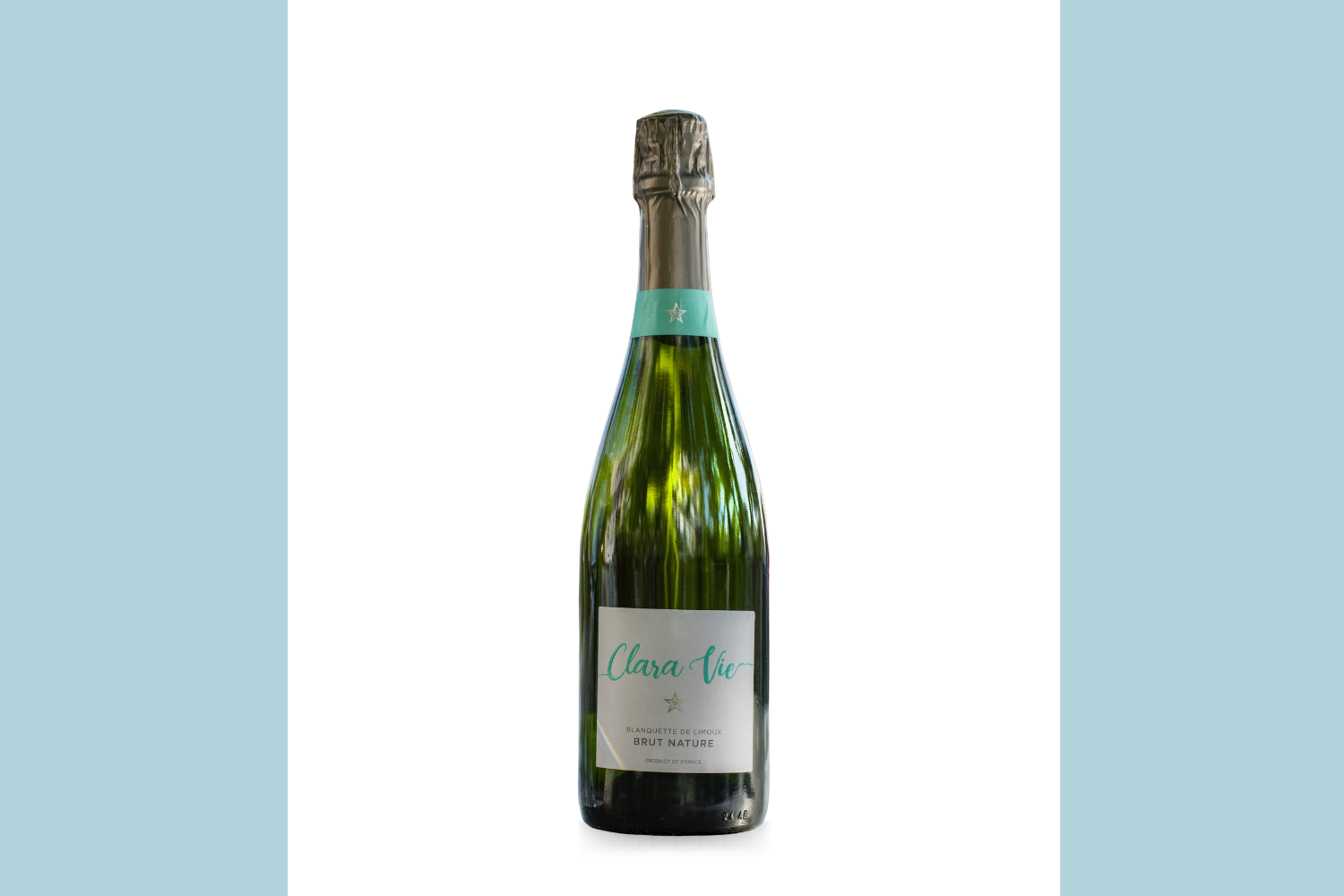
Blanquette de Limoux Brut Nature NV. Courtesy of Maison Antech.
Maison Antech, Clara Vie Blanquette de Limoux Brut Nature NV, Languedoc, France, $22
North Stars:

At Maison Antech in Limoux, sixth-generation winemaker Françoise Antech Gazeau and her son Baptiste craft Clara Vie Blanquette de Limoux Brut Nature as a nod to the region’s long sparkling tradition and its emblematic Mauzac grape. They build the blend on about 90 percent Mauzac with small amounts of Chenin Blanc and Chardonnay, then age the bottles roughly two years on lees before disgorgement. With no dosage, the wine stays bone-dry and lets Mauzac’s orchard-fruit character and the cool foothills of the Pyrenees shine. In the glass, you get white flowers, lemon zest, crisp apple, and Mirabelle plum, plus a pastry-like richness and a chalky saline finish that pairs well with fried snacks and shellfish. As a Slow Wine pick, Clara Vie links a historic appellation, a heritage variety, and a family estate that has moved into organic farming and Terra Vitis certification while keeping Mauzac at the center of the story.

2019 Extended Tirage Sparkling Riesling. Courtesy of Brooks Wine.
Brooks, 2019 Extended Tirage Sparkling Riesling, Hyland Vineyard, McMinnville AVA, Oregon, $60
North Stars:
First founded by Jimi Brooks in Oregon’s Eola–Amity Hills, Brooks Wine is now led by managing director Janie Brooks Heuck, winemaker Chris Williams, and Jimi’s son Pascal, and has become one of the valley’s reference points for serious Riesling — and responsible farming. The team farms biodynamically and backs that up with Demeter certification, B Corp status, 1% for the Planet, and a reforestation partnership with Ecologi. The 2019 Extended Tirage Sparkling Riesling comes from the historic Hyland Vineyard in the McMinnville AVA, planted to Riesling in 1971. It’s made in the traditional method, it spends 54 months on its lees (slow wine!) before a low–dosage disgorgement. On the nose, find Meyer lemon, honeysuckle, beeswax, and croissant, with notes of star fruit, yuzu, and cruncy apple over a subtle salty edge on the palate. This wine is the Swiss Army knife of the table, working with smoked fish, rich cheeses, or a slightly unruly holiday brunch.
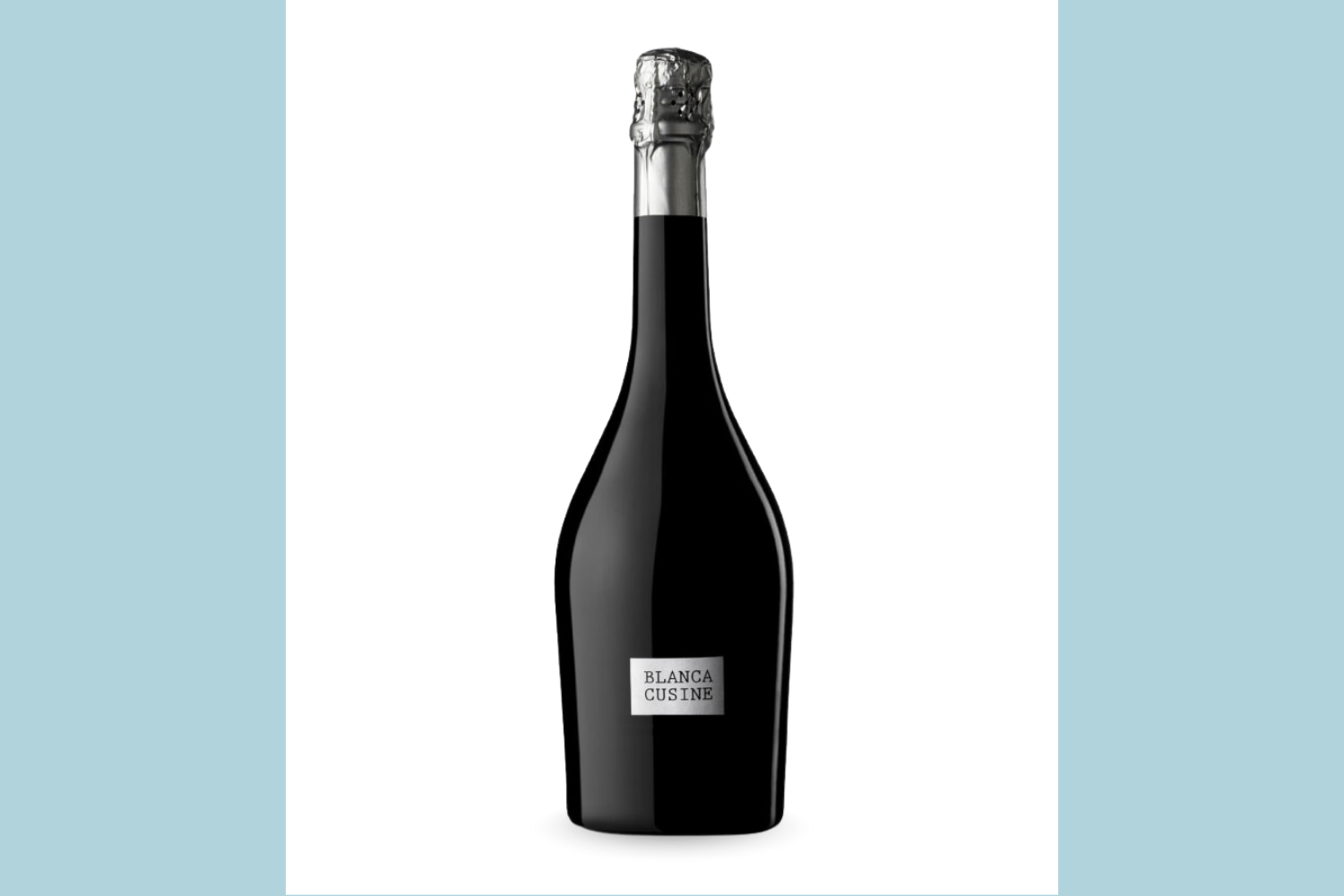
Blanca Cusiné 2019. Courtesy of Pares Balta.
Parés Baltà, “Blanca Cusiné” Xarel·lo Brut Nature Gran Reserva 2017, Penedès, Spain, NA
North Stars:

Founded in the 1930s, Parés Baltà is a family-run estate in Penedès with organic and biodynamic certifications, a flock of sheep handling the winter “mowing,” and a cellar led by two women winemakers. Blanca Cusiné is one of their flagship long-aged sparklers, made from Xarel-lo with smaller amounts of Chardonnay and Pinot Noir from high-elevation vineyards. The wine is aged nearly 80 months on the lees, then bottled as Brut Nature, which keeps it taut and mineral-forward. In the glass, it shows fennel, citrus peel, white flowers, stone fruit, and, after a swirl of air, releases notes of brioche and toasted nuts. It is an elegant yet powerful bottle that suits the most important toasts of the season, as well as a serious cheese board.
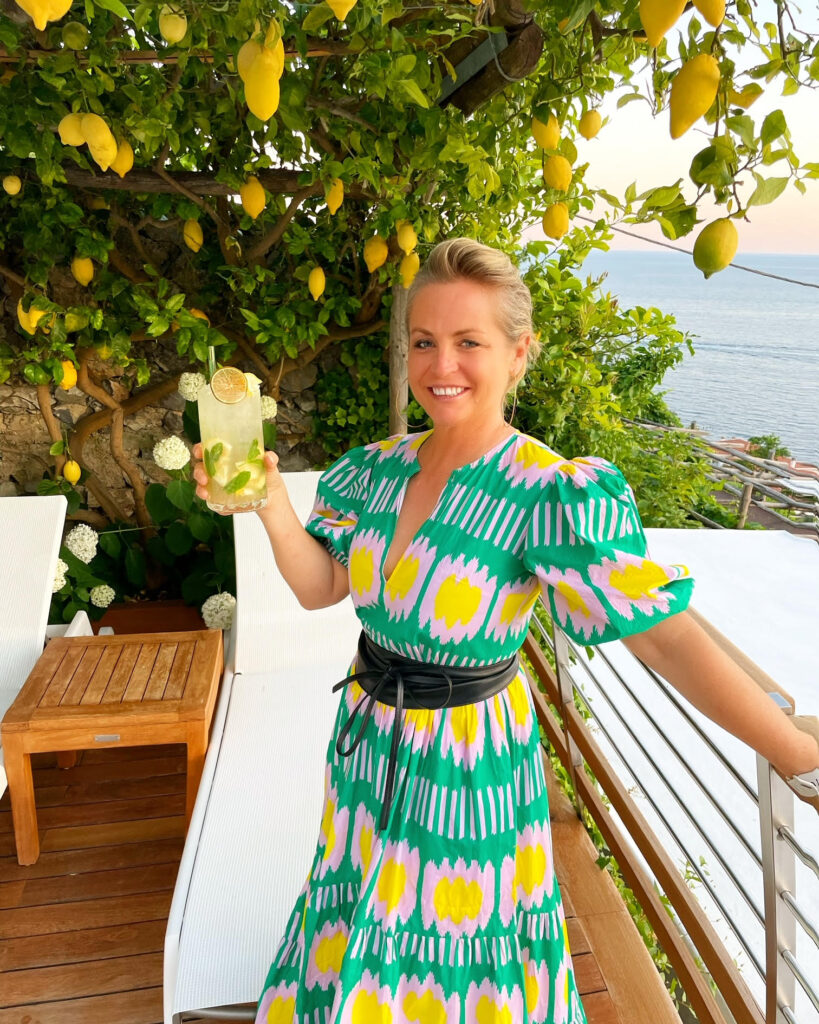
Founder and CEO of Azure Road, Lauren Mowery is a longtime wine, food, and travel writer. Mowery continues to serve on Decanter Magazine’s 12-strong US editorial team. Prior to joining Decanter, she spent five years as the travel editor at Wine Enthusiast. Mowery has earned accolades for her writing and photography, having contributed travel, drinks, food, and sustainability content to publications like Food & Wine, Forbes, Afar, The Independent, Saveur, Hemispheres, U.S. News & World Report, SCUBA Diving, Plate, Chef & Restaurant, Hotels Above Par, AAA, Fodors.com, Lonely Planet, USA Today, Men’s Journal, and Time Out, among others.
Pursuing her Master of Wine certification, she has also been a regular wine and spirits writer for Tasting Panel, Somm Journal, VinePair, Punch, and SevenFifty Daily. Mowery is a graduate of the University of Virginia and Fordham Law School, and she completed two wine harvests in South Africa.
Follow her on Instagram @AzureRoad and TikTok @AzureRoad
North Stars: Carbon Footprint, Energy Efficiency, Waste Management
More Stories
 DRINK
DRINKAzure Road Impact Award Drinks Finalists
 DRINK
DRINKWhy Now Is the Time to Cellar Santorini Assyrtiko
 DRINK, PARTNERSHIP
Ambar Estate Is Farming for Tomorrow in Oregon’s Willamette Valley
 DRINK, PARTNERSHIP
Crafting Alto Adige’s Future: The Evolution of Cantina Colterenzio
 DRINK
DRINKSeven “Slow” Sparkling Wines for the Holidays