North Stars:

Heritage Value
Community Support

Production and Consumption
“Egypt comes to me in my dreams.“
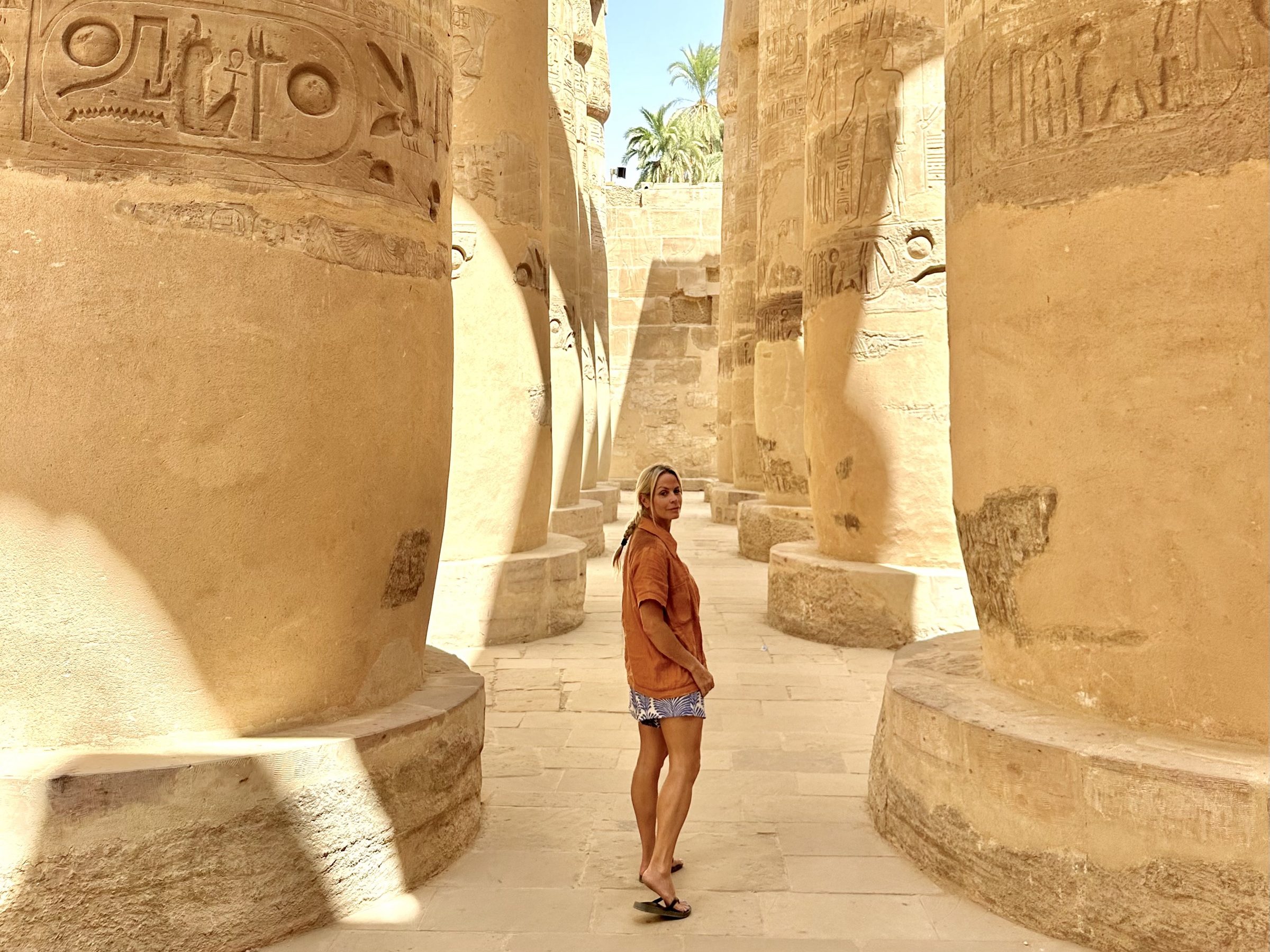
Among Karnak’s towering hypostyle columns. Courtesy of Lauren Mowery.
The Azure Road Take
Egypt comes to me in my dreams. Slowly floating up the river, past traditional sailboats called dahabiyas, saturated colors in contrast – the azure blue sky against green reedy shores, backed by ragged ochre cliffs, surrounded by the color of dry – the color of sand. These are persistent memories from my first visit to Egypt as a teenager nearly 30 years ago. I wondered if those memories of color and texture persisted in the reality of modern Egypt. After news of Pizza Huts and Starbucks springing up just beyond the sightlines of the pyramids, I assumed not. Only recently, in September, did I have a chance to return. What I found was a city – Cairo – that had grown from dirt roads into chaotic sprawl. But while sailing on Kemetale travel company’s boat Kemet, I also found that the Nile held the same breathtaking temples and rustic villages that had long defined the contradictions of the river economy.
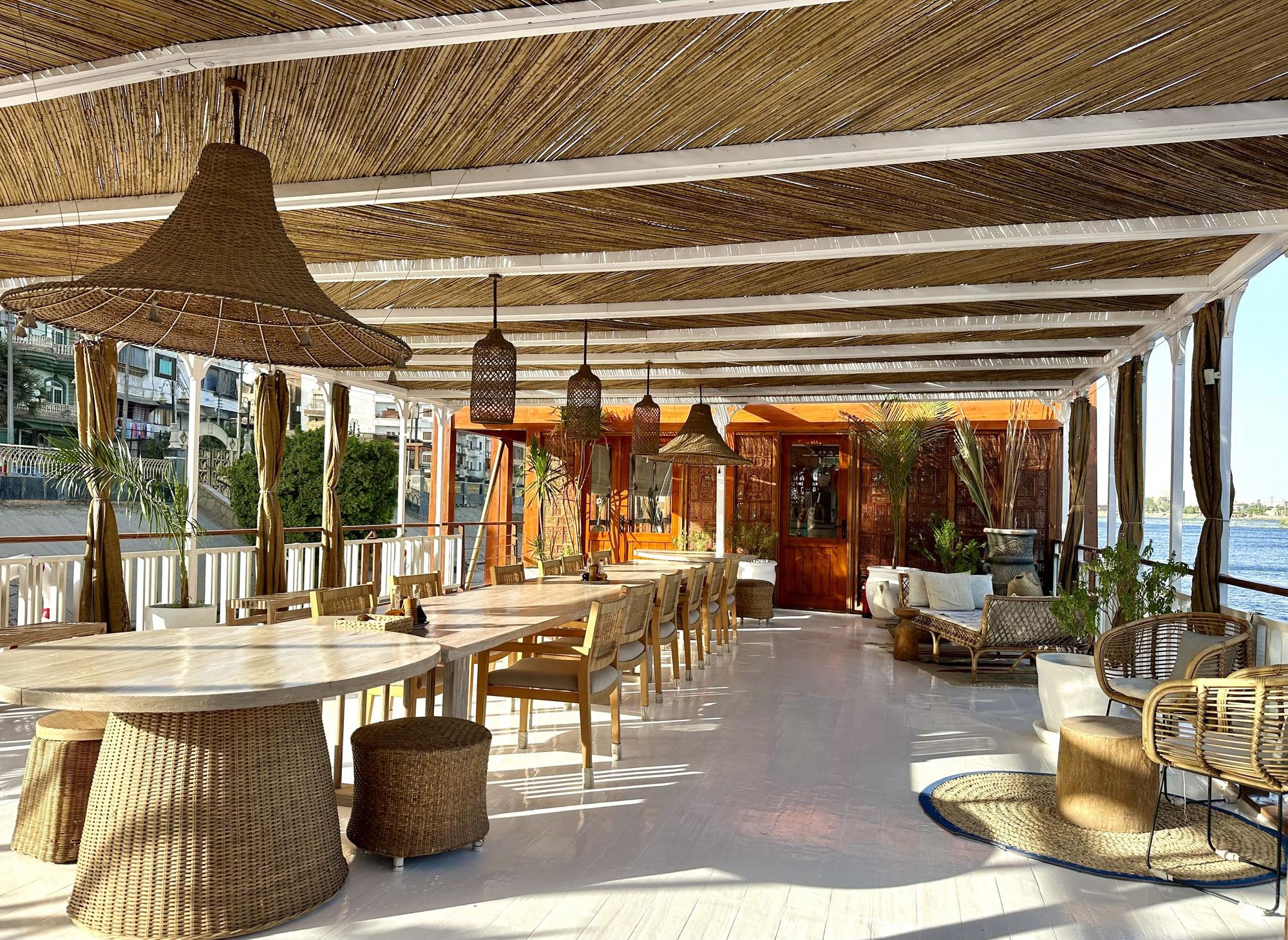
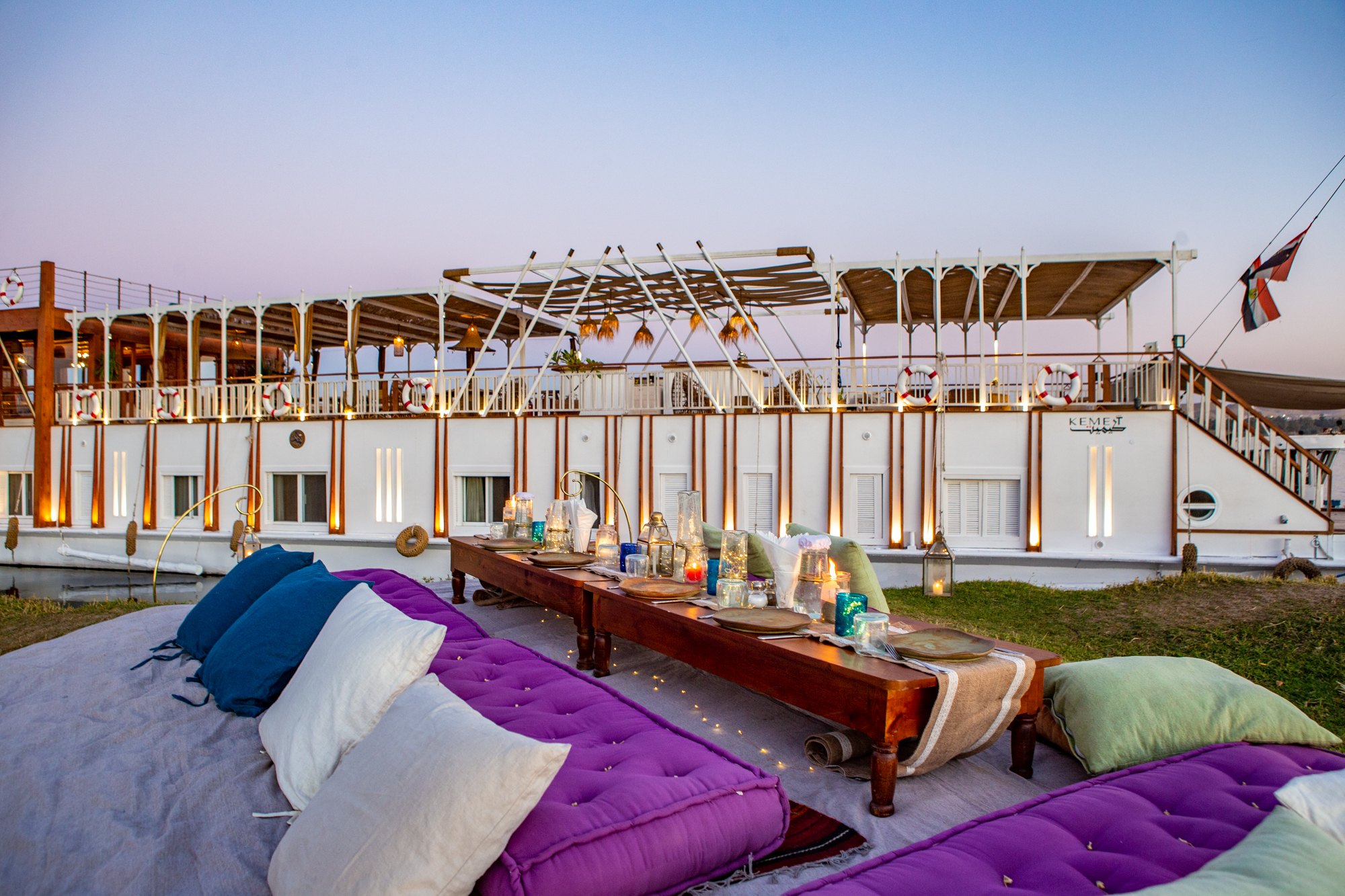
Kemet’s shaded upper lounging deck. Courtesy of Lauren Mowery.
Who’s it for?
Couples celebrating milestone events. Groups keen to charter a private boat for a bespoke itinerary and experience. Food- and design-forward travelers finally making the trek to sail the famous stretch of the Nile from Aswan to Luxor. Slow travelers looking to open a book, recline on a daybed and flip between pages and scenery, with the occasional stop for temples and sights.
Sustainability Chops
Kemet, a renovated dahabiya from the Egyptian-owned and -founded Kemetale travel group, follows the traditional design, with a long, flat-bottomed hull and two masts – a tall main mast near the bow and a shorter one at the stern. Each carries a large triangular lateen sail, hung from a long, angled wooden spar. The shallow hull lets the boat moor along riverbanks and islands that bigger ships can’t reach.
While it’s romantic to imagine the sails unfurling, catching the wind and giving ourselves to the timeline of the elements, the reality of sailing north from Aswan to Luxor entails a tugboat pulling the vessel. Nearly every boat on this stretch relies on an engine, none more so than the multi-deck cruise ships that rush past in a hurry that seems antithetical to the journey.
Kemet has a local staff who mostly speak English, or at least well enough to handle the needs of guests. The owners sourced most of the decor from Egyptian artisans. An interior designer would likely take notes and photos of the textiles, including the country’s famous high-thread-count cotton sheets, the rugs and flaxen curtains, all lending the boat a North African bohemian vibe. The decor feels upmarket but not out of touch with its surroundings. The owners also sourced handmade clay plates and glassware from a local ceramic school that guests can visit in Luxor before heading home. At dinner, delicate Egyptian cotton napkins, hand-embroidered with village motifs, seem too beautiful to mar.
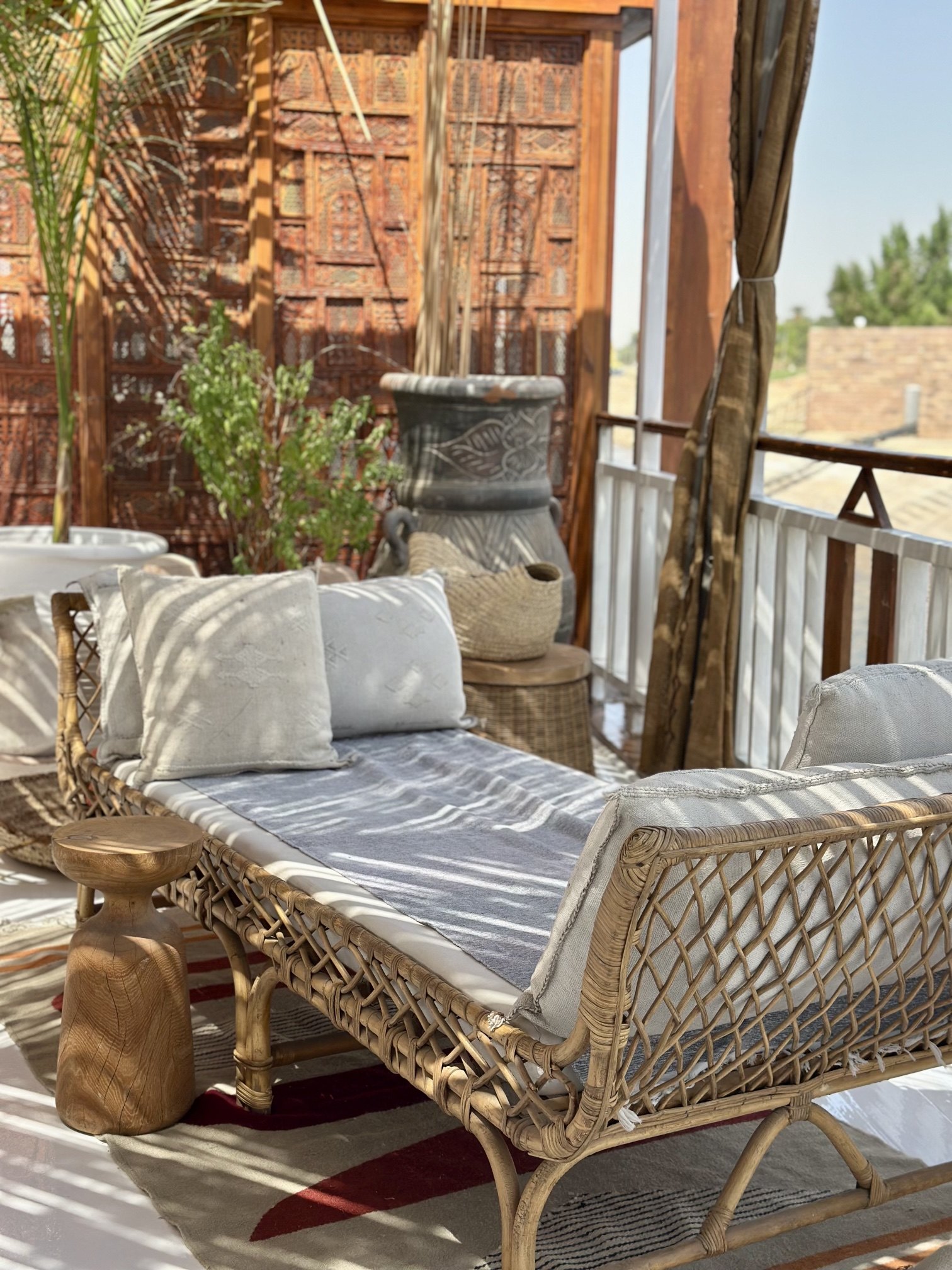
A daybed before carved wooden screens. Courtesy of Lauren Mowery.
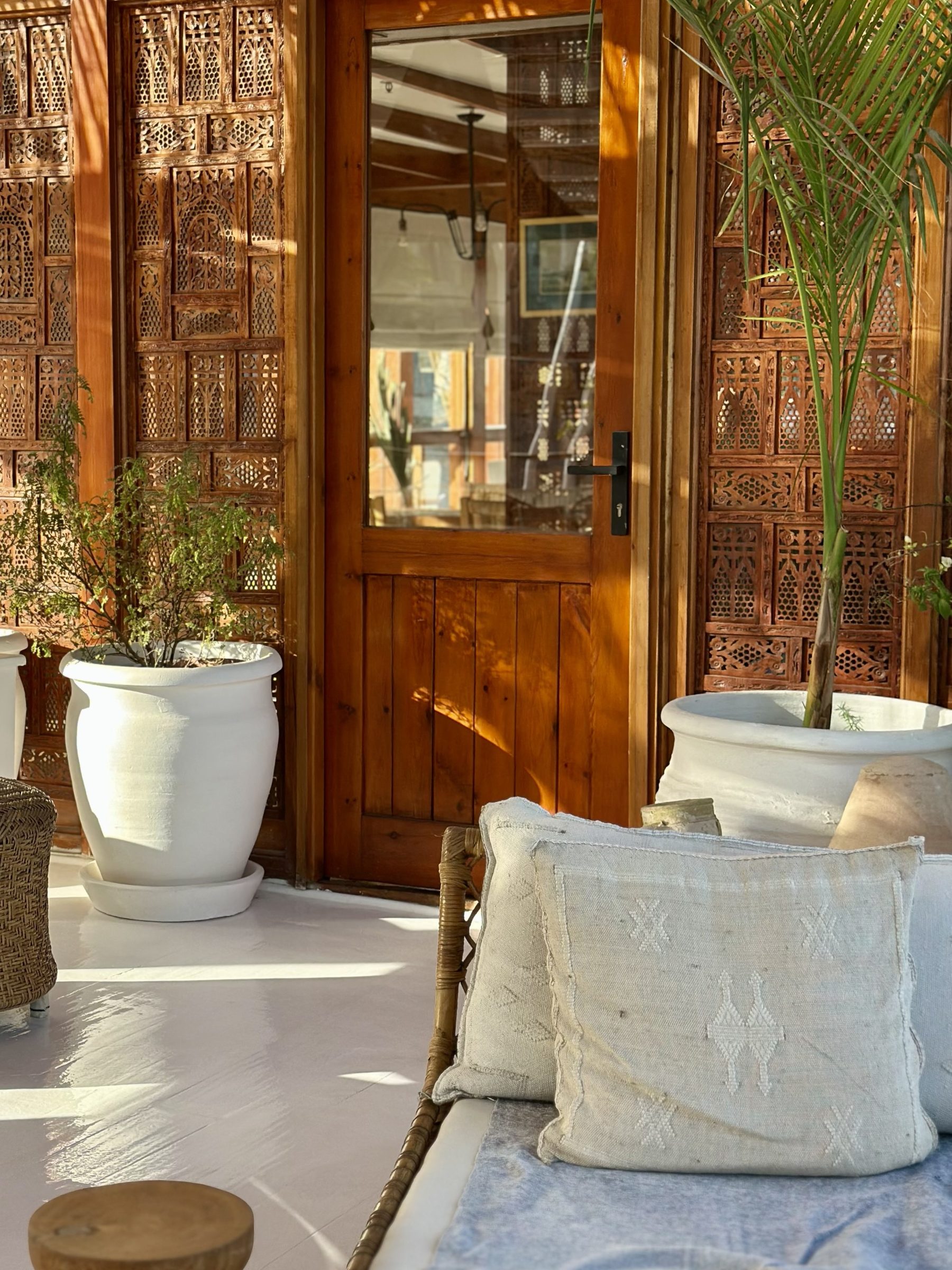
Carved screens frame a cabin door. Courtesy of Lauren Mowery.
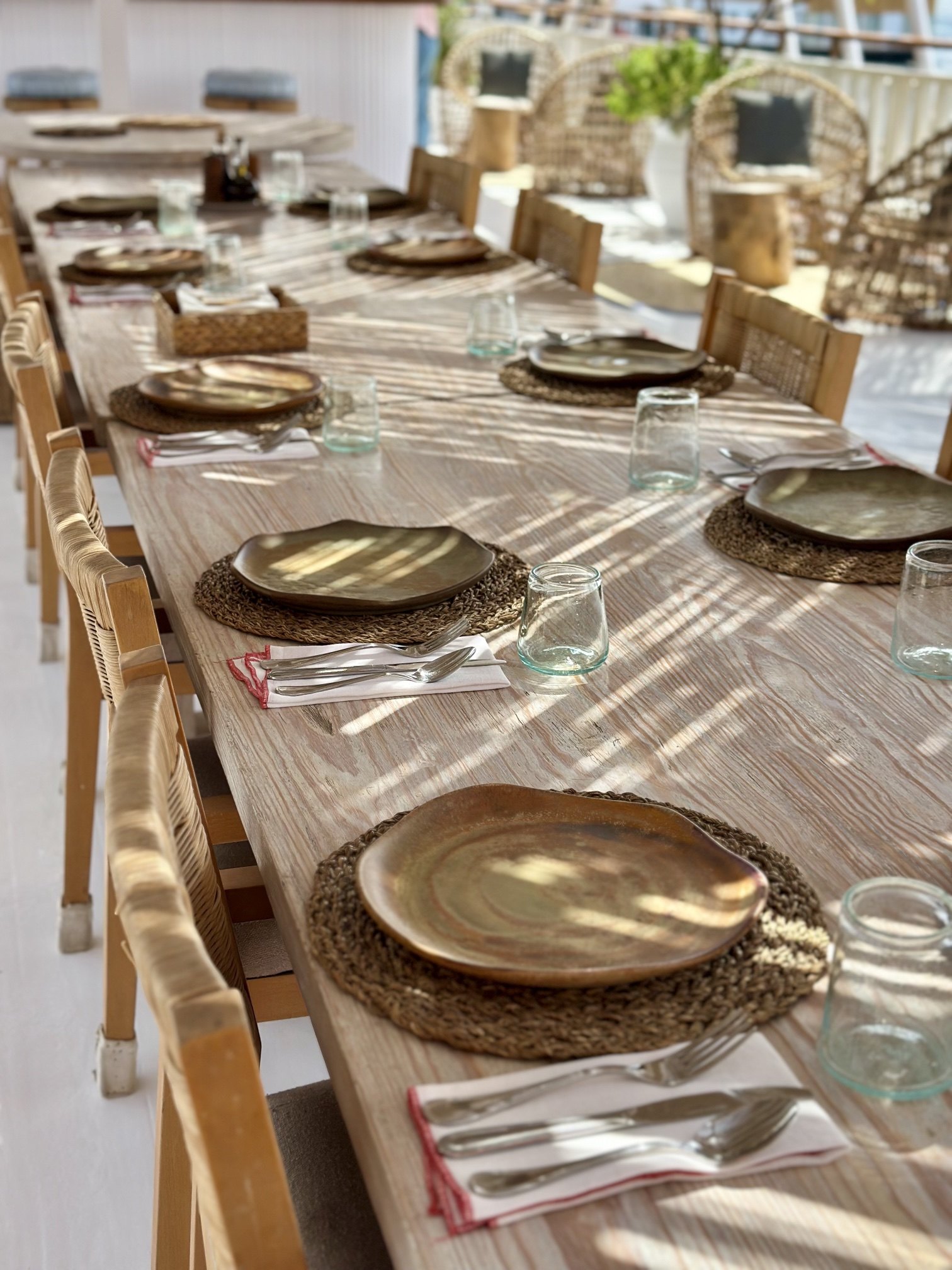
Handmade plates set for lunch. Courtesy of Lauren Mowery.
In the evenings, someone out of sight quietly starts the vintage record player, rotating old vinyl filled with Middle Eastern singers. Meals featured mostly Egyptian dishes, with produce and seafood typically stocked in Cairo or Luxor. Occasionally, river fish from one of the local fishermen might feature at night.
Kemetale says it fitted Kemet with a sewage and water treatment system that recycles and purifies the water used on board. According to the company, the crew also sends waste to specialized recycling centers and keeps plastic to a minimum, encouraging guests to bring refillable water bottles. I never saw plastic on the ship.
The Location
My route started in Aswan and ended in Luxor. Kemet covers about 130 river miles between the cities. Lining the shore, strips of green fields and date palms give way to bare desert ridges. On an aerial map of Egypt, the contrast is stark: a pencil-thin line of emerald runs down the spine of the country, and if the river dried up, the vast quarters of sand would swallow that fertile farmland. Indeed, the river is the lifeline of Egypt.
Landing in Aswan in the late morning, we transferred to the ship, where the crew welcomed us with a cool towel and a non-alcoholic hibiscus drink, then showed us to our rooms to settle in. Though the trip was only three nights, the itinerary had enough boat time, temple time, dining time and relaxing time to feel full.
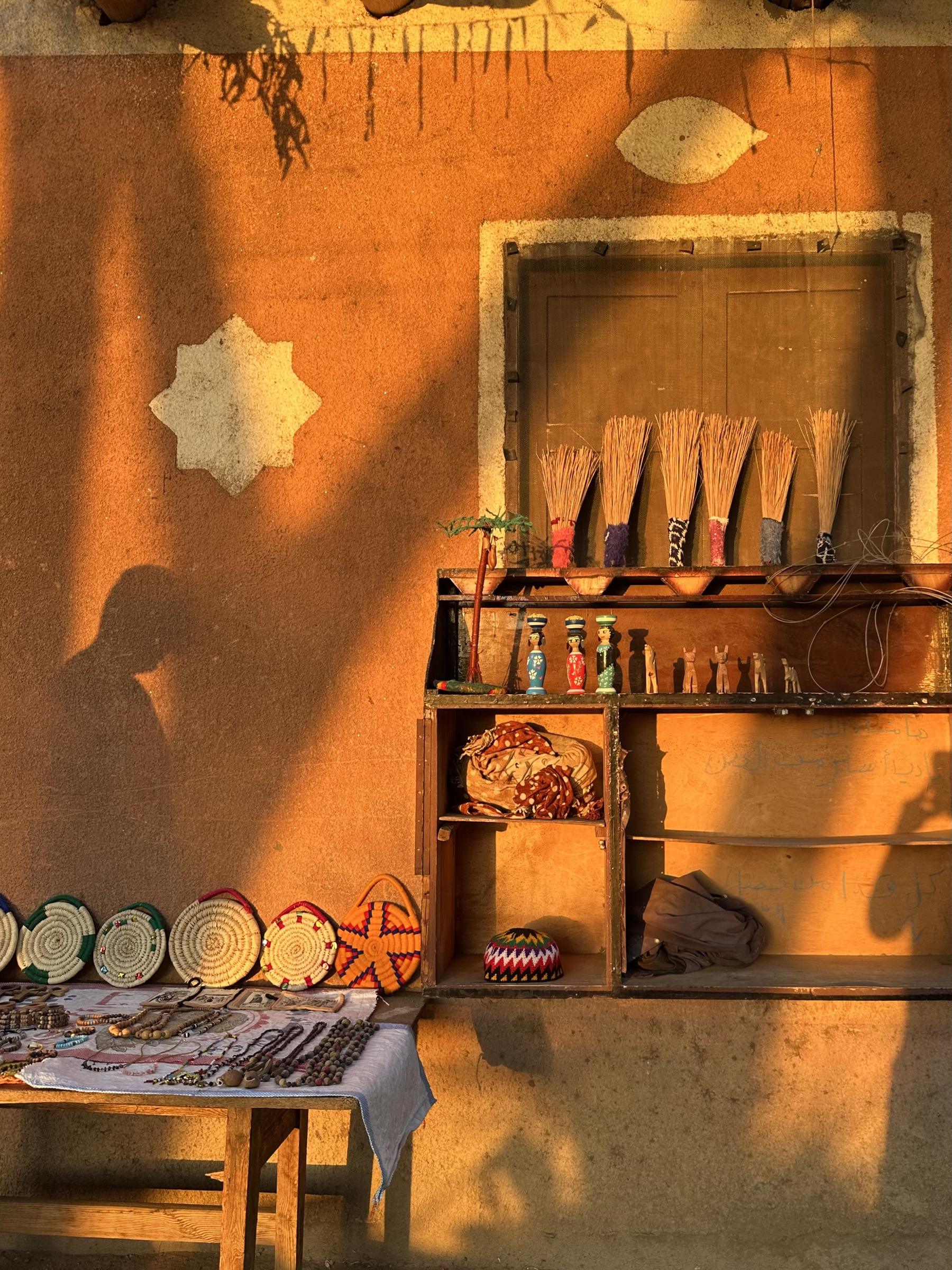
Village crafts at golden hour. Courtesy of Lauren Mowery.
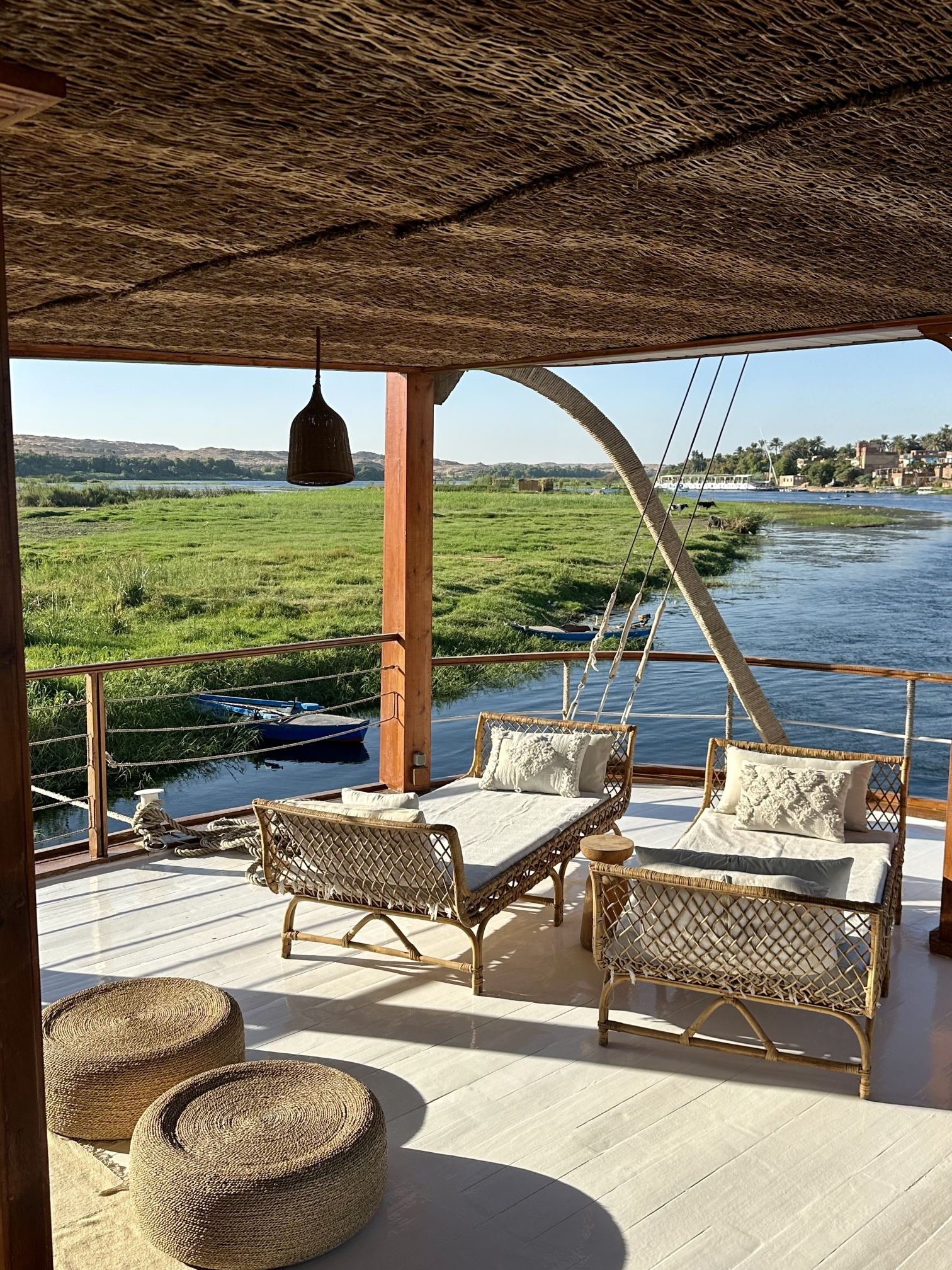
Green fields and palms line riverbanks. Courtesy of Lauren Mowery.
During the day, I sat on the rear deck watching farmers cut tall grass to pile in blue wooden skiffs. Women washed clothes at the water’s edge while fishermen cast nets for perch.
Underway on the Nile. Courtesy of Lauren Mowery.
Watching the Nile at day’s end. Courtesy of Lauren Mowery.
Then a temple would slowly come into view. The Nile has a slew of ancient sites along its shores, largely because that’s where life congregated and where boats transported materials. Though nearly all boats visit them, an independent boutique ship has the benefit of tying up earlier or later than the swarms of cruise lines that all stick to the same schedule.
At Kom Ombo, the temple splits into twin sanctuaries, one for the crocodile god Sobek and one for the falcon god Haroeris. Reliefs of goddesses holding ankhs line the walls, as crisp as if carved only months ago. Our guide showed us a hidden corridor where priests could speak to the confessing elite as an oracle. At another stop, we visited Gebel el-Silsila’s ancient sandstone quarries, where cliffs pinch the river. Visitors can only reach them by boat.
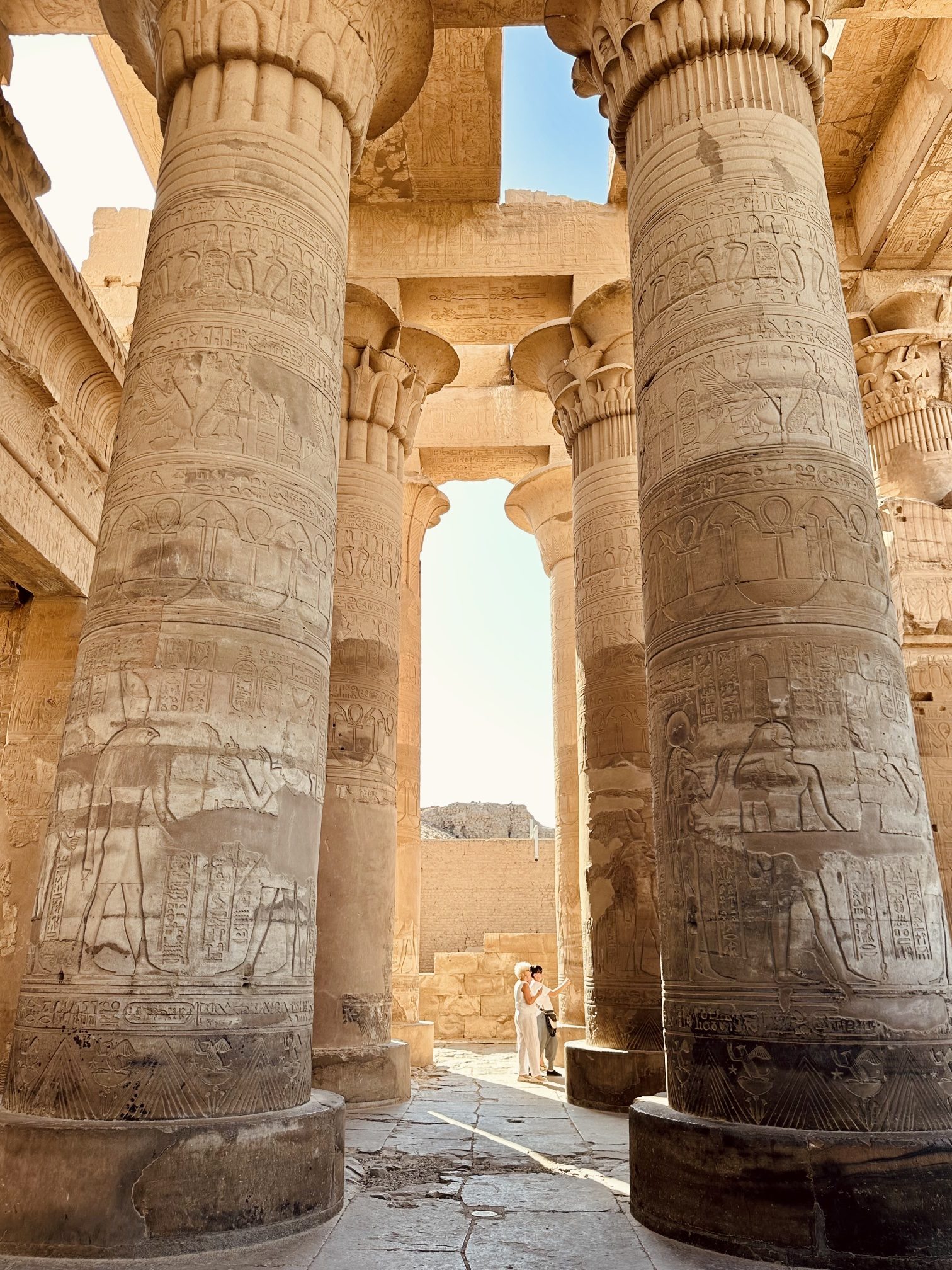
Columns carved with gods and ankhs. Courtesy of Lauren Mowery.
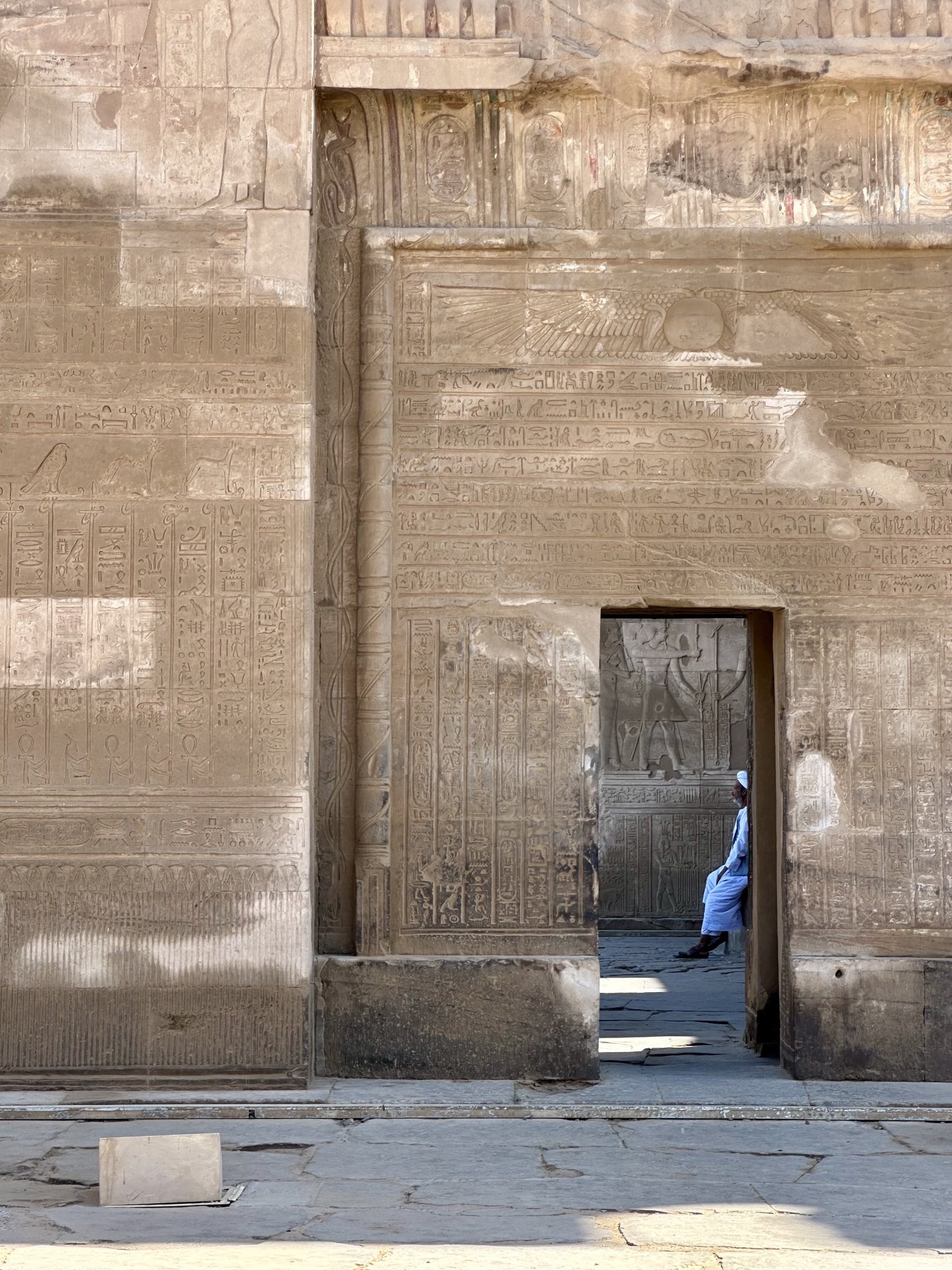
A quiet doorway between sanctuaries. Courtesy of Lauren Mowery.
At Edfu, drifting sand and silt buried the Temple of Horus nearly to its roof, which kept its walls intact until Auguste Mariette cleared it in the 1860s. Granite falcons still guard the entrance.
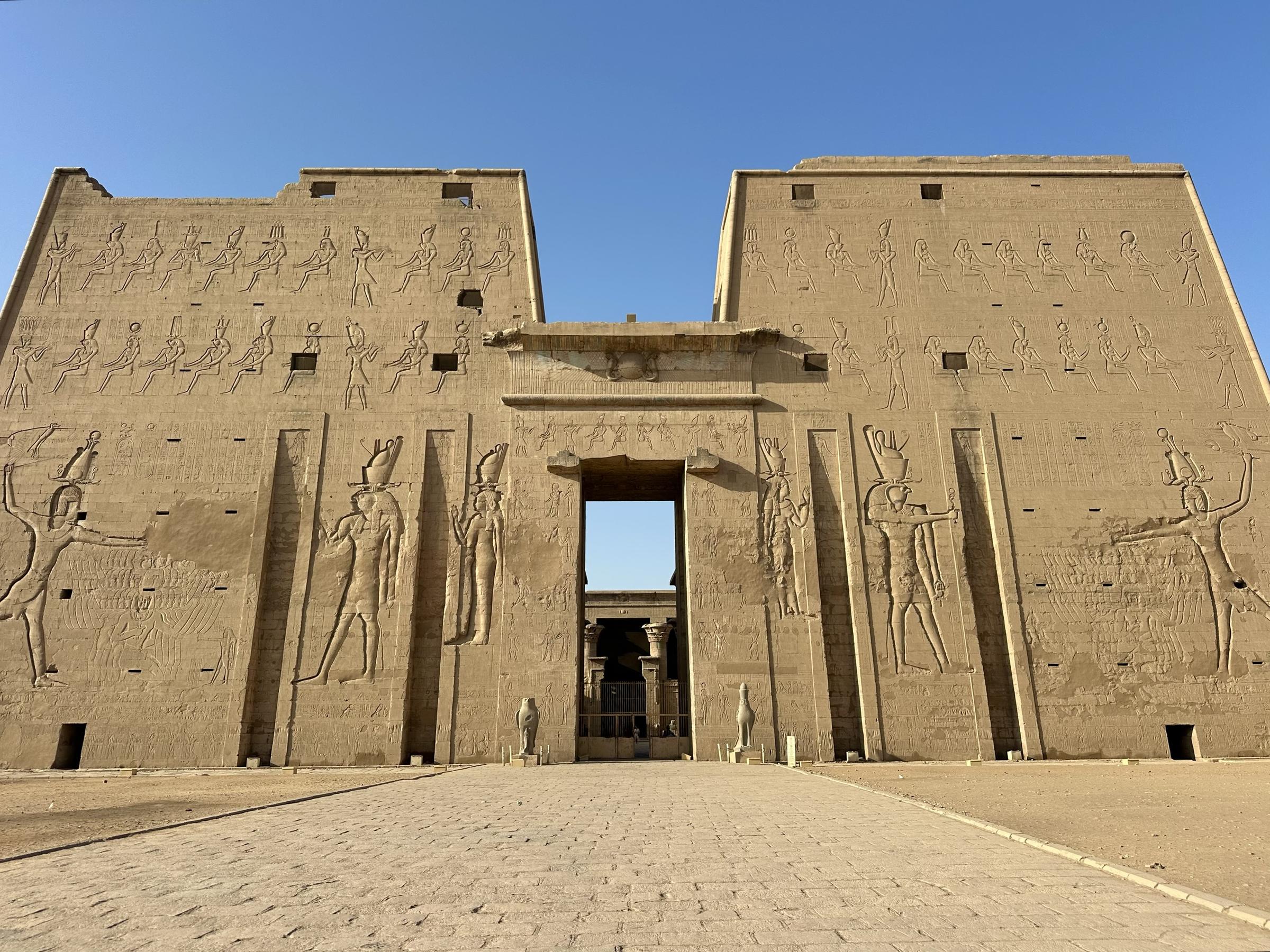
The Temple of Horus at Edfu. Courtesy of Lauren Mowery.
On the morning of the last day, we toured the Temple of Khnum at Esna. It’s a striking building – red sandstone columns crowned by floral capitals line its Roman-era pronaos. Recent and ongoing conservation has revealed vivid colors and painted inscriptions beneath centuries of soot.
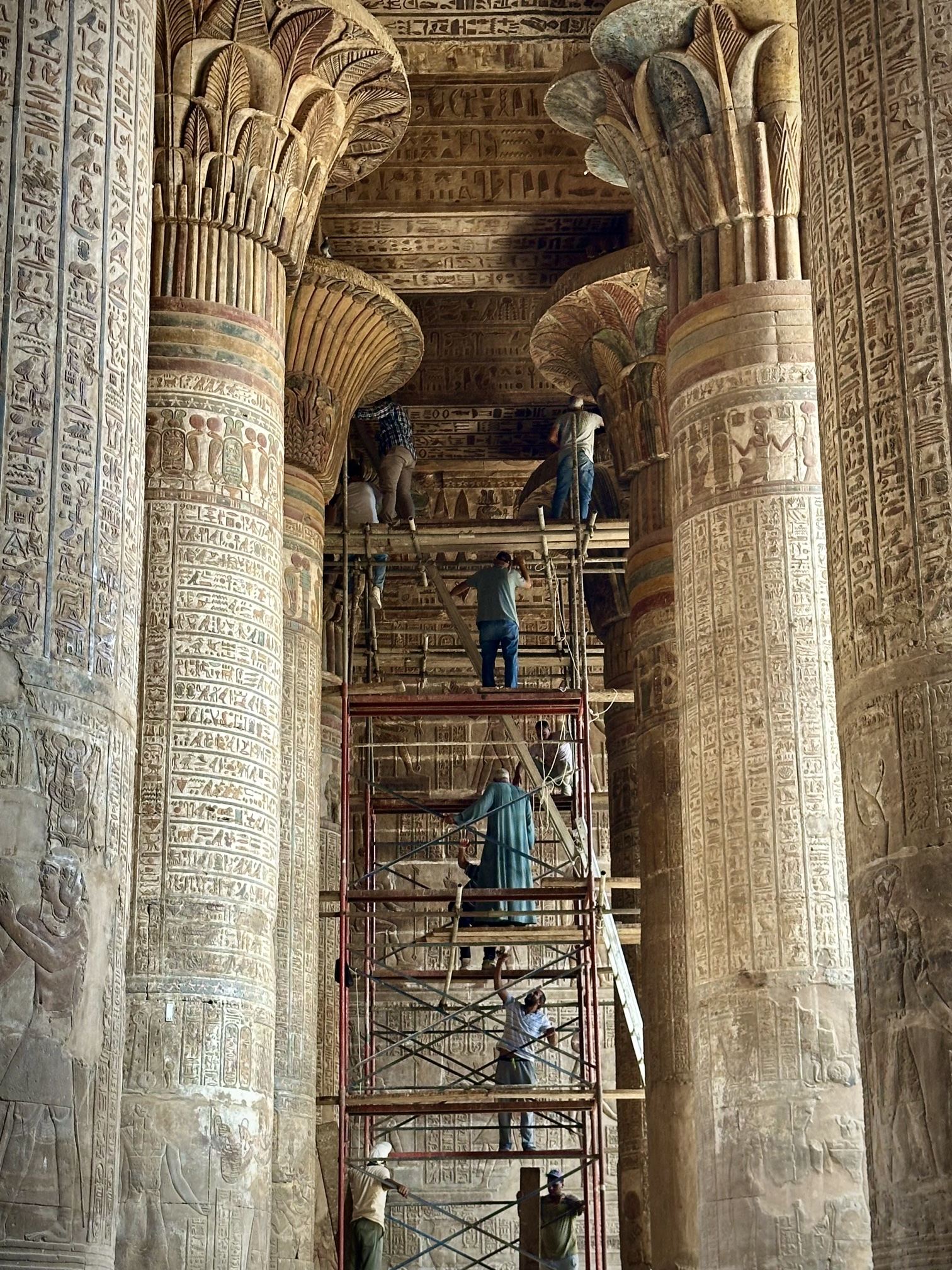
Conservators at work on scaffolding. Courtesy of Lauren Mowery.
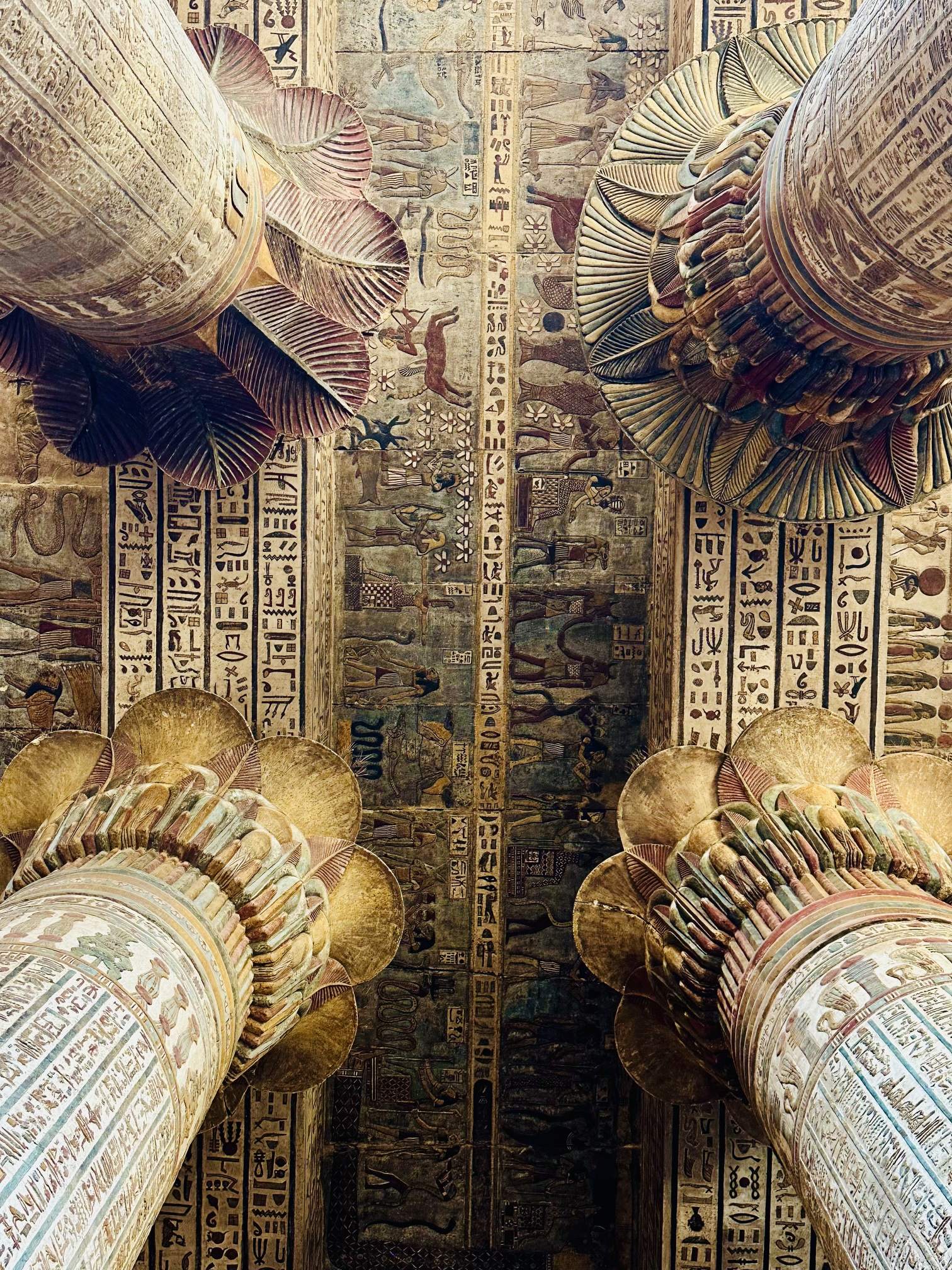
Esna’s painted ceiling from below. Courtesy of Lauren Mowery.
During lunch, we sailed to Luxor, where we disembarked for Karnak, finishing in the Valley of the Kings. Karnak remains the largest religious complex of the ancient world: over 1,500 years, 30 pharaohs added to it until it spread across more than 200 acres.
After the grandeur of Karnak, the Valley of the Kings feels subdued only because the key sights hide below the earth – the underground tombs. Our guide explained that each pharaoh started carving his tomb soon after taking the throne. Only a few tombs are open for the public to descend into, including the shared tomb of Ramesses V & VI and, of course, King “Tut” Tutankhamun’s.
Rooms
Kemet’s lower deck holds eight suites in three categories, sleeping up to 19 guests. The three largest suites measure 291 square feet, each with a king bed and a daybed that sleeps a third guest. Two 269-square-foot Aur suites have king beds and private balconies, and three 237-square-foot Lazuli suites have twin beds.
The suites have a low-key, bohemian feel, with low-slung seating and daybeds for relaxing as the scenery goes by. Picture windows frame the riverbank, and the bathrooms are large by boat standards. My suite had two spaces: a lounge with a daybed and a separate bedroom.
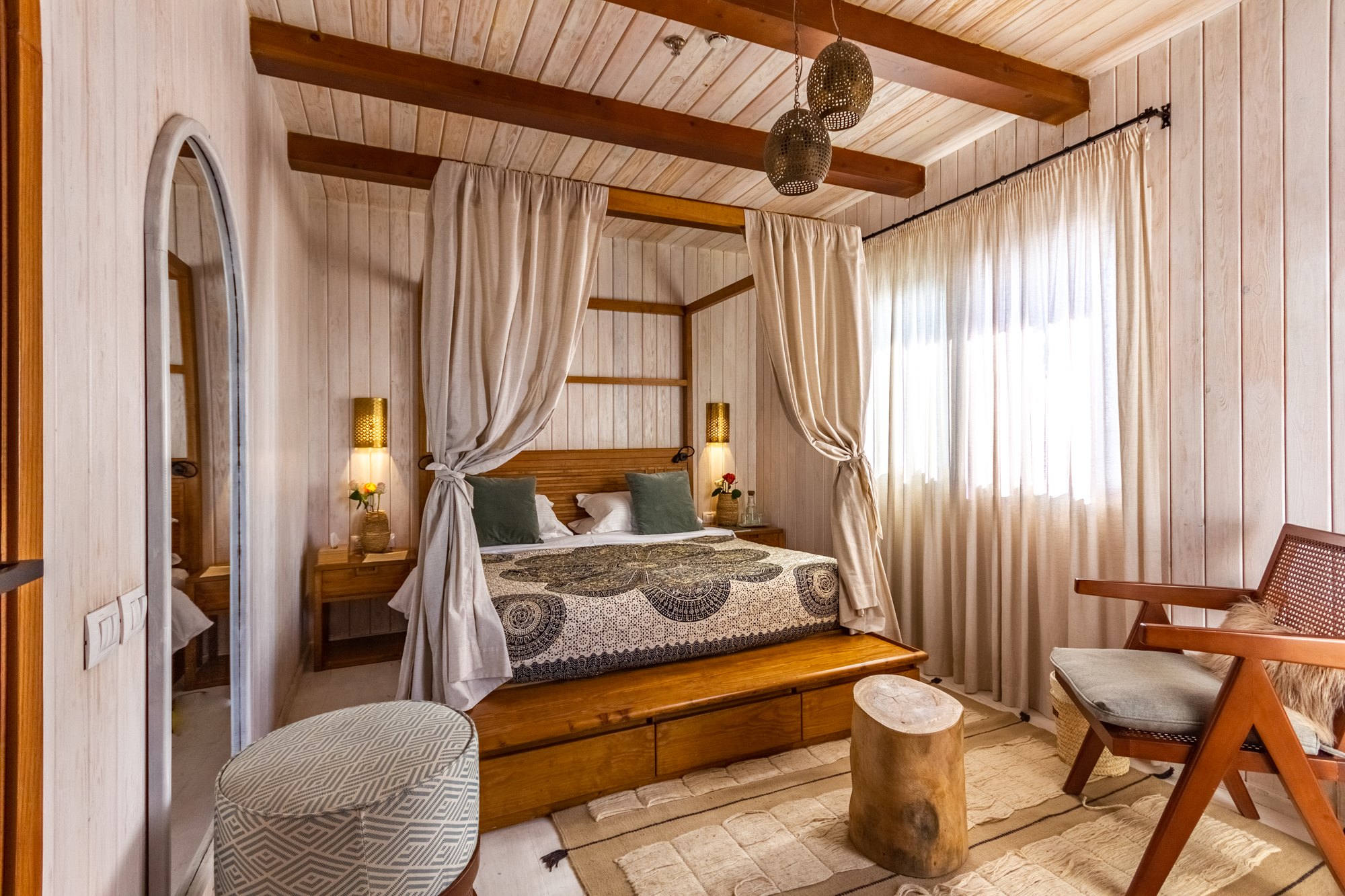
A canopy bed in one of Kemet’s suites. Courtesy of Kemetale.
Food and Drink
Other than breakfast, which guests take at leisure, meals arrive family style at a time the group sets. Typically, everyone grabs a seat at a long wooden table on the main deck, each place set with handmade ceramics and pretty napkins. During one dinner, we had koshary, Egypt’s staple of pasta, rice and lentils, heaped with chickpeas and dark fried onions, with tomato sauce on the side. A chopped salad of cucumber, tomato and peppers came with it, plus a basket of aish baladi, the classic Egyptian flatbread, still charred from the oven. Another night, the crew grilled kabobs for a torch-lit barbecue on the beach.
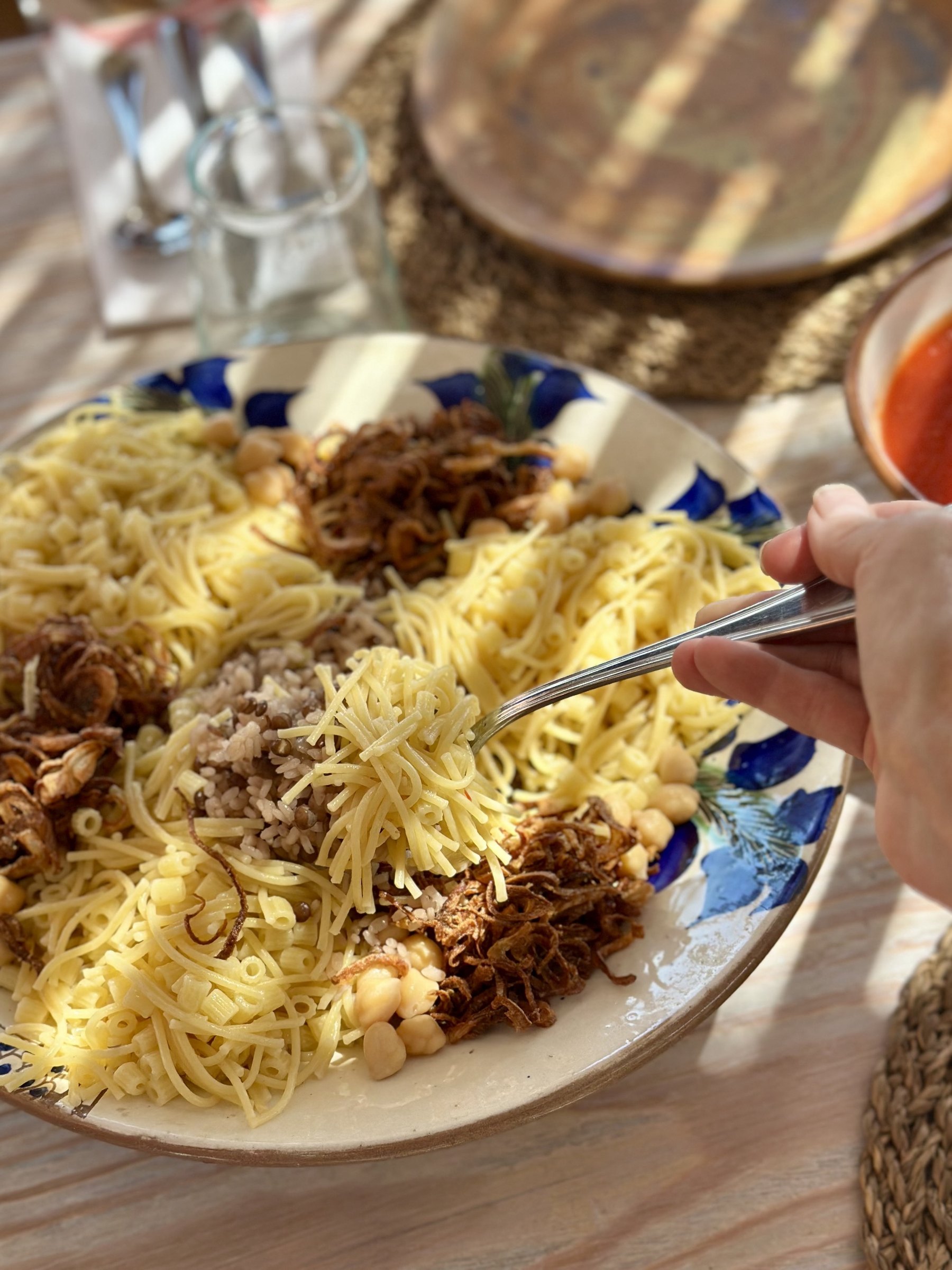
Koshary, Egypt’s beloved staple dish. Courtesy of Lauren Mowery.
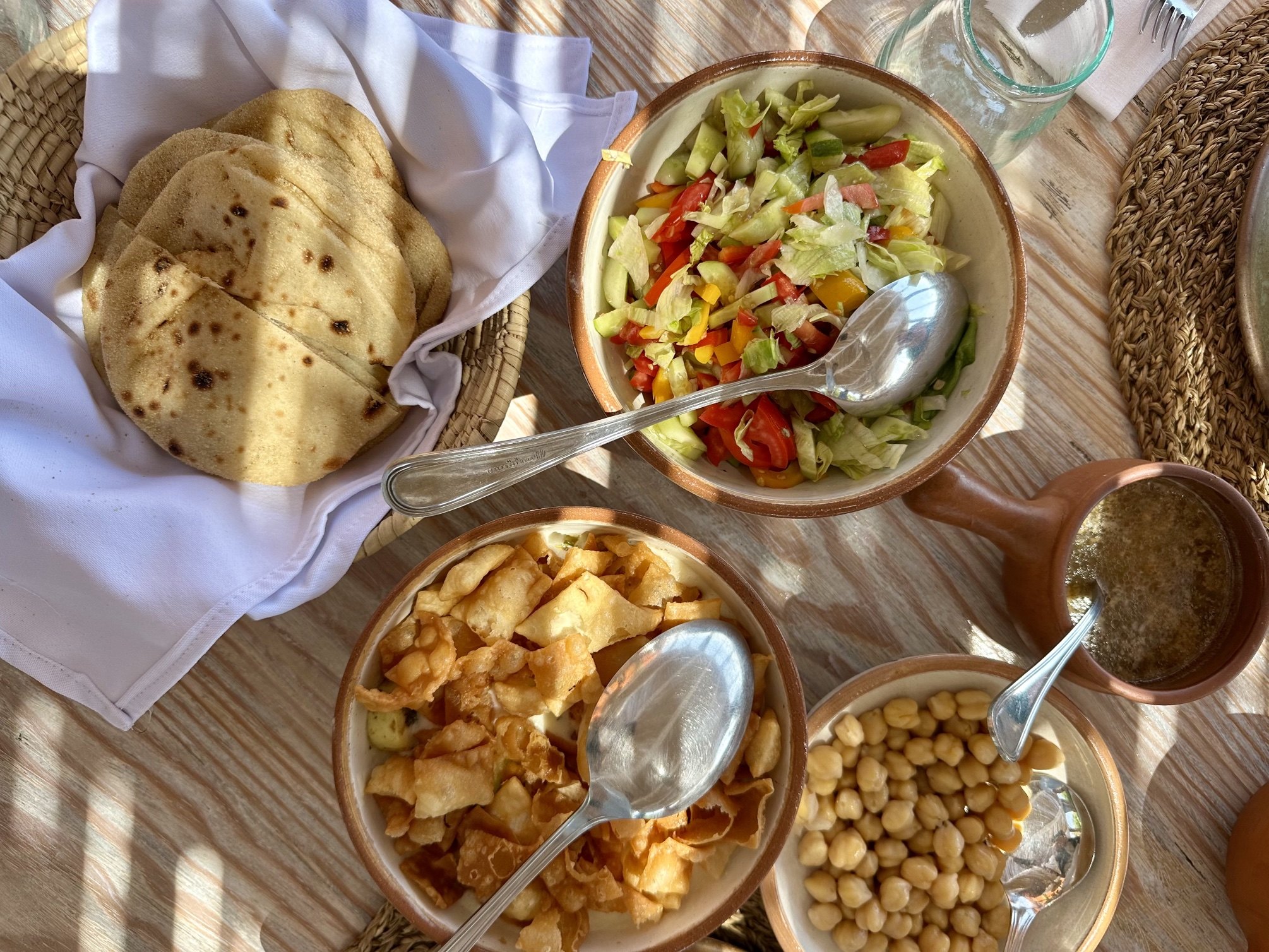
Aish baladi, salad and chickpeas. Courtesy of Lauren Mowery.
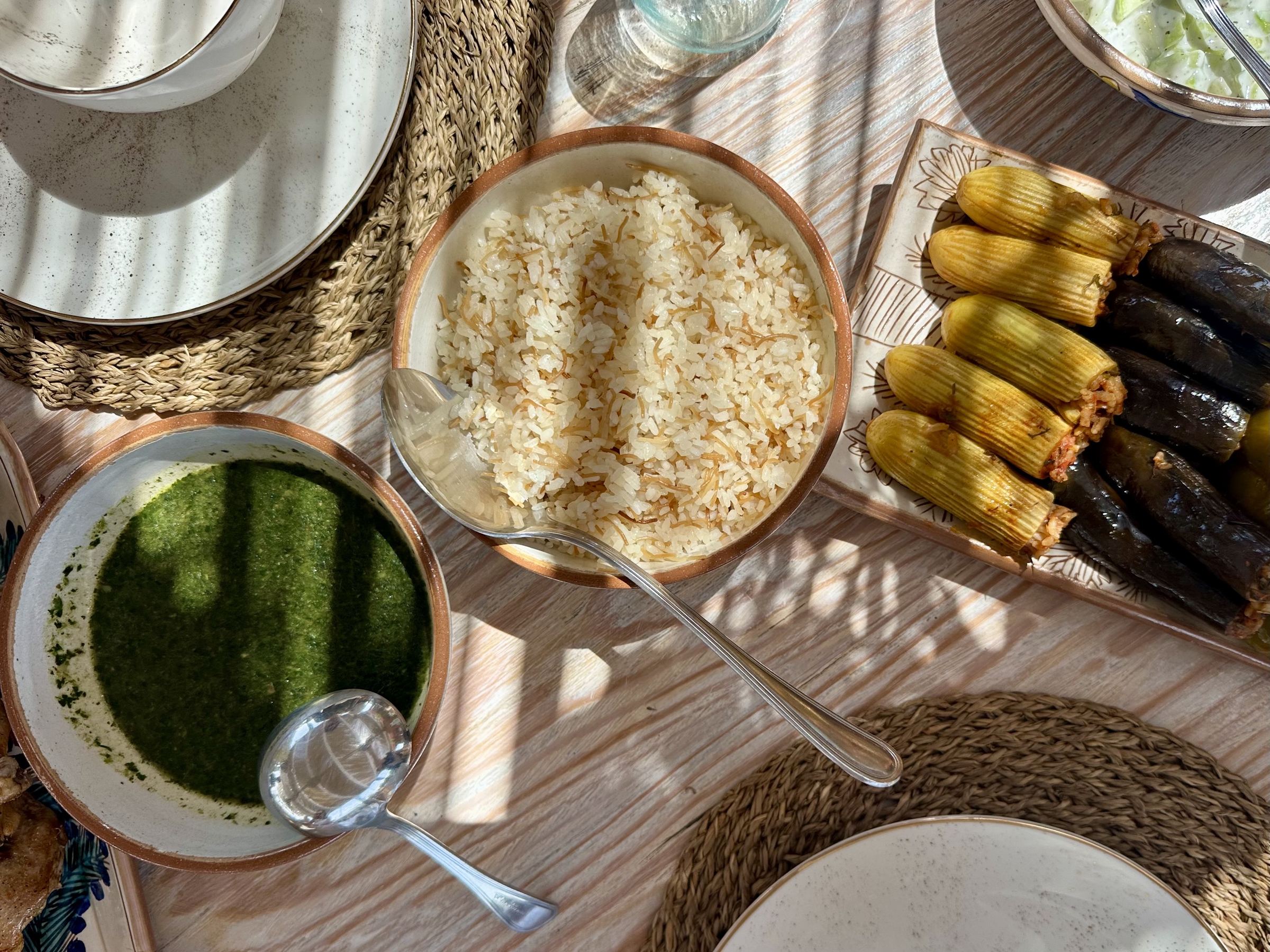
Molokhia, rice and stuffed vegetables. Courtesy of Lauren Mowery.
Kemet generally doesn’t sell alcohol, but staff will pour it for guests who bring their own wine or spirits. For anyone wishing to enjoy fine wine, I recommend buying at duty-free in the airport on the way over or bringing bottles in your suitcase. During the day, I largely drank hibiscus with lime and seltzer, mango lassis spiced with cinnamon, or coffee and tea, while snacking on platters of fresh fruit. The deck bar offers service throughout the day. At night, we enjoyed a few glasses of Egyptian wine offered with dinner, though that’s the exception, not the rule. Egyptian wine is surprisingly pleasant if you’re not too fussy, and given I’m a wine writer by trade, that’s not a throwaway line.
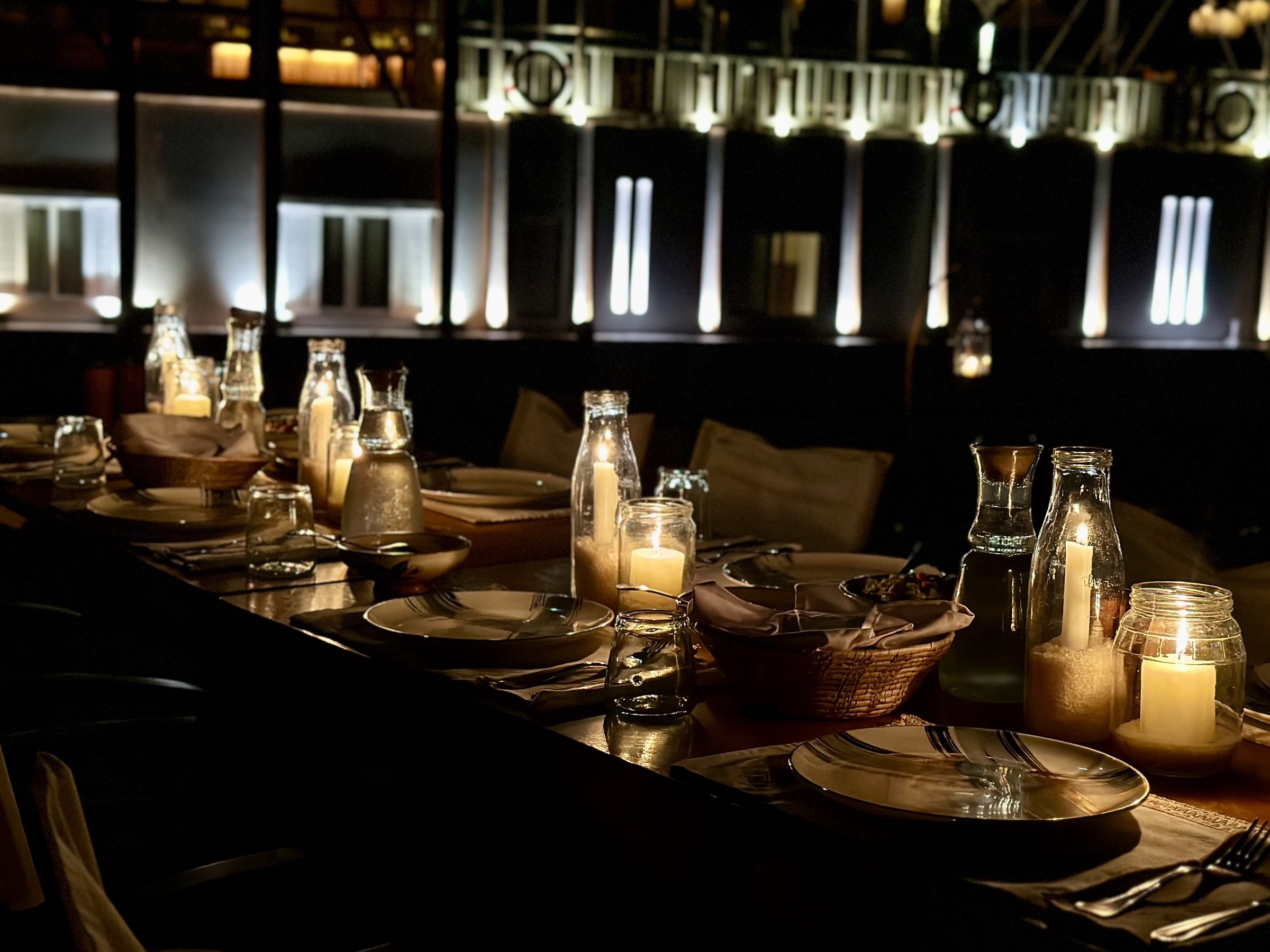
Dinner by candlelight on deck. Courtesy of Lauren Mowery.
Staff and Service
Staff were attentive but relaxed. One night, we enjoyed live music from a local band, and the staff dressed in their traditional galabiyas and came ashore to lead the group in an hour of dancing and clapping. We also traveled with an Egyptologist who provided humor and insights at each temple. His passion for knowledge, and the flourish with which he shared it, made us feel like we were listening to Real Housewives of the Pharaohs instead of a documentary.
On the last morning, four guests asked to visit the pottery school’s shop, about five minutes from the Valley of the Kings, and the crew added the stop to the day’s plan. I brought home several pieces and appreciated the inclusion, despite it being outside the itinerary’s scope.
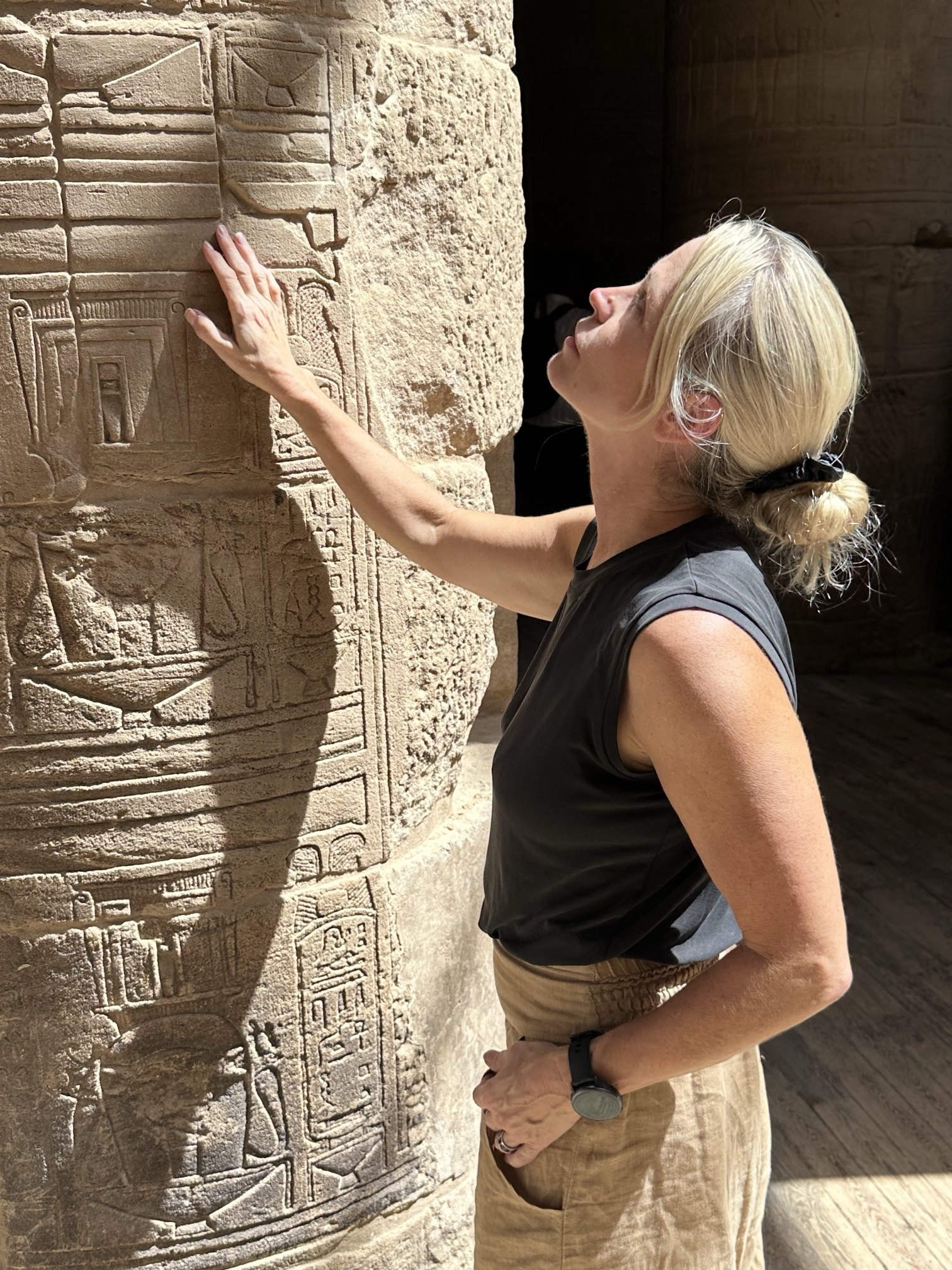
Tracing reliefs on a temple column. Courtesy of Lauren Mowery.
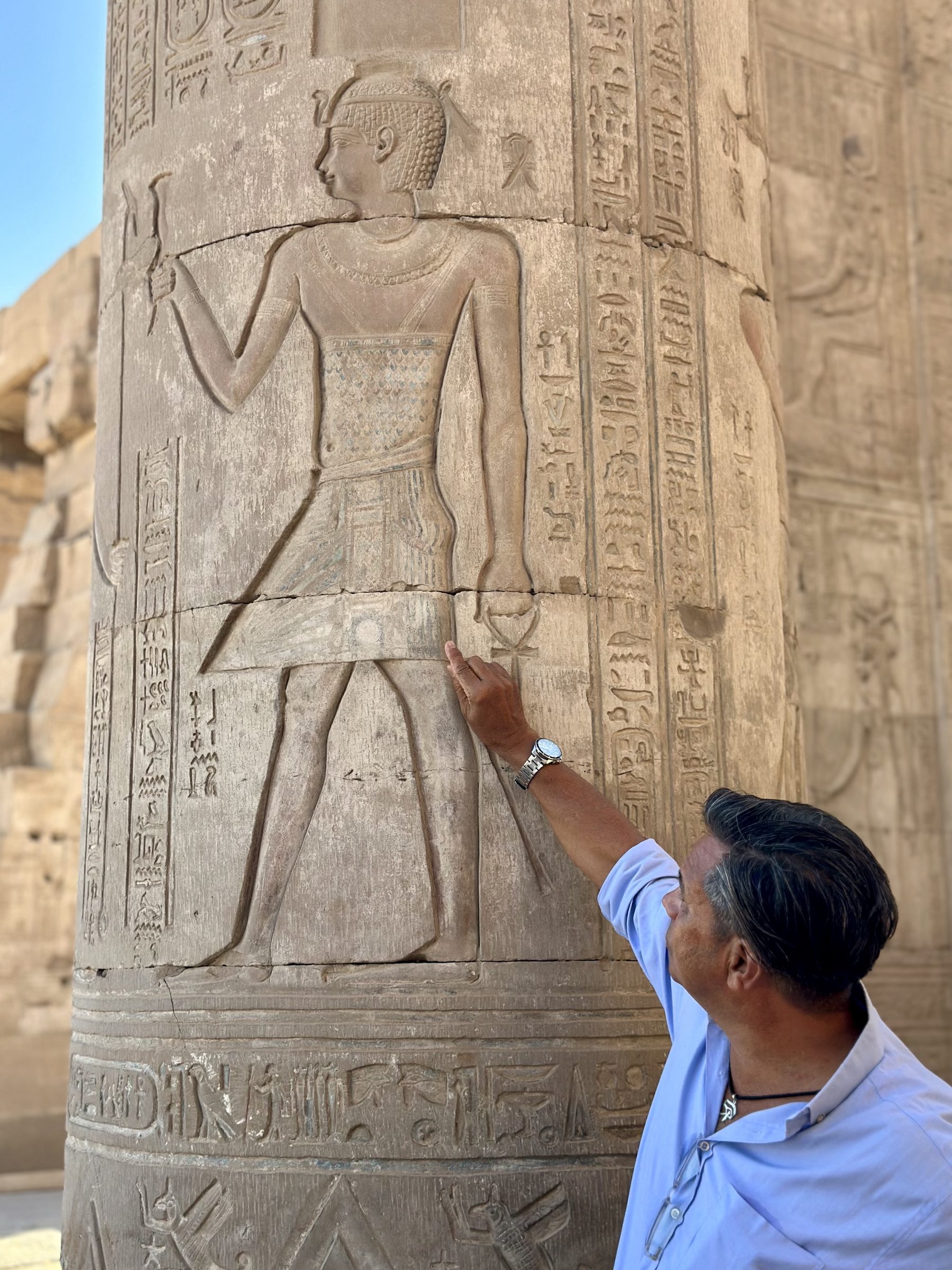
Our guide points out a relief. Courtesy of Lauren Mowery.
Amenities
Kemet keeps the extras simple, and with a good book and the riverbank sliding past, you don’t need much more. The boat has plenty of decks for lounging: a shaded upper deck with daybeds and low sofas, an open-air Stardeck above it, and a rear deck that sits just above the waterline. On the lower deck, a small library doubles as a reading room. Wi-Fi kept those of us working a bit on the trip connected.
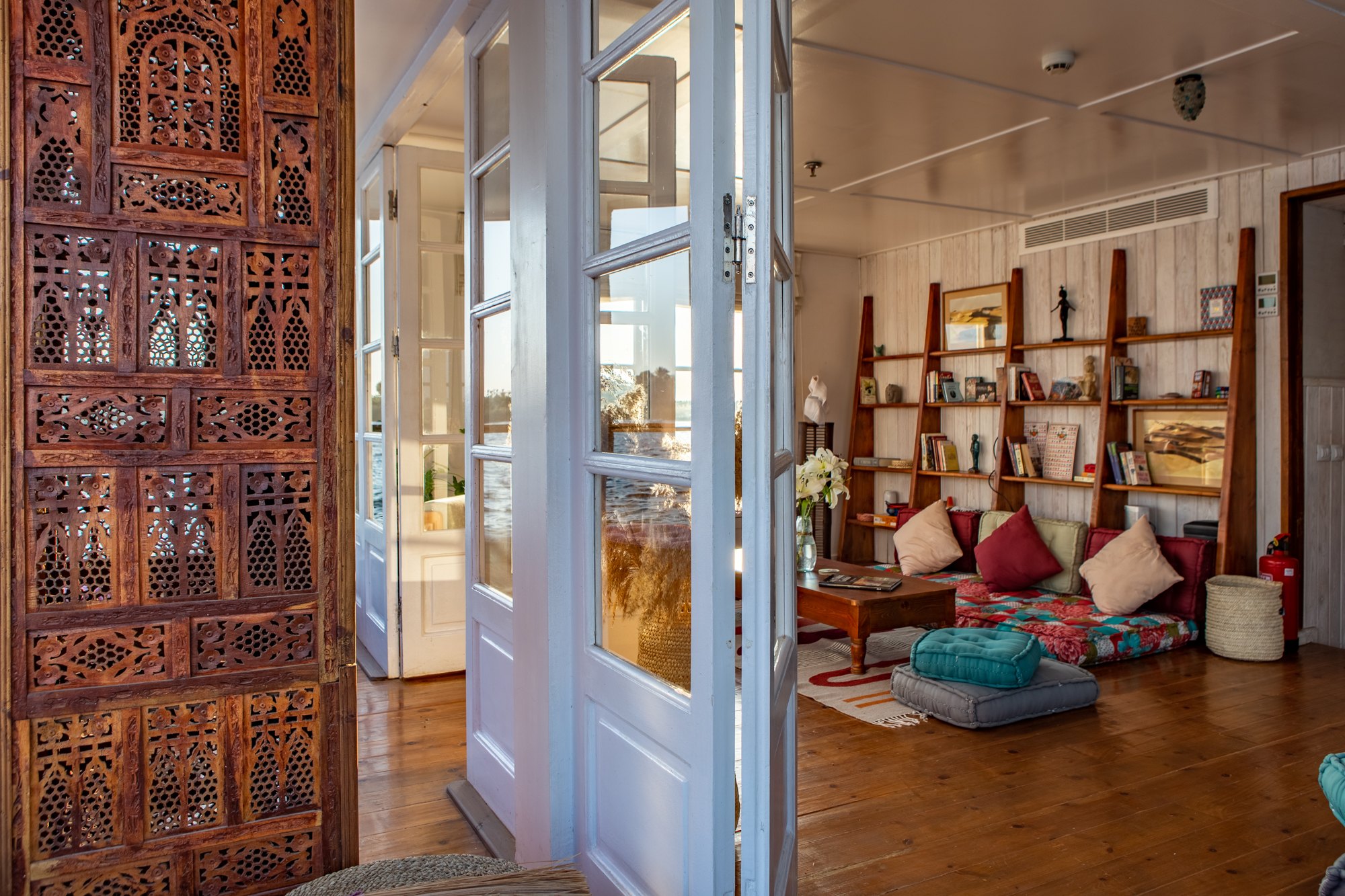
The library doubles as a reading room. Courtesy of Kemetale.
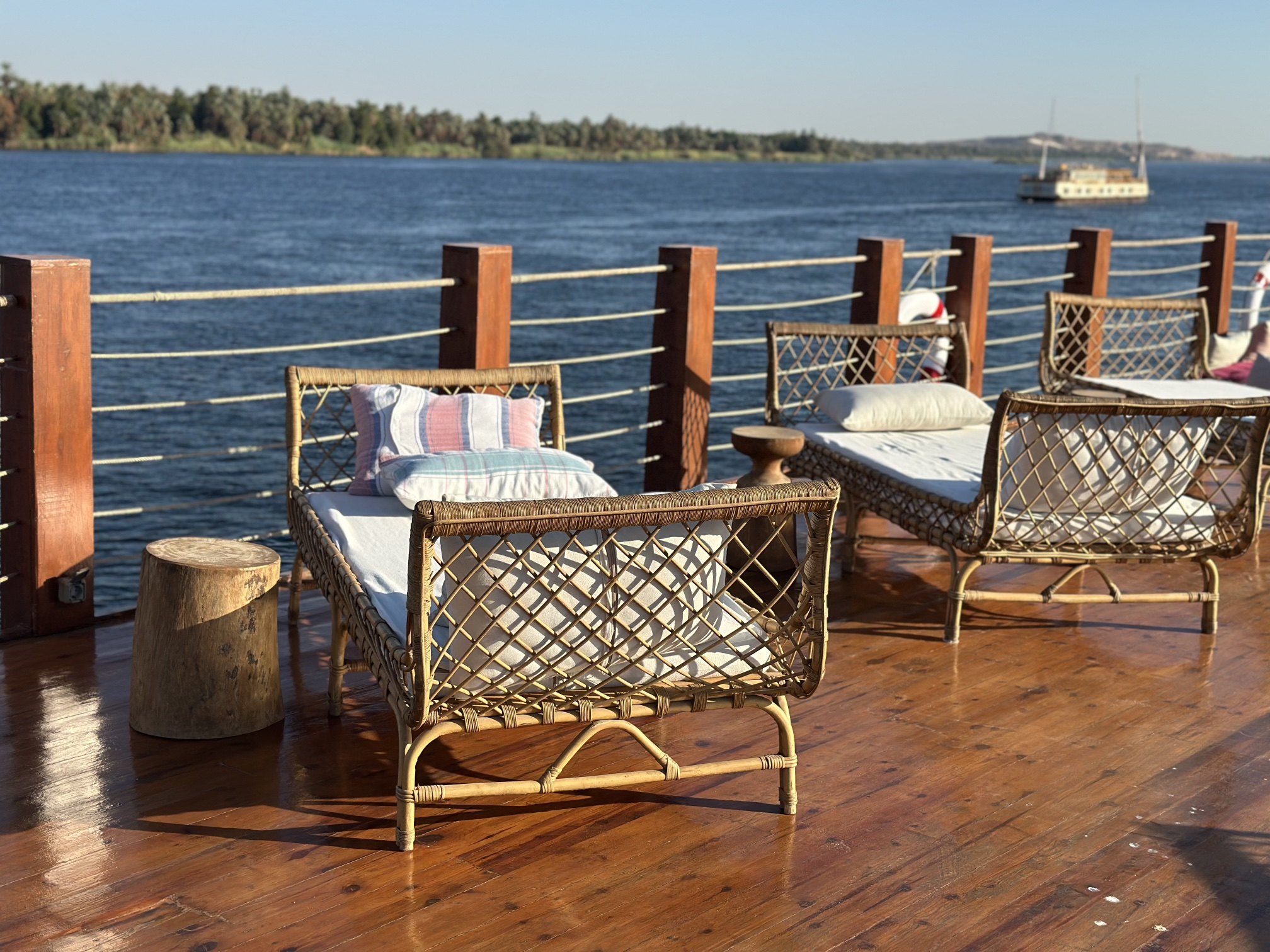
Daybeds on deck above the Nile. Courtesy of Lauren Mowery.
Trip Details: Planning a Nile Dahabiya Cruise
Itineraries: Three to seven nights between Aswan and Luxor or Esna, in either direction, plus custom routes for charters. Longer sailings add Luxor’s West Bank. I sailed three nights from Aswan to Luxor.
Embarkation and disembarkation: Aswan, Esna or Luxor, depending on the route.
Seasons: October through April brings the coolest weather. I sailed in late September.
Getting there: Fly into Cairo and give yourself several days before connecting to Aswan or Luxor. Stay somewhere calm, like the Four Seasons Hotel Cairo at Nile Plaza. Split your days between the pyramids at Giza and the Grand Egyptian Museum (GEM), then enjoy a day by the pool and another wandering the artisan shops of Zamalek for textiles and crafts.
Before you sail: To meet the boat, you may need to leave for the airport as early as 4 AM. Kemetale handles transfers in Aswan and Luxor.
Booking: Reserve a single suite on Kemetale’s website, sometimes at the last minute, or charter the whole boat. Suites require guests 12 and older; charters welcome all ages.
Rates: Cabins start at $4,077 before taxes for a four-night cruise for two guests. Private charters start at $43,392 for four nights and can accommodate up to 19 guests.
Included: All meals and drinks except alcohol, plus a private Egyptologist, site tickets and transfers.
Coming up: A second dahabiya launches in 2027, and Kemetale plans programming for the August 2, 2027, total solar eclipse.
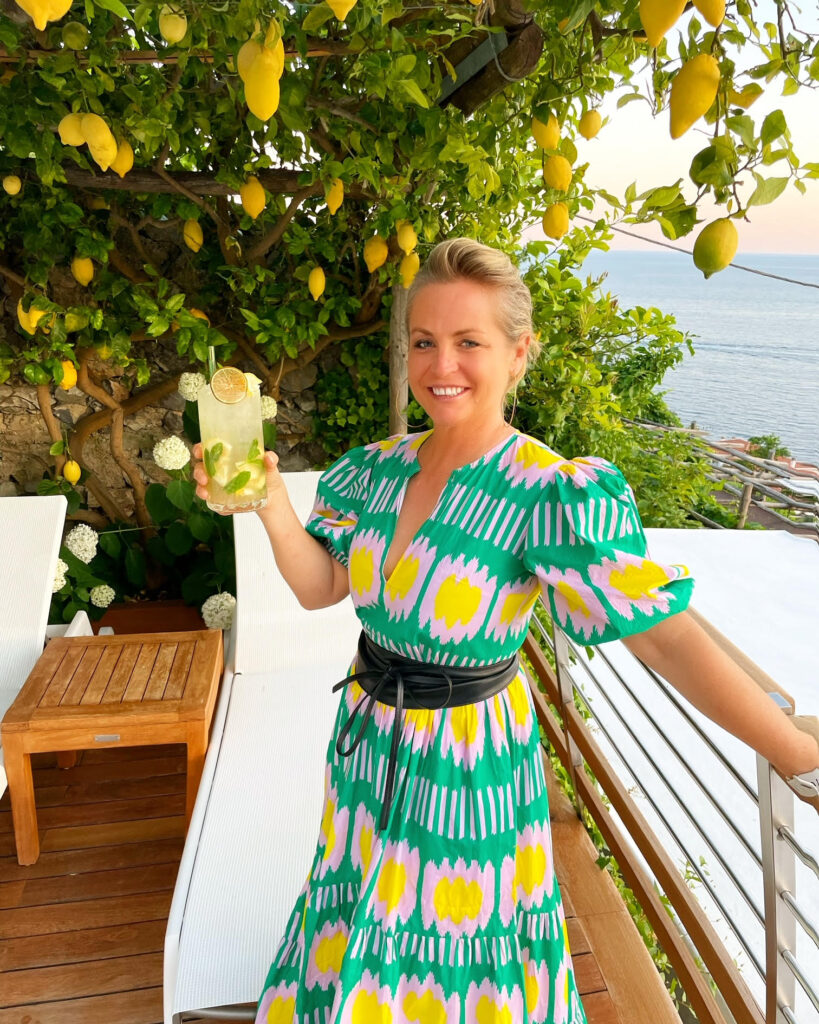
Founder and CEO of Azure Road, Lauren Mowery is a longtime wine, food, and travel writer. Mowery continues to serve on Decanter Magazine’s 12-strong US editorial team. Prior to joining Decanter, she spent five years as the travel editor at Wine Enthusiast. Mowery has earned accolades for her writing and photography, having contributed travel, drinks, food, and sustainability content to publications like Food & Wine, Forbes, Afar, The Independent, Saveur, Hemispheres, U.S. News & World Report, SCUBA Diving, Plate, Chef & Restaurant, Hotels Above Par, AAA, Fodors.com, Lonely Planet, USA Today, Men’s Journal, and Time Out, among others.
Pursuing her Master of Wine certification, she has also been a regular wine and spirits writer for Tasting Panel, Somm Journal, VinePair, Punch, and SevenFifty Daily. Mowery is a graduate of the University of Virginia and Fordham Law School, and she completed two wine harvests in South Africa.
Follow her on Instagram @AzureRoad and TikTok @AzureRoad
North Stars: Community Support, Heritage Value, Production and Consumption