“For when you want to meet the real people behind the backbone of Mexico City’s foodways.”
Mexico City is one of the world’s great food capitals, shaped by Indigenous agricultural traditions, regional migration, and a dense network of vendors, cooks, and small-scale producers. Visitors can spend days moving between markets, family-run kitchens, mezcal bodegas, and the chinampas of Xochimilco, where farming has taken place for more than a millennium. The city offers extraordinary access to people who carry its culinary and cultural knowledge, but the breadth of options can make it difficult to separate meaningful experiences from commercial ones.
To avoid the vague promises often attached to words like “local” and “sustainable,” we vetted every recommendation using Azure Road’s North Star system — a twelve-point framework centered on heritage value, community support, environmental stewardship, and traceable economic impact. Each experience included here demonstrates clear, verifiable practices and keeps revenue within local communities, offering a clear view into the people and processes that define Mexico City’s food and drink landscape.
Visiting the flower market. Courtes of Eat Like a Local.
Eat Like a Local for Women-Led Food Tours
North Stars:



Good For: Food-focused travelers, families, repeat visitors, ethical tourism fans
Price: $$$ ($75–$120 USD per person)
Time: 3–4 hours
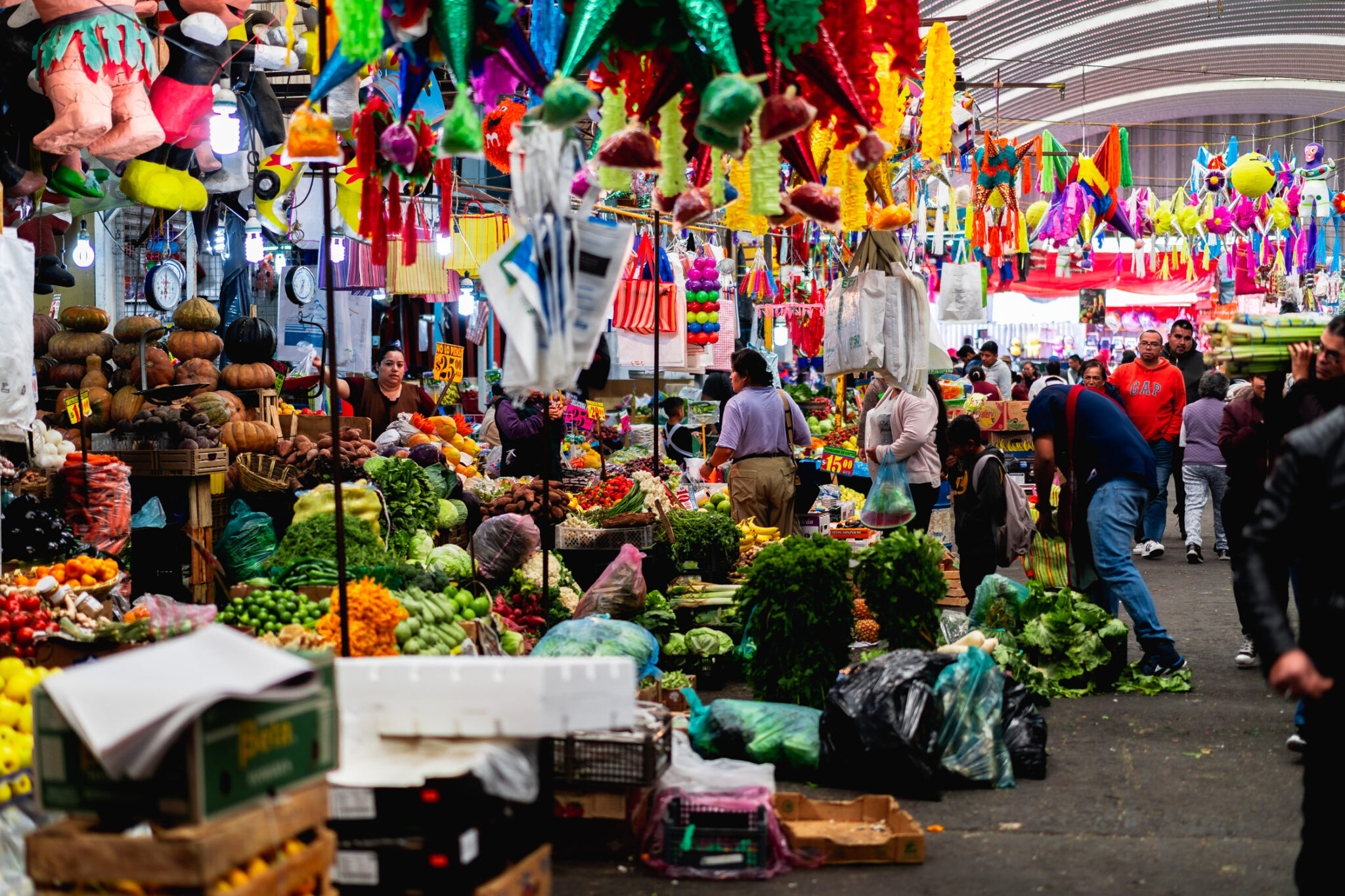
Eat Like a Local is a women-led tour company founded by Rocío Vázquez Landeta. A Mexico City native, she built long-standing relationships with market vendors and cooks who operate small food businesses. The company hires and trains women from local communities, offering income stability and professional development in an industry with limited formal pathways for women.
Tours visit traditional markets and family-run stands where guests meet the vendors and learn how dishes are prepared, sourced, and priced. The structure ensures that visitor spending goes directly to independent food makers, including young women who train to lead tours to earn income between classes in school. The company has been featured in The New York Times for its approach to supporting informal food economies through consistent tourism revenue.
Heritage-driven mezcal craft. Courtesy of AlmaMezcalera.
AlmaMezcalera for Micro-Batch Mezcal Tasting
North Stars:

Good For: Agave enthusiasts, spirits professionals, cultural travelers
Price: $$$–$$$$ ($80–$150 USD per person)
Time: 2–3 hours
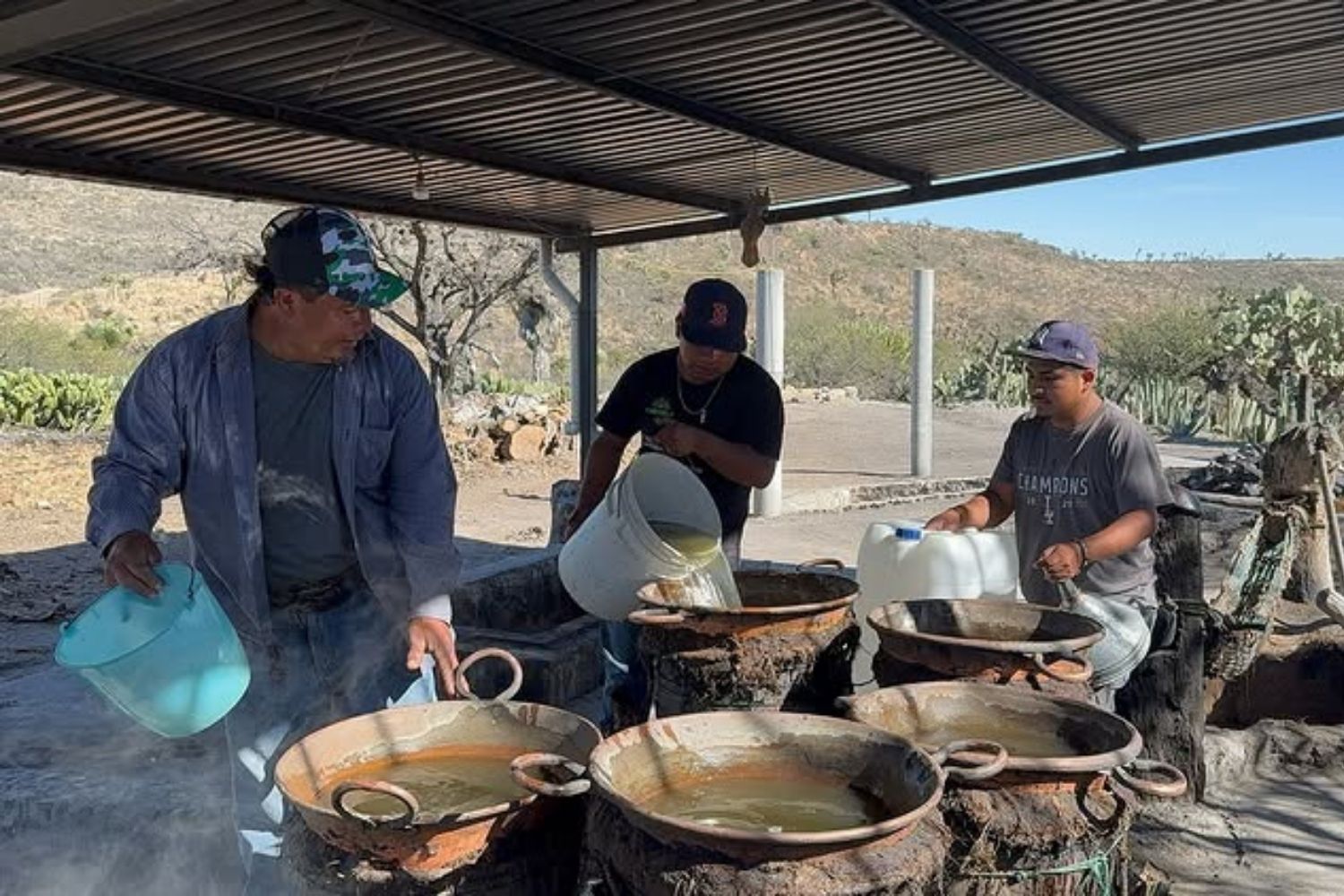
Founded in 2009 by agave specialist Erick Rodríguez, AlmaMezcalera focuses on mezcal made in extremely small volumes by independent producers across Oaxaca, Puebla, Michoacán, and Durango. Batches range from 5 to 80 liters and rely solely on traditional tools and methods, with no industrial equipment involved. Tastings take place in Rodríguez’s Roma Sur bodega, a space lined with distillation tools, regional artifacts, and aging spirits that illustrate the diversity of mezcal production.
Rodríguez sources directly from 23 families, many working in remote areas or with lesser-known agave species rarely found outside their communities. The tasting is structured around production detail rather than commercial branding: agave identification, fermentation choices, regional variation, and the economic realities for families working at micro-scale levels. Appointments are arranged informally through Instagram or WhatsApp.

Tour in the Historic City Center. Courtesy of Sabores Mexican Food Tours.
Sabores Mexico Food Tours for Roma Food Walk
North Stars:
Good For: Food travelers, first-time visitors, small groups
Price: $$$ ($65–$95 USD per person)
Time: 3–3.5 hours
Sabores Mexico runs structured walking tours focused on regional Mexican dishes served in Roma’s small restaurants, street stands, and specialty shops. The team works with independent food businesses to highlight how owners source ingredients, maintain traditional cooking methods, and adapt regional cuisines in an urban setting.
The tour emphasizes accuracy and culinary context: how certain dishes reached Mexico City, how migration patterns shape the neighborhood’s food culture, and why some preparations remain tied to specific regions. Guests visit a range of stops chosen for heritage and consistency rather than trend-driven appeal. Tours range from mezcal and tacos to flavors of Mexican heritage.
Casa Jacaranda's cooking class. Courtesy of Casa Jacaranda.
Casa Jacaranda for Private Market-to-Table Cooking Class
North Stars:
Good For: Travelers interested in Mexican home cooking, markets, small-group instruction
Price: $$$$ (typically around $165–$185 USD per person)
Time: 4–5 hours
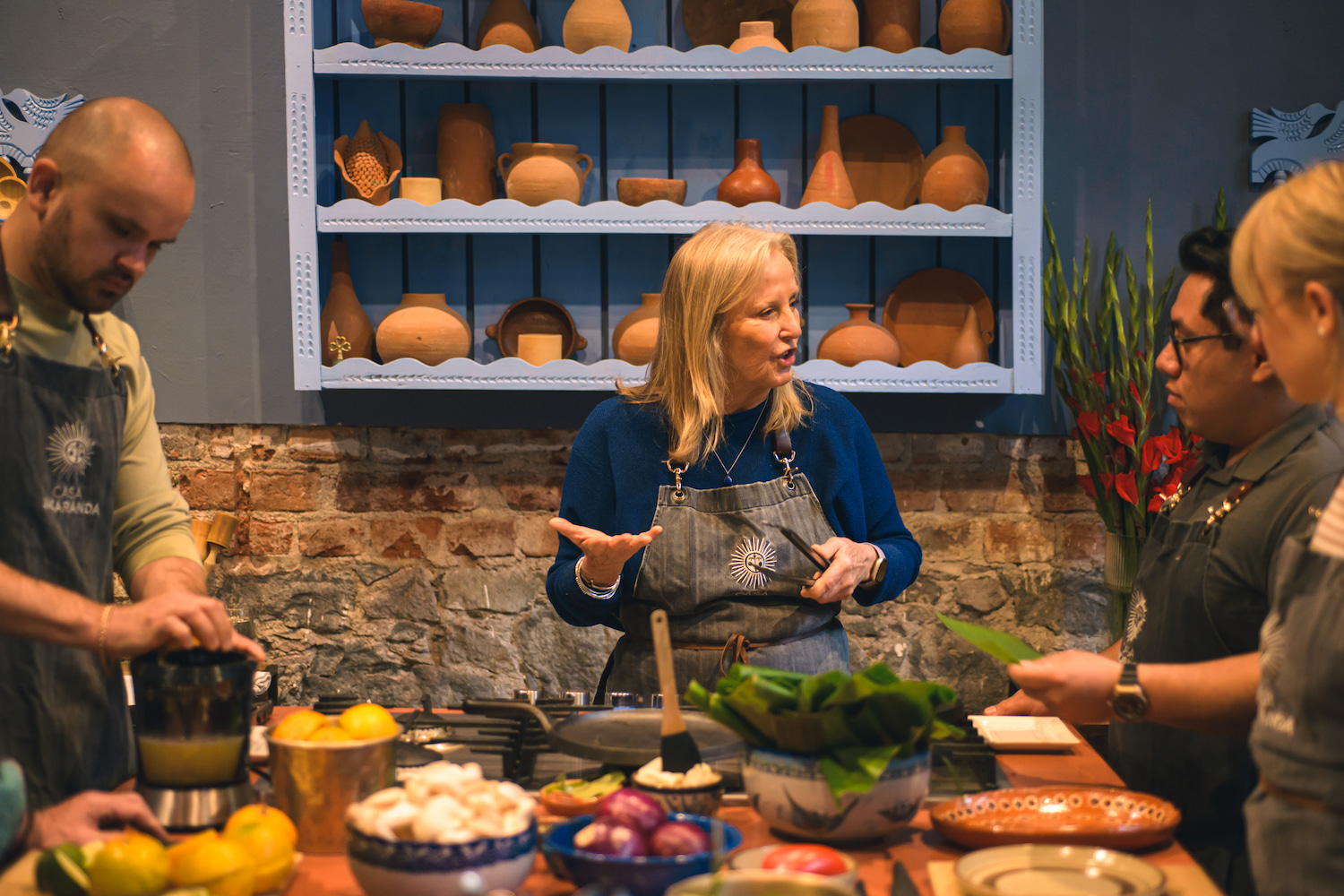
Casa Jacaranda is a cooking experience run by chefs and hosts Beto Estúa and Jorge Fitzgerald, who teach guests about Mexican home cooking through market visits and hands-on preparation in their restored home in Roma. The day begins at the neighborhood Mercado Medellín, where participants meet vendors the hosts have worked with for years and learn about regional ingredients sourced from across Mexico. Back at the house, guests cook a full menu in the open kitchen and garden, using traditional techniques that reflect household cooking rather than restaurant-style instruction.
The format is deliberately small and personal, centered on the cooks, vendors, and producers who make up Mexico City’s everyday food network. Ingredients are purchased directly from independent sellers at the market, and the recipes chosen reflect regional traditions tied to seasonal availability. Casa Jacaranda offers one of the clearest, most grounded looks at how Mexican home cooking functions in practice, from sourcing to preparation to the final family-style meal.

A compact bar setup with mid-century details. Courtesy of Recia.
Recia for Private Mezcal Tastings
North Stars:
Good For: Mezcal enthusiasts, couples, small groups, culture-focused travelers
Price: $$$–$$$$ ($85–$160 USD per person)
Time: 1.5–2 hours
Recia works directly with independent mezcal producers in Oaxaca, sourcing small-batch spirits made with traditional tools and techniques. Founded by Ana Blanco and Alberto Espinosa, the tasting takes place inside a Porfirian-era building in Roma Norte, accessed through a marked but unassuming entry.
The setting is private and simple, designed for focused discussion rather than atmosphere.
During the session, guests learn about the agave varieties used, how growing conditions shape each batch, and why the producers they partner with continue to distill outside the industrial system. The format prioritizes production detail and origin, giving visitors a clear understanding of how these mezcales are made and who makes them.
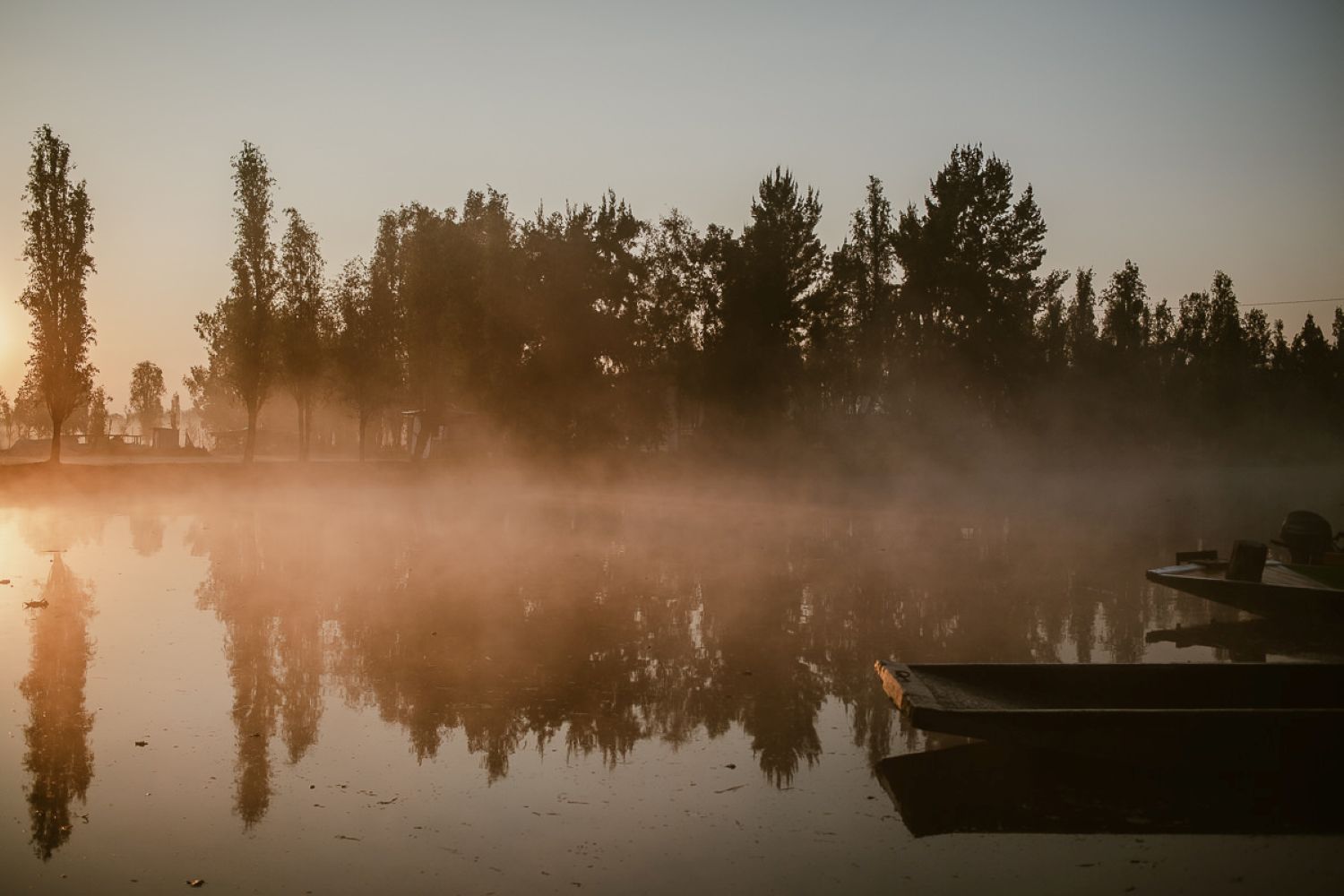
The xochimilco waterways at dawn. Courtesy of Arca Tierra.
Arca Tierra for Xochimilco Farm Tour
North Stars:
Good For: Travelers interested in food systems, agriculture, ecological history, or conservation
Price: $$–$$$ depending on experience type
Time: 3–5 hours depending on route
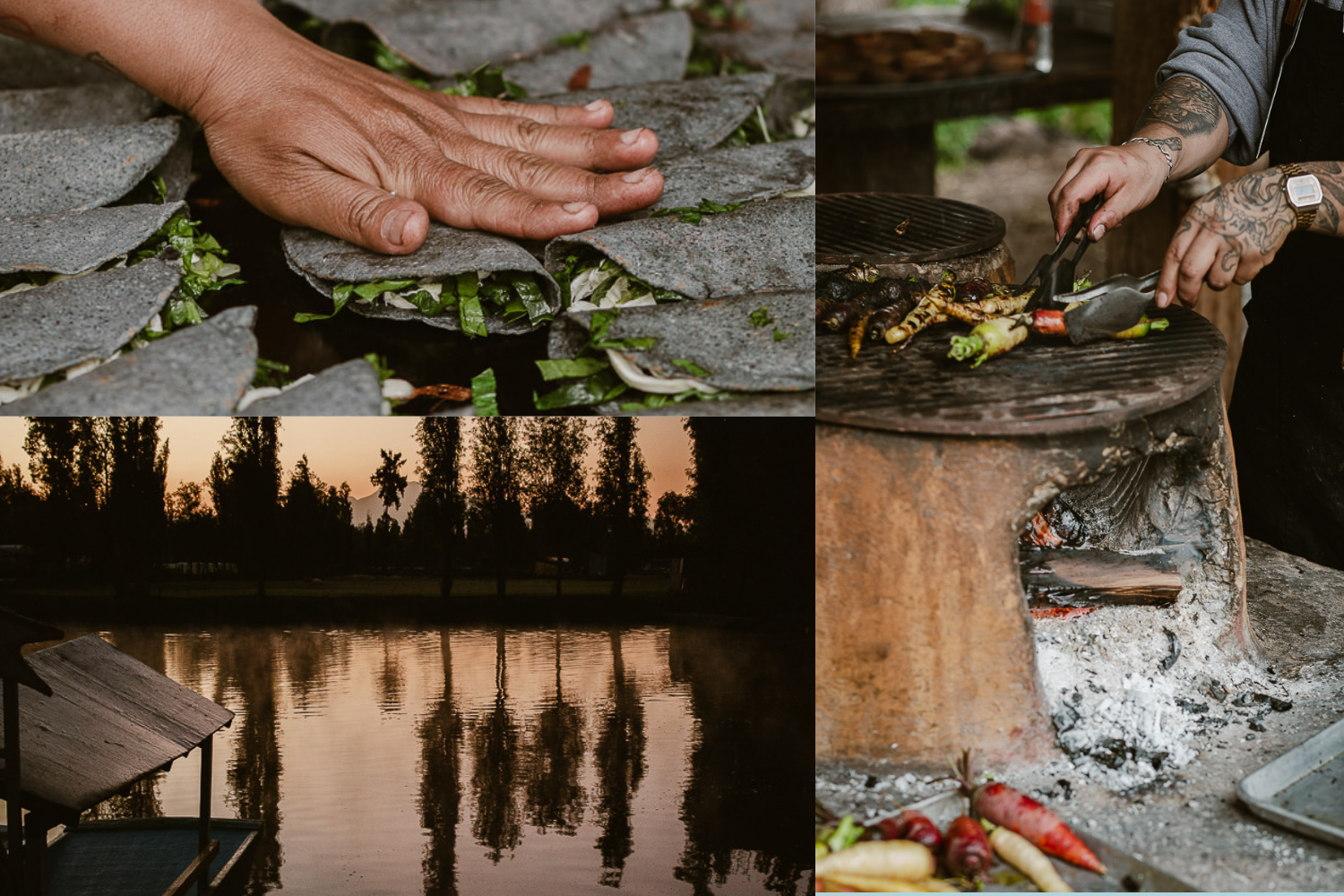
Arca Tierra runs agricultural and culinary experiences on working chinampas in Xochimilco, the lake-based farming system developed more than 1,000 years ago. The team collaborates directly with chinamperos who use traditional methods to grow vegetables, herbs, and flowers using the canal system’s natural water flow. Guests travel by boat to active plots, where farmers explain soil regeneration, native species protection, and the water management practices required to keep chinampa agriculture viable.
Many visits include open-air meals prepared on the farm, using produce harvested on-site and ingredients from nearby growers. The goal is to show how these small-scale farms operate within a fragile wetland ecosystem and how direct purchasing from chinamperos helps sustain agricultural work threatened by urban expansion. If you can’t make the tour, the group runs a zero-waste restaurant, Baldio, in Condesa.
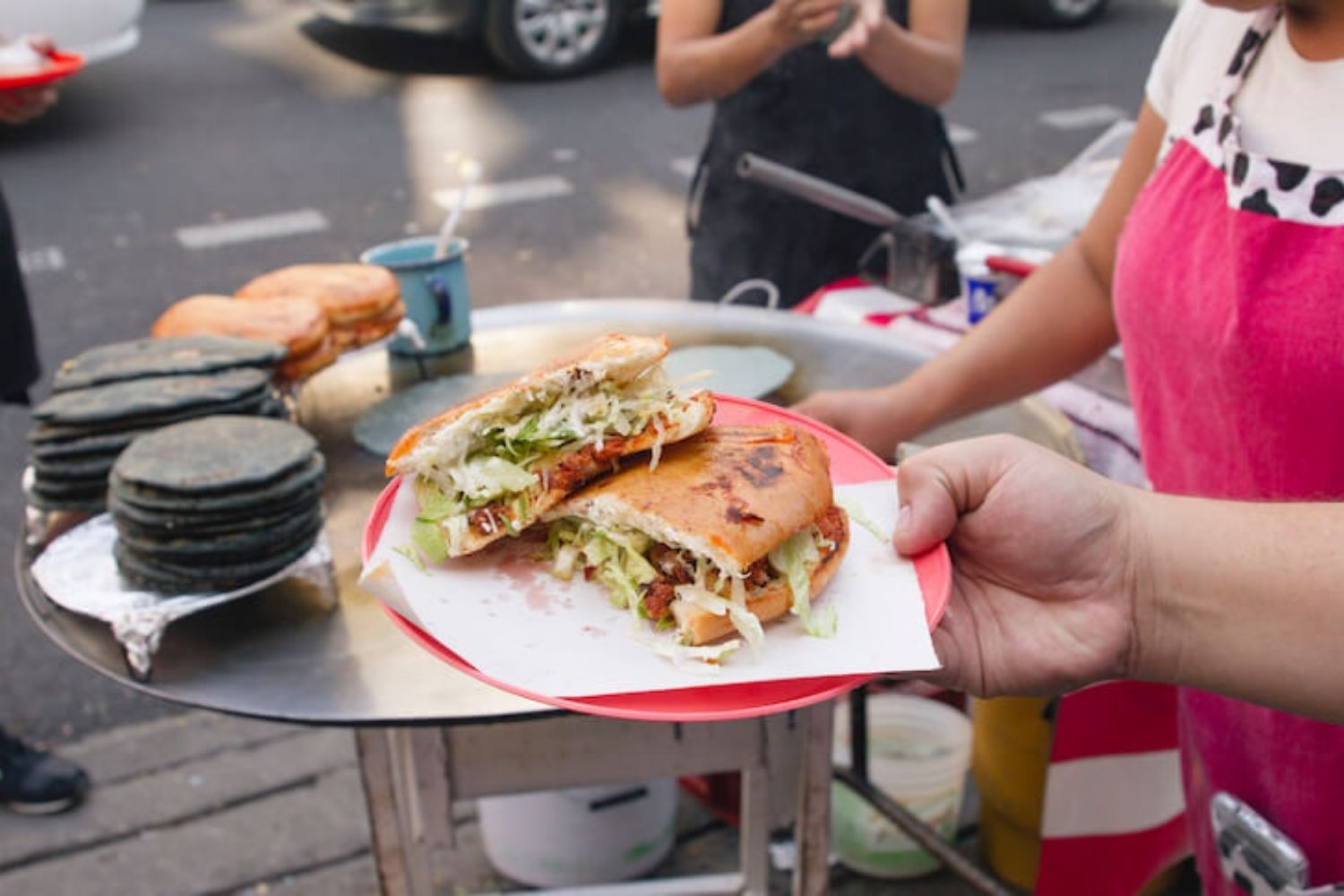
Sampling Mexico City’s iconic tlacoyos. Courtesy of Eat Mexico.
Eat Mexico for Culinary and Market Tours
North Stars:
Good For: Curious eaters, small groups, returning visitors
Price: $$$ ($75–$135 USD per person)
Time: 3–4 hours
Eat Mexico offers tours centered on traditional markets and street stands, with guides introducing guests to vendors who specialize in items such as tlacoyos to pambazos and carnitas to tamales. Stops are chosen for their ties to regional traditions and long-standing vendor histories.
The tours focus on ingredient sourcing, supply chains, and the role of markets in sustaining everyday food culture. Guests learn how recipes differ by region, how ingredients move into the city, and how vendors maintain consistency in high-volume environments. The company’s clearest contribution is directing visitor spending to independent food makers.
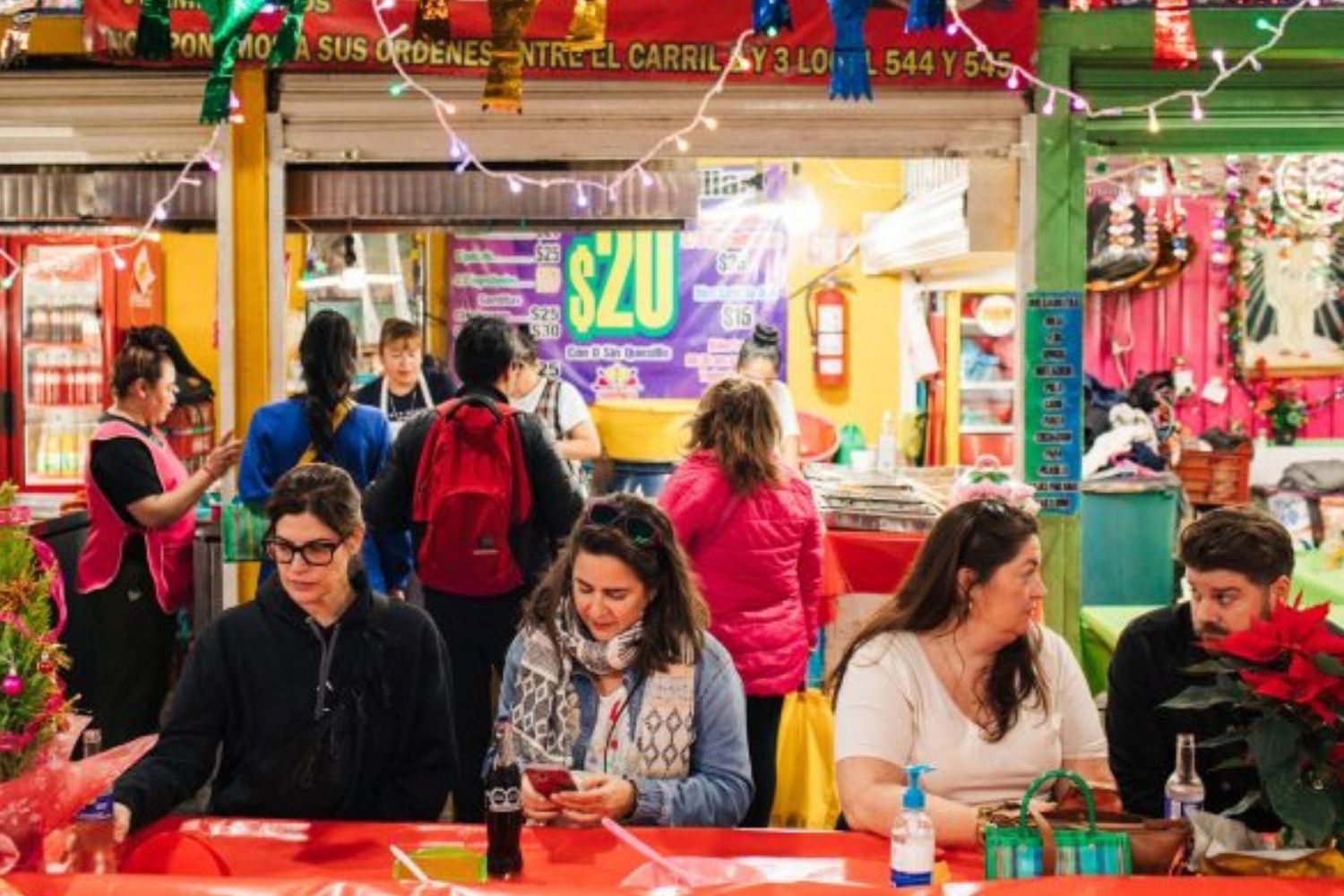
Street food delights. Courtesy of Devoured – Neighborhood Food & Culture Tours.
Devoured for Neighborhood Food and Culture Tours
North Stars:
Good For: Women-supportive travelers, culture-forward food lovers, small groups
Price: $$$ ($80–$150 USD per person)
Time: 3–4 hours
Anais Martinez founded Devoured, a women-run, Mexican-owned tour company working primarily in Mexico City’s historic center. The team collaborates with vendors who operate long-standing stalls specializing in tamales, masa-based dishes, and other regional foods. They run breakfast, tacos and mezcal, and highlights of Juarez (an up-and-coming neighborhood) tours, to name a few. You can also book a day trip south of the city to the cactus fields of Milpa Alta followed by a meal in the farm.
Tours focus on the personal histories behind each stand, including family lineage, preparation methods, and regional origins of dishes. Guides provide context on how informal food economies function and the challenges vendors face in high-traffic areas. The company’s women-run structure adds an economic opportunity layer within a male-dominated sector of the tourism industry.
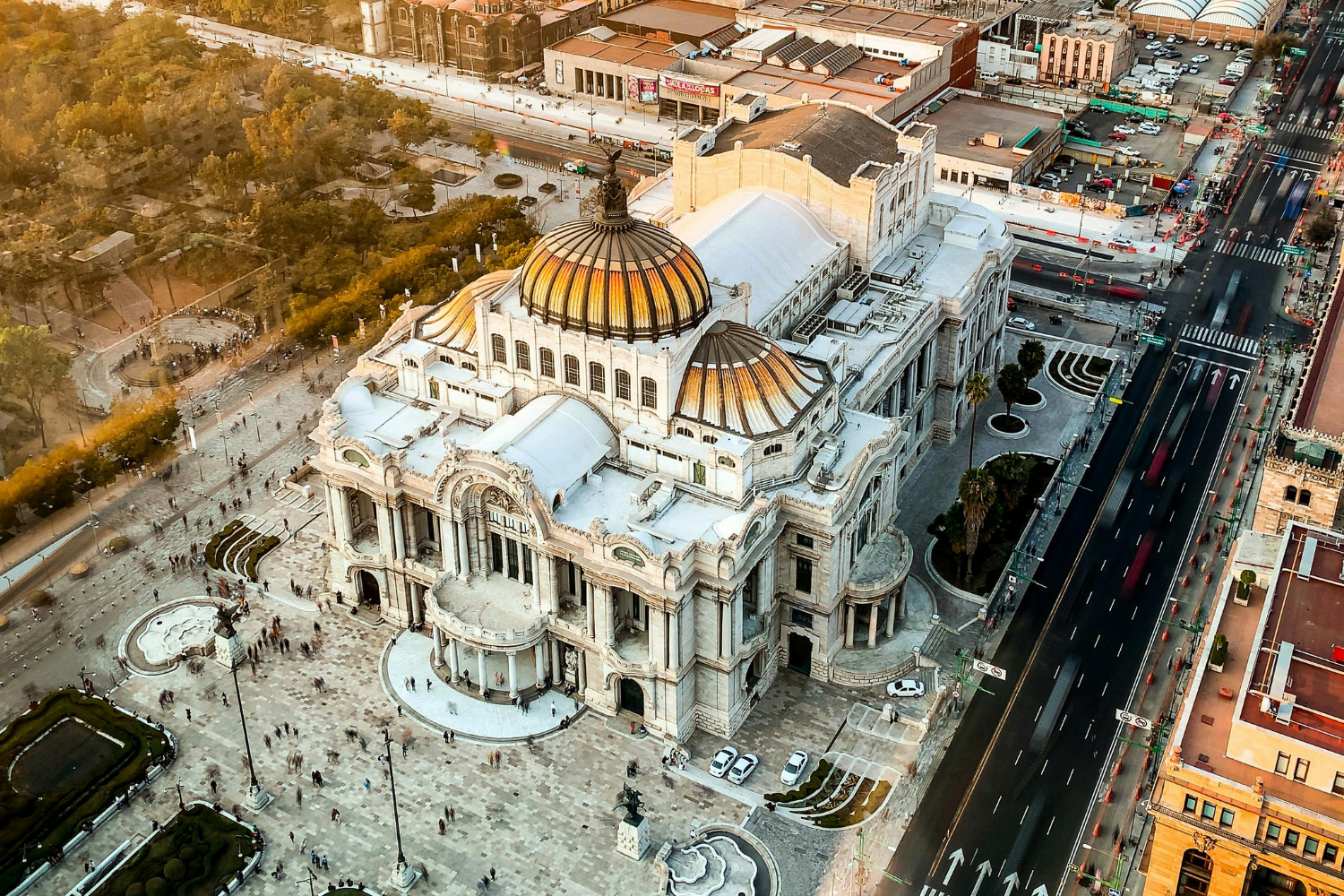
Mexico City. Courtesy of Bhargava Marripati, Pexels.
Local Guides Directory: ToursByLocals
North Stars:

Good For: Travelers seeking private guides, custom itineraries, or direct support for local experts
Price: Varies by guide
Time: Flexible by booking
ToursByLocals connects travelers directly with independent guides in Mexico City. It’s not a sustainability-vetted platform, but booking with local or women-led guides, and choosing tours focused on heritage, neighborhoods, or culinary culture, helps ensure income stays in the community. It’s a flexible option for travelers seeking custom routes or one-on-one cultural experiences.
Founder and CEO of Azure Road, Lauren Mowery is a longtime wine, food, and travel writer. Mowery continues to serve on Decanter Magazine’s 12-strong US editorial team. Prior to joining Decanter, she spent five years as the travel editor at Wine Enthusiast. Mowery has earned accolades for her writing and photography, having contributed travel, drinks, food, and sustainability content to publications like Food & Wine, Forbes, Afar, The Independent, Saveur, Hemispheres, U.S. News & World Report, SCUBA Diving, Plate, Chef & Restaurant, Hotels Above Par, AAA, Fodors.com, Lonely Planet, USA Today, Men’s Journal, and Time Out, among others.
Pursuing her Master of Wine certification, she has also been a regular wine and spirits writer for Tasting Panel, Somm Journal, VinePair, Punch, and SevenFifty Daily. Mowery is a graduate of the University of Virginia and Fordham Law School, and she completed two wine harvests in South Africa.
Follow her on Instagram @AzureRoad and TikTok @AzureRoad
North Stars: Community Support, Heritage Value, Production and Consumption
More Stories
 DRINK, PARTNERSHIP
Crafting Alto Adige’s Future: The Evolution of Cantina Colterenzio
 DRINK
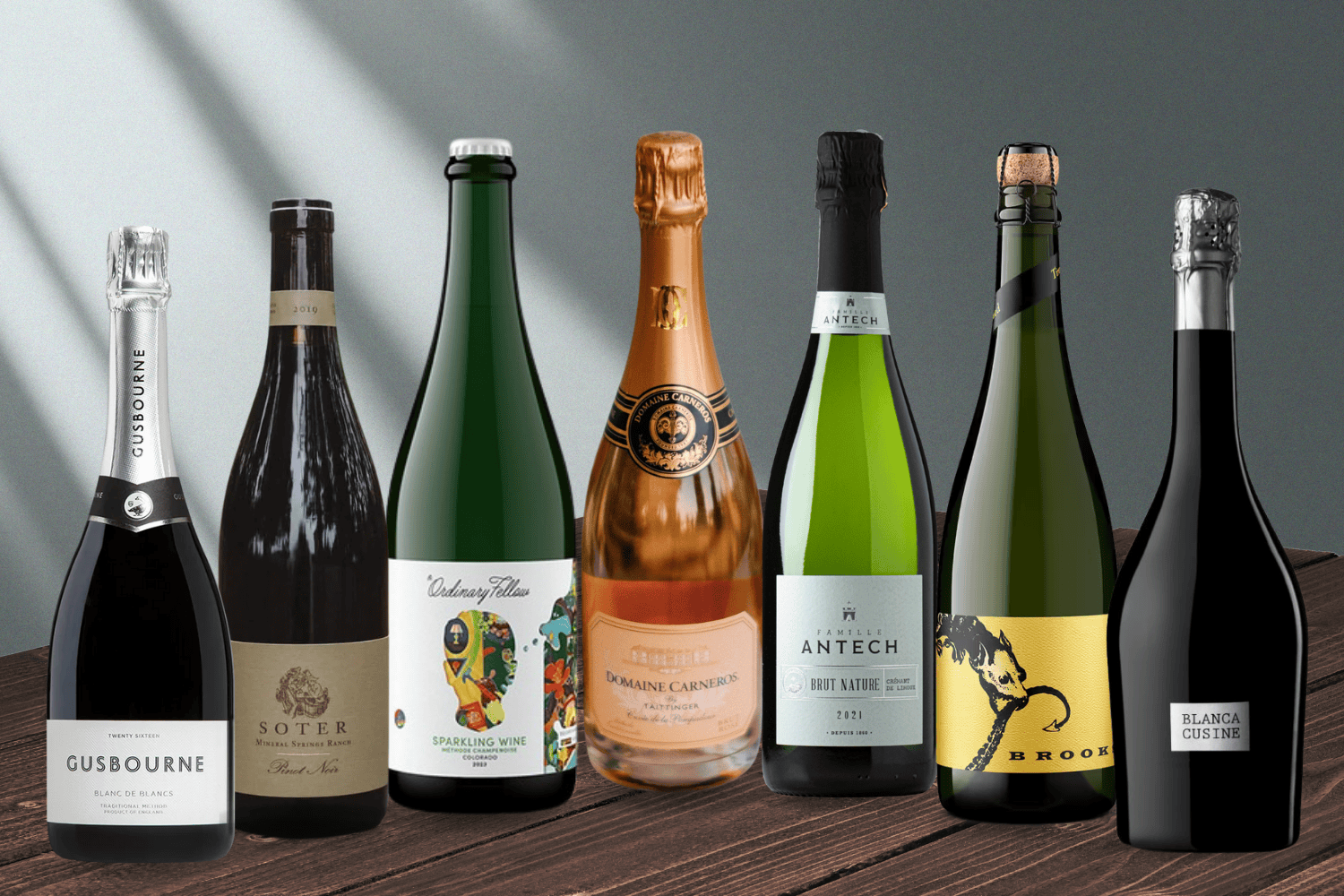
DRINKSeven “Slow” Sparkling Wines for the Holidays
 DRINK, PARTNERSHIP
Why Loveblock Founder Erica Crawford Leads with Organic, Not Origin
 DRINK, PARTNERSHIP
One Winery’s Answer to Napa’s Changing Wine Market
 DRINK, PARTNERSHIP
What Happens When the Same Team Makes Wine for 20 Years? Wairau River