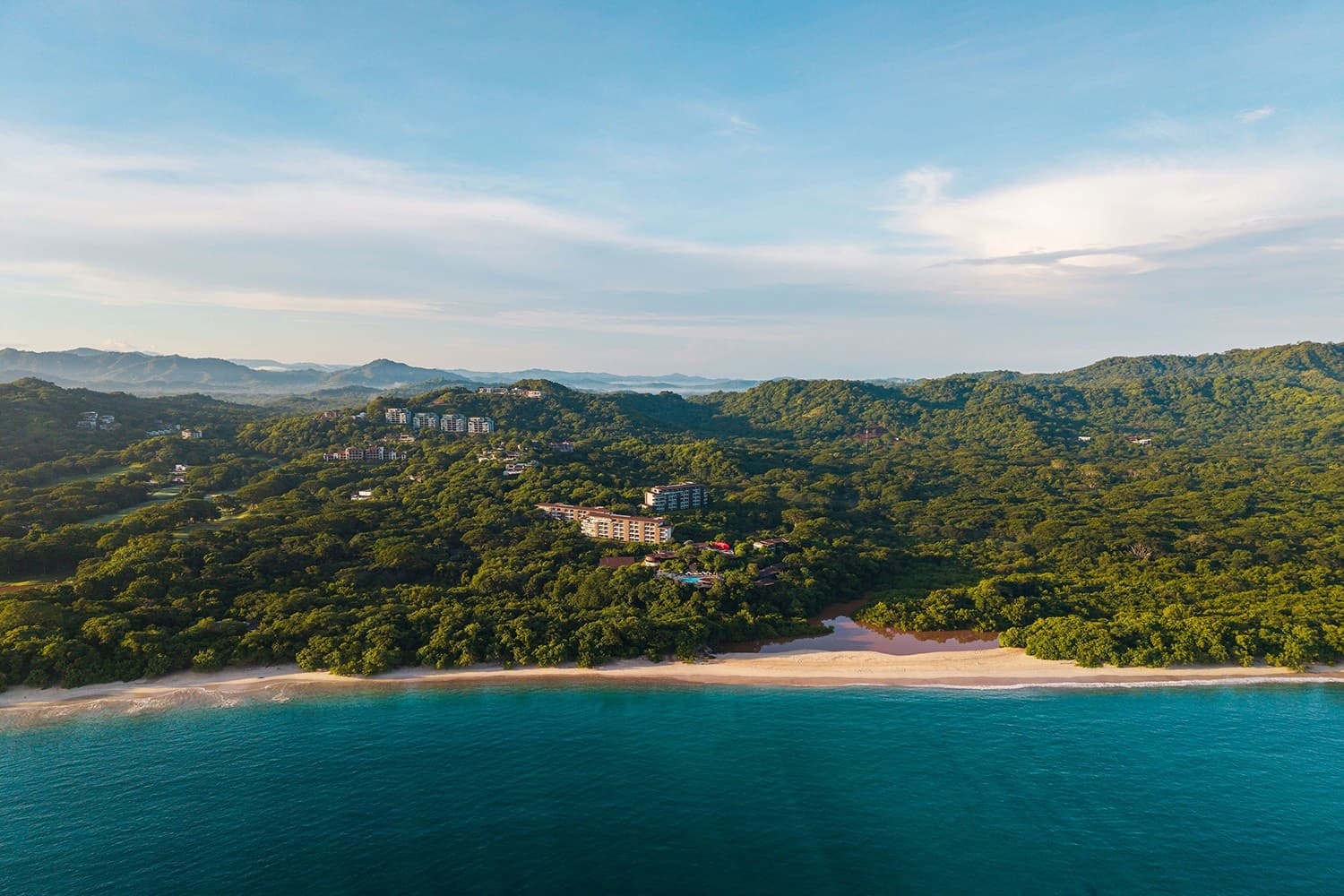
“Nearly everything from food scraps to construction debris is repurposed, recycled, or processed.”
Every year, Costa Rica welcomes millions of visitors who are drawn to the country for its unspoiled landscapes and nature-based activities. But as the tourist count rises, so does the environmental footprint that puts pressure on these ecosystems. In many ways, Costa Rica is a global leader in sustainability, from reversing deforestation to using renewable resources for energy needs. At the same time, it lags in other areas: waste management remains a challenge, and recycling infrastructure is nascent. This poses challenges for hotels trying to implement waste management measures.
Over 60% of visitors cite ecotourism as their reason for visiting Costa Rica. When numbers are that high, hotels looking to attract guests and survive need to follow through on sustainability promises. But what does it actually take to keep nearly all of a property’s refuse out of landfills?
Out on the North Pacific Coast, two luxury resorts are navigating that issue by setting a lofty goal: diverting 99% of the waste they generate to other uses.
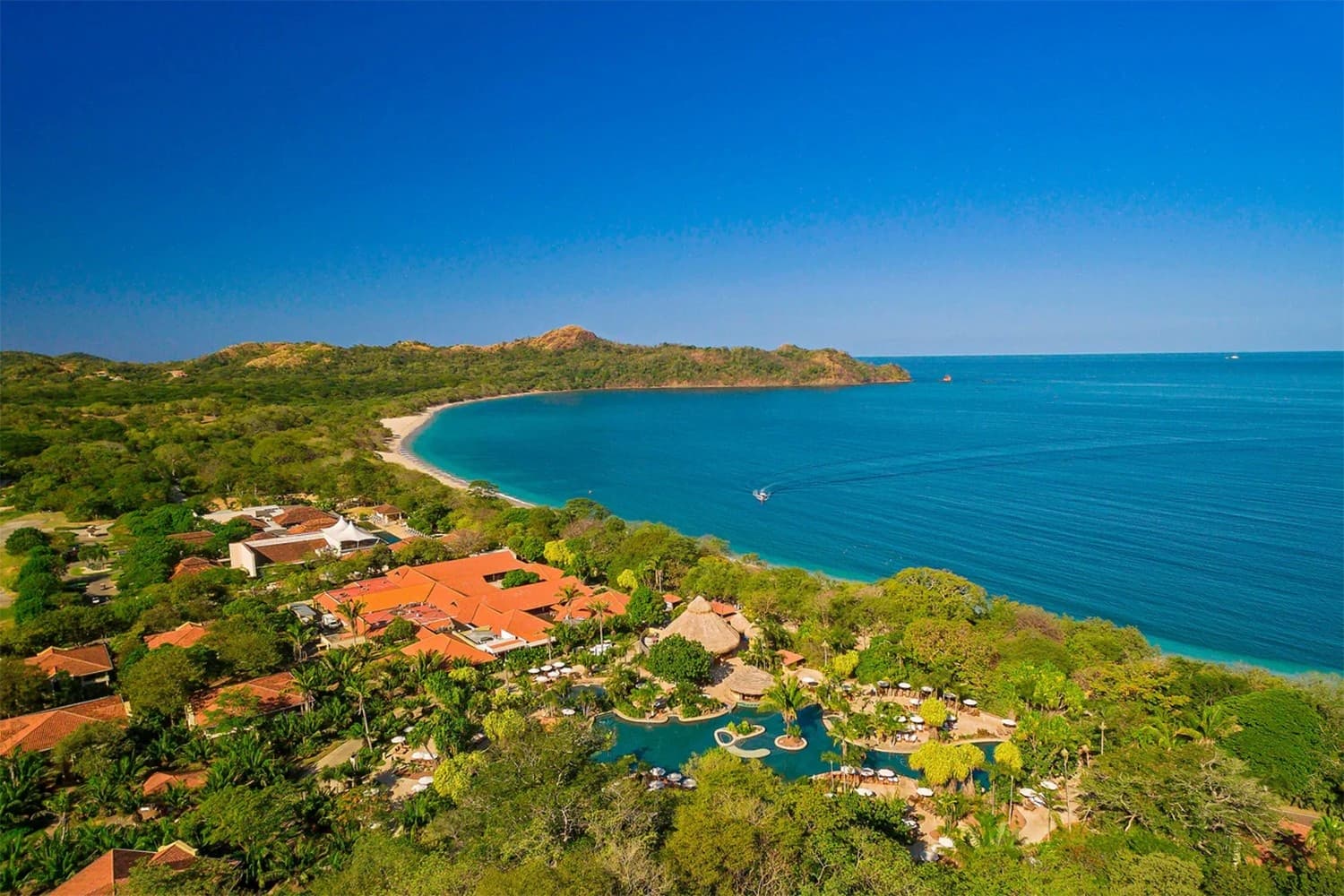
Aerial view of The Westin and Playa Conchal. Courtesy of The Westin Reserva Conchal
Making Sure Nearly Nothing Goes to Waste
Tucked into Costa Rica’s northwestern corner, Reserva Conchal is a sustainable community retreat in the Guanacaste region. Its 2,400-acre spread encompasses protected natural areas, a wildlife refuge, immaculate beaches, an 18-hole golf course, and private residences. It’s also home to the W Costa Rica Reserva Conchal and The Westin Reserva Conchal, two plush five-star properties set amid mangroves adjacent to Playa Conchal.
These resorts tick all the boxes for a high-end getaway. Loungers line the fringes of expansive outdoor pools, chic rooms look out over the water, guests rotate through a bevy of restaurants, and daily to-dos can range from spa trips to sports outings. But, being located in one of Costa Rica’s top destinations for outdoor adventure — the Guanacaste region is also home to sustainable luxury heavy-hitter Peninsula Papagayo — the W and the Westin both take sustainability seriously. So, the two properties aim to divert nearly all of their waste from landfills.
So far, the two properties have achieved a rate of 94%, meaning nearly everything from food scraps to construction debris is repurposed, recycled, or processed. Their strategy starts with source separation. Seven days a week, staff collect, weigh, track, and sort materials into five primary streams: organics, paper and cardboard, packaging, glass, and non-recoverable waste.
According to sustainability manager Gabriela Meza, staff oversight and training are essential to maintaining consistency, traceability, and accountability.
“Each team member receives continuous training on proper waste segregation practices, ensuring materials are correctly separated from the moment they are generated,” says Meza. She also adds that daily performance tracking helps fine-tune operations. “This allows us to measure diversion rates, identify opportunities for improvement, and continuously optimize recovery processes across the property.”
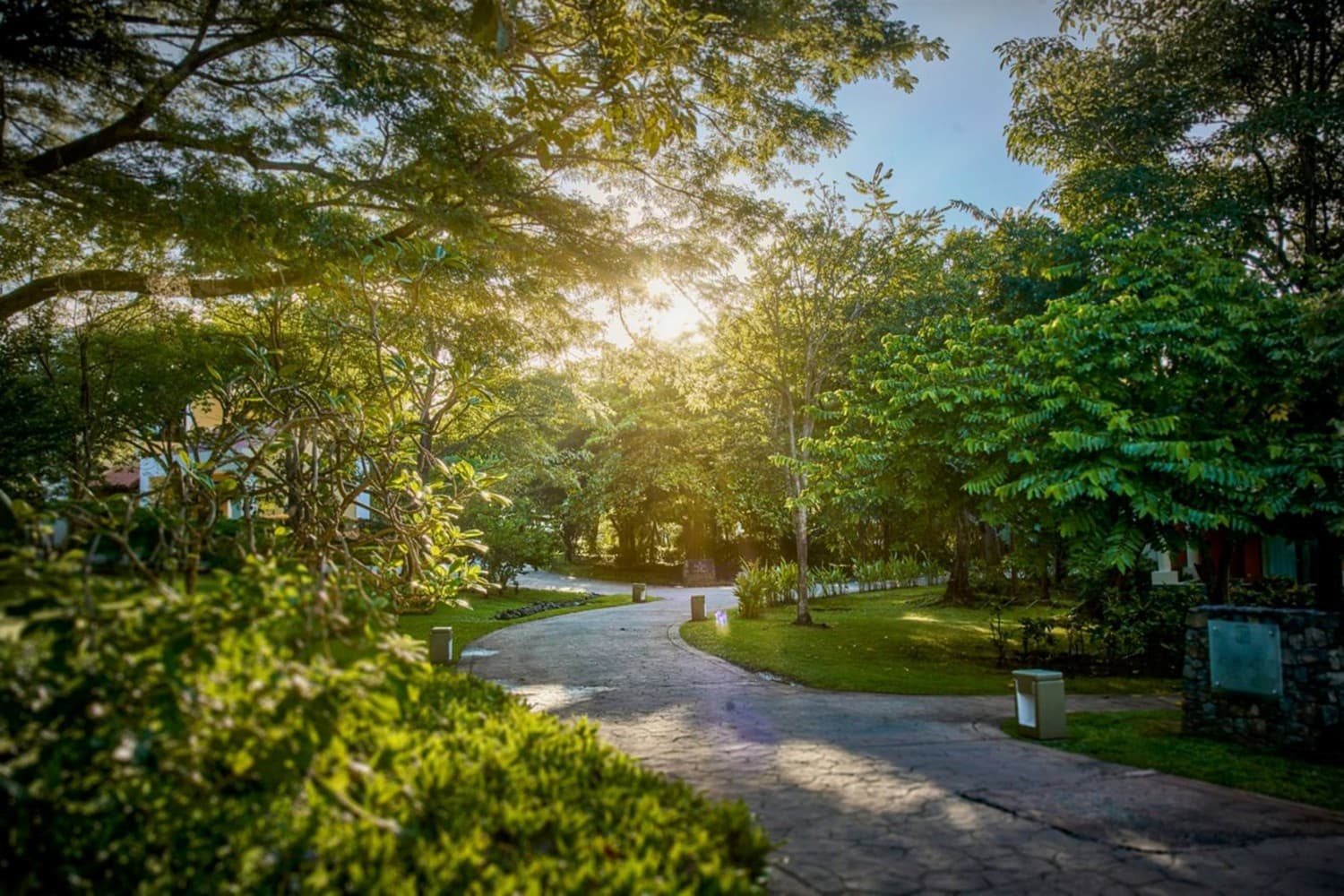
Composting helps keep The Westin's ground lush. Courtesy of The Westin Reserva Conchal
Composting at Industrial Scale
Combined, the W and the Westin offer nearly 20 dining options. Choices range from bars and lounges to restaurants and markets. That’s a lot of food. Daily, both properties generate over 5,000 pounds of organic waste. Now, that waste goes back into the ground as compost.
While a complex and resource-intensive process to implement, composting is at the core of the resort’s circularity strategy. By turning organic waste into high-quality compost for landscaping and gardening, it creates a closed loop that returns valuable nutrients into the ecosystem.
On a behind-the-scenes tour, three sisters from one of Costa Rica’s Indigenous communities show off the resort’s greenhouse. Here, herbs, fruits, and vegetables grow for use in the bars and restaurants. Among the most in-demand crops: mint, harvested daily for the countless Mojitos muddled across the properties.

Kayaking in Reserva Conchal. Courtesy of The Westin Reserva Conchal
Reaching the Limits of the System
While reaching 94% success on waste diversion is quite the achievement, closing the gap on the remaining 5% may prove the most difficult.
Some discarded materials, including broken glassware and plates, can be easily repurposed into concrete ecology blocks and used for retaining walls and erosion control. However, Costa Rica’s lack of recycling infrastructure is a barrier for others. There’s also the fact that specialized vendors may require hefty payment fees to collect and transport materials.
Special waste — solid, non-hazardous materials like pool chemicals, electronics, batteries, and paint — is extremely difficult to divert. This is due to more stringent regulatory requirements, specialized handling procedures, and limited local recovery options or disposal alternatives.
“Managing these materials requires strict coordination, traceability, and compliance processes to ensure they are handled responsibly and in accordance with environmental regulations,” says Meza.
Another factor that’s proved tricky is the lack of available providers to recover and process the volume of certain plastics categories. To keep the remaining plastics out of landfills, what can’t be recycled is sent to a facility and burned to generate electricity or industrial energy. It’s not a perfect solution, but sometimes, sustainability means going with the best-available option.
Fulfilling the Ecotourism Promise
Travelers have increasingly higher expectations for genuine, transparent practices rather than lip service or marketing lingo. But at the same time, much of that effort goes unseen. Meza admits that most guests will never lay eyes on the behind-the-scenes work that goes into these initiatives. But these systems nonetheless shape hospitality: “They experience the outcome through a destination that feels seamless, intentional, and connected to its surroundings.”
Beyond resort boundaries, these programs also set an example for how Costa Rica can improve its waste management systems, which benefits the wellbeing of communities and the biodiverse, remarkable ecosystems, flora, and fauna that fuel its tourism industry.

Kelly Magyarics, DipWSET, is a Washington, D.C.-based travel, wine & spirits, food and lifestyle journalist whose work has appeared in publications including Wine Enthusiast, Fodor’s Travel, Travel + Leisure, AFAR, The Points Guy, Global Traveler and SevenFiftyDaily. She enjoys telling stories about the people, places and flavors that define a destination, with a particular interest in wine, cocktails and tropical locales. In her free time, she can usually be found planning her next island getaway or visiting a new wine region. You can reach Kelly on Instagram @kmagyarics or on kellymagyarics.com.
North Stars: Carbon Footprint, Production and Consumption, Waste Management
More Stories
 CULINARY, DRINK
Get to Know the Producers Behind the J.P. Bourgeois Portfolio
 CULINARY, DRINK
Where to Taste Wine in Willamette Valley
 DRINK
DRINKMeet the Distillery Making Vodka From Fog
 DRINK
DRINKSake’s Next Step: How Japan’s Rice Wine Is Evolving
 DRINK, HOME
The Buzz on InFizz: Breville’s Carbonator Elevates Sparkling Water