“There’s no better place for the Fourth of July than a small town in Idaho.”
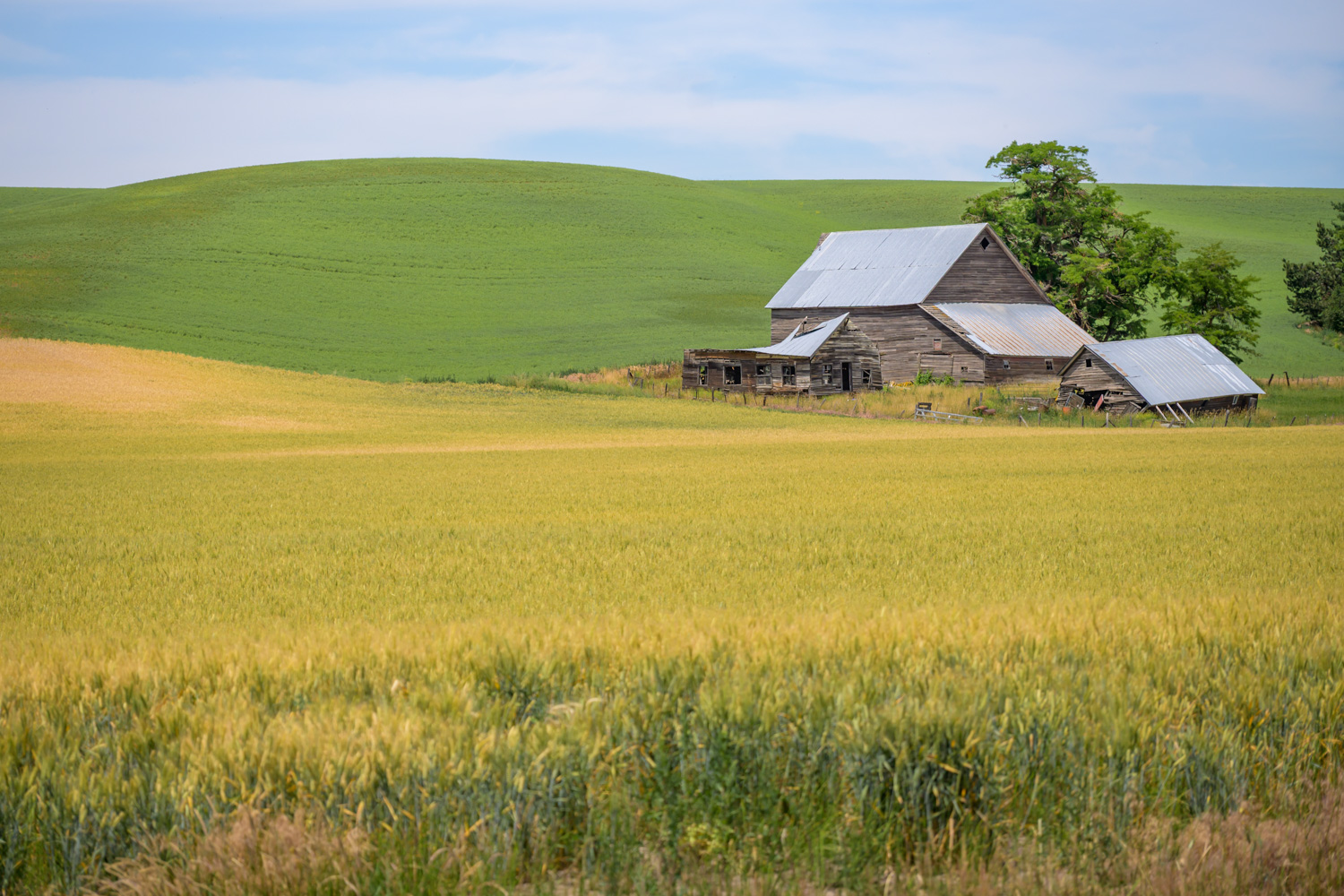
Wheat fields span the drive from Moscow to Lewiston. Courtesy of Lauren Mowery
“There’s no better place for the Fourth of July than a small town in Idaho,” says a young woman with shoulder-length auburn hair to her friends in summer dresses. I’m inside Silos & Social, a coffee shop in Moscow that has made clever reuse of the ground floor of the historic Jackson Grain Silos. Standing behind the trio, I overhear more chatter about “the great American road trip” and where they’d love to go if they could organize one on short notice for August.
For a journey through north-central Idaho and the Lewis Clark Valley, Moscow is a good place to start. About two hours south of Spokane, the largest airport in the region, the drive to Moscow passes through quiet country lanes, old grain towns, and fields of summer wheat and canary-yellow canola flowers. Traveling with my dad on our annual father-daughter trip, we barely encounter a single person on the route.
The origin of the name Moscow, unusual to most first-time travelers, myself included, doesn’t trace to the Russian capital. In the 1870s, settlers drawn to the area’s abundant resources first named it “Hog Heaven” then later “Paradise Valley” for the creek that ran through town. In 1877, resident Samuel Neff filed a postal permit to rename it Moscow, for reminding him of his hometown in Pennsylvania.
With the advent of a train in 1885, the city grew in earnest. The University of Idaho arrived in 1889, shaping the city’s intellectual and artistic collegiate presence. Some of Main Street’s loveliest early 20th century buildings, including late-Victorian Italianate style architecture, have been lovingly restored and maintained today. A walk through downtown offers a study in Americana.
From Moscow south to the Lewis Clark Valley, north-central Idaho runs dense with history and pivotal moments that would influence the fate and future of a young nation. Today, the region weaves its story into every moment, from sipping a glass of meaty Syrah to savoring a bite of ribeye in Lewiston’s most beloved restaurant.
Get the guide to North-Central Idaho.
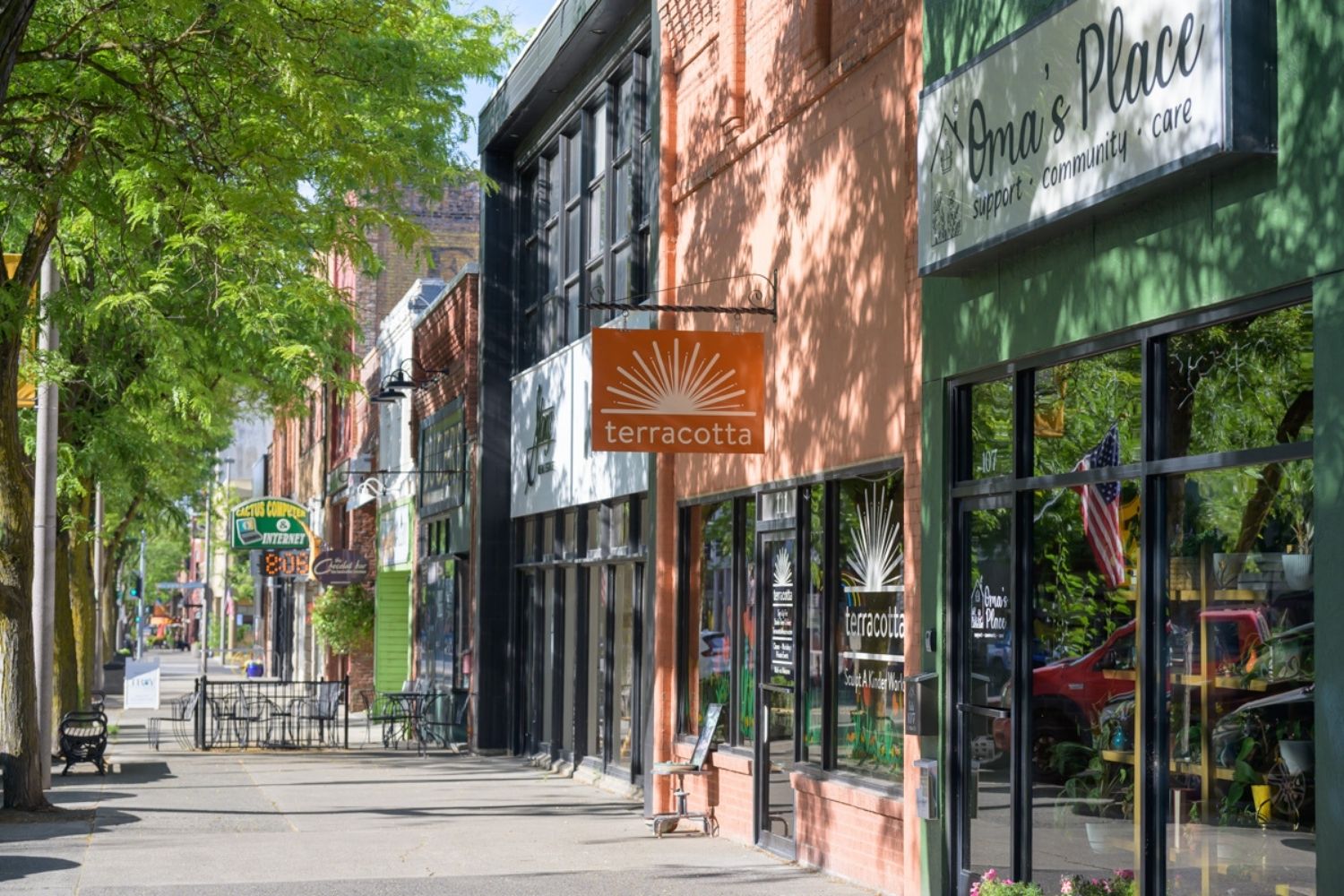
Downtown Moscow. Courtesy of Lauren Mowery
Geological Tumult to World-Class Wilderness
Roughly 120 million years ago, this part of Idaho sat at the edge of North America’s coastline. Volcanic islands drifting in the Pacific collided with the coast, fusing limestone from ancient marine reefs and volcanic rock into the landscape.
Millions of years later, fissures in the earth’s crust cracked open, releasing torrents of lava from the same hotspot that now sits beneath Yellowstone. The lava cooled into deep layers of basalt. Around 6 million years ago, the Snake River began carving a path across the land, cutting a gorge, now called Hells Canyon, that plunges deeper than the Grand Canyon.
Roughly 15,000 years ago, two glacial lakes emptied catastrophically within centuries of each other: Lake Bonneville in Utah and Lake Missoula in Montana. Both floods tore through the region, leaving behind gravel bars and boulders still visible along the riverbanks today.
Petroglyphs carved into the basalt faces, some of which are found today in Hells Canyon, mark the presence of the valley’s earliest people.
Get the guide to North-Central Idaho.
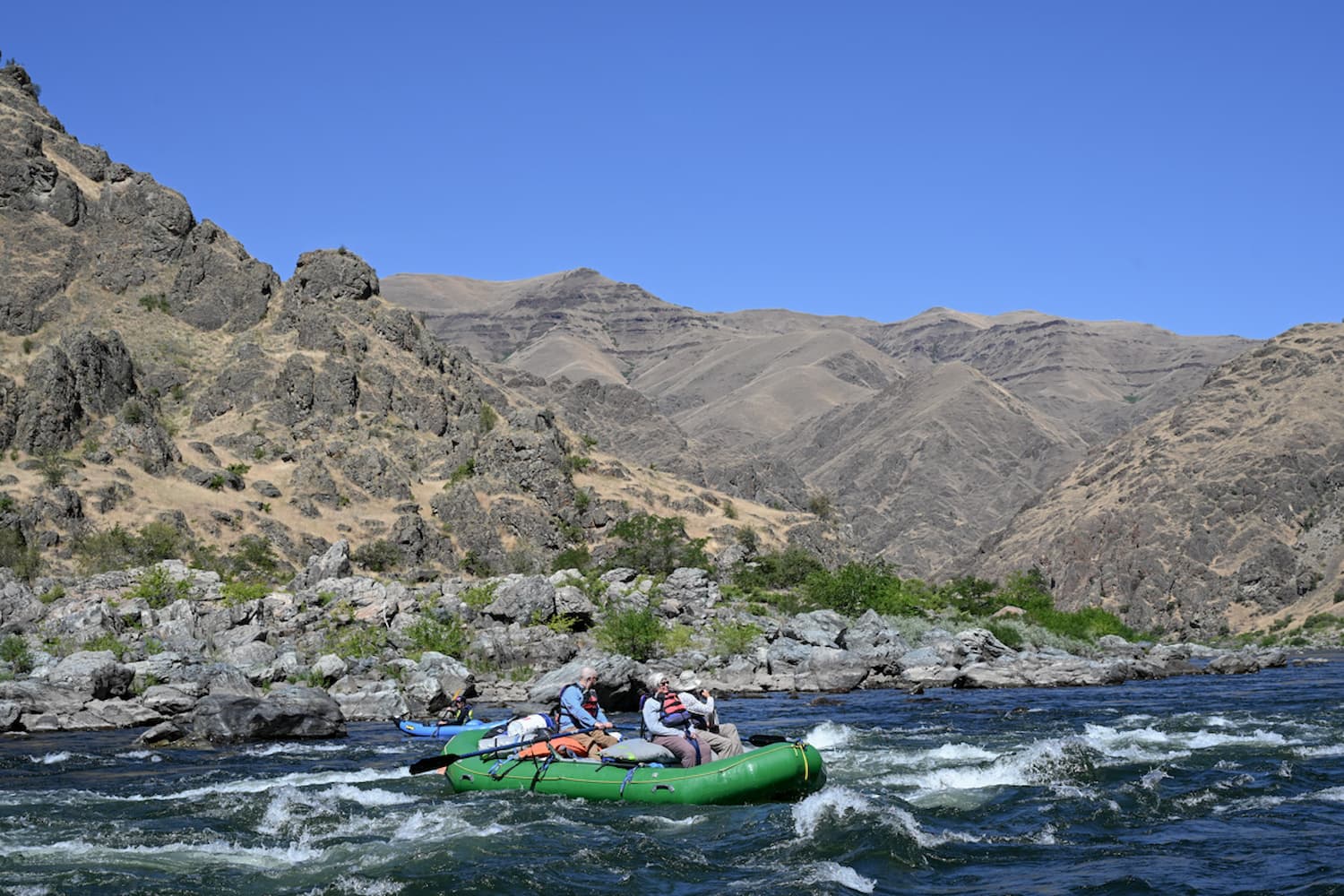
Idaho Lewis Clark Rafters On Snake River. Courtesy of Lauren Mowery
The Nez Perce and Lewis and Clark
The Nez Perce, or Nimiipuu, have lived along the confluence of the Snake and Clearwater Rivers for thousands of years, moving between seasonal camps and salmon fishing grounds on routes predating written records. Faded scars of their hunting paths can still be seen in the contours of the canyon’s walls.
In 1805, the Lewis and Clark expedition made contact with the Nez Perce. The Tribe debated how to greet them, ultimately deciding to welcome the strangers, offering food and supplies, as well as aid in digging canoes for the journey west to the Pacific. The Nez Perce sent three warriors, including Twisted Hair, to guide the Corps of Discovery safely.
When the expedition returned in 1806, Lewis and Clark spent several weeks among the Nez Perce before departing with a handshake, an offering of friendship the Tribe still honors today as the start of its relationship with the U.S. government.
As settlers began arriving decades later, the federal government did not honor that early spirit of reciprocity. An 1855 treaty negotiated at Walla Walla reduced Nez Perce lands to a 7.5-million-acre reservation and barred settlers from entering without Tribal consent. The discovery of gold on Nez Perce land in 1860, however, brought thousands of prospectors into the region.
In 1863, a new treaty reduced the reservation to 750,000 acres. Chief Joseph’s band, whose home in the Wallowa Valley fell outside the new boundary, refused to sign it. In 1877, the U.S. Army gave Joseph’s band thirty days to relocate, a demand that led to the Nez Perce War.
Today, roughly 3,500 people are enrolled members of the Nez Perce Tribe, which governs itself from Lapwai. They offer visitors guided tours, cultural demonstrations, and access to Tribal history throughout the region.
Get the guide to North-Central Idaho.
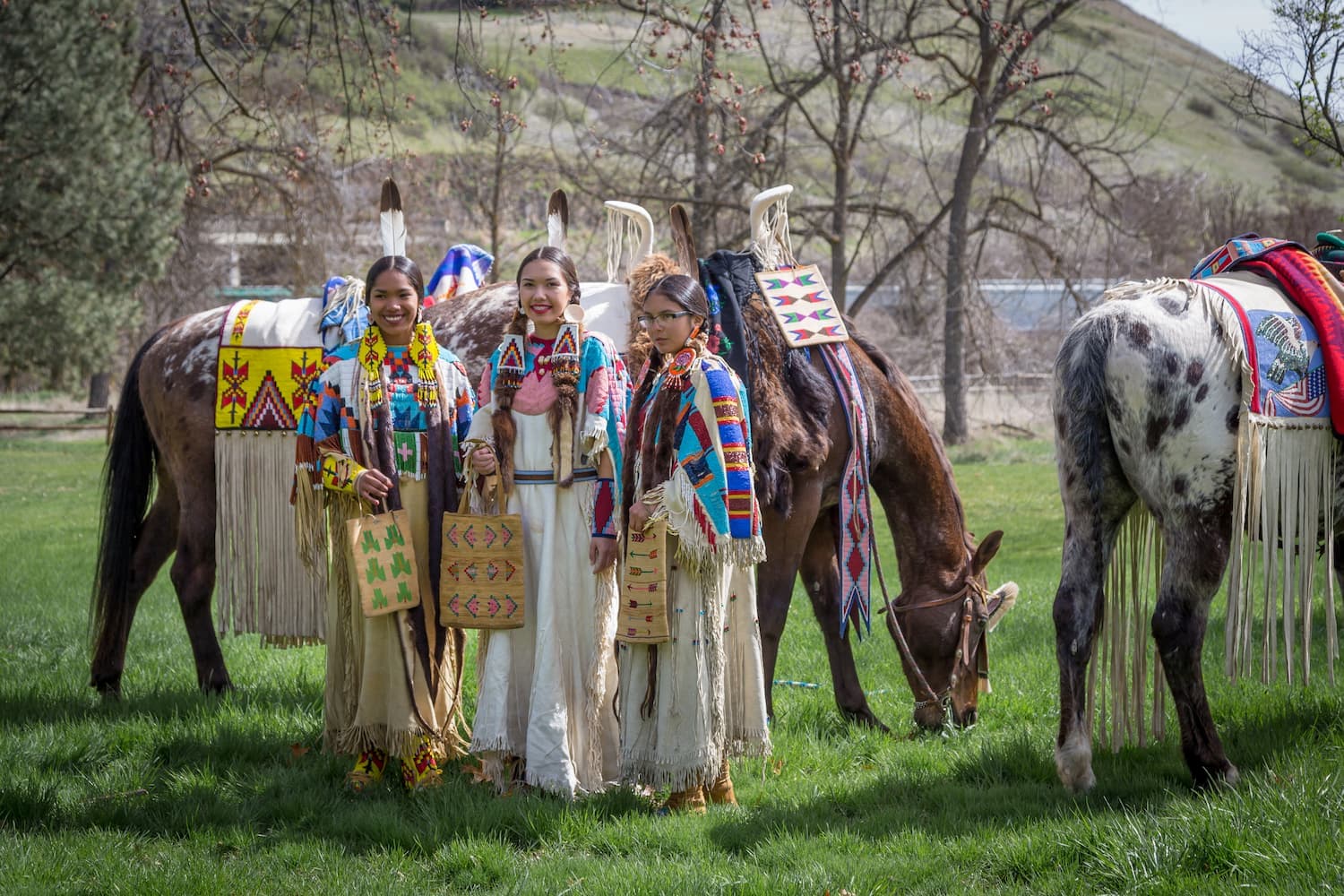
Nez Perce in traditional dress. Courtesy of Nez Perce Tourism.
North-Central Idaho Today
While riding up the rapids of the Snake River on a jet boat, the captain points out key sites tied to the region’s historical narrative. An abandoned copper mine; a sunken paddlewheel boat, the gravel bar called Ram’s Head where Lewis and Clark came down from the Bitterroot Mountains to trade for sustenance.
Along the ride, the story of modern history reveals itself, too. We jet past charter boats out fishing some of the country’s best steelhead trout and sturgeon waters. I watch five-day float trips navigate the canyon’s final run of rapids. I wave to day trippers parked on white sand beaches with lounge chairs and beers. The canyon’s opportunities for recreation and adventure lure visitors from around the country.
The area is also a draw for artists and photographers. The unusual formations in the canyon create visual intrigue with jagged sculptural basalt columns that look carved by Picasso had he worked with a chisel instead of a brush. Golden mounds, smoothed down by time, evoke flat-topped Aztec pyramids. The chance to capture Rocky Mountain bighorn sheep sipping water in the midday sun on the bank of the river offers thrills for the wildlife photographer.
Get the guide to North-Central Idaho.
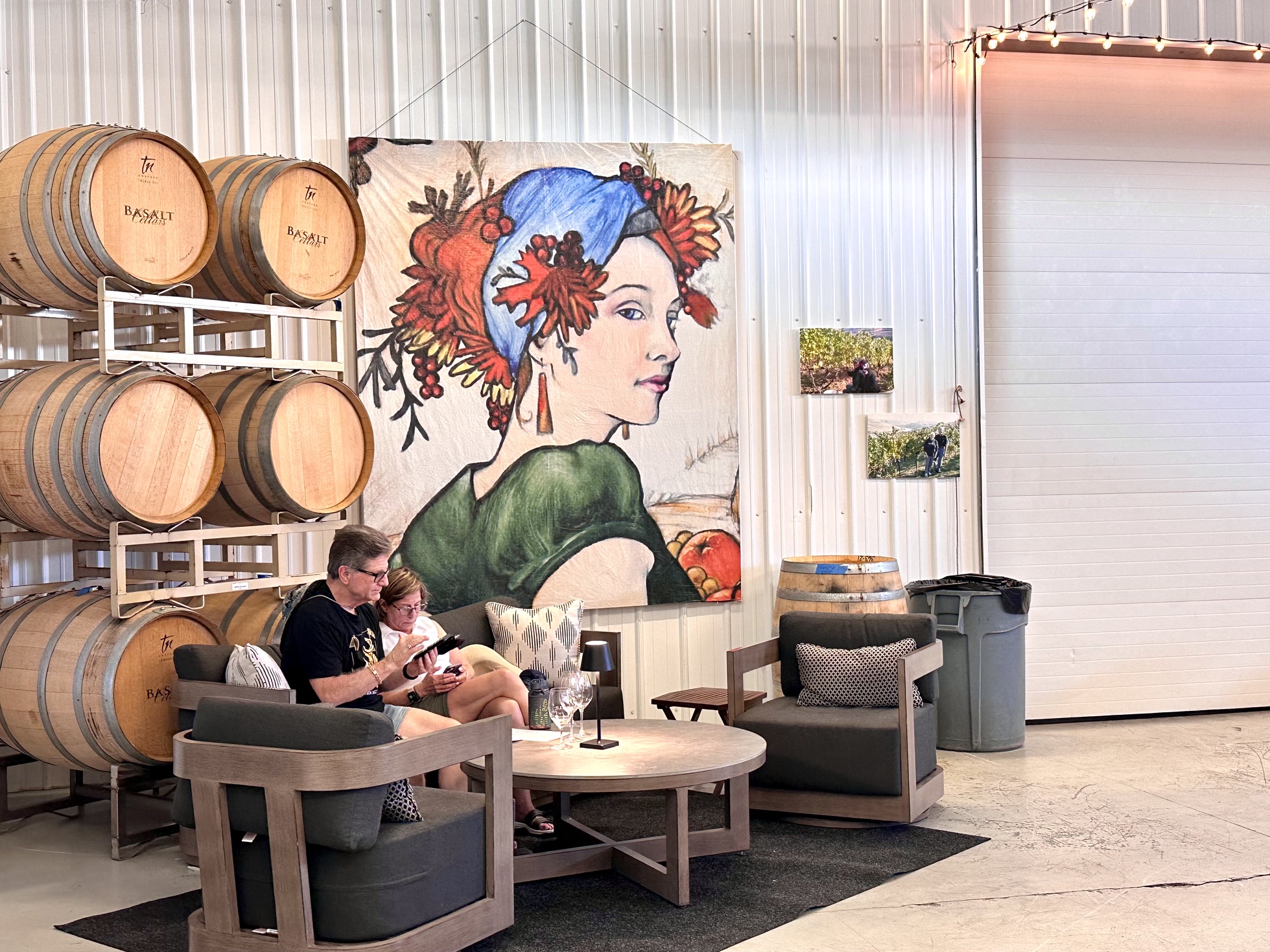
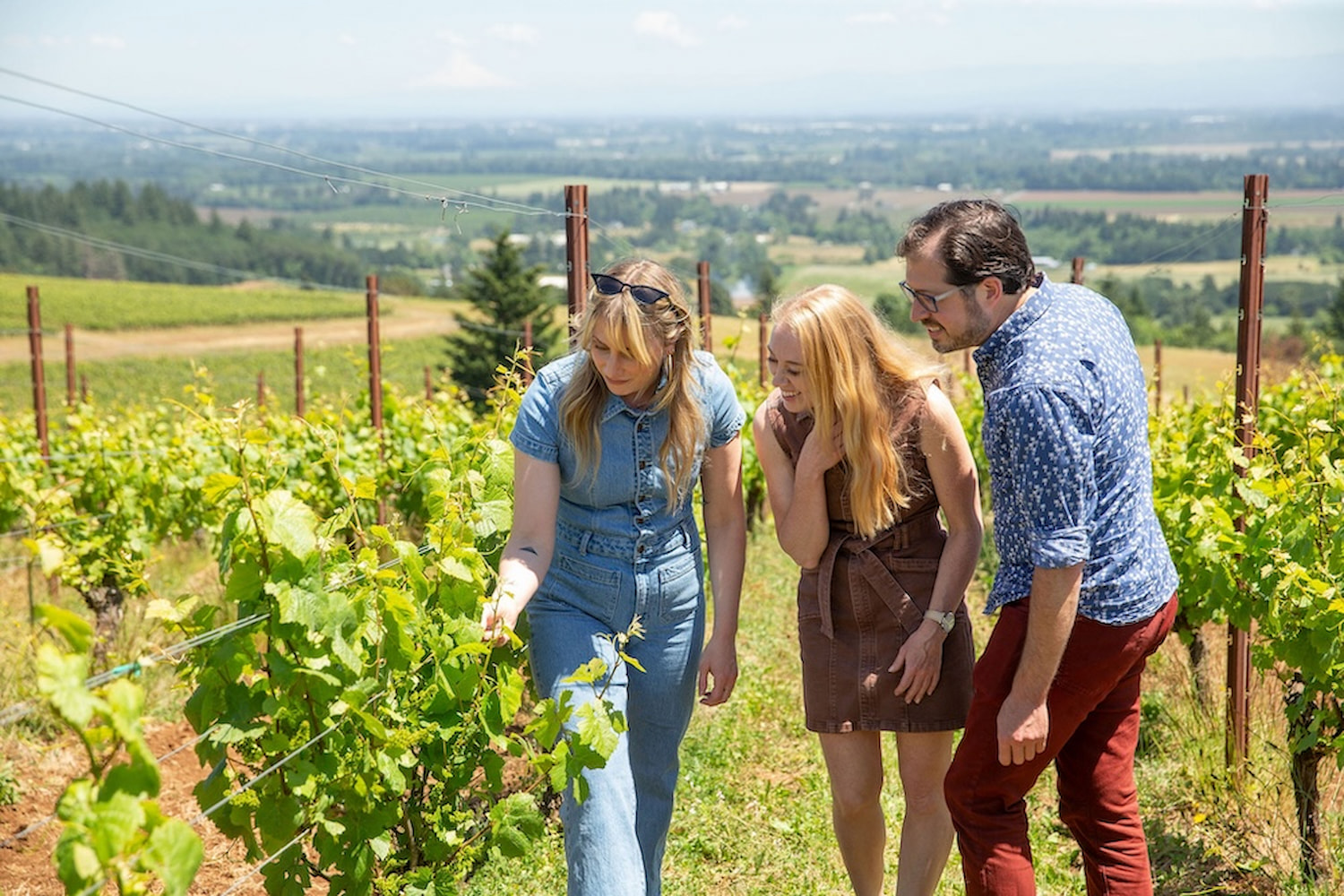
Tasting at Basalt. Courtesy of Lauren Moewry.
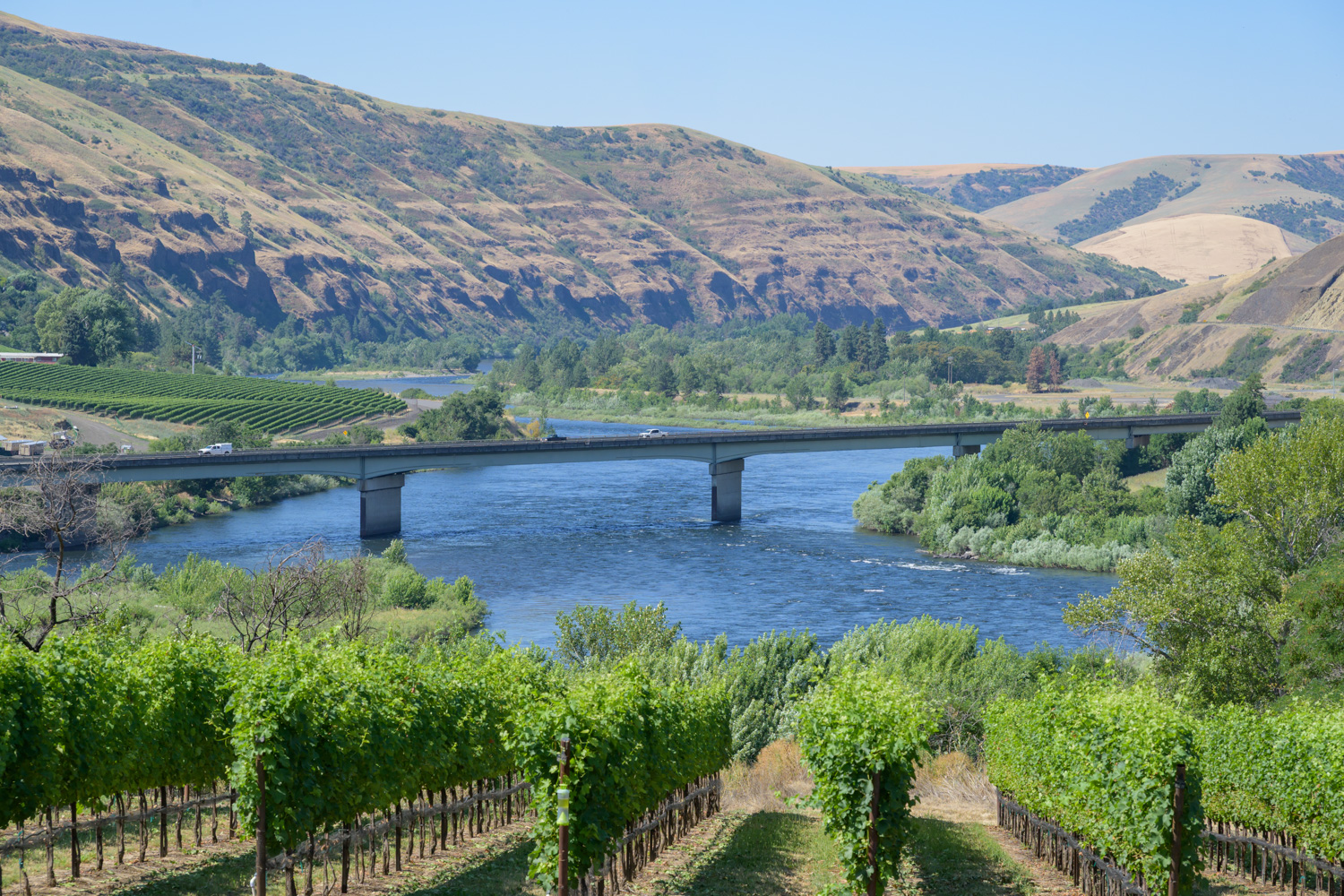
Increasingly, wine drinkers have also discovered reasons to visit: the Lewis-Clark Valley AVA, home to several wineries, produces robust reds made from terroir similar to that of southeastern Washington just across the border. Syrah, Cabernet Sauvignon, and red blends taste of the ambition and grit required to build a winery in such remote locations. Some call it Walla Walla thirty years ago.
Between access to the greatest rivers of the Pacific Northwest and some of the least-crowded wilderness in the country, Lewiston still feels like an insider’s secret. Pair that with the burgeoning food trails and the cafes, bars, and restaurants of Moscow, and you’ll find plenty of reasons to explore north-central Idaho. But enjoyment of its towns and parks comes down to the people as much as the attractions. In a region known historically for its hospitality, the same spirit of curiosity and friendship prevails today.
Get the guide to North-Central Idaho.

Founder and CEO of Azure Road, Lauren Mowery is a longtime wine, food, and travel writer. Mowery continues to serve on Decanter Magazine’s 12-strong US editorial team. Prior to joining Decanter, she spent five years as the travel editor at Wine Enthusiast. Mowery has earned accolades for her writing and photography, having contributed travel, drinks, food, and sustainability content to publications like Food & Wine, Forbes, Afar, The Independent, Saveur, Hemispheres, U.S. News & World Report, SCUBA Diving, Plate, Chef & Restaurant, Hotels Above Par, AAA, Fodors.com, Lonely Planet, USA Today, Men’s Journal, and Time Out, among others.
Pursuing her Master of Wine certification, she has also been a regular wine and spirits writer for Tasting Panel, Somm Journal, VinePair, Punch, and SevenFifty Daily. Mowery is a graduate of the University of Virginia and Fordham Law School, and she completed two wine harvests in South Africa.
Follow her on Instagram @AzureRoad and TikTok @AzureRoad