“Businesses know that nowadays, people will pay not to plan, think, or worry about the little things.”

Companies like Amazon have been major drivers of the convenience economy. Courtesy of Jens Mahnke.
Convenience has never been more convenient. Gone are the days of waiting a week for a delivery or manually going to the store to buy something. Today, nearly everything from food to clothing can be at your fingertips within days, hours, or, in the case of services like Amazon Prime Air or DoorDash, minutes.
It’s known as the convenience economy: an entire industry created around ease and on-demand access. Delivery apps, e-commerce, round-the-clock availability. It’s a multi-billion-dollar business, all meant to remove friction from our lives.
The urges are understandable. We’ve all turned to the easy option from time to time. Who wants to cook after a long, stressful day when, with the tap of a few buttons, a hot and ready-to-eat meal can appear right at your door?
However, when everything comes easily, it has an impact on more than our bank accounts. It also undermines our ability to live consciously and deliberately. We forget how to slow down, think about our choices, and consider want versus need. Forethought, planning, and intent decline. Conscious living could be the antidote.
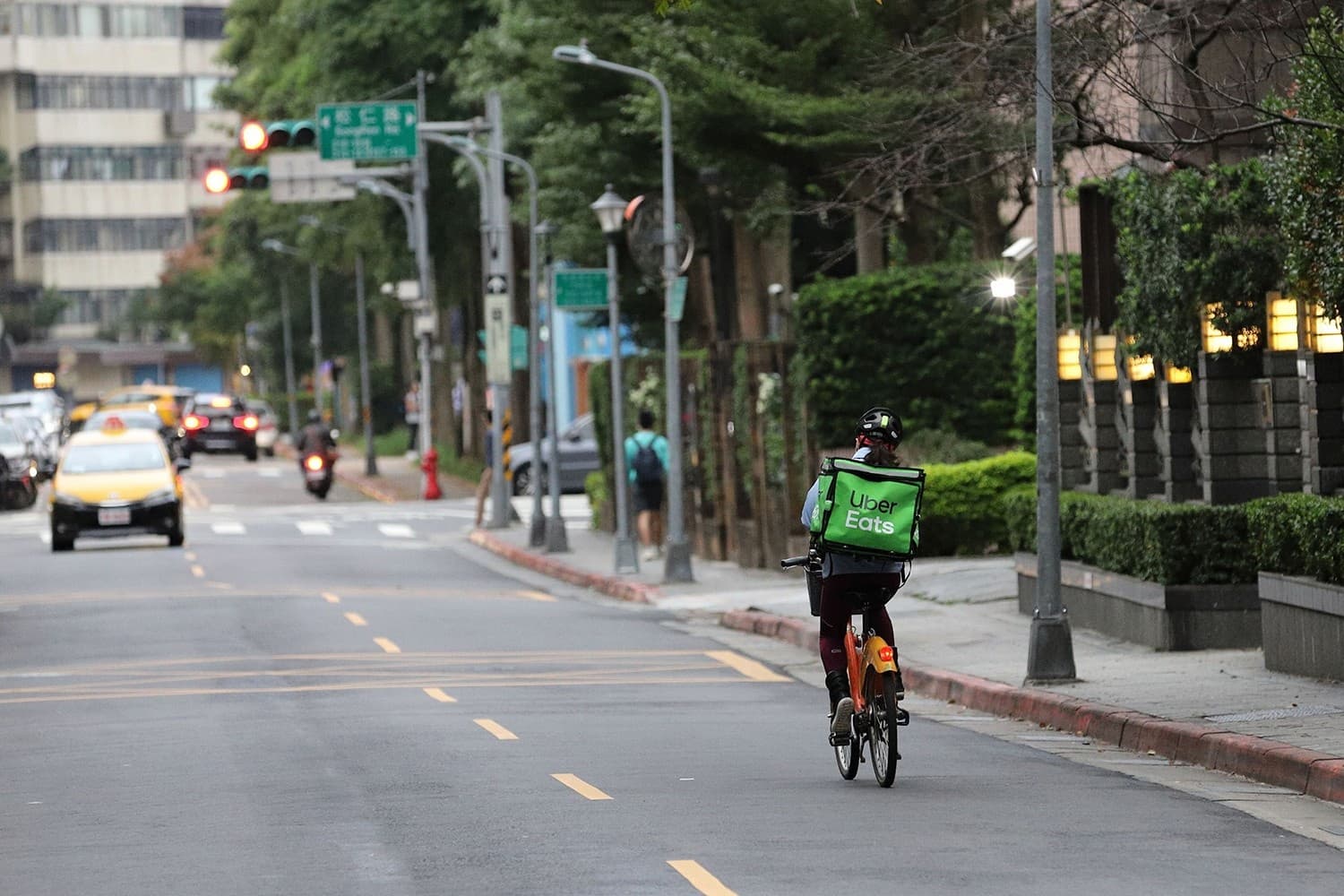
Thanks to companies like Uber Eats, anything can be at your door in minutes. Courtesy of P Hsuan Wang.
Living Life on Autopilot
Before the convenience economy was the behemoth it is now, we had to expend a certain amount of energy to procure things. Instead of instant delivery and shipping, we had to wait until we had free time to get to the store. That could take days, giving us time to contemplate the purchase. If ordering a takeout meal meant driving 40-minutes roundtrip, it wasn’t always worth the effort. Saving up for special items came with the anticipation and happiness of finally reaching a goal.
Now, we can get things almost immediately, requiring fewer steps along the way. Studies suggest our brains are hardwired to follow the path of least resistance, and the convenience economy plays right into that natural inclination.
Researching flights to find the best price, going out to shop; that requires effort. Instead, you can take the easy route and still get the same surge of joy or dopamine. When the rush is easier to achieve with fewer opportunities to question something or exert effort, you chase the “high” all the more. Hence the appeal of social media, online shopping, or fast delivery. Instant gratification, with little to no work required. This leads to habit-forming hits and an autopilot-mode routine.
Life is also busier than ever. When you’re tired and strapped for time, the easy option often wins. According to a report by Deliverect, the U.S. food delivery industry is worth over $350 billion and increasing at a double-digit rate every year. According to Chief Marketer, shoppers who use one-day or same-day shipping methods spend an average of $1,270 annually at the specific marketplace they’re buying from. That’s double the $630 spent by slower-shipping shoppers.
Another great example of “living life on autopilot” is the subscription model, like streaming services or recurring deliveries of food or household necessities. Everything is set up. You don’t need to think or act. True, in some ways it’s one less thing to worry about on the daily to-do list. But in other ways, it can lead to overspending and lack of initiative. According to CNET, the average individual spend on subscriptions in the U.S. is $111 per month. There are even subscription services to cancel the subscriptions you’ve forgotten about.

Nowadays, life is largely lived through a screen. Courtesy of Leticia Alvares.
The Growing Cost of Convenience
Businesses know that nowadays, people will pay not to plan, think, or worry about the little things. A study by Mintel found that over 60% of U.S. consumers say they’re willing to pay more for things that make life easier, and 42% prioritize convenience over price. That’s hundreds to thousands of dollars drained from bank accounts annually, just because of ease.
There’s a human cost too. For one, there are the millions of gig workers that power the convenience economy. As independent contractors, these workers are often not paid liveable wages and have to contend with a lack of job security and benefits.
For another, the convenience economy also largely removes human interaction. We’re shopping online instead of going to the store, or grabbing a bag from a delivery driver instead of going to a restaurant where you’ll chat with waitstaff. All in all, it’s making us even more isolated. Fears over lack of socialization and growing loneliness have grown since the pandemic. The convenience economy may be a factor, making it easier to get things at home instead of going out into the world and mingling with others.
How to Live More Consciously
If you feel like the current way of living is no longer healthy or sustainable, you’re not alone. From the slow travel and slow food movements to the growing popularity of analog devices, more and more people are choosing the “inconvenient” alternative. Conscious living is another way to push back.
Living consciously is all about awareness and intention. We have to look at why we’re doing something, the habits we’re forming, and question whether something is an emotional reaction or more logical.
Putting in effort, mentally and physically, to not take the easy road can be trying. But we should care. It strengthens our minds in many ways, helps with our moods and relationships, and makes rewards that much sweeter. We may invest more time, but we can save money, have a stronger sense of self, and be more aware and mindful of the world around us. And often, these choices are not only better for us but for the planet as well. Here are a few ways to start taking those steps.
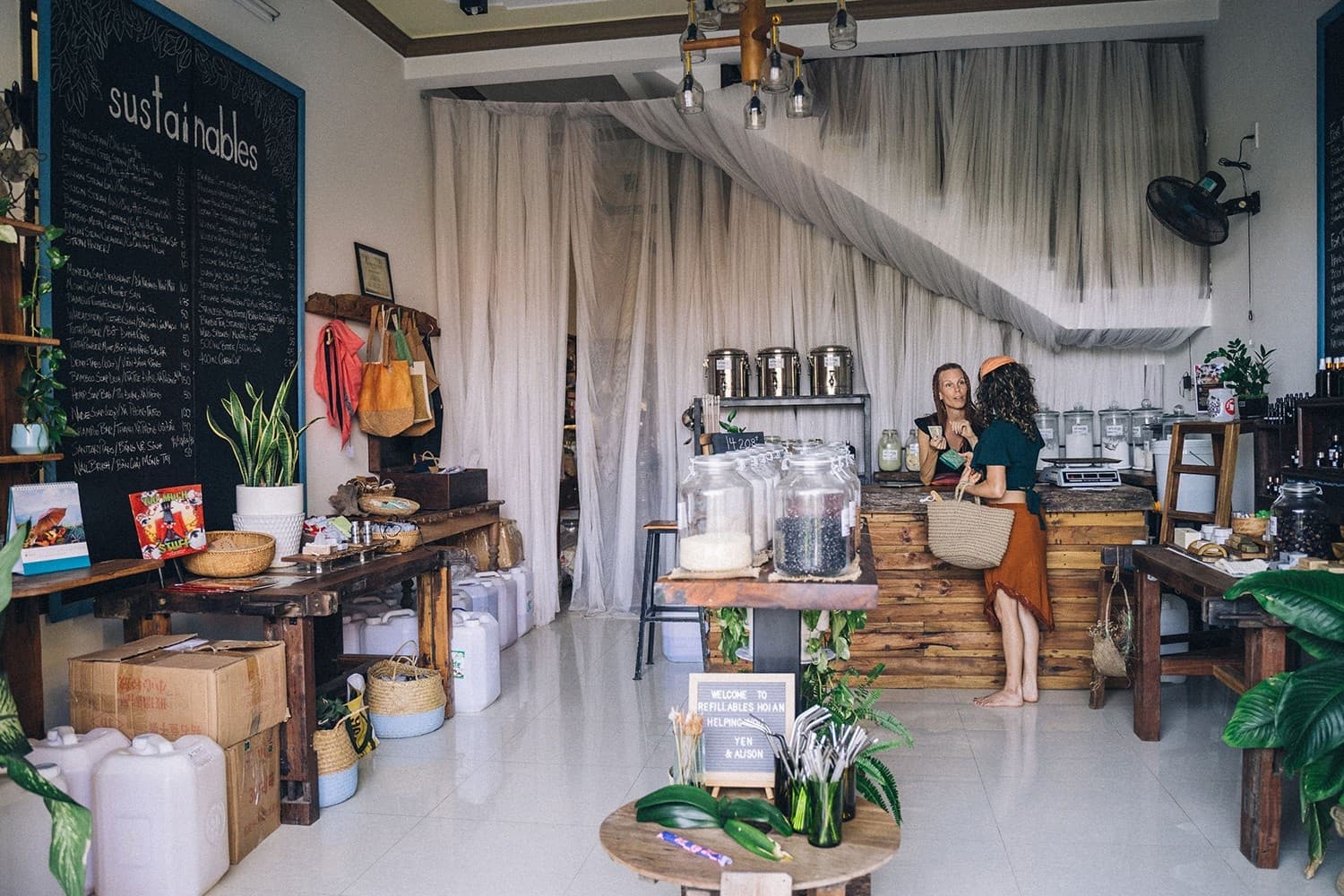
Shopping at stores that share your values is a great conscious living strategy. Courtesy of Anna Tarazevich.
Manage Your Money
Make an effort to shop local and independent, where your purchase makes a difference to the community. Before purchasing something, ask if it’s really a necessity. Leave items in your checkout basket for 24 hours and see if you still want it after the initial hype has died down.
Review your subscriptions and spending habits and weigh how much value they actually bring to your life. Make a spreadsheet of expenses to track where money is going, and corral in spending yourself instead of loaning the work out to an app.
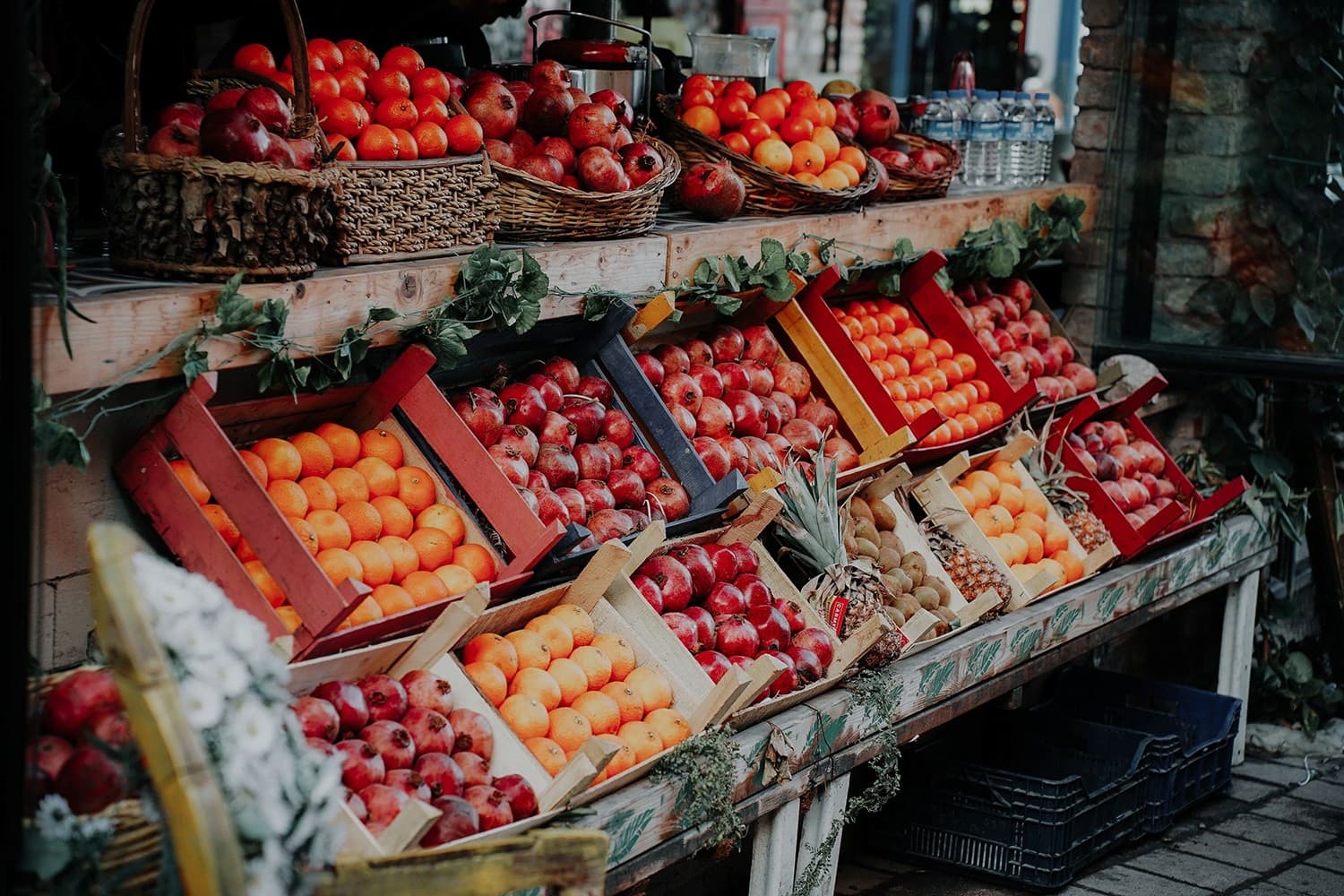
Delayed gratification, like waiting for seasonal produce, is part of conscious living. Courtesy of Muhammet Bayram.
Practice Awareness
Try implementing new mindfulness routines to be more present. Start keeping a journal, go for walks in nature, practice yoga, or meditate. Set aside time for personal reflection and growth. Create room to connect with others in person as well. Take care of yourself with nourishing meals, hobbies, and activities that bring genuine value. Make sure that time for yourself is just as much of a priority as work or other obligations.
Even if it’s not from personal effort, waiting for something to arrive on its own time has its own rewards. Take, for instance, waiting for seasonal produce to come into stores. When I see asparagus back in the produce aisle, I know that it’s springtime. There’s a conscious connection with nature and a sense of joy there that the convenience economy buries. When everything is available and accessible all the time, nothing feels as special. Living with the seasons and what they provide can jolt you out of the cycle.
Go Slow
One of the ways the convenience economy ensnares us is because we’re always on the go. Schedule downtime and flexibility into routines and take things more slowly, if possible. When traveling, go for walks or take trains or bikes. Stay in one place longer to create deeper connections instead of hopping around. Rather than order fast food, invest in yourself by making quality dishes; meal prep and finding easy recipes make it possible to do this even with a busy schedule.
Be Patient With Yourself
It also doesn’t have to be an all-or-nothing approach. You can be aware of your choices and still have a subscription or get takeout on an app. They’re not mutually exclusive, and this is largely a systemic problem, not an individual one. If you had a hard week, it’s ok to treat yourself once in a while.
Kicking Off the Convenience Mindset
Realistically, not everything in life should be convenient. We should have to put in some effort. Maybe some things are worth spending more time on. If you fly through life on autopilot, you’re not experiencing things. You’re not thinking about the impact of your actions, and you’re not actually living; you’re drifting.
By opting to slow down, take stock of your decisions, and question them, you’ll not only be living more mindfully, but you’ll probably also live a more fulfilled, rewarding life.

Rebecca is a freelance writer specializing in budget and adventure travel. She can often be found searching for the best tacos and cannolis in a given location, or hiking and bouldering in new destinations. She has been featured in Lonely Planet, The Independent, Stylist Magazine, and Time Out Travel. You can find her writing about her own adventures and sharing budget-friendly, sustainable travel advice on her site, Wandering and Wine. Follow Rebecca on IG @Rebekkiie.
North Stars: Carbon Footprint, Energy Efficiency, Production and Consumption
More Stories
 CULINARY, DRINK
Get to Know the Producers Behind the J.P. Bourgeois Portfolio
 CULINARY, DRINK
Where to Taste Wine in Willamette Valley
 DRINK
DRINKMeet the Distillery Making Vodka From Fog
 DRINK
DRINKSake’s Next Step: How Japan’s Rice Wine Is Evolving
 DRINK, HOME
The Buzz on InFizz: Breville’s Carbonator Elevates Sparkling Water