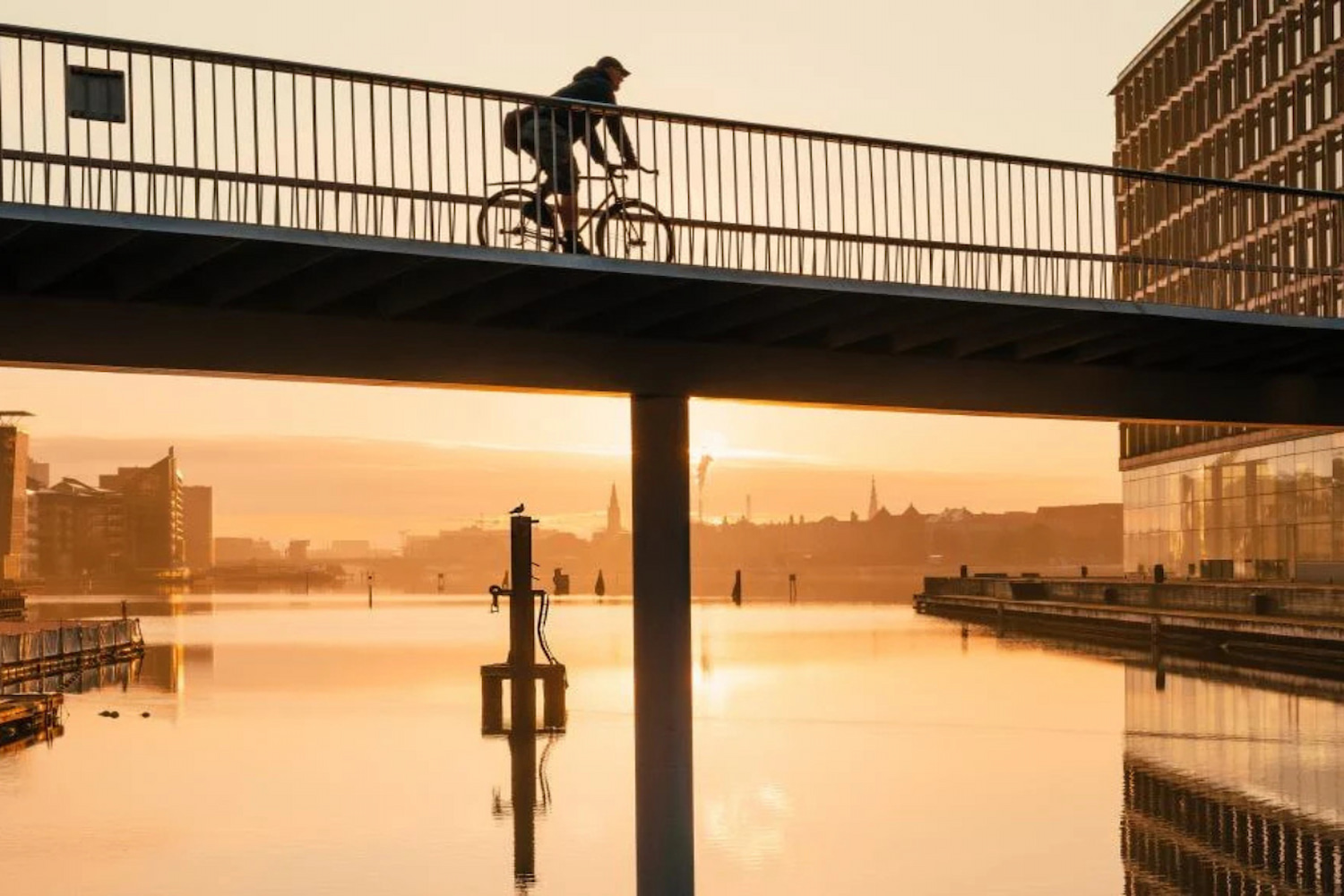
“What stood out about these cities was how clearly their values translate into daily life.”
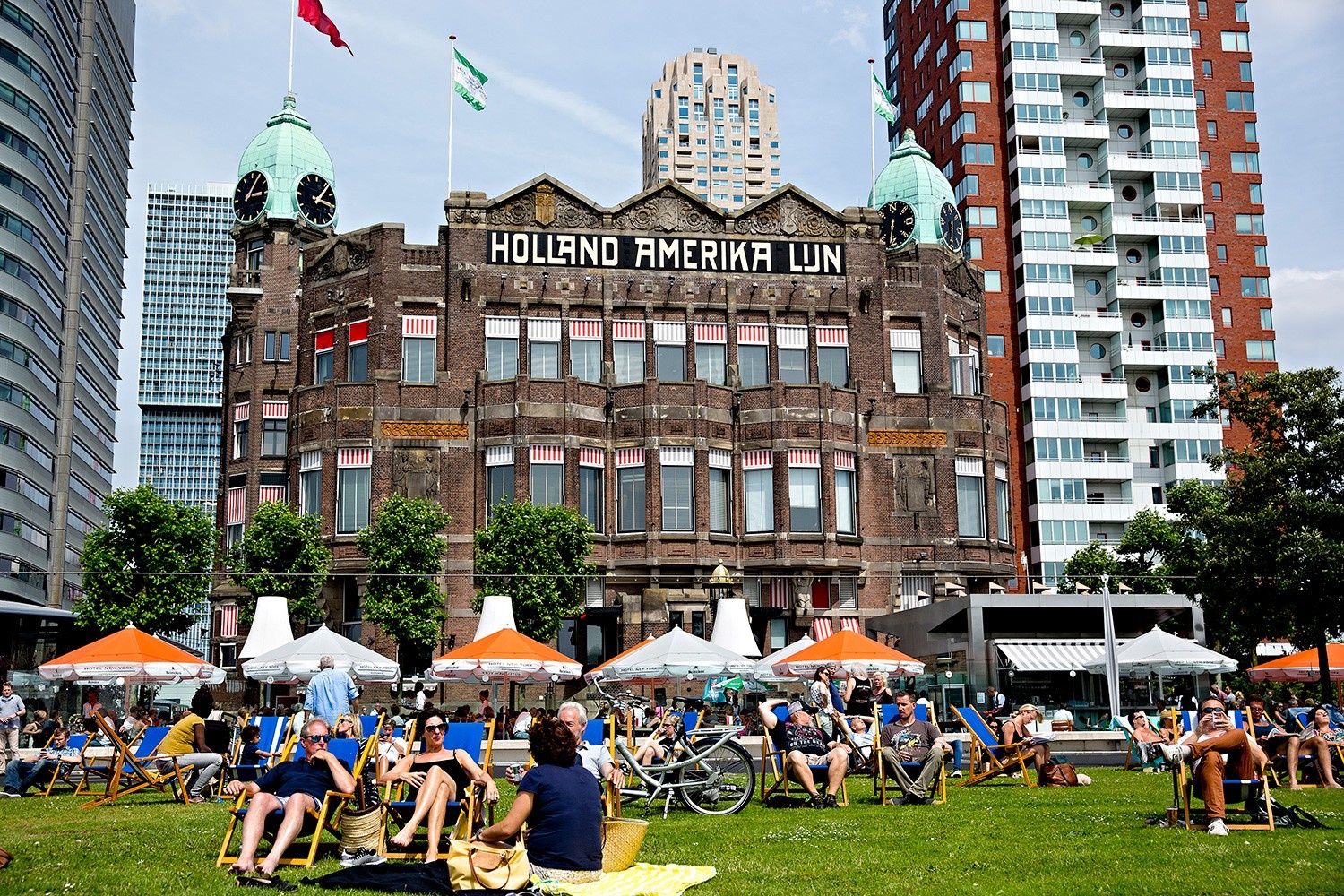
Rotterdam. Courtesy Iris van den Broek.
When we think about where to travel or book our next vacation, we usually start with hotels, restaurants, and the cultural significance of a place. That’s part of the fun. But as we grow more reflective about the impact we have when we travel, from slowing down to being less extractive, it’s worth paying closer attention to how the cities themselves operate.
Leadership, infrastructure, and community projects shape the experience of a destination just as much as its headline attractions. The cities highlighted here understand that responsibility doesn’t have to feel earnest or restrictive, it can be part of the appeal.
In Copenhagen, that might mean kayaking through canals while helping collect floating trash. In Singapore, it’s time spent in botanical gardens or green spaces built into dense urban towers. Rotterdam turns climate adaptation into something you can see and visit, from cows grazing on a floating dairy to public buildings designed to live on water rather than fight it. In Tucson, hiking among towering saguaros sits alongside a city culture shaped by desert constraints. And in Medellín, cable cars glide over greened hillsides, linking neighborhoods while offering some of the best views in the city.
These five cities show that environmental and social responsibility don’t sit apart from pleasure. They’re often what makes a place more interesting to visit in the first place.
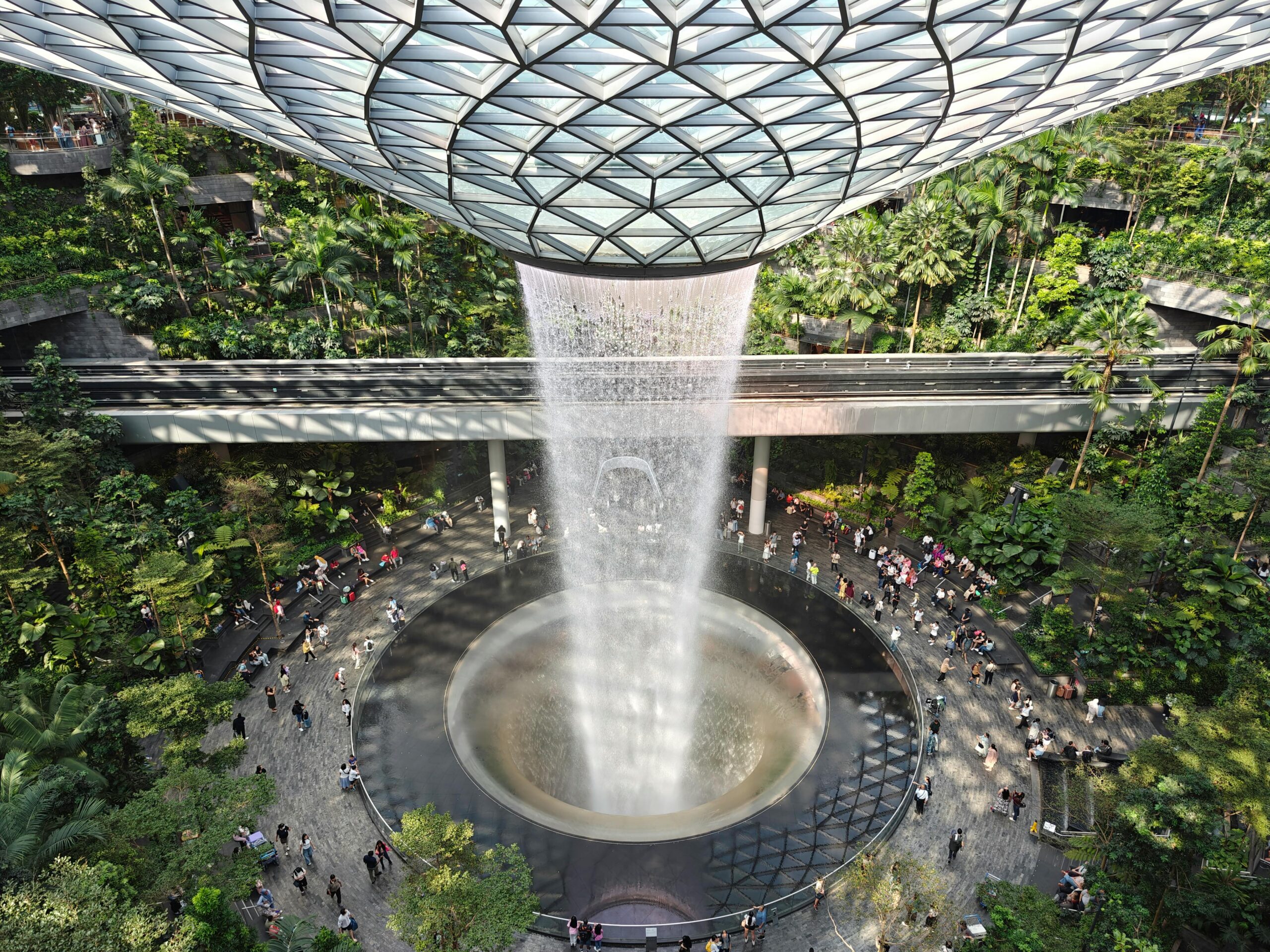
Changi Airport in Singapore. Courtesy of Pexels.
Best Sustainable Cities
Tucson, Arizona
For living in concert with the desert while launching eco-friendly transportation programs
Tucson’s leadership should be a blueprint for American cities. It strives to live within the constraints of its desert location. For example, the city requires rainwater harvesting for new commercial developments and incentivizes residential systems through city rebates. The city operates the Sun Tran electric bus fleet, including fully electric routes, and has expanded shaded transit stops and urban tree cover as part of its heat mitigation strategy. Long-standing water conservation programs keep per capita water use among the lowest of major U.S. cities. Read our guide to Tucson, Arizona.
Copenhagen, Denmark
For innovative restoration of or use of spaces, green energy, and tight-knit community
In Copenhagen, low-impact living is built into everyday routines rather than treated as a lifestyle choice. More than half of all daily commutes in Copenhagen happen by bicycle, supported by over 400 kilometers of bike lanes and dedicated cycling bridges such as Cykelslangen. The city relies heavily on district heating powered by waste-to-energy and renewable sources. Former industrial zones like Nordhavn have been redeveloped with mixed-use housing, harbor swimming areas, and integrated energy systems. Read our guide to Copenhagen.
Medellín, Colombia
For transit-led investment connecting people to opportunity
Medellín has paired major transit projects with large-scale urban greening, including planted roadways, hillside reforestation, and vertical gardens integrated into public infrastructure. The Metrocable gondola system links hillside neighborhoods directly to the city’s metro network, reducing commute times and dependence on informal transport. Major roadways have been redesigned through the Green Corridors program, while library parks and civic buildings are deliberately placed along transit lines, concentrating public investment in neighborhoods historically excluded from city infrastructure.
Singapore
For its “City in a Garden” vision, waste management technology, and green building efficiencies
Singapore manages its population density through strict planning, technological systems, and enforced building standards. The city/state enforces mandatory Green Mark standards for new buildings and retrofits, with widespread adoption of green roofs and vertical planting. The NEWater system supplies recycled water for industrial and potable use, reducing dependence on imports. Waste-to-energy plants process most solid waste, and strict efficiency standards govern transport, buildings, and cooling systems. Read our guide to Singapore.
Rotterdam, Netherlands
For its climate-resilient architecture, energy transition plan, and entrepreneurial spirit
Rotterdam treats climate pressure as a design brief. The city is home to the Floating Farm, a working dairy that produces milk on the water, along with floating offices and pavilions designed to adapt to rising sea levels. Landmark projects like the Markthal, Depot Boijmans Van Beuningen, and climate-resilient water plazas combine architecture with infrastructure, while the port serves as a testing ground for electrification and new energy systems. Innovation here is public-facing, practical, and intentionally bold. Read our guide to Rotterdam’s architecture.

Founder and CEO of Azure Road, Lauren Mowery is a longtime wine, food, and travel writer. Mowery continues to serve on Decanter Magazine’s 12-strong US editorial team. Prior to joining Decanter, she spent five years as the travel editor at Wine Enthusiast. Mowery has earned accolades for her writing and photography, having contributed travel, drinks, food, and sustainability content to publications like Food & Wine, Forbes, Afar, The Independent, Saveur, Hemispheres, U.S. News & World Report, SCUBA Diving, Plate, Chef & Restaurant, Hotels Above Par, AAA, Fodors.com, Lonely Planet, USA Today, Men’s Journal, and Time Out, among others.
Pursuing her Master of Wine certification, she has also been a regular wine and spirits writer for Tasting Panel, Somm Journal, VinePair, Punch, and SevenFifty Daily. Mowery is a graduate of the University of Virginia and Fordham Law School, and she completed two wine harvests in South Africa.
Follow her on Instagram @AzureRoad and TikTok @AzureRoad
North Stars: Community Support, Heritage Value, Production & Consumption
More Stories
 DRINK
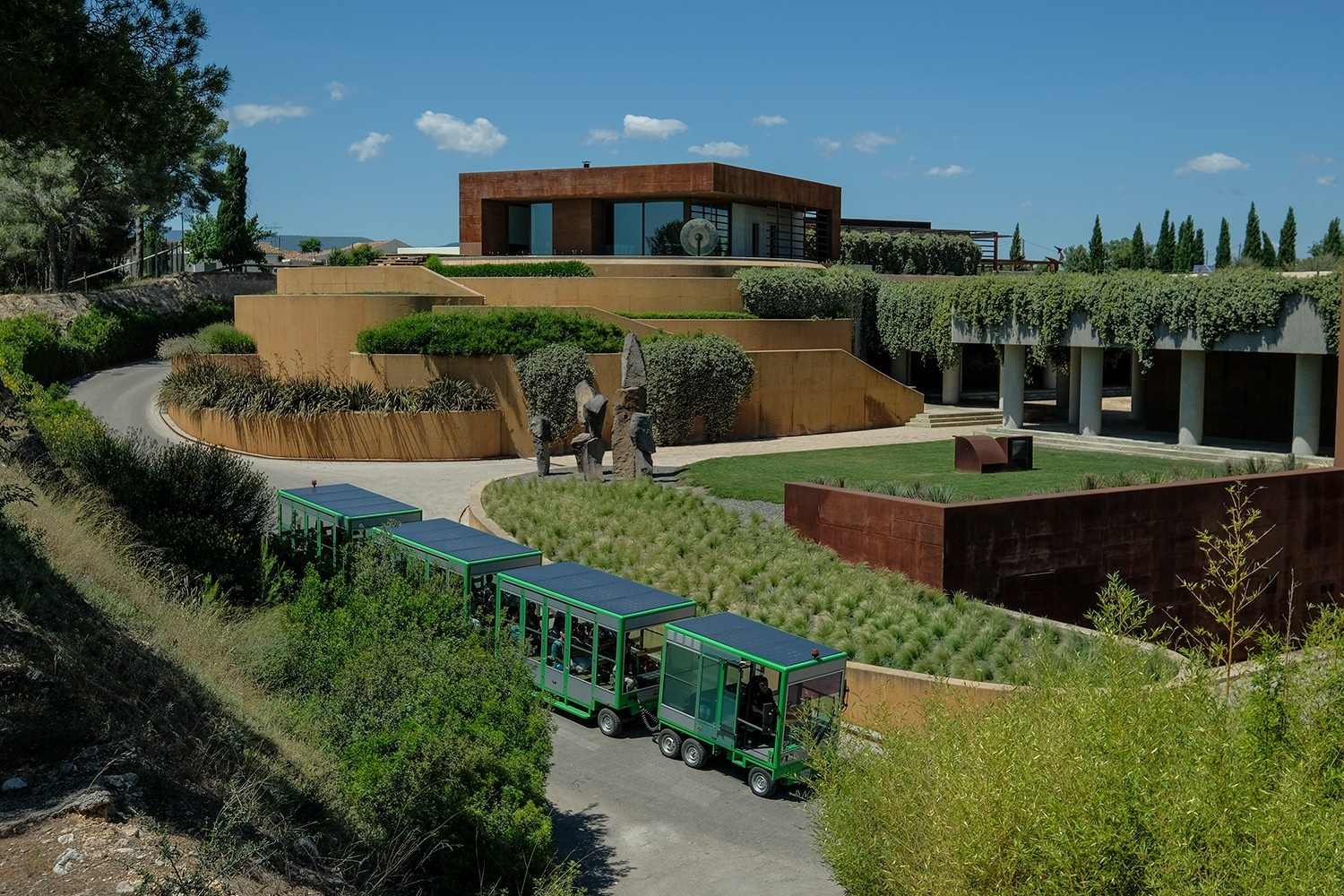
DRINKExploring Penedès, Spain’s Sparkling Wine Paradise
 DRINK
DRINKAzure Road Impact Award Drinks Finalists
 DRINK
DRINKWhy Now Is the Time to Cellar Santorini Assyrtiko
 DRINK, PARTNERSHIP
Ambar Estate Is Farming for Tomorrow in Oregon’s Willamette Valley
 DRINK, PARTNERSHIP
Crafting Alto Adige’s Future: The Evolution of Cantina Colterenzio