North Stars:

Community Support

Heritage Value

Production & Consumption
“If you can be patient… Bali still has the power to surprise you.”
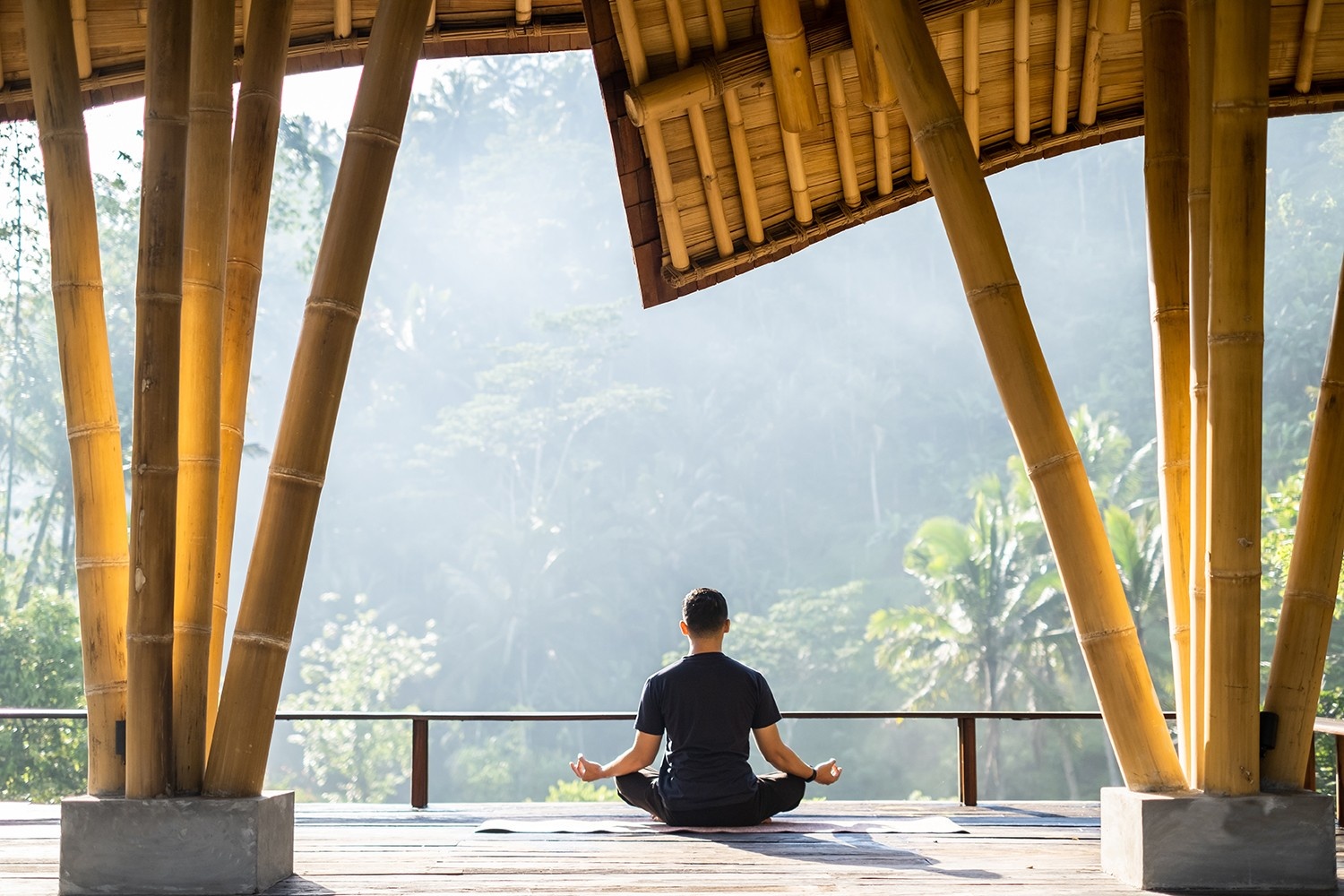
A moment of stillness. Courtesy of Banyan Tree Escape.
When I was planning my honeymoon to Indonesia, a surprising number of friends offered the same warning: Do not go to Bali.
Naturally, I took the advice with a grain of salt. Bali is supposed to be otherworldly, arguably the world’s last existing paradise, right? But, as with most things in my life, I couldn’t shake the image of Anthony Bourdain. His first trip to Bali in 2006 was wide-eyed and almost reverential, but his return in 2018 felt like a bad breakup letter. The shot that stuck with me — Bourdain, Gatsby-like, floating poolside in a flamingo-pink donut while club music blared behind him — was hard to shake.
Bali’s challenges have been well documented: overcrowding, strained infrastructure under extreme tourism, and development outpacing intention. It’s a story that ripples across the archipelago.
In fact, Indonesia is working on relocating its capital from Jakarta to a newly built city in search of stability. Entire articles now proclaim Sumba as “the new Bali.” (And to be fair, Sumba has its magic; Cap Karoso, a luxury resort on the mostly wild island, is a genuinely spectacular escape, if time allows).
Perhaps there is no Bali like there once was. Maybe it is not “the last paradise on Earth,” as the welcome sign in Denpasar Airport suggests. Who am I to make such sweeping and outlandish claims about any place?
But here’s the thing: if you can be patient, if you’re willing to snake your way past the packed beaches, up through mountain roads, and pass the glossy version of Ubud made famous by Julia Roberts, Bali still has the power to surprise you.
Tucked deep in the highlands, at the Banyan Tree Escape, is the Bali I’d been hoping for, and the one that, I think, Bourdain yearned for, too. It’s quiet, elemental, rooted in the land instead of built atop it. And by the way, the roasted pig is delicious.
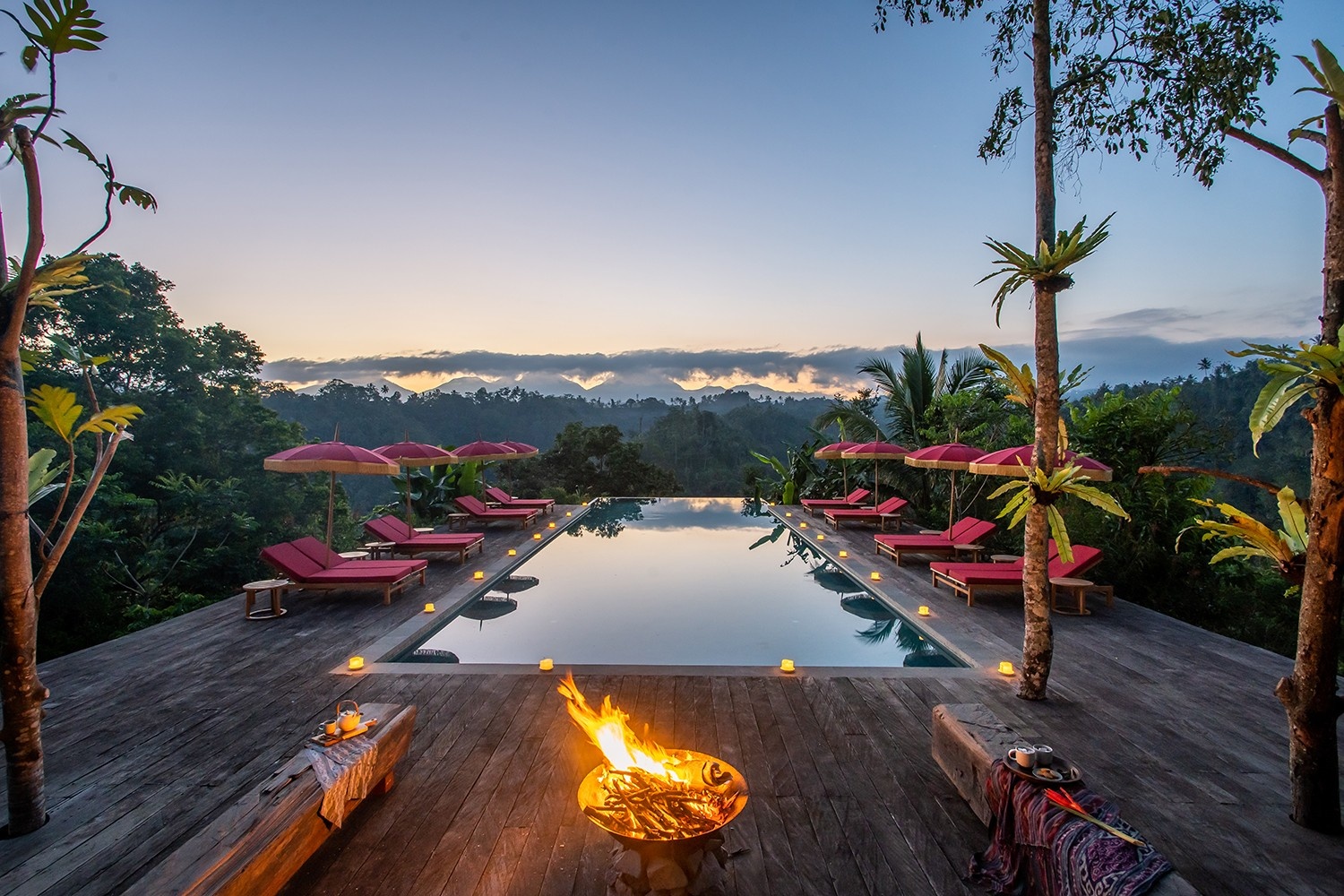
Serene canopy views from the pool. Courtesy of Banyan Tree Escape.
Letting it All Hang Out
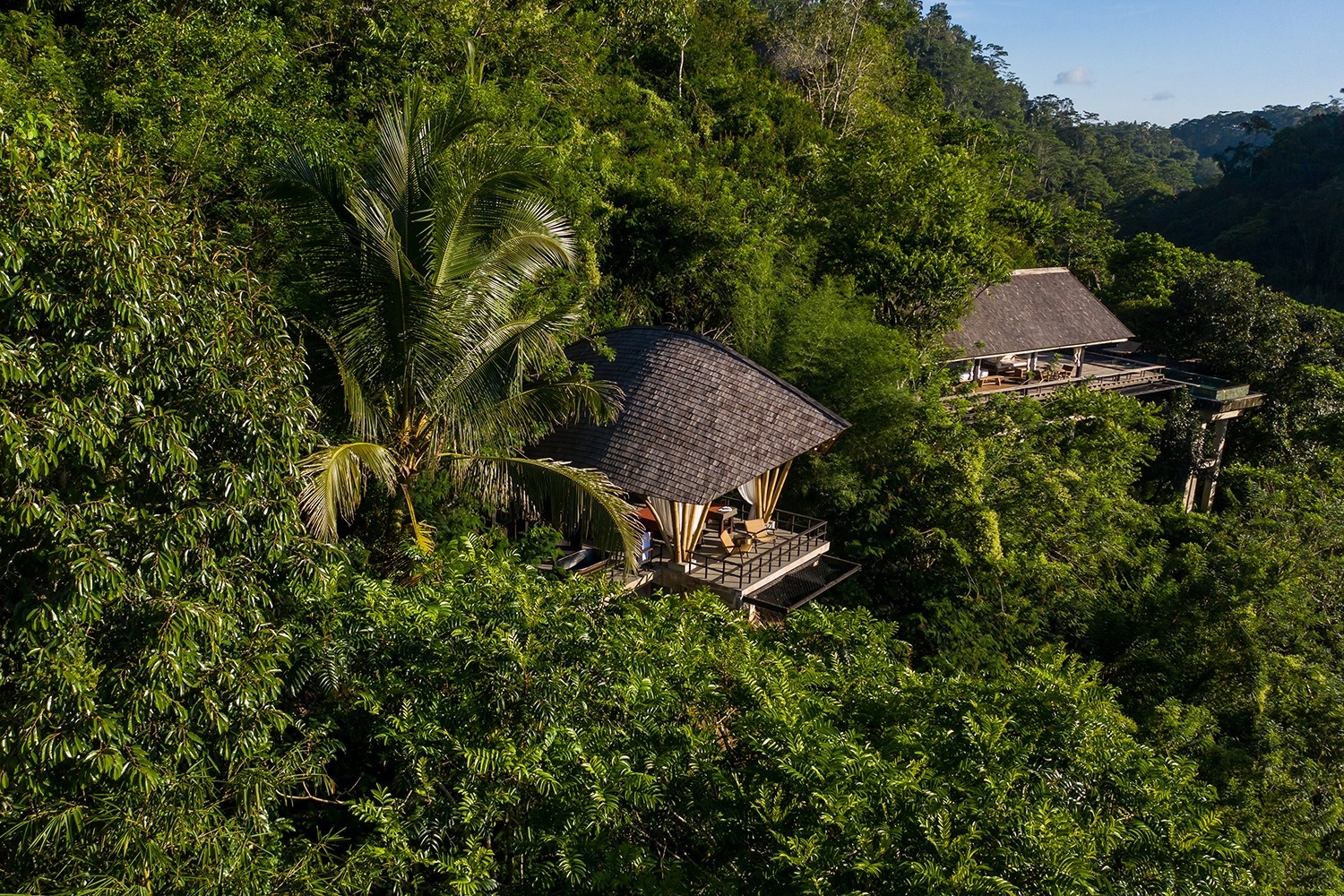
About an hour from Ubud, two from the airport, and three if traffic inevitably devolves into gridlock, and tucked deep into the Balinese highlands sit the Banyan Tree and the brand’s first “Escape” property. The adult-only property is designed around one idea: removing the barriers, literal and metaphorical, between you and the natural world, or perhaps vice versa.
The way they accomplish this feat is simple: There are no walls and no doors on the entire property. (Well, the bathroom in common spaces has doors, but that’s it!). Each of the 16 open-air villas spills outward into the rainforest. You sleep to cicadas, wake to the sunrise, and take in the mist floating over and into the surrounding valley.
Naturally, I had some concerns. Wouldn’t there be bugs? At about $1,000 a night, there better not be. And there were none. Or if there were, I didn’t notice them (and believe me, I would’ve noticed).
This is achieved not through chemicals, but through incense. Additionally, much of the property is made from smoked wood that repels bugs naturally.
This mindset is echoed elsewhere. Food left out from room service isn’t gobbled up by birds or other creatures. Instead, it sits there. How? “They have their own food,” my host tells me. “So there is no need for them to eat yours.” Many villas have untreated pools, which means that every morning, small birds skim the surface, using it as their own spring.
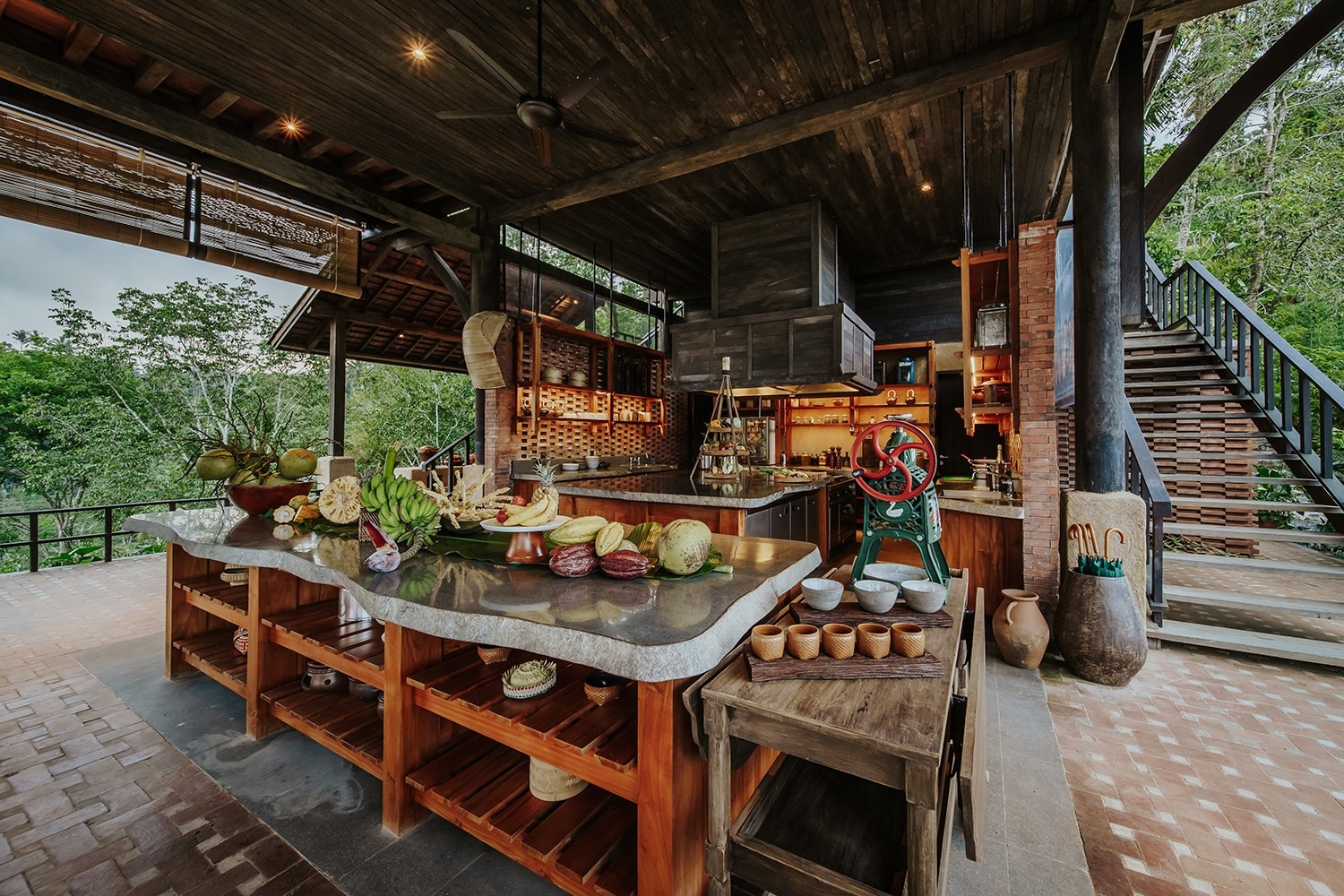
Open-air cooking at Banyan Tree Escape. Courtesy of Banyan Tree Escape.
Into the Depths of Bali
While you very easily could spend all of your time on the island at the Banyan Tree, for those of us who can’t sit still, the hotel has some great activities. On one of our tours, a guide took us into Ubud to show us the part of Bali we felt like we might be missing out on. From there, we toured around the mountains, visiting a water temple, rice terrace, and another temple, before finally stopping for babi guling (roasted suckling pig).
What struck me most was not the scenery (although, incredible and amazing are words I would use to describe it), but instead, the relationships. At the water temple, our guide introduced us to his doctor, who happened to be there, praying. At the rice terraces, his father appeared on a motorcycle; he’d come to drop off an entrance fee we’d forgotten. At the last temple, our guide shared childhood stories so vivid you could almost see them happening. Instead of looking at Bali from the outside, we felt momentarily threaded into its fabric.
The hotel has several different tours like this, each tied to the community and education of the island. On the property, you can take part in a water cleansing ritual led by a local priest (an absolute must), join free workshops in candle-making or mixology, or simply spend an afternoon wandering the organic gardens.
One thing is clear: This isn’t the Bali I was told not to visit. In fact, I’m already planning a trip back.
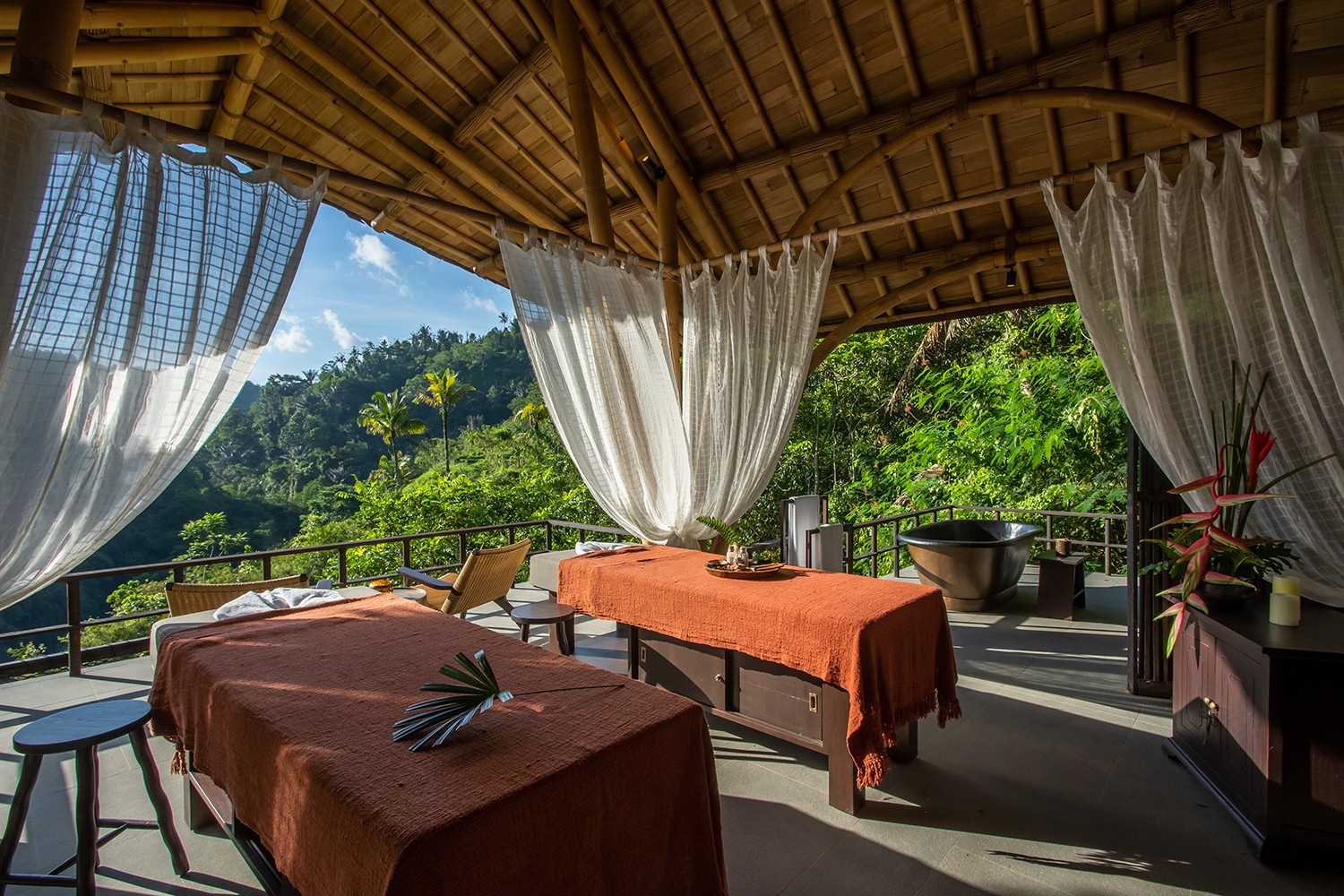
The spa at Banyan Tree Escape. Courtesy of Banyan Tree Escape.
What to Know About Vsiting Banyan Tree Escape
Buahan sits in Bali’s highlands, about an hour from Ubud. Plan for long, winding roads and unpredictable traffic. There are 16 open-air villas, all adults-only. No walls, no doors, and somehow, no bugs, either.
If you’re looking to get off Bali for a few days, head to Lombok, where sustainable-minded developers have heeded the warnings of its sister island.

Daniel Modlin is a writer working and living in New York City. He is a former editor at Food & Wine, and his work has been published in The New York Times, The Wall Street Journal, Travel + Leisure, and many more publications. Follow him on Instagram at @damodlin.
North Stars: Community Support, Heritage Value, Production and Consumption
More Stories
 DRINK
DRINKAzure Road Impact Award Drinks Finalists
 DRINK
DRINKWhy Now Is the Time to Cellar Santorini Assyrtiko
 DRINK, PARTNERSHIP
Ambar Estate Is Farming for Tomorrow in Oregon’s Willamette Valley
 DRINK, PARTNERSHIP
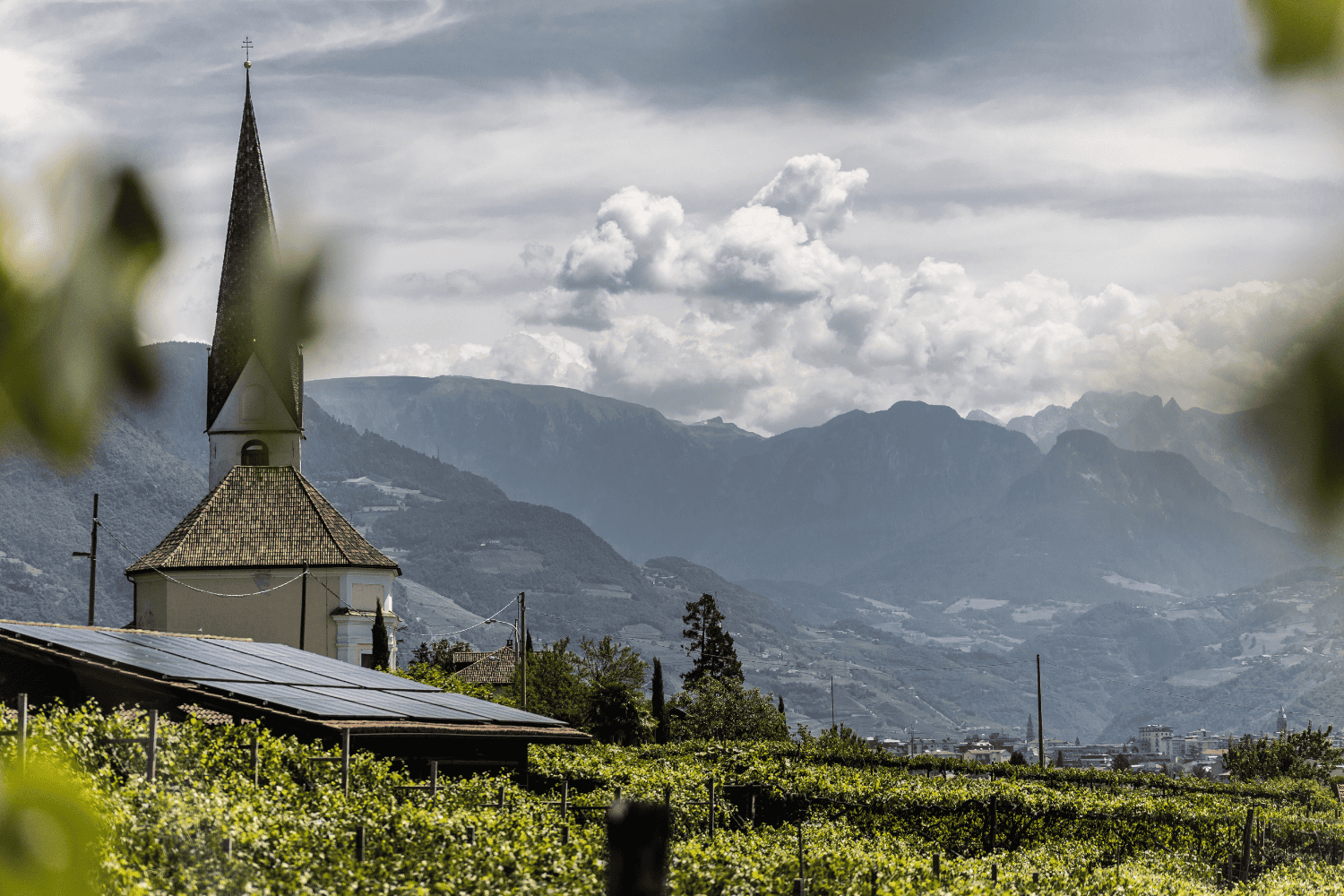
Crafting Alto Adige’s Future: The Evolution of Cantina Colterenzio
 DRINK
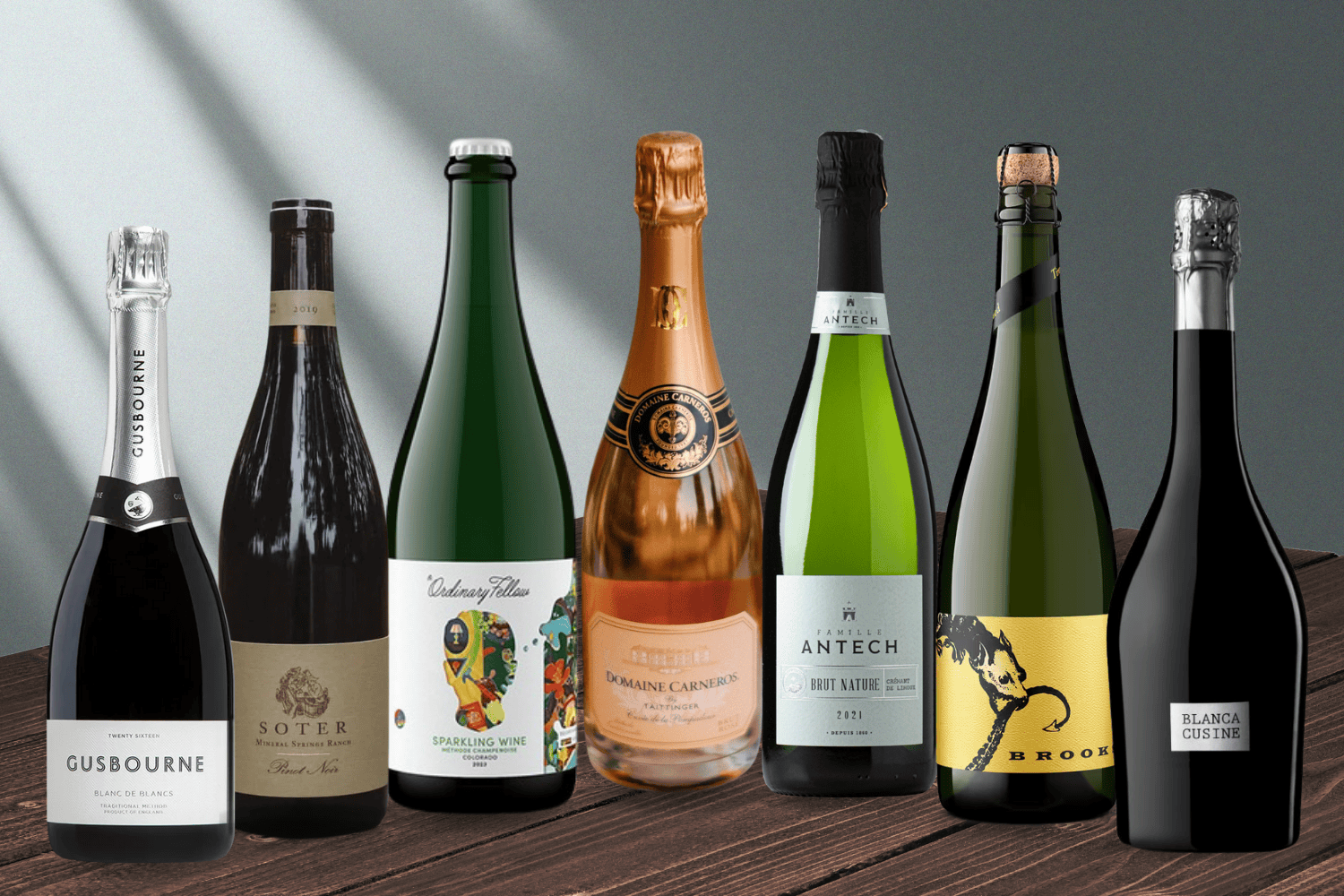
DRINKSeven “Slow” Sparkling Wines for the Holidays