North Stars:

Community Support

Gender Equality

Heritage Value
“These crafts are an integral part of Egypt’s cultural heritage, and we feel a responsibility to preserve them for future generations.”
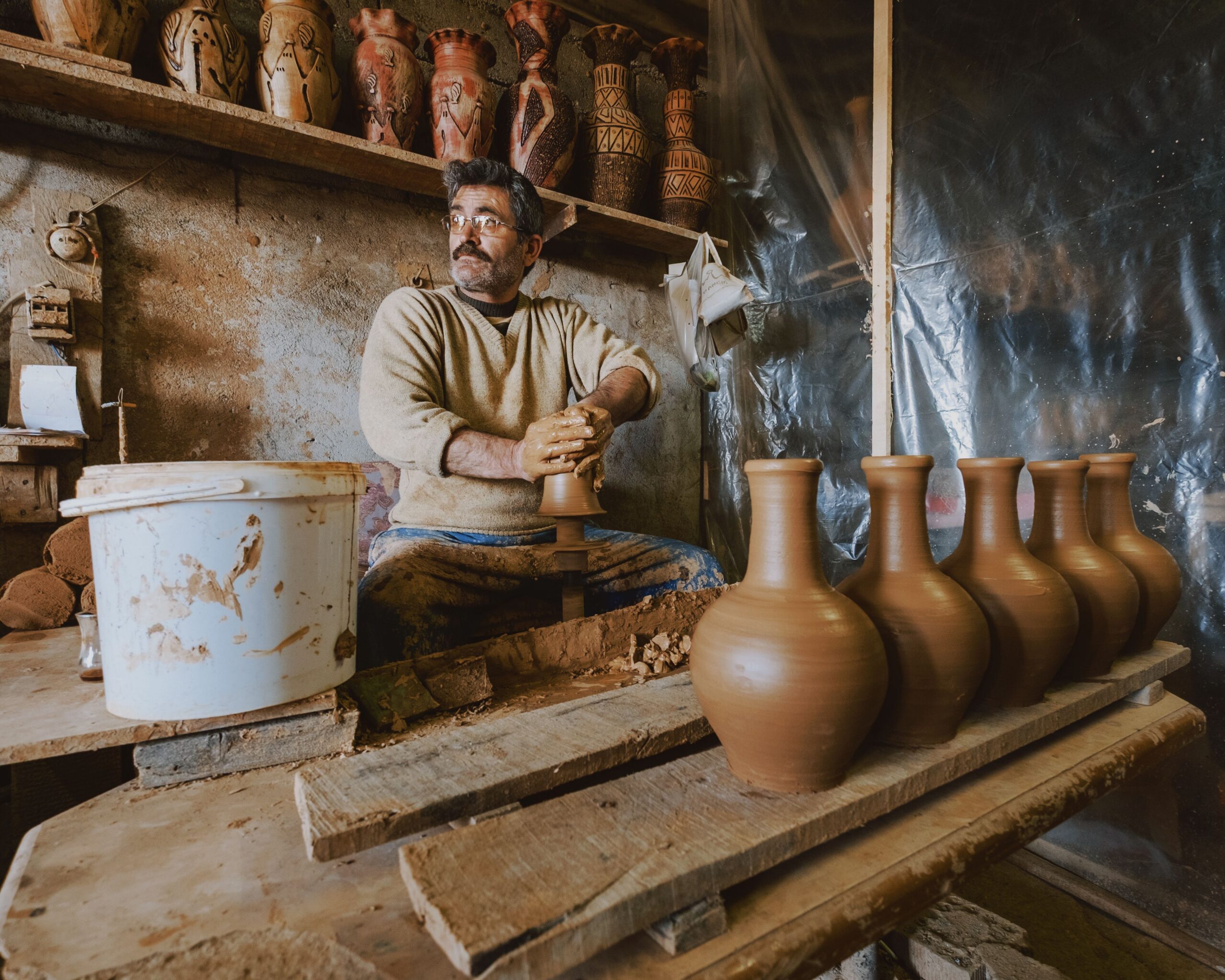
Workshop in Cairo. Courtesy of Pexels.
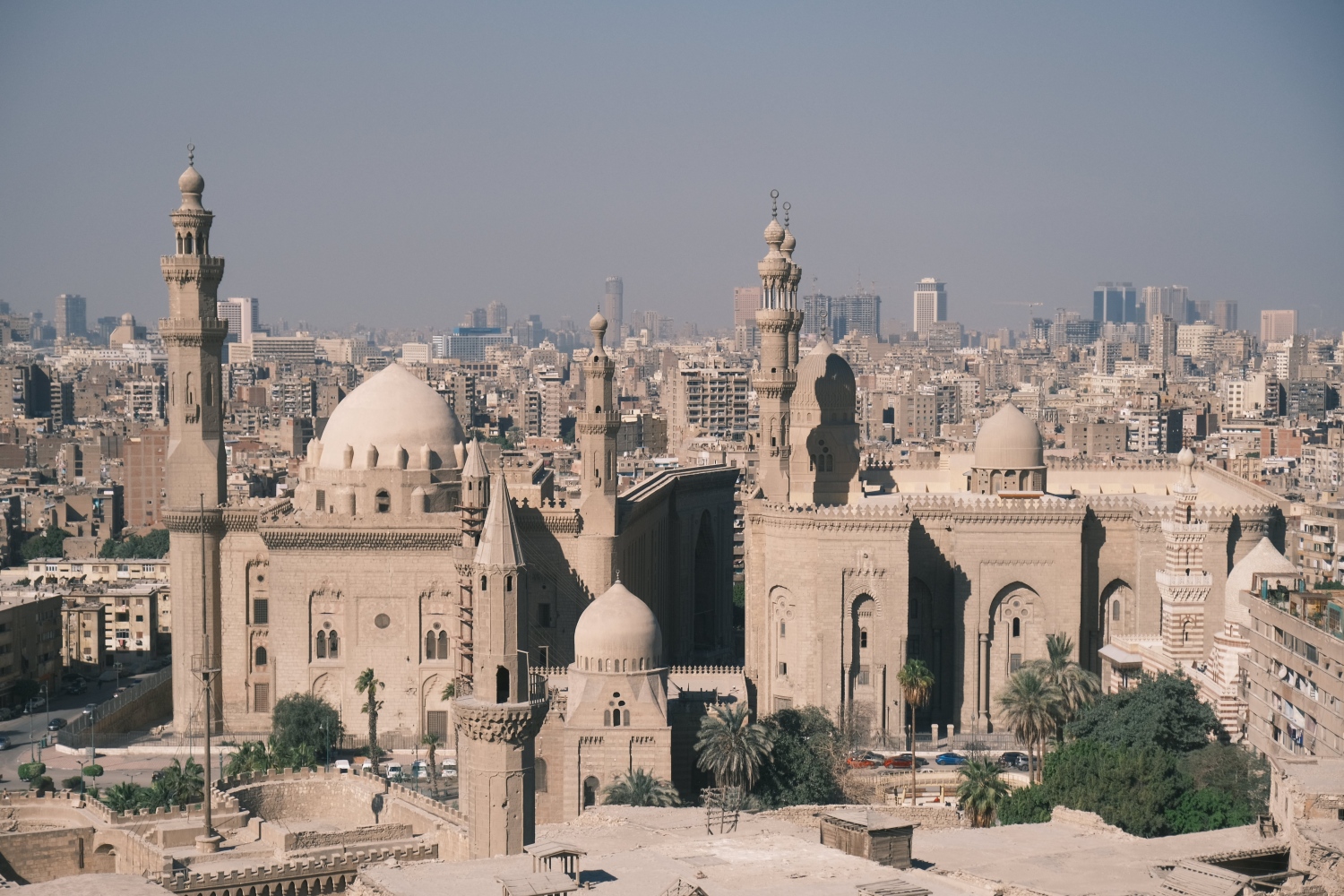
Home to some of the world’s greatest archaeological sites like the Great Pyramids of Giza and the Sphinx, Cairo is a dream travel destination for many people. And lately, more and more people are making that dream a reality. In recent years, Egypt has been hitting record-high tourist numbers, drawn by buzzy new attractions like the Grand Egyptian Museum, Nile cruises, and, of course, its timeless cultural treasures.
But there’s one side of Cairo cultural tourism that doesn’t get as much attention, and it’s the city’s many craftsmanship and artistic traditions. While the artwork of ancient Egypt is still widely celebrated, it just scratches the surface of all the creative industries that have developed here: glassblowing, bookbinding, sculpture, weaving, metalwork…the list goes on. In craft workshops around the city, many of these traditions are carried on by families or given fresh life by contemporary artisans. With cheaper imports, loss of relevancy, and other economic factors like lack of tourist attention impacting demand, supporting Cairo’s heritage crafts is more important than ever. Here are six craft workshops around Cairo worth seeking out, from shops with centuries of history to contemporary outfits introducing age-old traditions through modern eyes.
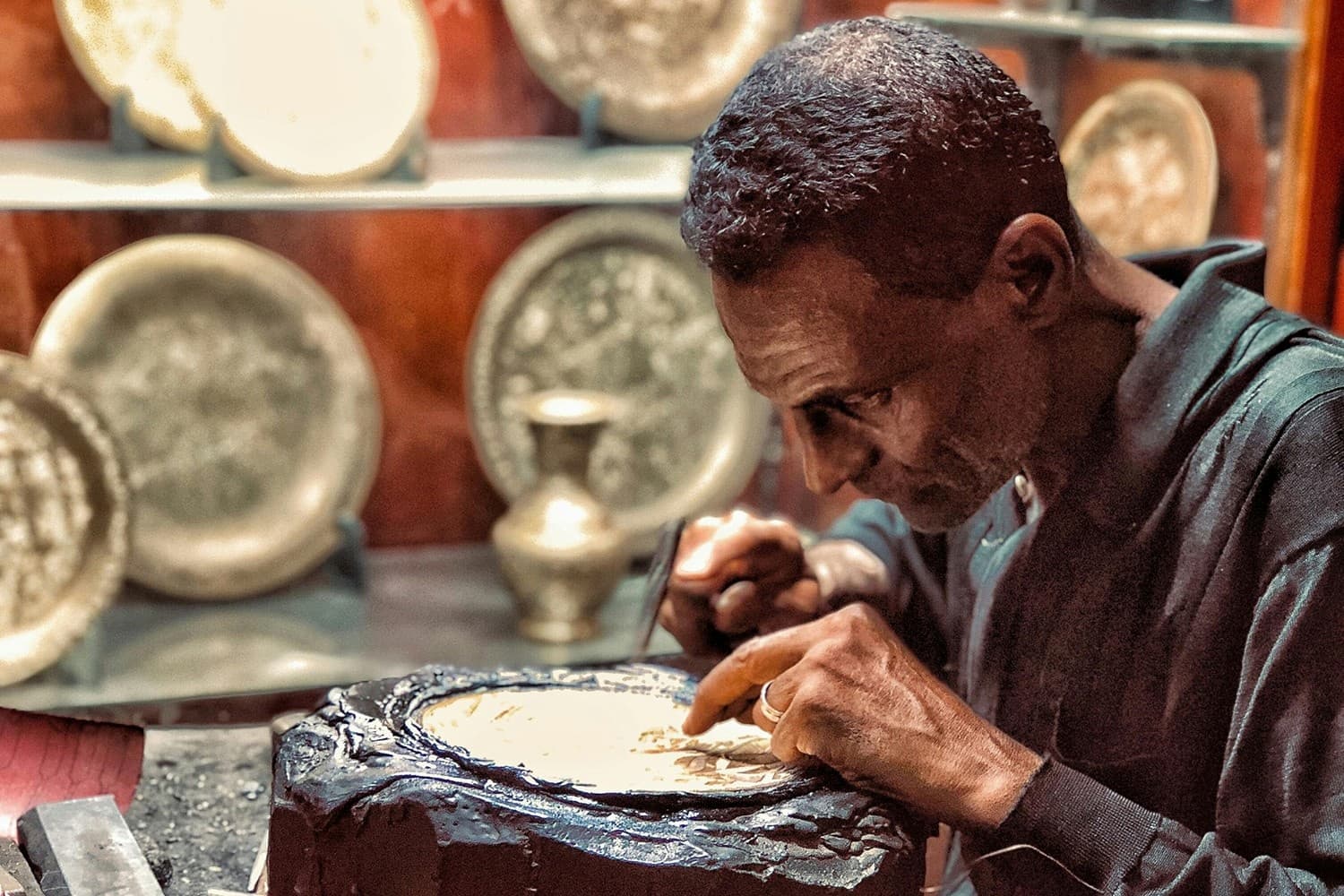
A copper artisan at work. Courtesy of Ahmed Shahwan/Pexels
Gamaleya Project
Set a stone’s throw from the heart of Old Cairo, the Gamaleya district was once a thriving artisan hub. Over the years, that heritage has been slipping away, which is where the Gamaleya Project comes in. Housed within two restored historic buildings, this mixed enterprise consists of a collective of fair-trade artist workshops, a school to teach and hand down craft traditions, and a boutique hotel.
Here, three classic Egyptian art forms carry on: copper crafting, which hit its zenith during the Islamic medieval era; bead-making using wood, ebony, inlaid metals, and semi-precious stones; and filigree metalwork. Some artisans are women, while others are men, and sometimes, you’ll get the chance to watch the artists in action as you browse. Items for sale range from wooden boxes intricately inlaid with mother of pearl to large engraved copper trays you find in tea houses across the city. Prices tend to be higher here, but the workmanship cannot be faulted so it’s worth the splurge.
Atelier Abdelzaher
Coptic binding is one of Egypt’s most historic and enduring art forms, dating all the way back to the 2nd century AD. Only a few artisans today still practice this form of bookbinding, one of which is Atelier Abdelzaher.
Located in a barrel-vaulted space that’s part of Sultan Qaitbey’s 1500s Caravanserai (a former inn), this family-run atelier is a book lover’s dream. Shoppers can choose from a range of paper products lining the shelves, including fine-bound notebooks, photograph albums, and artist sketchbooks, made with thick, acid-free paper and covers of softened leather or homemade ebru (Turkish paper marbling) marbled paper. Books can even be personalized for an extra bespoke touch.
“We are so proud to keep a lost art [alive], and we are trying hard to spread it,” says current fourth-generation shopkeeper and bookbinder Yasser Adelzaher. And they’re helping keep the art form alive even beyond the shop; some of their former artisans have branched out and opened their own bookbinding businesses around the Gulf.
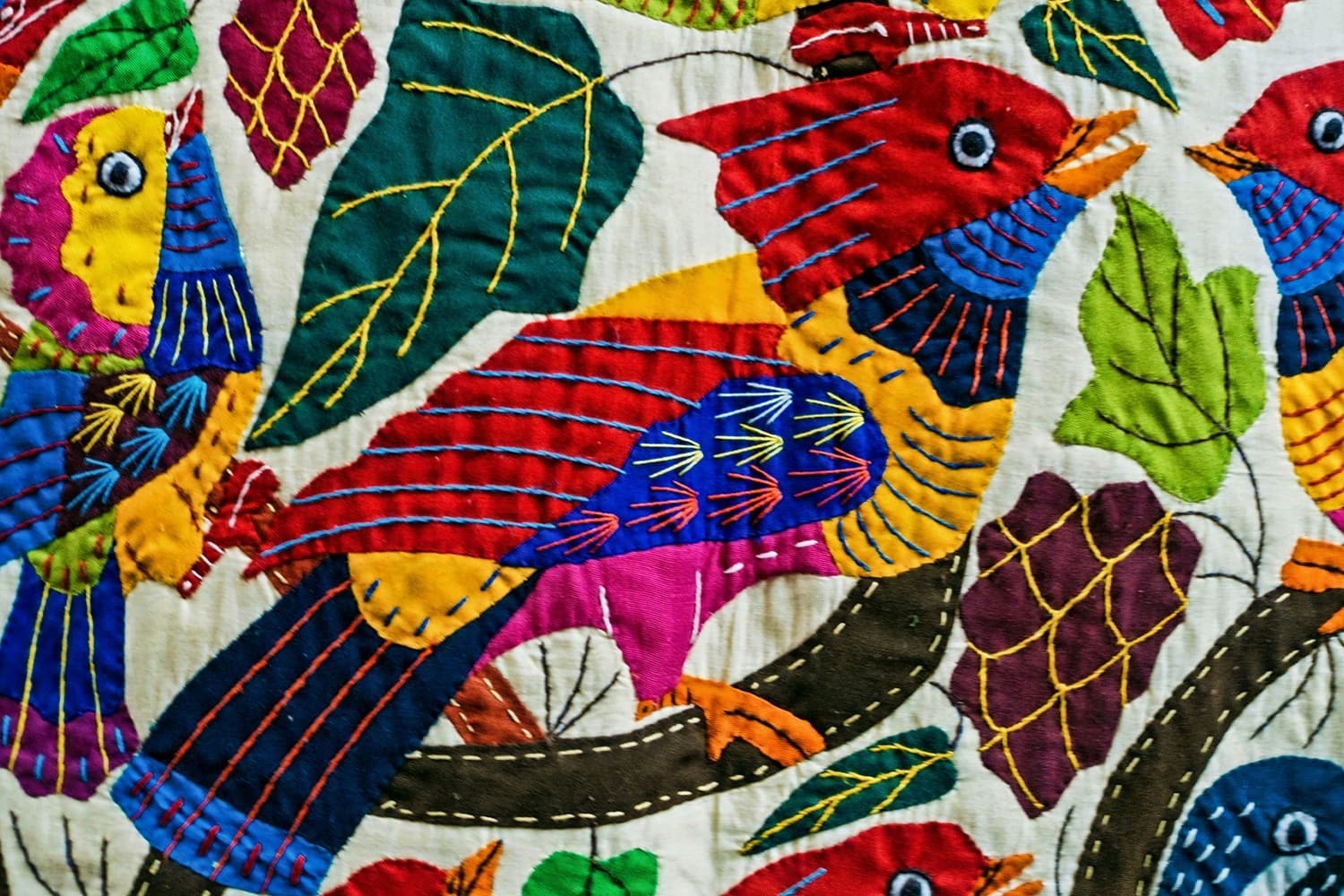
Islamic-influenced needlework. Courtesy of Thales Botelho de Sousa
Ramses Wissa Wassef Art Center
Established in 1952 by its eponymous founder, a visionary architect and art professor, this workshop-turned-art-center was created to preserve and promote historic tapestry weaving techniques. Stepping inside the center, itself a work of art with domed ceilings inspired by Nubian mud dwellings, visitors can walk the weaving-lined hallways, admire galleries and displays, watch the artisans in action on wool, cotton, or batik masterpieces, and even select a tapestry to take home as a souvenir from the shop.
The results are intricate, painting-like tapestries depicting scenes of felucca sailing vessels on the Nile and lost images of the Egyptian countryside. Much of the work is done by female weavers, who achieve financial independence and gain skills and knowledge through their work.
“We believe that these crafts are an integral part of Egypt’s cultural heritage, and we feel a responsibility to preserve them for future generations,” says staff member Ihab Elsaeed.

Glassblowers at work. Courtesy of Phil Robson
Hodhod Glassblowers
One of Cairo’s last glassblowers, Kamal Hodhod’s workshop lies in the alleyways of the UNESCO-enshrined Al-Qarafa, or the City of the Dead, neighborhood. This tiny, heat-heavy workshop is a true piece of Cairo craft history, handed down from father to son in the Hodhod family since Ottoman rule (which ended in 1882).
For its creations, the workshop reuses recycled glassware collected from around the city, recreating it into colorful vases, plates, lampshades, and other pieces. Beyond reasonable prices for these one-of-a-kind items, the workshop is well-worth seeking out for its history alone; its owners and workers have just as fascinating backstories, like patriarch Hassan Ahmed Ali, who once worked as a professional boxer and declined offers to work abroad to preserve the craft here.
Cairopolitan
For shoppers seeking a Cairo souvenir that feels a bit more fresh and contemporary, this hip boutique near the trendy Zamalek neighborhood is just the ticket. True to its name, Cairopolitan specializes in quirky, handmade souvenirs that look at everyday Cairo and Egyptian life through a modern, pop art-esque lens.
Many items are designed and made in-house in the store’s own workshop, but Cairopolitan also partners with a number of other artisan workshops, from pottery to metalworks for its wares. Roam the sleek store and choose from an array of housewares, accessories, stationery supplies, art prints, and more. The hand-tufted rugs, which depict local iconography like street signs, are a stand-out, as well as the miniature versions of chair designs seen in cafes and tea houses around Cairo.
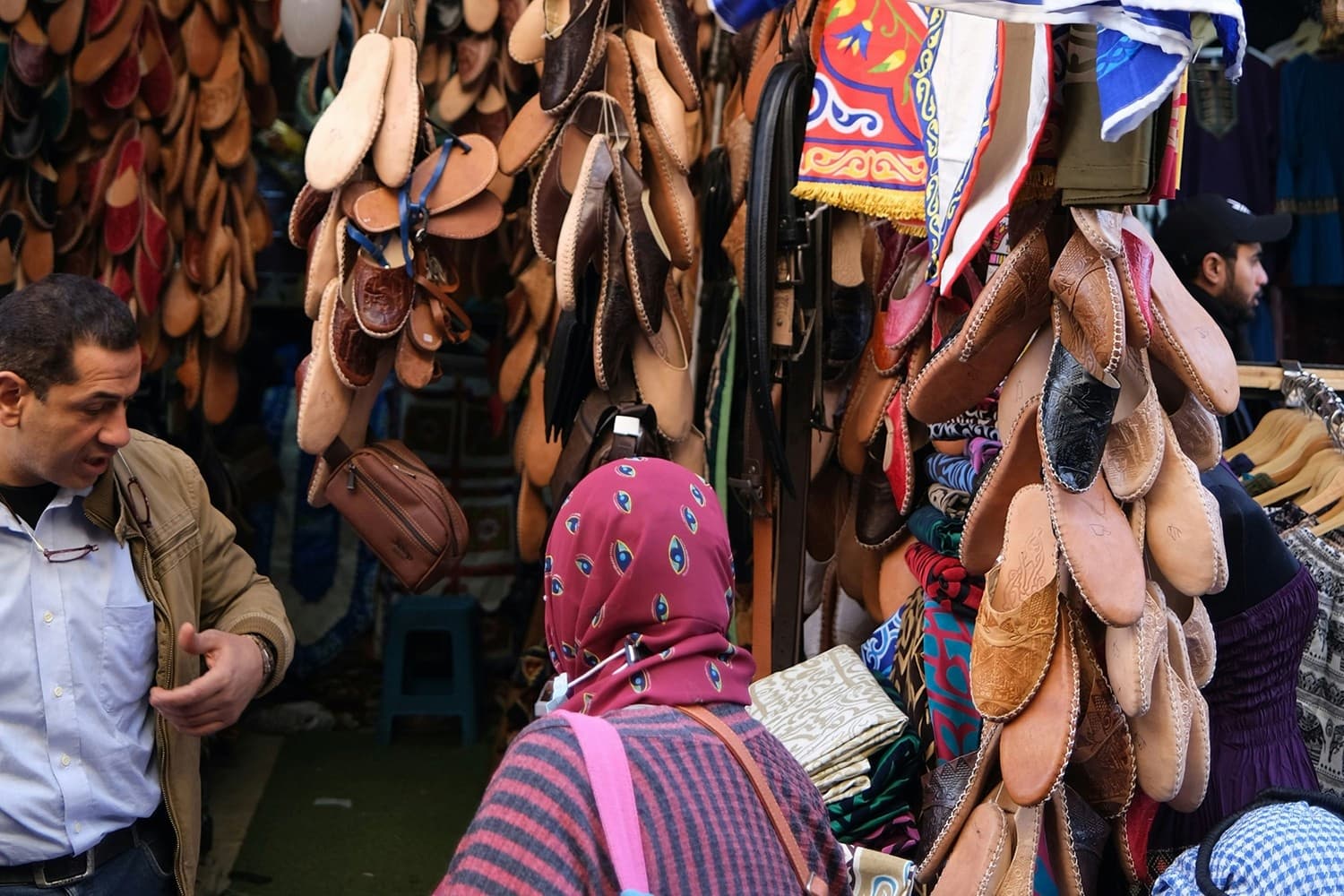
Exploring Cairo’s craft markets. Courtesy of Admad Ajmi
Tips for Visiting Cairo’s Workshops
Artisans rarely speak more than a few words of English, but don’t let that put you off; all of these workshops are happy for tourists to stop by. Organized tours of some workshops are also available from the likes of Emo Tours.
Most product prices are variable, and it’s almost expected that you will haggle. Start with a price around 50% of that stated, aiming to agree at 75-80% of the original price. Take cash in the form of Egyptian pounds or US dollars for larger purchases.

Ian is a multi-award nominated freelance travel writer specialising in Africa, and a public speaker. He has travelled across the continent for close to two and a half years in total over two decades, visiting 40 of its 54 countries, many on several occasions. His bylines include Wanderlust, adventure.com, BBC Travel and The i while his website encircleafrica.org also features his words and travels. He can also be found on social media: @ianmpackham.
North Stars: Community Support, Heritage Value, Water Management